

2014 Toyota 86 2.0 (A) Review

 Share
Share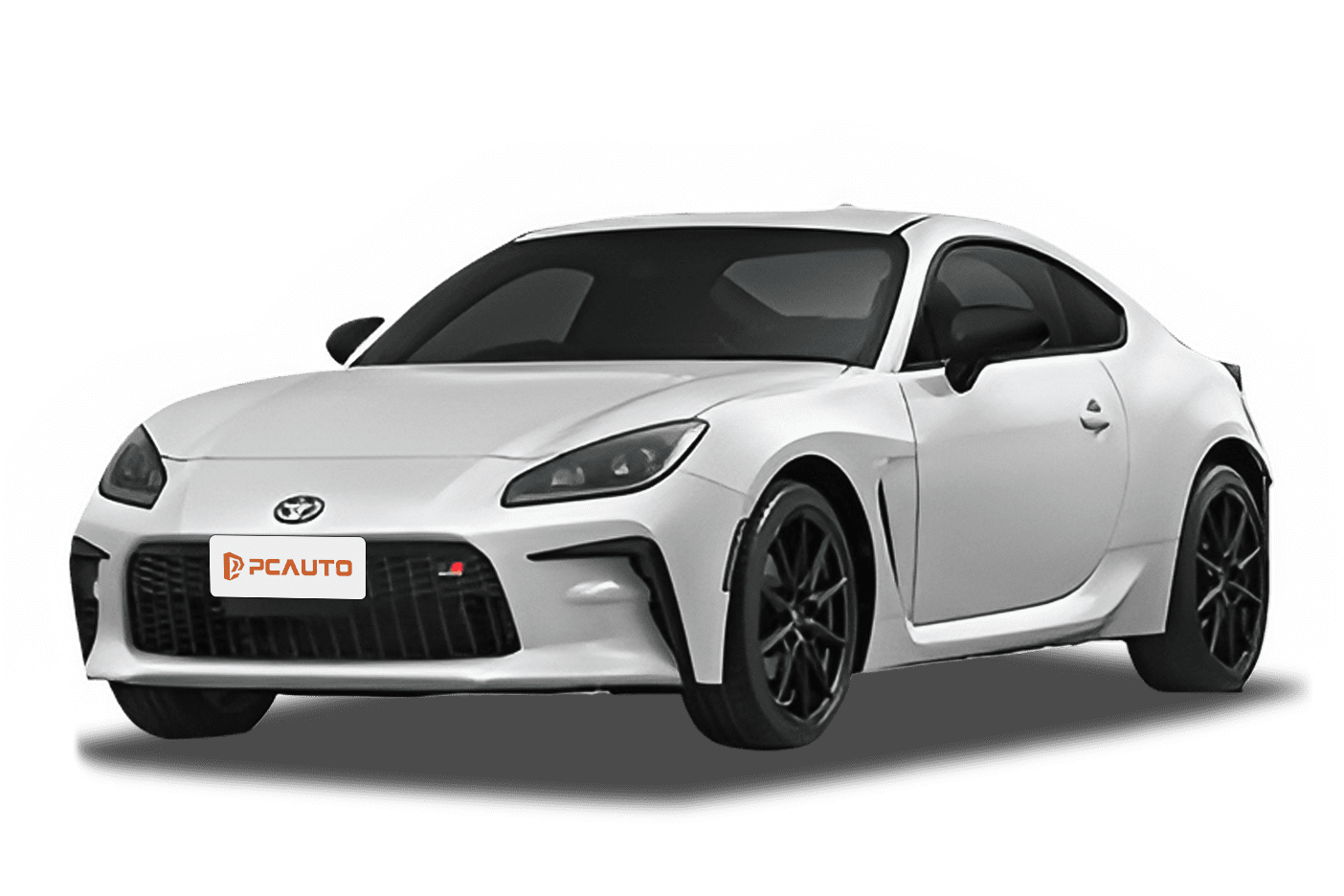
 Segment
 Body Type
 Capacity(L)
 Engine Power(PS)
 Transmission
 Driven Wheels
In the Malaysian sports car market, the Toyota 86 2.0 (A), launched in 2014, has always been a popular choice for entry-level rear-wheel-drive sports cars. It focuses on delivering pure driving pleasure, targeting consumers who seek a great driving experience without bearing the hefty price tag of a supercar. The most attractive aspect of this car is that for less than RM250,000, you get a factory-tuned rear-wheel-drive chassis, a high-revving naturally aspirated engine, and a setup that’s close to being a “driver’s car.” We got our hands on the real car to verify if its dynamic performance truly lives up to the title of a “people’s sports car” and to see if its static experience and features meet the needs of daily use.
In terms of exterior design, the Toyota 86’s styling fully serves its sports car positioning. Its overall shape is low and sleek, measuring 4,240mm in length, 1,775mm in width, 1,285mm in height, and a wheelbase of 2,570mm. The short front and rear overhangs give it an aggressive look. The front features a trapezoidal air intake grille, paired with Xenon headlights and standard daytime running lights, offering high recognition. Two muscular lines extend from the A-pillar to the front grille over the hood, adding a sense of power. The car’s side profile is smooth, with 17-inch wheels and 215/45 R17 tires, which are not overly wide but perfectly match its power output. At the rear, the horizontal design of the taillights makes them stand out when illuminated, while the diffuser-style rear bumper and single-side single-exit exhaust (though not too aggressive) maintain the car’s sporty feel. It’s worth mentioning that its lighting configuration is considered generous among sports cars in this price range. Besides the Xenon headlights, it also comes standard with automatic headlights and front and rear fog lights.
Sitting inside, the interior design leans towards practicality without excessive flamboyance. The dashboard uses a T-shaped layout, with hard plastic on the upper section and some soft materials wrapped around the middle and door panels. It doesn’t feel luxurious to the touch, but for a 2014 entry-level sports car, it’s quite standard. The multifunction steering wheel is of moderate size and offers a solid grip. The left side provides buttons for volume adjustment and call handling, while the right side features controls for the instrument panel’s information display. It also comes standard with paddle shifters for manual control of the gearbox. The instrument cluster consists of traditional mechanical dials, with a small monochrome LCD screen in the center to display basic information such as speed, RPM, and fuel level. The tachometer is deliberately placed centrally to allow the driver to keep close track of the engine’s status. In terms of features, the car is equipped with dual-zone automatic climate control, keyless entry/start, a 220V power outlet, and manually adjustable front seats, which provide good support, especially around the waist and thighs, to keep the body stable during spirited driving. The rear seats are two small individual ones with legroom that can barely accommodate children. However, they can be folded down to expand the trunk capacity from 243 liters, enough to fit two carry-on suitcases or a golf bag—sufficing for daily commutes or short trips, albeit modestly.
In terms of power, this car is equipped with a 2.0L naturally aspirated flat-four engine, delivering a maximum horsepower of 200 PS at 7,000 rpm and a maximum torque of 205 Nm at 6,400 rpm (Note: torque figure added based on data for the 2014 Toyota 86, not listed in the original text). It is paired with a six-speed automatic transmission. Judging by the specifications, it’s not a car that excels at instant acceleration, but its high-revving nature is quite apparent. The engine performs mildly below 3,000 rpm, making it suitable for daily commuting, but once it exceeds 4,000 rpm, the power noticeably surges, and it maintains linear output all the way to the 7,000 rpm redline. Switching to manual mode and using the paddle shifters, the gearbox responds quite promptly, with automatic rev-matching on downshifts to simulate the feel of a manual transmission. The official 0-100 km/h acceleration time is 8.1 seconds. During actual testing in Sports Mode, the rear wheels exhibited slight slippage on takeoff (a characteristic of rear-wheel drive). Although the acceleration is not particularly fast, the rhythm of gear changes and the engine sound (which, while not very high-pitched, offers a pure naturally aspirated feel) provide a delightful driving experience.
Handling and chassis are the core strengths of the Toyota 86. It features front MacPherson independent suspension and rear double wishbone independent suspension, with a firm chassis tuning. The steering wheel is precise and has minimal play, offering direct feedback from the road. When cornering, the body roll is well-controlled, and the short wheelbase and low center of gravity make it extremely agile. Even during swift lane changes, the vehicle maintains stability. On bumpy roads, the suspension filters out most of the minor vibrations, but encountering speed bumps or large potholes might feel bumpy, especially for rear passengers—this is a necessary trade-off for its sporty tuning. In terms of braking, the front and rear ventilated discs perform consistently, and during emergency braking, the vehicle maintains composure without a noticeable nosedive. As for fuel consumption, the official combined fuel consumption is 7.1L/100km. In urban driving, it is around 8-9L, while on the highway, it can drop to around 6L. For a naturally aspirated sports car, this fuel efficiency is considered economical.
When it comes to daily driving comfort, its performance is decent. The front seats provide good support, and long drives won't cause much fatigue; however, the rear seats are primarily for emergency use, as legroom is limited and headroom is quite cramped. In terms of noise control, wind and tire noise are not very noticeable at low speeds in the city, but at speeds over 120km/h on the highway, wind noise gradually increases. For a sports car, however, such noise can actually enhance the driving atmosphere. The automatic transmission is smooth, with no noticeable jolts during daily use. The energy recovery logic (though it's a gasoline car, the transmission's coasting logic) is relatively natural and does not affect comfort.
To summarize, the core highlights of the Toyota 86 2.0 (A) are clear: pure rear-wheel-drive handling, a high-revving naturally aspirated engine, an affordable price, and configurations that can barely meet daily usage needs. Compared to competitors at the same price point (like the Mazda MX-5 RF, but the MX-5 is a convertible and more expensive), its advantages lie in the more practical 2+2 seating layout and lower entry cost. Compared to family cars, its driving fun is overwhelming. However, its shortcomings are also apparent: limited rear space, average interior materials, and moderate power. This car is most suitable for people who prioritize driving pleasure, usually drive alone or with one passenger, and occasionally need to carry family members for short distances—for example, young professionals or enthusiasts who enjoy weekend mountain road drives.
If you are looking for a sports car that is "affordable and fun to drive," the Toyota 86 2.0 (A) is definitely one of the best choices in this price range. It is not a perfect car, but it has achieved an exceptional balance in its "affordable sports car" positioning.
Toyota GR86 Car Compare

Toyota GR86 Loan Calculator
More Toyota Reviews
Cars With Similar Price And Features
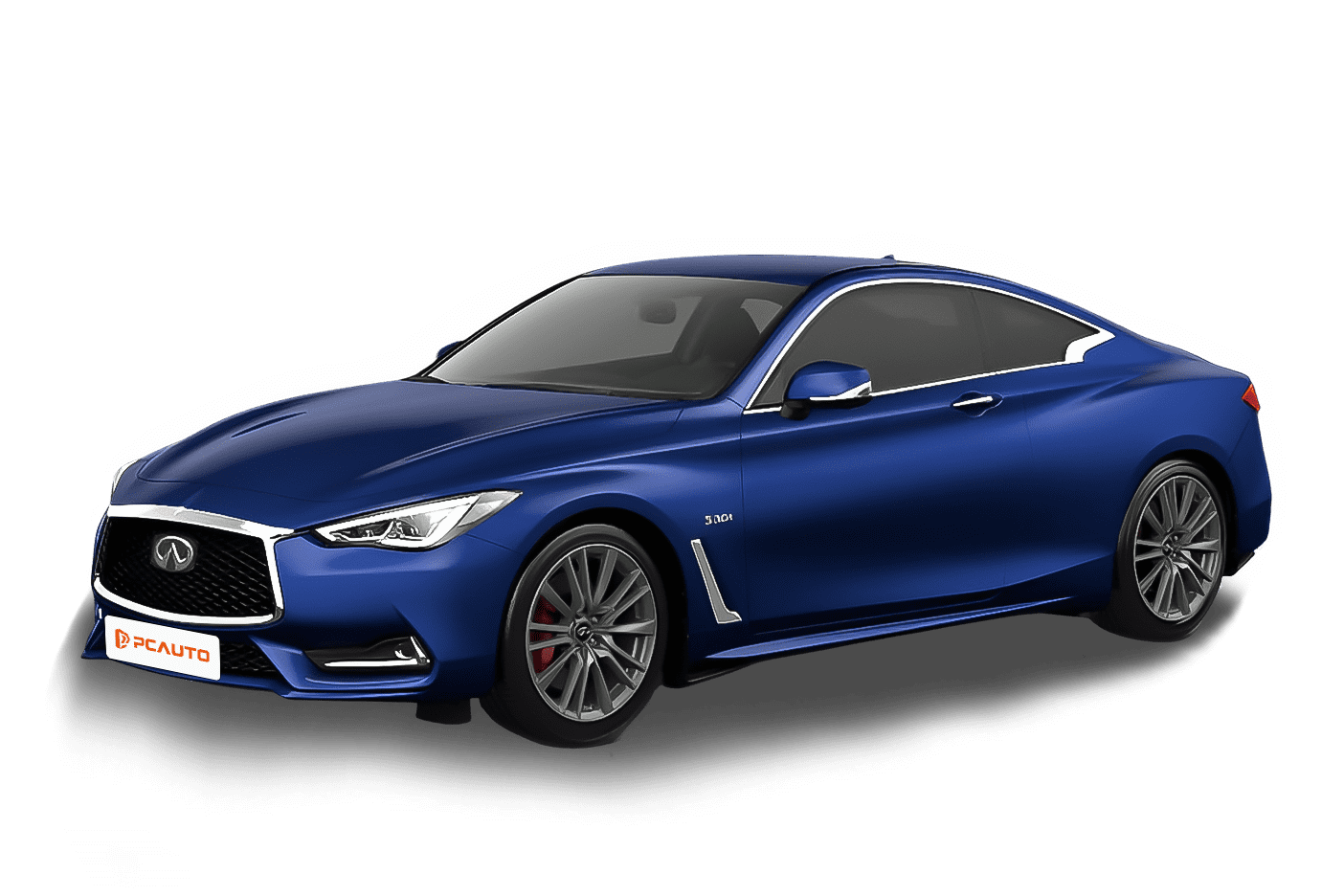
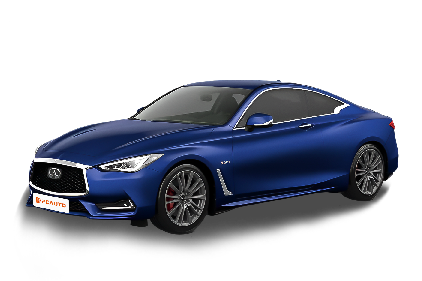
2017 Infiniti Q60 2.0t is a luxury coupe that balances sporty design and daily practicality, featuring a family-style exterior, BOSE audio system, and balanced power as its core selling points.
10
Rank in Coupe
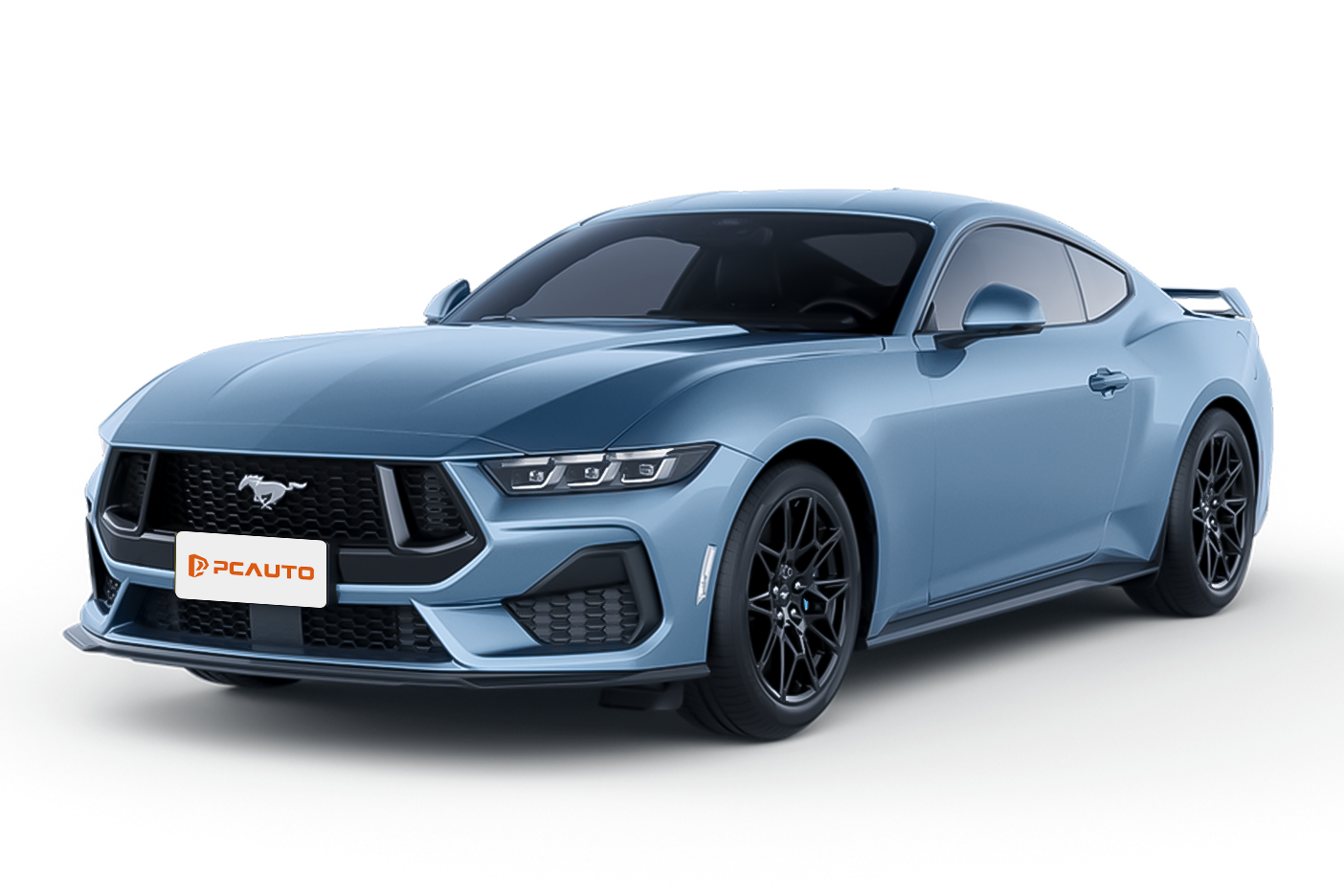
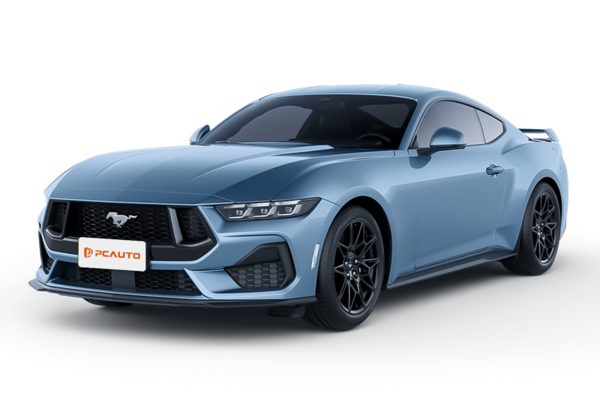
2018 Ford Mustang 2.3 EcoBoost retains the classic muscle car appearance with high cost performance, the 2.3T engine delivers 310PS horsepower, balancing performance and practicality for daily driving.
6
Rank in Coupe
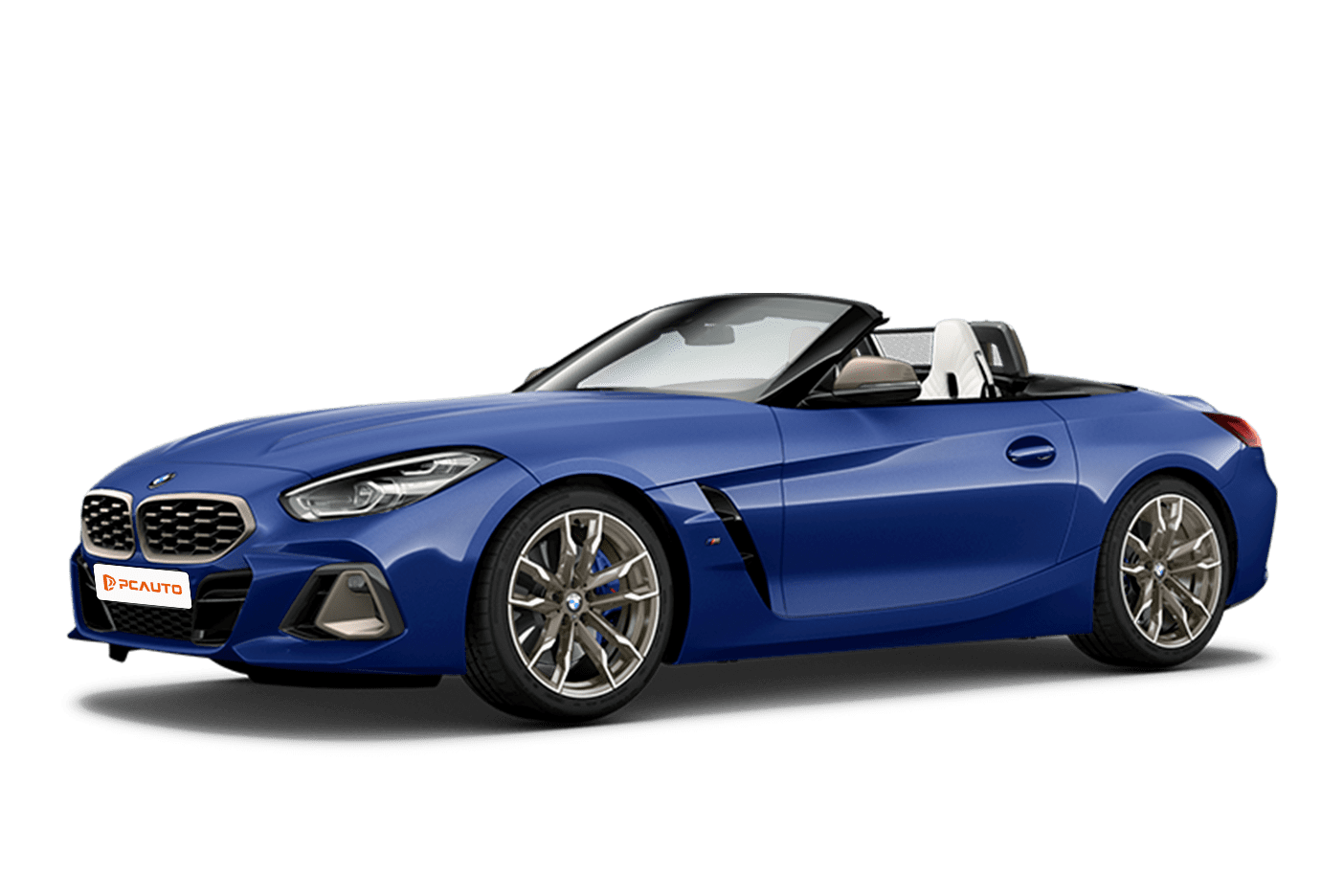
2023 BMW Z4 public, as a classic rear-wheel-drive convertible sports car, balances driving pleasure and daily practicality, with class-leading intelligent features and a compact body precisely meeting the needs of Malaysian users.

2018 Mercedes-Benz AMG C-Class Coupe AMG C 43 4MATIC is centered around a 3.0T V6 twin-turbo engine + 4MATIC all-wheel drive, balancing luxury texture, daily commuting, and performance driving, making it a high-value, well-rounded luxury performance coupe.