

2017 Renault Captur TCe 120 EDC (CKD) Review

 Share
Share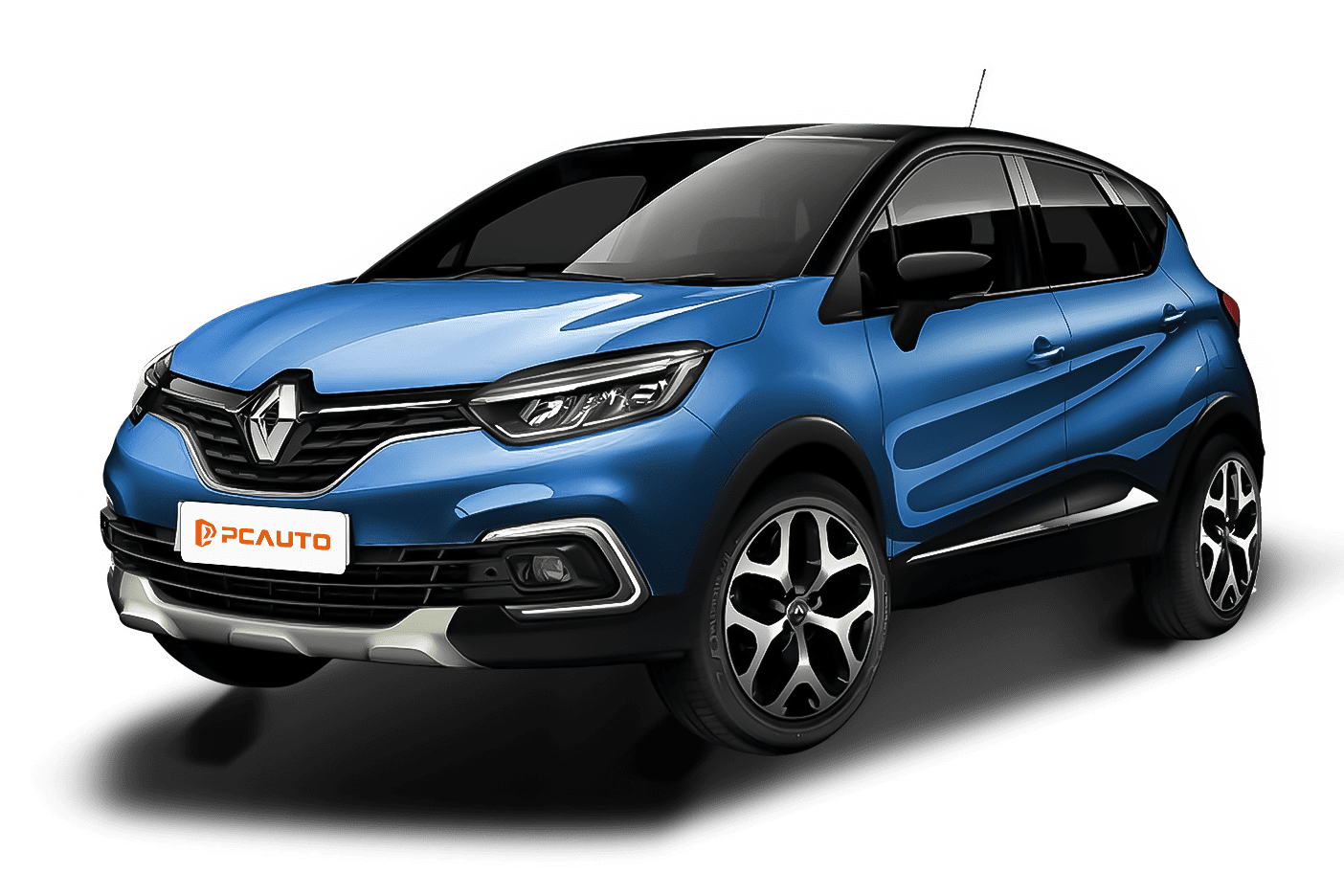
 Segment
 Body Type
 Capacity(L)
 Engine Power(PS)
 Transmission
 Driven Wheels
Today, Malaysia's B-Segment SUV market is becoming increasingly competitive. Consumers not only want a compact and agile body but also hope to balance practicality and rich configurations — the 2017 Renault Captur TCe 120 EDC (CKD) is here to meet these demands. As a locally assembled Renault model, it focuses on "high configuration + extended warranty" as its core selling points, with a price set at RM 107,695, directly targeting other popular models in the same segment. The main purpose of this test drive is to verify whether its static experience meets expectations, whether its dynamic performance is balanced, and whether its localized value for money truly has an edge.
From the exterior, the design of the Captur takes on a fashionable route, with overall smooth and rounded lines without overly aggressive edges. The front features Renault's family-style "smiling" grille, with chrome trim connecting halogen headlights on both sides, paired with a black front lip for decent recognition. The floating roof design is a highlight of the side profile, separating the roof from the body using black pillars, paired with 17-inch dual-tone wheels for a youthful and lively visual effect. The design of the rear is relatively simple, with L-shaped taillight clusters that are highly recognizable when illuminated. A concealed exhaust and silver skid plate below add a touch of robustness to its SUV appearance. In terms of lighting, it comes standard with automatic headlights, daytime running lights, and front and rear fog lights, which are practical for daily use.
Stepping inside, the overall interior style leans toward simplicity. The center console is covered with soft-touch materials, matched with piano black panels and silver trims, achieving a texture that is above average in its class. The instrument cluster is fully digital, with a clear interface that displays information such as fuel consumption, speed, and navigation. The 7-inch touchscreen is located on top of the center console and supports Bluetooth connectivity and basic multimedia functions, with decent responsiveness. In terms of configuration, the Captur performs excellently: standard features include keyless entry/start, an electrically adjustable driver's seat, single-zone automatic air conditioning, rain-sensing wipers, and electrically folding side mirrors. These features are not commonly found in vehicles at the same price point. The 220V/230V power outlet is particularly practical for users who need to connect external devices.
For space, the Captur's dimensions are 4122mm x 1778mm x 1567mm, with a wheelbase of 2606mm, which is considered mainstream within the B-Segment SUV category. The front seating area is spacious, leaving about a fist's worth of headroom for a 175 cm tall passenger after adjusting the seat. The rear seating area is quite satisfactory as well; passengers of the same height can have about two fists of legroom and one fist of headroom when seated, while the central floor bump is not too high, ensuring comfort even when three adults are seated. The trunk has a standard capacity of 377 liters and supports 60:40 split-folding rear seats, which expand the storage space when folded, enough to accommodate strollers or large suitcases. For small storage, the door pockets, center armrest box, and front cup holders are quite functional, making it easy to store everyday small items.
In terms of power, the Captur is equipped with a 1.2T turbocharged four-cylinder engine, delivering a maximum power of 120PS and maximum torque of 205Nm (at 2000rpm), paired with a 7-speed DCT dual-clutch transmission and a front-engine, front-wheel-drive layout. The official 0-100km/h acceleration time is 10.9 seconds. During daily driving, the power response is quite lively in the initial stages. The turbocharging kicks in smoothly, and low-speed driving is pretty smooth. Switching to sports mode increases throttle sensitivity, and during mid-range acceleration (80-120km/h), there's enough confidence for overtaking — making it suitable for urban expressways or highway driving. However, in congested traffic, the transmission occasionally shows slight gear-shifting jerks, which is a common characteristic of dual-clutch transmissions.
In terms of handling and chassis performance, the Captur adopts MacPherson independent suspension for the front, tuned with a focus on comfort. During daily driving on paved roads, the chassis performs well in filtering out minor bumps, and when going over speed bumps or uneven roads, the suspension absorbs vibrations quickly without noticeable harshness. The steering feel is light with decent precision, making it suitable for female drivers or urban commuting. When cornering, the body roll is kept within a reasonable range without a noticeable "boat-like" feeling, and the stability is good. The braking system uses front ventilated discs, with a linear response and no dead zones, giving drivers confidence during everyday driving.
Fuel consumption performance is one of the main focuses of this test, with an official combined fuel consumption of 5.9L/100km. We drove 100km on urban roads (about 60% congestion) and 100km on highways (about 40%), and the actual measured combined fuel consumption was 6.8L/100km, with highway consumption at approximately 5.6L/100km and urban congested consumption at about 7.5L/100km. This result is average among same-class 1.2T vehicles. Considering its weight of only 1180kg, the fuel consumption performance meets expectations. As for cruising range, with a fuel tank capacity of 45L, a full tank allows for a city cruising range of about 600km and a highway cruising range of about 800km, which can basically meet a week's commuting needs.
In terms of ride comfort, the Captur's performance is commendable. The seats are wrapped in leather, with thick padding and good support, making long rides comfortable; the angle of the rear seats is appropriate, and combined with the air conditioning vents, passenger comfort is ensured. In terms of noise control, tire and engine noise are relatively low at low speeds, although wind noise becomes slightly noticeable at higher speeds but remains within acceptable limits. Additionally, it comes standard with hill start assist and rear parking sensors, making daily parking and hill climbing very convenient.
Overall, the core advantages of the 2017 Renault Captur TCe 120 EDC are clear: Firstly, it offers rich features, such as keyless entry/start, a fully digital instrument panel, and electrically adjustable driver’s seat, which are rare at this price point. Secondly, the extended warranty (5 years with unlimited mileage) is particularly appealing in the Malaysian market. Finally, the price advantage brought by local assembly, at RM 107,695, makes it significantly cheaper than the imported version. Compared to competitors like the Honda HR-V or Toyota C-HR, the Captur provides higher configurations, a longer warranty, while brand influence and space performance are on a comparable level.
This car is most suitable for family users who value cost-performance and features, especially those who need daily commuting capabilities and occasional family outings. Its space can comfortably meet the needs of a family of three, the features enhance daily convenience, and the extended warranty reduces the cost of later maintenance. For users pursuing brand prestige or extreme performance, it may not be the best choice, but for the majority of "practical-minded" consumers, the Captur is a good choice.
In summary, the 2017 Renault Captur TCe 120 EDC is a "balanced" contender without obvious shortcomings. Its features, space, performance, and fuel efficiency are slightly above average in its class. The value for money and extended warranty from local assembly are its core competitive advantages, making it a worthy choice for consumers with a budget of RM 100K-110K.
Renault Captur Car Compare
Renault Captur Loan Calculator
More Renault Reviews
Cars With Similar Price And Features
15
Rank in SUV
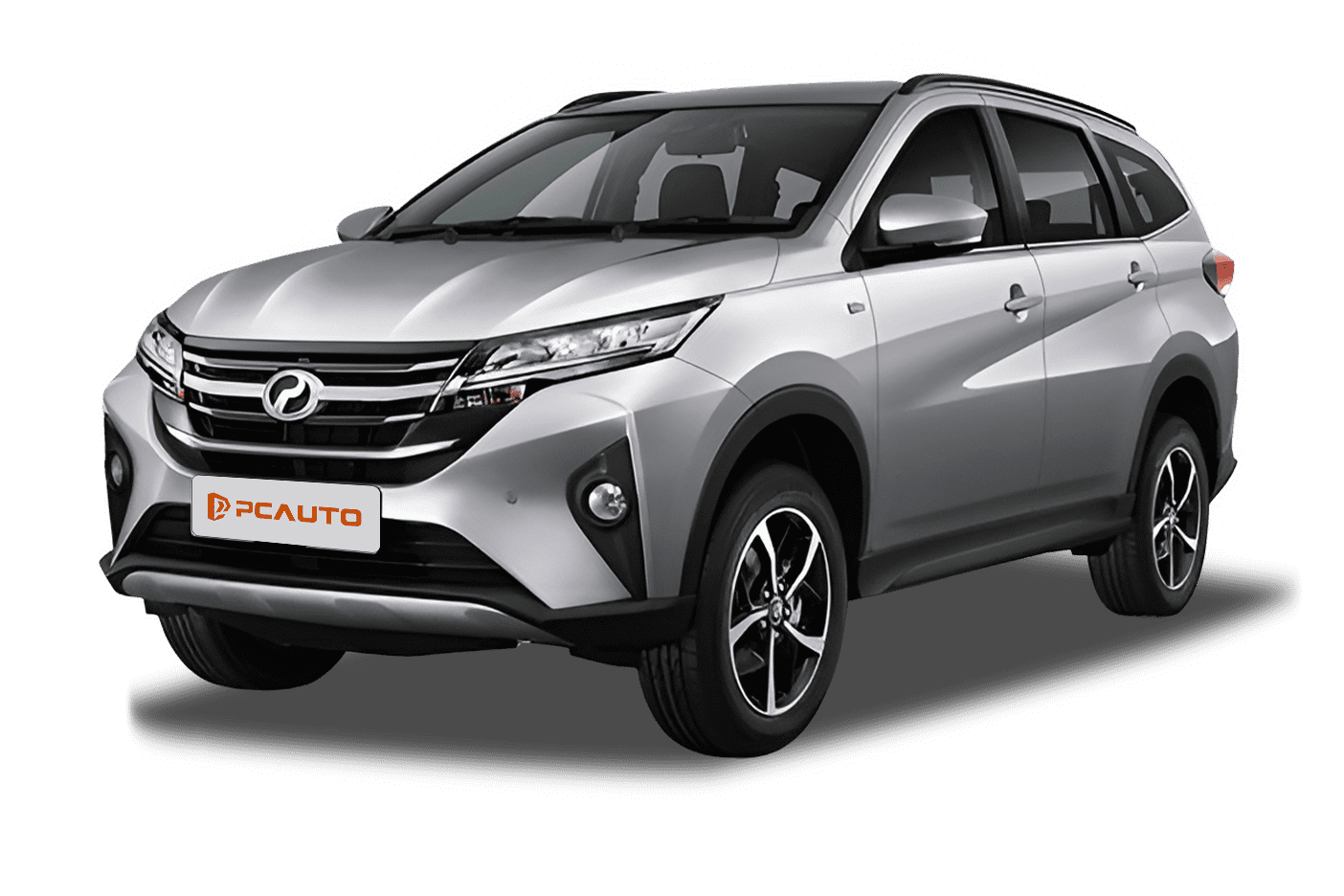
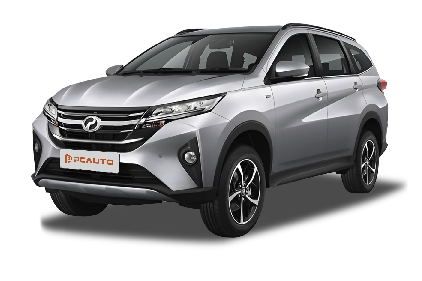
The 2023 Perodua Aruz 1.5L X is a high-value-for-money B-segment 7-seater SUV, offering 6 airbags and active safety systems as standard equipment for under RM63k. It balances practical space and daily commuting needs, making it a pragmatic choice for budget-conscious families.
4
Rank in SUV
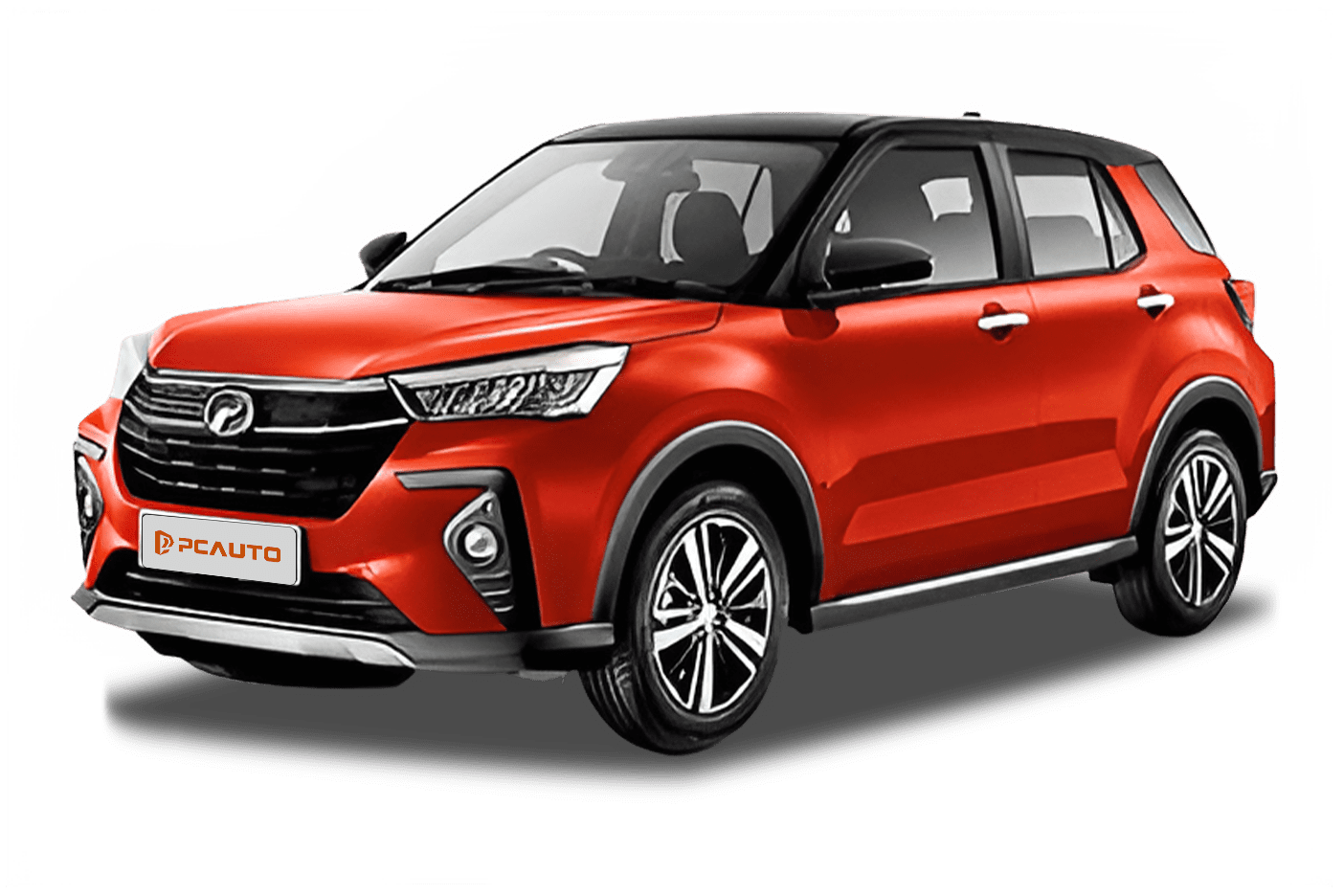
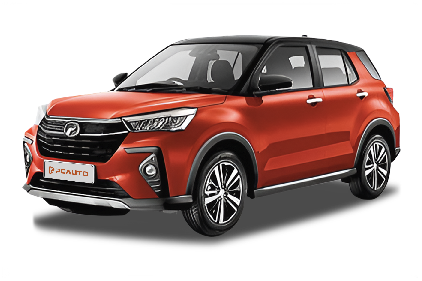
2023 Perodua Ativa 1.0L Turbo X, as a high-value-for-money entry-level B-SUV, meets the commuting and short-distance travel needs of family users with advanced safety features, practical space, and economical fuel consumption.
3
Rank in SUV
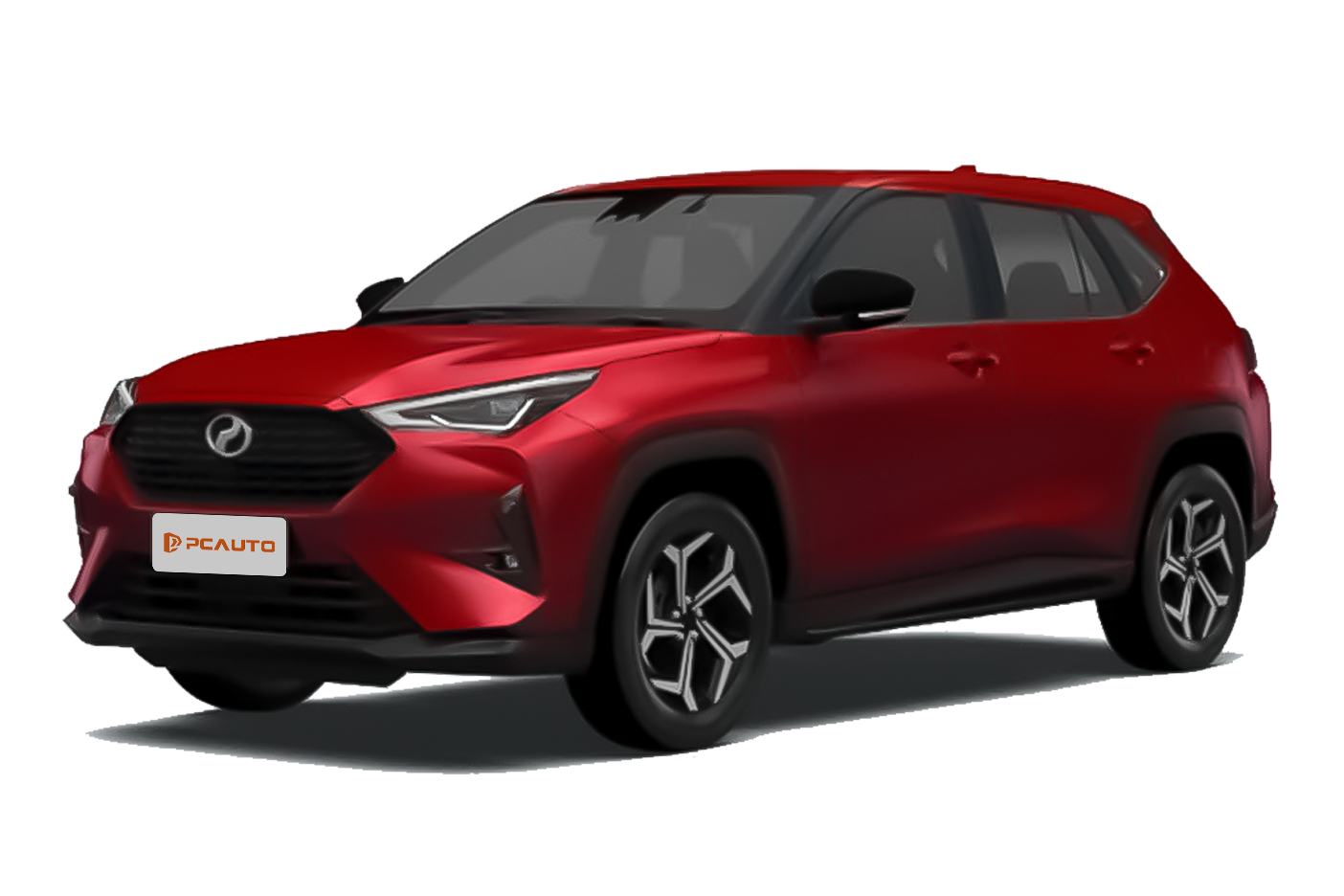
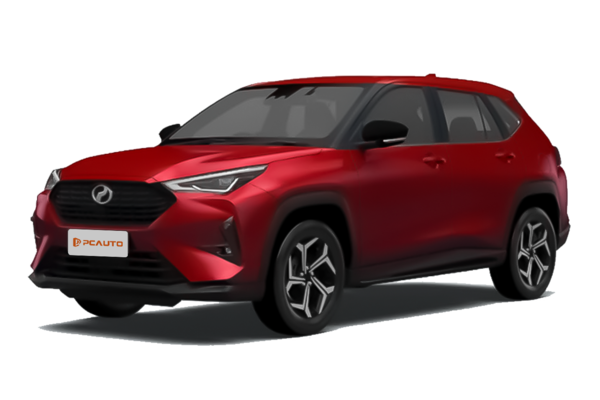
2025 Perodua Traz X, positioned as a B-segment SUV for family users, highlights advanced safety features, 210mm high ground clearance, and practical spaciousness as its main selling points, balancing flexibility and practicality.
2
Rank in SUV
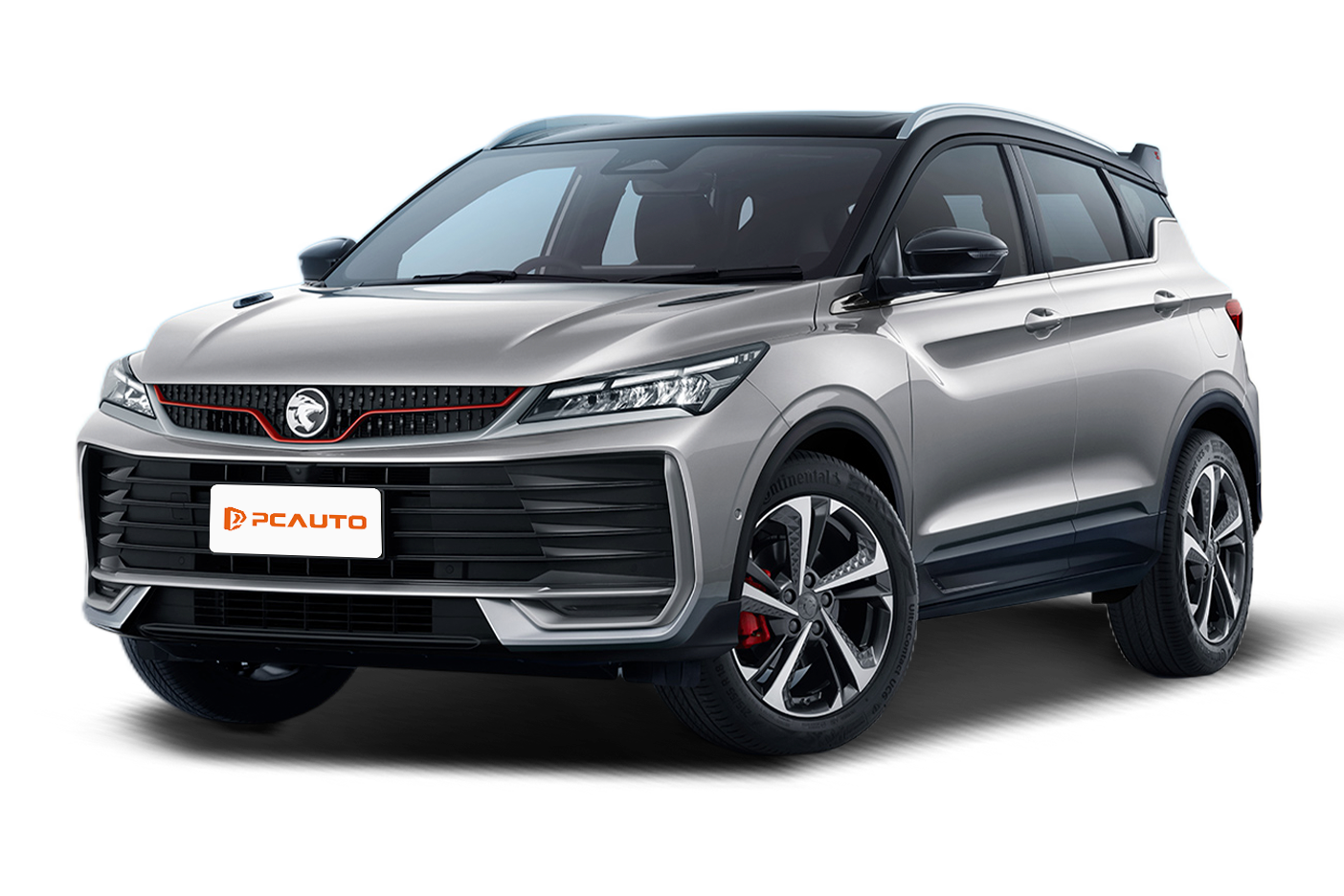
2025 Proton X50 Executive is an upgraded and price-reduced mid-size SUV that combines refined exterior, tech-savvy interior, powerful performance, and practical space, offering exceptional value for money.