

2018 Hyundai Elantra 2.0 Executive Review

 Share
Share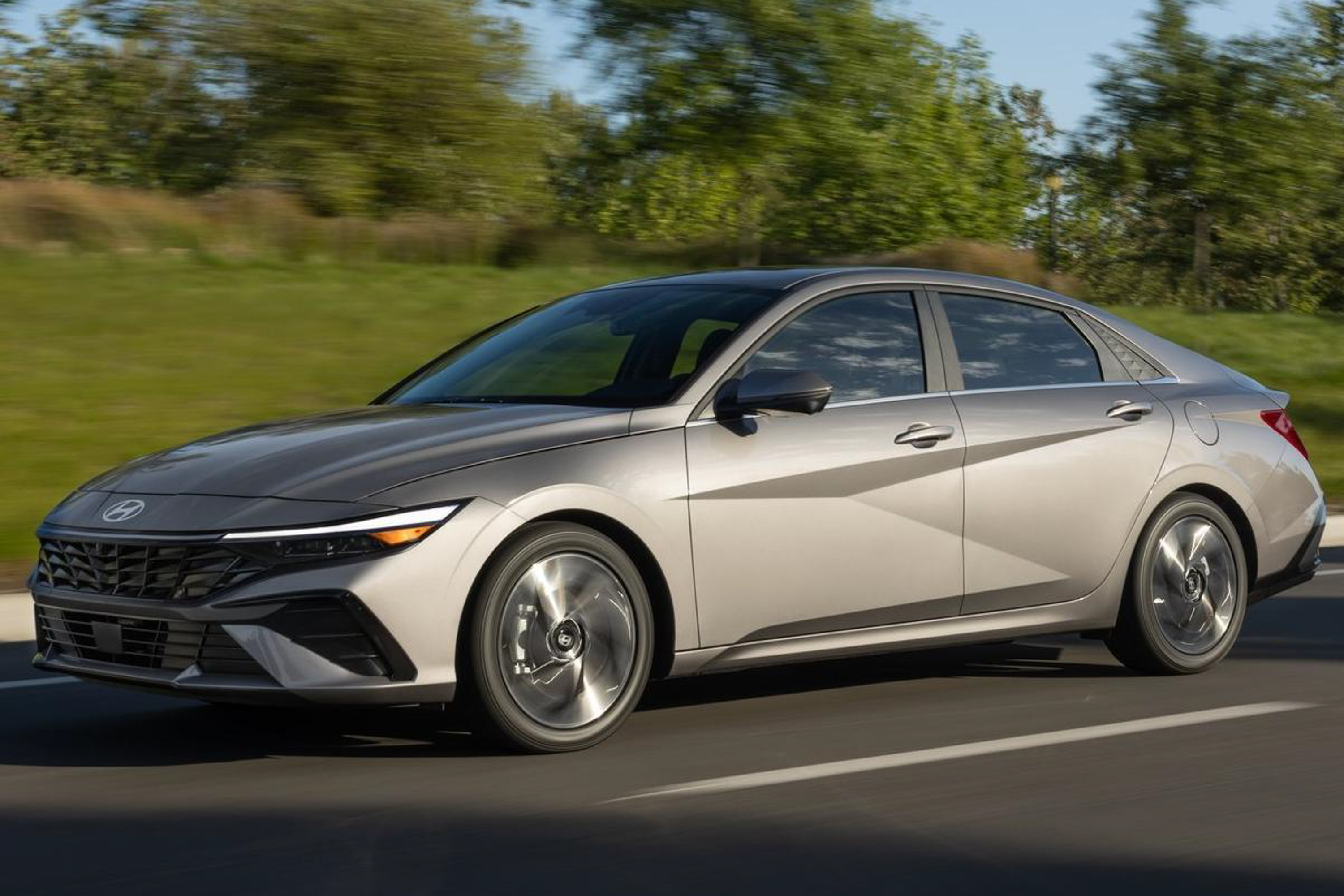
 Segment
 Body Type
 Capacity(L)
 Engine Power(PS)
 Transmission
 Driven Wheels
In Malaysia's C-Segment sedan market, the demand for family use always dominates. Consumers value space practicality and also have clear expectations for features and fuel efficiency. The 2018 Hyundai Elantra 2.0 Executive, as one of the more well-balanced options in this segment, has always been a consideration for family users due to its smooth 2.0L naturally aspirated engine and practical features like 6 airbags and keyless entry. This test drive will focus on its daily driving experience, space performance, and feature practicality to see if it can meet the core needs of Malaysian users.
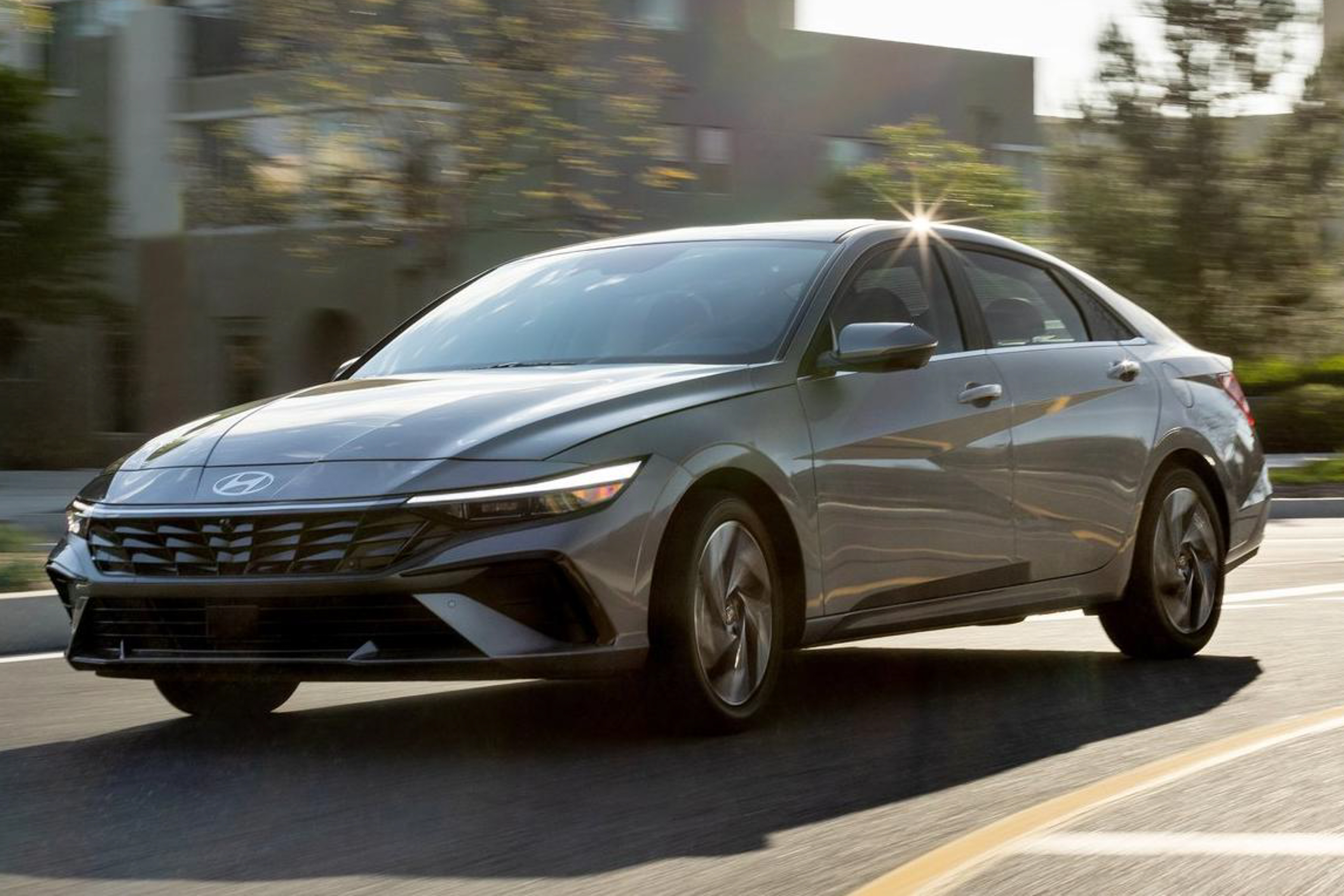
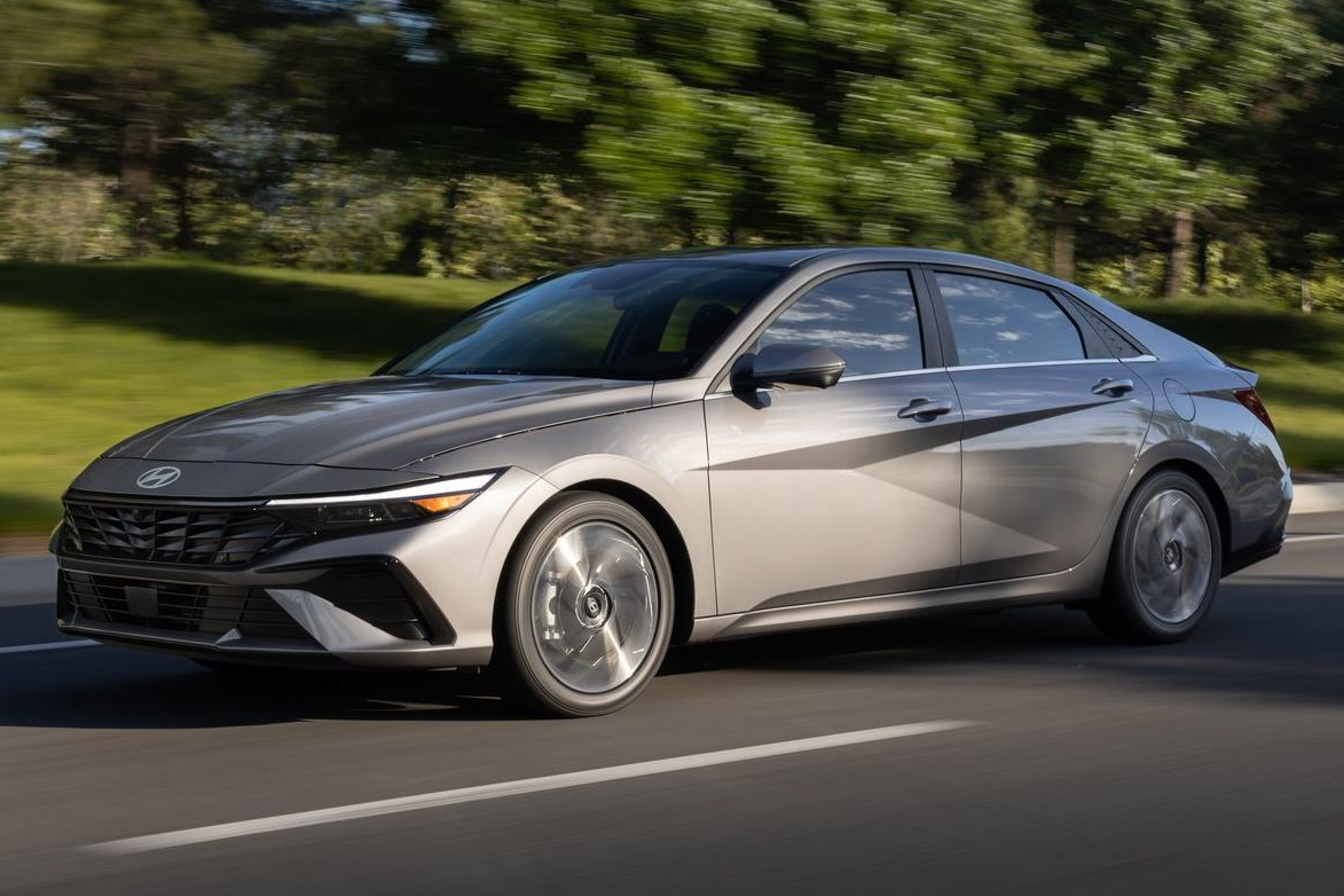
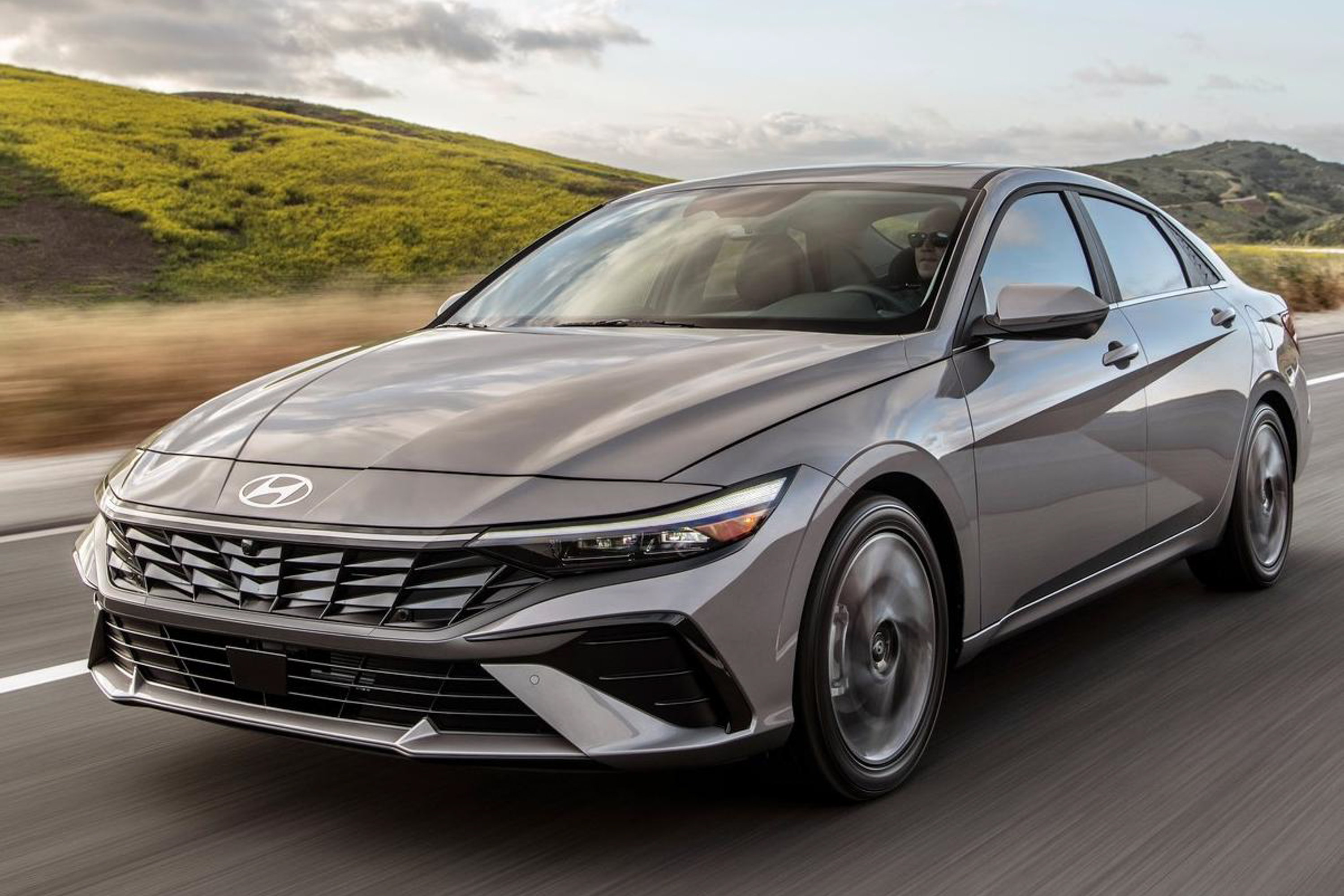
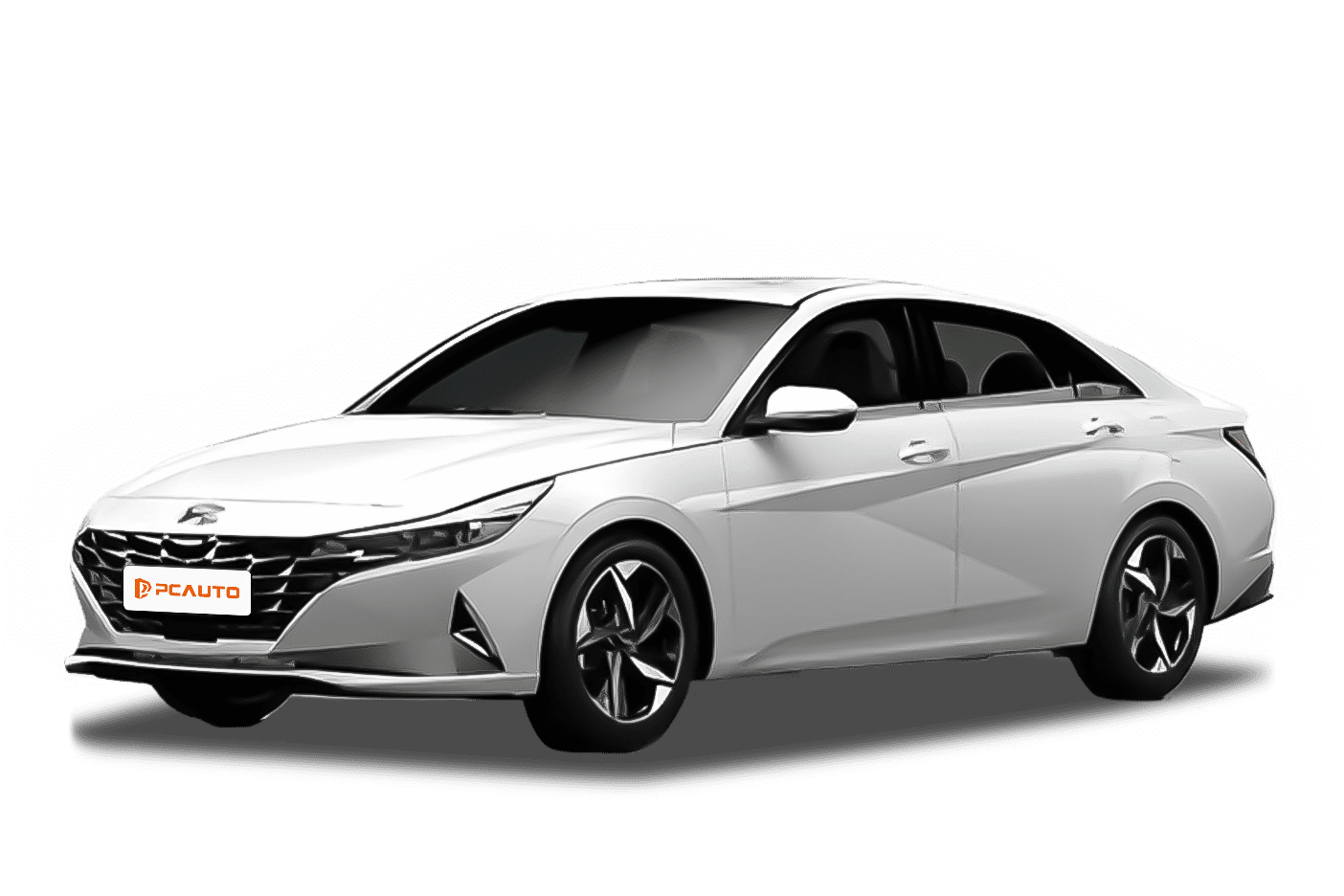
From the exterior, the 2018 Elantra 2.0 Executive maintains the rugged style of this generation. The front features a large hexagonal grille with chrome trim, giving it high recognizability. The standard halogen + LED combination headlights on both sides come with an automatic headlight function, switching automatically during Malaysia’s rainy evenings to enhance convenience. The side profile features smooth lines, with a length of 4570mm and a wheelbase of 2700mm, which are considered mainstream in this segment. The 17-inch wheels paired with 225/45R17 tires give it a balanced visual appearance. The rear design is simple, with taillight shapes echoing the headlights, and chrome accents on the rear bumper adding a touch of finesse. Overall, the exterior has an enduring look that suits the steady positioning of a family car.
Inside the cabin, the interior uses black as the main color tone, with a layered design for the dashboard and clearly laid-out buttons. A 7-inch touch screen is standard and supports basic multimedia functions with a decent level of operational smoothness. The six-speaker system is sufficient for daily music needs. In terms of features, keyless entry and electrically adjustable front seats are highlights, and the power seat adjustment allows finding a comfortable seating position quickly. The rear air conditioning vents and 220V power outlet add practicality, especially with the rear air conditioning vents improving passenger comfort during Malaysia’s hot weather. The seats are made of fabric, offering decent support, though lumbar fatigue may occur after prolonged use. Regarding storage space, the front door pockets can accommodate two 500ml water bottles, and the center armrest box is moderately deep. The trunk capacity is 458L, and combined with the 60:40 split-folding rear seats, it can accommodate items like strollers or large suitcases without issue.
In terms of performance, the 2.0L naturally aspirated engine delivers a maximum power of 152PS and a peak torque of 192N·m, paired with a 6AT transmission. During daily driving, the throttle response is smooth, and the start-up doesn’t feel abrupt, making it suitable for urban traffic conditions. At 4000rpm, the torque is fully unleashed, and when overtaking, deeply pressing the accelerator prompts the transmission to downshift quickly, delivering linear power output. On highways, there is sufficient reserve power for acceleration at speeds of 100-120km/h. The vehicle only has a standard driving mode, with no options for sport or eco modes. The tuning leans toward comfort. The suspension uses front MacPherson independent suspension and rear multi-link independent suspension (note: the rear suspension is not specified in the spec sheet, but the Elantra of this generation is typically equipped with a multi-link setup). It can filter out most small vibrations on Malaysia’s common asphalt roads, though passengers may feel slightly more jolts in the rear when crossing speed bumps. Overall, it maintains decent comfort. The steering feels light with minimal free play, making lane changes easy during daily driving. At higher speeds, the steering becomes heavier, providing adequate stability.
In terms of fuel consumption performance, this test drive covered urban congestion and highway segments, with a combined fuel consumption of about 7.8L/100km, slightly higher than the official 7.2L/100km. Considering the congestion level of urban road conditions in Malaysia, this result is within the acceptable range. The braking system features front ventilated discs and rear ventilated discs, with responsive braking and stable vehicle posture during emergency braking. Regarding noise control, wind noise and tire noise can be heard inside the cabin at 120km/h on the highway, but it is at a medium level within the segment and does not affect normal conversations.
Safety features are one of the advantages of the 2018 Elantra 2.0 Executive, coming standard with 6 airbags (dual front airbags, side airbags, and front and rear curtain airbags), ESP vehicle stability control, hill-start assist, front and rear parking sensors, and a reversing camera. Among the C-Segment models in 2018, such safety configurations rank at a higher level. The vehicle comes with a 5-year/300,000 km warranty, which is a significant assurance for a family car.
Overall, the core advantages of the 2018 Hyundai Elantra 2.0 Executive lie in its balanced configuration, smooth power output, and reliable safety performance. Compared to competitors in the same segment like the Toyota Corolla Altis 1.8G, the Elantra offers more airbags (6 for the Elantra vs. 7 for the Corolla, but the Elantra is more cost-effective) and features such as keyless entry provide better value for money. Compared to the Honda Civic 1.8S, the Elantra's 2.0L engine provides more power reserves with a similar fuel consumption rate. It is suitable for families prioritizing practicality and safety, especially those who frequently travel with family members, seek certain configurations, and have a limited budget.
As a 2018 model, the Elantra 2.0 Executive may lag behind newer models in tech features (such as in-car connectivity), but it remains competitive in terms of space, power, and safety balance. If you are looking for a reliable, practical, and well-equipped family sedan, it is still a worthy option to consider.
Hyundai Elantra Car Compare
Hyundai Elantra Loan Calculator
More Hyundai Reviews
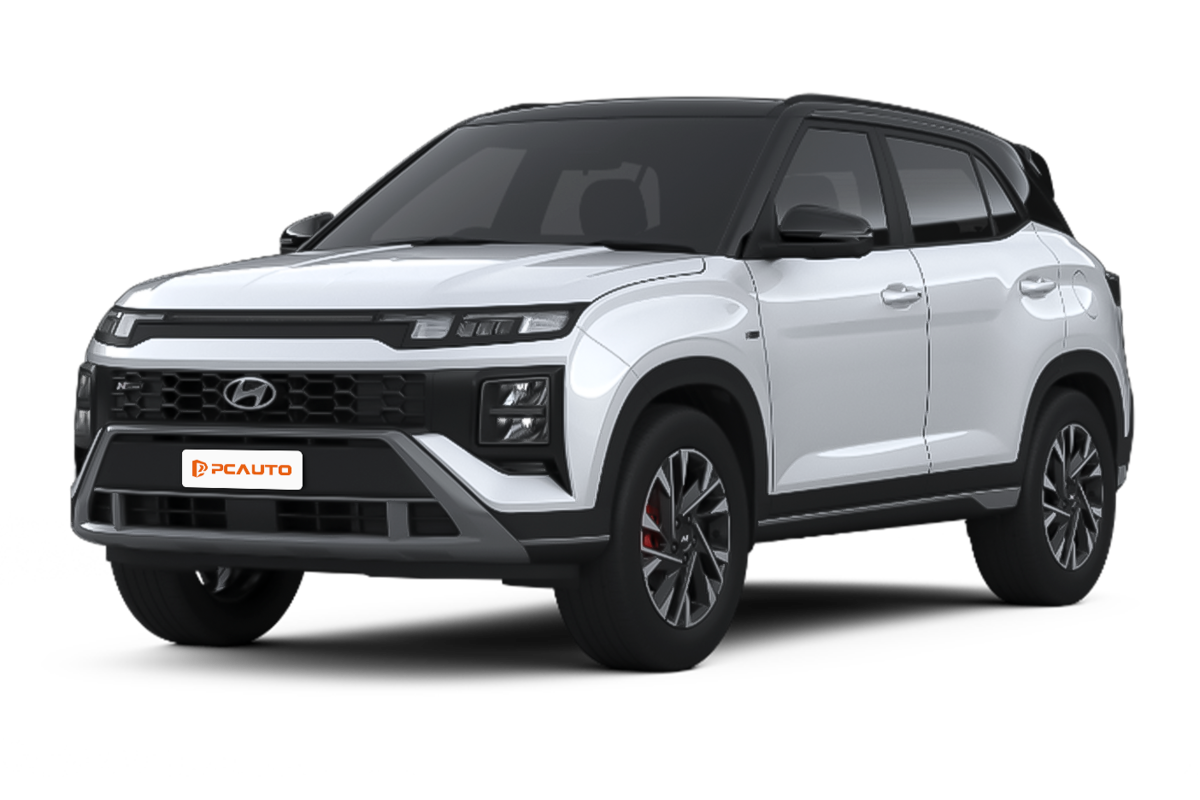
Cars With Similar Price And Features
3
Rank in Sedan
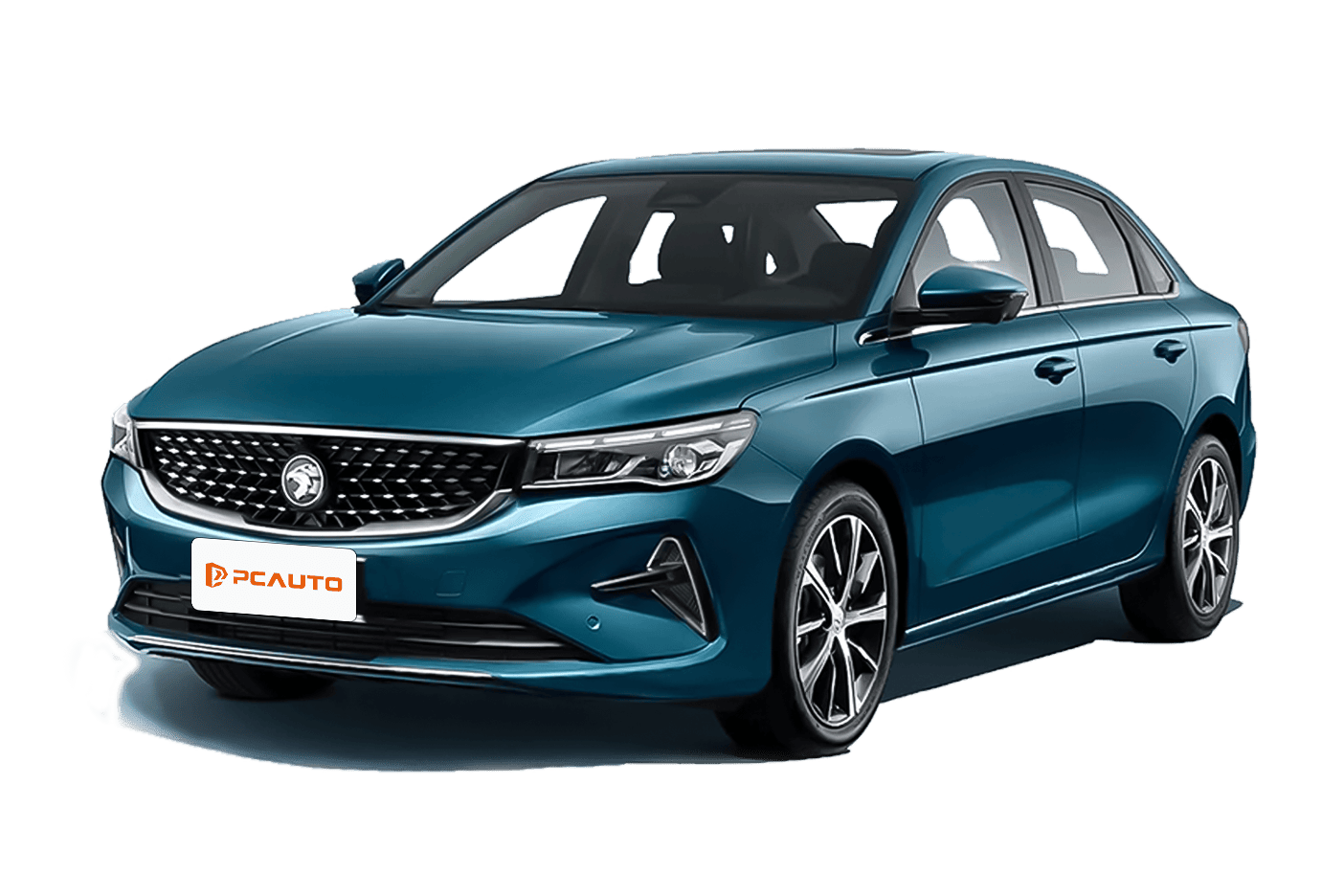
2024 Proton S70 1.5T Executive is an affordable entry-level family C-segment sedan with practical space and lively performance, balancing elegant design with basic safety features.
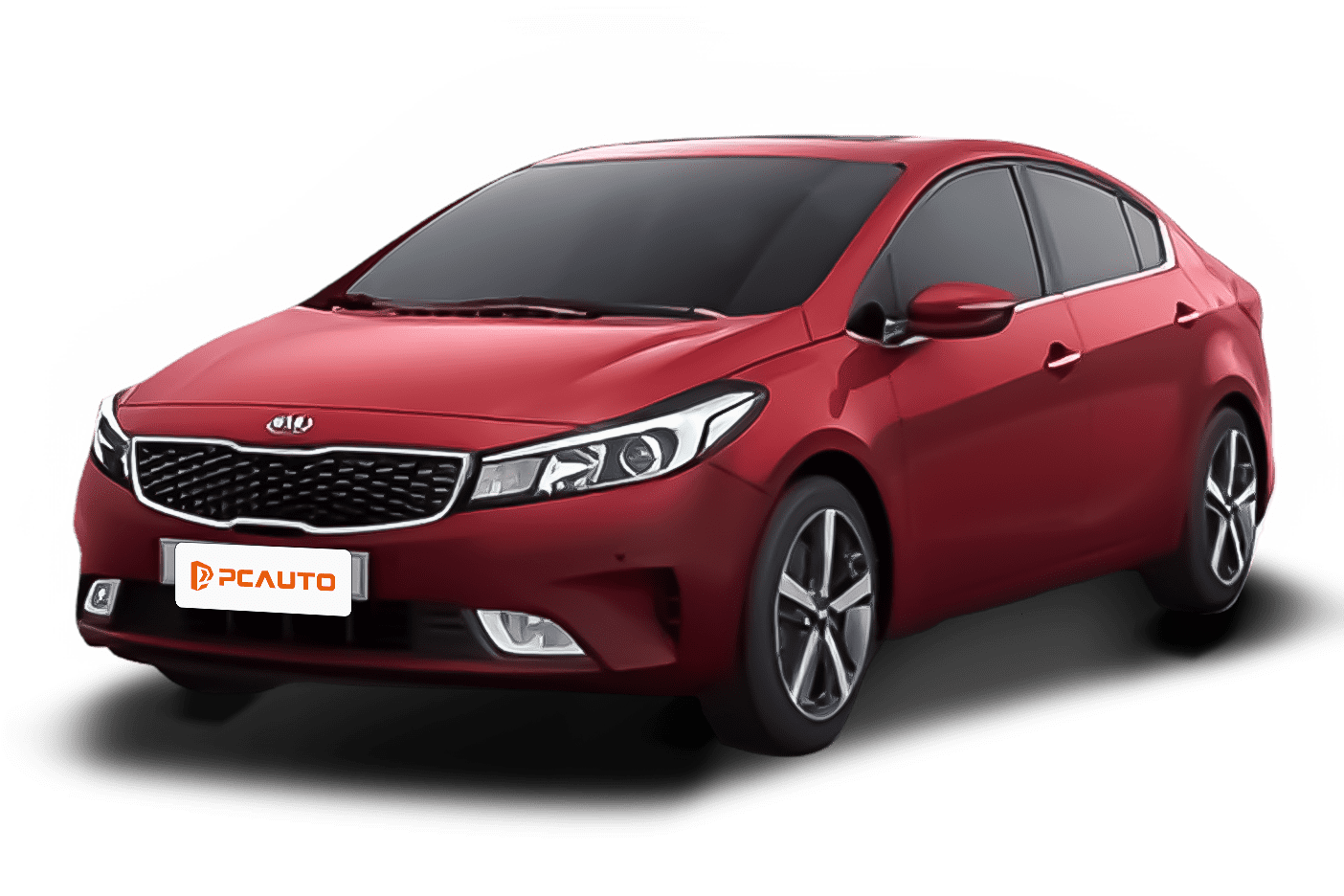
2020 Kia Cerato 1.6 SX is a high-value family sedan that retains core features at a lower price, offering practical space, reliable safety, and balancing the needs of commuting and family travel.
7
Rank in Sedan
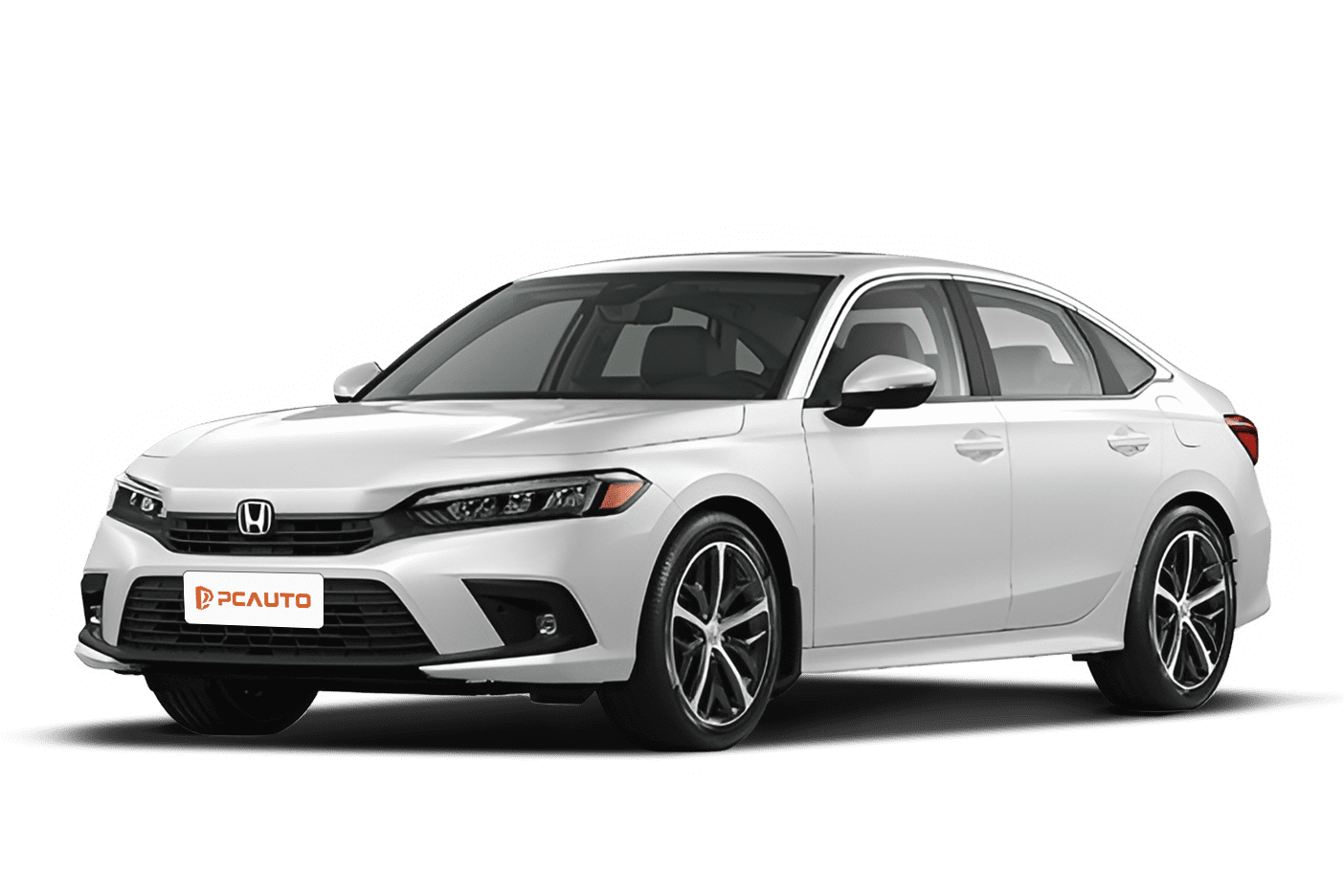
2025 Honda Civic 1.5L E is an entry-level family sedan that combines 1.5T power, a full set of active safety features, and practical space, suitable for city commuting and family outings.
25
Rank in Sedan
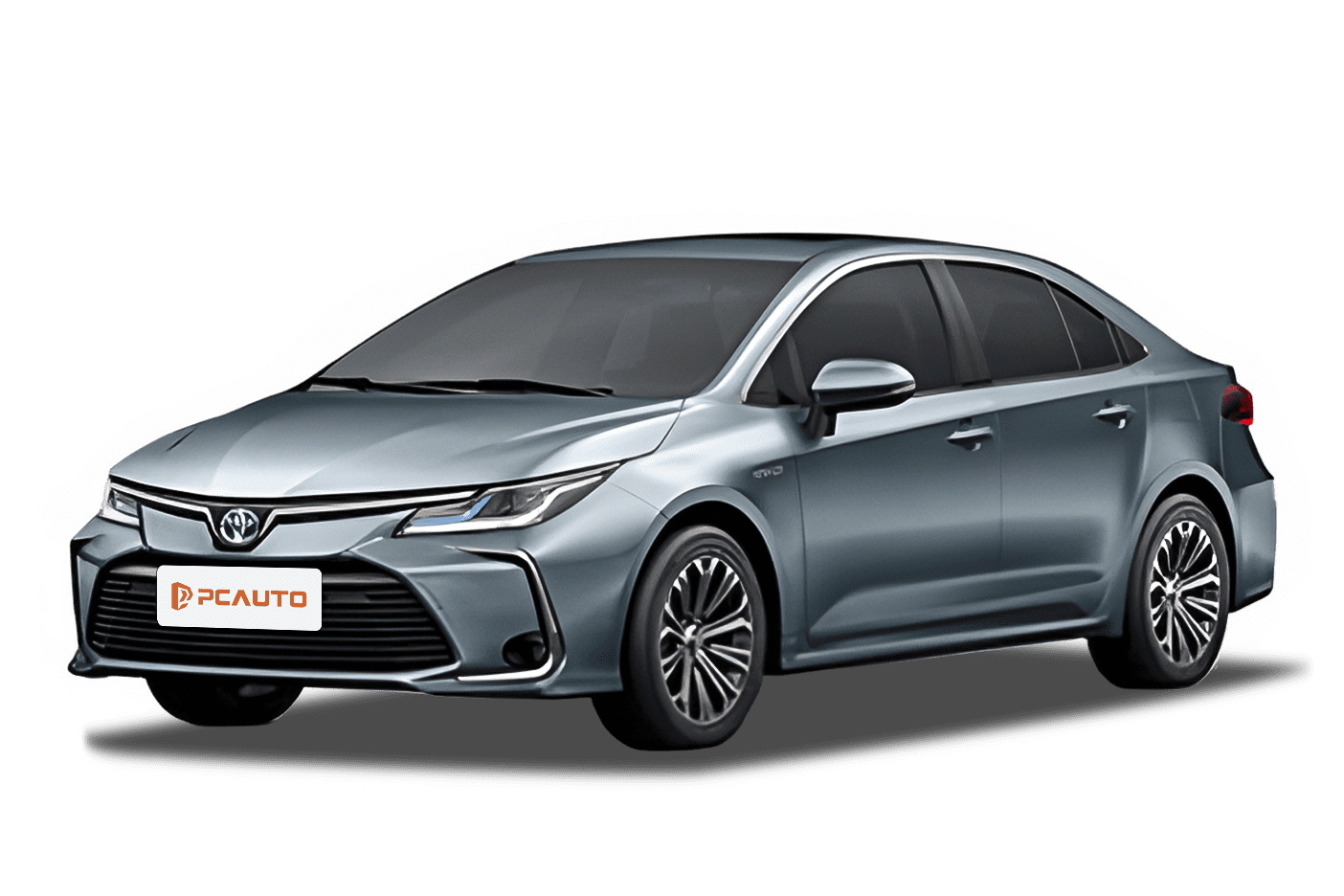
2025 Toyota Corolla GR Sport features a sporty design, upgraded intelligent configurations, and high cost performance, balancing practicality for family use and driving pleasure, making it an ideal choice for young families.