

2018 Hyundai Tucson 1.6 T-GDI Review

 Share
Share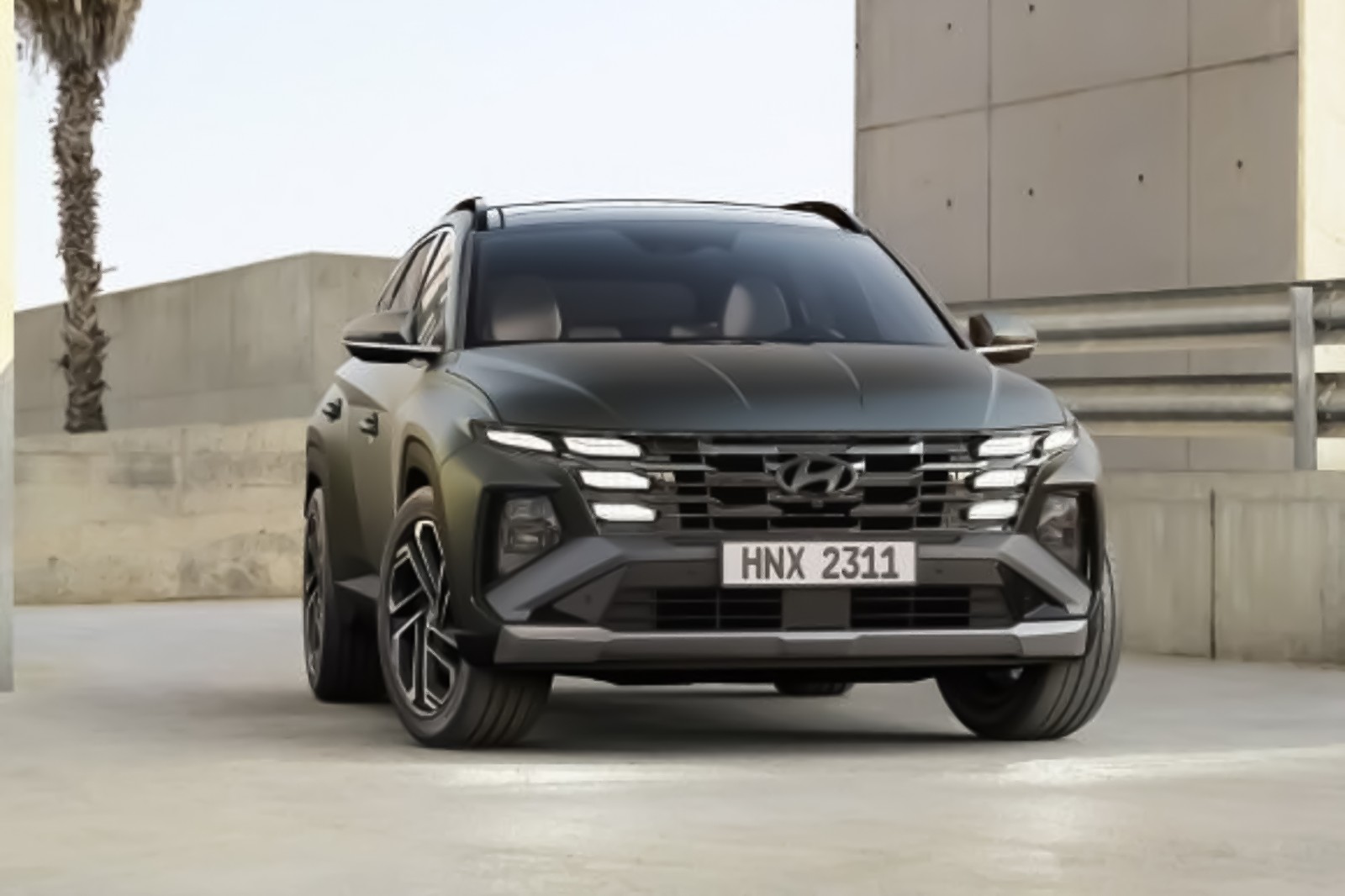
 Segment
 Body Type
 Capacity(L)
 Engine Power(PS)
 Transmission
 Driven Wheels
The C-Segment SUV market has always been a popular choice for family users and young buyers locally, balancing the practicality of daily commuting with sufficient features to ensure a comfortable experience. The 2018 Hyundai Tucson 1.6 T-GDI, as a regular in this segment, highlights its 177PS turbocharged engine, comprehensive safety features, and a 5-year/300,000 km long warranty as its core selling points. In this test drive, we focused on verifying whether its power response meets family needs and whether its space and configuration can satisfy the daily usage scenarios of local consumers.
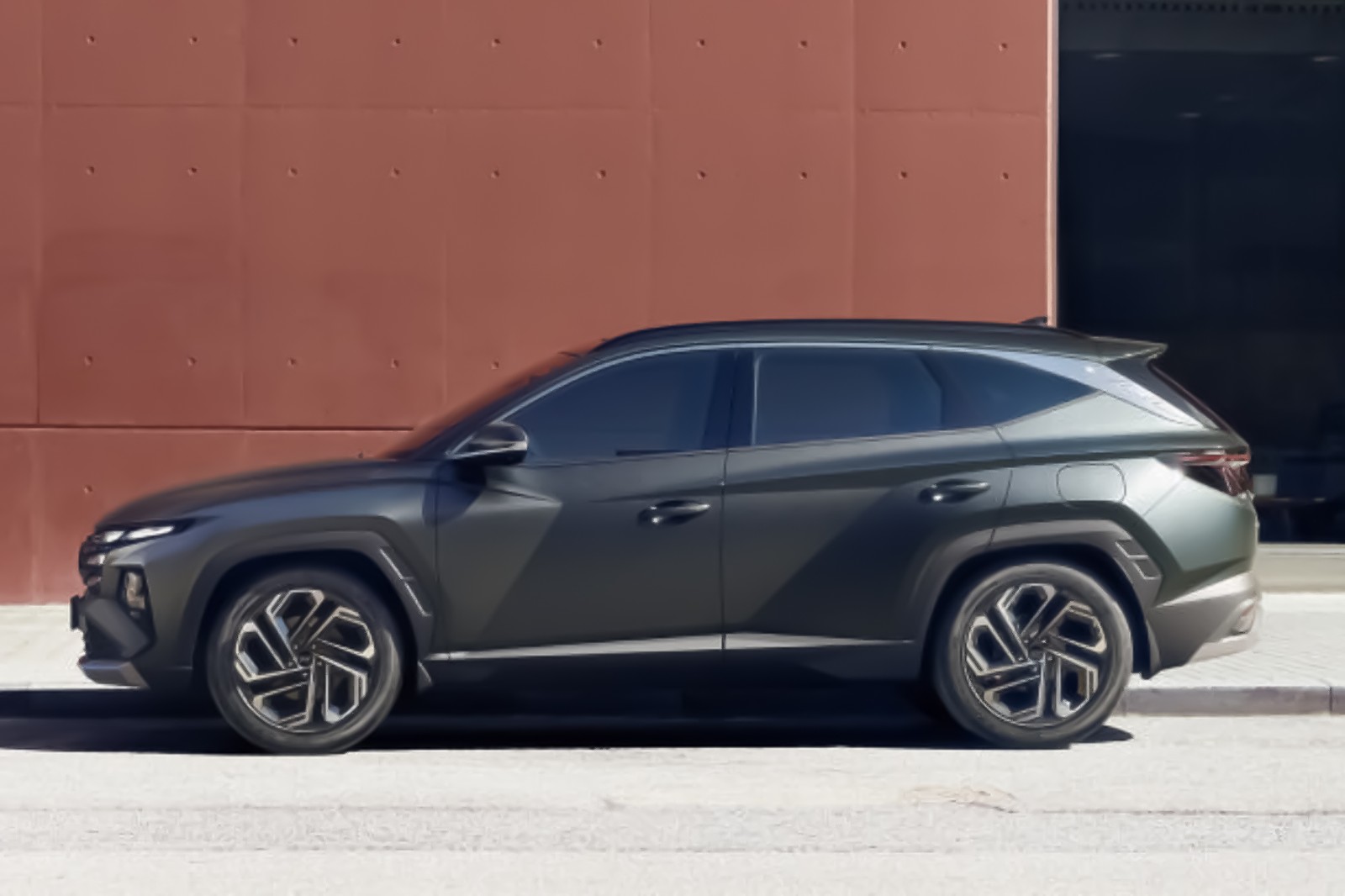
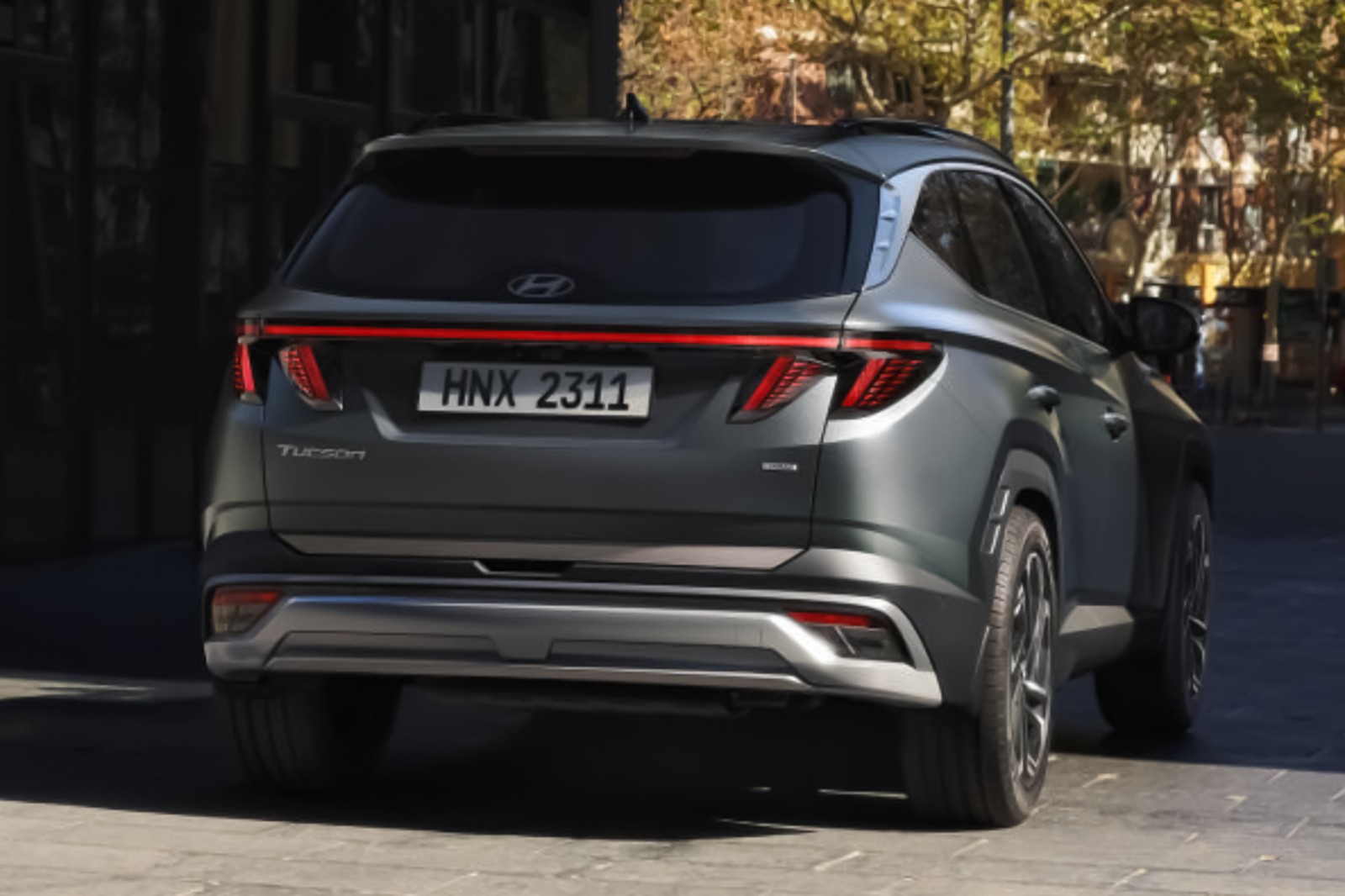
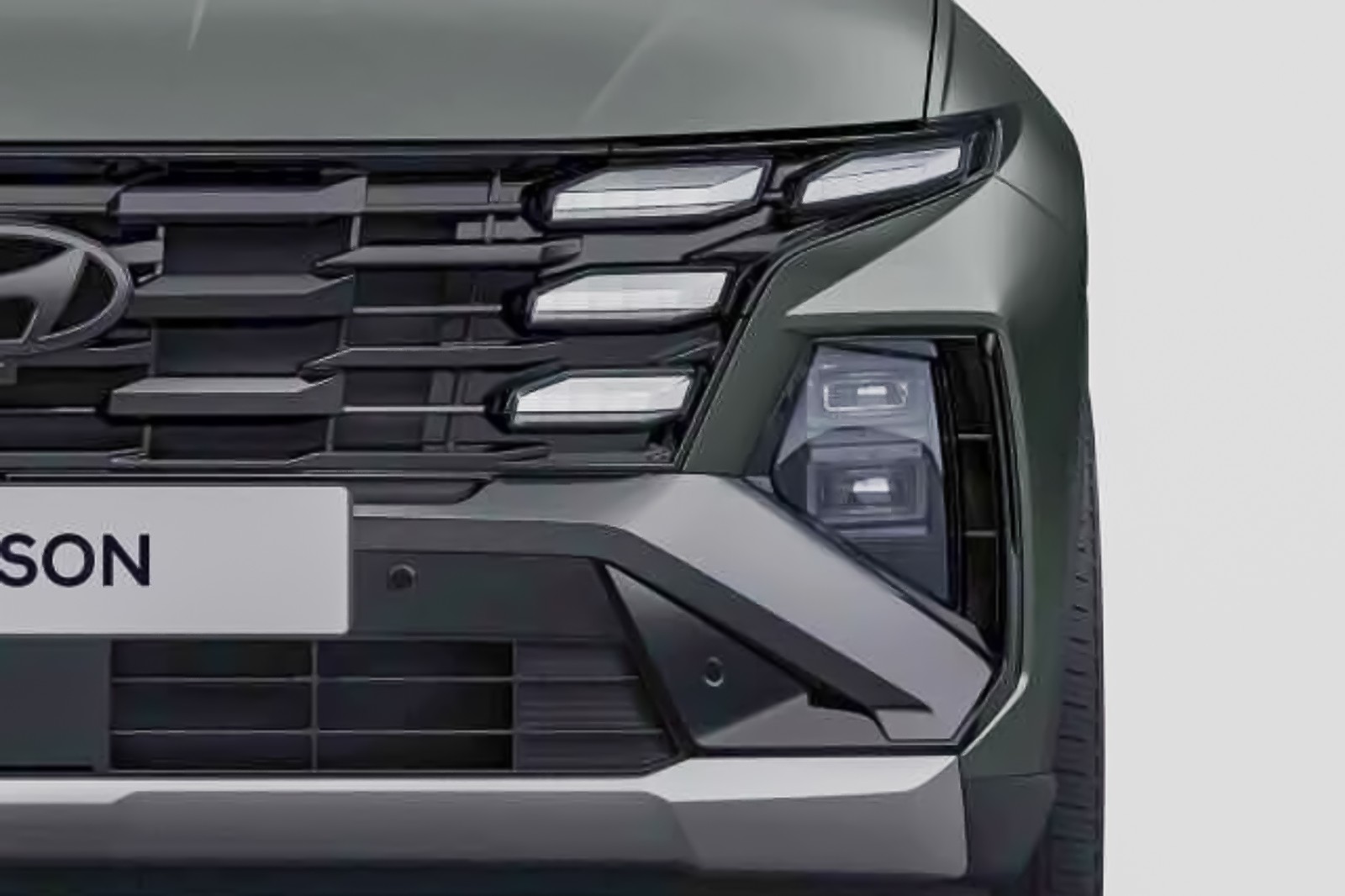
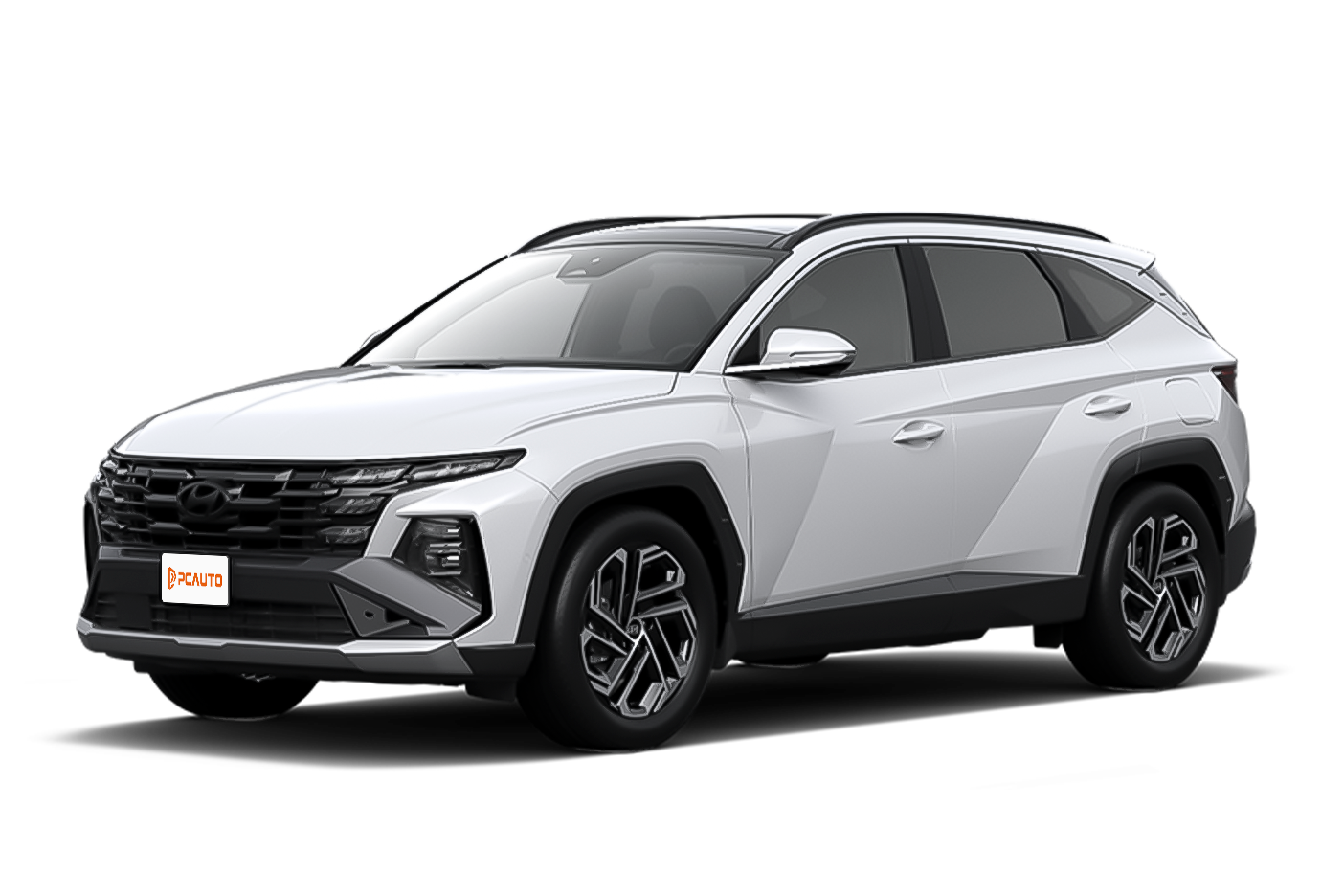
From the exterior, the overall style of the Tucson 1.6 T-GDI leans towards stability, but it still has recognizable details. The front face features a large hexagonal grille with chrome accents, which connects to the LED daytime running lights on both sides, visually widening the front end. The lower bumper is embedded with round front fog lights, enhancing the off-road vibe. The body side lines are sleek, with the waistline running from the front to the rear, making the body appear more elongated. The 17-inch alloy wheels have a moderate design, and combined with 225/60 R17 tires, it balances comfort and off-road capability. At the rear, the horizontally designed LED taillights offer high recognition when lit, and the silver skid plate on the lower rear bumper enhances the overall layering.
Sitting inside, the interior mainly uses a black color scheme, with materials combining soft-touch plastics and fabric, providing a fairly refined feel. The center console layout is simple, with a multimedia display screen on top (though the size is not indicated, the operation is smooth), and physical buttons below for controlling the single-zone manual air conditioning, which have moderate tactile resistance and are easy to operate without looking. In terms of features, the front row is equipped with electrically adjustable seats that support multi-directional adjustments, allowing for a quick and comfortable seating position. The rear seats support manual recline and 60:40 split folding, expanding the trunk space when folded down. Notably, the interior comes standard with a 220V/230V power outlet, which is very practical for users needing outdoor electricity. The keyless entry and start functions also enhance the convenience of daily use.
In terms of space, the Tucson's body dimensions are 4475mm × 1850mm × 1655mm, with a wheelbase of 2670mm, aligning with the mainstream level of C-Segment SUVs. The front row offers ample seating space; a 175cm passenger has more than a fist-width of headroom and legroom. Rear legroom is approximately two fists, with headroom of about one fist. The slightly raised middle floor does not affect the comfort of the middle passenger. The trunk has a standard capacity of 488 liters, which can accommodate two 28-inch suitcases and several backpacks. When the rear seats are folded down, it can be further expanded to meet moving or cargo needs. Additionally, air vents are available for both the front and rear rows, and there is a USB port for the rear row (not listed in the configuration sheet but was found during the test drive), enhancing the rear passenger experience.
In terms of power, the 1.6T turbocharged engine delivers a maximum power of 177PS, with maximum torque available as low as 1500rpm (the torque value is not specified in the configuration sheet, but the low-end torque performance during actual driving is strong). It is paired with a 7-speed DCT gearbox. During daily driving, the car starts off nimbly, with a responsive accelerator, allowing for impressive power output with a light press on the pedal. During mid-to-high-speed acceleration, the turbo kicks in, providing sufficient power reserves. When overtaking, pressing the accelerator deeply triggers the transmission to downshift quickly, bringing a noticeable push-back feeling. There are three driving modes to choose from: Eco, Normal, and Sport. In Eco mode, power output is relatively smooth, suitable for daily commuting. In Sport mode, the transmission delays shifting, keeping the engine at higher RPMs and delivering more aggressive power response.
In terms of handling and chassis performance, the steering is precise with minimal play; it's light at low speeds and stable at high speeds, giving the driver a good sense of confidence. The suspension system utilizes a front MacPherson strut and a rear multi-link independent suspension, tuned for comfort. It effectively absorbs minor road bumps, and the body movement is minimal when going over speed bumps. During high-speed cornering, the suspension provides sufficient support, and the body roll is not obvious, ensuring good stability. In terms of braking, the front ventilated disc and rear ventilated disc combination delivers a linear braking effect, with clear feedback from the brake pedal. The vehicle remains stable during emergency braking.
During the fuel consumption test, we drove 50km each on urban roads and highways. The average speed on urban roads was about 30 km/h, and fuel consumption was approximately 8.5L/100km; on highways, with an average speed of about 90 km/h, the fuel consumption was approximately 6.2L/100km. The combined fuel consumption was around 7.3L/100km, slightly higher than the official figure of 7.1L/100km. However, considering the local traffic congestion, this performance is still reasonable.
Regarding driving comfort, the cabin noise is well controlled; wind noise and tire noise during high-speed driving remain within an acceptable range. The seats provide moderate cushioning and support, ensuring long drives do not cause fatigue. It is worth mentioning that the steering wheel is equipped with paddle shifters, allowing users who enjoy manual controls to experience a more dynamic driving style. The automatic headlights and electrically folding side mirrors also enhance everyday convenience.
In summary, the 2018 Hyundai Tucson 1.6 T-GDI’s core advantage lies in its balanced performance: the 177PS power output meets the needs of daily commuting and occasional highway overtaking. Its comprehensive safety features (6 airbags, ESP, front and rear radar + camera) ensure driving safety, while the 5-year/300,000 km warranty eliminates users' concerns. Compared to the similarly-classed Honda CR-V 1.5T, the Tucson offers a more affordable price (CR-V 1.5T entry price is around RM150k) with richer configurations. Compared to the Toyota RAV4 2.0L, it has stronger power and lower fuel consumption.
This car is suitable for families who value balanced performance, especially those who need it for daily commuting and occasional family outings. At the same time, its power and configurations can meet the demands of young buyers for driving enjoyment and technology features. If you are looking for a cost-effective compact SUV with abundant features and practical space, the 2018 Hyundai Tucson 1.6 T-GDI is worth considering.
Hyundai Tucson Car Compare
Hyundai Tucson Loan Calculator
More Hyundai Reviews
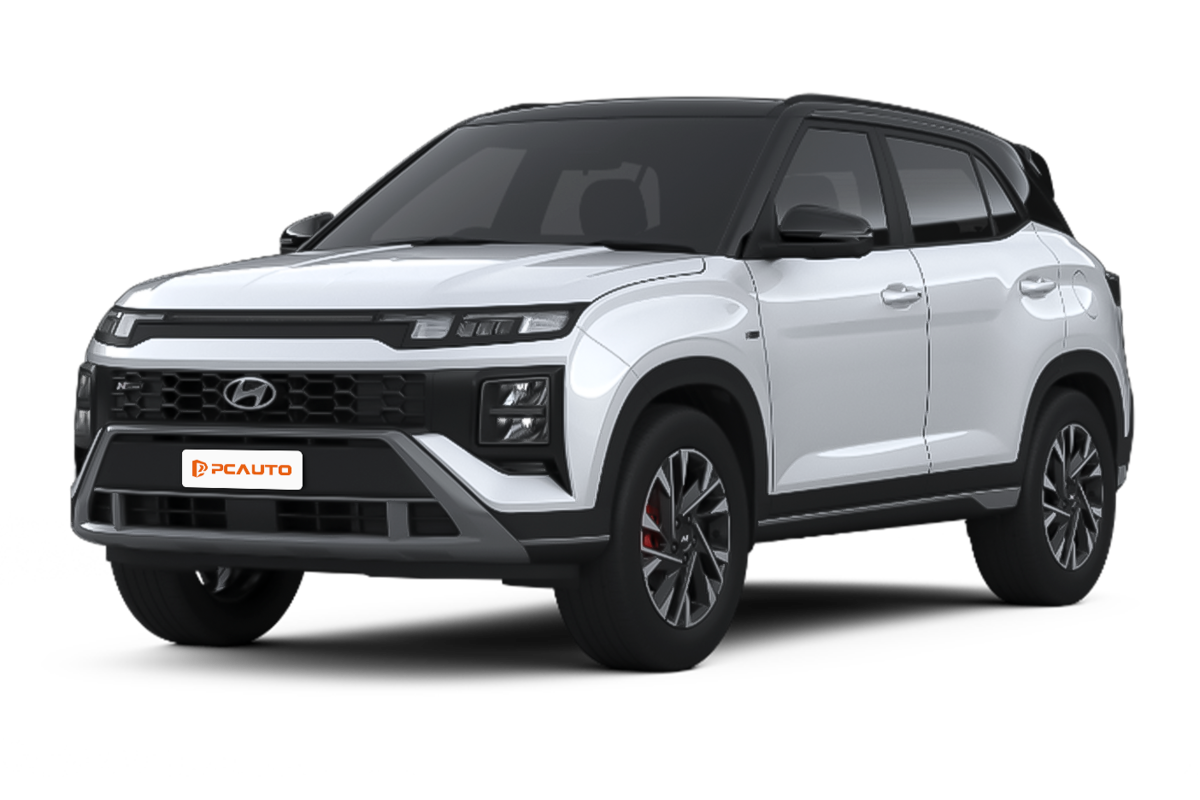
Cars With Similar Price And Features
8
Rank in SUV
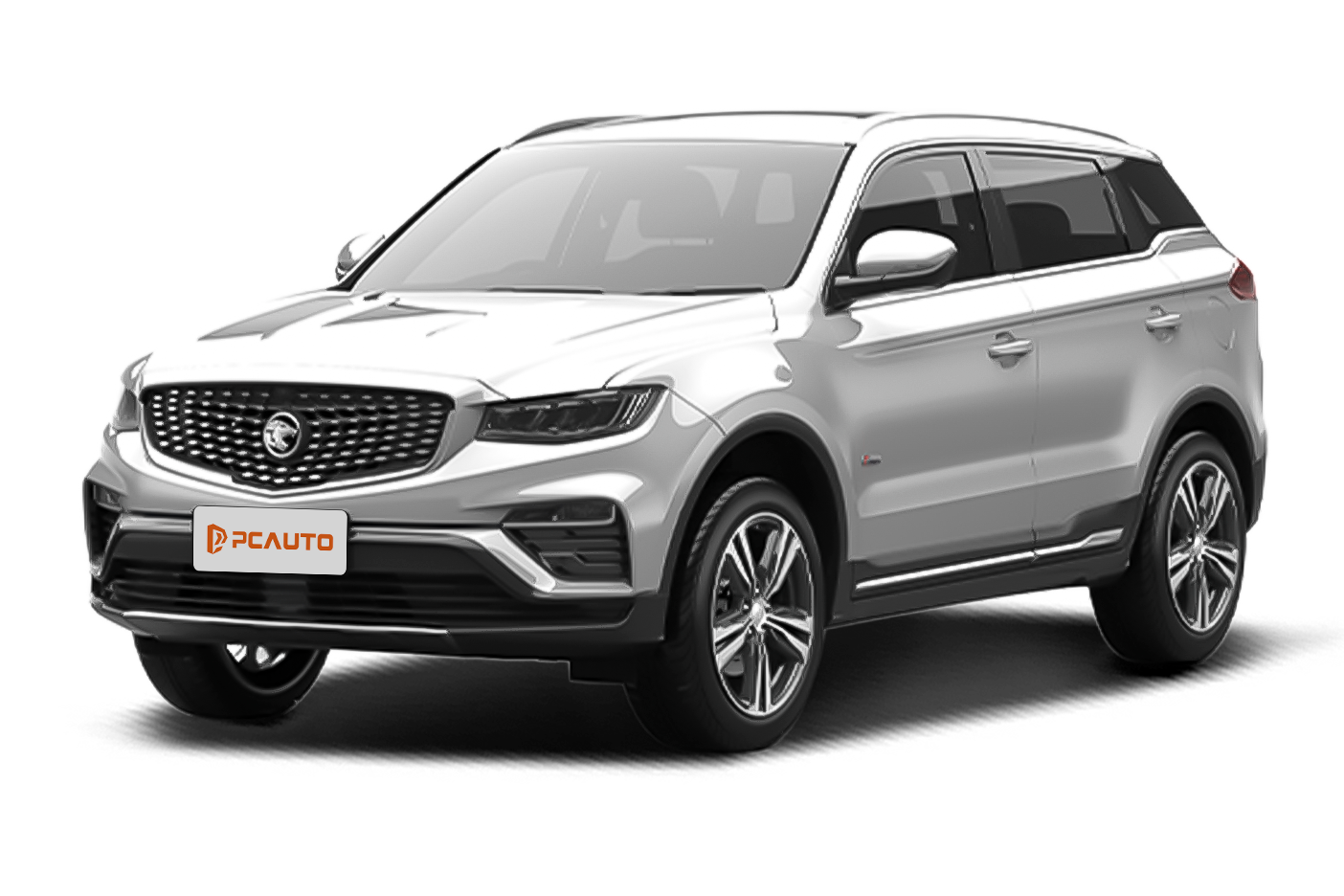
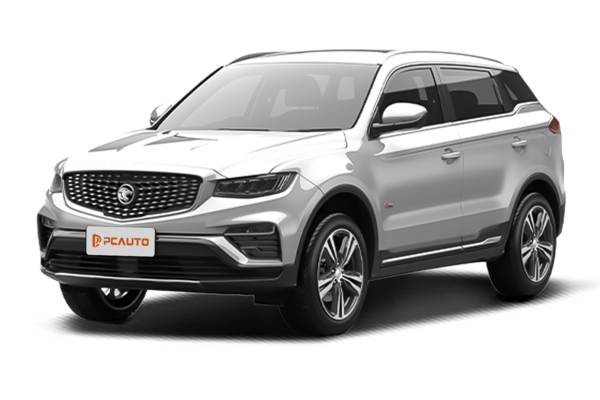
2026 Proton X70 1.5 TGDi Executive focuses on upgrading to a four-cylinder engine, practical configurations, and affordable pricing. It balances family commute practicality with value for money, making it a sensible choice among similarly priced C-segment SUVs.
10
Rank in SUV
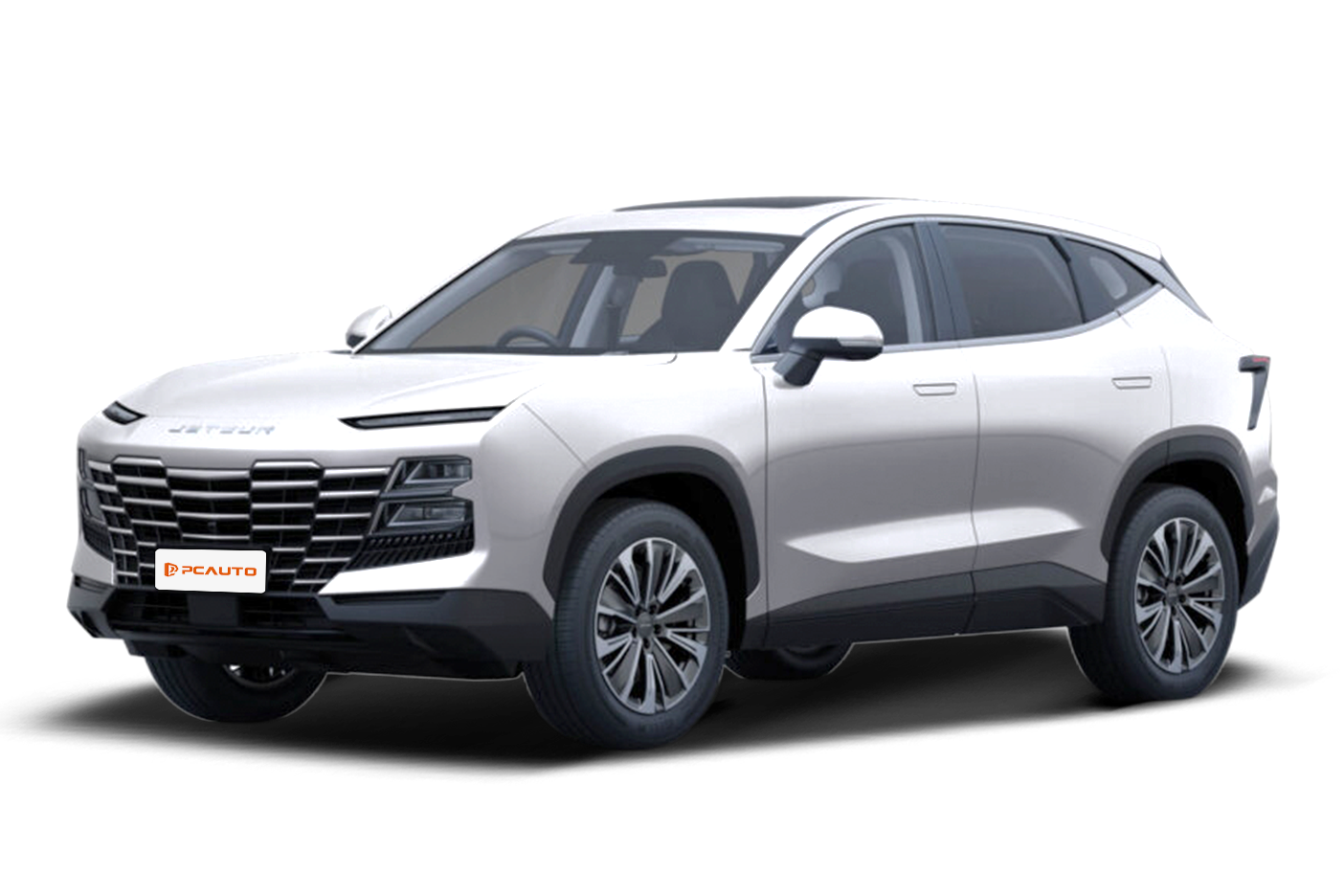
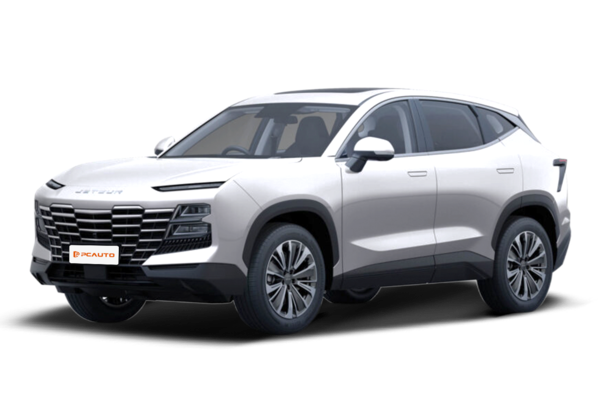
Jetour Dashing 1.5 TCI Comfort 2025 features a 2720mm long wheelbase and a 10.25-inch dual screen as its core, focusing on balanced cost performance to meet family practical needs.
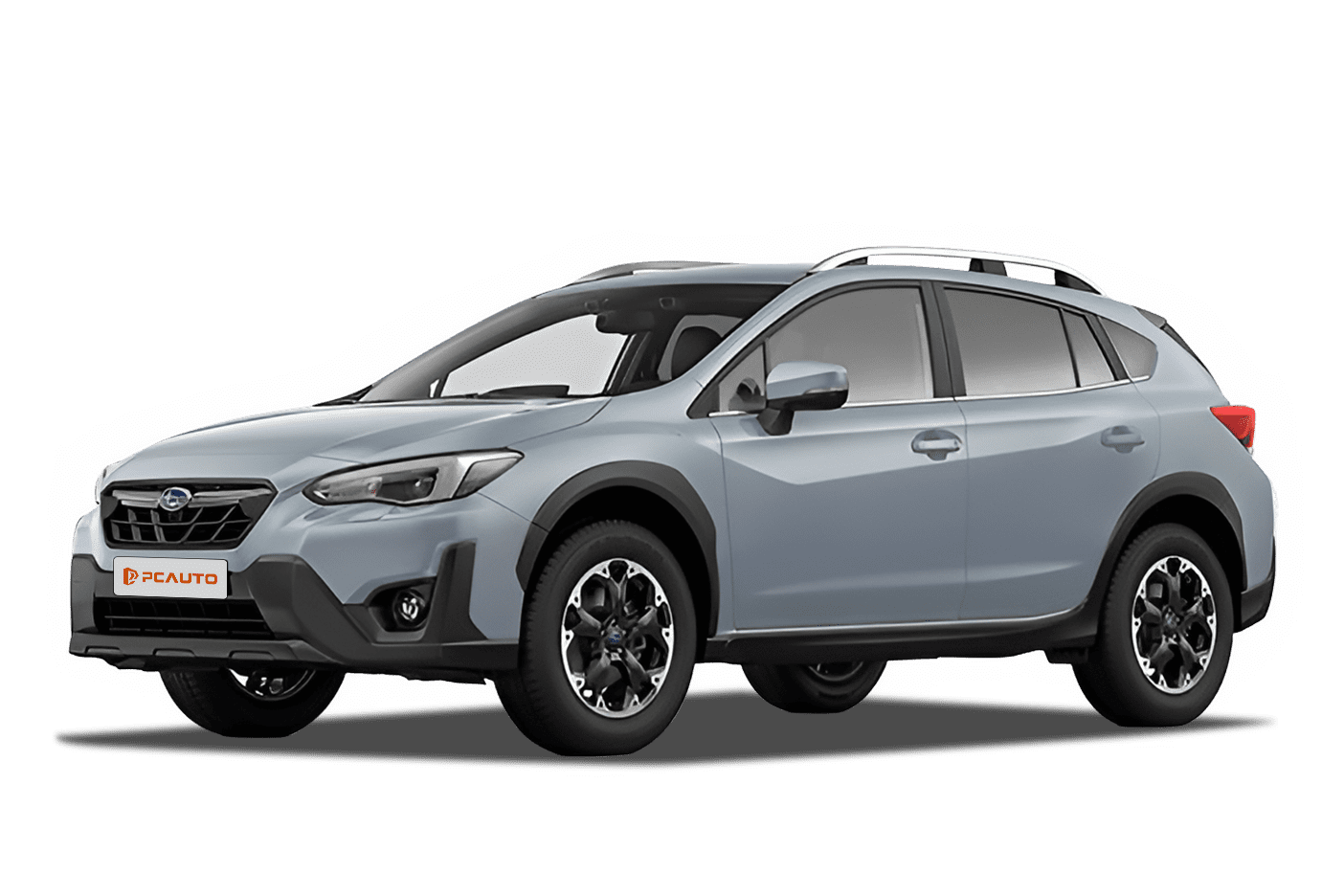
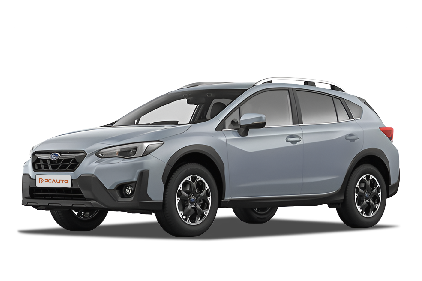
The 2021 Subaru XV 2.0i is a model targeting the C-segment crossover market, equipped with standard all-wheel drive and high safety features, balancing off-road capability and handling, with practical space.

2021 Hyundai Kona 2.0 Standard, as a high-value entry-level compact SUV, retains essential safety and practical features with an affordable price, meeting the daily commuting and loading needs of families.