

2018 Hyundai Tucson 2.0 Elegance Review

 Share
Share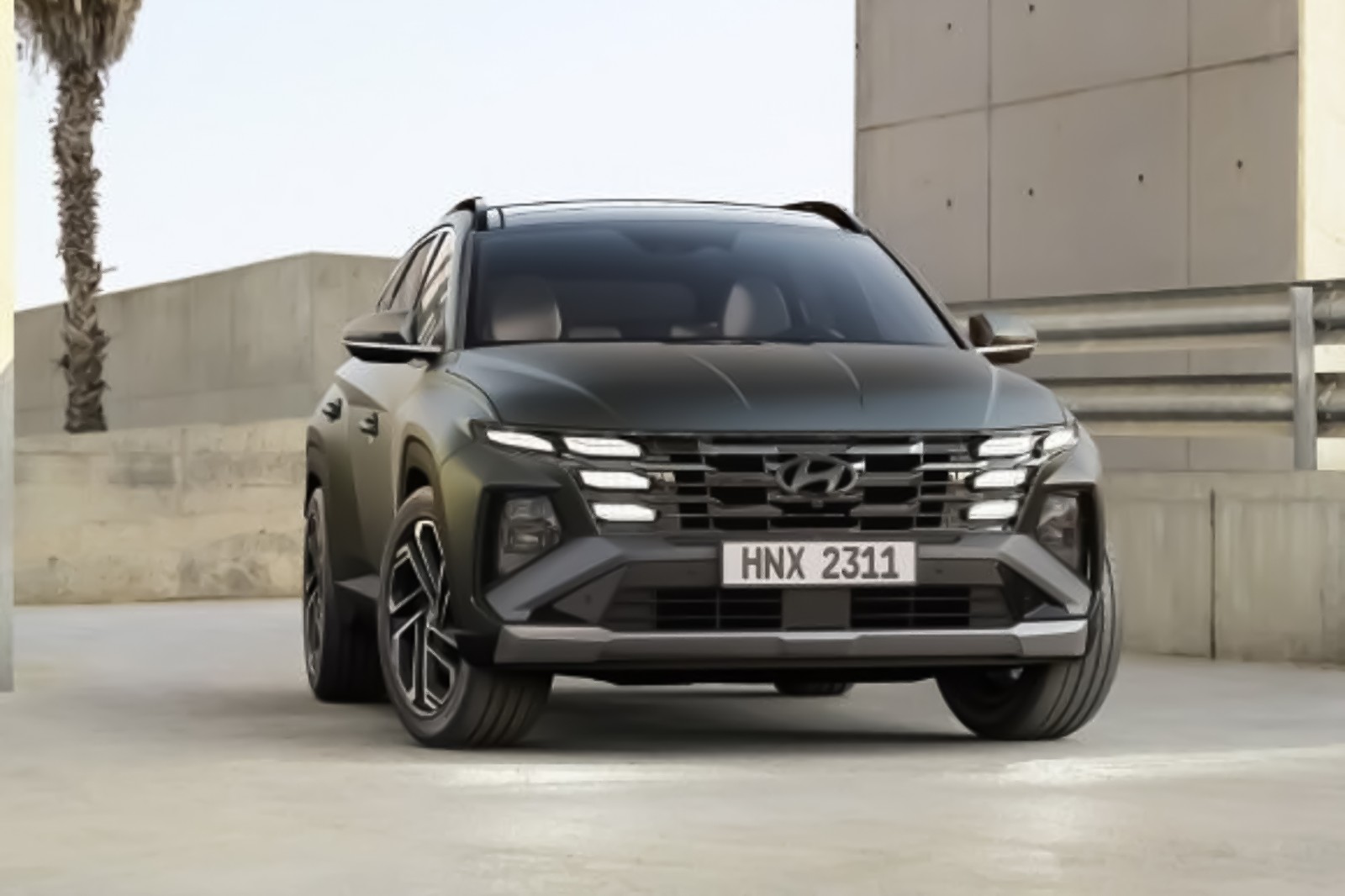
 Segment
 Body Type
 Capacity(L)
 Engine Power(PS)
 Transmission
 Driven Wheels
In Malaysia's C-Segment SUV market, practical and well-balanced models have always been the top choice for family users — the 2018 Hyundai Tucson 2.0 Elegance is a common option in this segment. Its core selling points include Hyundai's high warranty standards, rich base configurations, and precise adaptation to daily household scenarios. In this test drive, we mainly evaluate its spatial practicality, engine performance, and whether its long-term reliability meets expectations.
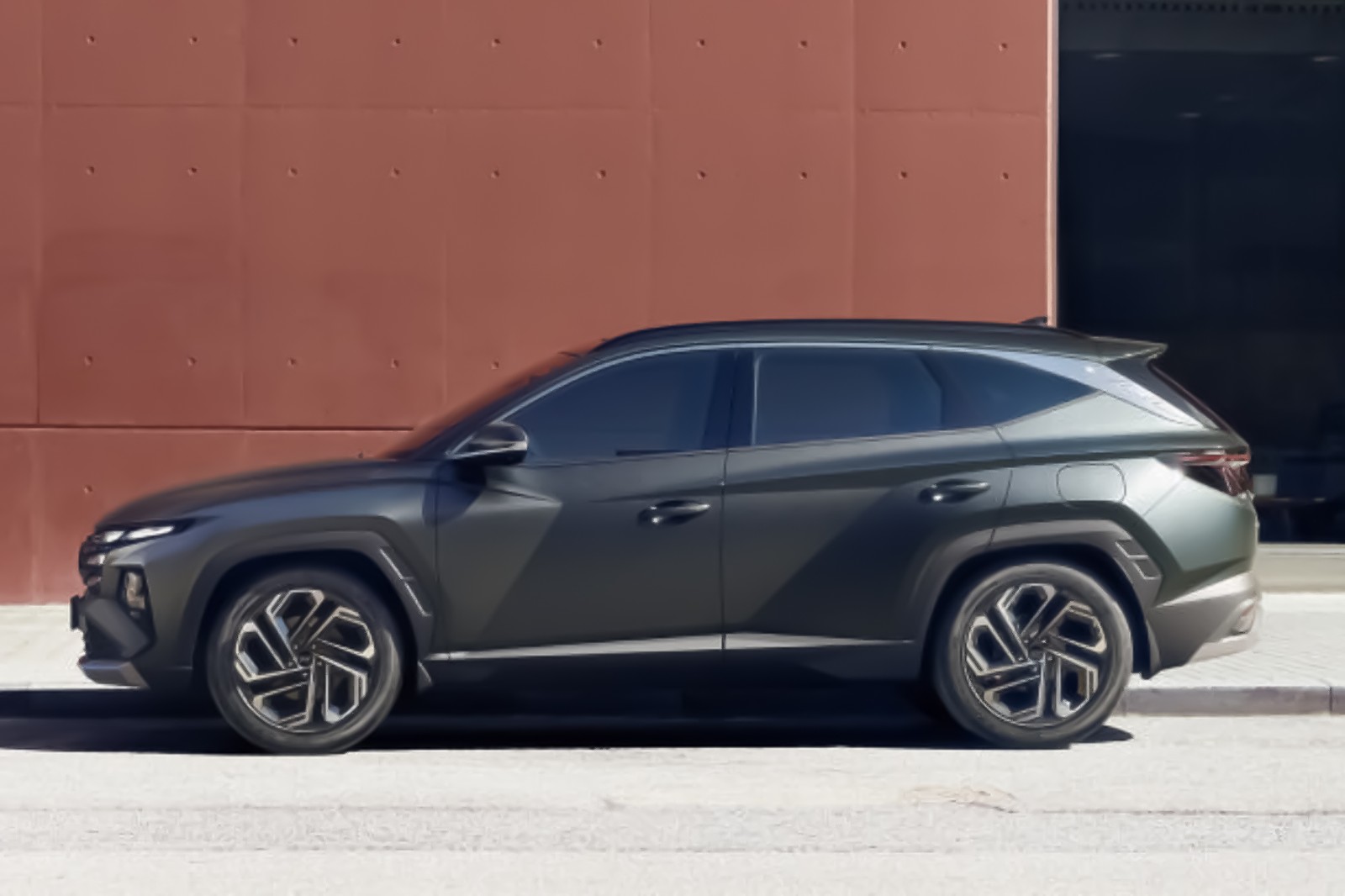
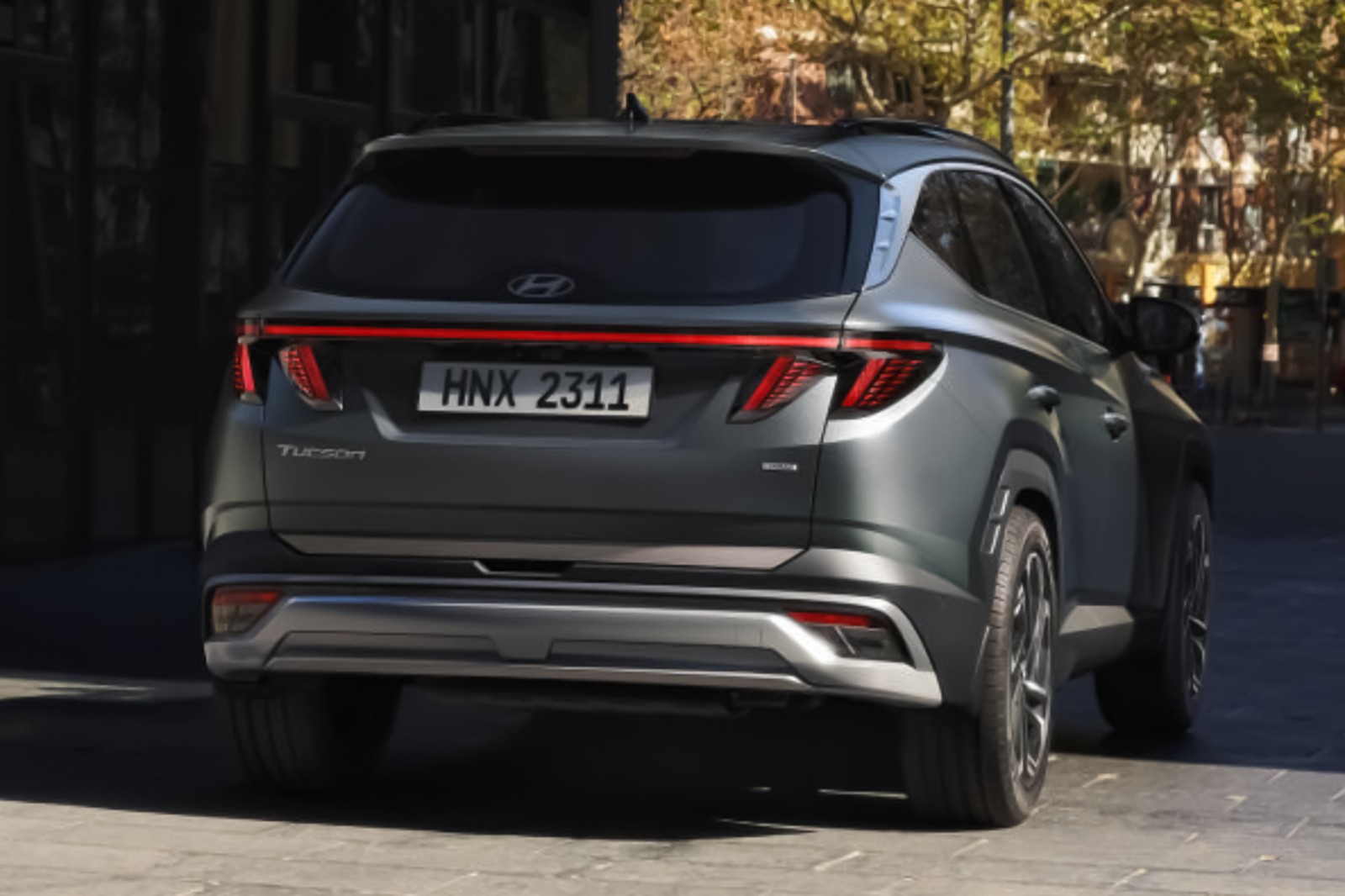
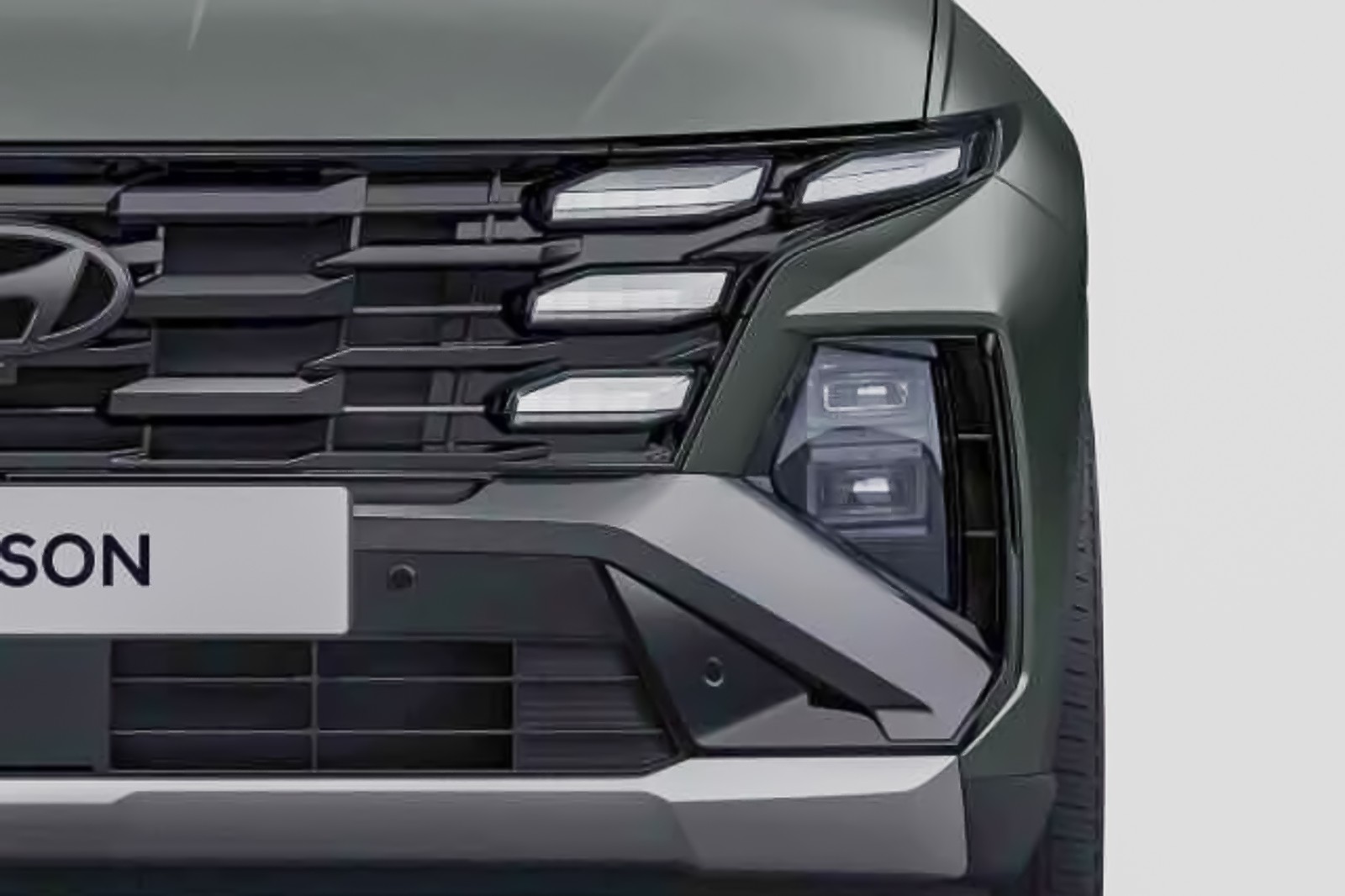
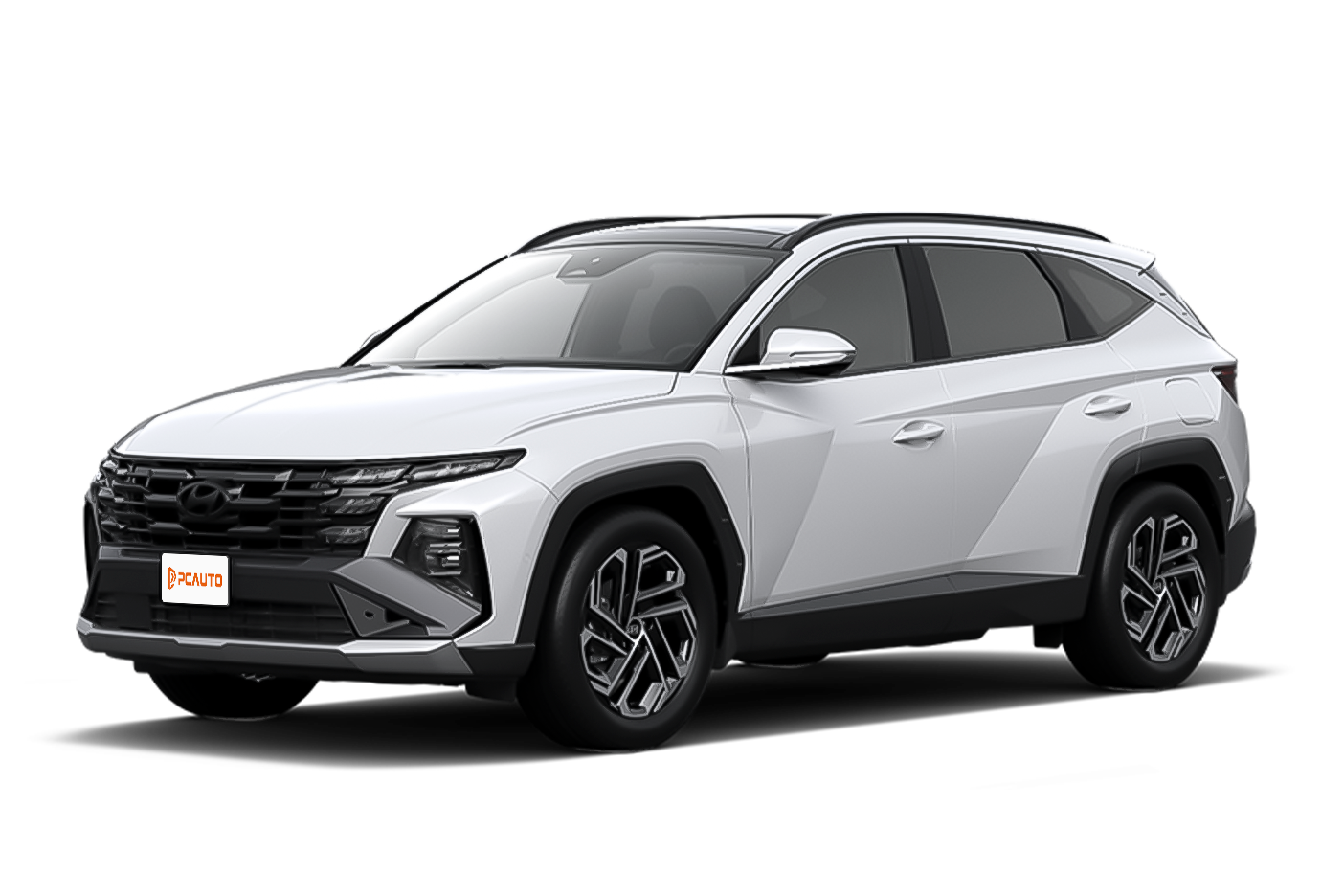
In terms of appearance, the 2018 Tucson maintains Hyundai's family-style design language of that era, with an overall understated look without overly aggressive elements. The front features a hexagonal grille adorned with chrome strips, offering decent recognition; the sharp halogen headlights connect to the grille for a cohesive look, and daytime running lights come standard, enhancing its presence when illuminated. The body side lines are sleek and extend from the fenders to the rear, with a waistline that is not overly exaggerated. The 17-inch wheels are moderate in this class, not particularly eye-catching but not out of place either. At the rear, horizontally designed taillights echo the front design, while the silver skid plate at the bottom of the rear bumper adds a touch of off-road SUV styling. However, the overall emphasis remains on urban family use.
Stepping inside, the layout of the interior is focused on practicality, with no excessive decorative design. The dashboard adopts a symmetrical design, with hard plastic material on the top and some soft-touch materials in the middle, providing a tactile feel that is not luxurious but acceptable for this price range. The instrument cluster is electroluminescent analogue, displaying information like RPM and speed clearly at a glance. A multifunction steering wheel is standard, equipped with buttons for volume control, answering calls, and more, making it very user-friendly. It even includes paddle shifters, which is a pleasant surprise. The center console does not feature a large touch screen but instead uses traditional physical buttons and knobs, which lack a modern tech feel but are straightforward and less prone to misoperation. As for the seats, the front driver's seat is manually adjustable with good support, ensuring comfort during long drives. The rear seats can be manually reclined and support a 60:40 split fold, expanding the trunk capacity from 488 liters to a larger space, enough to hold strollers or suitcases. In terms of space, the 2670mm wheelbase offers about a fist's worth of headroom for a 175cm passenger in the front row, with around two fists' worth of legroom in the rear. Although the central floor hump is slightly raised, it doesn't significantly impact the comfort of a third passenger. Storage space is adequate, with door pockets that can hold two bottles of water, and the center armrest and glovebox also offer generous capacity.
For the powertrain, this model is equipped with a 2.0L naturally aspirated engine, delivering a maximum of 155 PS and peak torque at 4000 rpm. It pairs with an automatic transmission that provides smooth shifting, with almost no noticeable jerkiness during city driving. Acceleration is not particularly aggressive, but it's sufficient for daily urban commutes. Pressing down on the accelerator results in a rather linear response, but when overtaking at medium-to-high speeds, you need to press harder to increase the revs and gradually achieve power output. It suits drivers seeking stable performance rather than those aiming for sporty handling. There are two driving modes available: Normal and Sport. In Sport mode, the transmission shifts at higher RPMs, and throttle response becomes more sensitive, albeit at the expense of increased fuel consumption. In terms of handling, the steering wheel offers moderate resistance and precise feedback, making everyday driving a breeze. The suspension system features a front McPherson strut and rear multi-link independent suspension, tuned for comfort. It absorbs most small bumps and road vibrations, keeping the car body stable without significant jolts. Cornering is well-controlled, with minimal body roll that won’t cause discomfort for passengers. During the fuel consumption test, we drove 50 km each in congested urban roads and highways. The combined fuel efficiency was approximately 8.2 liters per 100 km, slightly higher than the official figure of 7.9 liters, which is still acceptable considering real-world road conditions. As for the brakes, the car uses ventilated disc brakes in both the front and rear. It delivers a moderate braking distance, with a consistent and linear brake pedal feel that inspires confidence. Noise insulation is average; wind and road noise become quite noticeable at high speeds, but the cabin remains reasonably quiet during low-speed city driving.
Overall, the core advantage of the 2018 Hyundai Tucson 2.0 Elegance lies in its balance—sufficient space, smooth power output, practical features, and a long warranty of 5 years/300,000 kilometers, which is more reassuring compared to the warranty policies of some other models in the same class. Compared to competitors like the Honda CR-V or Toyota RAV4, it is more affordable, and its features are not outdated. Although it doesn't have particularly outstanding highlights, it excels in having no obvious shortcomings. This car is suitable for practical family users, especially those who often need to travel with family and seek long-term reliability. However, young people who prefer a tech-savvy feel or thrilling driving experiences may find its interior and power performance less exciting. Overall, the 2018 Tucson 2.0 Elegance is a "can't go wrong with" family SUV—it meets most daily needs and is a pragmatic choice.
Hyundai Tucson Car Compare
Hyundai Tucson Loan Calculator
More Hyundai Reviews
Cars With Similar Price And Features
8
Rank in SUV
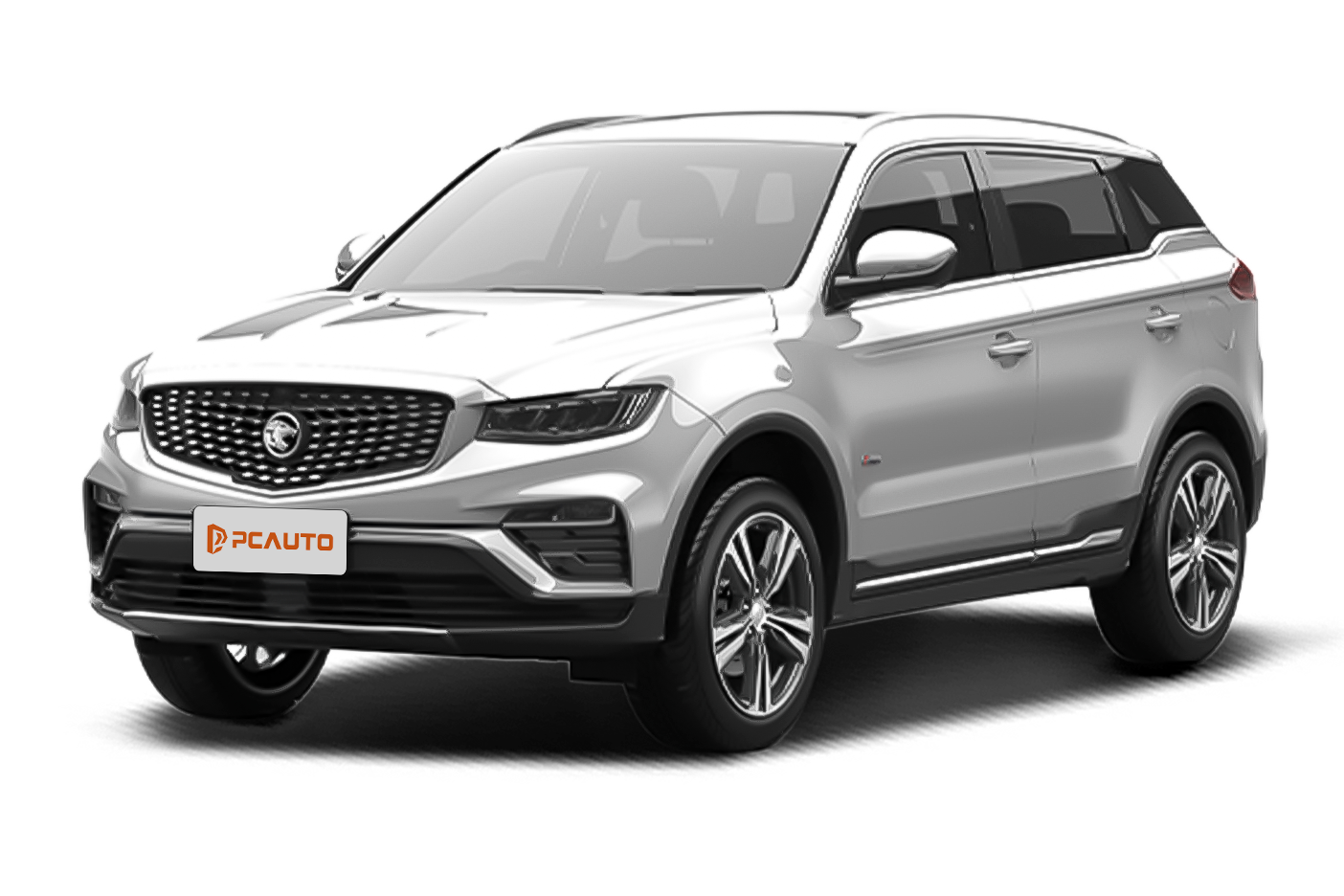
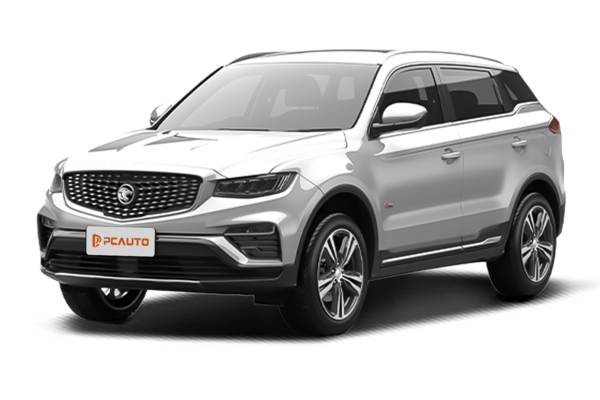
2026 Proton X70 1.5 TGDi Executive focuses on upgrading to a four-cylinder engine, practical configurations, and affordable pricing. It balances family commute practicality with value for money, making it a sensible choice among similarly priced C-segment SUVs.
10
Rank in SUV
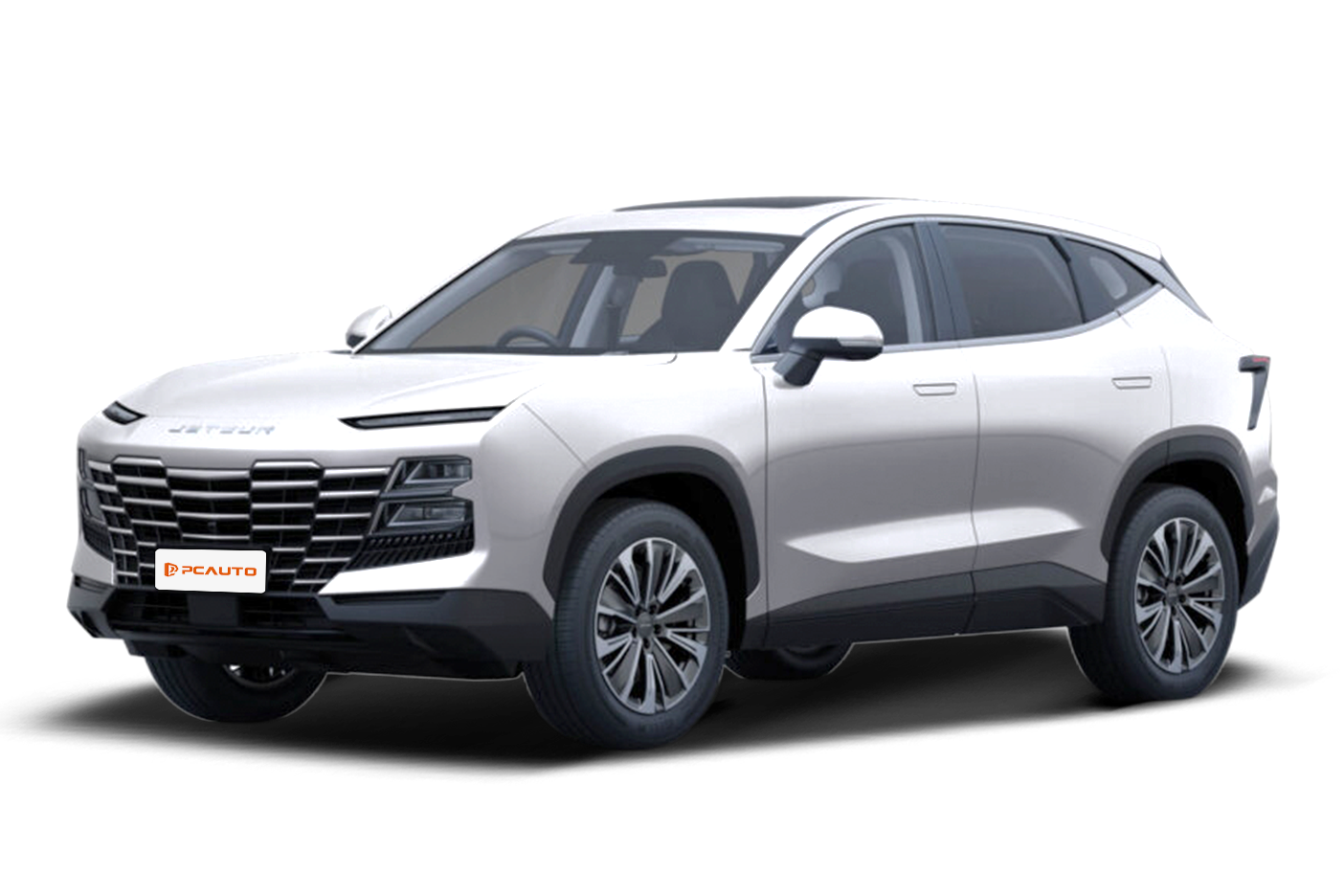
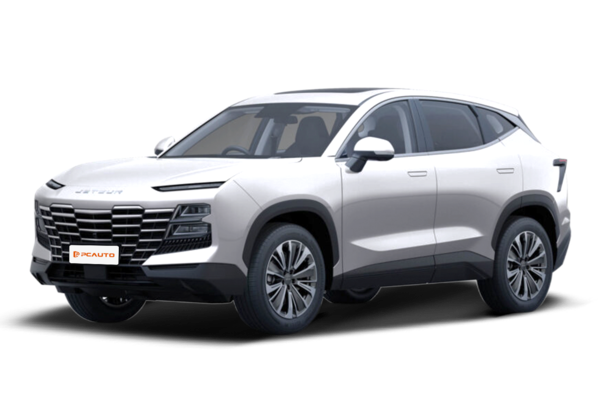
Jetour Dashing 1.5 TCI Comfort 2025 features a 2720mm long wheelbase and a 10.25-inch dual screen as its core, focusing on balanced cost performance to meet family practical needs.
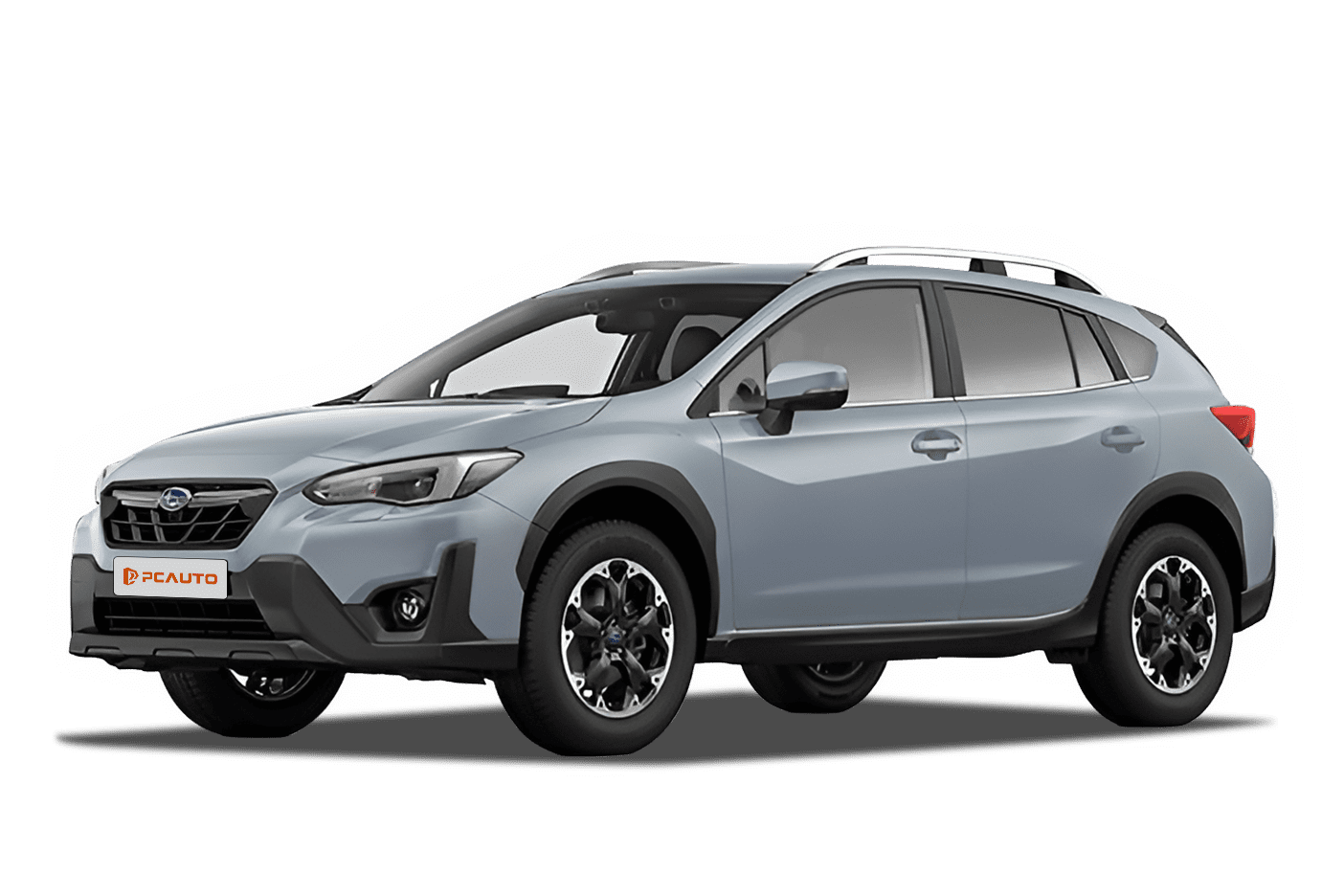
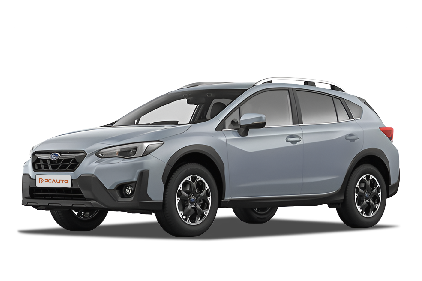
The 2021 Subaru XV 2.0i is a model targeting the C-segment crossover market, equipped with standard all-wheel drive and high safety features, balancing off-road capability and handling, with practical space.

2021 Hyundai Kona 2.0 Standard, as a high-value entry-level compact SUV, retains essential safety and practical features with an affordable price, meeting the daily commuting and loading needs of families.