

2018 Isuzu D-MAX 2.5L 4x4 AT Review

 Share
Share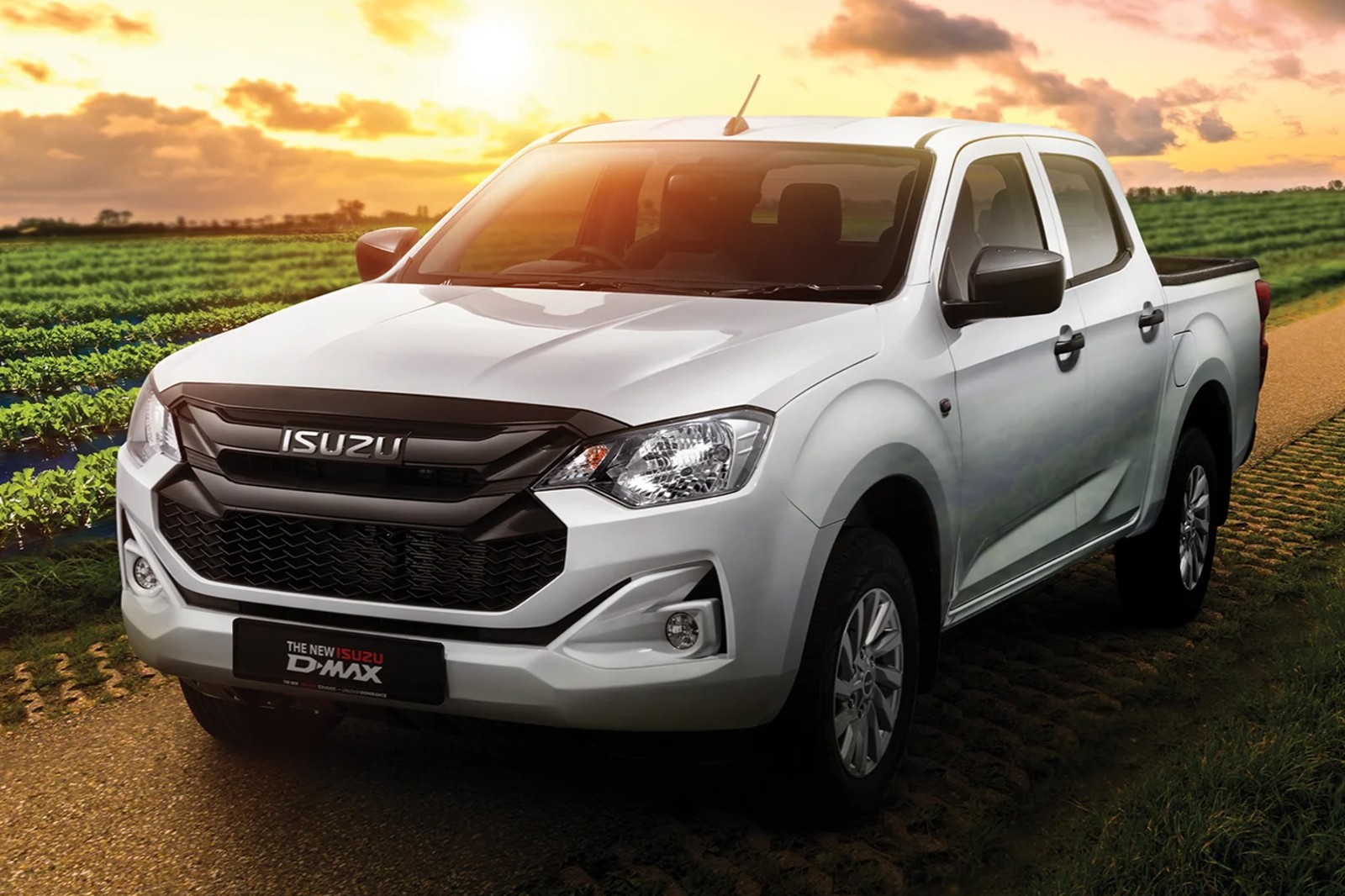
 Segment
 Body Type
 Capacity(L)
 Engine Power(PS)
 Transmission
 Driven Wheels
In the Malaysian pickup truck market, durability and practicality have always been core demands of consumers—after all, many users need it to handle bumpy construction site roads while also accommodating daily family travel. The 2018 Isuzu D-MAX 2.5L 4x4 AT, as a popular choice in this niche market, carries the label of "rugged and reliable" while also offering configuration optimization compared to older models. We got hold of the actual vehicle this time to evaluate whether its power, space, and features can truly meet the demands of multiple scenarios in real use.
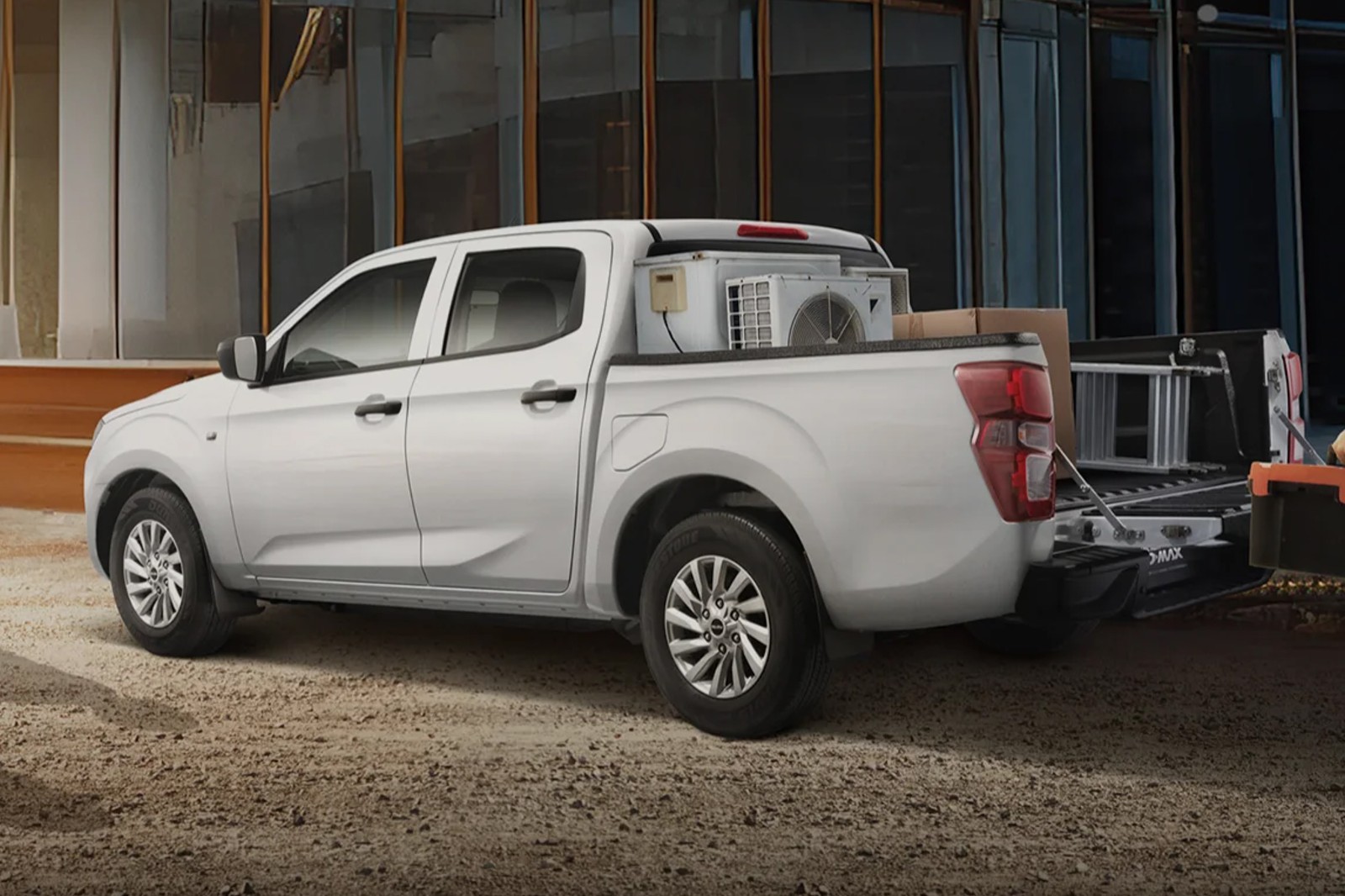
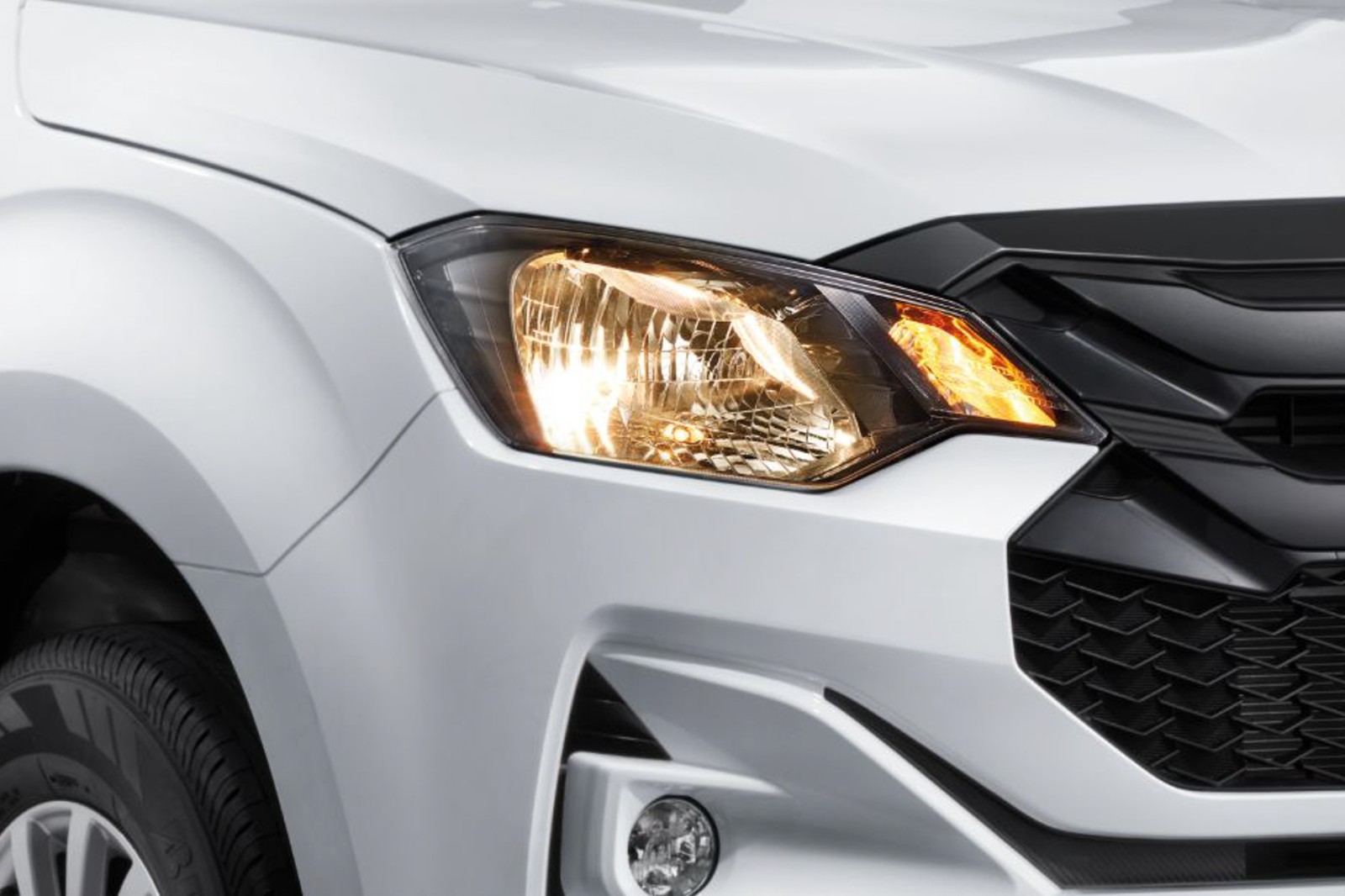
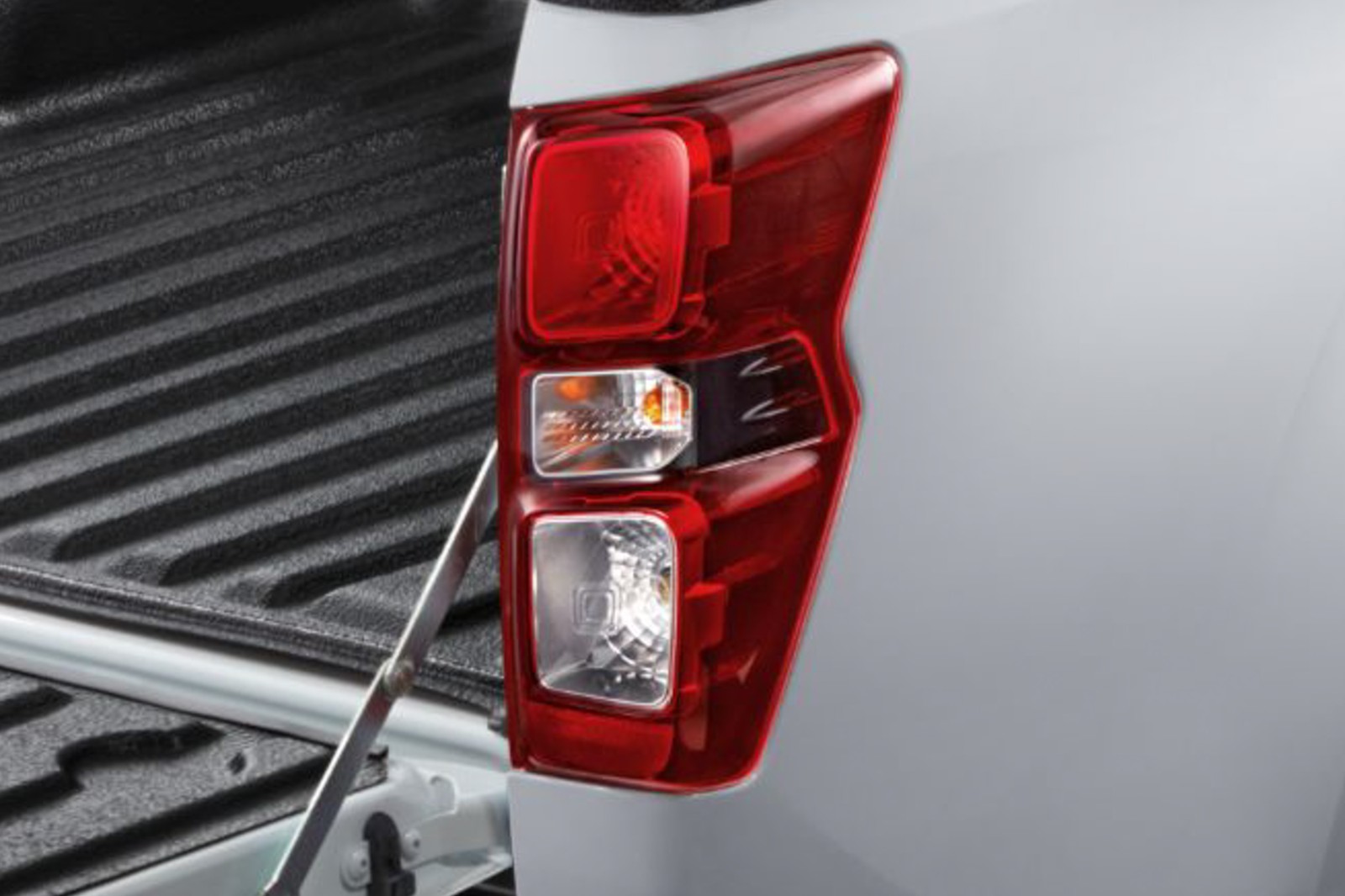
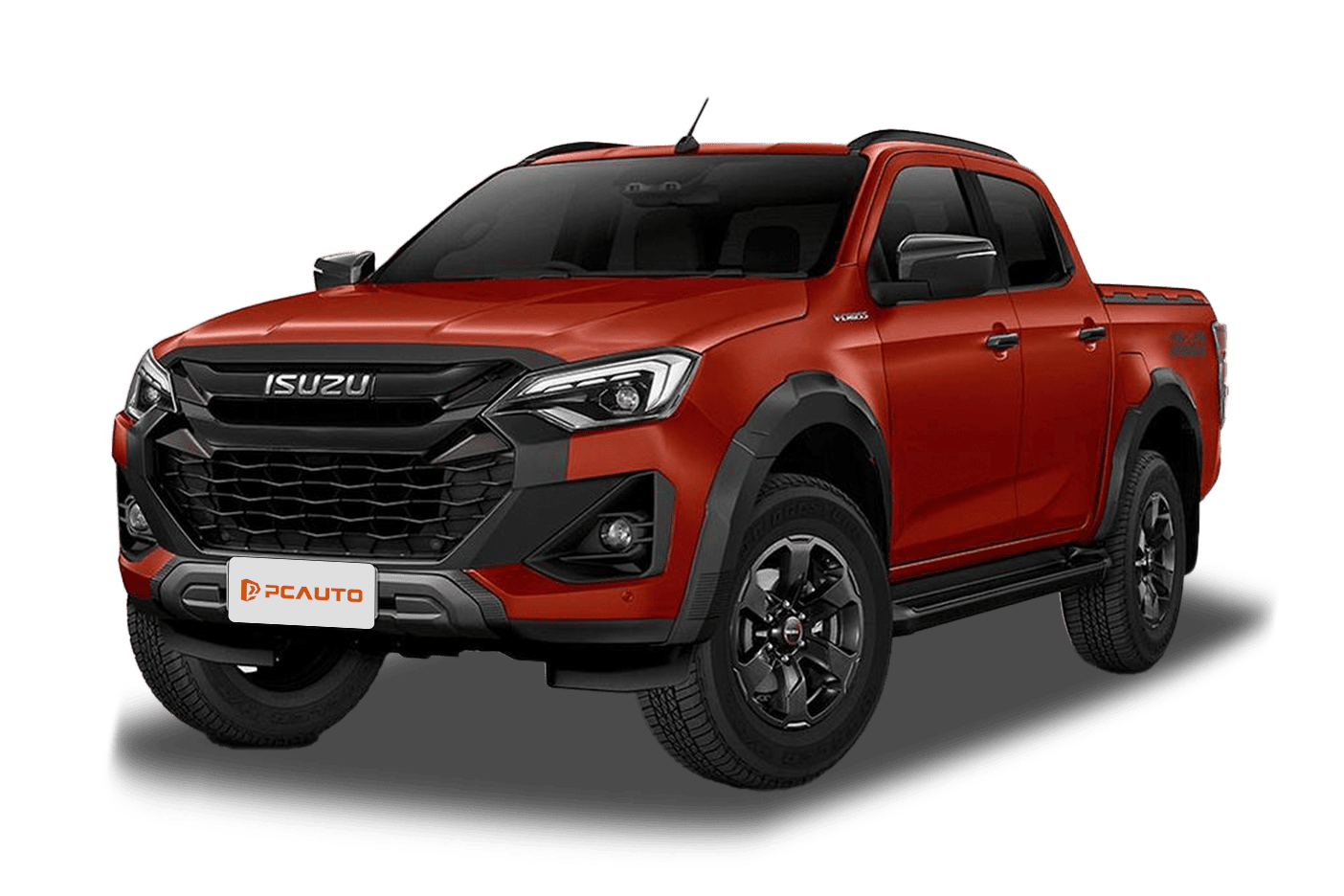
From the appearance, the 2018 D-MAX maintains the typical tough style of a pickup truck. The front adopts Isuzu's family design, with a large chrome grille paired with angular front bumpers, giving it a high degree of recognition; the side profile features straight lines with a black roll bar above the cargo bed railing, which is both practical and enhances the off-road look; at the rear, vertically arranged halogen taillights complement the front design, while the rear bumper integrates reverse radar probes, making its functionality clear. The overall design avoids excessive decorative elements, with every detail pointing towards "practicality," consistent with the positioning of a utility pickup truck.
Inside the vehicle, the interior style is simple. The center console uses hard plastic material, which, although not high-end in texture, is highly scratch-resistant and durable, suitable for scenarios that involve frequent loading and unloading of cargo. The layout of the central controls is clear, with a built-in multimedia screen at the top (supporting basic Bluetooth connection) and a single-zone manual air conditioning control knob below, making operation straightforward and easy even with gloves on. As for features, keyless entry/start, front and rear parking cameras, and a 220V power outlet are highlights—the 220V power outlet is particularly useful for users who need to charge tools at construction sites, while the combination of rear parking camera and reverse radar reduces the difficulty of reversing a pickup truck. The seats are made of fabric, with manual adjustments for the front row. While there is no electric adjustment feature, the support is decent; the rear seats adopt a 60:40 split-folding design, allowing the trunk's storage capacity to expand when folded. However, the absence of a headrest in the middle of the rear row compromises the comfort of the middle passenger during long rides.
Space is one of D-MAX's strengths. With a wheelbase of 3,095mm, the front row driving position offers more than two fists worth of headroom, and a driver measuring 180cm would not feel cramped in their legroom after adjusting the seat. The rear row offers nearly two fists of legroom and one and a half fists of headroom, ensuring adult males will not feel constrained when seated. As for storage space, the door panel slots can hold two bottles of mineral water, and the central armrest box is deep enough to store small tools or documents. While the official dimensions of the cargo bed were not provided, real use shows it can easily accommodate a motorcycle or several standard cartons, meeting daily cargo transport needs.
In terms of performance, the 2.5L diesel engine delivers a maximum power of 136 PS and a maximum torque of 320 N·m (with the configuration table indicating the peak torque at 1,800 rpm, though in actual experience, noticeable torque output is felt around 1,500 rpm). It is paired with a 6-speed automatic transmission, with shift logic favoring smoothness. The power response during startup is not exceptionally aggressive, but acceleration in later stages is robust—when overtaking on highways, pressing the accelerator deeply prompts the transmission to quickly downshift, delivering continuous power output, even when the vehicle is fully loaded. Driving modes include 2H, 4H, and 4L. When switching to 4H mode to tackle muddy or gravel roads, traction improves significantly, making the vehicle fully capable of handling light off-road scenarios.
In terms of handling, the steering wheel provides moderate resistance with precise directionality. Although the high center of gravity of a pickup truck is notable, body roll is well-controlled during cornering with no obvious swaying sensation. The front suspension features a double-wishbone independent setup, while the rear suspension uses leaf springs in a non-independent configuration. This combination achieves a balance between handling and cargo capacity — when driving unloaded over speed bumps, the rear seats may feel slightly bumpy, but with a full load in the cargo bed, the suspension's shock-absorbing performance is significantly improved, resulting in enhanced comfort. The braking system performs stably, featuring front ventilated disc brakes and rear drum brakes; the braking distance is average within the class of pickup trucks. During emergency braking, the vehicle's body remains stable without noticeable forward pitching.
One advantage of diesel pickup trucks is their fuel efficiency. In our testing conducted under mixed driving conditions (60% city roads and 40% highways, unloaded), fuel consumption was about 7.8L per 100 kilometers. This is an excellent figure for a 2.5L 4x4 pickup truck. With a 76L fuel tank, a full tank provides a range of approximately 900 kilometers, making it suitable for long-distance transportation. In terms of noise control, the diesel engine is quite noticeable at idle. However, during driving, wind and tire noise are effectively suppressed, and at speeds below 80 km/h, conversations inside the cabin are not significantly impacted. When the speed exceeds 100 km/h, wind noise gradually increases but remains within an acceptable range.
Overall, the core strengths of the 2018 Isuzu D-MAX 2.5L 4x4 AT lie in its durability, space, and the fuel efficiency of its diesel engine. Features such as keyless entry and a 220V power outlet are also practical and cater to the needs of users. Compared to competitors like the Ford Ranger 2.2L or Toyota Hilux 2.4L, the D-MAX’s price is lower (with a RM 109,350 price tag being approximately RM 5,000 less than the similarly equipped Ranger). Additionally, the 5-year/150,000 km warranty policy provides peace of mind for buyers.
However, it does have some drawbacks: the interior materials feel somewhat hard, there’s no headrest in the middle of the rear seats, and the multimedia system is quite basic. But for users who value practicality and durability, these shortcomings are within an acceptable range. This vehicle is suitable for two types of users: those who need a truck for both cargo transportation and family use (such as small construction contractors or farm owners), and outdoor enthusiasts who enjoy off-road activities but are on a budget.
In conclusion, the 2018 Isuzu D-MAX 2.5L 4x4 AT is a "no obvious shortcomings" utility-oriented pickup truck. It doesn’t strive for luxury nor focus on performance, but it delivers satisfying performance in durability, space, and fuel consumption, which are its core strengths. If you need a vehicle that is both "tough and reliable" while also accommodating for family use, it is a dependable choice.
Isuzu D-MAX Car Compare
Isuzu D-MAX Loan Calculator
More Isuzu Reviews
Cars With Similar Price And Features
5
Rank in Pickup
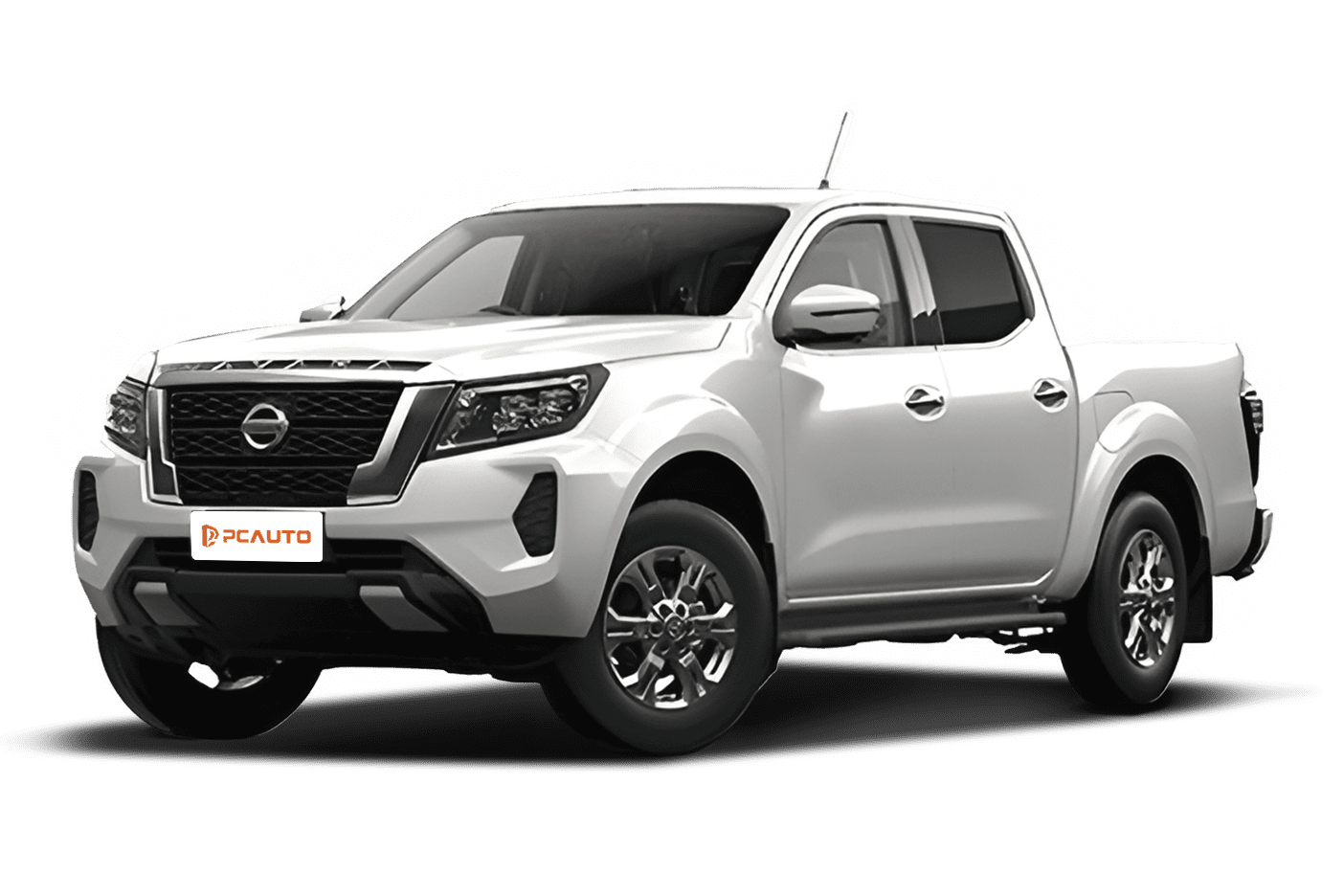
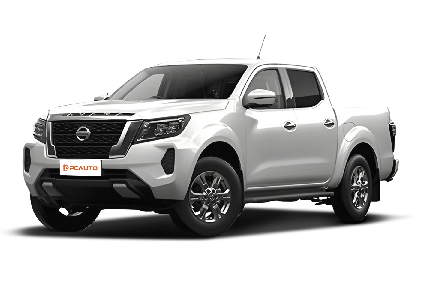
2023 Nissan Navara 2.5 VL Black Edition is a pickup truck that balances household comfort with light off-road capability, featuring exclusive black trims, a full suite of active safety features, and practical configurations, precisely catering to the needs of families and small business owners.
3
Rank in Pickup
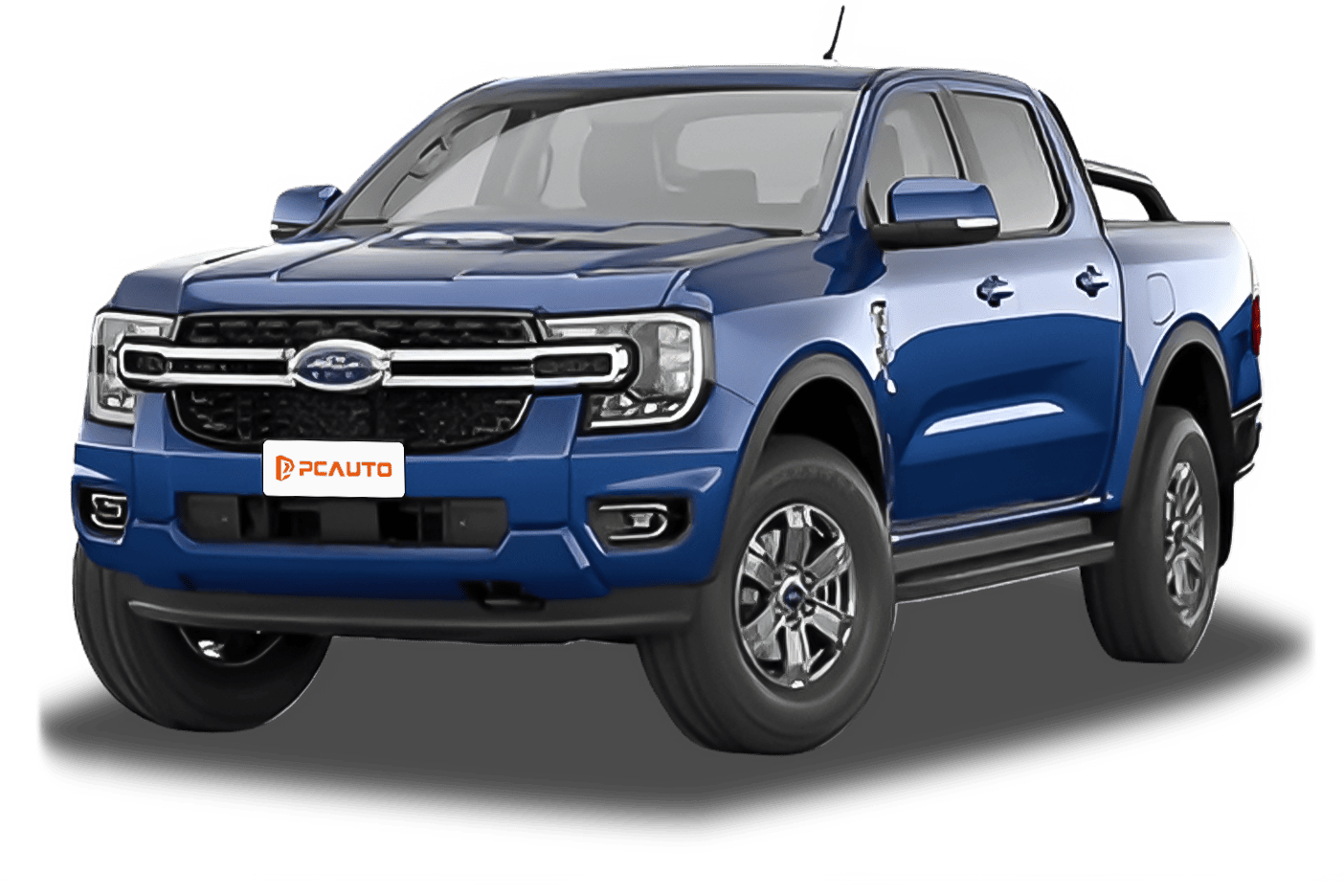
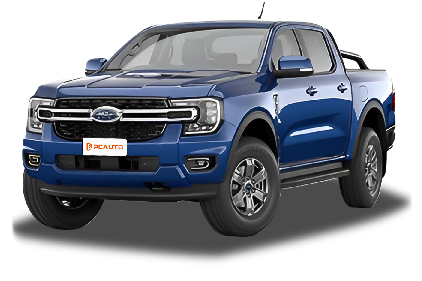
2023 Ford Ranger WildTrak is a mid-to-high-end pickup truck that balances the comfort of daily commuting with the practicality of cargo and off-road capabilities. It features powerful performance, ample space, and practical configurations, making it a versatile choice for both family and work scenarios.

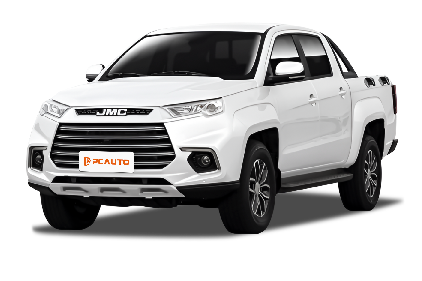
2023 JMC Vigus Pro White Series 2.0L 4WD 8AT combines rugged design, practical features, and powerful diesel performance, balancing everyday durability and mild off-road needs, making it a high-value choice for pickup users.
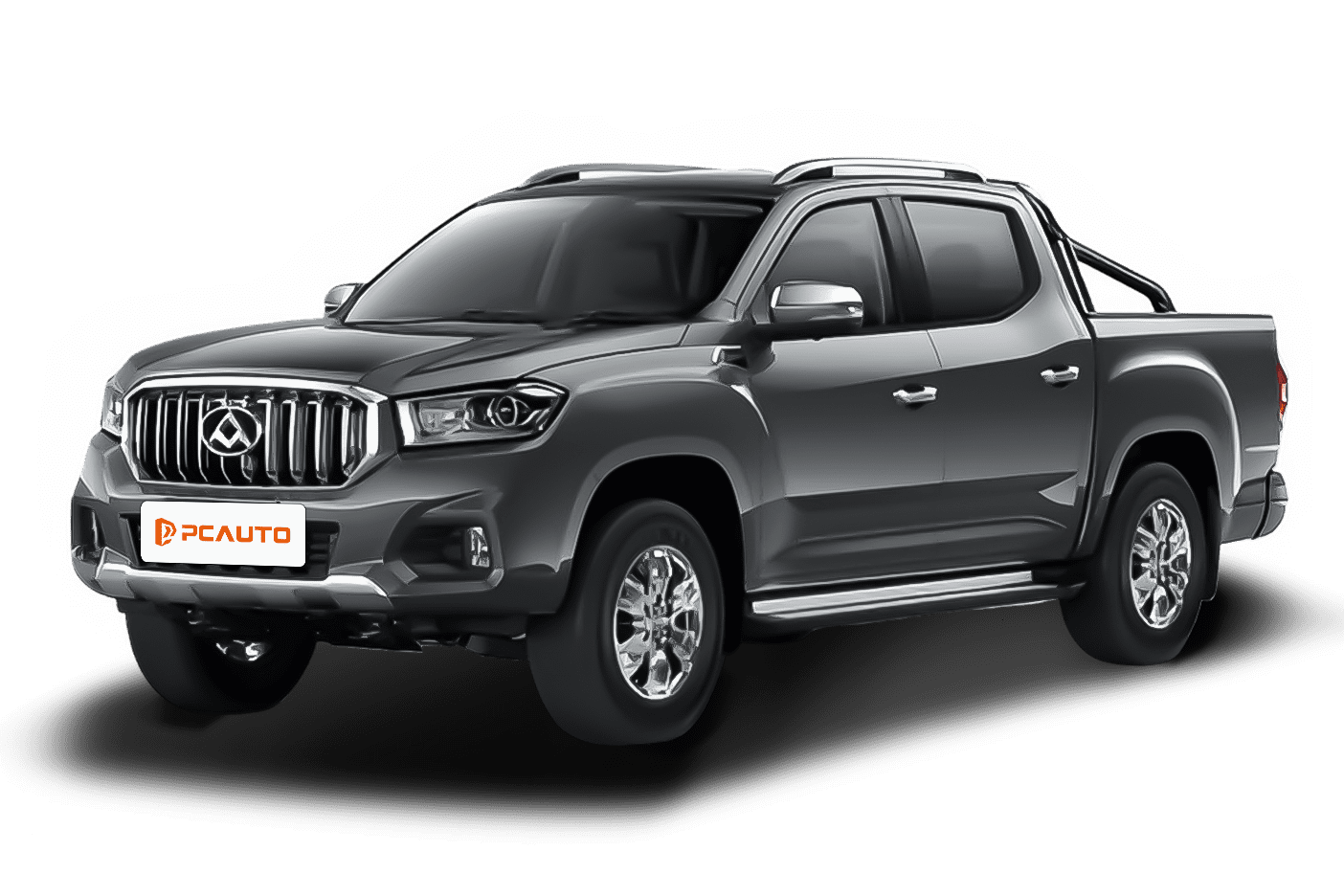
2022 Maxus T60 2.8L 4WD AT is a practical pickup truck that balances work and life. The strong diesel torque and 4WD capability meet cargo and off-road needs, while the premium features and spacious interior enhance daily comfort.