

2018 Isuzu D-MAX 2.5L 4x4 MT Premium Review

 Share
Share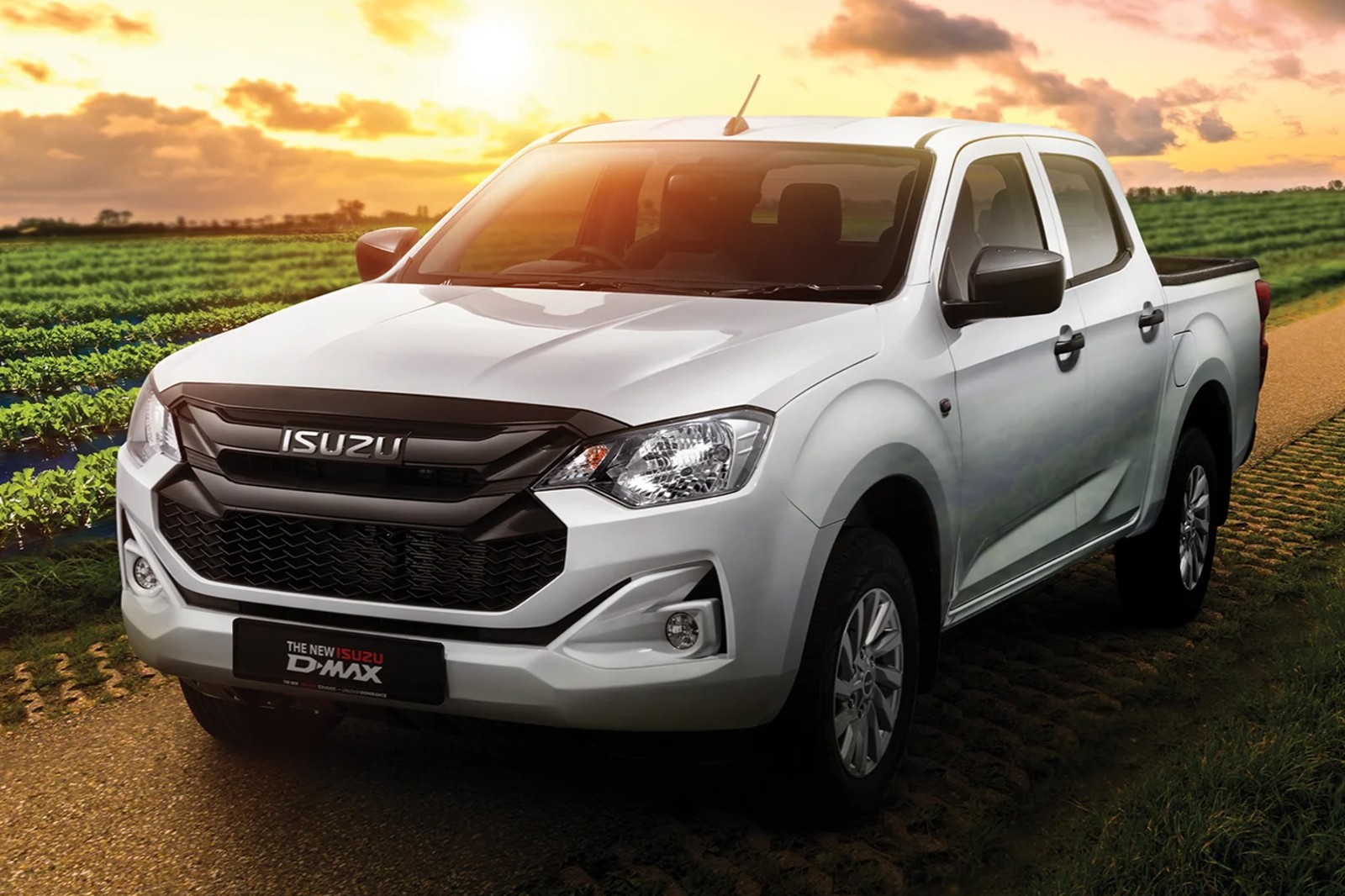
 Segment
 Body Type
 Capacity(L)
 Engine Power(PS)
 Transmission
 Driven Wheels
The Southeast Asian pickup truck market has always been a battlefield dominated by pragmatism. The 2018 Isuzu D-MAX 2.5L 4x4 MT Premium, as a popular model in this market, focuses on "suitable for both commercial and household uses" with its high practicality. In this test drive, we concentrated on verifying its balanced performance in terms of load-carrying capacity, off-road capability, and daily household comfort, to determine if this model, priced at 106,400 MYR, meets consumer expectations.
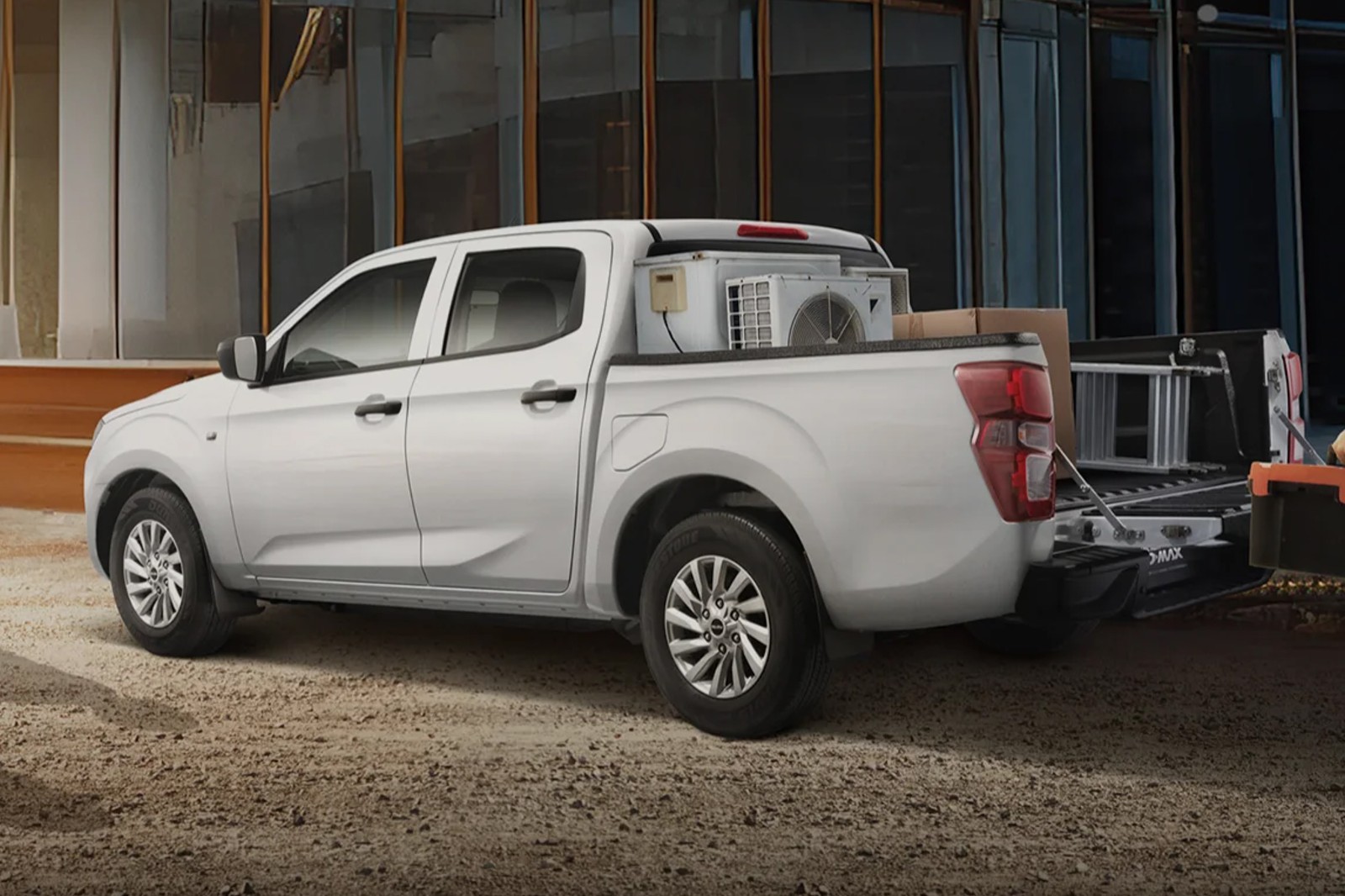
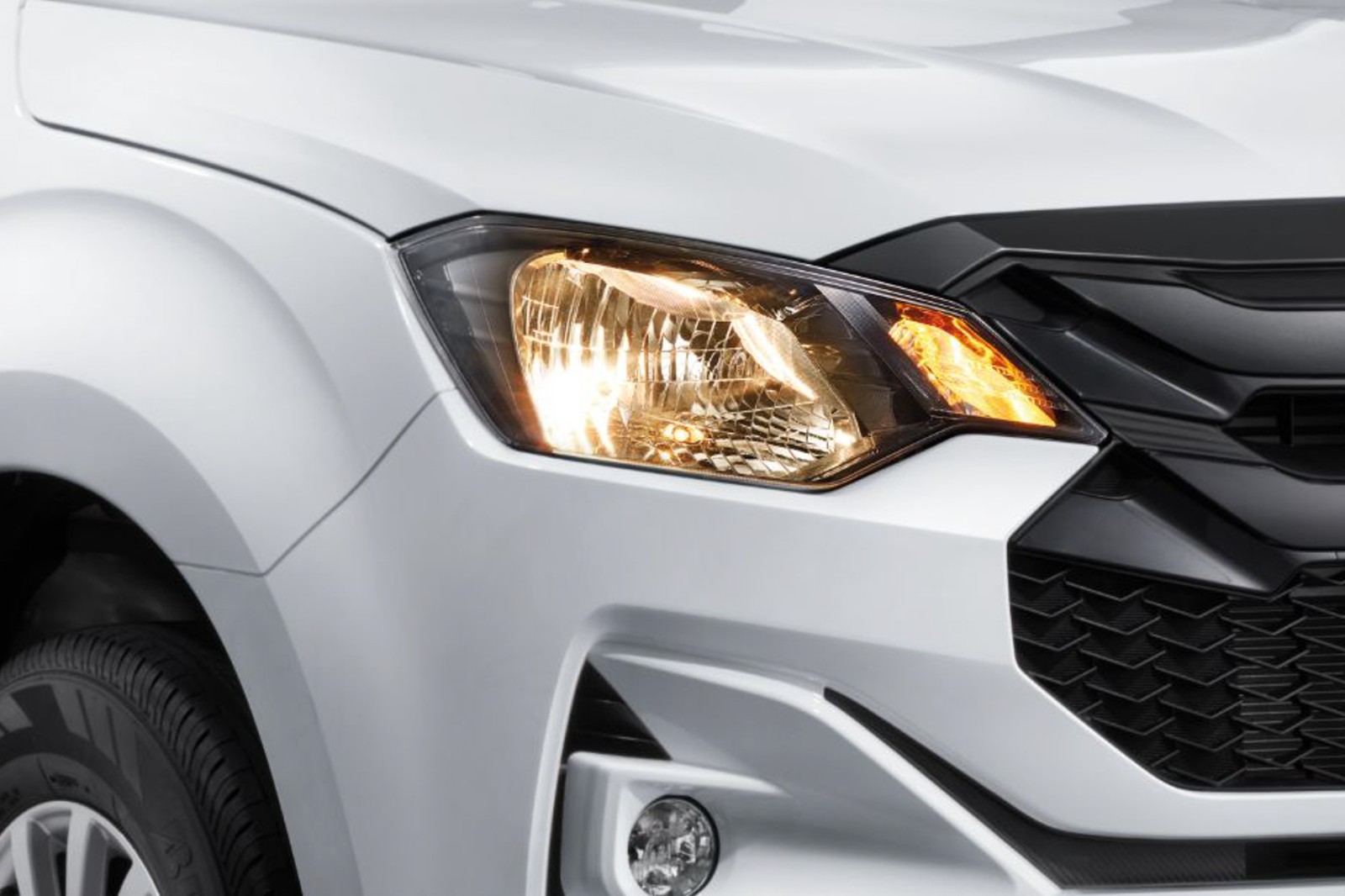
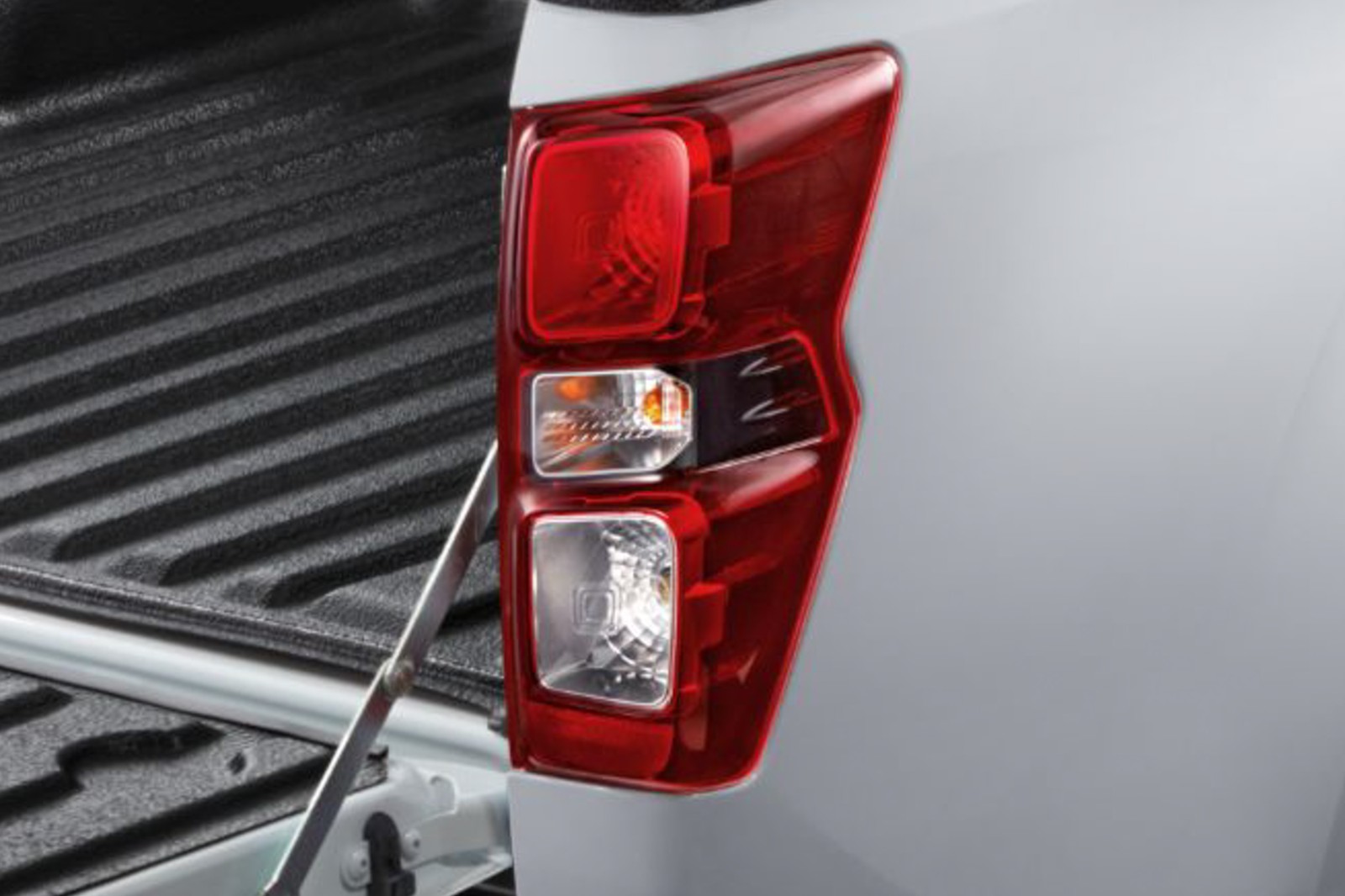
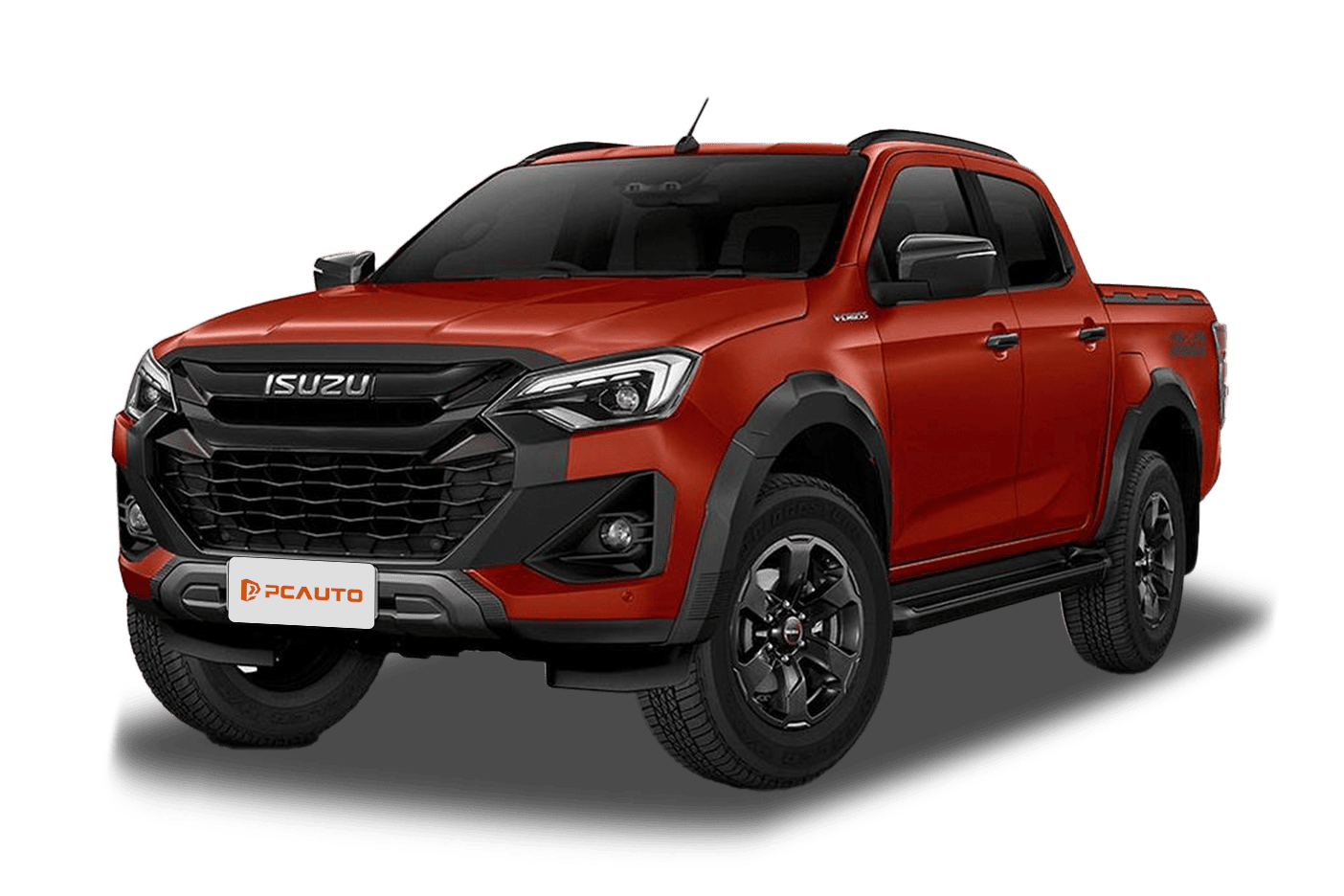
The body dimensions are 5295mm×1860mm×1795mm, with a wheelbase of 3095mm. The overall design is rugged with typical Japanese pickup styling. The front features a sturdy chrome intake grille paired with the Isuzu brand logo, offering high recognition; the headlamp assembly combines halogen and LED lights with standard daytime running lights. Fog lamps are also included, ensuring basic lighting needs. The side of the vehicle is equipped with practical wheel arches and side steps, while the 255/60 R18 tires balance road stability and mild off-road needs. The rear design is simple, with conventionally designed tail lights and a moderately high rear cargo bed rail, making daily loading and unloading of goods convenient.
The interior mainly uses dark hard plastic, emphasizing practicality and fitting its commercial positioning. The center console layout is clear, with a multifunctional steering wheel as standard for easy operation; the instrument panel features backlit analog displays, providing straightforward information. The configuration offers some highlights: a keyless entry system, single-zone automatic air conditioning, and a 220V/230V power outlet in the front row, which are relatively thoughtful features among pickups in the same price range. The front seats are manually adjustable with decent support; the rear seats offer a 60:40 split design that can expand storage space, and rear air vents enhance passenger comfort.
In terms of seating space, the 3095mm wheelbase results in generous rear legroom, and the 1795mm height ensures adequate headroom, making the 5-seat layout sufficient for daily family use. Regarding storage capacity, the center armrest box and door storage compartments provide ample space. Although the official rear cargo bed capacity has not been announced, actual testing shows it can easily fit two standard-sized suitcases along with some miscellaneous items, and it can handle commercial loads as well.
The vehicle is powered by a 2.5L diesel engine, delivering a maximum power of 136PS and peak torque that can be reached at 1800rpm, paired with a 6-speed manual transmission. At startup, the low-end torque performance of the diesel engine is impressive, with maximum torque available at 1800rpm, making it effortless even under heavy loads. Acceleration is smooth, mid-to-low-speed overtaking is responsive, but high-speed acceleration is fairly average, as expected from a practical model. Driving modes include two-wheel drive, high-speed four-wheel drive, and low-speed four-wheel drive. When dealing with rural dirt roads and gravel roads, the high-speed four-wheel drive mode provides sufficient traction, making it suitable for light off-roading.
In terms of handling, the steering wheel has moderate resistance and precise directionality. The front suspension uses a double-wishbone independent suspension, while the rear suspension is a leaf spring design (not explicitly listed in the configuration table but common for pickups). On paved roads, the suspension absorbs most minor bumps, ensuring reasonable comfort. When encountering larger potholes, the rear suspension offers sufficient resilience, maintaining good vehicle stability without noticeable swaying. Braking performance is stable, with front ventilated disc brakes delivering a braking distance that is average within the same segment.
In terms of fuel consumption, the comprehensive road condition test shows a fuel consumption of about 8.5L per 100 kilometers, which can drop to around 7.5L under highway conditions. The fuel economy of the diesel engine is indeed impressive, making it suitable for long-term use. Regarding noise control, the noise of the diesel engine is quite noticeable at idle, but once driving, wind and tire noise are well controlled, and conversations inside the car are not affected. For driving comfort, the front seats provide good support, making long drives less tiring; the rear seat angle is moderate, ensuring that passengers won’t feel too uncomfortable even after more than two hours of travel.
In summary, the core advantages of the 2018 Isuzu D-MAX 2.5L 4x4 MT Premium include: the fuel economy of its diesel engine, decent off-road capability, practical configurations, and spacious interior. Compared to competitors like Toyota Hilux and Ford Ranger in the same segment, this model is more budget-friendly and comes with more practical features, making it suitable for consumers who are budget-conscious and need to balance commercial and household uses. For example, rural entrepreneurs, users frequently driving on unpaved roads, or families needing a vehicle that combines cargo and passenger carrying capacity.
This vehicle has a well-rounded overall performance without obvious shortcomings. It is a "versatile" and practical pickup truck. If you need a reliable, economical model capable of handling various scenarios, the 2018 Isuzu D-MAX 2.5L 4x4 MT Premium is worth considering.
Isuzu D-MAX Car Compare
Isuzu D-MAX Loan Calculator
More Isuzu Reviews
Cars With Similar Price And Features
5
Rank in Pickup
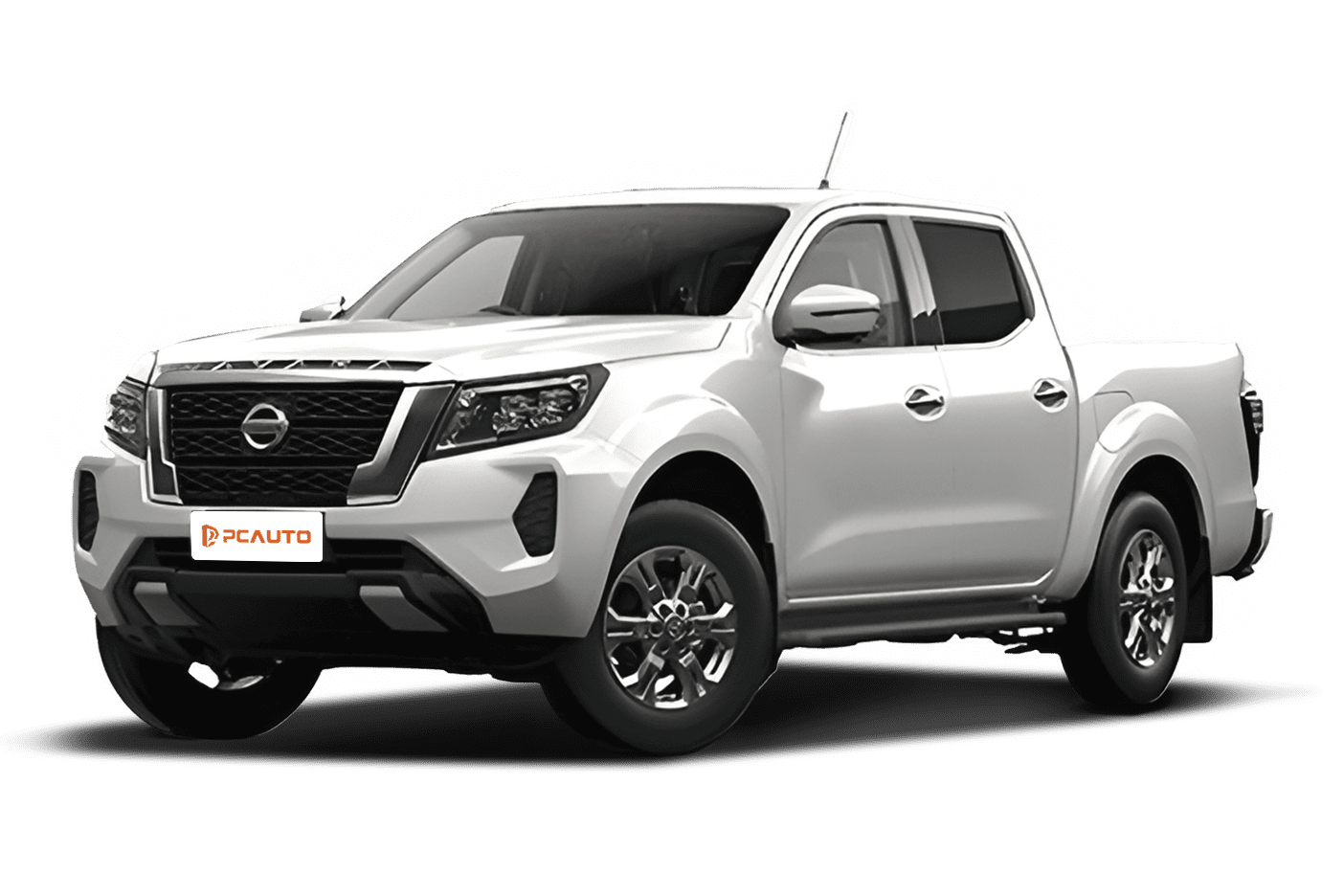
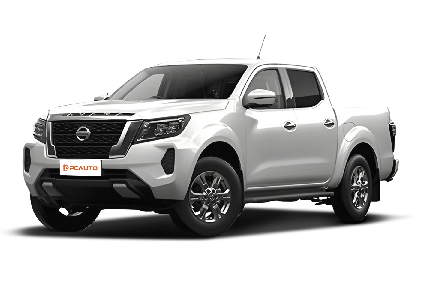
2023 Nissan Navara 2.5 VL Black Edition is a pickup truck that balances household comfort with light off-road capability, featuring exclusive black trims, a full suite of active safety features, and practical configurations, precisely catering to the needs of families and small business owners.
3
Rank in Pickup
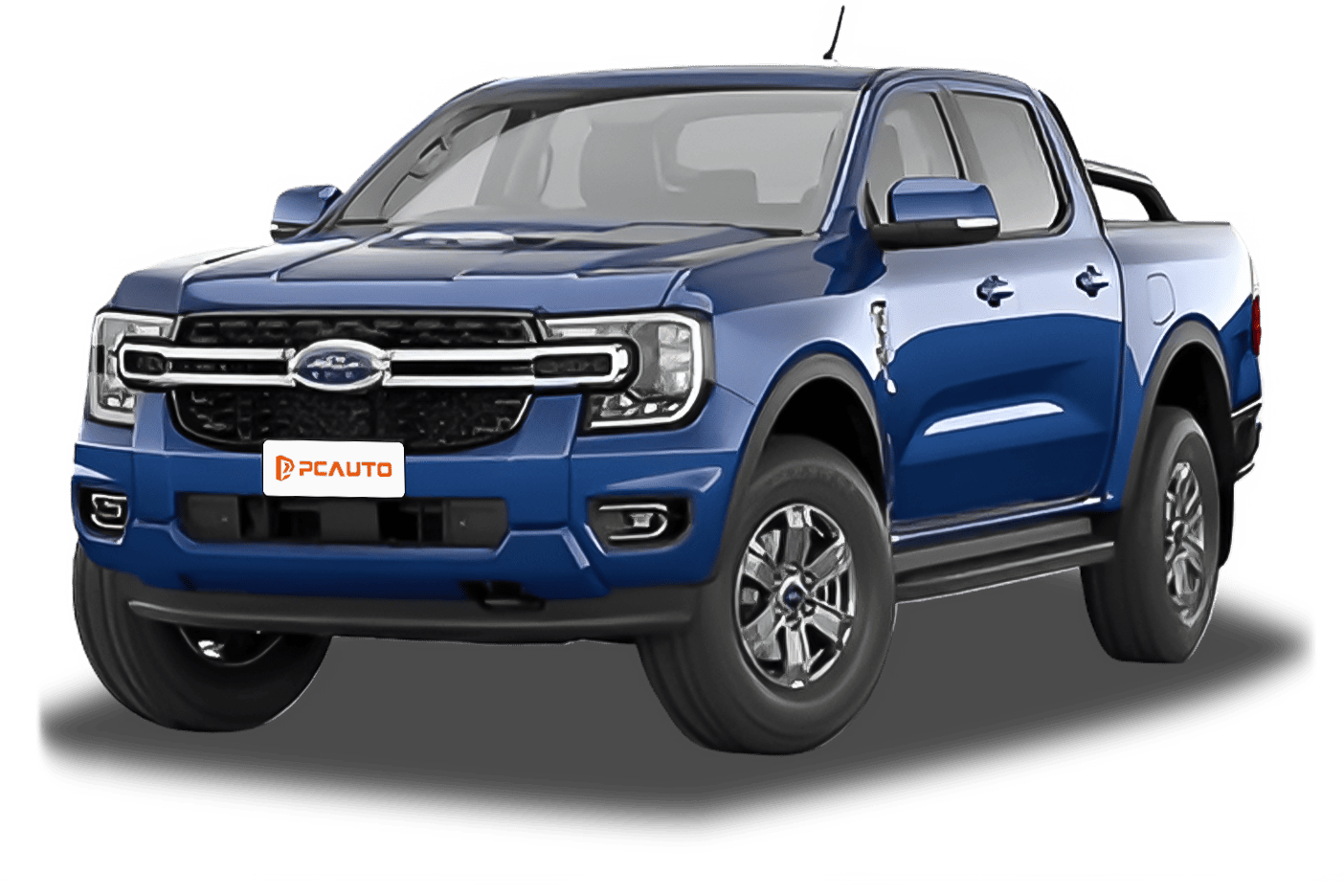
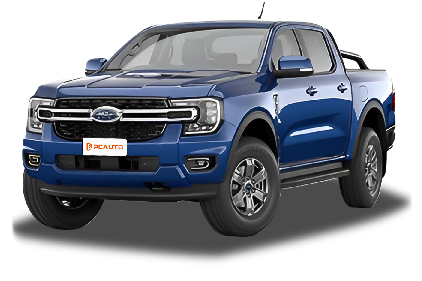
2023 Ford Ranger WildTrak is a mid-to-high-end pickup truck that balances the comfort of daily commuting with the practicality of cargo and off-road capabilities. It features powerful performance, ample space, and practical configurations, making it a versatile choice for both family and work scenarios.

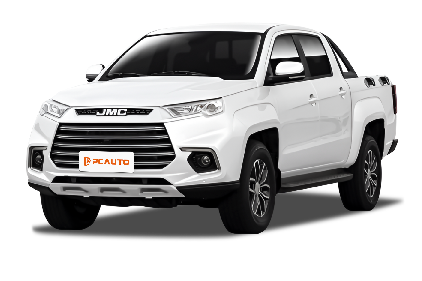
2023 JMC Vigus Pro White Series 2.0L 4WD 8AT combines rugged design, practical features, and powerful diesel performance, balancing everyday durability and mild off-road needs, making it a high-value choice for pickup users.
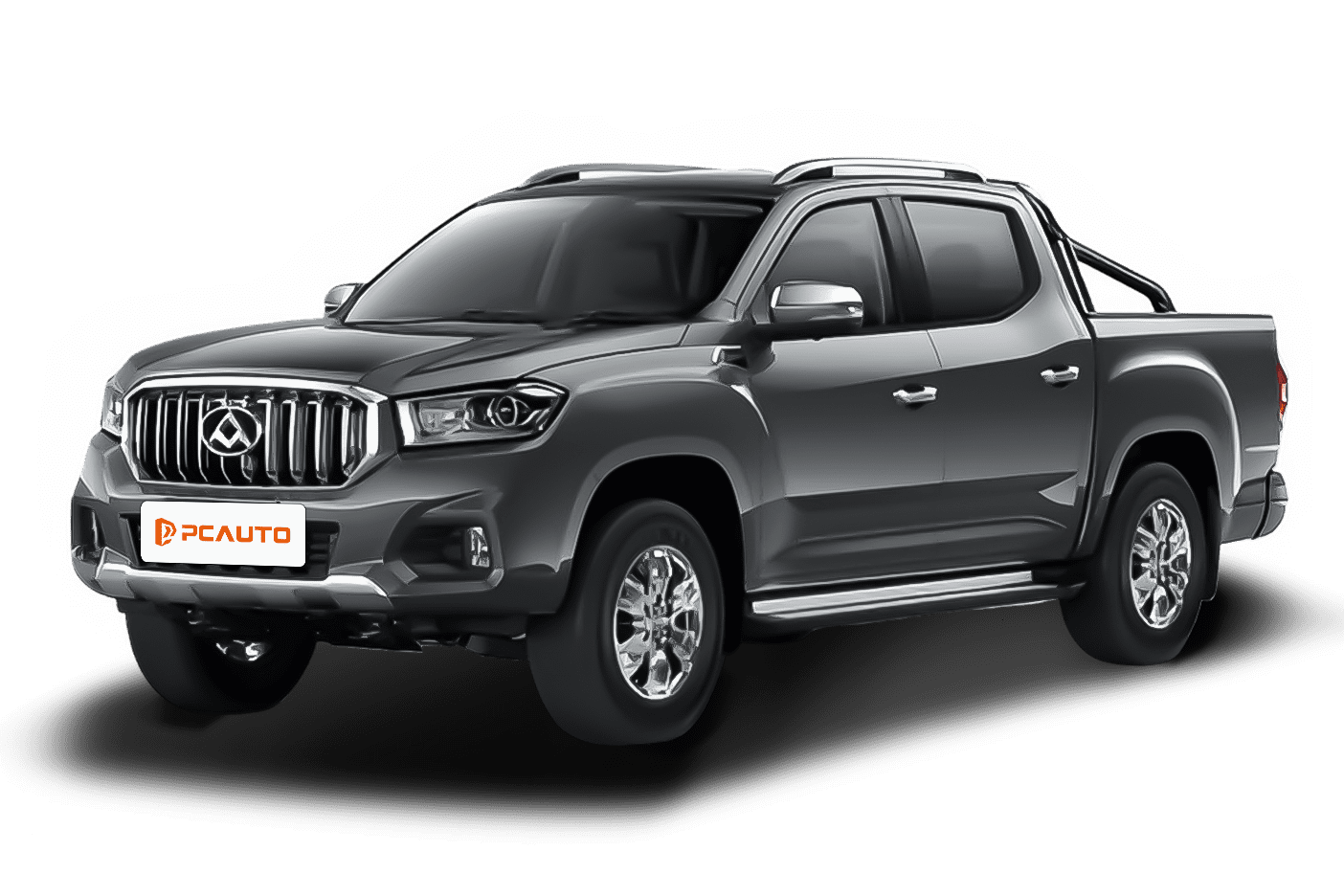
2022 Maxus T60 2.8L 4WD AT is a practical pickup truck that balances work and life. The strong diesel torque and 4WD capability meet cargo and off-road needs, while the premium features and spacious interior enhance daily comfort.