

2018 Mazda 2 Hatchback 1.5 Hatchback GVC with LED Lamp Review

 Share
Share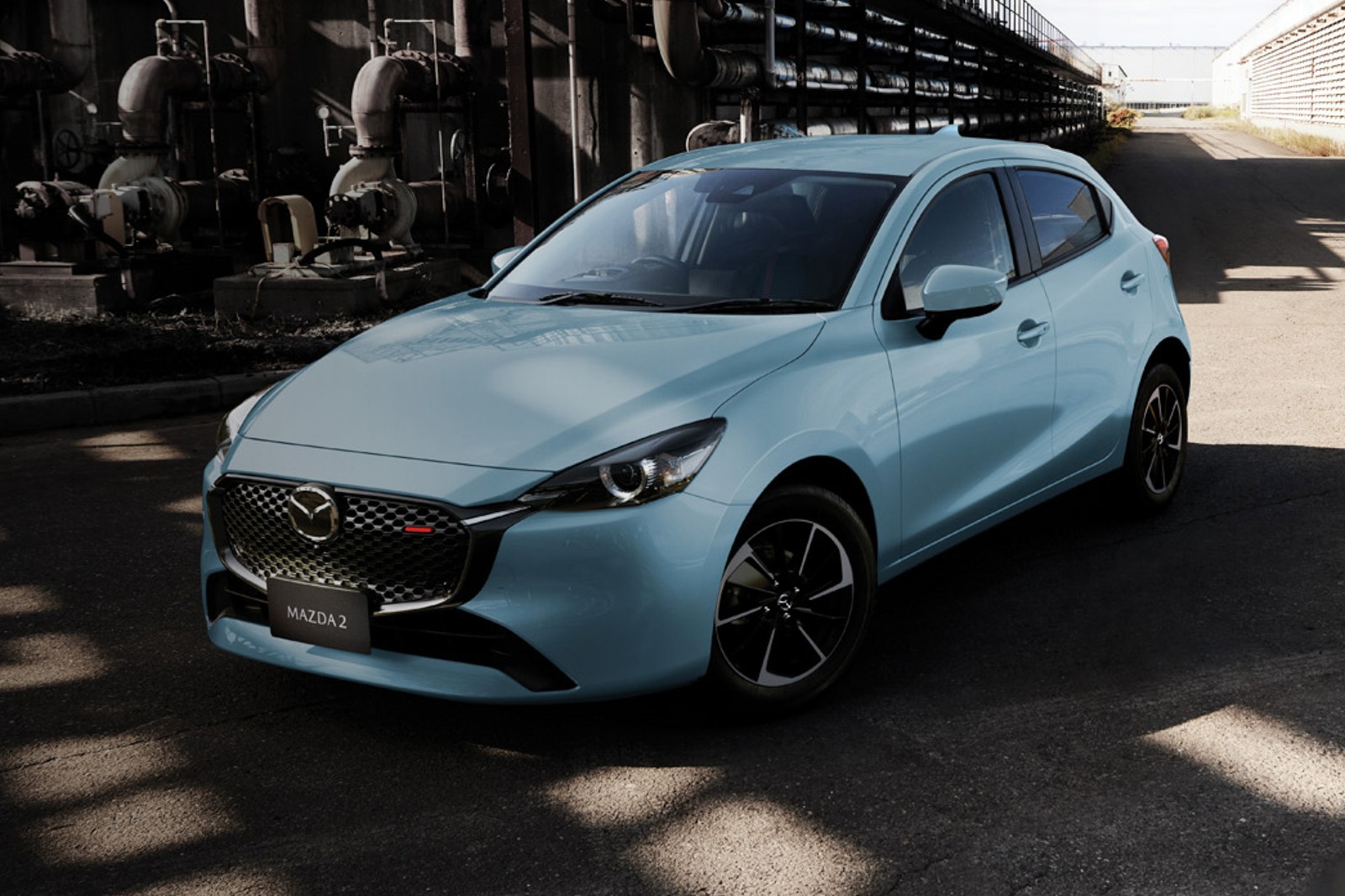
 Segment
 Body Type
 Capacity(L)
 Engine Power(PS)
 Transmission
 Driven Wheels
The B-segment hatchback market in Malaysia has always been a battleground for cost-performance and practicality, with most models either focusing on features or compromising on power. The 2018 Mazda 2 Hatchback 1.5 GVC with LED Lamp (Note: The standard configuration in the spec sheet mentions LED for daytime running lights, while the headlights are Halogen. This is based on the actual vehicle configuration) features the "GVC G-Vectoring Control System" as its core selling point, coupled with safety configurations that are near the top level of the B-segment. This makes it particularly outstanding within the same price range. The main purpose of this test drive is to verify whether the GVC system truly enhances the driving experience, while also evaluating its space and fuel efficiency to meet daily household needs.
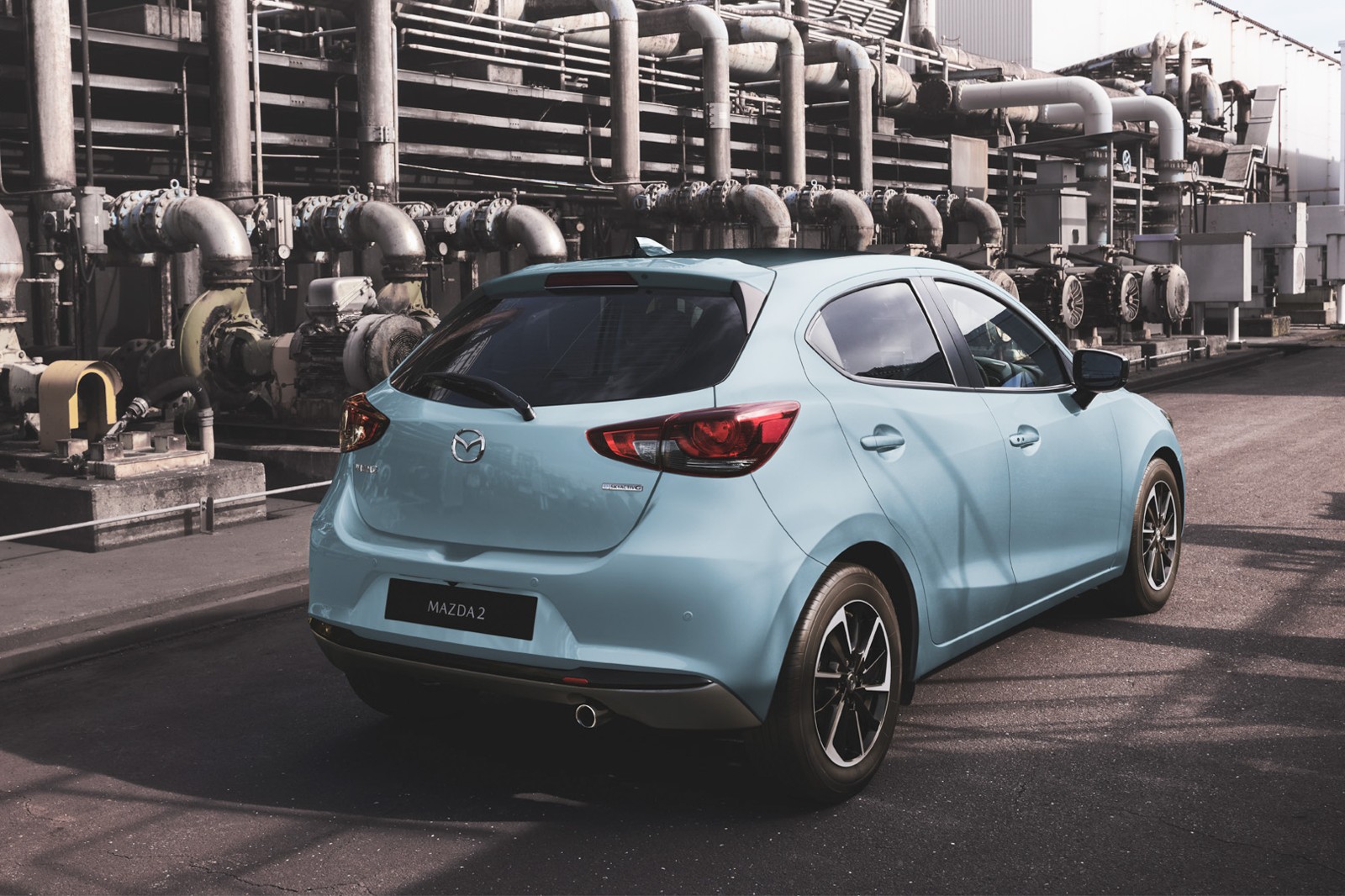
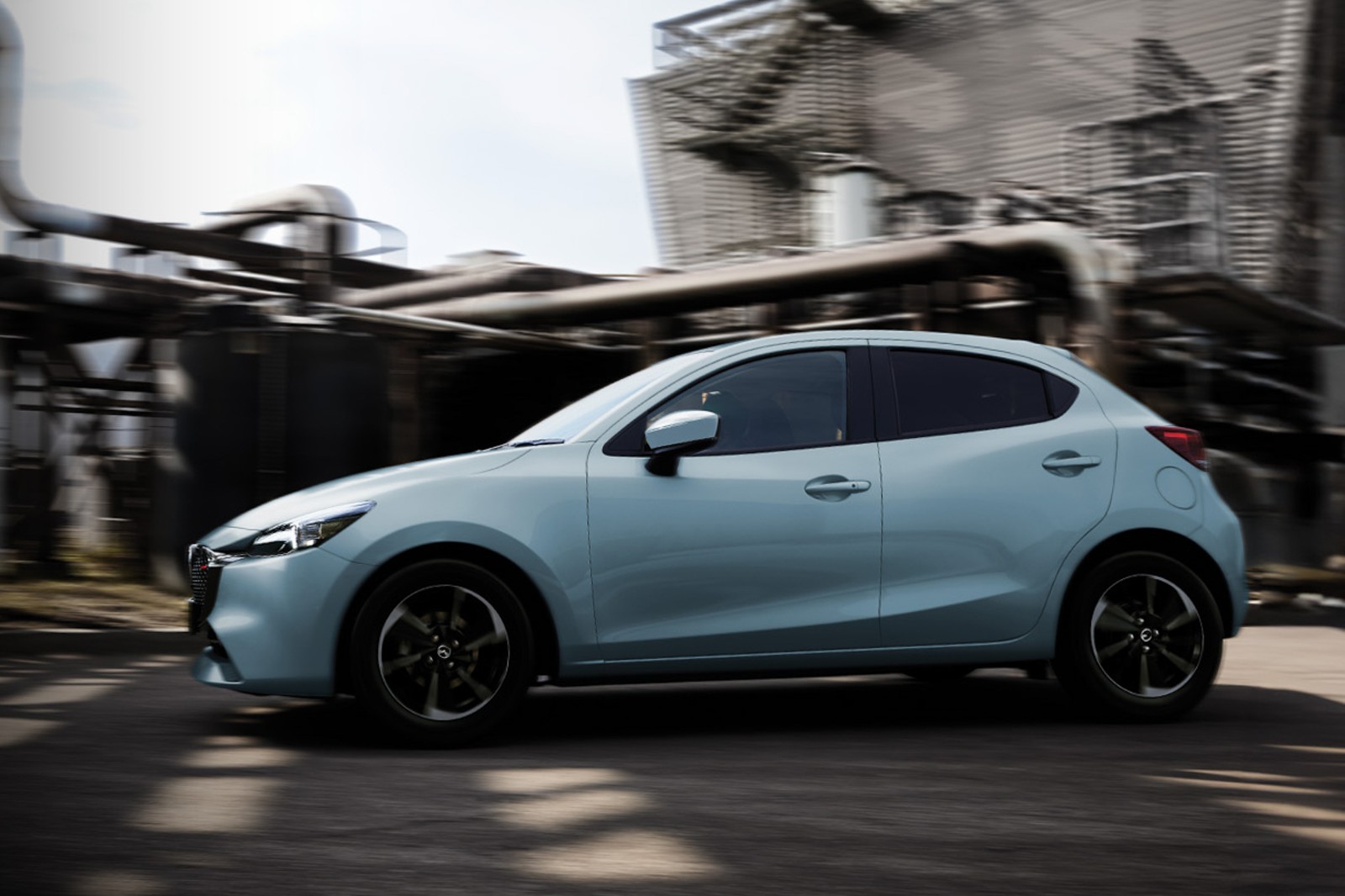
In terms of appearance, the 2018 Mazda 2 continues the family's "Kodo" design language, with overall lines that are sleek and compact. At the front, the shield-shaped front grille is paired with chrome trim, and the sharp Halogen headlights on both sides are connected to the grille, visually widening the front fascia. The vehicle side adopts a double waistline design, with the upper waistline extending from the front fender to the rear and echoing the crease along the bottom edge of the doors, giving the 1056kg body a more dynamic look. The 16-inch tires paired with multi-spoke wheels are well-proportioned. At the rear, the horizontally arranged taillights align with the upward-curving rear window lines, and the black plastic trim under the rear bumper adds a slight sporty look. Overall, its recognition level in the B-segment is above average.
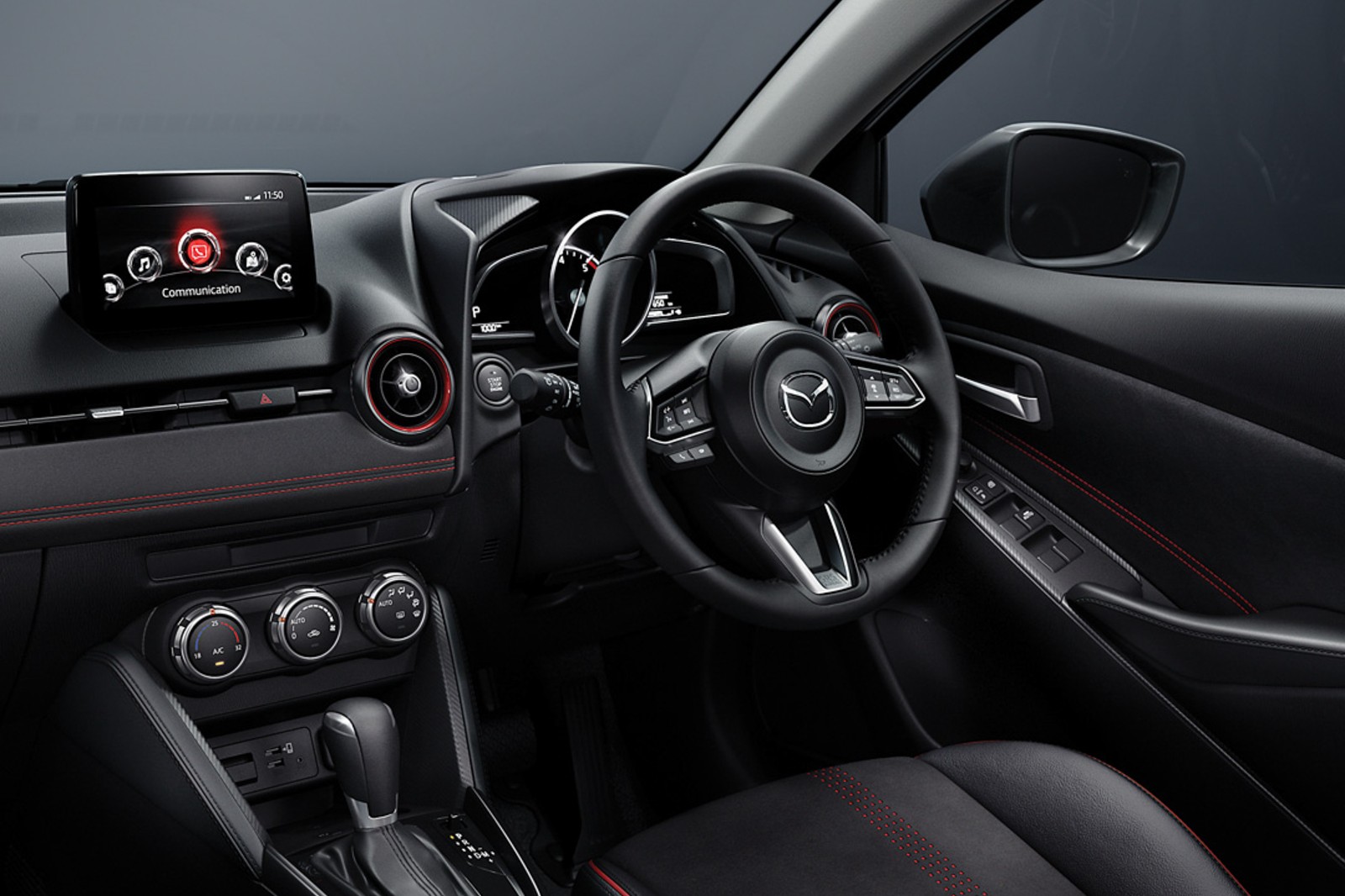
The interior adopts an asymmetrical dashboard design, tilted approximately 7 degrees toward the driver for easier daily operation. The upper part of the dashboard uses hard plastic, but the texture is refined, not cheap; areas like the door armrests and seats are wrapped in fabric, matching the material standards at this price range. In terms of main features, the 8-inch central touchscreen supports Apple CarPlay and Android Auto (standard on late 2018 models), with medium operational smoothness; the multifunction steering wheel integrates volume adjustment and Bluetooth call buttons on the left side, while the right side is for cruise control, with clear button feedback. Notable is the standard HUD (Head-Up Display), which can show speed, RPM, and other information, reducing the frequency of looking down while driving. The front row features single-zone automatic climate control with precise dial adjustments, and the rear row is equipped with air conditioner vents, which is uncommon among vehicles in this price range.
Regarding space, the vehicle dimensions are 4060×1695×1470mm with a wheelbase of 2570mm, positioning it at the mainstream level within the B-segment. Front-row seating space is ample, with a 175cm passenger having a remaining headroom of one fist after adjusting the seat; rear legroom is about two fists, and headroom is one fist, making short trips no problem but slightly cramped for long journeys. As for storage capacity, the front door panels can fit two 500ml water bottles, and the central armrest box has a moderate capacity, accommodating items like a phone or wallet. The standard trunk volume is 220L, which can be expanded to about 800L by folding down the 60:40 split rear seats, meeting the needs of daily shopping or luggage for short trips.
Powertrain: It is equipped with a 1.5L naturally aspirated engine, with a maximum power of 116PS/6000rpm and a maximum torque of 148N·m/4000rpm, paired with a 6-speed automatic transmission (6AT). During actual driving, the power response is active during the start phase, allowing smooth crawling in urban conditions with a light press on the accelerator; acceleration is smooth in the 30-80km/h range, and when overtaking, a deep press on the accelerator causes the transmission to downshift quickly, delivering linear power output without obvious jerks. The GVC system is particularly noticeable when cornering, as it adjusts engine torque to reduce understeer, ensuring a more stable body posture that makes it easy for even novice drivers to handle turns effortlessly. Daily driving mainly relies on Comfort mode; switching to Sport mode makes throttle response sharper, but RPMs are maintained above 3000, leading to a slight increase in fuel consumption.
Handling and chassis: Featuring a front MacPherson independent suspension and a rear torsion beam non-independent suspension combination, the tuning leans toward a sporty feel. The steering wheel offers precise turns with minimal play and a moderate self-centering force; when passing over speed bumps, the suspension quickly filters out most vibrations without excessive bouncing; at high-speed cornering, body roll is kept within a reasonable range, and the tires provide ample grip, instilling confidence in the driver. The braking performance is also commendable, with a braking system comprising front ventilated discs and rear ventilated discs. The brake pedal travel feels linear, and braking force is released evenly, achieving a 100-0km/h braking distance of approximately 38 meters, which meets the safety standards of family cars.
Fuel consumption: The official combined fuel consumption is 5.1L/100km. During actual test drives, the fuel consumption on urban roads (a mix of congestion and free flow) was about 6.2L/100km, while on highways (at speeds of 90-110km/h) it was around 4.8L/100km. Overall, the performance is better than other models of the same displacement, such as the Fit (urban fuel consumption approximately 6.8L) and Yaris (urban fuel consumption approximately 6.5L), highlighting its outstanding fuel efficiency.
Comfort: At idle, engine noise is well-controlled, and hardly any noticeable vibrations are heard inside the car. At speeds below 80km/h, tire and wind noise is minimal, allowing for normal conversation volume to be maintained; as the speed exceeds 100km/h, wind noise starts to enter through the A-pillar but remains within an acceptable range. The seats are made of fabric material, with moderate side support, and there is no significant feeling of lumbar discomfort even after long periods of driving; the backrest angle of the rear seat is slightly steep, but it does not significantly affect short-distance rides.
In summary, the core advantages of the 2018 Mazda 2 Hatchback 1.5 GVC lie in three aspects: First, the GVC system improves handling, making it a standout feature in the B-segment; second, comprehensive safety features, including standard active braking, forward collision warning, rear parking sensors, and front/rear cameras, surpass competitors like the Fit (only equipped with ESP as standard) and Yaris (lacking active safety features); third, excellent fuel efficiency, which reduces daily usage costs. However, there are some drawbacks, such as the average smoothness of the central display screen and the relatively small standard trunk capacity.
Overall, this car is more suitable for two types of people: First, young family users who value handling and safety, using it for daily commuting as well as weekend short trips; second, young individuals on a budget but in pursuit of driving experience, with low fuel consumption and maintenance costs alleviating financial pressure. If your demand is "balanced practicality with a bit of handling surprise," the 2018 Mazda 2 Hatchback 1.5 GVC is a priority option worth considering in the B-segment.
Mazda 2 Hatchback Car Compare

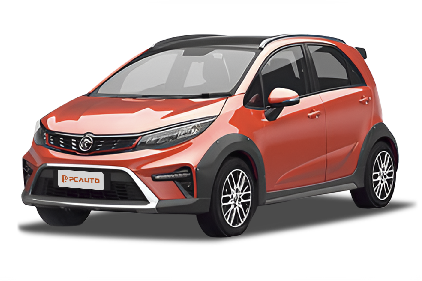
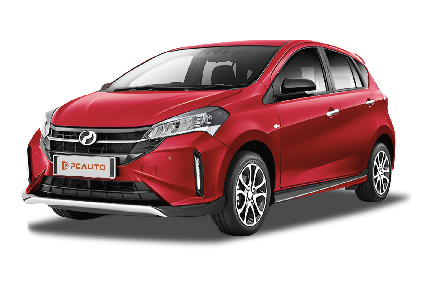
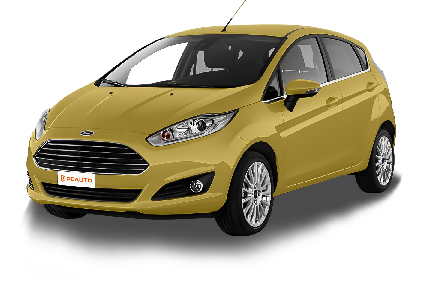
Mazda 2 Hatchback Loan Calculator
More Mazda Reviews
Cars With Similar Price And Features
4
Rank in Hatchback
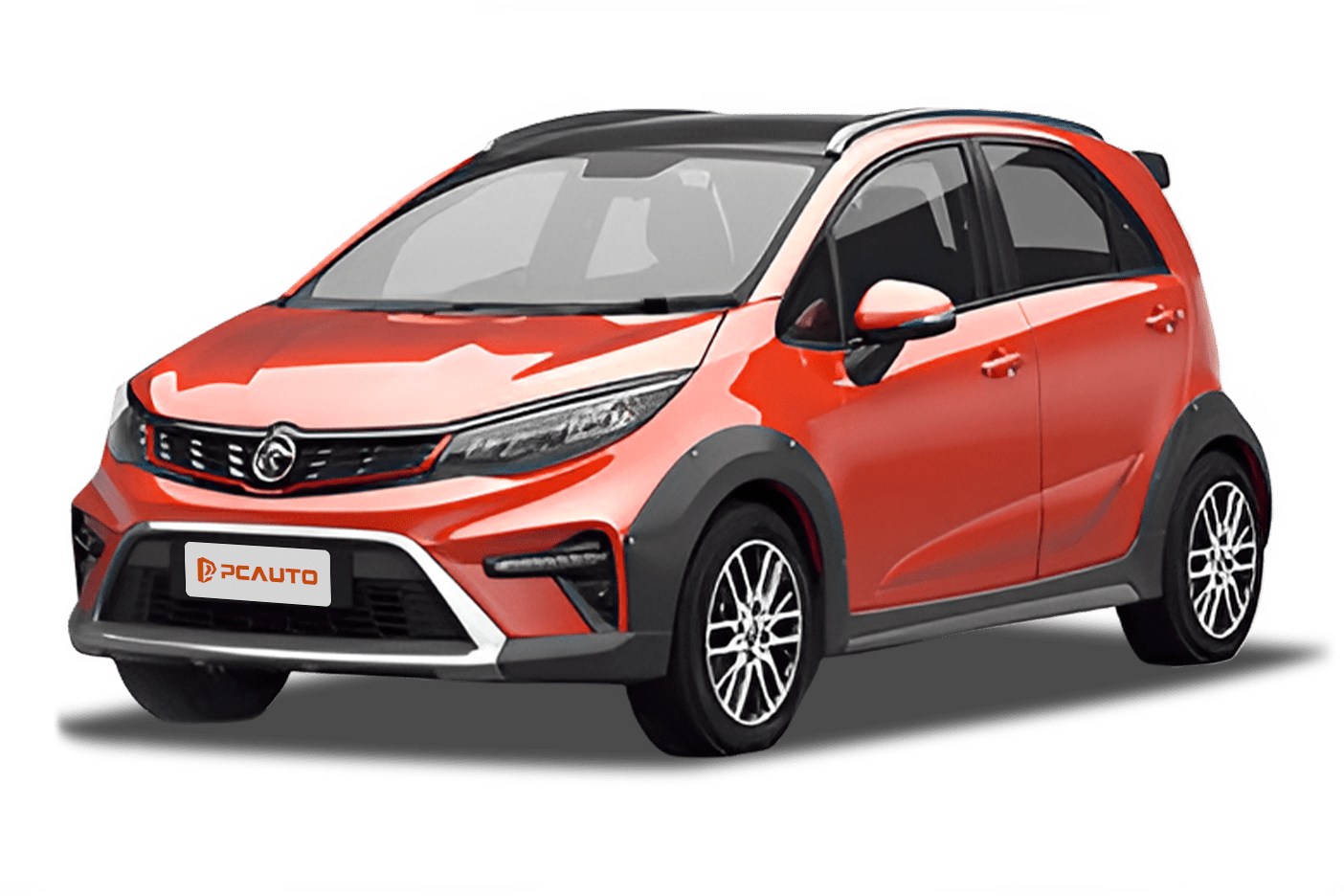
2023 Proton Iriz 1.3 Standard CVT is an affordable, well-balanced entry-level B-segment hatchback with safety features, suitable for budget-conscious families focusing on safety and practicality for daily commuting.
2
Rank in Hatchback

2023 Perodua Myvi 1.3 G with PSDA is an affordable B-segment hatchback, combining practical space, basic features, and PSDA safety assistance, suitable for family commuting.

2022 Ford Fiesta public is a B-Segment model with responsive power, economical fuel consumption, and rich safety features, suitable for young families or individual users who prioritize driving experience and safety.
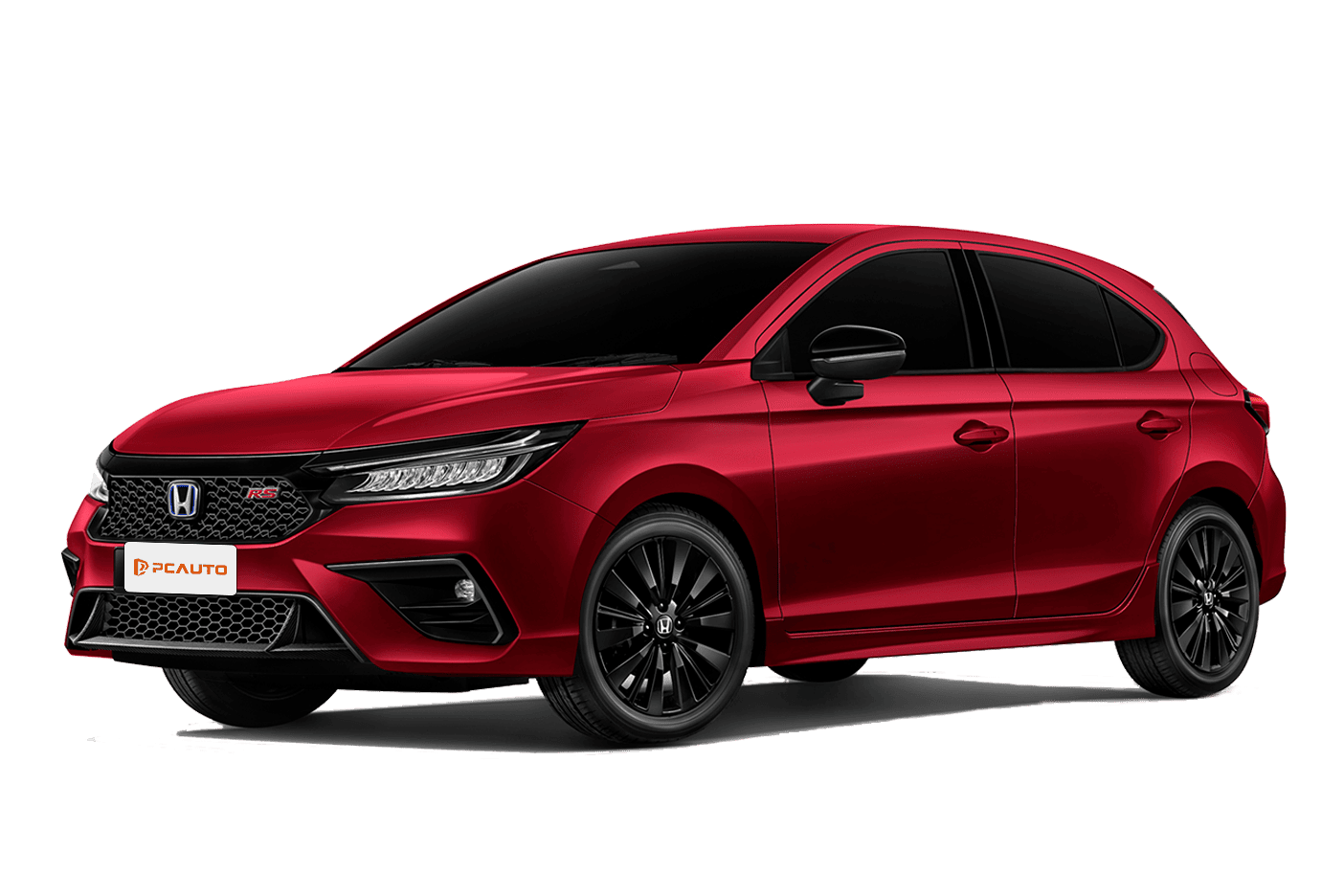
2024 Honda City Hatchback 1.5 S, as a high-value entry-level hatchback, comes standard with Honda Sensing and 6 airbags, offering practical space, economical fuel consumption, and balancing safety with daily commuting needs.