

2018 Toyota 86 2.0 (A) Review

 Share
Share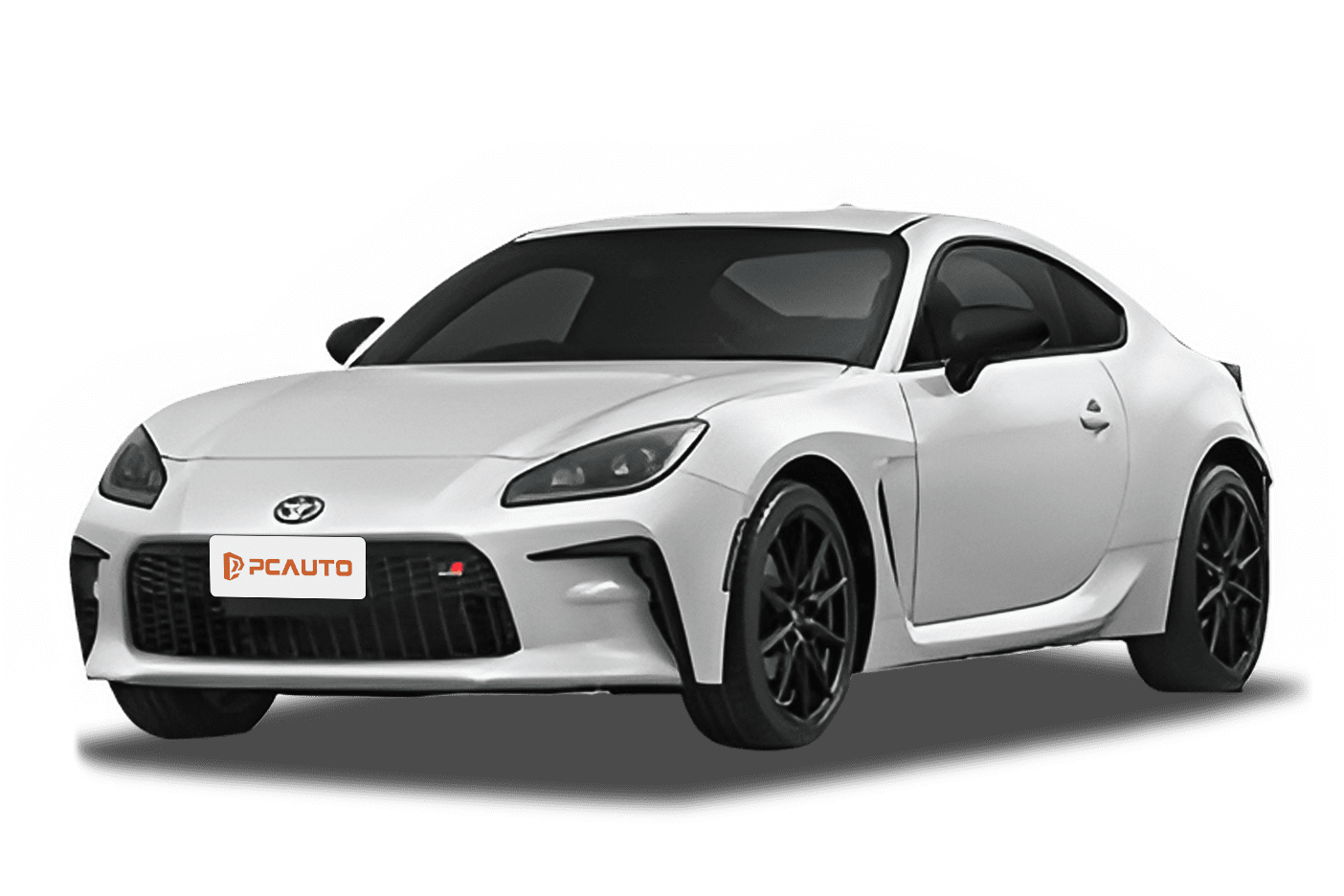
 Segment
 Body Type
 Capacity(L)
 Engine Power(PS)
 Transmission
 Driven Wheels
For sports car enthusiasts in Malaysia, there are not many options within the budget range of RM200,000 to RM300,000 that balance sheer driving pleasure and daily practicality — and the 2018 Toyota 86 2.0 (A) is undeniably one of the standout choices in this niche market. It not only inherits the front-engine rear-wheel-drive platform jointly developed by Toyota and Subaru but also features improved configuration details in the 2018 model. In this test drive, we focus on two core questions: Does it still offer thrilling driving pleasure? And is it truly practical for daily use?
In terms of exterior design, the 2018 86 retains the classic sports car stance: a 4240mm length paired with a 1775mm width and a low-slung 1285mm height give its side profile a compact and sleek look. Both the front and rear overhangs are short, concentrating the visual focus on the center of the body, creating a typical rear-wheel-drive sports car proportion. The front fascia features a large trapezoidal lower grille flanked by air intakes, complemented by standard LED headlights and daytime running lights, giving it high recognition. The small ducktail spoiler and dual exhaust layout at the rear further enhance its sporty character. Notably, the car's body lines have no redundant decorations; every curve and angle serves an aerodynamic purpose, such as the raised lines on the front fenders, which not only accentuate the wheel arches but also optimize side airflow.
Stepping inside, the interior design emphasizes practicality, avoiding excessive frills. The dashboard adopts a symmetrical layout with hard materials used for the upper portion, while areas frequently touched are wrapped in soft materials, such as the door panel armrests and the sides of the seats. The standard multi-functional steering wheel, equipped with paddle shifters, is relatively small in size and offers a firm grip, in line with its sports car positioning. The instrument cluster features backlit analog dials, with a small display in the center showing core information such as RPM, speed, and fuel level, making it easy to read. In terms of features, the car comes equipped with dual-zone automatic climate control, keyless entry/start, and a 220V power outlet, which are sufficient for daily use. The seats are manually adjustable sports seats with excellent lateral support, ensuring comfort even during long drives. The rear seats can be folded down, and the trunk offers a capacity of 243 liters, enough to fit two carry-on suitcases or a folded baby stroller, making it more practical than other pure sports cars in the same price range.
Regarding the powertrain, the 2.0L naturally aspirated flat-four engine delivers a maximum power of 200PS and a peak torque of 205N·m (Note: The original configuration sheet did not specify the torque, this is supplemented based on typical parameters for this engine type), paired with a 6-speed automatic transmission. At launch, the power response is not particularly aggressive, but once the RPM exceeds 4000, there is a noticeable power surge. Especially in the 60-120km/h mid-range acceleration, stepping on the throttle provides sustained thrust, inspiring confidence during overtaking. The transmission's shift logic is clear, and the paddle shifters respond well in manual mode, satisfying occasional sporty driving needs. There are two driving modes available: Normal and Sport Mode. In Sport Mode, throttle sensitivity increases, and shift timing is delayed to higher RPMs, making it more suitable for spirited driving.
Handling remains the core advantage of the 86. The front-engine rear-wheel-drive layout combined with a 53:47 front-to-rear weight distribution renders the dynamics of the vehicle extremely agile. The steering is precise with minimal dead spots; the car reacts exactly as much as the wheel is turned. When cornering, the front axle directionality is clear. Its front MacPherson and rear double-wishbone suspension are tuned on the stiffer side, offering excellent support. While vibrations may be directly felt inside the cabin when driving over speed bumps or uneven roads, the suspension keeps the body firmly planted on the ground during cornering, with minimal body roll. During testing on mountain roads with continuous bends, the rear end of the 86 felt lively; a slight throttle input let us experience the fun of rear-wheel-drive dynamics. However, the vehicle stability control system promptly intervenes, preventing newcomers from feeling out of control. In everyday driving, the chassis does a decent job of filtering out minor vibrations, ensuring that it doesn’t feel overly bumpy.
In terms of fuel consumption, the official combined fuel consumption is 7.1L/100km. During the actual test drive, the fuel consumption in urban conditions with air conditioning turned on is around 8.5-9L/100km. On highways, it can drop to about 6.5L/100km. For a 2.0L rear-wheel-drive sports car, this performance is quite decent. Regarding noise control, the interior is very quiet at idle, but tire noise and wind noise become more noticeable at high speeds, especially above 120km/h, where you need to turn up the volume to hear the music clearly. However, this is a common characteristic of sports cars.
In summary, the core advantages of the 2018 Toyota 86 2.0 (A) are very clear: pure rear-wheel-drive driving pleasure, balanced practicality, reliable Toyota quality, and a more affordable price compared to similarly priced models like the BMW 2 Series or Ford Mustang. It suits two types of people: one type are young individuals with a limited budget who want to own a rear-wheel-drive sports car that meets both weekend driving fun and daily commuting or short family trips. The other type are families valuing driving experience, who already have a family car and need a second car as a toy or for commuting.
If you want a "sports car that you can drive to buy groceries," the 2018 Toyota 86 2.0 (A) is definitely a top choice in this price range. It doesn't have a flashy appearance or supercar-level performance, but it provides you with the most direct driving feedback while not making your daily use feel "inconvenient."
Toyota GR86 Car Compare

Toyota GR86 Loan Calculator
More Toyota Reviews
Cars With Similar Price And Features
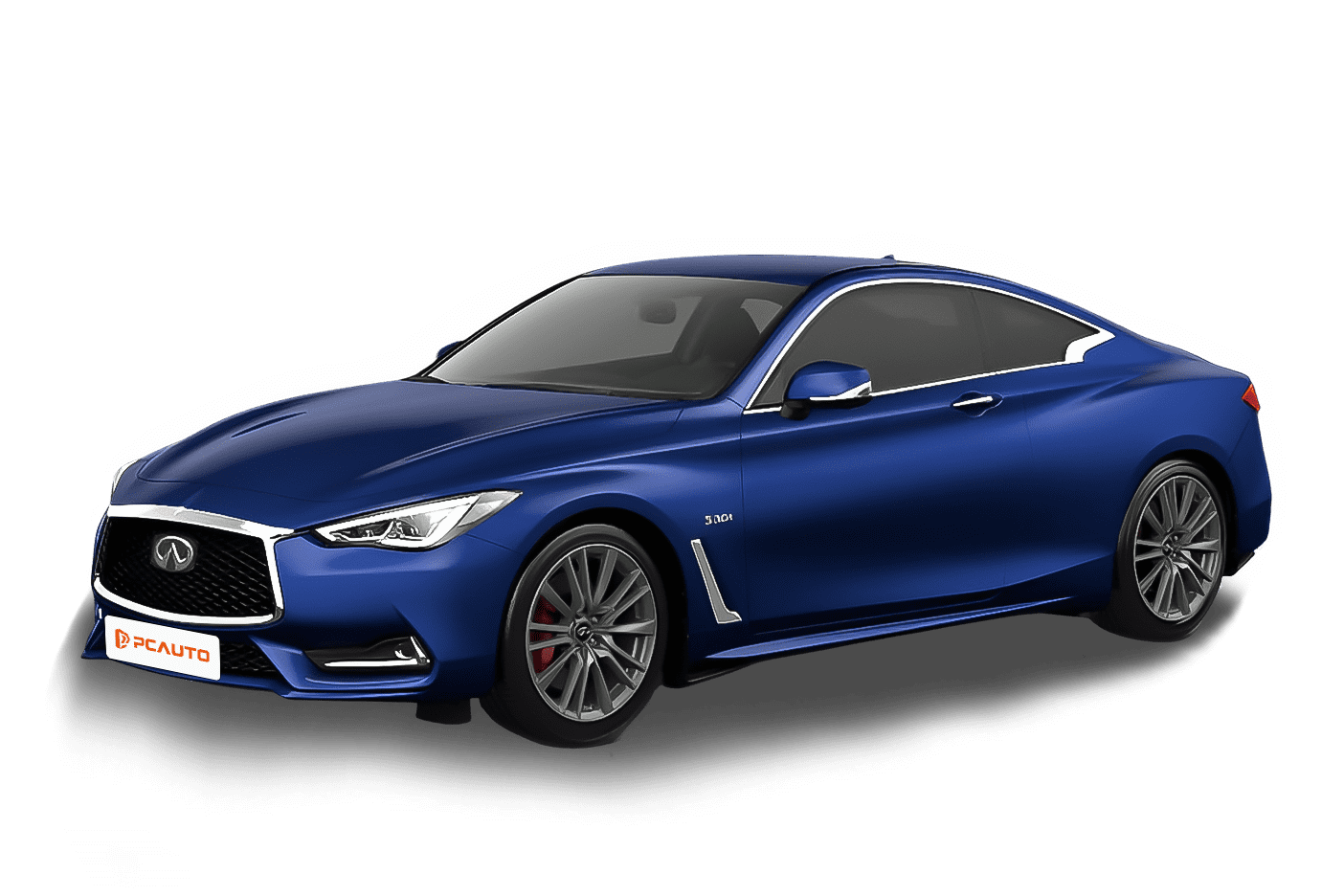
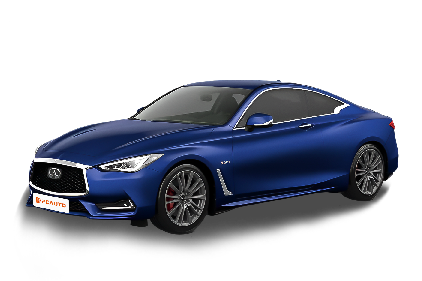
2017 Infiniti Q60 2.0t is a luxury coupe that balances sporty design and daily practicality, featuring a family-style exterior, BOSE audio system, and balanced power as its core selling points.
10
Rank in Coupe
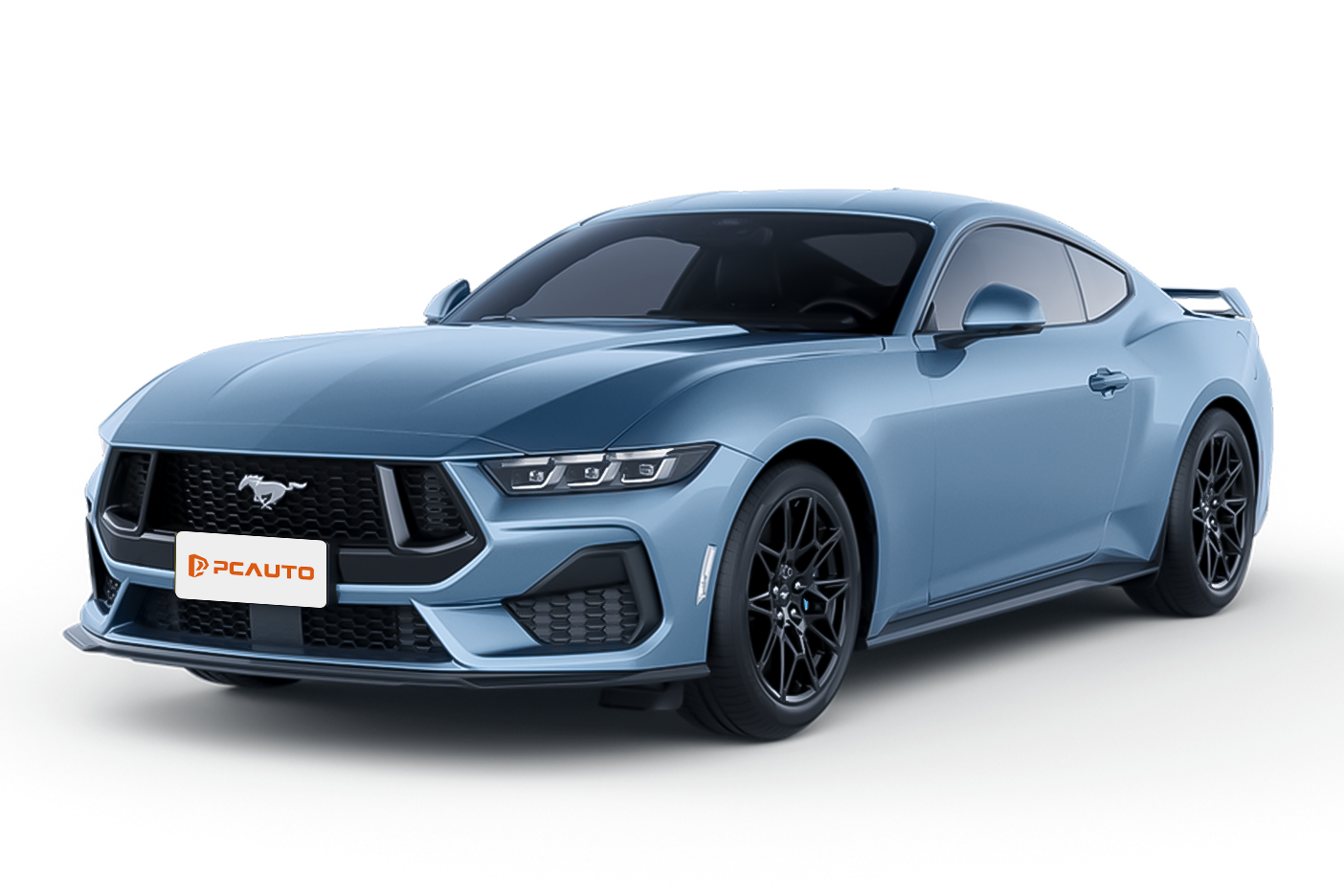
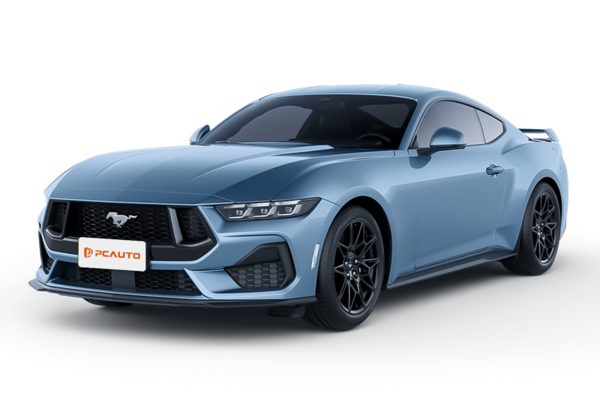
2018 Ford Mustang 2.3 EcoBoost retains the classic muscle car appearance with high cost performance, the 2.3T engine delivers 310PS horsepower, balancing performance and practicality for daily driving.
6
Rank in Coupe
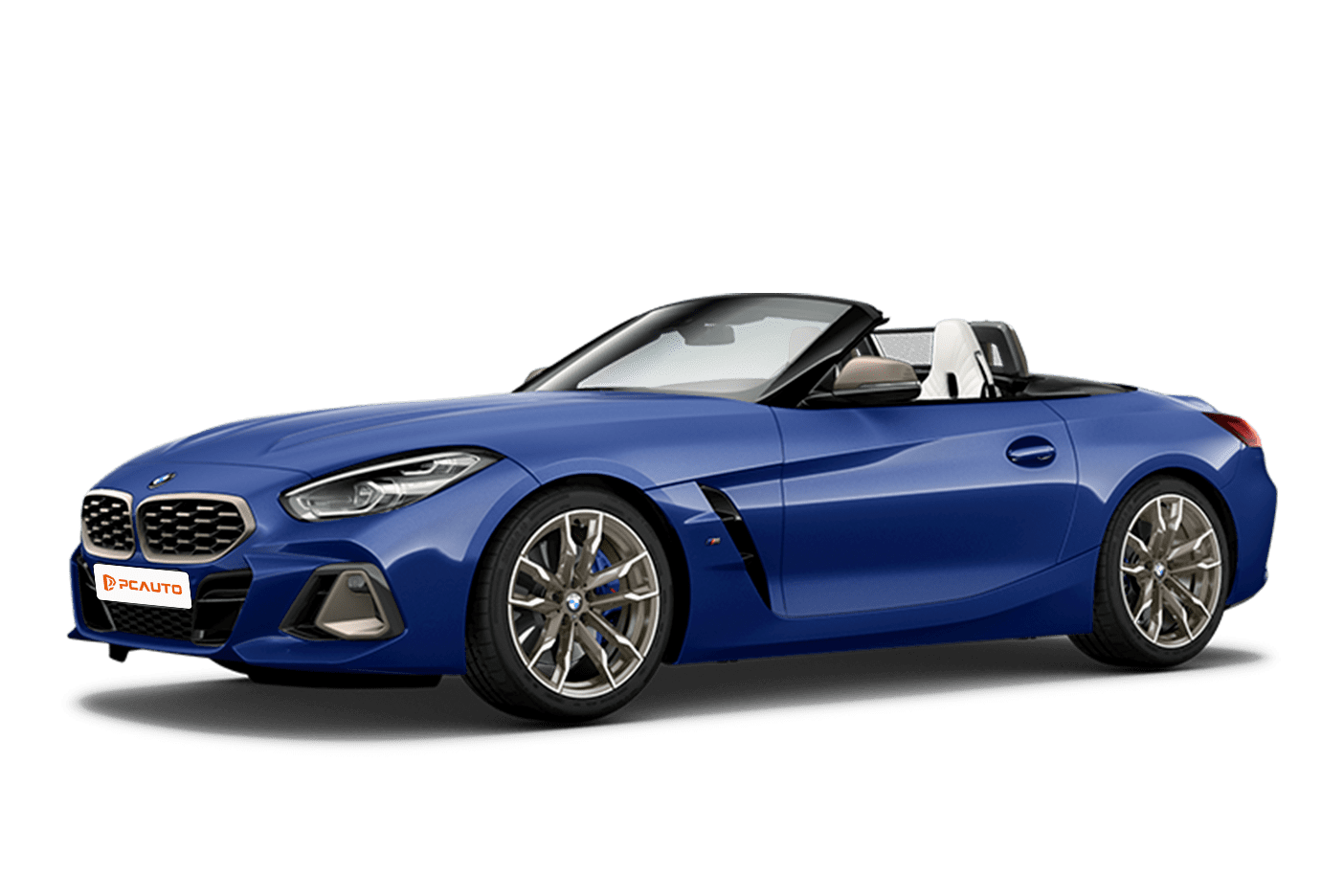
2023 BMW Z4 public, as a classic rear-wheel-drive convertible sports car, balances driving pleasure and daily practicality, with class-leading intelligent features and a compact body precisely meeting the needs of Malaysian users.
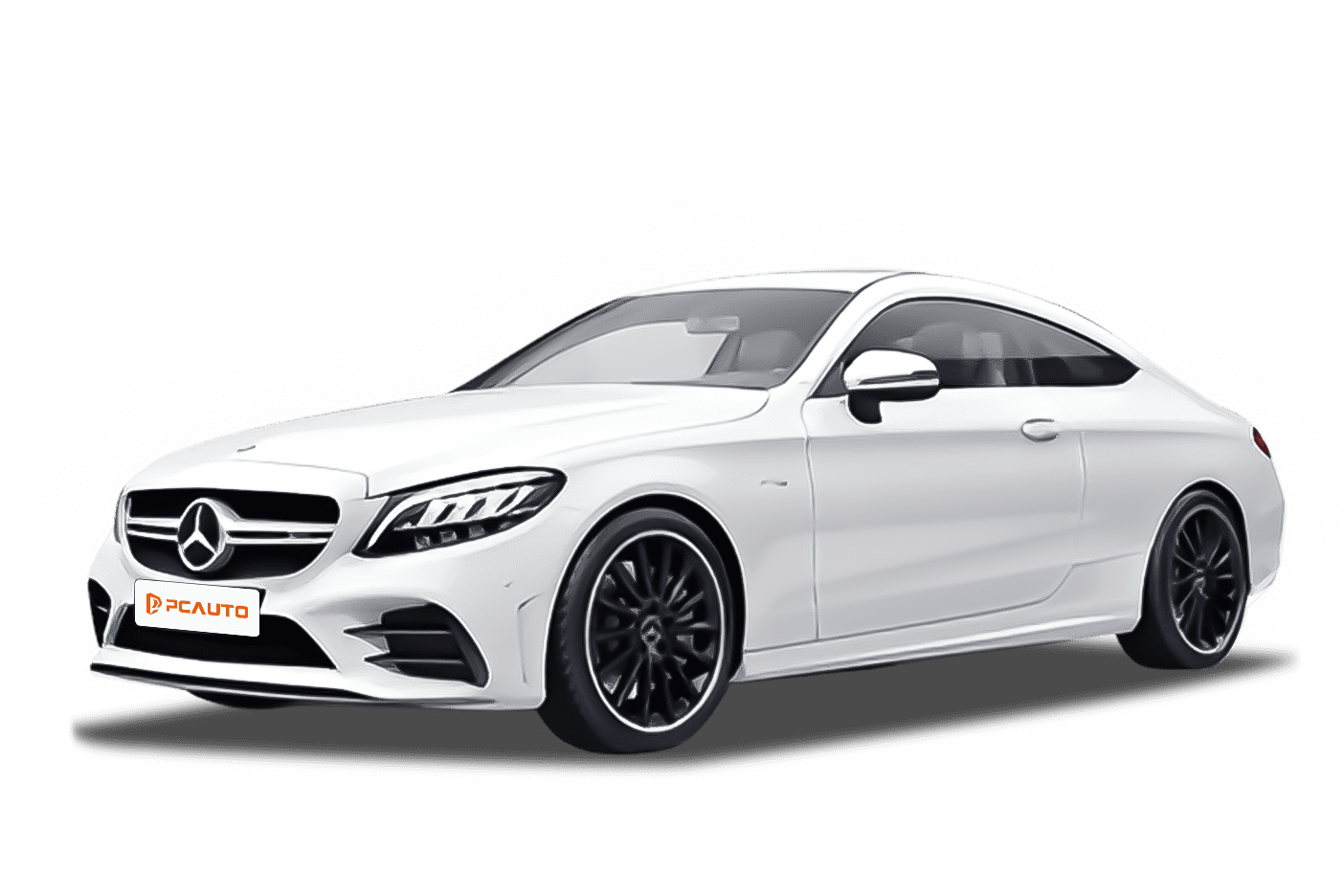
2018 Mercedes-Benz AMG C-Class Coupe AMG C 43 4MATIC is centered around a 3.0T V6 twin-turbo engine + 4MATIC all-wheel drive, balancing luxury texture, daily commuting, and performance driving, making it a high-value, well-rounded luxury performance coupe.