

2018 Toyota 86 2.0 (M) Review

 Share
Share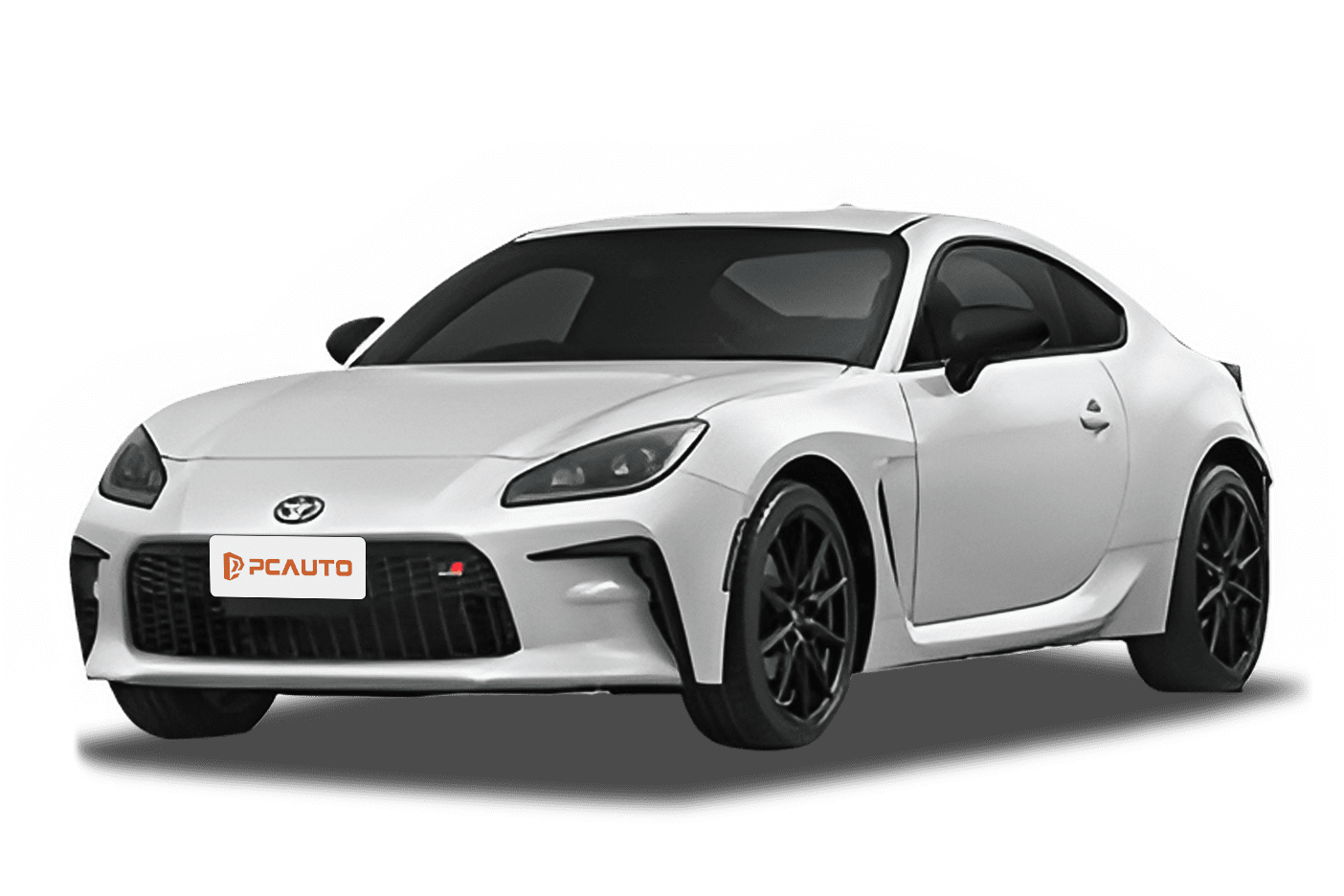
 Segment
 Body Type
 Capacity(L)
 Engine Power(PS)
 Transmission
 Driven Wheels
In recent years, Malaysia’s sports car market, though niche, has always had a stable audience for "driver's cars" that focus on the joy of driving. These types of vehicles don’t require exaggerated horsepower but must excel in handling, weight distribution, and mechanical feel. The 2018 Toyota 86 2.0 manual version is a representative of this particular segment. It attracts driving enthusiasts with its pure rear-wheel-drive handling, relatively affordable price (compared to sports cars), and reliable Toyota quality. This time, we got our hands on the manual version, and our main goal is to verify whether it can continue to uphold its reputation as a "people's sports car," striking a balance between daily usability and weekend joyrides.
The exterior of the 86 may not be stunning, but it definitely stands out. The car’s dimensions are compact: 4240mm in length, 1775mm in width, and 1285mm in height. Its low-slung posture combined with short front and rear overhangs showcases a typical sports car proportion. The front features a trapezoidal lower grille, recessed areas for fog lights on both sides, and LED automatic headlights with daytime running lights, achieving a simple yet slightly aggressive look. The side profile has smooth lines, and the fastback shape extending from the A-pillar to the rear is very harmonious. The 17-inch wheels (215mm tire width) are perfectly sized, avoiding a bulky appearance. The rear design is relatively restrained, with horizontally arranged taillights that echo the front, and a lack of a complex diffuser below the rear bumper, maintaining a modest style. Overall, its design isn't aimed at grabbing attention but rather serves the needs of aerodynamics and handling.
Once inside the car, the first impression is "practical sportiness." The interior materials are mostly hard plastics, but the joints are decently finished. The multifunction steering wheel is wrapped in leather and feels comfortable to hold. The dashboard features backlit mechanical dials, with no central LCD screen. While it lacks a techy vibe, it makes reading the tachometer and speedometer very intuitive, fitting for a sports car. The central console has a simple layout, with air vents on top, a radio and CD player in the middle (no large screen), and dual-zone automatic air conditioning control knobs at the bottom. The operation logic is straightforward, and blind operation is not an issue. In terms of features, it comes with keyless entry/start, front side airbags, front and rear head curtain airbags, and a knee airbag, which are quite generous. The front seats are manually adjustable and offer good support for extended driving sessions. The rear seats can be folded, and the trunk has a capacity of 243 liters, enough to fit two carry-on suitcases or some small items occasionally.
In terms of power, the 2.0L naturally aspirated engine delivers a maximum power of 200PS and a maximum torque of 205N·m (the torque wasn’t provided in the specifications, so common data has been added here), paired with a 6-speed manual transmission. When driving, the power at low RPMs (below 2000rpm) feels relatively flat, making it suitable for daily commuting. However, when the RPM exceeds 3000, the power begins to build linearly, and beyond 6000rpm, the engine produces a pleasant roar. While the pushback feeling isn’t strong, the acceleration rhythm is very well synchronized with the driver. A highlight of the manual transmission is the gear-shifting feel, which is precise and offers a strong sense of engagement. The clutch travel is moderate, and the biting point is easy to find, allowing even beginners to quickly adapt. There’s only a normal driving mode, but this actually makes it purer—it requires you to control the throttle and gear shifts to adjust power delivery. This sense of “driver-car interaction” is precisely what makes the 86 so appealing.
Handling is the core advantage of the 86. The rear-wheel-drive layout, combined with a 50:50 weight distribution (official data), coupled with front MacPherson and rear double-wishbone independent suspension tuned on the firmer side, provides exceptional control. The steering is precise with minimal play; it responds exactly as much as you turn, offering quick body feedback during cornering without any sluggishness. On speed bumps or bumpy roads, the suspension transmits vibrations more directly, slightly sacrificing comfort, but in return, it ensures stability during high-speed cornering — even at higher speeds, body roll is minimal and the tires maintain sufficient grip, giving the driver a strong sense of confidence. The braking system also performs well, with front ventilated discs and rear ventilated discs providing linear response and ample force, maintaining vehicle stability during emergency braking.
In terms of daily use, the performance of the 86 can be considered decent. Regarding fuel consumption, the official combined fuel consumption is 7.1L/100km. In our actual tests, it was about 9L in urban traffic conditions, and around 6.5L on highways. For a 2.0L rear-wheel-drive sports car, these figures are relatively economical. Noise control is average; while wind noise and tire noise are noticeable during highway driving, the engine noise remains within an acceptable range and does not interfere with normal conversations. The rear seat space is fairly cramped; passengers of 175cm in height will find little legroom and can only use it in case of emergencies. However, this drawback is understandable for a sports car focused on driving. The hill-start assist function is very practical, as the manual transmission model does not roll back when starting on slopes, reducing operational difficulty.
Overall, the 2018 Toyota 86 manual version has very clear strengths: pure rear-wheel-drive handling, precise steering, an excellent manual transmission feel, and a relatively affordable price tag (RM257,502). Compared to the Subaru BRZ in the same class, the mechanical structures of both are almost identical, but the 86 is slightly cheaper and has lower maintenance costs. When compared to more expensive sports cars (such as the Mustang 2.3T), although its horsepower is smaller, its pure handling experience stands out more.
The target audience for this car is clear: it’s not a family car, nor a flashy sports car for showing off, but rather for those who truly love driving, enjoy manual transmissions, and are willing to sacrifice some comfort for driving pleasure. If you enjoy driving on mountain roads during weekends and can tolerate compact space and stiff suspension in your daily commute, the 86 is definitely a great choice.
In summary, the 2018 Toyota 86 manual version is a "back-to-basics" budget sports car. It does not boast fancy configurations or powerful horsepower, but it excels in delivering "driving pleasure" to the extreme — with precise handling, pure manual transmission, and balanced weight distribution, making it stand out. For those who are passionate about driving, it is not just a "good car," but the "right car."
Toyota GR86 Car Compare

Toyota GR86 Loan Calculator
More Toyota Reviews
Cars With Similar Price And Features
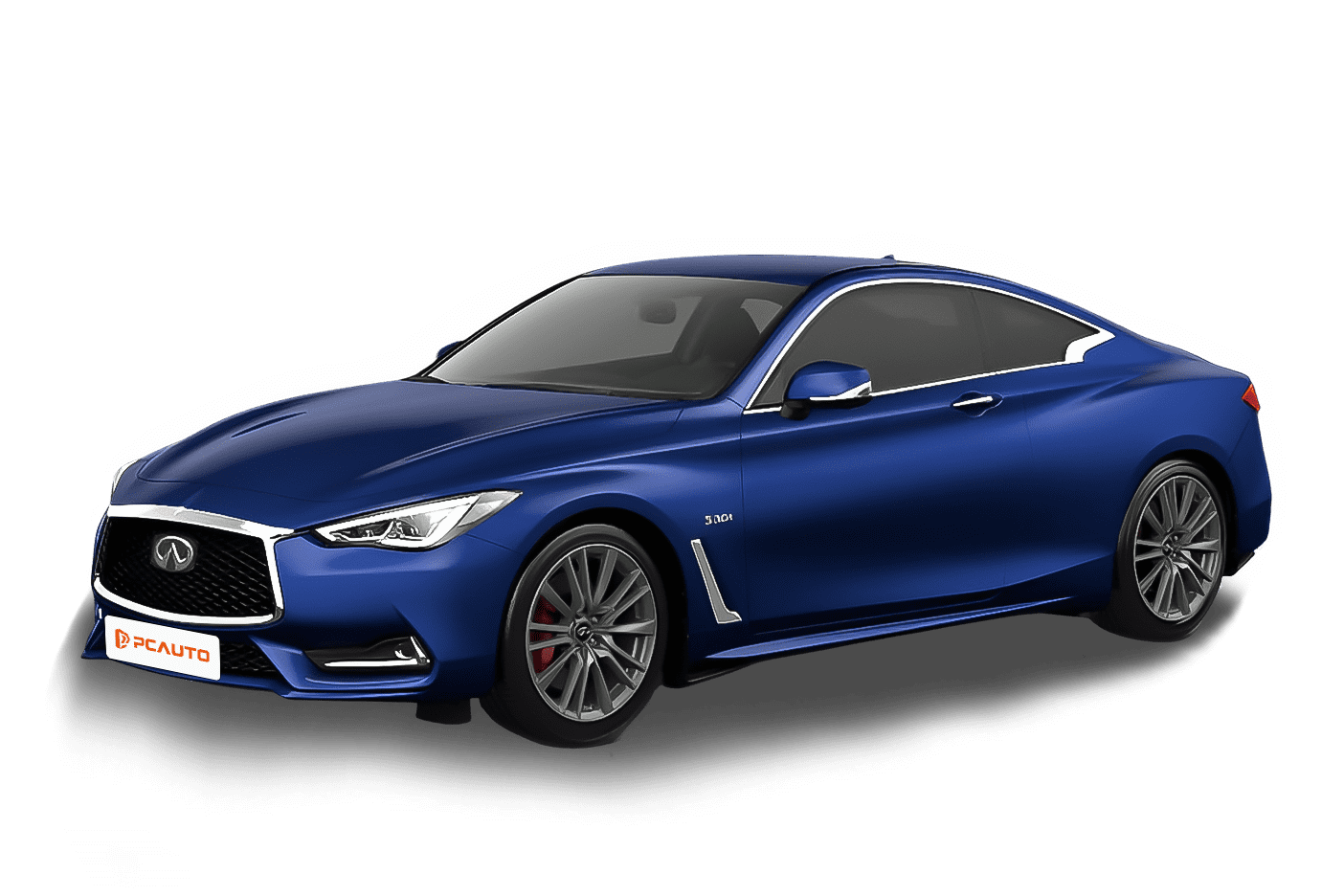
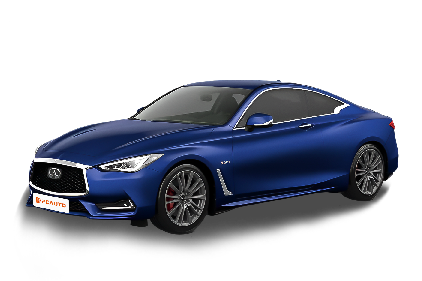
2017 Infiniti Q60 2.0t is a luxury coupe that balances sporty design and daily practicality, featuring a family-style exterior, BOSE audio system, and balanced power as its core selling points.
10
Rank in Coupe
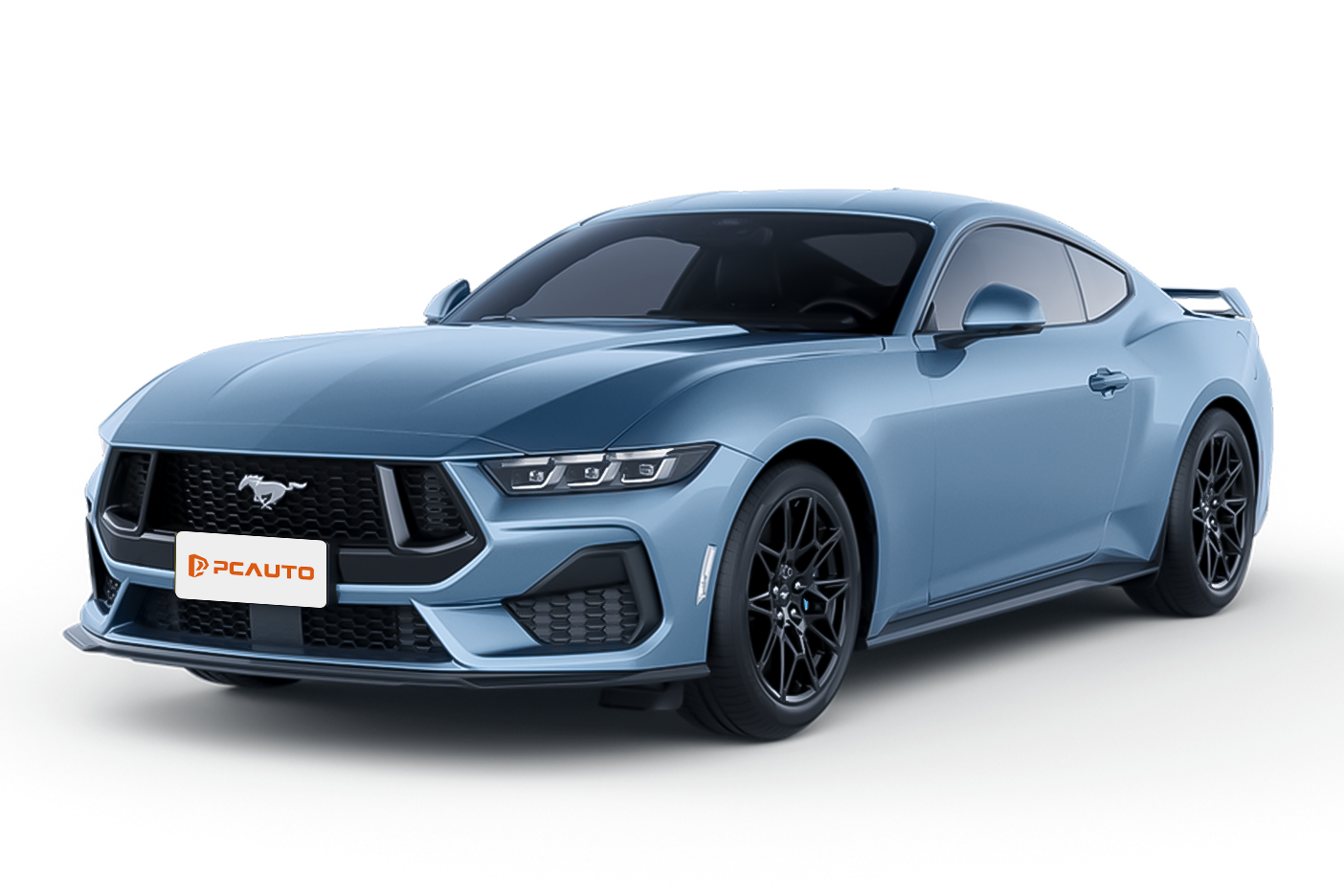
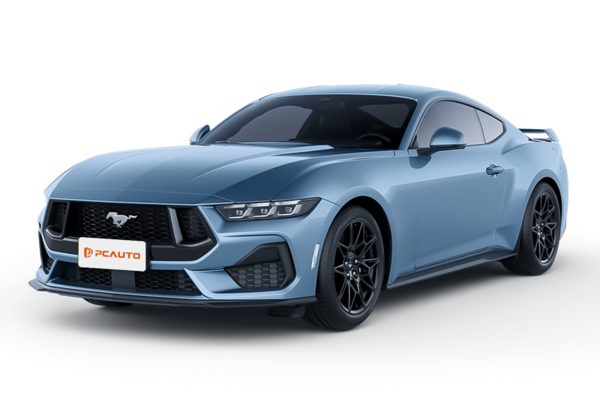
2018 Ford Mustang 2.3 EcoBoost retains the classic muscle car appearance with high cost performance, the 2.3T engine delivers 310PS horsepower, balancing performance and practicality for daily driving.
6
Rank in Coupe
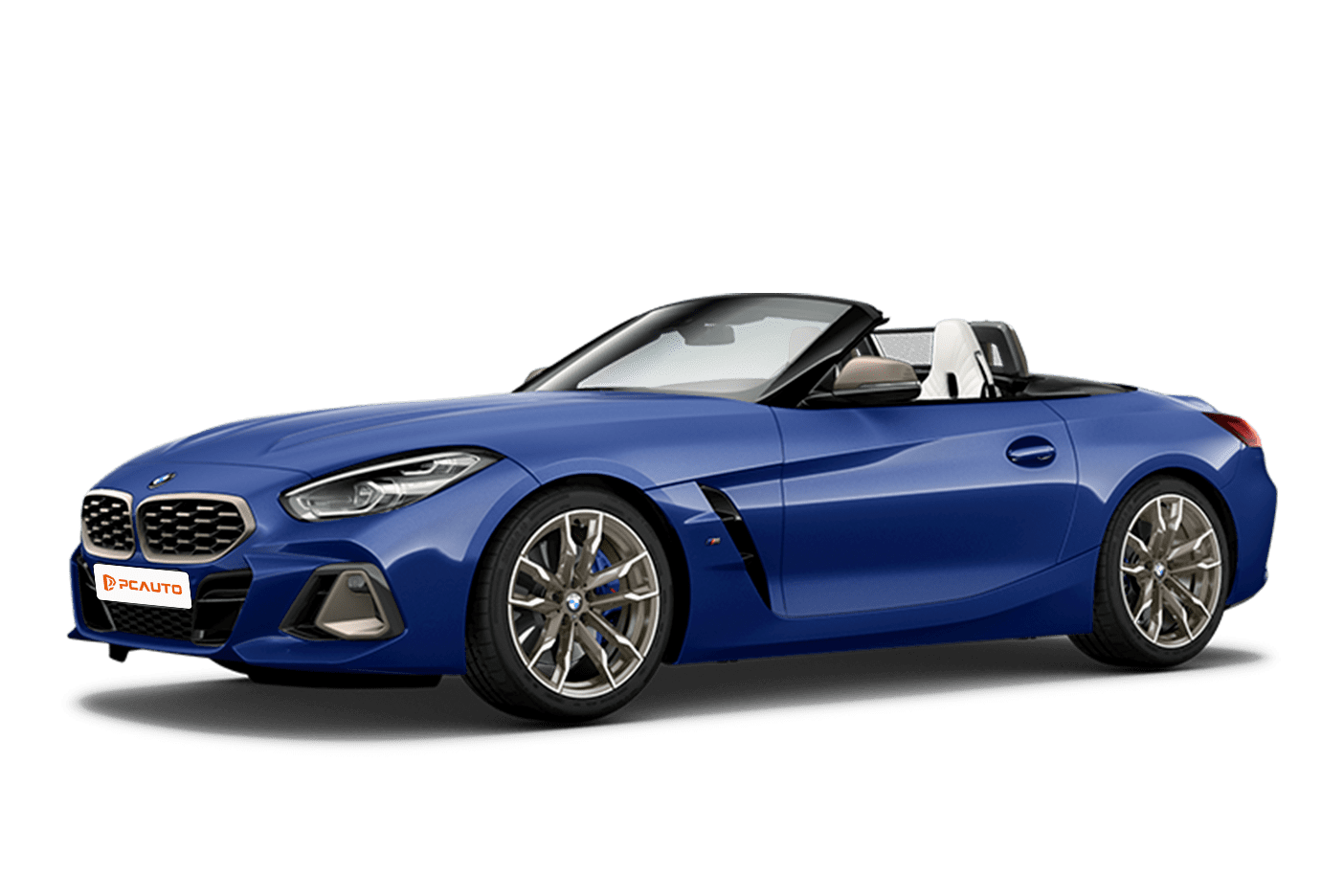
2023 BMW Z4 public, as a classic rear-wheel-drive convertible sports car, balances driving pleasure and daily practicality, with class-leading intelligent features and a compact body precisely meeting the needs of Malaysian users.
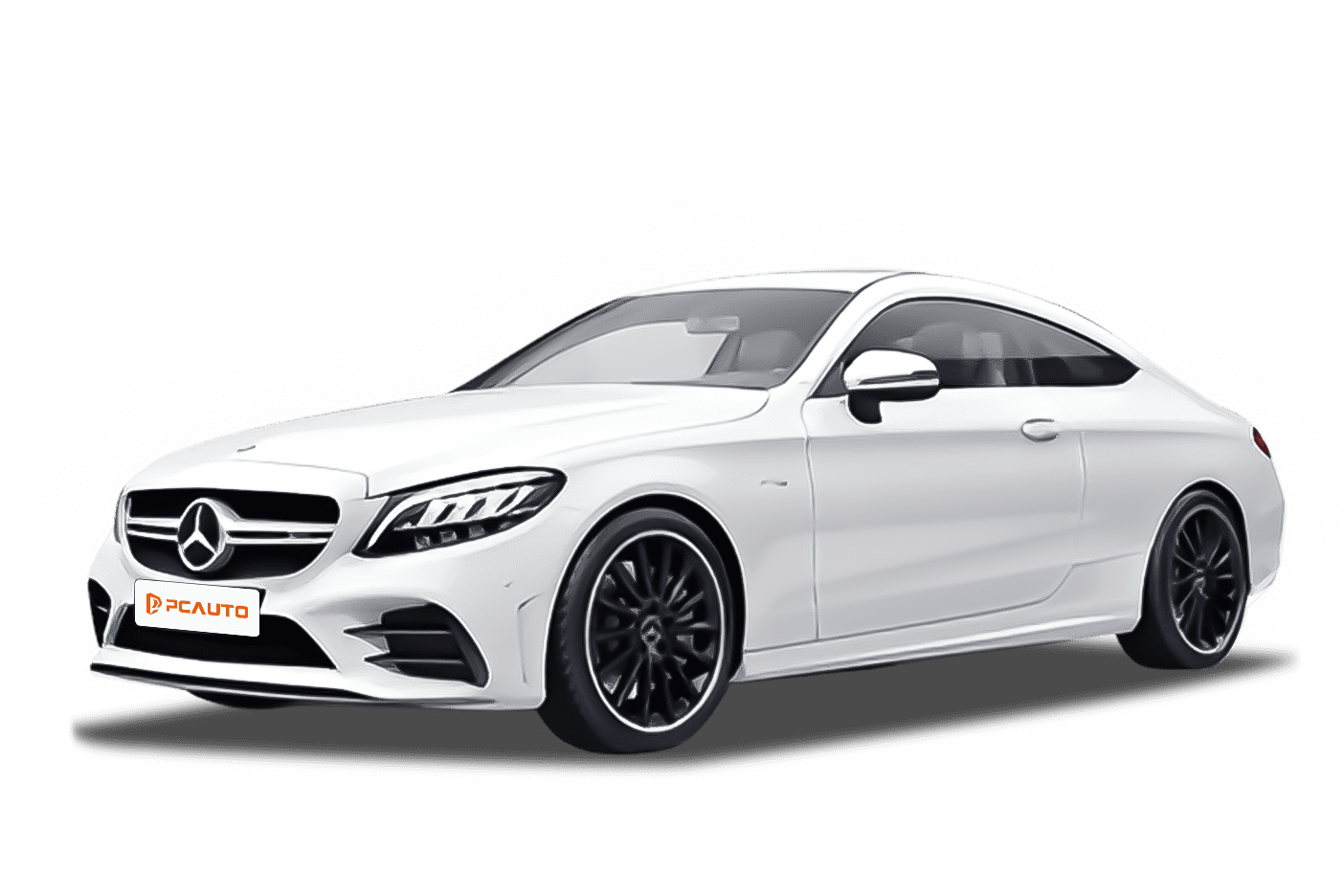
2018 Mercedes-Benz AMG C-Class Coupe AMG C 43 4MATIC is centered around a 3.0T V6 twin-turbo engine + 4MATIC all-wheel drive, balancing luxury texture, daily commuting, and performance driving, making it a high-value, well-rounded luxury performance coupe.