

2018 Toyota Harrier 2.0T Luxury Review

 Share
Share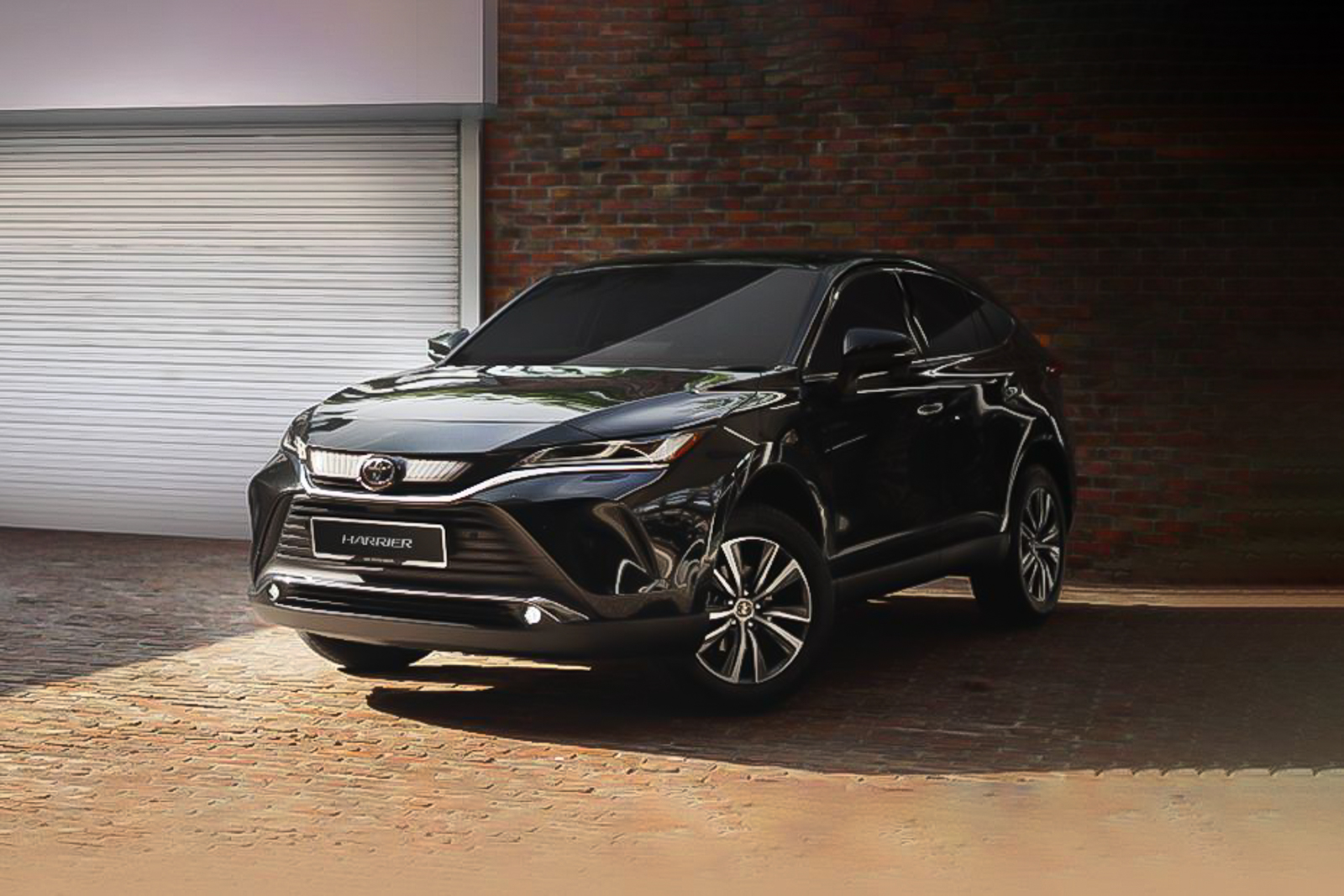
 Segment
 Body Type
 Capacity(L)
 Engine Power(PS)
 Transmission
 Driven Wheels
The D-Segment SUV market in Malaysia has always been a focus for family users and quality-conscious consumers. Vehicles in this segment need to strike a precise balance between space, features, and performance. The 2018 Toyota Harrier 2.0T Luxury, as a veteran in this segment, has maintained high attention with the reputation of the Toyota brand and its 231PS turbocharged engine. This time, through a test drive, our main goal is to verify whether its actual performance aligns with the positioning of a "luxurious family SUV" and the practicality of its various features in daily use.
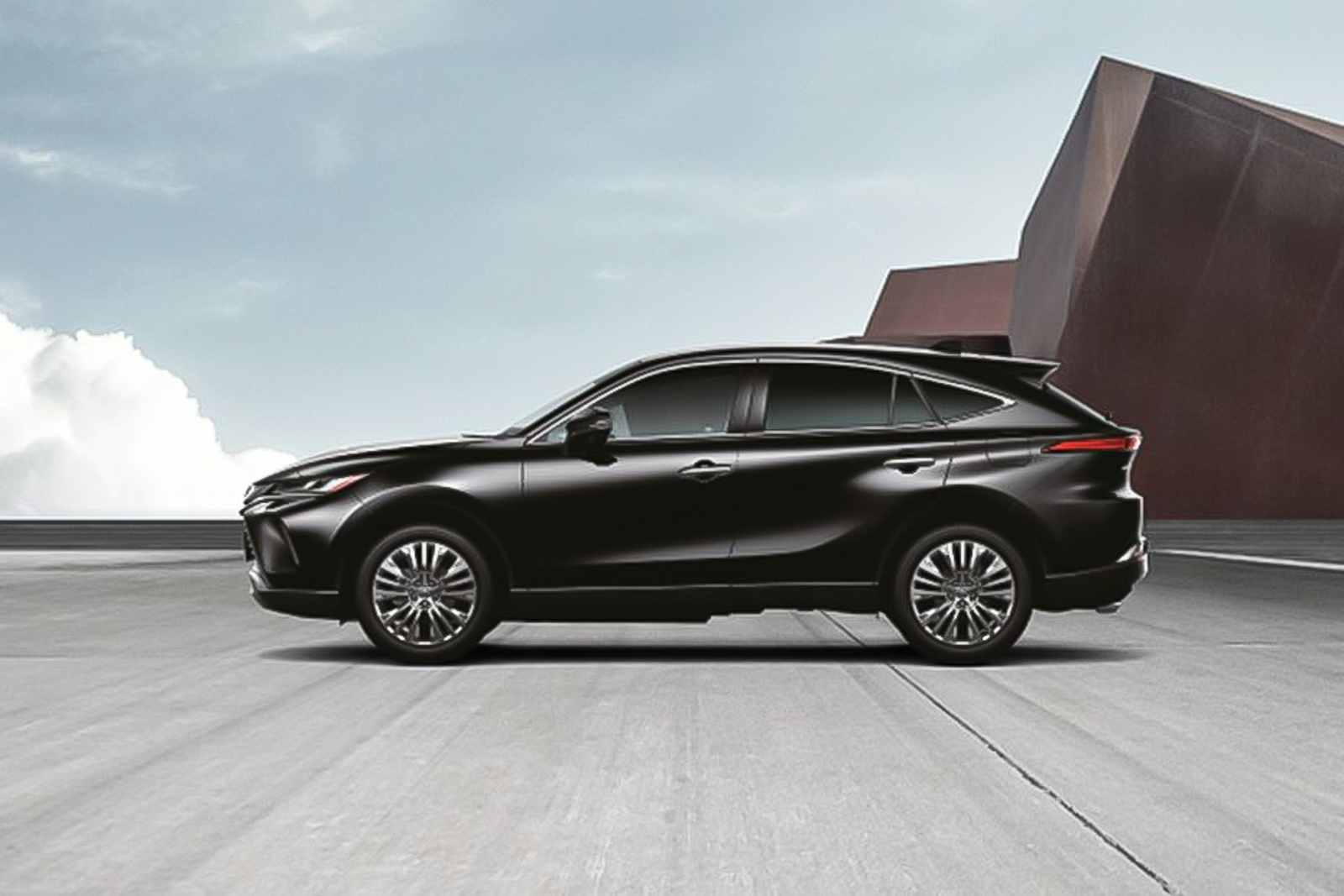
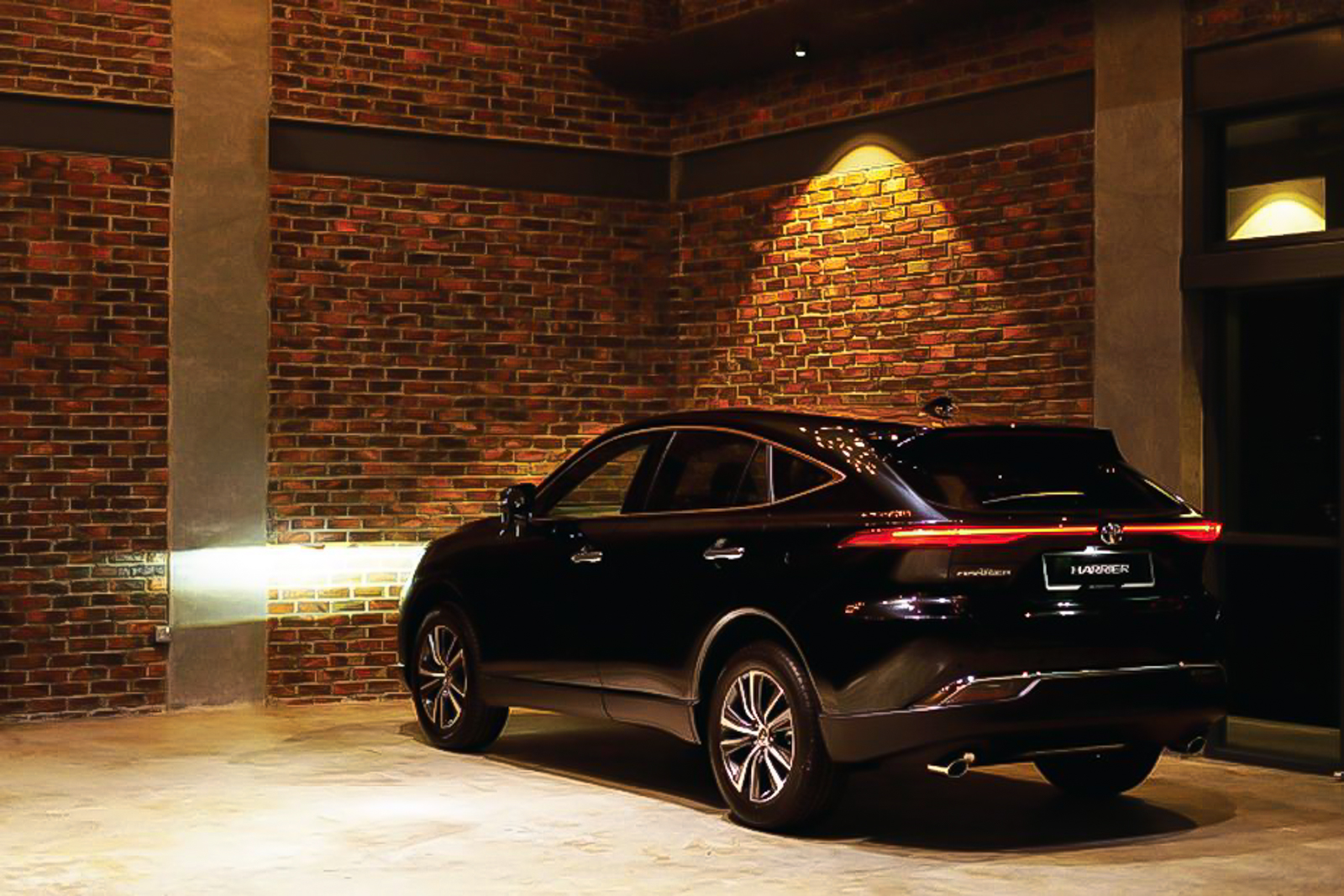
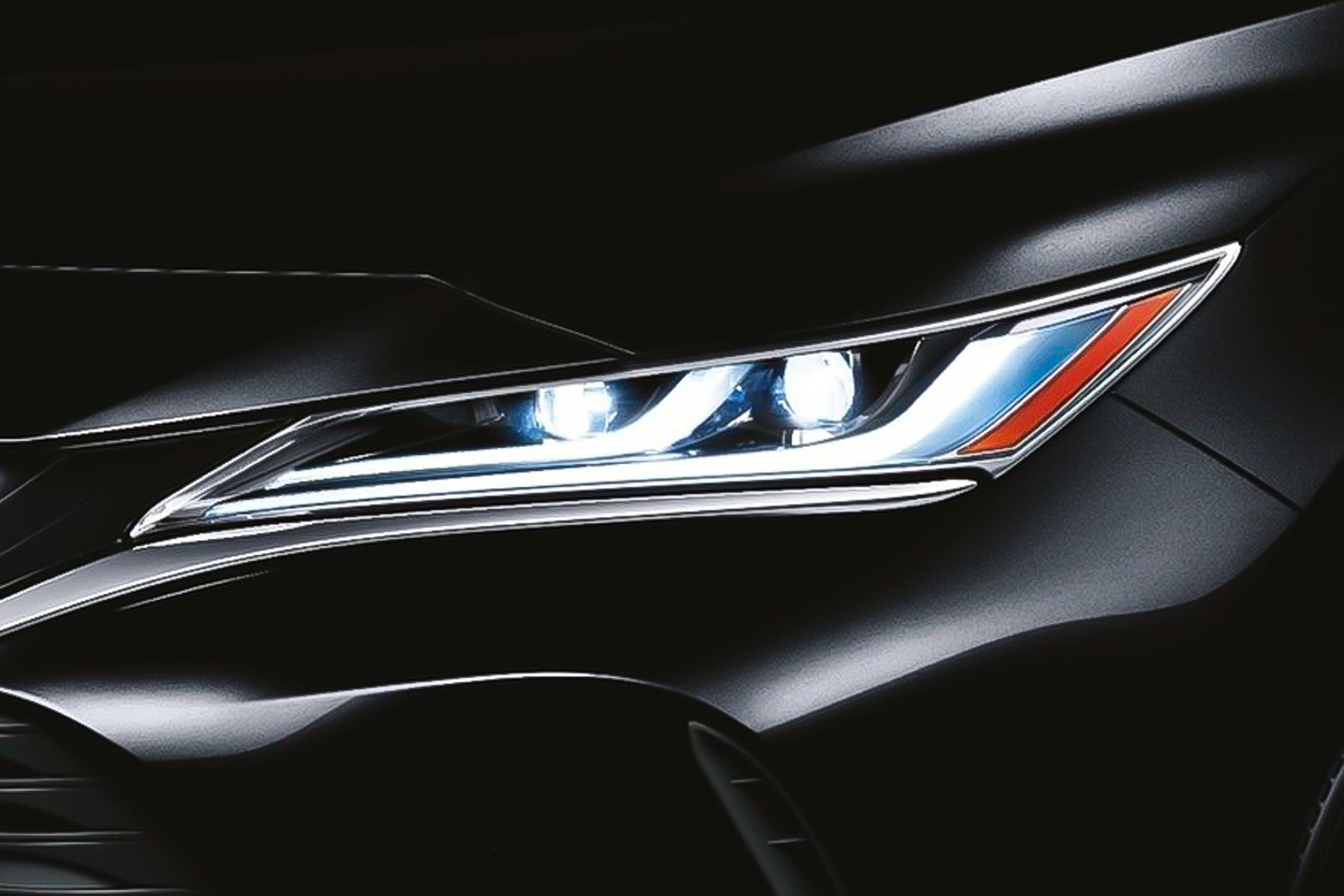
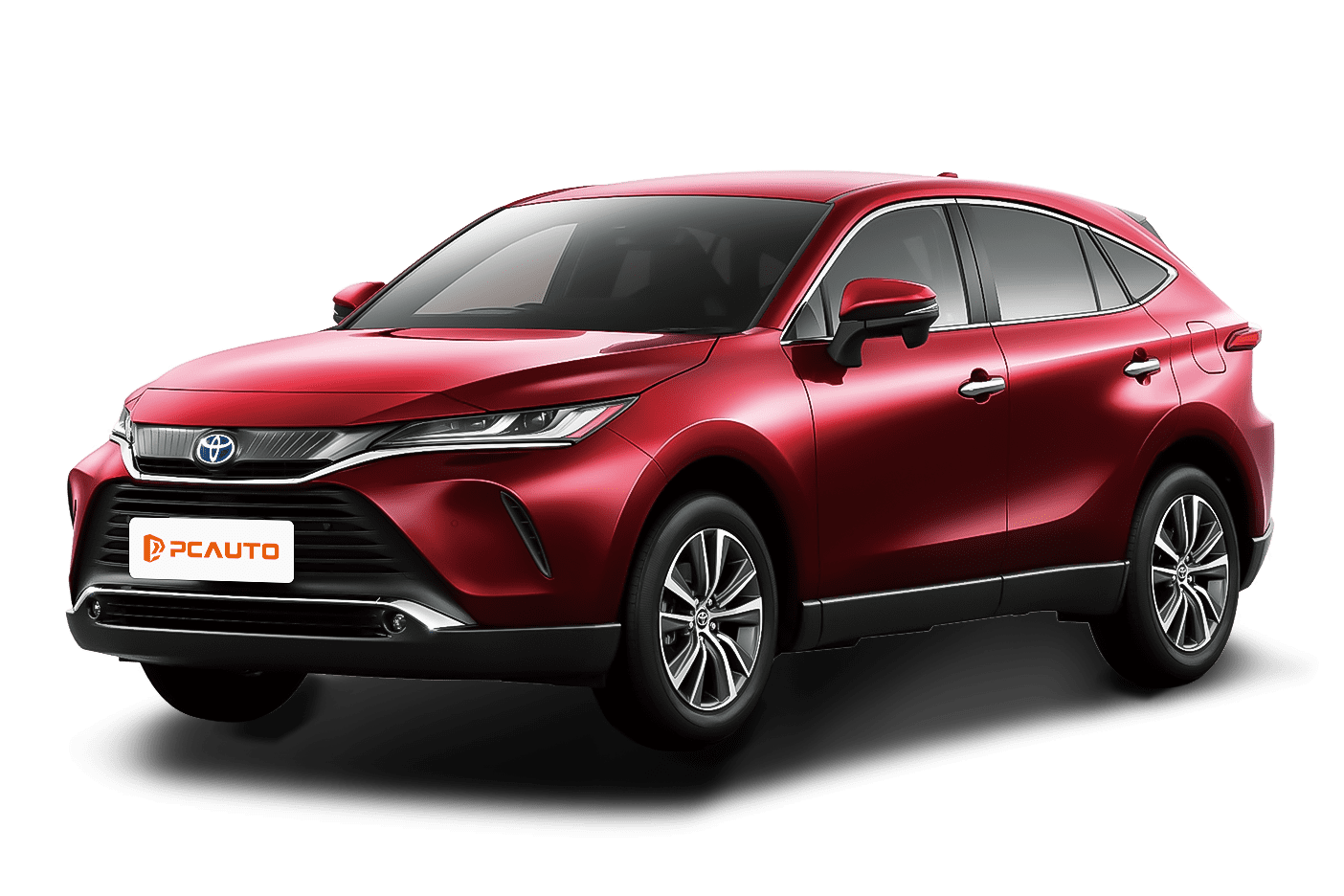
First, looking at the exterior, the 2018 Harrier 2.0T Luxury follows a steady and grand design approach, without overly aggressive elements. The front fascia adopts Toyota’s signature trapezoidal grille, complemented by chrome accents and LED headlamps, offering high recognition; the body’s lines flow smoothly from the hood to the rear, with a sleek side profile paired with 18-inch wheels, giving it a balanced look without appearing bulky. At the rear, the horizontally designed LED taillights echo the chrome trim on the rear bumper, creating a harmonious overall style. The lighting system is entirely equipped with LED sources, including daytime running lights and front fog lights, with an automatic headlight function that quickly switches when entering tunnels, offering strong practicality.
Sitting inside, the interior mainly adopts a black color tone, with extensive use of soft materials, paired with silver accents in the center console area, which meets the texture expectations of the D-Segment. The center console layout is clear and concise, featuring a 7-inch touchscreen positioned at the top, offering a smooth operation experience; the instrument cluster adopts an electroluminescent analog design, displaying information intuitively. The steering wheel supports multifunctional controls and paddle shifters, providing convenience for daily operation. In terms of features, the front seats are electrically adjustable, and the rear seats support a 60:40 split fold and manual recline. The dual-zone automatic air conditioning with nanoe technology improves interior air quality, and the rear air vents and 220V power outlet cater to the needs of rear passengers.
In terms of space, the vehicle dimensions are 4725mm×1835mm×1690mm, with a wheelbase of 2660mm. The front-row seating offers ample space, with a 175cm tall passenger having a fist's worth of headroom after adjusting the seat; the rear row provides two fists of legroom and one fist of headroom, and can comfortably accommodate three passengers without feeling too cramped. The trunk has a capacity of 440L, which is sufficient for storing a few suitcases, and folding down the rear seats expands the space to meet the needs of transporting large items. For storage capabilities, the door pockets, center armrest box, and front cup holders provide practical storage solutions.
For the powertrain, the vehicle features a 2.0T turbocharged engine with a maximum output of 231PS and peak torque at 1650rpm. During actual driving, the vehicle starts smoothly, with the turbo engaging early, providing responsive power in the low-rev range. During acceleration and overtaking, pressing the accelerator deeply delivers smooth and strong power output. The AT-type transmission offers clear shifting logic with minimal shift shock. There are multiple driving modes available: in economy mode, the power delivery is gentle, while in sport mode, it becomes more aggressive, catering to different scenarios.
The handling and chassis performance are good, with a combination of front MacPherson independent suspension and rear double-wishbone independent suspension, tuned for comfort. When handling bumpy roads, the suspension effectively filters vibrations, providing good body stability; during cornering, body roll is controlled within a reasonable range, the steering wheel is precise with minimal play, giving the driver enough confidence. In terms of braking, it is equipped with front ventilated disc brakes, with timely brake response and linear pedal force, ensuring everyday driving safety.
The details of driving and riding comfort are well addressed, and noise control performs well. At high speeds, wind and tire noises are not prominent and will not affect interior conversations. The seats offer good wrapping and support, making them comfortable even for long periods of sitting. As for fuel consumption, the officially stated combined fuel consumption is 7.6L/100km. In real test drives, city driving averages about 8.5L, while on highways, it's roughly 7L, which aligns with the level expected of a 2.0T SUV.
Safety features are a highlight, including 7 standard airbags, ABS, vehicle stability control, lane departure warning, autonomous emergency braking, forward collision warning, as well as front and rear parking sensors and a rearview camera. The overall safety factor is high, providing users with sufficient peace of mind.
In summary, the 2018 Toyota Harrier 2.0T Luxury’s core strength lies in its balanced performance: adequate power, practical space, and rich configurations, especially in terms of safety and comfort features, which are outstanding in its class. With a price of RM256,396, compared to rivals such as the Honda CR-V 1.5T and Mazda CX-5 2.5L, the Harrier has certain advantages in terms of performance parameters and safety features, offering good value for money.
This vehicle is suitable for consumers who prioritize family usage, particularly those who need balanced performance and value safety and comfort. It can meet the needs of daily commuting and family outings. Overall, it is a D-segment SUV worth considering, as it matches the multi-scenario demands of family users with Toyota’s reliability and comprehensive features.
Toyota Harrier Car Compare
Toyota Harrier Loan Calculator
More Toyota Reviews
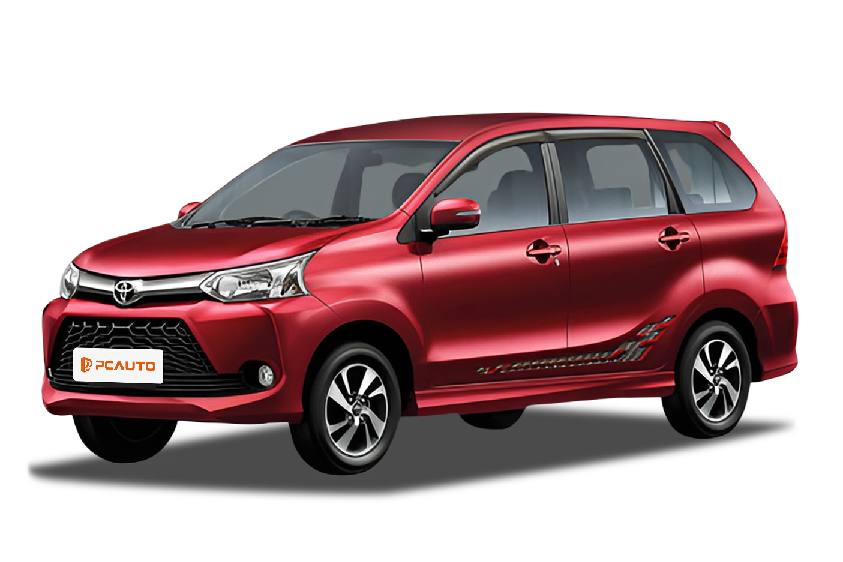
Cars With Similar Price And Features
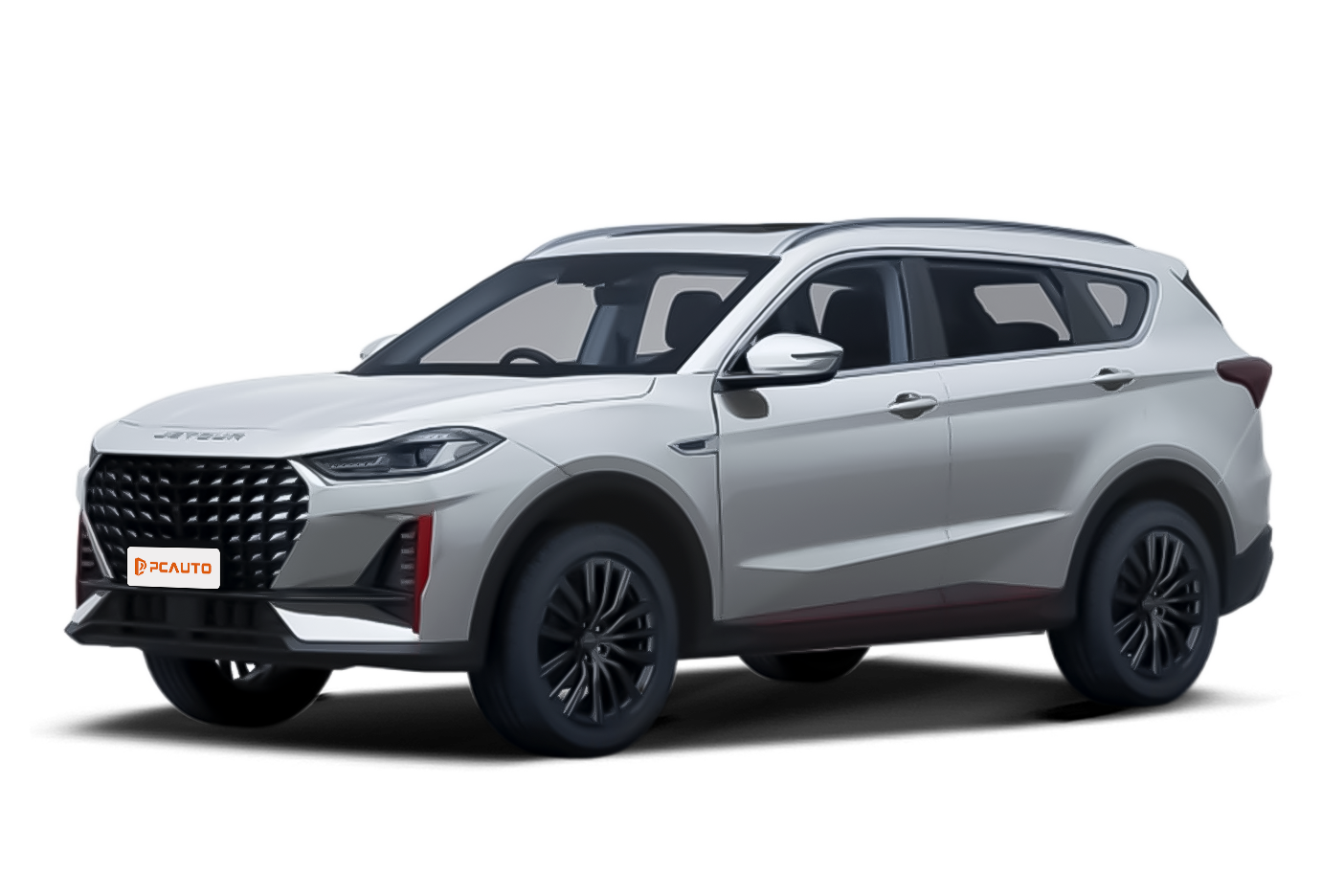
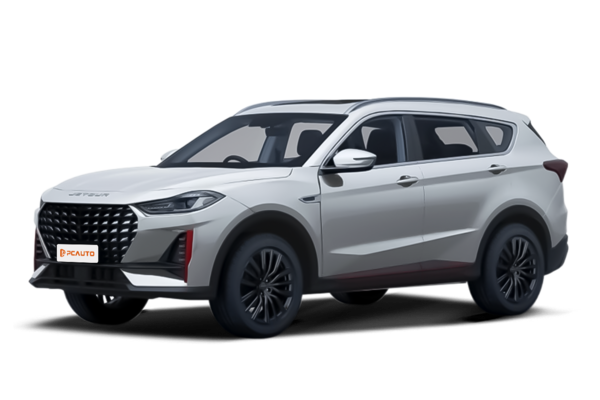
2025 Jetour VT 9 Comfort is a highly cost-effective 7-seater family SUV, featuring practical space, rich configurations, and balanced power, precisely meeting the needs of family short-distance travel.

11
Rank in SUV
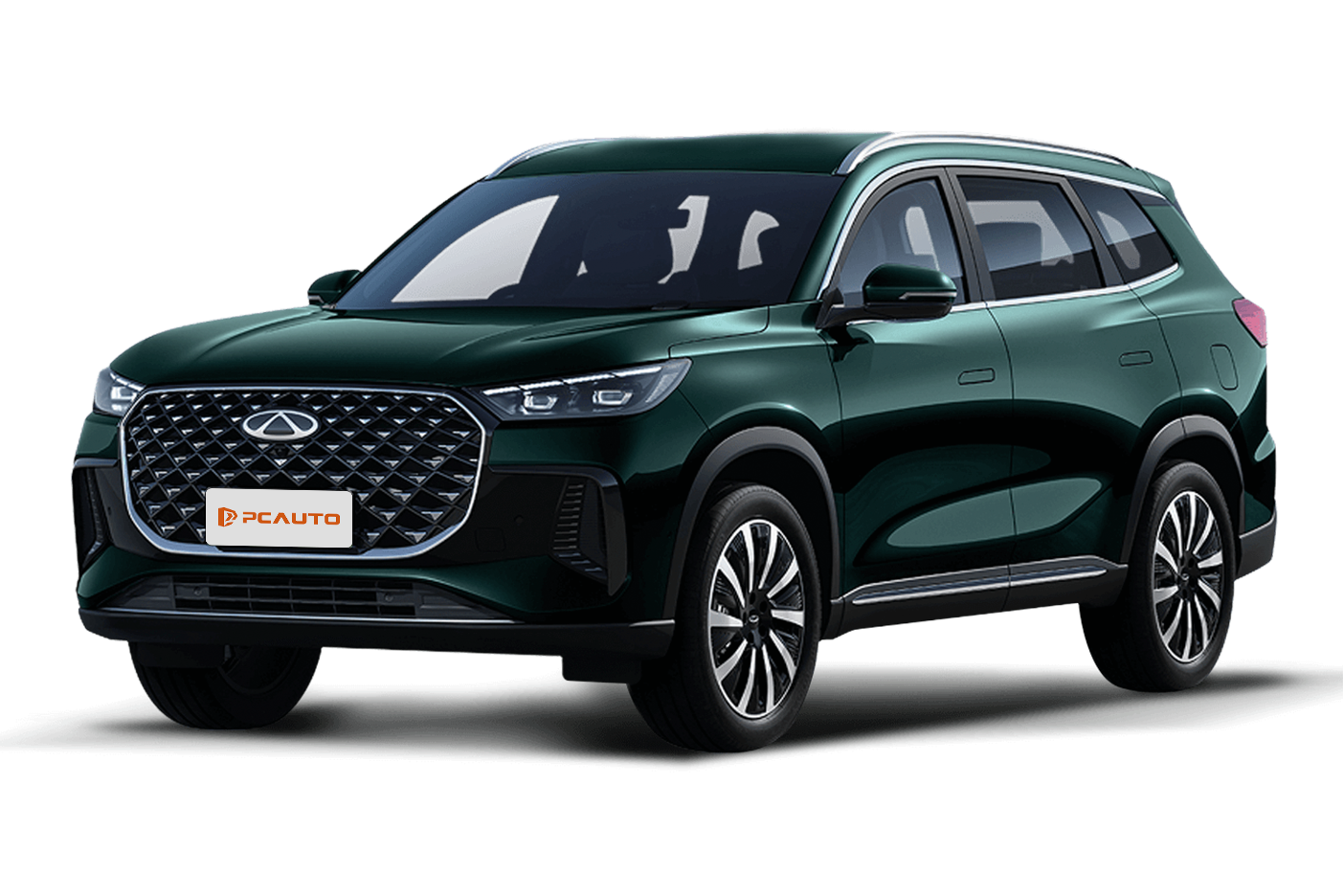
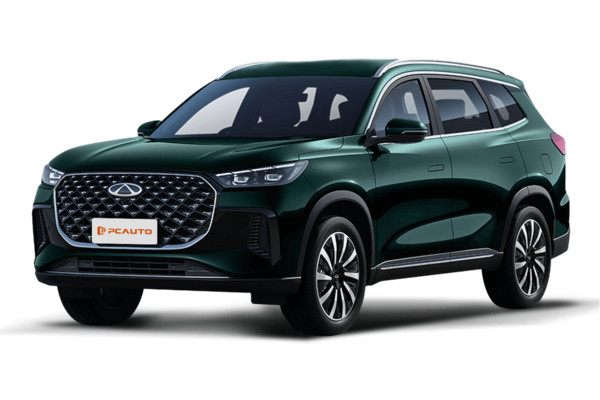
2026 Chery Tiggo 8 is a D-Segment SUV aimed at family users, offering superior configurations, practical space, and smooth power at a high cost-performance ratio, meeting both commuting and light off-road needs.
16
Rank in SUV

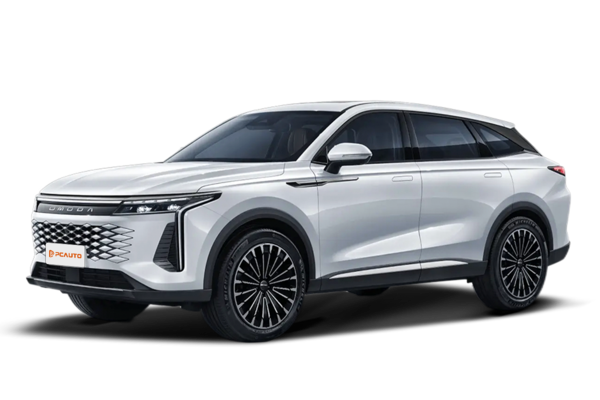
2024 Chery OMODA C9 2WD with 2.0T+8AT powertrain, L2 level assistance, and dual 12.3-inch screens, breaking the stalemate in the D-Segment market and becoming a high-value disruptor.
29
Rank in SUV
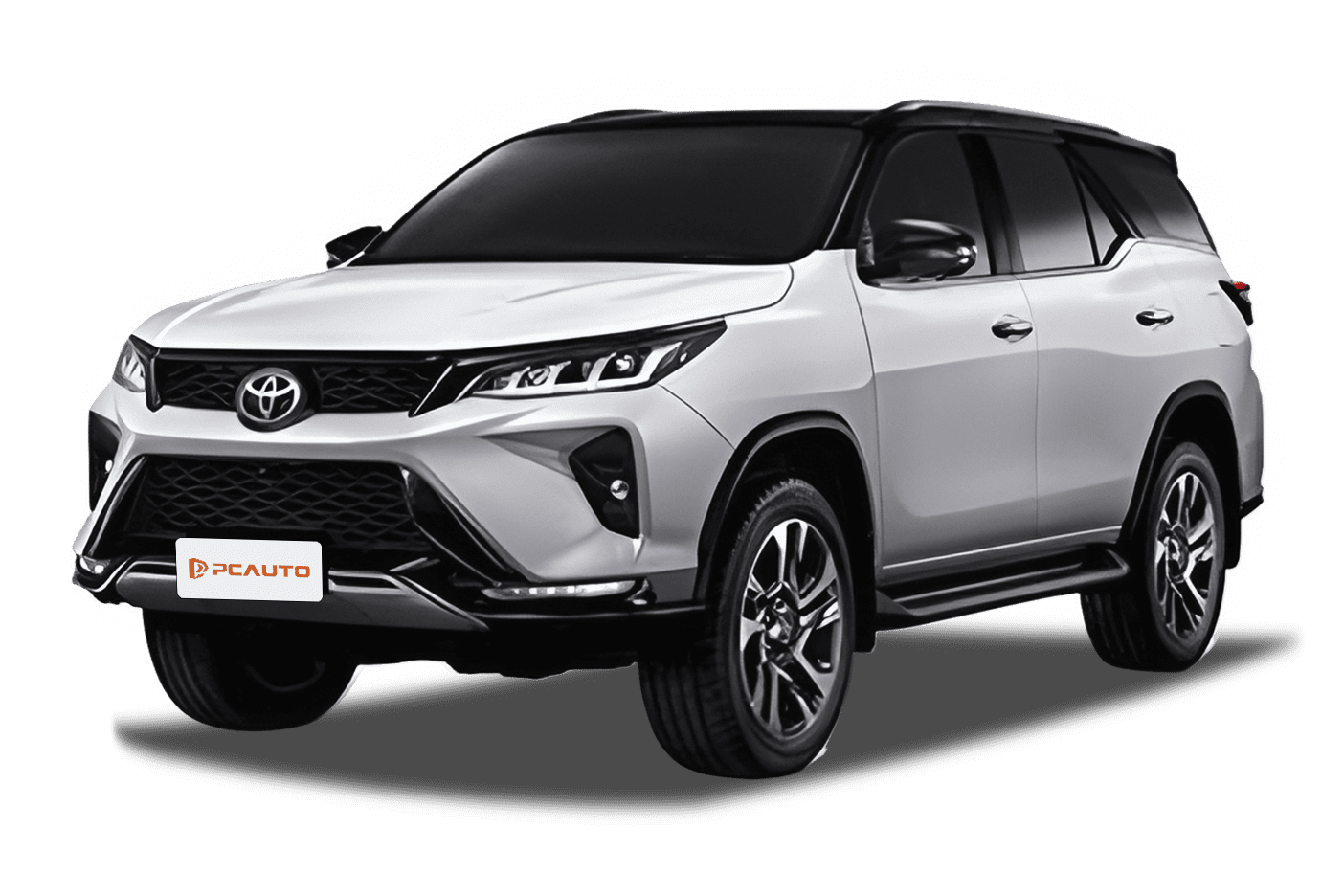
2021 Toyota Fortuner 2.7 SRZ AT 4x4 is a 7-seat SUV that balances family comfort and mild off-road capabilities, with smooth gasoline power and a practical 4x4 system, offering low maintenance requirements suitable for various family scenarios.