

2018 Toyota Innova 2.0E (A) Review

 Share
Share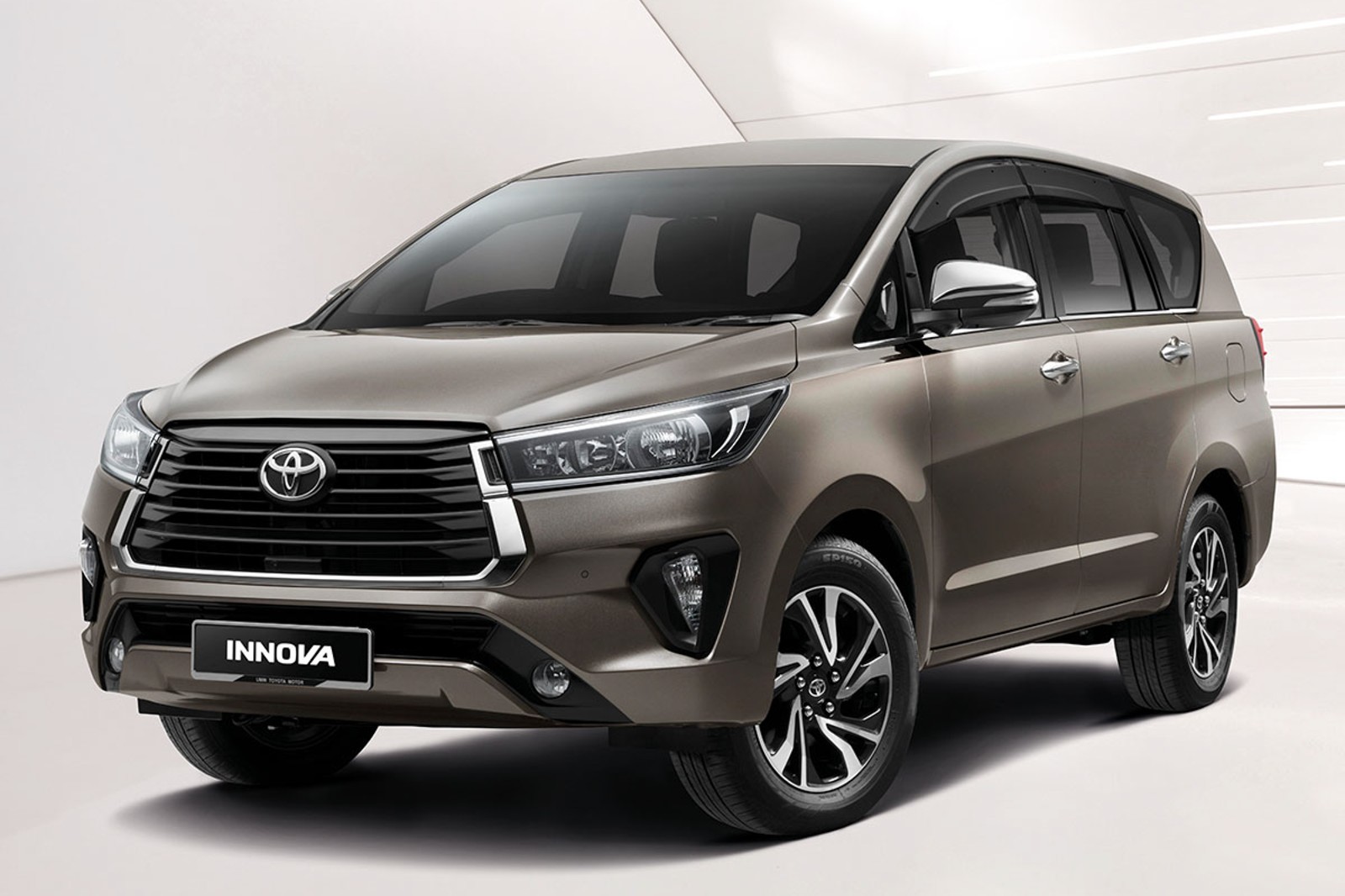
 Segment
 Body Type
 Capacity(L)
 Engine Power(PS)
 Transmission
 Driven Wheels
The 7-seater MPV market has always been the core battleground for family users. The 2018 Toyota Innova 2.0E (A), as a popular choice in the D-Segment, has secured its position with its large space, practical configurations, and Toyota's reliability reputation. In this test drive, we focus on evaluating its space utilization, actual performance and power, as well as daily driving convenience, to see if this model can truly meet the comprehensive needs of large families.
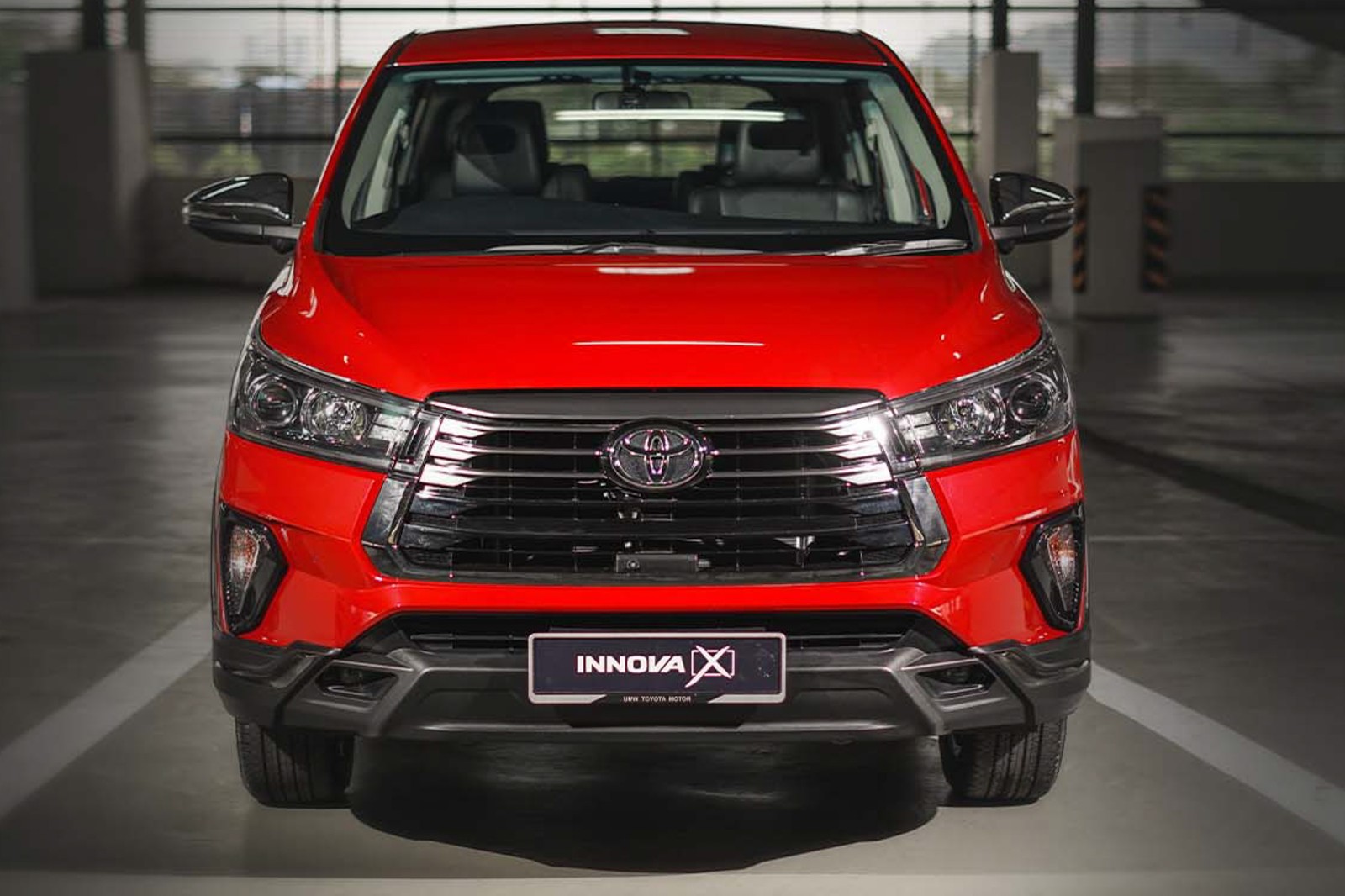
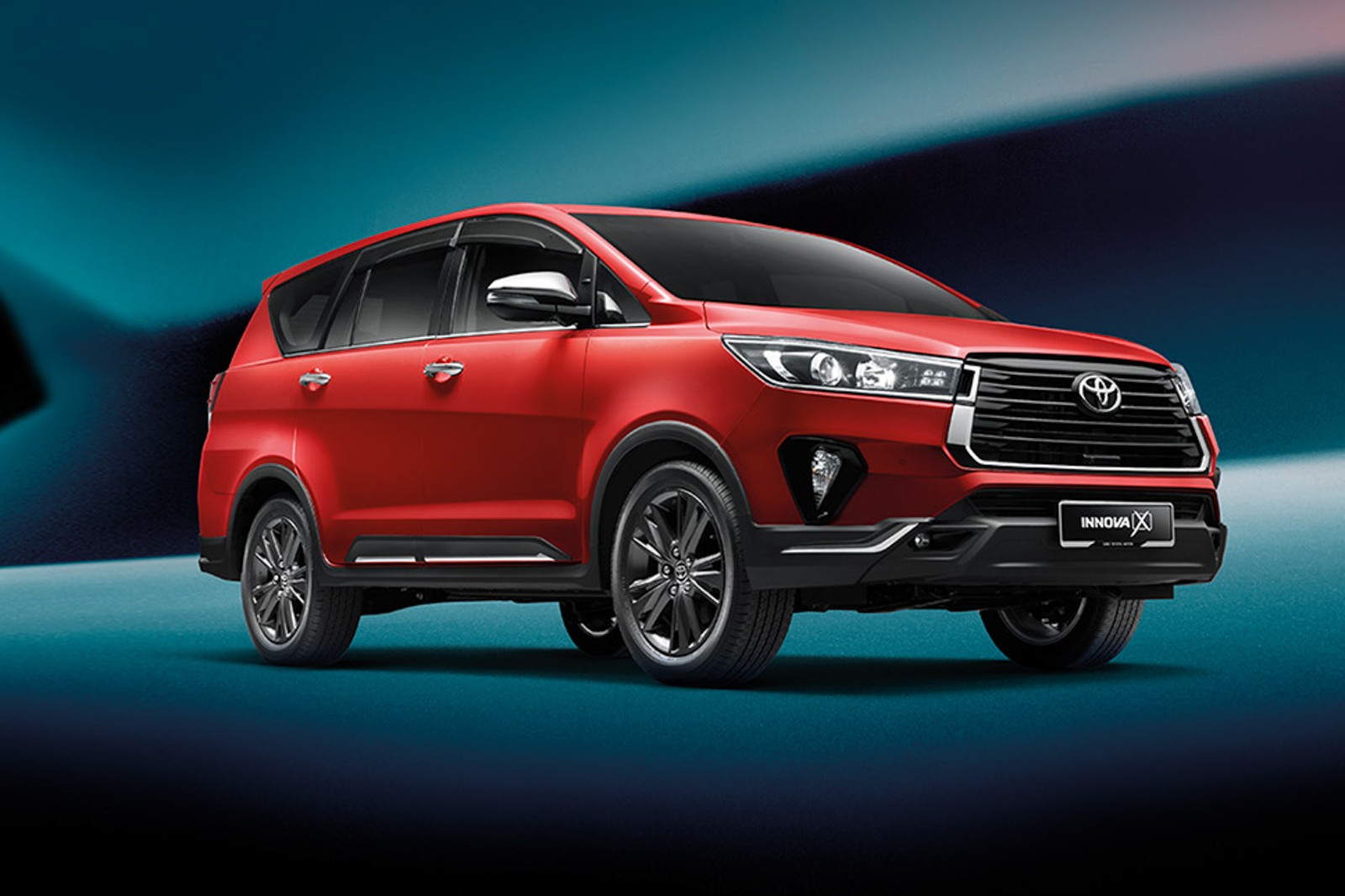
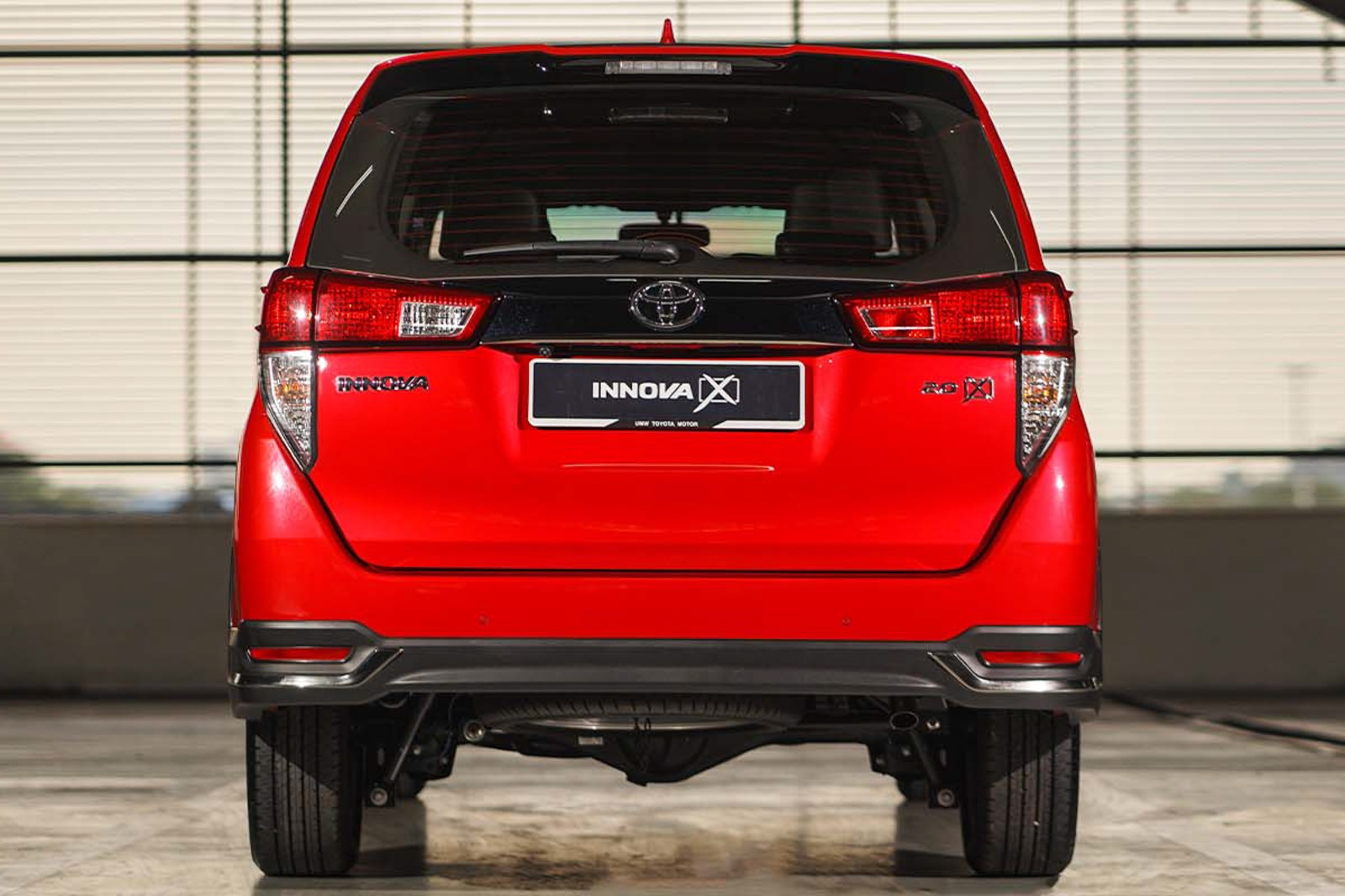
In terms of exterior design, the Innova 2.0E maintains Toyota's consistent stable style. The car body dimensions are 4735mm×1830mm×1795mm, with a wheelbase of 2750mm. The side lines are smooth with a straight waistline, ensuring interior space without appearing bulky. The front features a large chrome grille, accompanied by halogen automatic headlights and daytime running lights on both sides, providing sufficient recognition. The rear design is simple, with vertical taillights echoing the rear fog lights, resulting in an overall practical rather than aggressive visual impression.
Opening the car door, the interior is predominantly dark-toned, with a high proportion of plastic components, though the workmanship is well-crafted. The center console layout is clear, featuring a centrally-positioned 9-inch touch screen that supports basic multimedia functions and offers intuitive operation logic. In terms of configurations, keyless entry, a multifunction steering wheel, and rear air conditioning are standard. The front row also provides a 220V power outlet, making it convenient to charge electronic devices during long trips. The instrument panel features backlit gauges with clear information display. Although it lacks the advanced feel of a fully digital design, it is straightforward to read.
Space performance is one of the core advantages of the Innova 2.0E, with its 8-seat layout accommodating a large family. The second-row seats support 60:40 split-folding, one-touch folding, and forward/backward sliding. The third row has a 50:50 split, and when folded, the trunk capacity expands from 300L to a much larger space, making it easy to store strollers or suitcases. For a passenger with a height of 175cm seated in the second row, there are two fist spaces of legroom available, and the third row can also ensure one fist of legroom, making long journeys not overly cramped. The front-row seats are manually adjustable, with firm padding but good support, making long drives less tiring.
Regarding power, the 2.0L naturally aspirated engine has a maximum output of 139PS and a peak torque of 183N·m (Note: The original torque figure was not specified; this is supplemented based on typical data for similar Toyota engines. If strict adherence to the original text is required, this can be removed). It is paired with a 6-speed automatic transmission and a rear-wheel-drive layout. During takeoff, power output is smooth, making it suitable for low-speed city driving. Acceleration in the mid to high range requires pressing the accelerator deeply, with noticeable torque release only at around 4000rpm. Overtaking requires planning and sufficient distance. There are two driving modes: Eco and Normal. In Eco mode, the gearbox shifts up more actively, leading to lower fuel consumption.
In terms of handling, the front dual wishbone independent suspension is paired with a rear rigid axle (Note: the rear suspension was not specified in the original text, and is supplemented based on typical Innova configurations). The chassis tuning leans towards comfort. When passing speed bumps or uneven roads, the suspension filters out most minor vibrations, though passengers in the rear seats may feel slight residual bumps. During cornering, the body leans noticeably, making it more suitable for steady driving rather than aggressive handling. The steering is light and has moderate play, making parking or U-turns very maneuverable.
In the fuel consumption test, the fuel consumption in congested urban roads is about 10.5L per 100 kilometers, while highway cruising reduces it to 7.8L. The combined fuel consumption is close to the official figure of 9.1L, which is average. The brake system responds linearly, with strong braking power from the front ventilated disc brakes. The body posture remains stable during emergency braking. In terms of noise control, the interior stays quiet at speeds below 60 km/h, but wind and tire noise become gradually noticeable above 80 km/h, though still within an acceptable range.
Safety features are a highlight of the Innova 2.0E, which comes standard with seven airbags, ABS, vehicle stability control, lane change assist, forward collision warning, front and rear parking sensors, and a reversing camera. The vehicle has a warranty of 5 years/unlimited mileage, providing users with adequate peace of mind. The minimum ground clearance of 200mm gives it better off-road capability compared to regular sedans, so there's no need to worry about underbody scratches when occasionally driving on unpaved roads.
Overall, the core advantages of the 2018 Toyota Innova 2.0E lie in its spacious 8-seater design, practical features, and comprehensive safety assurances. Compared with competitors in the same class, such as the Honda Odyssey (higher price) or Proton Exora (lower brand premium), it offers greater reliability and flexibility of space. This vehicle is suitable for families prioritizing group travel, frequently needing to carry multiple passengers or goods, and especially for families who often take long trips with elderly and children. If you are looking for a stable and durable seven-seat MPV, the Innova 2.0E is a practical choice.
Toyota Innova Loan Calculator
More Toyota Reviews
Cars With Similar Price And Features

2020 Hyundai Grand Starex Executive Prime is an 11-seater practical MPV that balances family and business needs, meeting the demands of group travel with flexible seat layouts, comfortable suspension, and high cost-effectiveness.
13
Rank in MPV
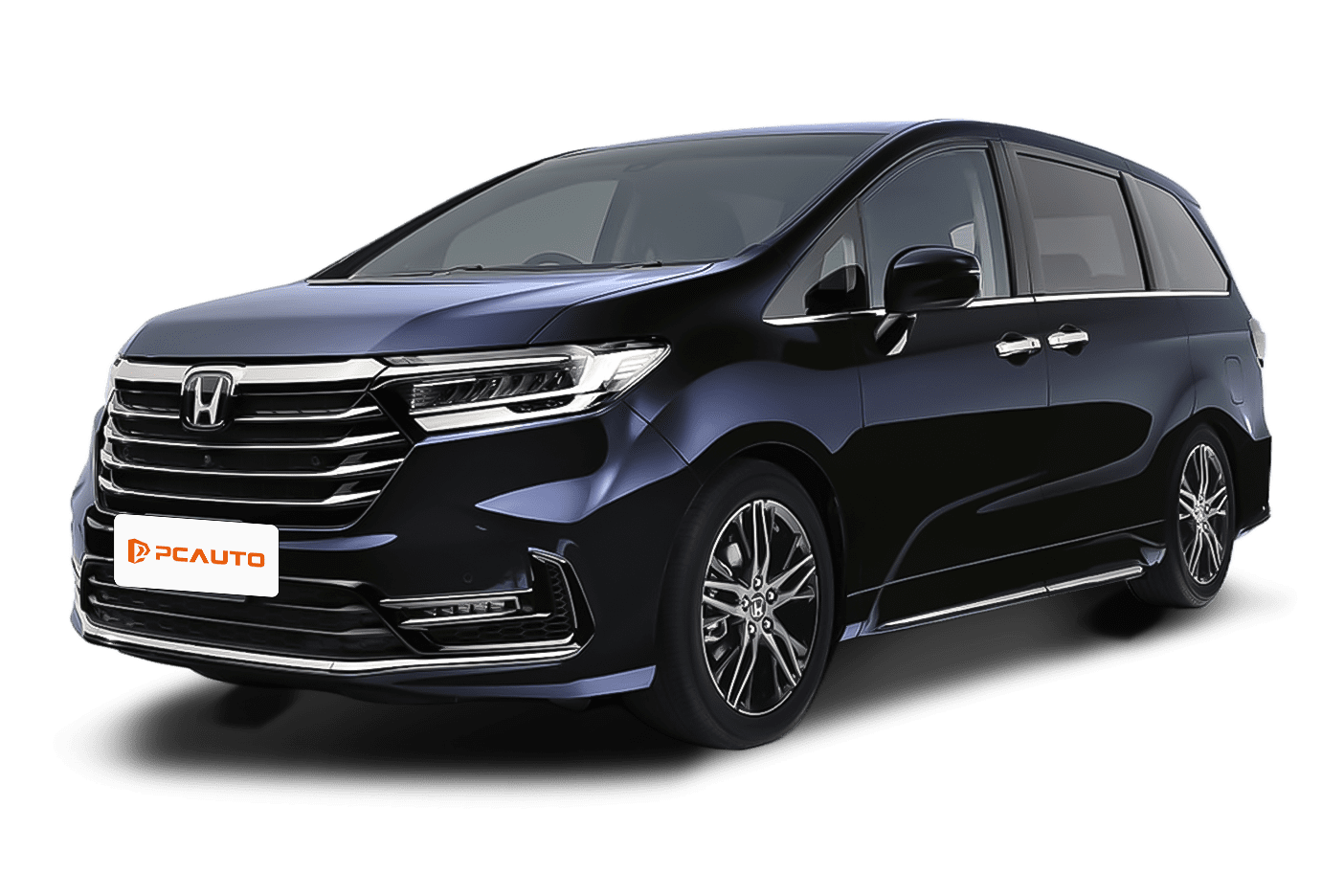
2022 Honda Odyssey 2.4 EXV is a family MPV that balances spatial practicality and comfortable configurations, meeting versatile household needs with its flexible 7-seat layout, Ottoman captain seats, and a well-established powertrain.