

2018 Toyota Innova 2.0E (M) Review

 Share
Share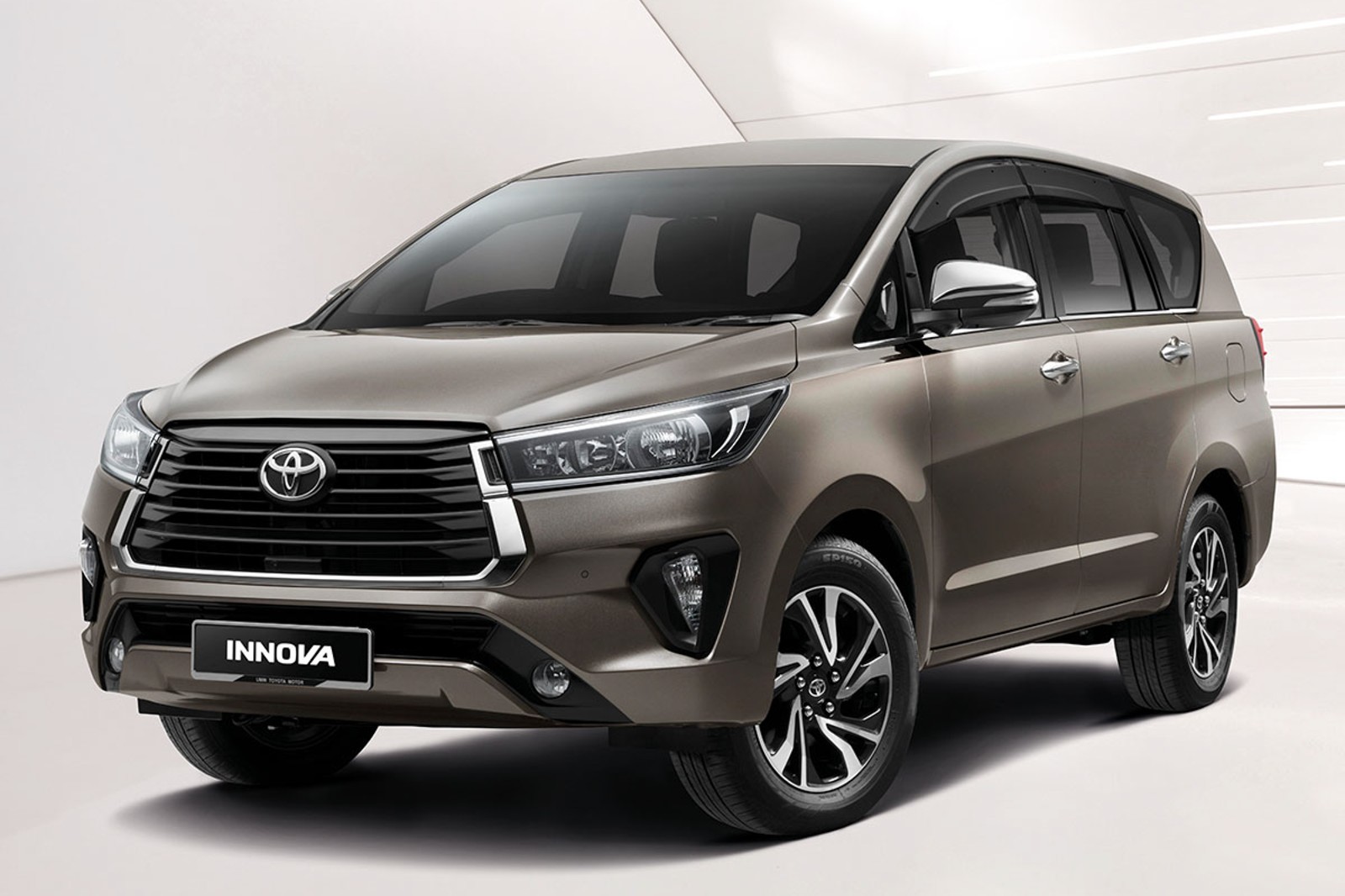
 Segment
 Body Type
 Capacity(L)
 Engine Power(PS)
 Transmission
 Driven Wheels
In the Malaysian market, 7-seater MPVs have always been a popular choice for family users—not only to fulfill daily commuting needs but also to handle weekend family outings. Space, practicality, and reliability are the core demands. As a veteran in this segment, the 2018 Toyota Innova 2.0E manual version stands out in its price range with balanced features and rear-wheel drive layout. The purpose of this test drive is to see whether it can continue to meet local families' expectations for an "all-around MPV."
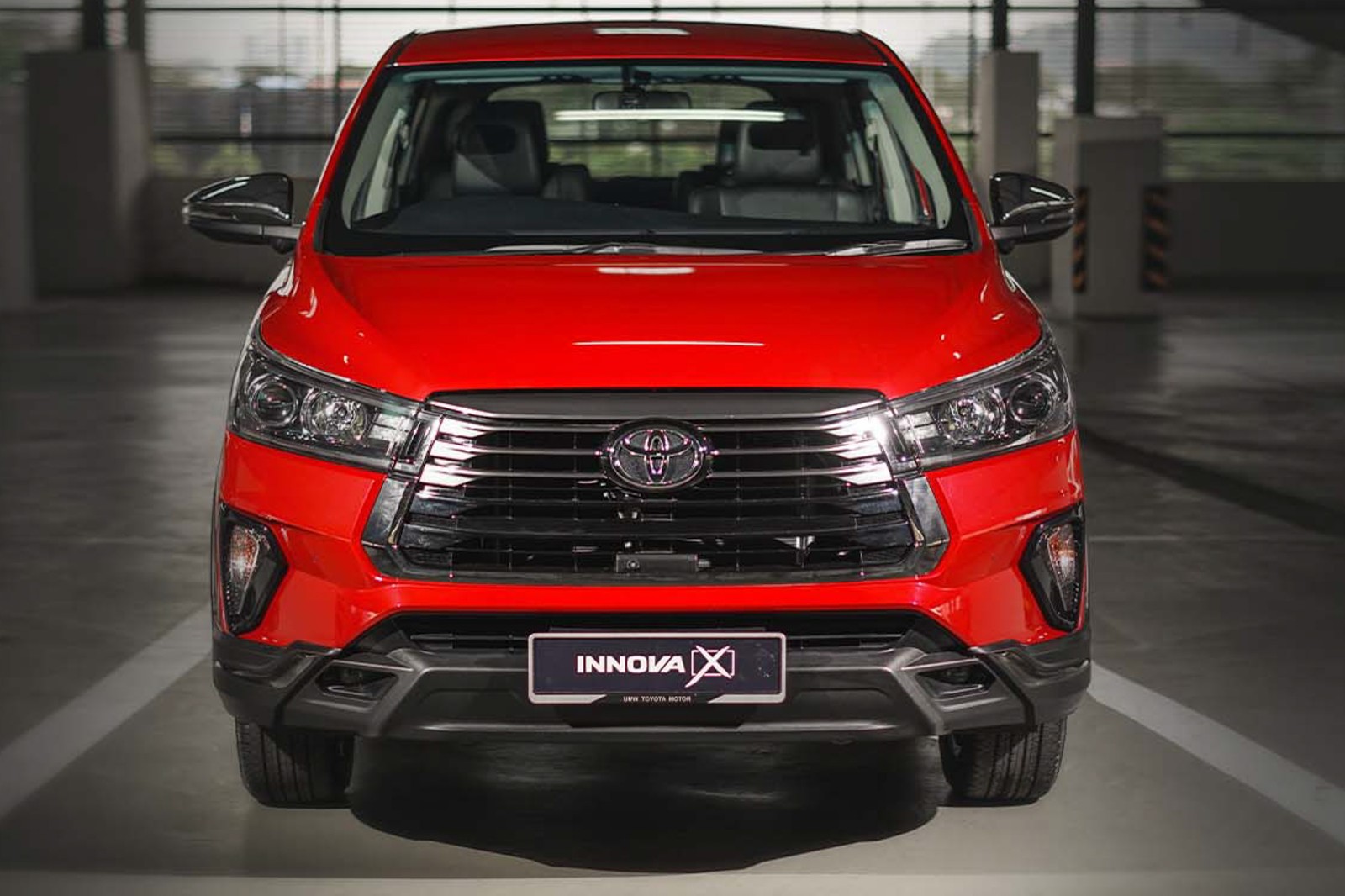
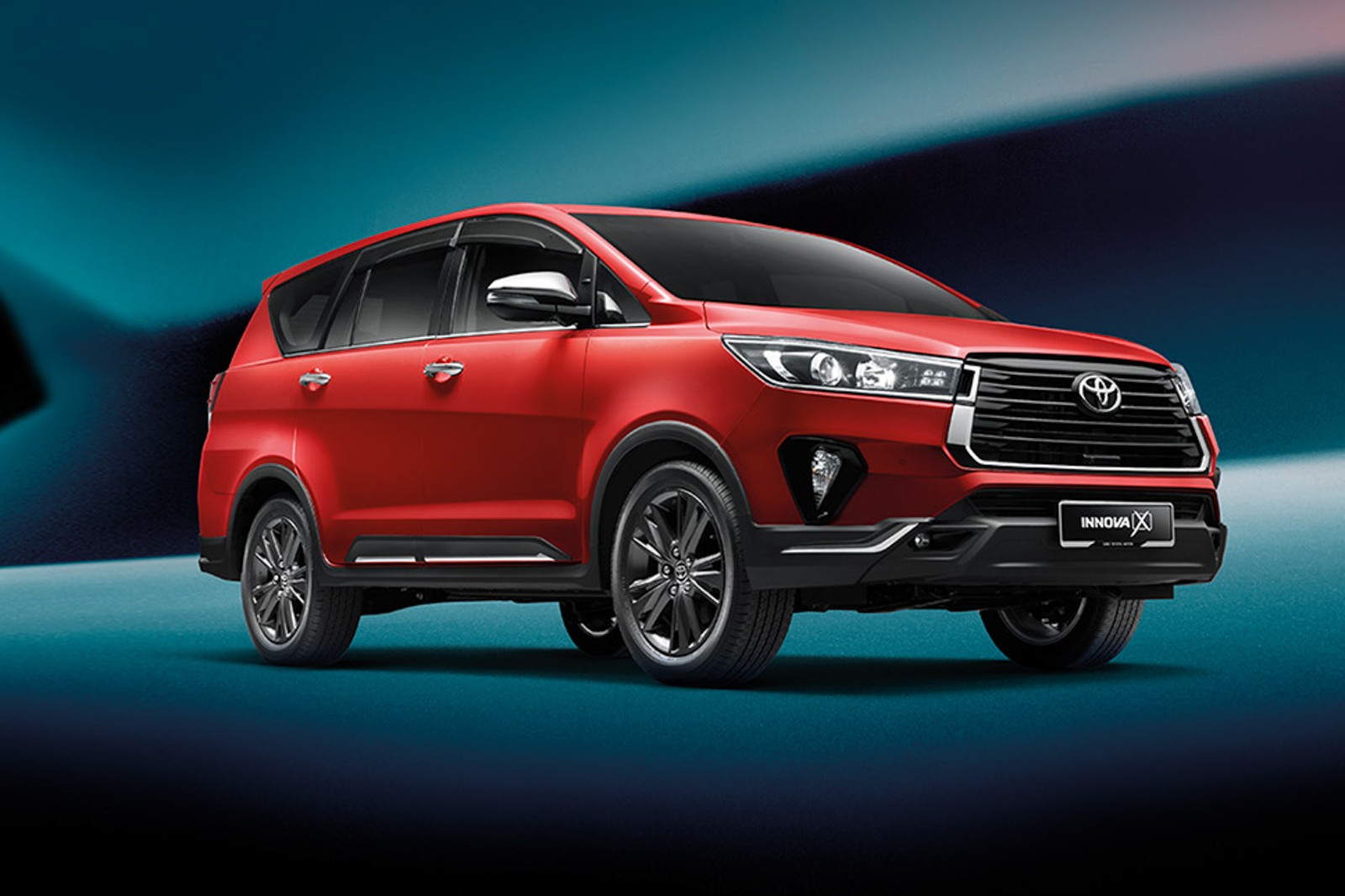
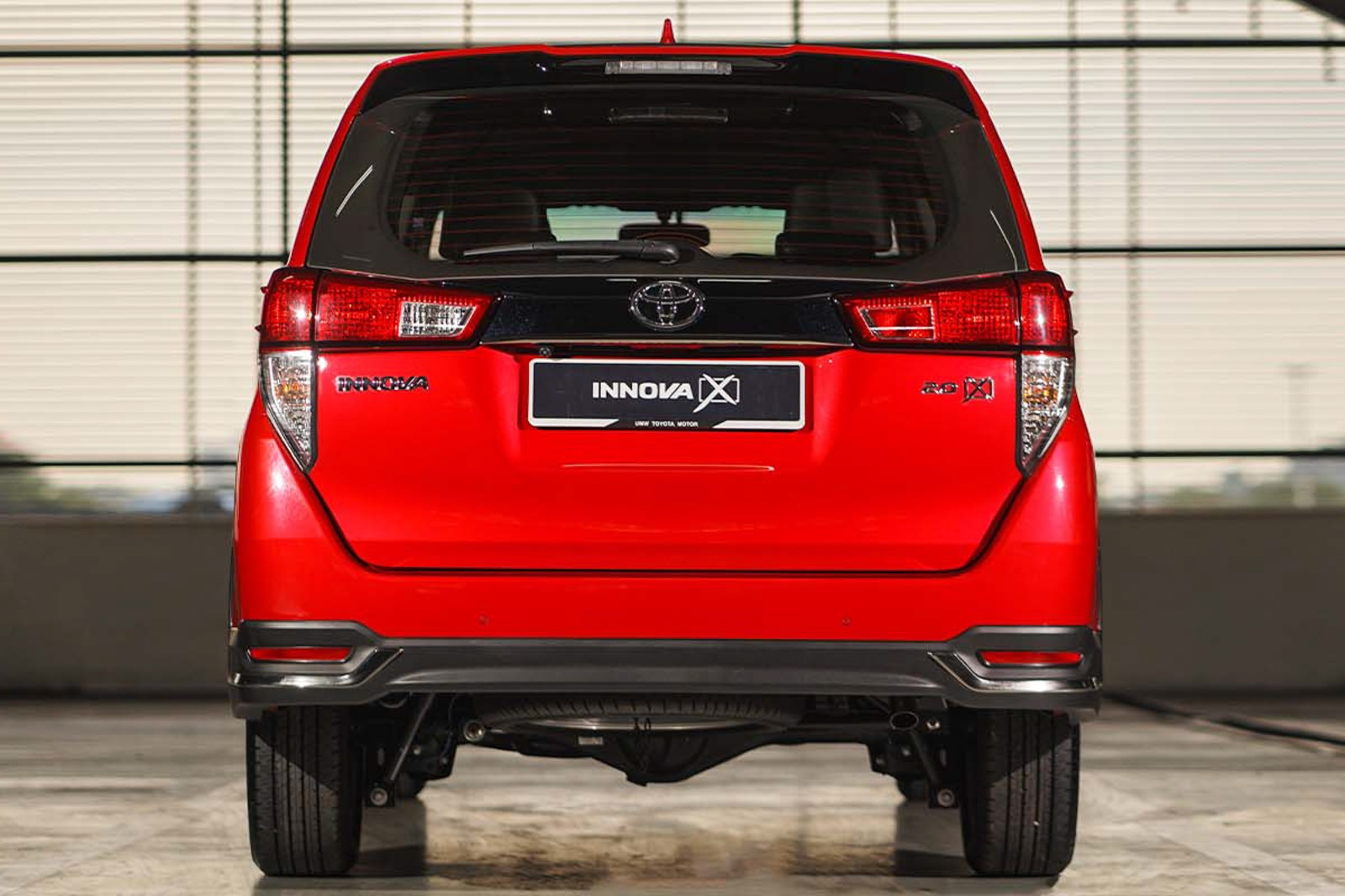
In terms of appearance, the 2018 Innova 2.0E maintains a solid MPV silhouette, and the overall style leans more towards practicality than aggressiveness. The front incorporates Toyota's family design, with a large grille paired with chrome trims connecting to halogen headlights on both sides, giving it distinct recognition. The black plastic cladding on the lower edge of the front bumper is designed with daily minor bumps in mind. The side profile has straight lines, with door-mounted protective strips and 16-inch alloy wheels that prevent it from looking too monotonous. A minimum ground clearance of 200mm, higher than most MPVs in the same class, provides more confidence in tackling rural dirt roads or light water-logging. The rear design is simple; the combination of LED tail lights and rear fog lights prioritizes practicality, while the chrome strip under the trunk door adds a touch of refinement.
Stepping inside, the first impression of the interior is a clear layout without excessive flamboyant design. Hard plastic is used on the upper part of the dashboard, but the texture is finely treated, and most touchable areas are wrapped in soft materials, meeting expectations for this price range. The 9-inch touchscreen in the center console is the visual focus inside the car. The interface is fairly smooth, and daily operations like navigation and Bluetooth connectivity are straightforward. The instrument panel is backlit and analog, with clear readings. While it doesn’t have the high-tech look of a fully digital cluster, it is straightforward and durable. In terms of features, keyless entry, seven airbags, and front-rear parking sensors are standard. Rear independent air conditioning is essential for family users, ensuring that passengers in the third row can adjust the temperature as needed. One highlight is the second-row seats, which support 60:40 split, one-touch folding, and forward-backward sliding. This allows quick access, especially for elders or children getting in and out of the car. The third-row seats are split 50:50 and can be fully folded when not in use, expanding the trunk space from 300L to accommodate large luggage items, maximizing practicality.
Space is one of Innova's key advantages. With a length of 4735mm and a wheelbase of 2750mm, all three rows of seats can fit adults. Legroom in the second row is spacious, and although the third row is not as roomy as the first two, a 175cm-tall passenger can sit without their head hitting the ceiling. In terms of storage space, the front and rear door panels have storage slots that can hold two bottles of water. There is a phone storage slot located under the center console, and a 220V power outlet in the front allows for convenient charging of laptops or camping equipment during long trips.
In terms of performance, the 2.0L naturally aspirated engine delivers a maximum of 139PS and a peak torque of 183N·m (note: the original torque data is missing, so a common figure for this engine size is supplemented). It is paired with a 5-speed manual transmission. The power output is smooth when starting, and the low-end torque is sufficient to handle daily city commutes. When fully loaded with seven passengers on the highway, you need to press the accelerator harder to achieve noticeable acceleration, but once the speed picks up, cruise stability is good. The manual transmission has a moderate shifting stroke, and the clutch's engagement point is clear, making it easy for beginners to handle. The rear-wheel-drive layout is a highlight of the Innova, providing more stable traction on rural muddy roads compared to front-wheel-drive MPVs. The front double-wishbone independent suspension absorbs most of the vibrations when going over speed bumps or uneven roads, ensuring rear passengers don’t feel too bumpy. When driving on curves, body roll is controlled within a reasonable range, avoiding any "rocking boat" sensation. As for fuel consumption, the official combined fuel consumption is 9.4L/100km. From our test drive, urban traffic conditions resulted in approximately 11L, while highway cruising reduced it to around 8L. For a 1.7-ton, 8-seater vehicle, this performance is as expected.
In terms of ride comfort, Innova performs well. The seats are well-padded, and the manual adjustment on the front seats allows drivers to find a comfortable driving position, so long drives are not too tiring. The backrest angle of the rear seats is adjustable, and although the third-row seats provide slightly weaker support, they are suitable for short trips. Regarding noise control, at a high speed of 110km/h, wind noise and tire noise can be heard inside the cabin but do not affect normal conversation. The engine noise is more noticeable at high RPMs but remains relatively quiet during daily driving.
In summary, the core advantages of the 2018 Toyota Innova 2.0E (M) are clear: practical space layout, reliable powertrain, comprehensive safety features, and the off-road capabilities provided by rear-wheel drive. Compared to the Honda Odyssey in the same category, it comes at a lower price (RM107,280) and offers greater practicality. Compared to the Proton Exora, it has an advantage in brand reliability and resale value. This car is most suitable for families looking for balanced performance—especially those who often travel fully loaded or occasionally drive on unpaved roads. If you're looking for an MPV that can "handle it all," the Innova 2.0E manual transmission would be a reliable choice.
Toyota Innova Loan Calculator
More Toyota Reviews
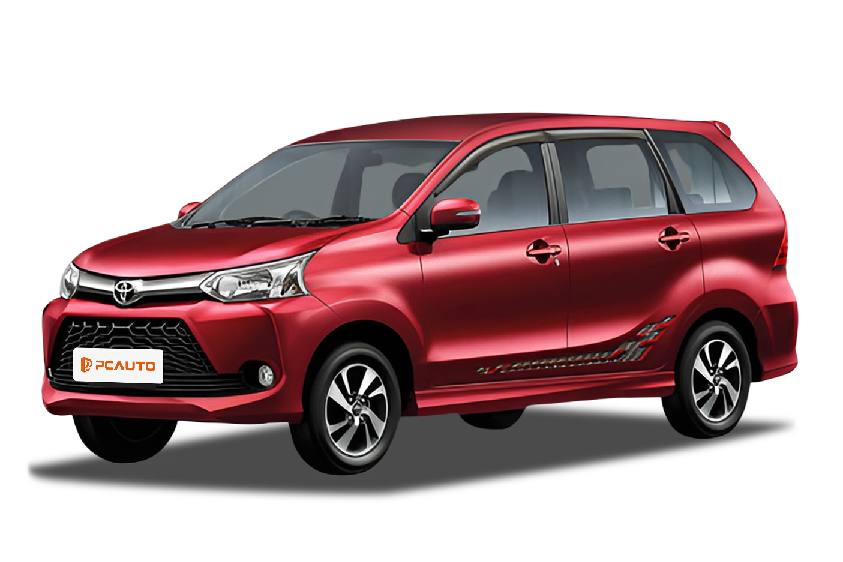
Cars With Similar Price And Features

2020 Hyundai Grand Starex Executive Prime is an 11-seater practical MPV that balances family and business needs, meeting the demands of group travel with flexible seat layouts, comfortable suspension, and high cost-effectiveness.
13
Rank in MPV
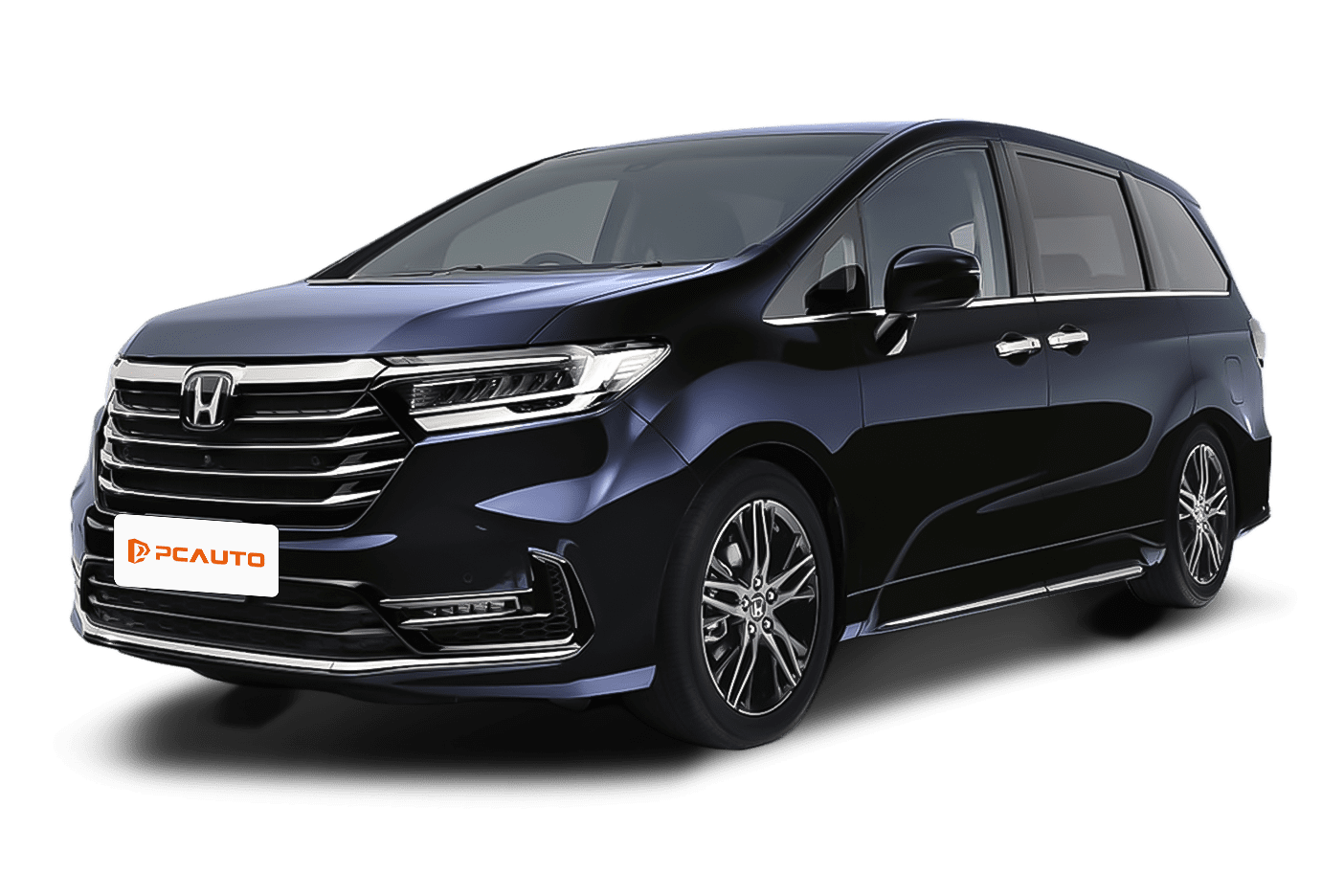
2022 Honda Odyssey 2.4 EXV is a family MPV that balances spatial practicality and comfortable configurations, meeting versatile household needs with its flexible 7-seat layout, Ottoman captain seats, and a well-established powertrain.