

2018 Toyota Innova 2.0G (A) Review

 Share
Share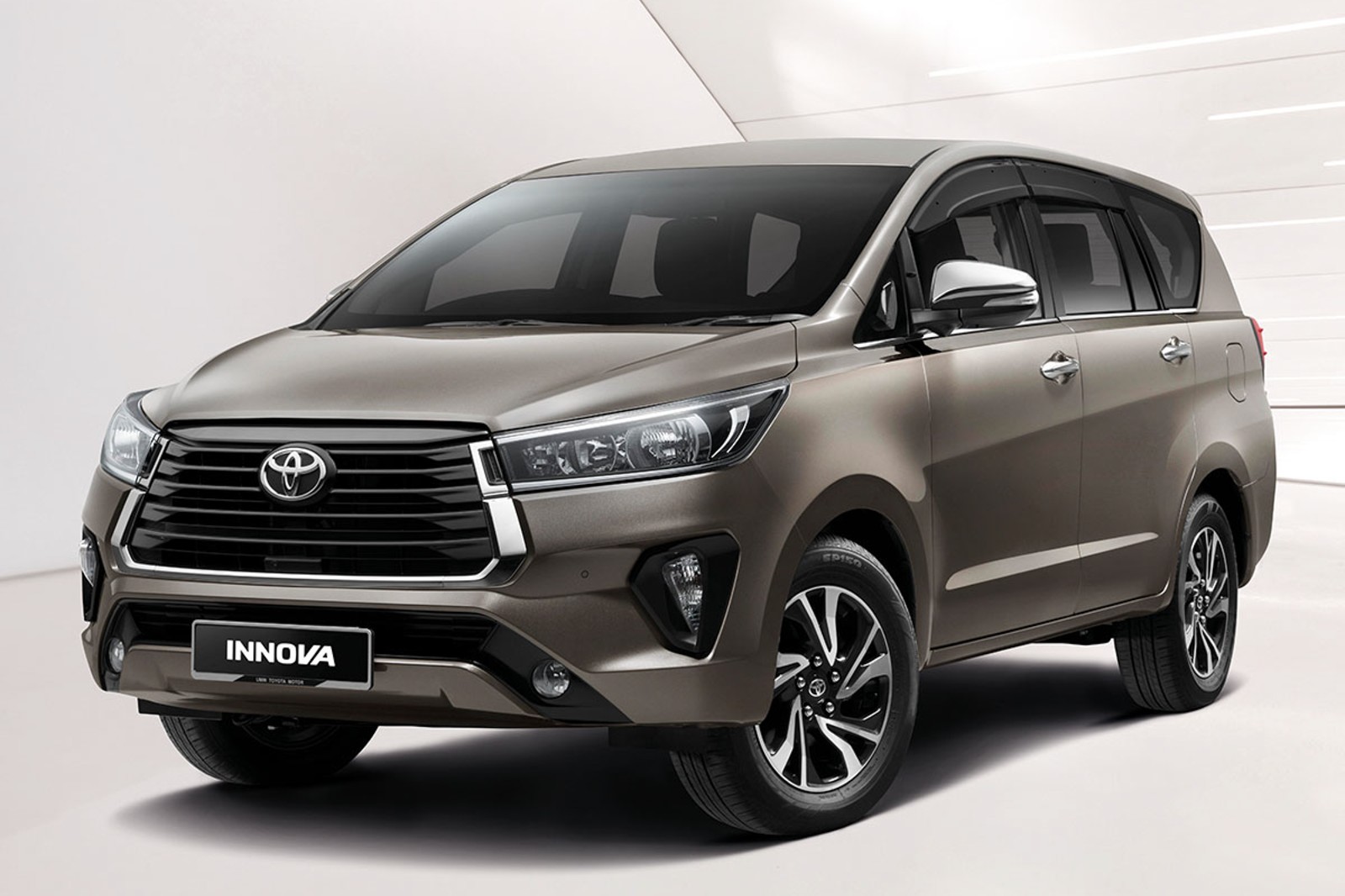
 Segment
 Body Type
 Capacity(L)
 Engine Power(PS)
 Transmission
 Driven Wheels
The 7-seater MPV market has always been a necessity for family users in Malaysia, balancing the practicality for daily commuting with the comfort for multi-person travel. The 2018 Toyota Innova 2.0G (A), as a popular D-Segment model, has been widely appreciated for Toyota's reliability and well-balanced configuration. Even today, it still draws attention from many consumers. This time, we got our hands on the actual vehicle to focus on testing its space performance, practical power, and daily driving comfort to see if it can still meet the demands of the current market.
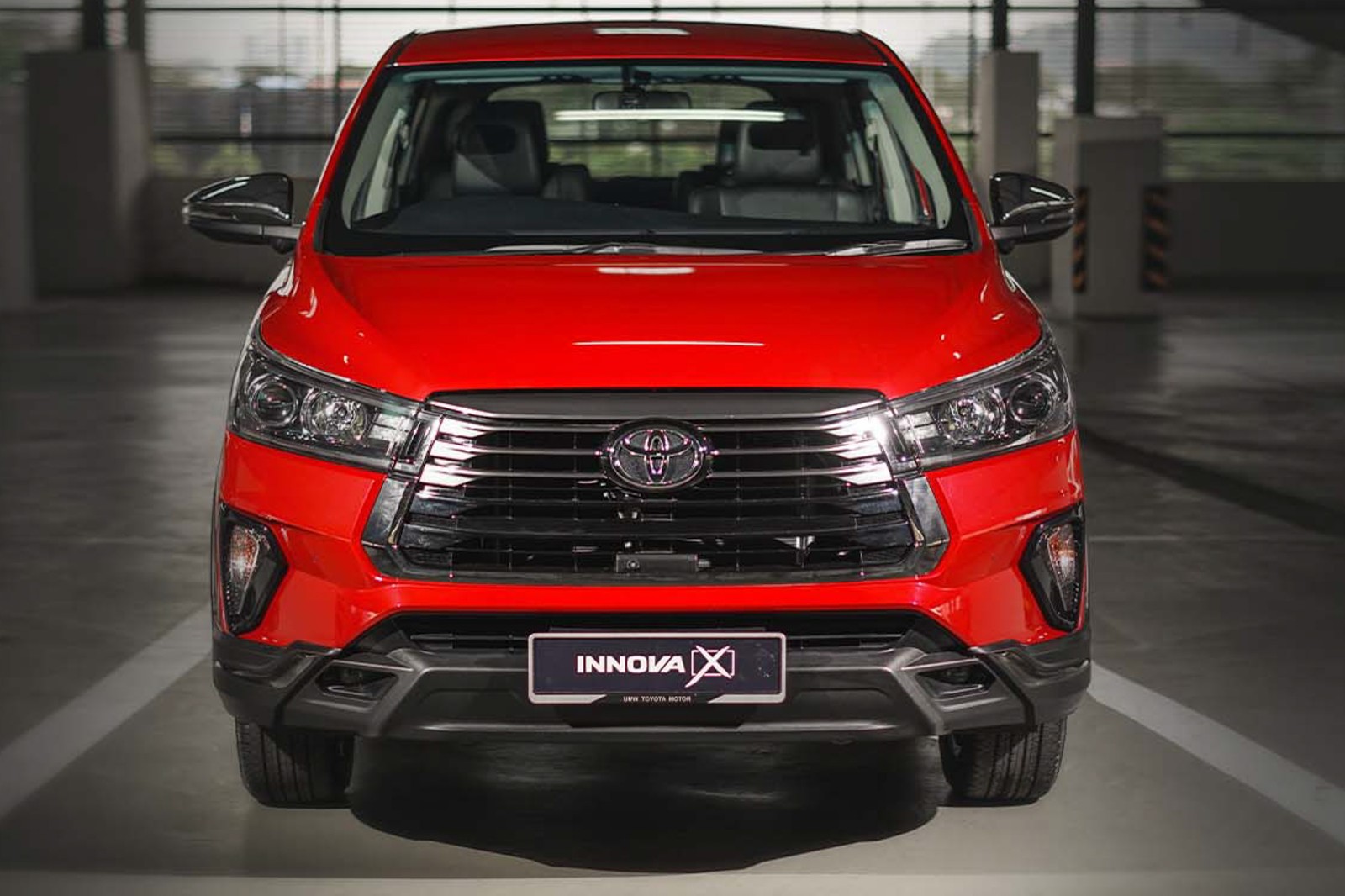
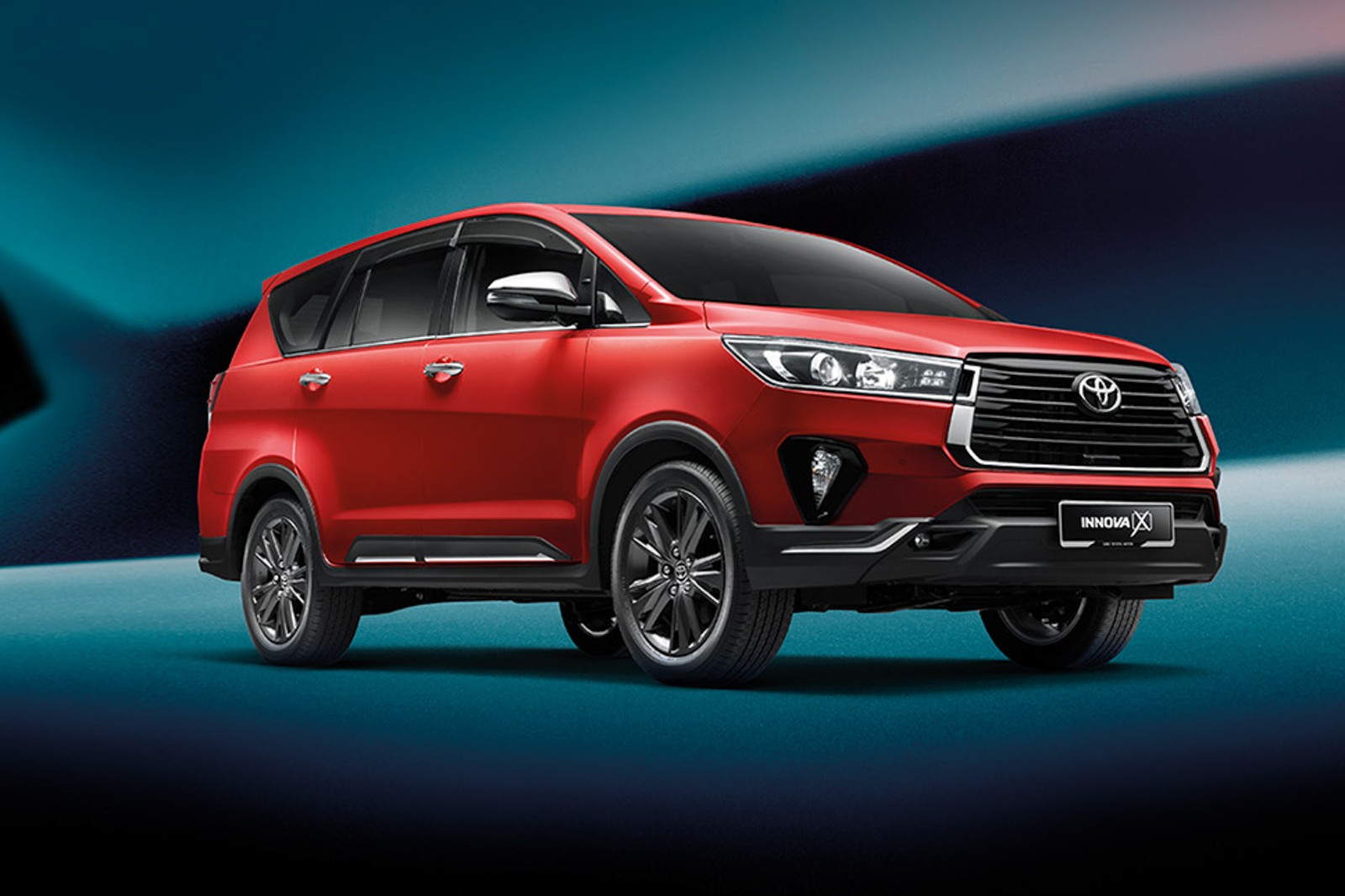
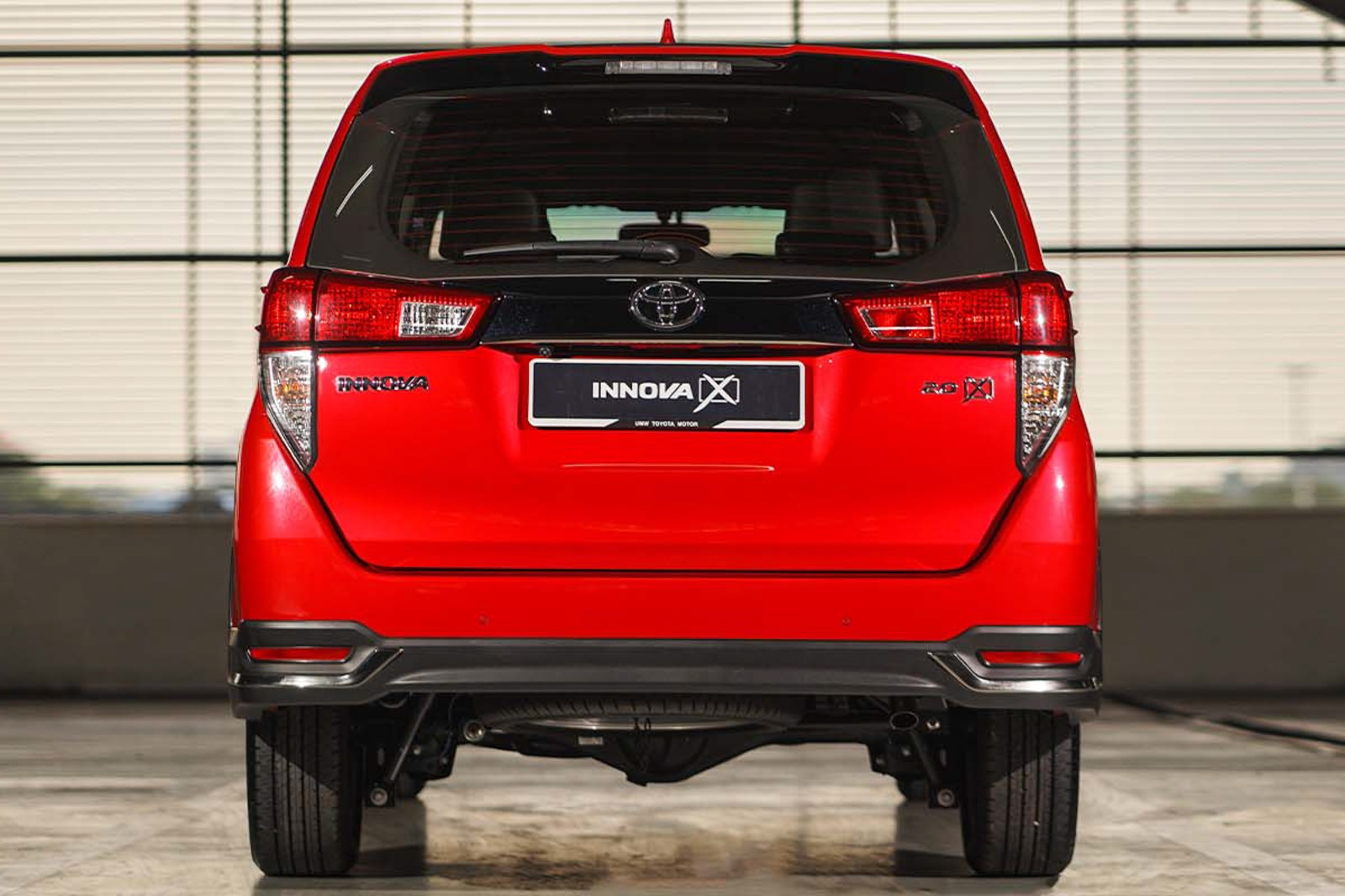
In terms of appearance, the design of the 2018 Innova 2.0G leans towards being rugged and steady, matching the positioning of a family MPV. The front features a large trapezoidal grille, combined with Toyota’s signature chrome trim that connects to the halogen headlamp clusters on both sides, offering decent recognition. The side profile of the vehicle features straight lines, with door protective moldings that are not only practical but add a sense of layering. The rear design is simple, with vertically-aligned taillights and an integrated rear bumper with fog lights, giving it a harmonious overall look. As for lighting features, it comes standard with automatic headlights, daytime running lights, and front and rear fog lights, which are adequate for daily use.
Sitting inside, the interior design focuses on practicality, with a symmetrical layout for the dashboard, making it easy to use. In terms of materials, most areas are made of hard plastics, but the door panels and seats are covered in fabric, providing a reasonably good tactile feel. The 9-inch touchscreen on the center console is the visual focal point, supporting basic multimedia functions and offering smooth operation for 2018 standards. In terms of features, keyless entry, push-start ignition, single-zone automatic air conditioning, and independent rear air conditioning are standard. The front row also comes equipped with a 220V power outlet for external devices. The instrument panel uses an illuminated analog style display, providing clear information. The multifunctional steering wheel supports volume adjustments and phone controls, making daily use convenient.
Space is one of Innova's core strengths. With dimensions of 4735mm × 1830mm × 1795mm and a wheelbase of 2750mm, it offers an 8-seater layout. The front seats are manually adjustable and offer good support. A passenger of 175cm sitting in the front row will have one-and-two-finger headroom. The second row features 60:40 split seats that support one-touch folding, fore-aft sliding, and recline adjustments. There is also a small table in the middle position, and the legroom for passengers can go up to two fists’ space. Even with three people seated, it does not feel too crowded. The third row has a 50:50 split design and supports one-touch folding. A 170cm passenger will have one fist of headroom and four fingers of legroom, making short trips comfortable, though for longer trips, adjustments to the second row may be needed. The trunk offers a regular capacity of 300L, which can be expanded further by folding down the third row, making it suitable for family cargo needs.
In terms of power, the 2.0L naturally aspirated engine provides a maximum output of 139PS at 5600rpm and a maximum torque of 183N·m at 4000rpm. It is paired with a 6-speed automatic transmission and has a rear-wheel-drive layout. During actual driving, the vehicle accelerates steadily, with gentle power output at low RPMs, making it suitable for city commuting. Once the RPM surpasses 3000rpm, the power delivery becomes noticeably stronger. Accelerating for overtaking requires a firmer press on the accelerator. The transmission downshifts are not extremely fast but are logically responsive. There are two driving modes available: Eco and Normal. In Eco mode, the throttle response is more restrained, making it suitable for steady cruising, while Normal mode feels more dynamic and better suits everyday usage habits.
The handling performance is mediocre, the steering wheel is light with little play, making city parking and lane changes relatively easy. The front uses a double-wishbone independent suspension, while the rear is a non-independent leaf spring suspension system, which is tuned towards comfort. It can filter out most vibrations when crossing speed bumps or uneven roads, but the rear suspension has noticeable bouncing, which is especially apparent to passengers in the rear seats. While cornering, the body roll control is average, which is expected for an MPV and not suitable for aggressive driving. As for fuel consumption, the actual tested fuel consumption is about 10.5L per 100 kilometers under mixed conditions, slightly higher than the official figure of 9.1L. In urban congested roads, it can reach around 12L, while highway cruising can drop it to about 8.5L, which aligns with the fuel economy level of vehicles in the same class.
The braking performance is stable, with a moderate pedal travel and linear braking force output. The braking distance from 100km/h to a complete stop is about 42 meters, which meets the standard for family cars. In terms of noise control, engine noise and tire noise are not significant during low-speed city driving. However, wind and tire noise become more noticeable at speeds above 110km/h, which may affect in-car conversations but remains within an acceptable range. The seat comfort is good, with breathable fabric seats that make long rides less tiring. The rear air-conditioning vents can quickly adjust the temperature, enhancing the overall passenger experience.
Safety features are a highlight of the Innova, equipped as standard with 7 airbags (including a knee airbag), ABS, vehicle stability control, lane assist, forward collision warning, front and rear parking sensors, and a rearview camera. Overall, the safety level is among the top in its class. Compared to similar models like the Honda Odyssey or Kia Carnival, the Innova is more affordable, with more balanced configurations. Particularly, its rear-wheel-drive layout provides better stability under heavy load, making it well-suited for families who often carry cargo or travel with many passengers.
In conclusion, the 2018 Toyota Innova 2.0G is a well-rounded family MPV with spacious interior, practical features, and dependable safety. It offers sufficient power for daily use and reasonable fuel efficiency. Although the power isn't strong and the rear suspension comfort isn't exceptional, its high reliability and low maintenance cost are its strong points. It's ideal for families focusing on space and practicality, especially those who frequently need to transport 7-8 people or large items. If you're looking for a vehicle that offers balanced performance and Toyota's renowned reliability, the Innova 2.0G is worth considering.
Toyota Innova Loan Calculator
More Toyota Reviews
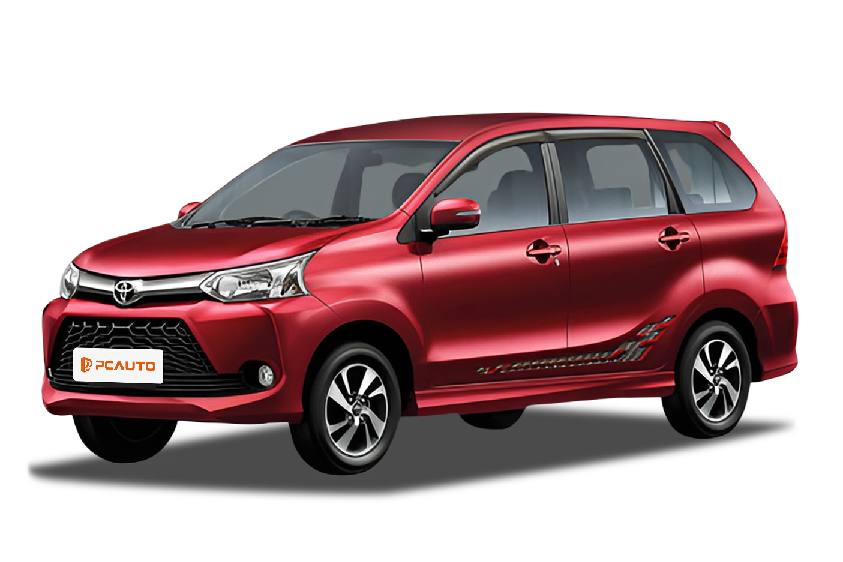
Cars With Similar Price And Features

2020 Hyundai Grand Starex Executive Prime is an 11-seater practical MPV that balances family and business needs, meeting the demands of group travel with flexible seat layouts, comfortable suspension, and high cost-effectiveness.
13
Rank in MPV
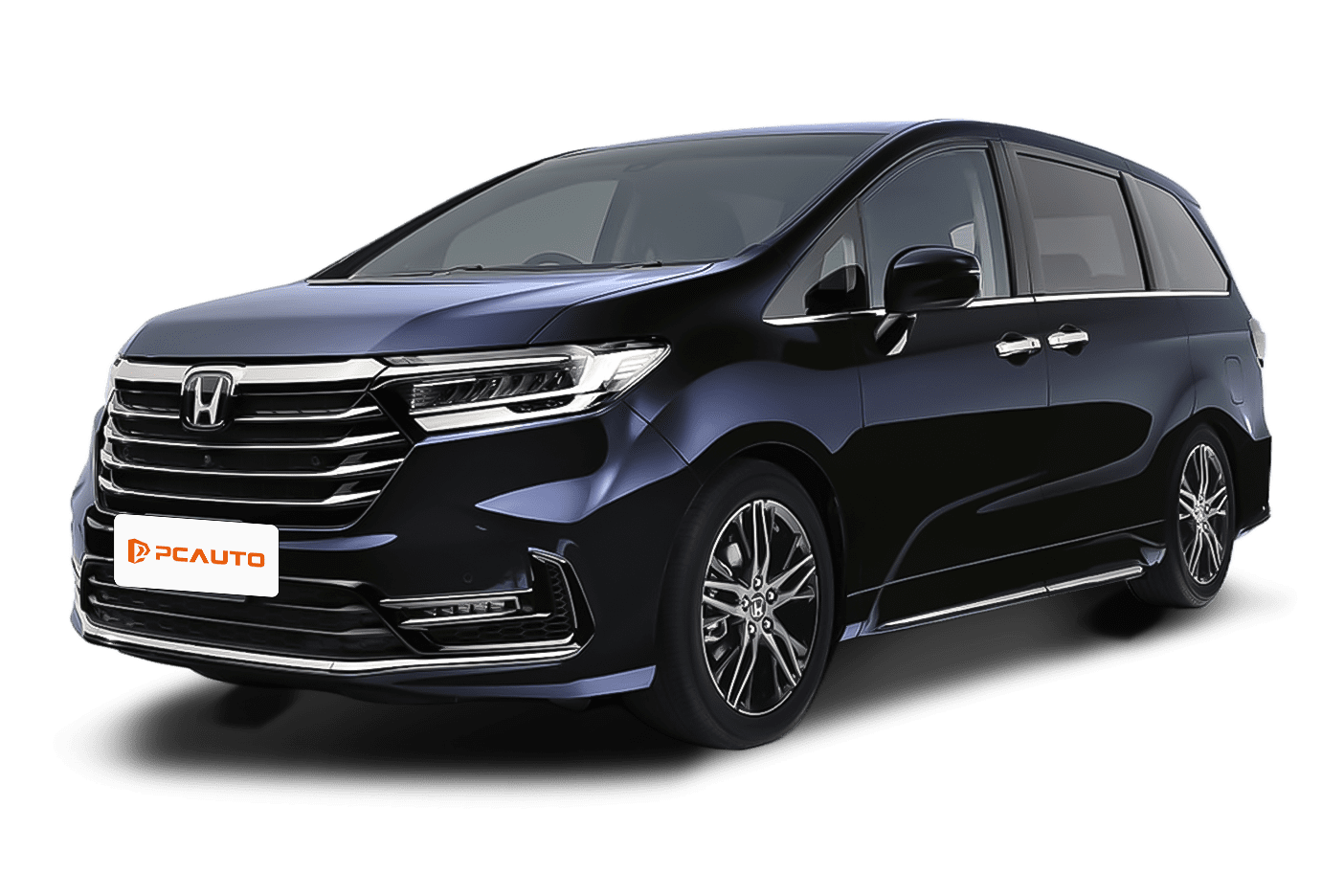
2022 Honda Odyssey 2.4 EXV is a family MPV that balances spatial practicality and comfortable configurations, meeting versatile household needs with its flexible 7-seat layout, Ottoman captain seats, and a well-established powertrain.