Toyota photo

2018 Toyota Innova 2.0X (A) Review

2018 Toyota Innova 2.0X (A) is a practical MPV with spacious interior and rich configurations, combining comfortable driving experience with flexible storage to meet the needs of family travel in various scenarios.
Toyota Innova photo
Toyota Innova photo
Toyota Innova photo
Toyota Innova photo
Toyota Innova photo
RM 127,126
2018 Toyota Innova 2.0X (A)
Segment
D-Segment
Body Type
MPV
Capacity(L)
2.0
Engine Power(PS)
139
Transmission
AT
Driven Wheels
Rear Wheel Drive
Review
User Review
Specs

In recent years, competition in the 7-seater MPV market in Malaysia has heated up, as family users increasingly demand space practicality, rich configurations, and reliability. As a regular contender in this segment, the 2018 Toyota Innova 2.0X (A) positions itself with the core selling points of "balanced practicality + high configuration," aiming to consolidate its advantage among similar models. This test drive will focus on its static design details, space performance, dynamic driving experience, and configuration usability to provide a straightforward reference for potential buyers.

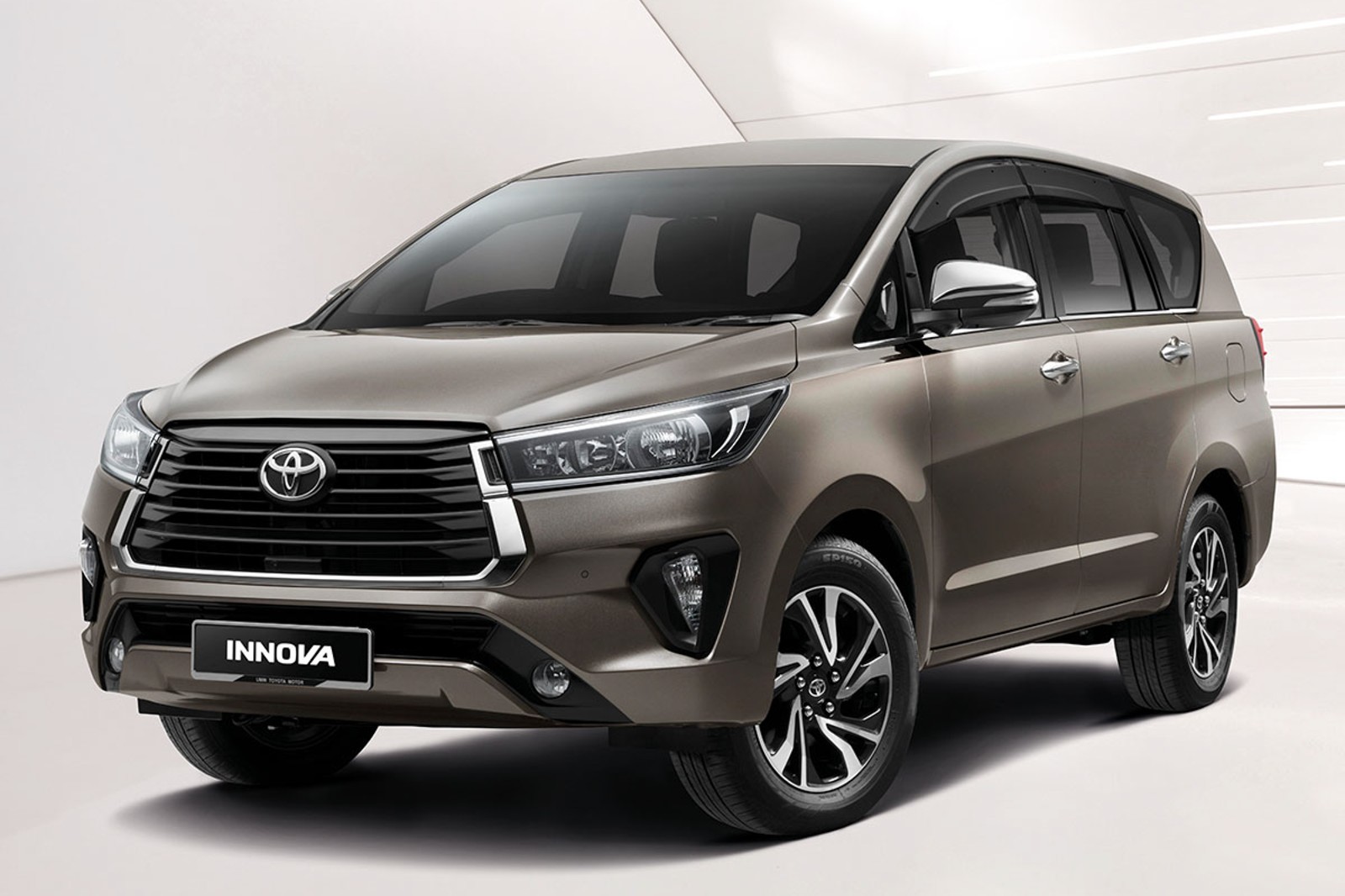
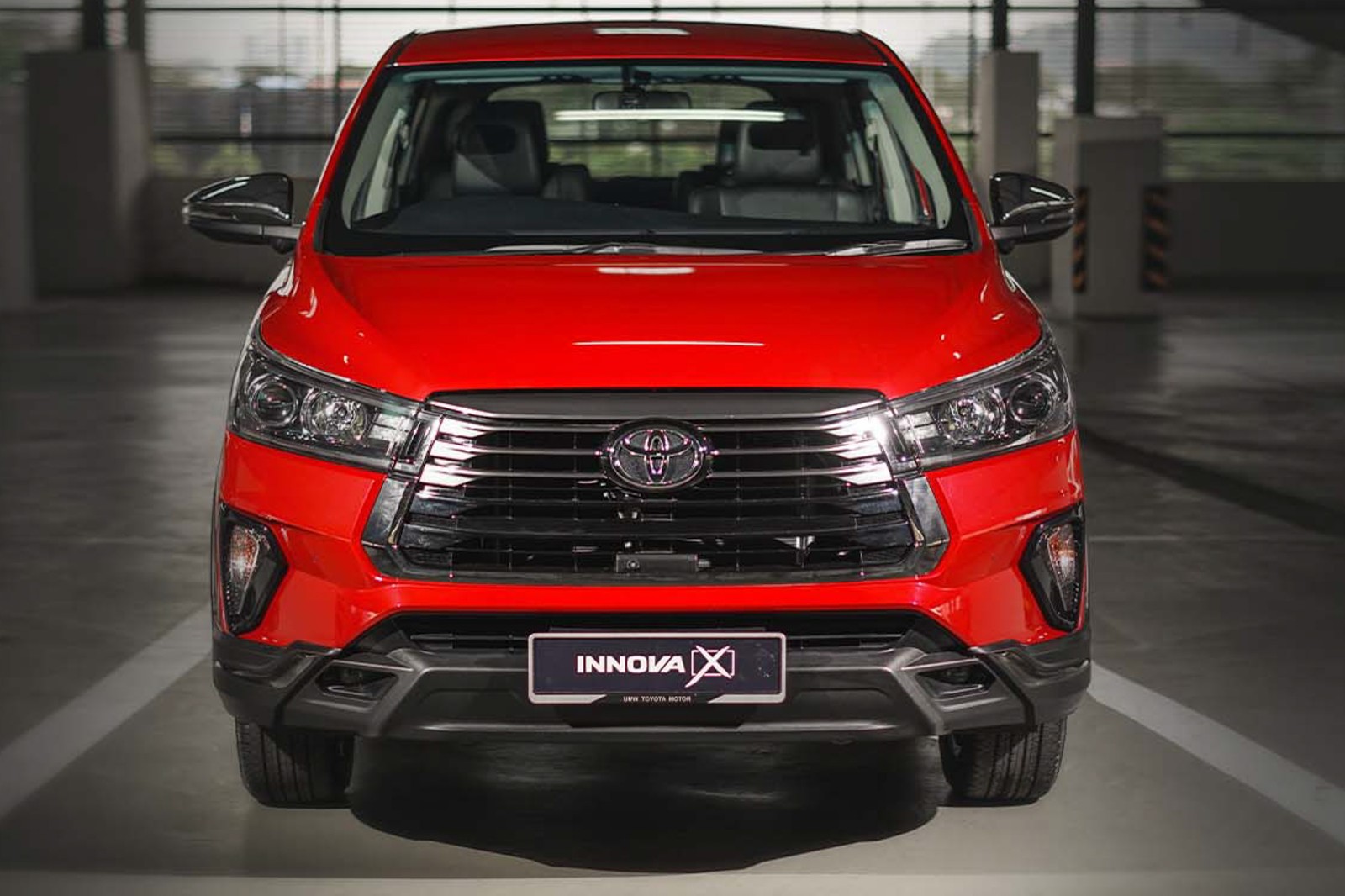
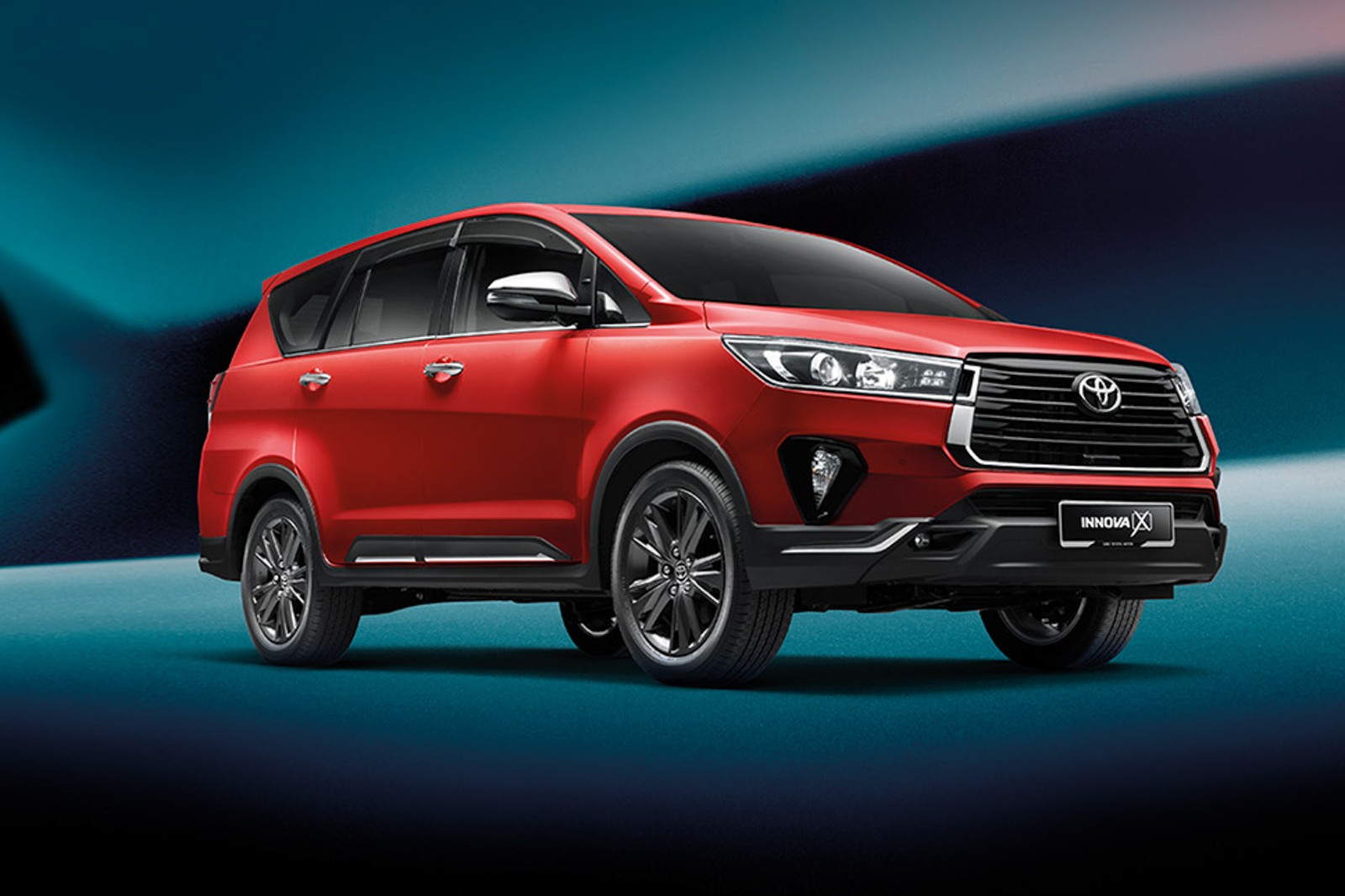
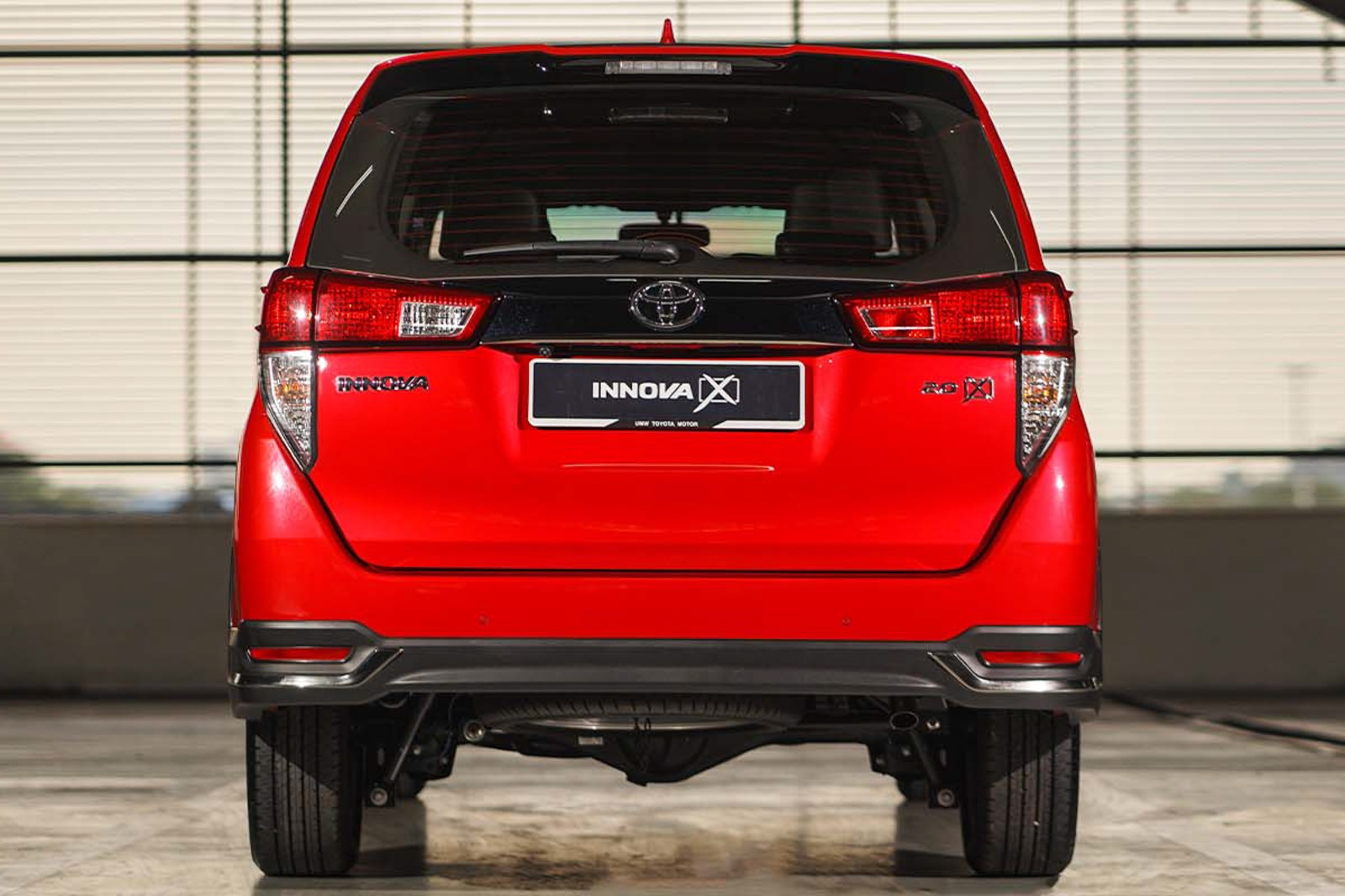
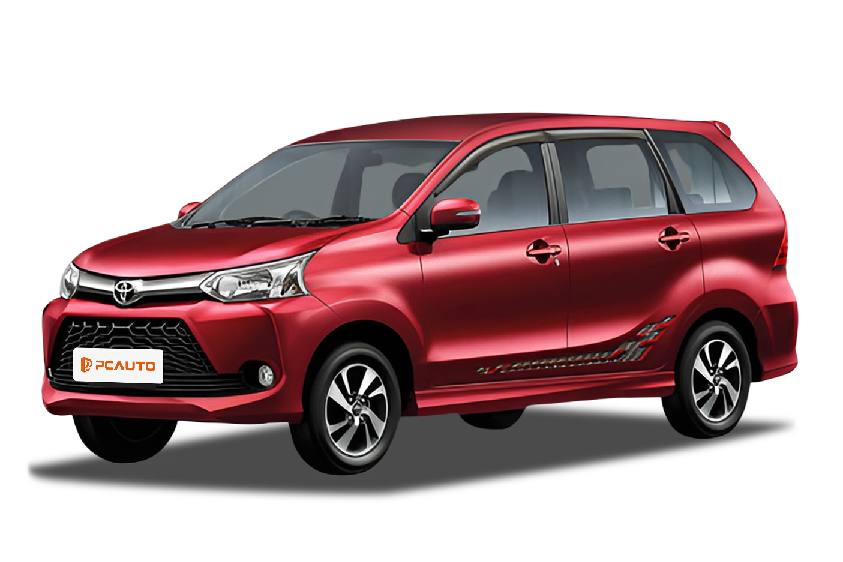
The exterior of the 2018 Innova 2.0X continues Toyota's family design language with an overall style that leans toward steadiness. The front features a large trapezoidal grille embellished with chrome trims, paired with irregularly shaped headlights on both sides. The headlights integrate halogen primary light sources and LED daytime running lights, with automatic headlights and front fog lights standard, ensuring both nighttime visibility and practicality. The side profile exhibits smooth lines, with 215/55 R17 alloy wheels featuring a simple design. Black plastic cladding is added to the lower body, which lends a slight crossover feel. At the rear, the horizontally arranged taillight cluster is connected by a chrome strip, enhancing the visual width; the silver skid plate beneath the rear bumper echoes the front design, ensuring an overall coordinated look consistent with the positioning of a family MPV.

Inside the cabin, the interior features a dark color scheme with a clear center console layout. The center console is equipped with a 9-inch touchscreen that supports basic multimedia functions with moderate operational fluidity. The instrument cluster features a self-illuminating analogue design, providing comprehensive information, including RPM, speed, fuel levels, and other key data. For seating, the front seats are manually adjustable, featuring ample padding with decent support. The second row adopts independent captain seats that support one-touch folding, manual reclining, and forward/backward sliding. The seats are equipped with small tables on the sides, convenient for placing items. The third-row seats are split 50:50 and can be folded down with one touch to expand the trunk space. For storage, the central armrest box in the front row offers moderate capacity, door panel storage slots can accommodate water bottles, and there are cup holders on both sides of the second-row seats, meeting the daily needs of a family. Standard configurations include keyless entry/start, single-zone automatic air conditioning, independent rear air conditioning, and a 220V power outlet, indicating thoughtful design in details.

The space performance aligns with the positioning of a D-segment MPV, with the dimensions of 4735mm×1830mm×1795mm and a wheelbase of 2750mm. The front row offers ample headroom, leaving a space of two fists above a 175cm passenger’s head. The legroom in the second row’s independent seats exceeds two fists, and the headroom is about one and a half fists, making it comfortable for long rides. The third-row space is more suitable for passengers below 170cm, leaving one fist of legroom, although headroom is slightly cramped, making it more appropriate for children or short trips. The default trunk capacity is 300L, which can accommodate two 20-inch suitcases. Folding the third-row seats significantly expands the capacity, meeting the needs of transporting large items.

In terms of performance, the car is powered by a 2.0L naturally aspirated engine, delivering a maximum horsepower of 139PS at 5600rpm and a maximum torque of 183N·m at 4000rpm, paired with a 6-speed automatic transmission. During daily driving, the power output feels smooth, with a slightly mild start. As the RPM increases to 3000rpm, power delivery improves. To overtake, deeper pressing of the accelerator is required. The transmission has a clear shift logic with minimal jerks. There is only one driving mode, which is sufficient for urban roads, though the power reserve feels slightly inadequate for high-speed overtaking.

The control and chassis performance lean towards comfort, with a front double-wishbone independent suspension structure and a rear leaf spring non-independent suspension (typical rear-wheel-drive MPV setup). When driving on bumpy roads, the chassis can filter out most small vibrations, but when passing over speed bumps or larger potholes, noticeable bouncing can be felt in the rear seats. At high speeds, the body stability is decent, the steering wheel feels light, with moderate play, making city parking convenient. In terms of braking, the front ventilated discs and rear disc brakes provide linear braking performance, with a moderate brake pedal travel and adequate confidence.

Fuel consumption is average, with around 10-11L per 100km in urban conditions, 8-9L per 100km on highways, and a combined fuel consumption close to the official figure of 9.1L/100km. With a fuel tank capacity of 55L, it offers a range of about 500km, meeting the needs of daily commutes and short trips.

In terms of driving comfort, noise control is average. Below 60km/h, the interior is relatively quiet, but once the speed exceeds 80km/h, wind noise and tire noise gradually become noticeable. Engine noise becomes audible at high revs, though not to a disturbing extent. The seat comfort is generally good, with the second-row individual seats offering better support and cushioning than the front row, while the third-row seat padding is relatively thin, making long-distance rides more tiring.

Safety features are a highlight of the 2018 Innova 2.0X, with standard 7 airbags (including knee airbags), ABS, ESC, lane change assist, forward collision warning, front and rear parking sensors, reverse camera, and hill-start assist. These features place it among the top in its segment and provide comprehensive protection for family members.

In summary, the core advantages of the 2018 Toyota Innova 2.0X lie in its practical 8-seat space, rich safety features, the comfort of the second-row individual seats, and Toyota's brand reliability. Compared to its competitors in the same class, its safety features surpass some rivals, though its performance and interior quality may fall behind newer models. It is suitable for families seeking space practicality, safety features, and brand reliability, especially those who often need to carry multiple passengers. If the demand for power is low and space and practicality are priorities, the Innova 2.0X is a worthy choice.

Pros
Performance meets local needs, 2.0 naturally aspirated engine offers smoothness, rear-wheel drive remains stable on bumpy roads, fully loaded uphill driving is not sluggish, and overall fuel consumption is efficient
Interior is practical and thoughtful, second-row captain chairs come with small tables, large storage space after third-row is folded, and the central touch screen responds quickly
Safety features are complete, 7 airbags + ABS + vehicle stability system are standard, front collision warning is practical
Cons
Acceleration is slow, 0-100km/h takes 16.3 seconds, initial power is relatively gentle, high RPM is needed when climbing for more power
Interior uses mostly hard plastic materials, texture is average
No 360-degree panoramic view, inconvenient to park in narrow spaces, beginners need to adapt to reversing radar
Overall Rating
4.4
Excellent
From 3 Reviews
Section Rating
Performance
4.7 / 5
Interior Design
4.3 / 5
Safety
4.3 / 5
Exterior Design
4.3 / 5
Showing 3 reviews
5 Excellent
i30N
Owner of 2018 Toyota Innova 2.0X (A)
As the owner of the 2018 Toyota Innova 2.0X, having driven it in Malaysia for almost five years, I truly feel that this car perfectly understands the local needs! Performance deserves full marks — don’t be fooled by the official 0-100 km/h time of 16.3 seconds seeming slow. In Kuala Lumpur’s morning rush-hour traffic jams, the smoothness of the 2.0L naturally aspirated engine is much more comfortable than turbocharged cars. It responds to accelerator input without any jerks, and the rear-wheel drive remains very stable on the bumpy old roads of Klang Valley. Even with 8 people on board climbing Genting Highlands’ gentle slopes, it doesn’t feel underpowered. A combined fuel consumption of 9.1L/100km is considered fuel-efficient for an MPV, and filling its 55L fuel tank is more than enough for trips around Selangor. I’m also extremely satisfied with the interior! The second-row captain seats with foldable tray tables are fantastic. Every time I drive the family to Johor Bahru to visit relatives, my parents can recline the seats to an almost flat position and place a cup of tea on the tray table without it shaking at all. After folding the 50:50 split third row, there’s absolutely no issue fitting in a stroller and luggage. Plus, the 9-inch touchscreen in the center console is very responsive, and the six speakers provide clear audio for listening to Malay songs during highway drives. The attention to detail is impressive. Safety gets 4 out of 5. The 7 airbags, ABS, and vehicle stability control are all standard features. There was one time in Penang when the road was slippery in the rain, and I almost rear-ended another car. The forward collision warning suddenly sounded, reminding me to brake, and it really saved me! However, the only slight regret is that it only has a rearview camera without a 360-degree surround view. Parking in narrow spots like those in KLCC still requires extra caution, so deducting 1 point feels quite fair. I’d rate the exterior 4 out of 5 — the boxy MPV shape may not be particularly stunning, but Toyota's design is timeless and doesn’t go out of style. The LED daytime running lights have excellent recognition in the bright sunlight of Sabah, and the 17-inch rims paired with 215 tires make driving on rugged rural roads worry-free without scraping the undercarriage. The only drawback is the paint is a bit thin, and it’s prone to marks from small stones, otherwise it would have gotten full marks. Overall, this car is superb for family use in Malaysia. It’s durable and practical, no wonder so many families choose it!
4 Excellent
HR_V
Owner of 2018 Toyota Innova 2.0X (A)
As the owner of the 2018 Toyota Innova 2.0X (A), after driving in Malaysia for almost five years, what satisfies me the most is its performance! With Malaysia’s frequent pothole-filled rural roads and large trucks on highways, the combination of the 2.0L naturally aspirated engine and rear-wheel drive makes it very stable. Even when carrying eight people and a trunk full of luggage for balik kampung trips, it handles climbing hills and overtaking smoothly. The 200mm ground clearance ensures you don’t have to be overly cautious over speed bumps or rough roads. With a combined fuel consumption of 9.1L/100km, it’s quite fuel-efficient for an MPV, and one full tank lasts for a decent distance when driving on the East Coast highways. I’d rate the interior a 4 out of 5. After all, it’s a family MPV, so the materials are mostly hard plastics, but the design is very practical. The middle captain seats come with small tables, so kids can do their homework during the ride. The rear air conditioning is cool enough to keep passengers comfortable even during Malaysia’s hot weather. However, the response of the infotainment screen is a bit slow, but CarPlay is sufficient for daily use. In terms of safety, I feel quite at ease. It comes equipped with 7 airbags, standard vehicle stability control, and collision warning. Once, while driving in Kuala Lumpur and following too closely, the forward collision warning suddenly sounded, prompting me to brake just in time. On the highway, the lane change assist is also very responsive. However, the lack of a 360-degree camera might take some getting used to for new drivers, though the reverse radar compensates somewhat. The exterior design is typical of Toyota—steady and timeless. The LED daytime running lights have high visibility even during Penang’s rainy days. The 17-inch wheels are perfectly proportioned with the car’s body—not too flashy—making it suitable both for family trips and business use. All in all, this car is truly practical for Malaysia’s road conditions, with outstanding performance and reliable features across the board. It’s definitely a great choice for a family car!
5 Excellent
MalayAuto10
Owner of 2018 Toyota Innova 2.0X (A)
As the owner of the 2018 Toyota Innova 2.0X (A), I've been driving it for almost five years, and it’s really handy on Malaysian roads! First, let me rave about the exterior — giving it a full 5 stars isn’t an exaggeration at all! The boxy body paired with the 17-inch alloy wheels really stands out in KL's (Kuala Lumpur's) traffic. It's not overly flashy but carries a sense of sturdy MPV ruggedness. The LED daytime running lights are super recognizable during the day, and while the halogen headlights aren’t the brightest at night, they’re sufficient for the suburban roads in Subang Jaya. Every time I take my family to the restaurants at the foot of Genting Highlands and park on the roadside, people always ask if it’s the latest model — it’s such a confidence booster! As for performance, I’d give it 4 stars, mainly because the engine is indeed on the gentle side — after all, the 0-100 acceleration of 16.3 seconds speaks for itself. Whether navigating the narrow alleys of Penang or carrying eight people to visit relatives in Johor Bahru, it takes a little extra push to get going. However, once it’s moving (especially on highways), it’s very stable, and the rear-wheel drive has never oversteered even on rainy days on the Federal Highway. The fuel consumption is about 9.5L/100km, slightly more than the official figure of 9.1L, but it’s reasonable given Malaysia’s traffic conditions. The only minor regret is when climbing hills (such as going to the Cameron Highlands), the engine needs to rev above 4000 RPM to deliver noticeable power. But considering it’s a family MPV, smoothness is more important than aggressive power, so I can live with that. All in all, the exterior and performance meet the expectations I had when I chose this car. For Malaysia’s "traffic jams + occasional long drives" conditions, it’s definitely a reliable family car!
Engine
Capacity(L)
2.0
Capacity(cc)
1998
Aspiration Form
NA
Engine Power(PS)
139
Rpm at Max Hp(RPM)
5600
Rpm at Max torque(RPM)
4000
Number of Cylinders
4
Fuel Type
Petrol
General
0-100km/h(s)
16.3
Fuel Consumption
9.1
Transmission and Chassis
Transmission
AT
Driven Wheels
Rear Wheel Drive
Front Suspension
Double Wishbone Independent Suspension
Front Tyres
215/55R17
Rear Tyres
215/55R17
Parking Brake
Manual
Size&Capacity
Segment
D-Segment
Length(mm)
4735
Width(mm))
1830
Height(mm)
1795
Wheelbase(mm)
2750
Boot Volume(L)
300
Find out if you can afford your dream car using our user friendly car loan calculator.
Total Amount
Down Payment
Interest Rate(%)
Loan Period (In Years)
Monthly Payment
RM --
Calculate

What is the mileage of Innova 2023?

How big is the Innova 2023?

How many seaters are in Innova 2023?