

2018 Volvo XC60 T8 Inscription Plus (CBU) Review

 Share
Share
 Body Type
 Capacity(L)
 Driven Wheels
 Segment
 Combined System Output(PS)
 Combined System Torque(Nm)
In recent years, the competition in Malaysia's luxury mid-size SUV market has become increasingly intense, with mainstream brands focusing on configurations and powertrains. As a veteran in this segment, the 2018 Volvo XC60 T8 Inscription Plus (CBU) retains a unique presence in the market with its plug-in hybrid system and Nordic safety DNA. The core selling point of this car lies in its "balance between performance and fuel consumption" — the combination of a 2.0T turbocharged engine and an electric motor not only achieves an acceleration of 0-100 km/h in 5.2 seconds but also an official combined fuel consumption of 2.1L/100km. Meanwhile, the top-spec Inscription Plus version is fully equipped with safety and comfort features. This review will focus on three key questions: Does the actual performance of this plug-in hybrid system live up to the impressive data? Can the practicality of the Nordic luxury interior meet family needs? And as a vehicle branded with safety, is its dynamic driving texture sufficiently refined?
In terms of appearance, the 2018 XC60 T8 Inscription Plus continues Volvo's family-style "Thor's hammer" LED daytime running lights, paired with a polygonal vertical waterfall front grille for high recognition. The side profile features sleek lines, with a clean and sharp waistline extending from the A-pillar to the rear. The combination of 19-inch multi-spoke wheels and 235/55R19 tires not only ensures visual stability but also takes road adaptability into account. The "Viking axe" LED taillights at the rear add a finishing touch, offering high recognition when illuminated at night. The chrome trim under the rear bumper enhances the sense of luxury. The overall design avoids overly exaggerated elements, following a Nordic minimalist style that aligns with the positioning of a luxury mid-size SUV.
Once inside the car, you can immediately feel the solid materials in the interior — the dashboard features extensive use of soft-touch plastics and wood grain panels, complemented by a leather-wrapped steering wheel with a fine texture. The "intelligent dual screen" composed of a 12.3-inch fully digital instrument cluster and a 9-inch vertically oriented central control screen provides a simple and user-friendly interface, while the HUD display projects information such as speed and navigation onto the windshield, enhancing convenience for the driver. In terms of configuration, the front seats offer electric adjustment and memory functions, with excellent back support for long driving sessions without discomfort. The rear seats can be electrically folded in a 60:40 split, expanding the trunk capacity from 505L to a larger space, more than enough to accommodate baby strollers or suitcases. Dual-zone automatic air conditioning, independent rear air vents, and a 220V power outlet are all included, maximizing practicality.
As for space performance, the vehicle measures 4688mm in length, 1902mm in width, and 1658mm in height, with a wheelbase of 2865mm, placing it at the upper mid-range level among similar models in the segment. When the front seats are adjusted to a comfortable driving position, there is still a fist and two fingers of headroom. With a 1.8-meter-tall passenger seated in the rear, legroom can reach two fists, while headroom offers a fist of space; even with three passengers in the back, it does not feel cramped. Regarding storage space, the door panel storage compartments can hold two bottles of water, the center armrest box is sufficiently deep, and the front cup holders even feature stabilizers, showing attention to detail.
The powertrain is the core highlight of this car— a combination of a 2.0T turbocharged engine and an electric motor, with a combined maximum output of 324PS and a maximum torque of 400N·m (engine) + motor torque, paired with an 8-speed automatic transmission and all-wheel drive system. During actual driving, when switched to sport mode, the motor provides ample torque at the starting phase, and the throttle response is very sensitive. The 0-100km/h acceleration test takes about 5.3 seconds, which is close to the official figure. For daily commuting in comfort mode, the power output becomes smoother, with almost no noticeable lags during the transition between the engine and the motor, making it very easy to drive. During highway overtaking, pressing the accelerator deeply triggers a positive downshift from the gearbox, providing sufficient power reserve for a relaxed overtaking experience.
In terms of handling and chassis, the combination of the front double-wishbone suspension and air suspension exceeded expectations. The steering of the wheel is precise with minimal play, feeling light at low speeds and heavier at high speeds, which provides enough confidence. The suspension tuning leans towards comfort but doesn’t compromise on support—when going over speed bumps or uneven roads, the suspension quickly filters out most of the vibrations, with no excessive bouncing of the body. When cornering, body roll is well-controlled, and with the support of the all-wheel-drive system, the stability of the vehicle is very strong. Regarding braking, the combination of front ventilated discs and rear ventilated discs results in shorter braking distances and a linear response—the braking gives a sense of control directly proportional to the pedal application, ensuring a strong sense of safety.
As for fuel consumption, we conducted a combined test of city and highway roads: on urban roads, the pure electric mode was primarily used, achieving a range of about 40km with an energy consumption of approximately 18kWh/100km; in a depleted battery state where the engine is engaged, the fuel consumption was about 7.5L/100km. Overall, the fuel consumption was around 3.0L per 100km, which, although slightly higher than the official figure of 2.1L, is still outstanding when considering real-world driving conditions.
In terms of driving and riding comfort, the noise control of this car is excellent—even at 120km/h on the highway, wind and tire noise are minimal, and the sound of the engine engaging is not obvious, maintaining a quiet cabin environment. The seats offer excellent wrapping and support, and combined with the dampening effects of the air suspension, long-duration rides do not feel fatiguing. Additionally, features like the electric tailgate, keyless entry/ignition, and automatic parking enhance daily usability and convenience.
In summary, the 2018 Volvo XC60 T8 Inscription Plus has distinct core advantages: First, its hybrid powertrain provides a dual advantage of "performance + fuel efficiency," balancing occasional driving enthusiasm with reduced daily commuting costs. Second, the extensive safety features, such as standard lane-keeping assist, lane departure warning, and automatic emergency braking, are rarely seen in vehicles of the same price range. Third, the luxurious Nordic-style interior and practical space make it ideal for families. Compared to competitors like the BMW X3 and Mercedes-Benz GLC, its hybrid powertrain and safety features are its most distinctive selling points, offering better value for the price.
This car is suitable for two groups of people: First, users who prioritize family safety and comfort, as the 2865mm wheelbase and flexible storage space meet family travel needs, while the abundant safety features provide sufficient protection for family members. Second, young consumers seeking a balance between power and fuel efficiency, with a 5.3-second acceleration to enjoy driving pleasure and low fuel consumption that does not significantly increase the cost of use.
Overall, the 2018 Volvo XC60 T8 Inscription Plus is a "well-rounded and flawless" luxury mid-size SUV. With its plug-in hybrid powertrain, safety features, and practical space, it has carved out its position in the fiercely competitive market and is worth the attention of consumers considering luxury mid-size SUVs.
Volvo XC60 Car Compare
Volvo XC60 Loan Calculator
More Volvo Reviews
Cars With Similar Price And Features
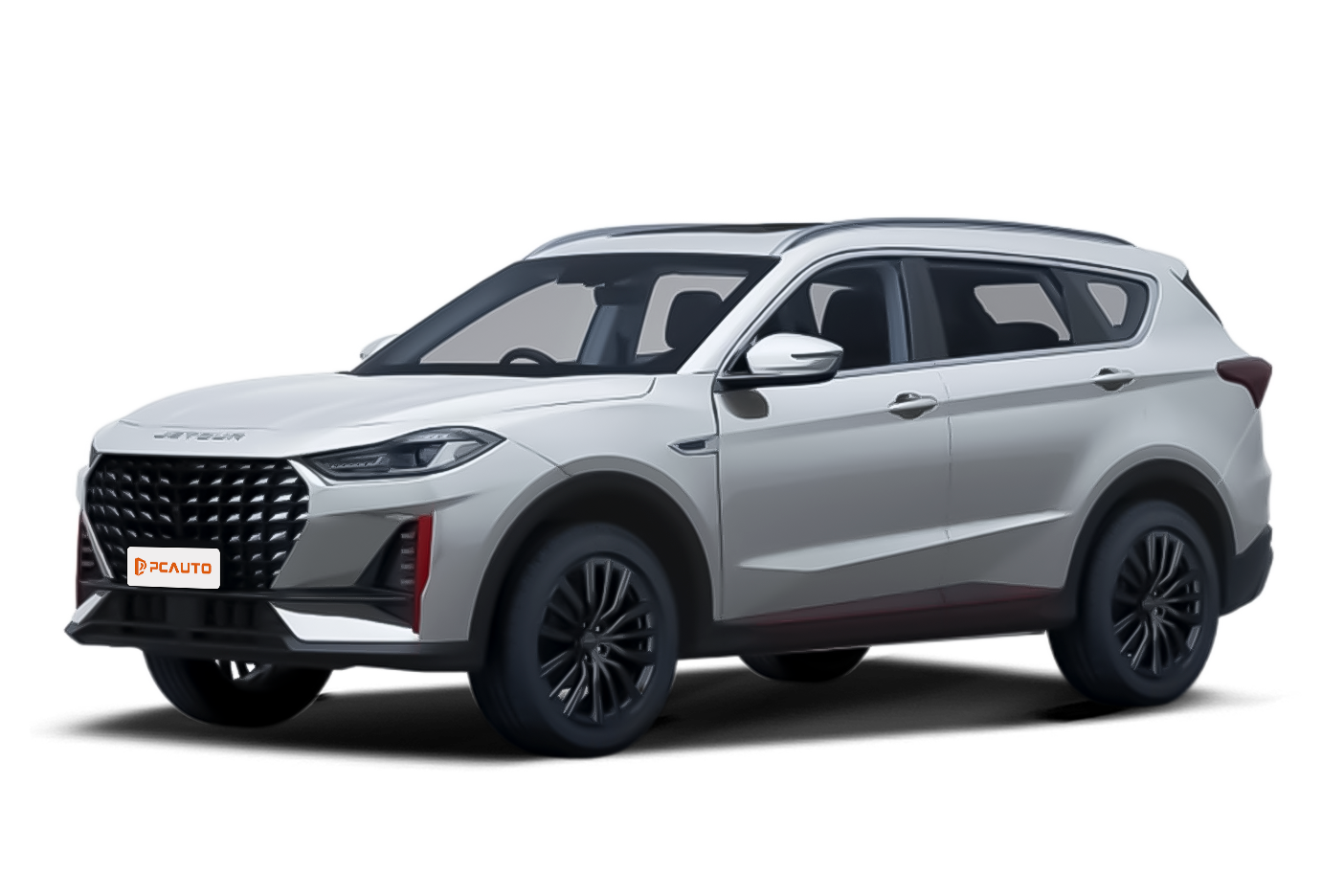
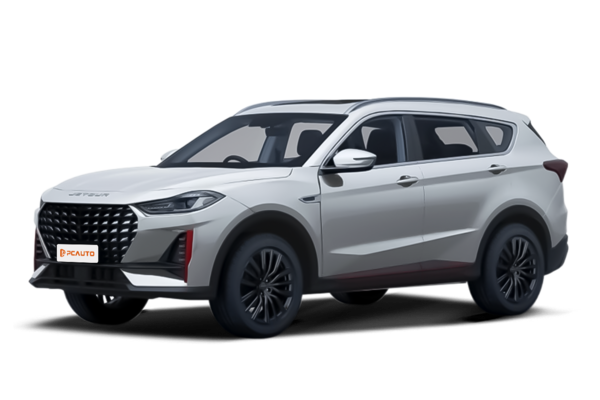
2025 Jetour VT 9 Comfort is a highly cost-effective 7-seater family SUV, featuring practical space, rich configurations, and balanced power, precisely meeting the needs of family short-distance travel.

11
Rank in SUV
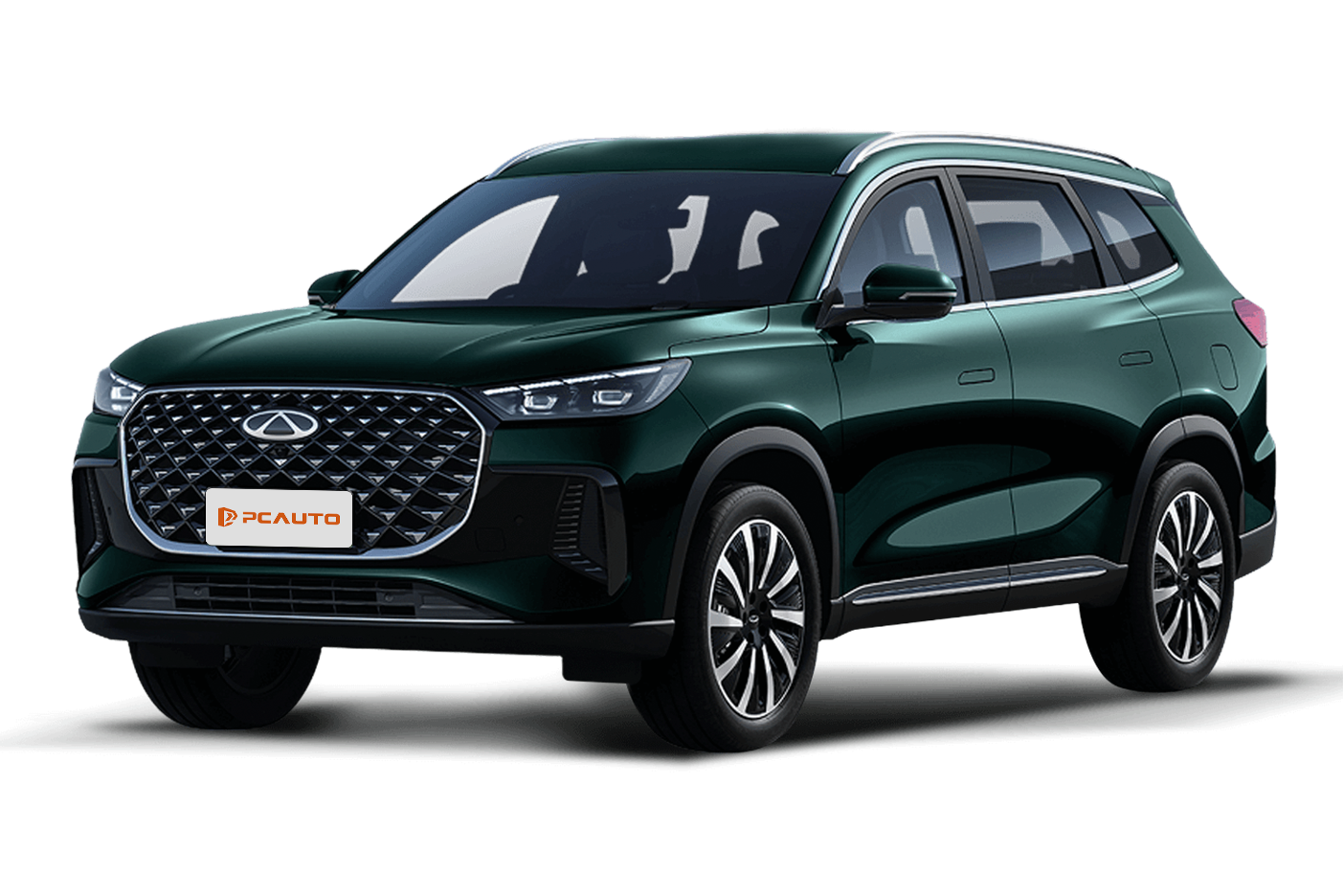
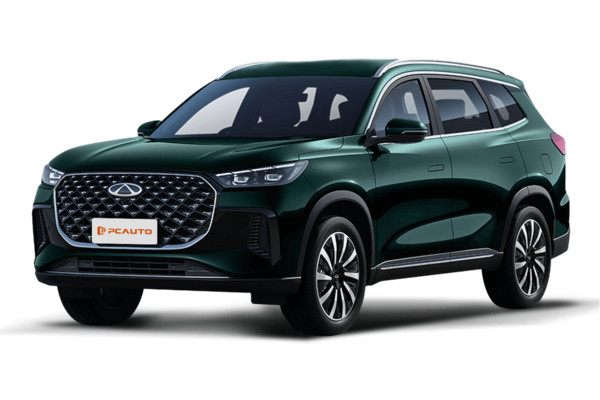
2026 Chery Tiggo 8 is a D-Segment SUV aimed at family users, offering superior configurations, practical space, and smooth power at a high cost-performance ratio, meeting both commuting and light off-road needs.
16
Rank in SUV

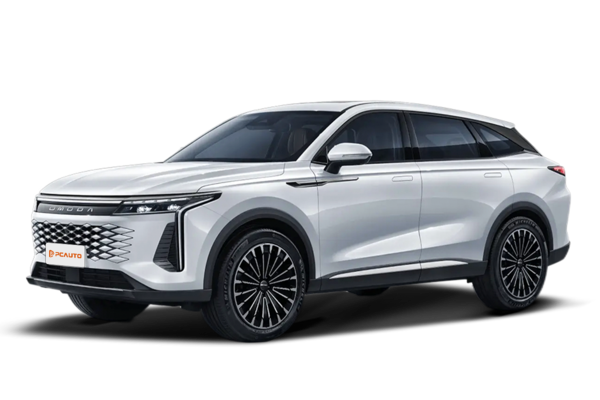
2024 Chery OMODA C9 2WD with 2.0T+8AT powertrain, L2 level assistance, and dual 12.3-inch screens, breaking the stalemate in the D-Segment market and becoming a high-value disruptor.
29
Rank in SUV
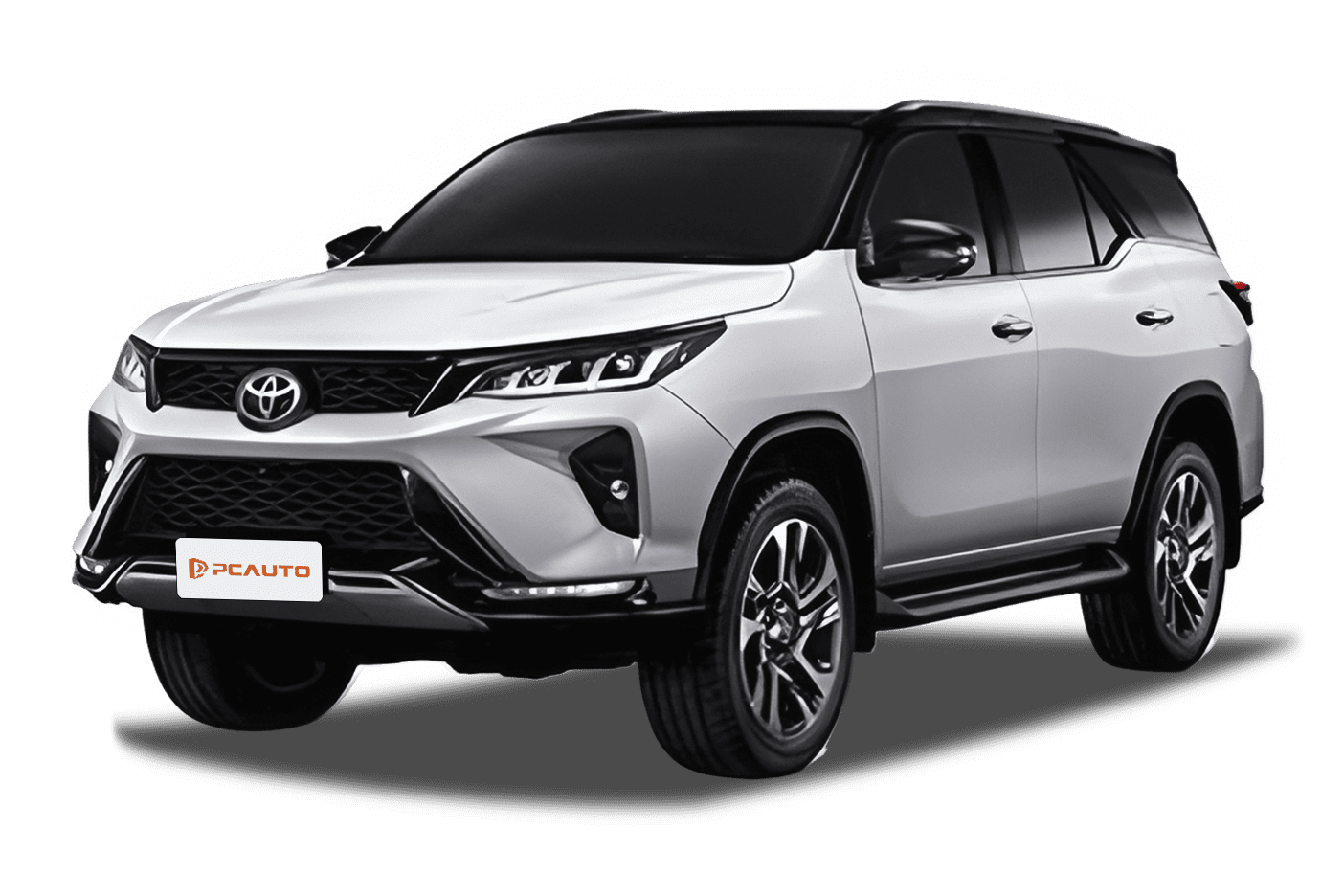
2021 Toyota Fortuner 2.7 SRZ AT 4x4 is a 7-seat SUV that balances family comfort and mild off-road capabilities, with smooth gasoline power and a practical 4x4 system, offering low maintenance requirements suitable for various family scenarios.