

2019 Lamborghini Huracán EVO Review

 Share
Share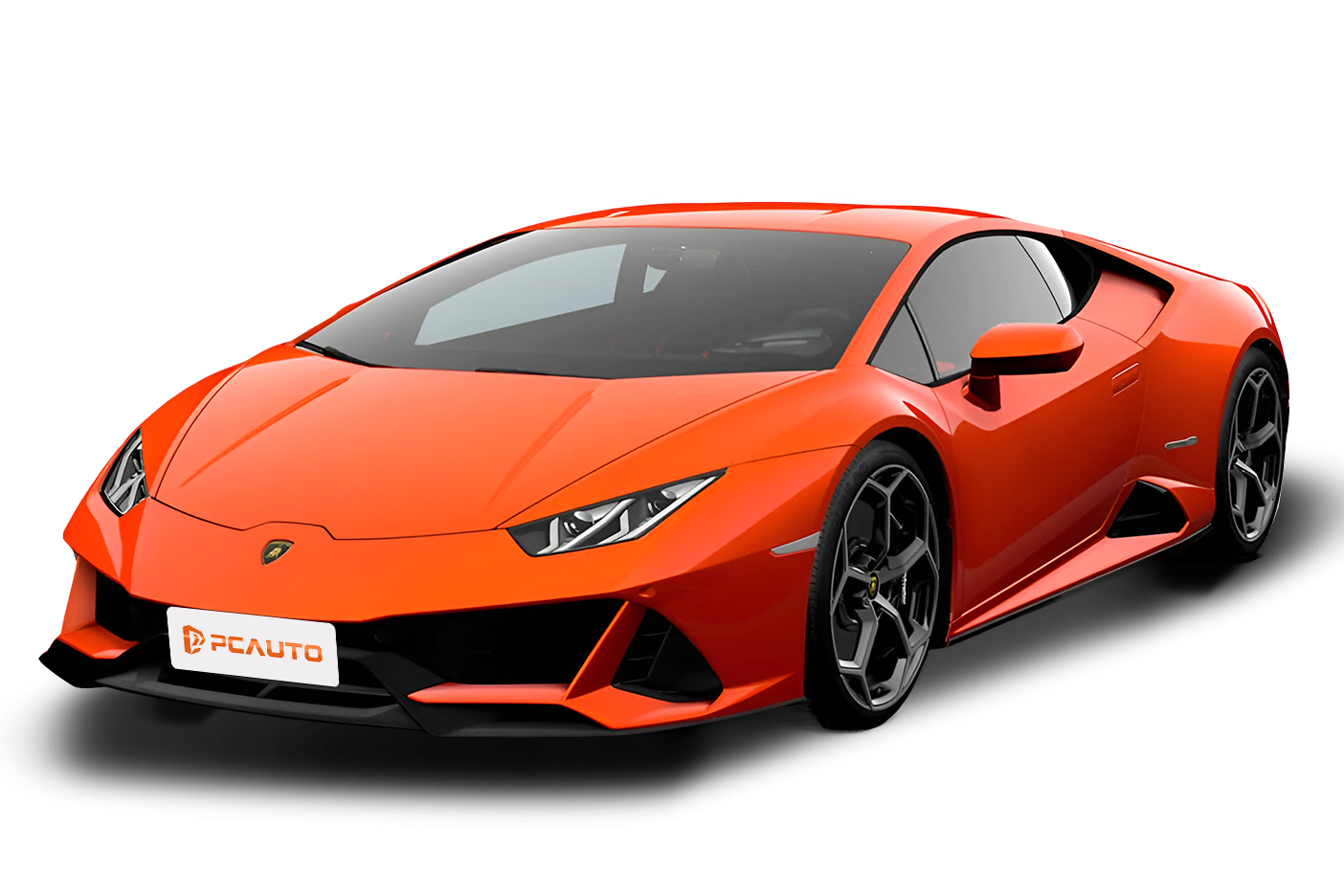
 Segment
 Body Type
 Capacity(L)
 Engine Power(PS)
 Transmission
 Driven Wheels
In recent years, the popularity of the supercar market in Malaysia has been continuously rising. Consumers are no longer just satisfied with the brand halo; their demands for vehicle performance, technological configurations, and everyday practicality are increasing as well. In the mid-engine V10 supercar segment, the 2019 Lamborghini Huracán EVO has been a focus of attention—not only inheriting Lamborghini's iconic wild performance but also featuring upgraded technological configurations. This time, we got a real car, and our main goal is to test its balance between daily driving and extreme performance to see if it truly embodies the dual identities of a "track beast" and a "street weapon."
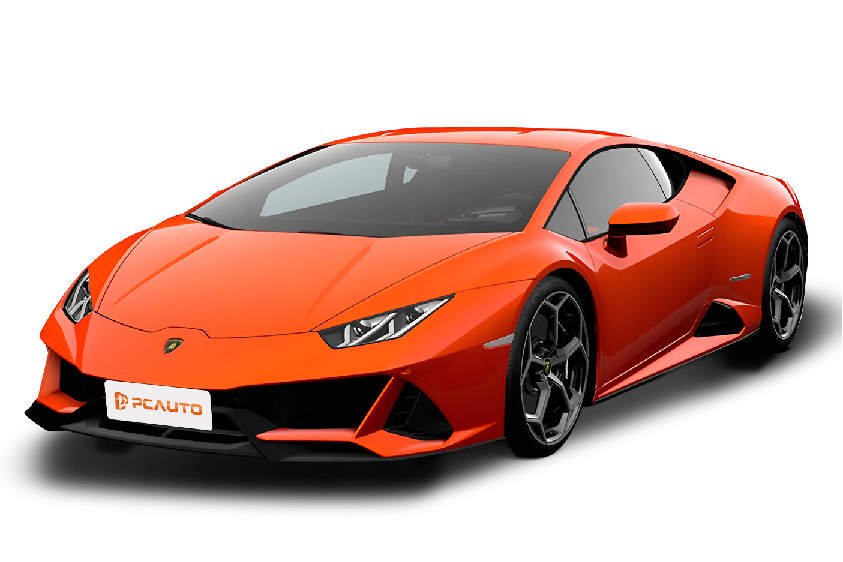
From afar, the overall silhouette of the Huracán EVO continues Lamborghini's iconic wedge-shaped design, with a low slung body and wide track that exude a strong visual impact when parked on the roadside. At the front, the newly designed front bumper features larger air intakes on both sides, not only optimizing aerodynamics but also giving the front a more aggressive look. The LED daytime running lights use a Y-shaped design, which has become a signature element of Lamborghini's recent designs and is highly recognizable. Along the side, sharp body lines run from the front all the way to the rear, while 20-inch multi-spoke wheels further enhance the sporty feel. Notably, the side skirts below the doors have also been aerodynamically optimized to efficiently guide airflow across the body. The most significant changes are at the rear, where the new rear diffuser and quad-exhaust layout complement each other seamlessly; the taillights also adopt the Y-shaped design, creating a visual link with the headlights upfront. The retractable rear spoiler automatically adjusts its angle based on the speed, providing sufficient downforce during high-speed driving.
Opening the door and stepping inside, the interior design of the Huracán EVO leans towards a combat-ready aesthetic without losing a sense of advanced technology. The center console is wrapped extensively in Alcantara material and paired with carbon fiber trim, offering a distinct tactile feel. The seats are sporty bucket seats with excellent wrapping, providing strong support for the waist and legs. The most prominent feature in the center console is an 8.4-inch touchscreen, which has an operation logic similar to that of a smartphone, making it easy to use. This screen integrates the vehicle’s multimedia, navigation, and driving mode adjustment functions, reducing the number of physical buttons and giving the center console a more minimalist look. Notably, the standard Sound Plus audio system delivers clear sound quality when you turn off the exhaust roar. In terms of configurations, features such as keyless entry/start, automatic headlights, and rain-sensing wipers come as standard, making daily use quite convenient.
As a two-door, two-seater supercar, the spatial performance of the Huracán EVO basically meets the expectations of this class. With body dimensions of 4520mm×2236mm×1165mm and a wheelbase of 2620mm, the front seating area is sufficiently spacious, allowing a 180cm passenger to sit without feeling cramped in terms of headroom or legroom. In terms of storage space, there is a small compartment behind the front seats for storing items like phones or wallets. The front trunk has a limited capacity, accommodating only a small carry-on suitcase, which is sufficient for short trips but might seem inadequate for longer journeys.
In terms of power, the Huracán EVO is equipped with a 5.2L naturally aspirated V10 engine, delivering a maximum horsepower of 640PS and a peak torque output at 6500rpm. It is paired with a 7-speed dual-clutch transmission and an all-wheel-drive system. The official 0-100km/h acceleration time is 2.9 seconds. During actual test drives, the power response in the initial stage of acceleration is very direct. When you step on the throttle deeply, the engine's roar transitions from deep to high-pitched, providing continuous and intense thrust. Even during high-speed overtakes, you can still feel ample power reserves. There are three driving modes available: STRADA (Street), SPORT (Sport), and CORSA (Track). In STRADA mode, the gear shifts are smooth, and the suspension is relatively soft, making it suitable for daily commute. In SPORT mode, the exhaust sound becomes more aggressive, gear-shifting speed increases, and throttle response becomes quicker. CORSA mode is designed for track use, where the vehicle's electronic stability systems are less restrictive, allowing the driver to experience more driving fun.
Handling and chassis performance are among the highlights of the Huracán EVO. The front and rear suspensions adopt a double-wishbone independent structure, tuned for sportiness without compromising comfort. While driving on city roads, the suspension can filter out most minor bumps, ensuring that passengers do not feel overly rigid. In corners, the suspension provides excellent support with minimal body roll. The steering wheel is highly precise, with almost no play, allowing the driver to clearly perceive the trajectory of the wheels. The all-wheel-drive system reasonably distributes power to the front and rear wheels during cornering, enhancing vehicle stability. Even on slippery roads, acceleration does not cause noticeable wheel slip.
As for fuel consumption, being a high-displacement supercar, the Huracán EVO's fuel consumption meets expectations. During city traffic, fuel consumption is approximately 18-20L/100km, while during highway cruising, it can drop to around 10-12L/100km. Regarding braking performance, the ventilated disc brakes both front and rear perform consistently. The brake pedal has a linear feel, and during emergency braking, the vehicle maintains good posture without significant nose-diving.
In terms of driving comfort, the Huracán EVO performs well among supercars of the same class. In STRADA mode, the vehicle's noise control is relatively good, with tire noise and wind noise not being overly prominent. In SPORT or CORSA mode, the exhaust roar becomes the primary sound source, creating a strong driving atmosphere. The seat comfort is also commendable; although these are sporty bucket seats, the padding is relatively soft, ensuring comfort during long drives.
Overall, the 2019 Lamborghini Huracán EVO's core advantages lie in three aspects: First, its powerful naturally aspirated V10 engine provides a linear yet aggressive acceleration experience. Second, its balanced handling and comfort allow for both thrilling track performance and daily city commutes. Third, technological upgrades, including the touch screen and audio system, enhance the convenience of daily usage. Compared to peers like the Ferrari F8 Tributo, the Huracán EVO's all-wheel-drive system offers better stability on slippery roads, and the naturally aspirated engine's sound is more distinctive.
The target audience for this car is quite clear: firstly, consumers who pursue supercar performance while occasionally needing a daily driver; secondly, enthusiasts who love the sound of a naturally aspirated engine and are not satisfied with turbocharged models; and finally, users who value brand recognition and want a car that combines aesthetics with practicality.
Overall, the 2019 Lamborghini Huracán EVO is a "well-rounded" supercar. It not only retains Lamborghini's iconic performance and aesthetics but also enhances daily practicality and technological features, making it a worthwhile choice in the mid-engine V10 supercar segment.
Lamborghini Huracán Car Compare
Lamborghini Huracán Loan Calculator
More Lamborghini Reviews
Cars With Similar Price And Features
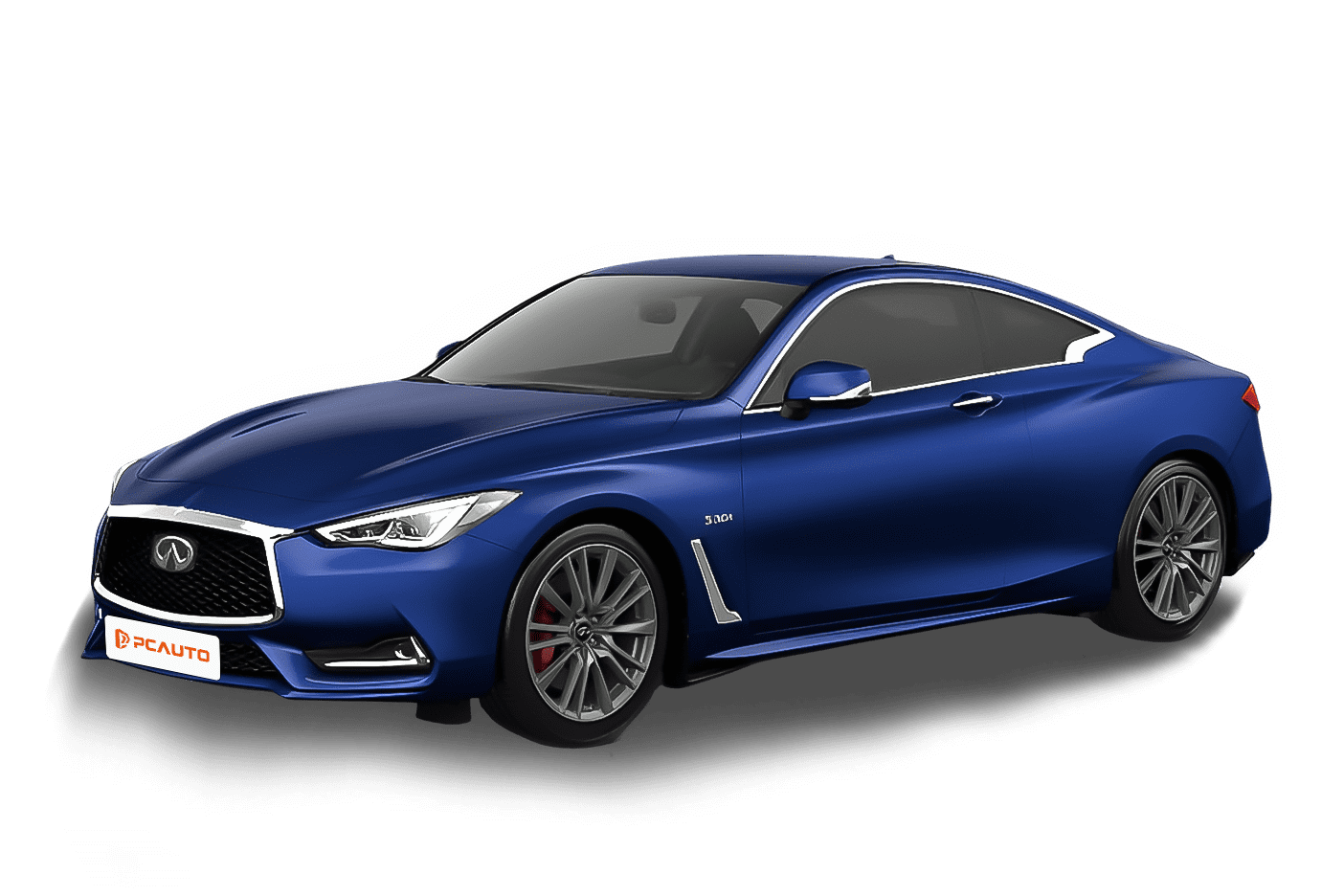
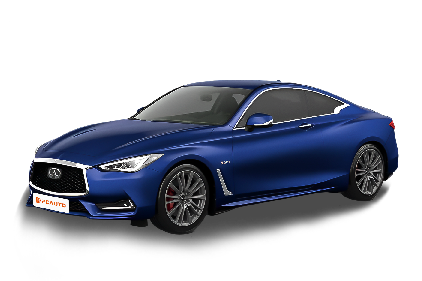
2017 Infiniti Q60 2.0t is a luxury coupe that balances sporty design and daily practicality, featuring a family-style exterior, BOSE audio system, and balanced power as its core selling points.
1
Rank in Coupe
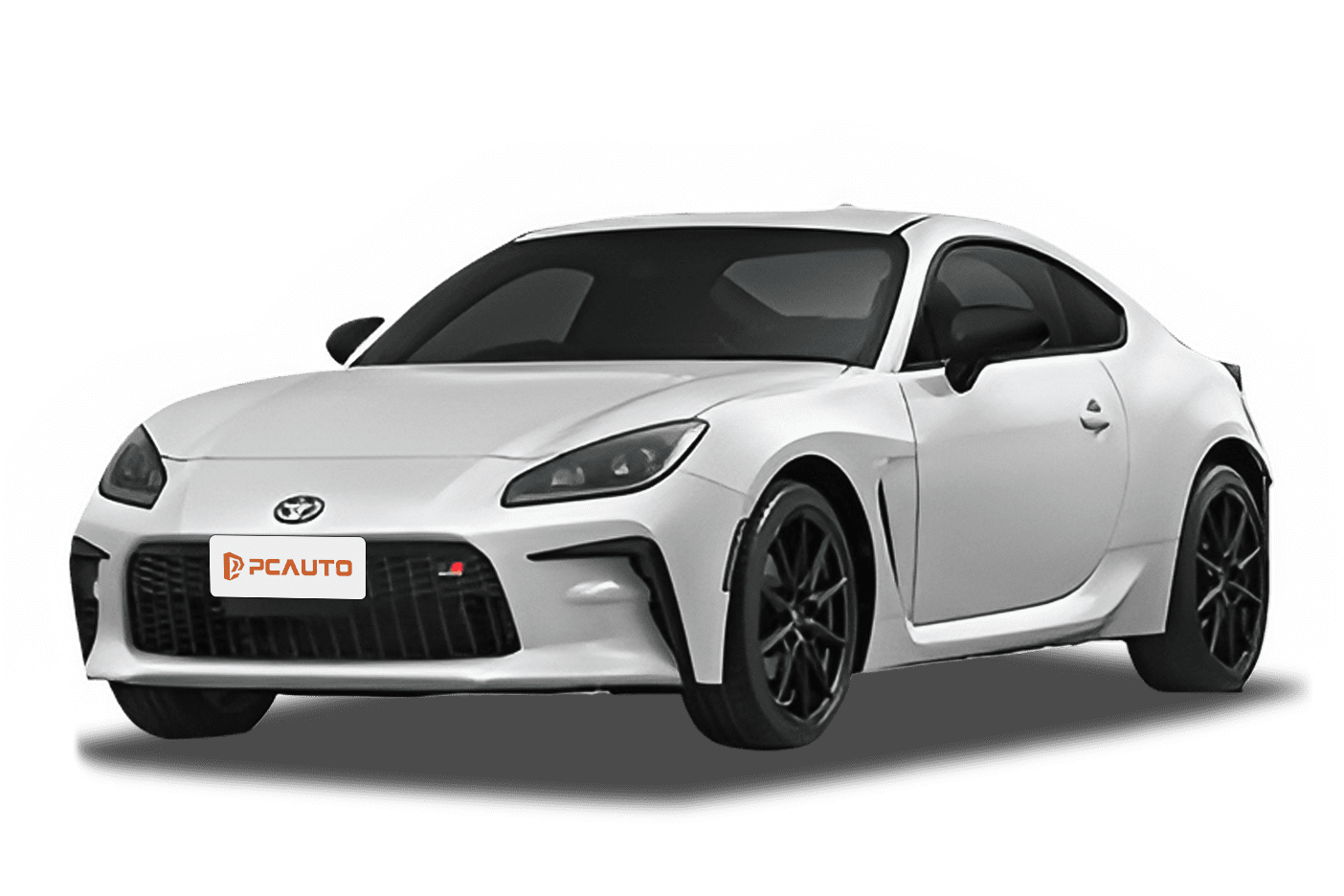
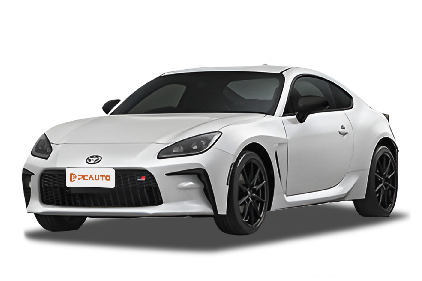
2023 Toyota GR 86 2.4 AT is a rear-wheel-drive sports coupe upgraded with a 2.4L naturally aspirated engine to address low torque issues, balancing daily commuting with pure driving pleasure.
10
Rank in Coupe
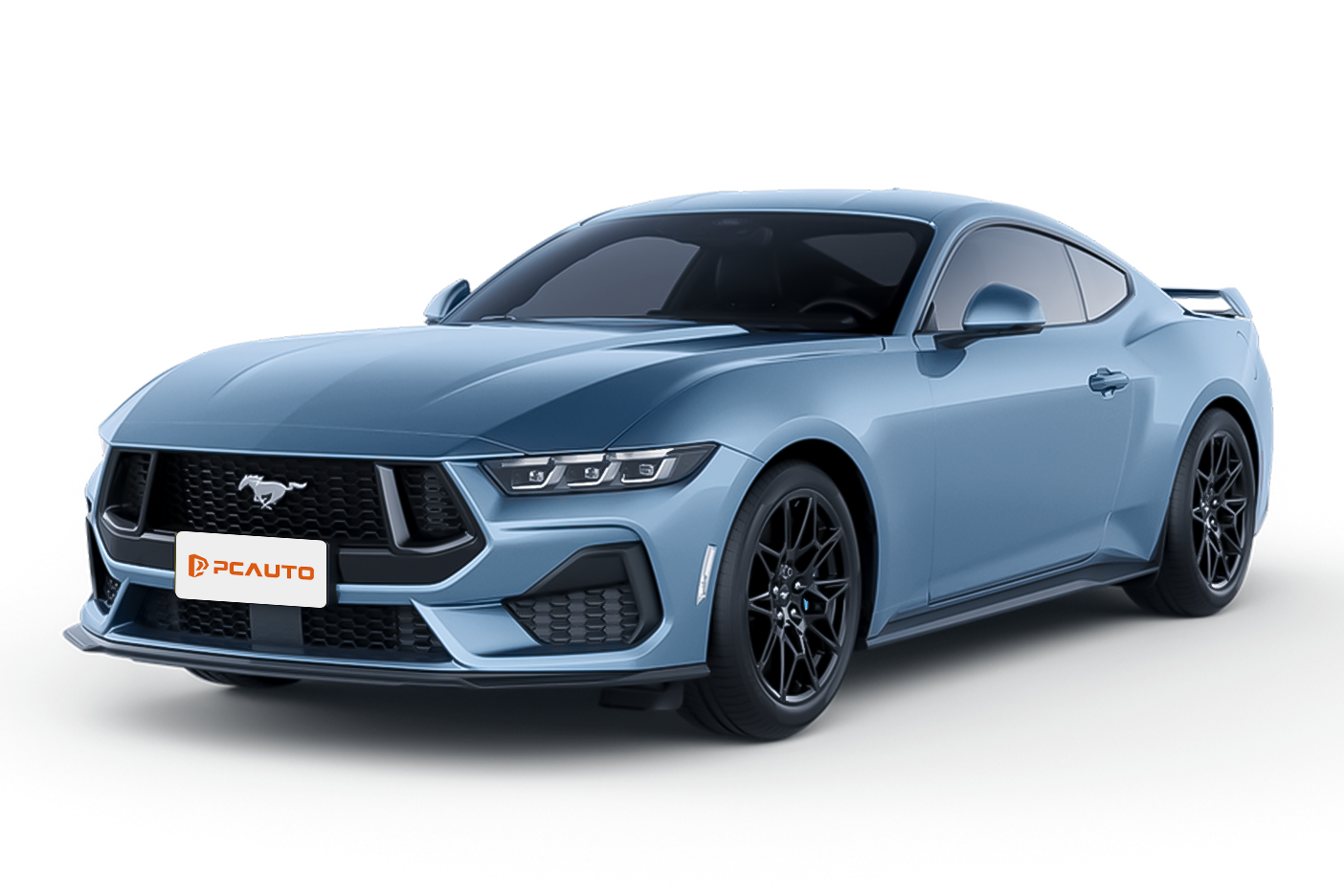
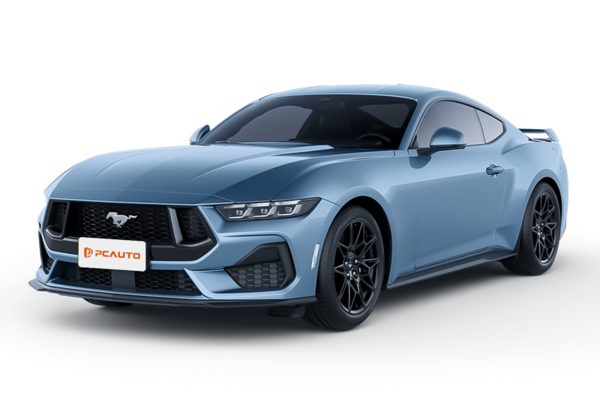
2018 Ford Mustang 2.3 EcoBoost retains the classic muscle car appearance with high cost performance, the 2.3T engine delivers 310PS horsepower, balancing performance and practicality for daily driving.
6
Rank in Coupe
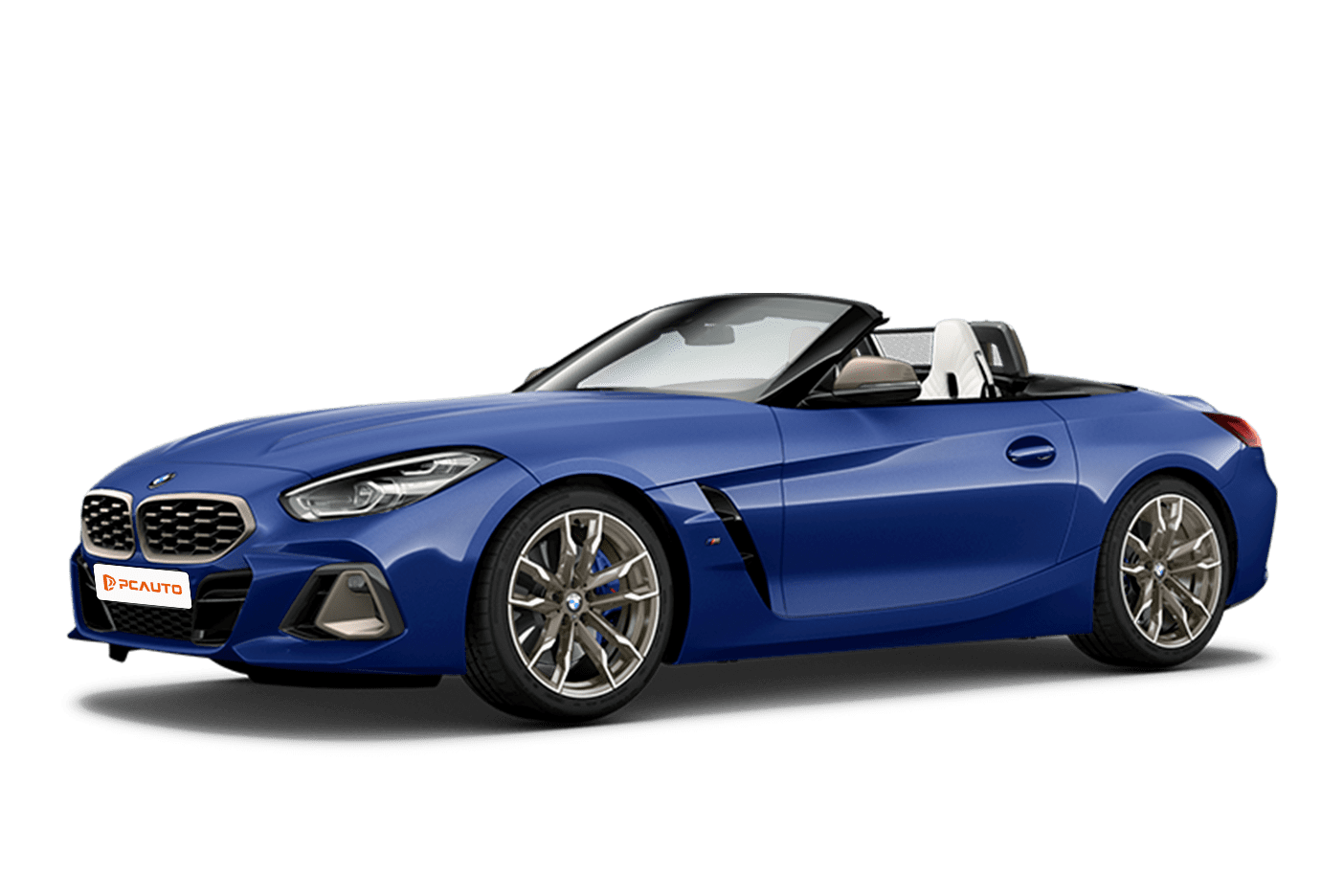
2023 BMW Z4 public, as a classic rear-wheel-drive convertible sports car, balances driving pleasure and daily practicality, with class-leading intelligent features and a compact body precisely meeting the needs of Malaysian users.