

2019 Lamborghini Huracán Evo Spyder Review

 Share
Share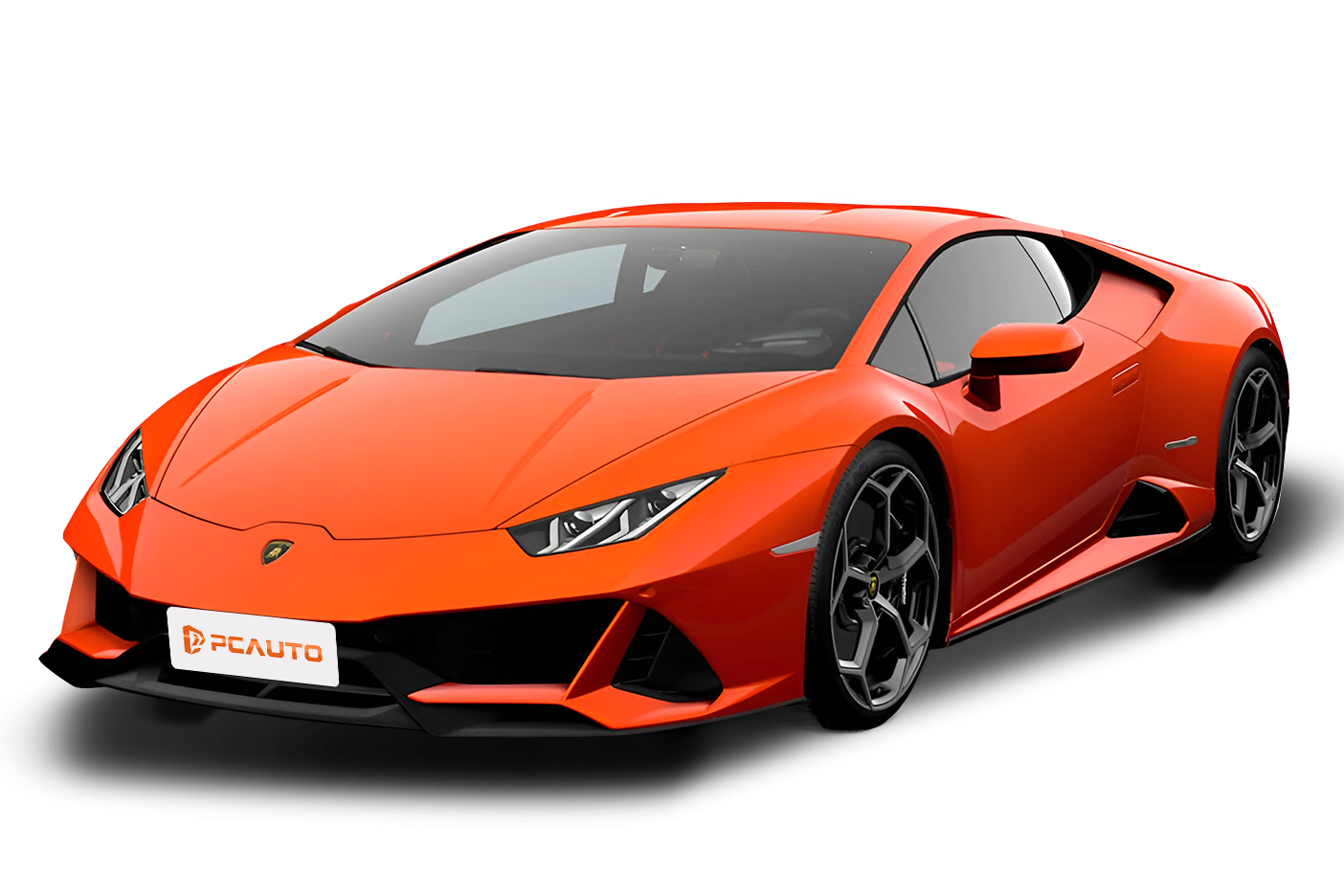
 Segment
 Body Type
 Capacity(L)
 Engine Power(PS)
 Transmission
 Driven Wheels
The Malaysian consumers in the supercar market are increasingly emphasizing the balance between "daily usability" and "explosive performance". The Lamborghini Huracán Evo Spyder is a niche model that combines the fun of open-top driving with track-worthy performance to meet such demands. It is equipped with a 640-horsepower naturally aspirated V10 engine, paired with an all-wheel-drive system, and has an official 0-100km/h acceleration time of just 3.1 seconds while retaining the classic design of the Huracán series. This piques our curiosity: does the convertible version compromise on performance? And can it truly balance daily driving with comfort? Our test drive this time focuses on evaluating its power response, handling performance in the open-top state, and practicality as a daily driver.
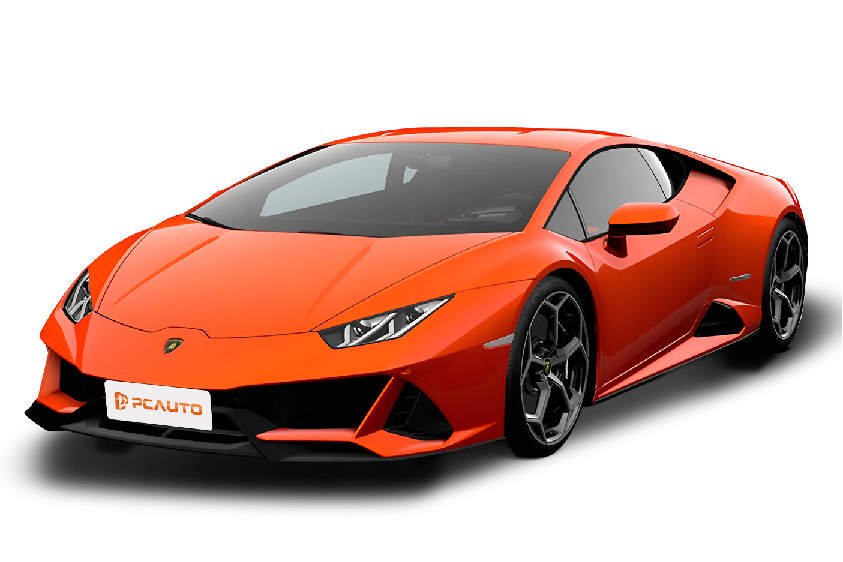
From a distance, the Huracán Evo Spyder maintains the low-slung stance of the coupe. The body measures 4520mm in length, 2236mm in width, only 1165mm in height, with a wheelbase of 2620mm — compact proportions with an aggressive appeal. The front features the family-style Y-shaped daytime running lights connected to the large air intake grille, while the lower lip is enhanced with aerodynamic design for improved high-speed stability. The side profile shows smooth lines with a character line running through the door handles from the A-pillar to the rear. The 10-spoke 20-inch rims, paired with front 245/30 R20 and rear 305/30 R20 tires, provide a strong visual impact. The rear is dominated by the centrally located triple exhaust layout, while the carbon-fiber rear wing above adjusts its angle automatically based on speed. The taillights use full LED technology, offering high recognizability when lit at night. The soft-top convertible mechanism completes opening or closing within 17 seconds and can be operated at speeds below 50km/h. Even when retracted, the car's lines remain smooth without protrusions.
Opening the door, the keyless entry system automatically unlocks, and upon sitting in the driver's seat, the first thing noticeable is the racing-inspired interior ambiance. The seats, upholstered in a combination of Alcantara and leather, provide a strong embrace and support electric adjustment. The center console is driver-focused, with an 8.4-inch touchscreen located below the dashboard. The user interface is simple and supports CarPlay and Android Auto. The Sound Plus audio system offers clear sound quality with its 10 speakers. The multifunctional steering wheel integrates buttons for driving mode selection, lighting control, and more, while the paddle shifters are made of metal, providing a firm grip. In terms of materials, the instrument panel and door panels are covered extensively in Alcantara, with carbon fiber trim accentuating the details. The overall texture aligns with the supercar's premium positioning. As for storage space, the central armrest box can only accommodate a phone and small items, the door pockets barely fit a water bottle, and the trunk offers about 100 liters of capacity when the top is closed, enough for just a carry-on suitcase — making practicality lean towards "short trips."
Upon starting the engine, the roar of the naturally aspirated V10 directly fills the cockpit. The 5.2L engine delivers a maximum output of 640PS (8000rpm) and a peak torque of 600N·m (6500rpm). Paired with a 7-speed DCT transmission, the power response feels near-instantaneous. In Strada mode, the throttle tuning is relatively mild, and gear shifts are smooth, making it suitable for daily city driving. Switching to Sport mode, the transmission shifts faster, with noticeable throttle blipping during downshifts, and the push-back sensation during acceleration continues above 7000rpm. Overtaking only requires a deep press on the throttle, with power responding instantly. The official 0-100km/h acceleration time is 3.1 seconds. In actual tests, after turning off the ESP and launching the car, the tires experienced brief slippage before the all-wheel-drive system quickly intervened, stabilizing the body for a burst forward. The acceleration experience matches the official data.
In terms of handling, the front double-wishbone independent suspension and rear double-wishbone independent suspension are tuned on the stiff side, but retain a degree of comfort. During daily driving, when encountering speed bumps or uneven roads in Malaysian cities, the suspension can filter out minor bumps and doesn’t feel overly jarring; on mountain roads, the suspension showcases its support, with minimal body roll during cornering. The steering wheel is precise and has almost no play, the all-wheel-drive system distributes power reasonably, and the car remains stable even when cornering on rainy days. With the roof down, there is no significant reduction in body rigidity, and the car remains solid during high-speed cornering. However, wind noise is slightly louder than the hardtop version but still within an acceptable range.
In terms of fuel consumption, during city driving with frequent acceleration and deceleration, the fuel consumption is approximately 18L/100km; during highway cruising, the fuel consumption decreases to around 11L/100km, which is in line with expectations for a large-displacement V10 engine. Braking performance is excellent, with front ventilated discs combined with large calipers. The brake pedal feedback is linear, and the vehicle remains stable during emergency braking without significant nosedive. Regarding noise control, with the convertible top closed, wind and tire noise are well-controlled at highways speeds of 120km/h, and the engine noise in normal mode is not overly intrusive. With the convertible top opened, wind noise increases with speed, but the V10's roar is more direct in this state, significantly enhancing the driving pleasure.
In summary, the core highlights of the Huracán Evo Spyder include: the pure sound of a 640-horsepower naturally aspirated V10 engine, 0-100 km/h acceleration in 3.1 seconds, the convenience of a 17-second convertible top operation, and relatively manageable daily driving characteristics. Compared to its peer, the Ferrari F8 Spider, its naturally aspirated engine offers a more thrilling sound, and the all-wheel-drive system makes driving on wet roads safer. However, its fuel consumption is slightly higher, and it offers less storage space.
The target audience for this car is very clear: consumers with a certain economic capability, seeking the attention that comes with a supercar, and who occasionally want to drive it to work or for short weekend trips. It is not a purely track-focused tool or a family vehicle, but a convertible supercar that strikes a balance between "fun" and "daily use."
If you are looking for a convertible supercar that lets you enjoy wind noise and engine sound anytime, offers explosive performance, and remains manageable for daily driving, the Huracán Evo Spyder is a highly attractive choice in its class — it redefines "daily usable supercars" with the purity of a V10 engine and the joy of open-top driving.
Lamborghini Huracán Car Compare
Lamborghini Huracán Loan Calculator
More Lamborghini Reviews
Cars With Similar Price And Features
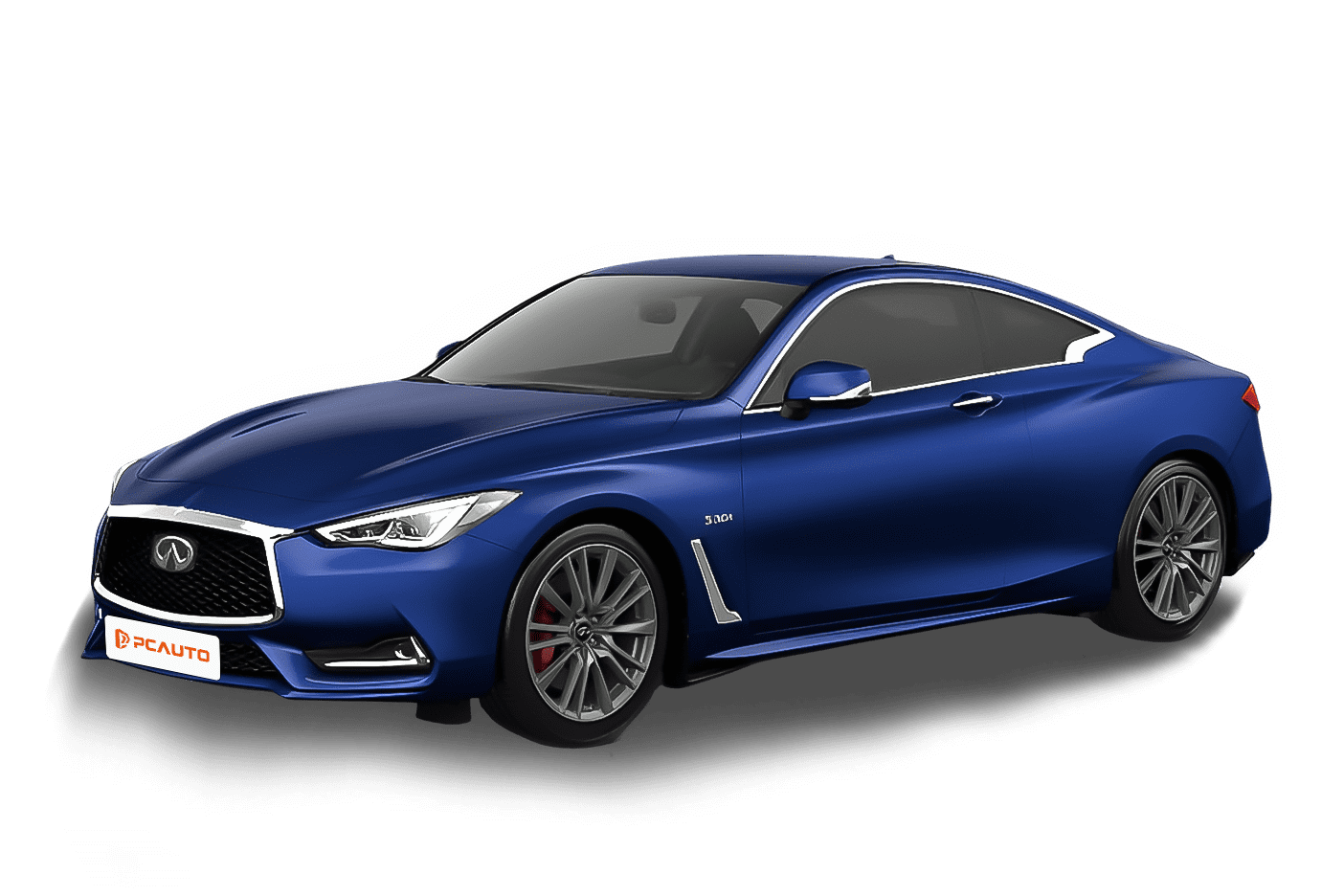
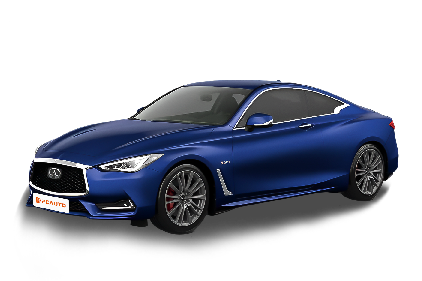
2017 Infiniti Q60 2.0t is a luxury coupe that balances sporty design and daily practicality, featuring a family-style exterior, BOSE audio system, and balanced power as its core selling points.
1
Rank in Coupe
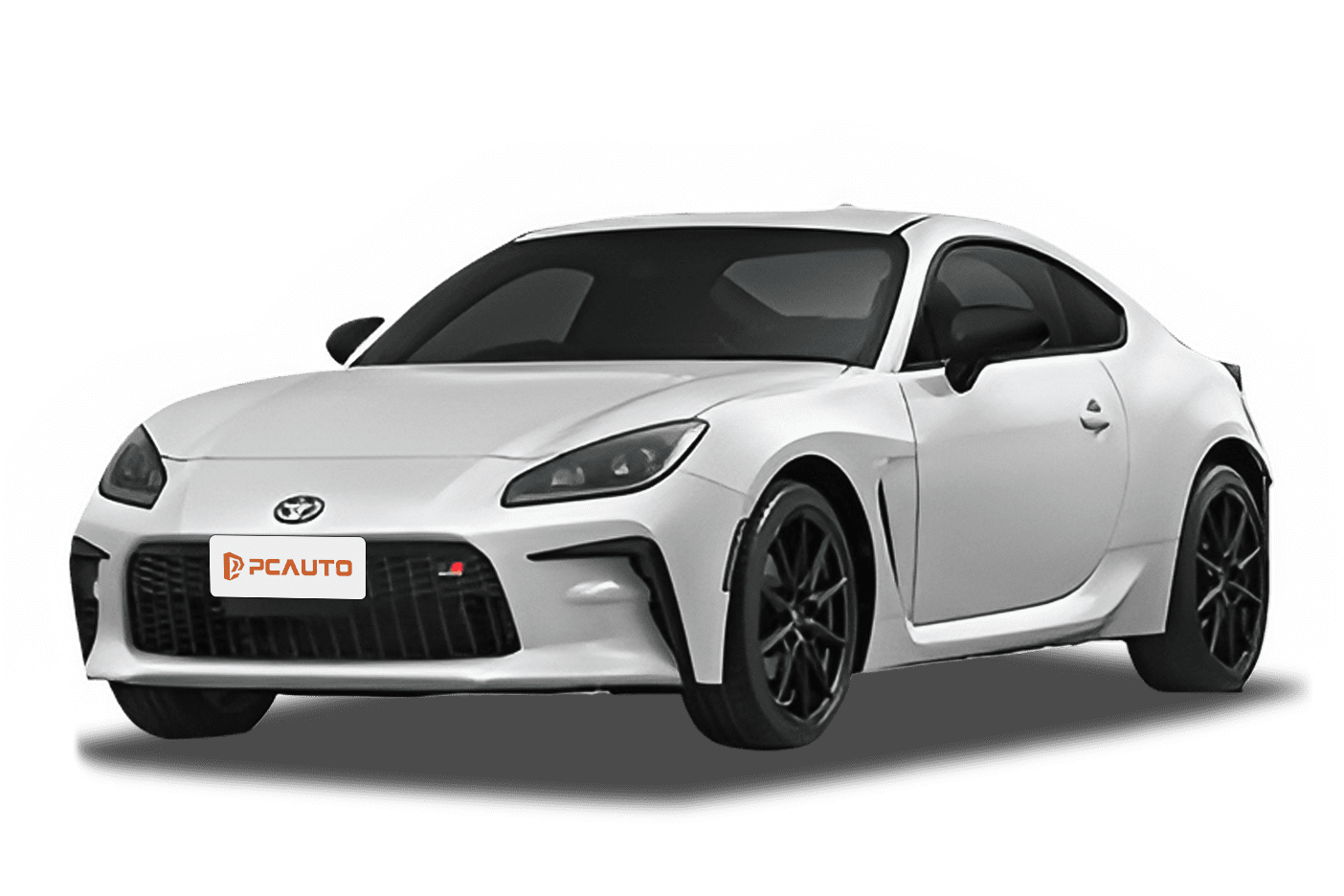
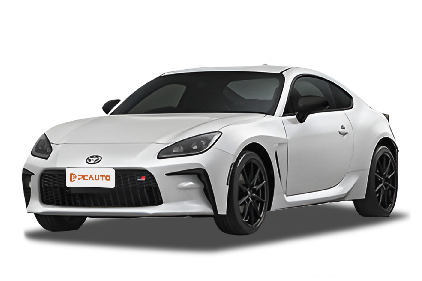
2023 Toyota GR 86 2.4 AT is a rear-wheel-drive sports coupe upgraded with a 2.4L naturally aspirated engine to address low torque issues, balancing daily commuting with pure driving pleasure.
10
Rank in Coupe
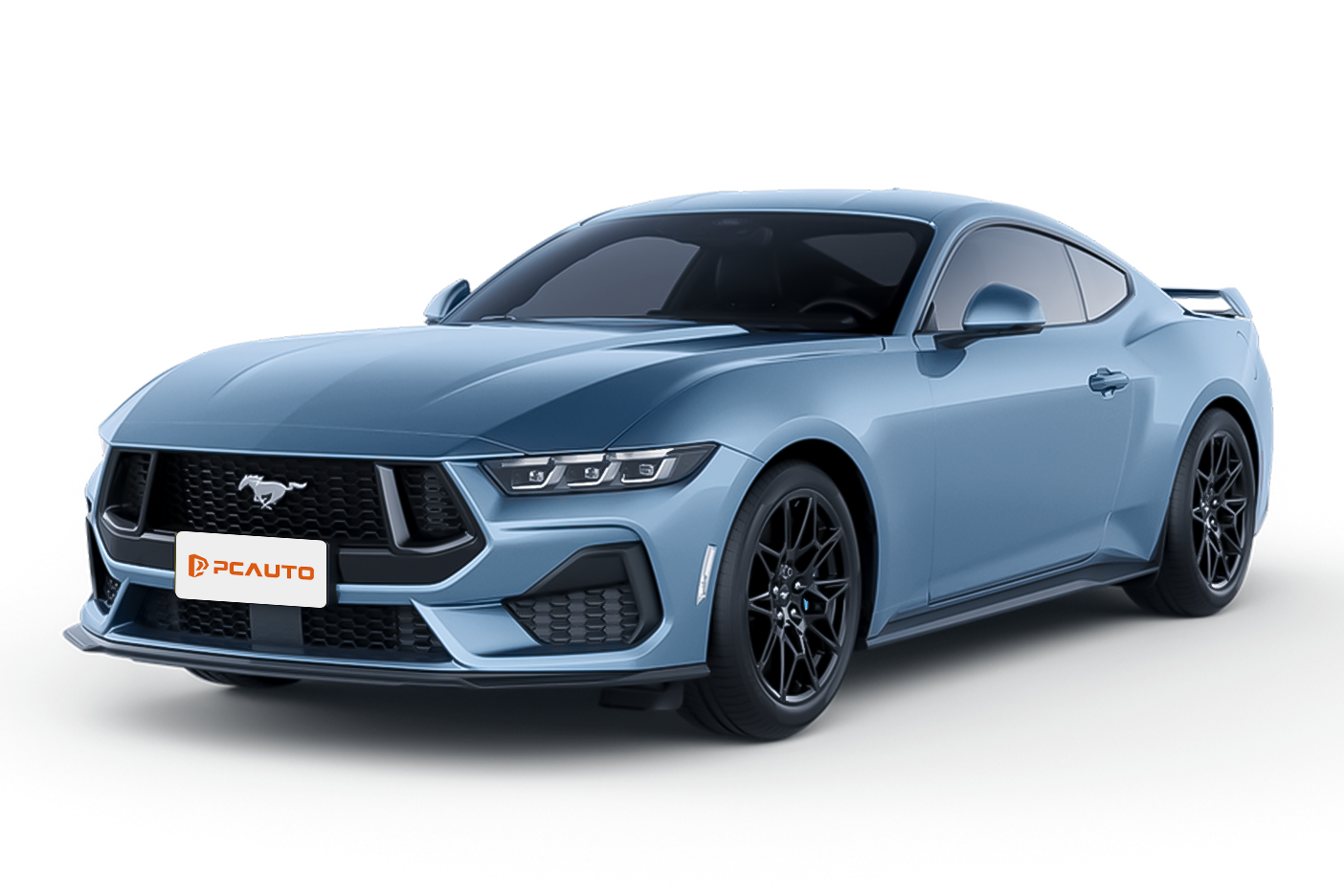
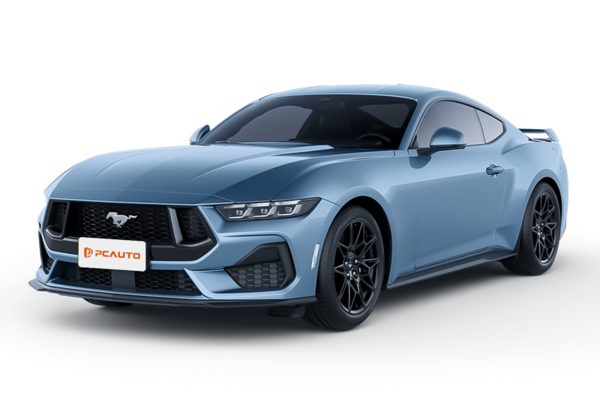
2018 Ford Mustang 2.3 EcoBoost retains the classic muscle car appearance with high cost performance, the 2.3T engine delivers 310PS horsepower, balancing performance and practicality for daily driving.
6
Rank in Coupe
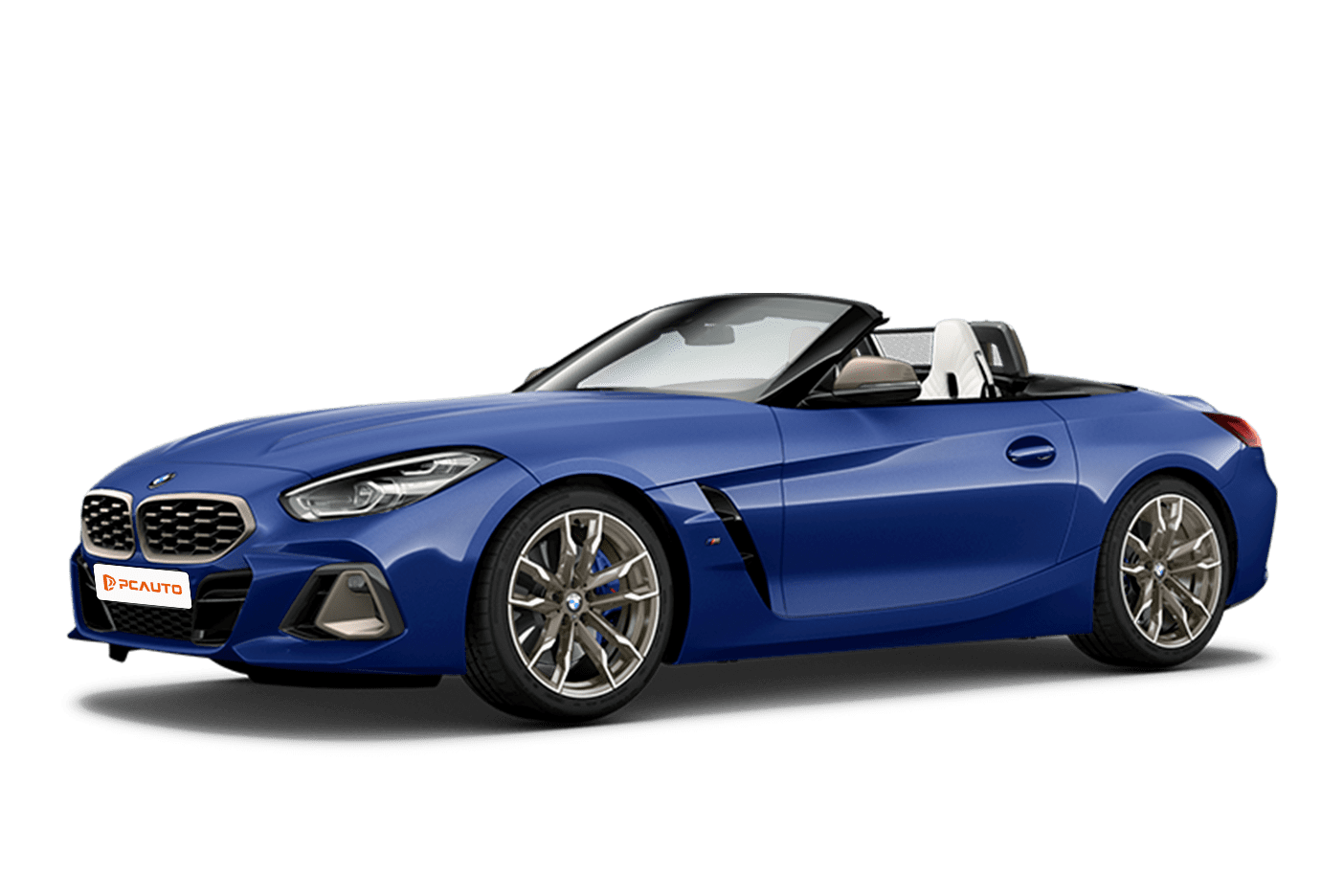
2023 BMW Z4 public, as a classic rear-wheel-drive convertible sports car, balances driving pleasure and daily practicality, with class-leading intelligent features and a compact body precisely meeting the needs of Malaysian users.