

2019 Lamborghini Huracán RWD Review

 Share
Share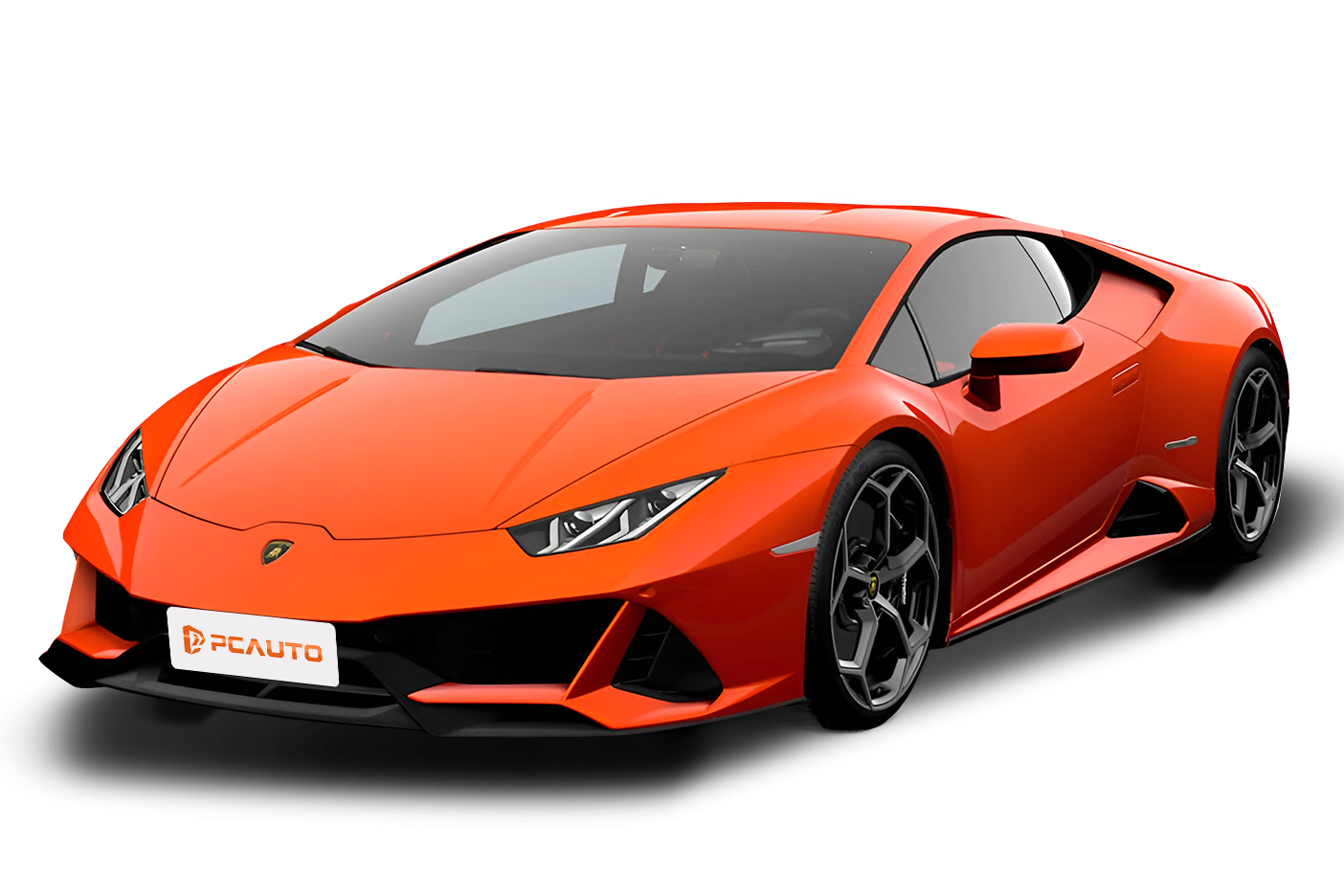
 Segment
 Body Type
 Capacity(L)
 Engine Power(PS)
 Transmission
 Driven Wheels
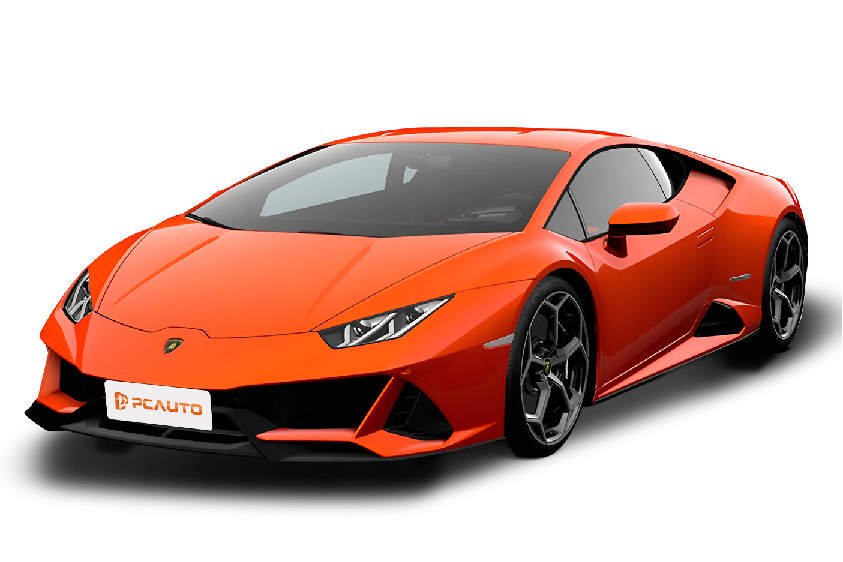
In the Malaysian sports car market, pure rear-wheel-drive V10 models have always been the favorites among niche enthusiasts—they shed the "constraints" of all-wheel-drive systems and amplify driving pleasure. The 2019 Lamborghini Huracán RWD is one such car: with no complex electronic traction control logic, it directly "feeds" its rear wheels with 610 horsepower from the 5.2L naturally aspirated V10. This time, we've got our hands on the actual car, and the key question we aim to answer is: Is it just a "ferocious beast" meant for tearing up the track, or can it also be a "big toy" suitable for occasional everyday joyrides?
At first glance, the Huracán RWD is easy to spot in traffic. The overall design follows Lamborghini's signature wedge shape. Its low and wide stance screams aggression even when stationary. The front fascia has no unnecessary embellishments; the hexagonal air intake grille is slightly smaller than the all-wheel-drive version but still conveys a sense of racing spirit, thanks to the internal honeycomb structure and the air channels on both sides. The lines along the sides of the car are sharp, with a waistline extending from the A-pillar to the rear, positioned just below the door handles. Together with the 19-inch multi-spoke wheels (245/35 R19 at the front, 305/35 R19 at the rear), the car's visual center of gravity appears very low. The rear is a highlight, featuring a slim, continuous LED tail light strip that aligns perfectly with the small rear spoiler above. Below, the dual twin exhaust pipes are exposed, making it clear it’s not to be trifled with just from the rumbling exhaust note. The lighting system is fully LED, with automatic headlights and turn-assist functions as standard features, offering high recognition when illuminated at night.
Sitting inside, you'll immediately notice Lamborghini's straightforward commitment to "driver-first" design. Most of the interior is wrapped in Alcantara and leather, giving it a solid and premium tactile feel. The center console layout is entirely driver-oriented: the 12.3-inch touch infotainment screen is angled roughly 15 degrees towards the driver, and essential functions like navigation and media can be switched with a single touch. The multifunctional steering wheel is perfectly sized, with driving mode selection (Strada, Sport, Corsa) on the left and volume and phone controls on the right. The buttons offer clear tactile feedback, allowing you to operate them without looking down. In terms of configuration, it doesn’t go overboard with flashy features, but it has all the essentials: keyless entry/start, rain-sensing wipers, a Sound Plus audio system (standard with 10 speakers). The seats are sporty bucket seats with excellent support for your waist and legs, both of which can be manually adjusted. While the seats might not be “comfortable” for long-distance travel, they’re good enough for trips of two to three hours.
As for space, don’t expect it to be as accommodating as a family car. With a 2620mm wheelbase, it features a standard two-seat layout. For a person 175cm tall, there’s about one fist of headroom left when seated in the front, and legroom depends entirely on how the seat is adjusted. Either way, you'll find yourself driving in a "half-lying" position. Storage capabilities are almost negligible: the central armrest box can hold a phone, the door slots can barely fit a single water bottle, and the front trunk can accommodate one carry-on suitcase—enough for groceries or a short business trip. Then again, let’s be honest, people who buy supercars are unlikely to use them for hauling cargo.
Driving it feels like the real "home ground" for the Huracán RWD. The naturally aspirated 5.2-liter V10 engine is genuinely powerful, delivering 610 horsepower that bursts out at 8000 rpm, with 560 Nm of torque fully unleashed at 6500 rpm — which means you need to push the revs high to really "wake it up." The DCT gearbox responds quickly: in Strada mode, gear shifts are smooth and suitable for daily commuting; switch to Sport mode, and the shift time shortens to 0.2 seconds. When you step on the accelerator, the rear of the car will sway slightly (if you dare to give it more gas), and the acceleration thrust presses you firmly into the seat. Corsa mode is even more extreme; the shifting logic is entirely designed for the track. When you release the accelerator, it'll even blip the throttle with backfire. The exhaust roar turns from a deep growl into a sharp scream, and just listening to it gets your adrenaline pumping. The official 0-100 km/h acceleration is 3.3 seconds, and actual testing corroborates this fairly closely. Being a rear-wheel-drive car, the rear wheels do tend to slip at launch, so controlling throttle application is key to achieving the best results.
The handling and chassis are its strong points. The front and rear both use double-wishbone independent suspension. In Strada mode, the suspension softens a bit, allowing it to absorb speed bumps without tossing you around. In Sport mode, the suspension stiffens up, delivering more precise road feedback, so much so that you can feel every small pebble through the steering wheel. The steering is shockingly precise, with no dead zones—turn the wheel, and the car goes exactly where you point it. When cornering, body roll is minimal, and the rear-wheel tracking performs well as long as the speed is kept within reasonable limits. Of course, if you suddenly give a lot of throttle mid-corner, it will "kick out," but this controllable sliding is part of the joy of rear-wheel drive. The braking system is ventilated disc brakes, with a linear pedal feel. The braking force is evenly distributed from the initial phase to the final stage. During emergency braking, the car remains stable with no noticeable nose dive.
For daily driving, it’s actually not as “hard to handle” as you might think. Noise control is better than expected. Cruising below 60 km/h, tire and wind noise are not prominent, with only the low-frequency hum of the engine entering the cabin. Above 100 km/h, wind noise increases but remains within an acceptable range. As for fuel consumption, we drove 100 km in mixed conditions (30% city and 70% highway), and the display showed an average fuel consumption of 15.8 L/100 km. For a V10 supercar, this figure is relatively "fuel-efficient," though, of course, if you keep stomping on the gas in Corsa mode, the consumption could easily exceed 20 L/100 km.
To sum up, the core advantages of the 2019 Huracán RWD are crystal clear: pure rear-wheel-drive driving pleasure, the linear power delivery of the naturally aspirated V10, and Lamborghini’s iconic design and exhaust note. Compared to its class counterparts, it’s 33 kilograms lighter and more budget-friendly than the all-wheel-drive Huracán Evo (although the official price in Malaysia hasn’t been announced, it’s estimated to be 10-15% cheaper than the AWD model). Compared to competitors like the Ferrari 488 GTB, it lacks the "abruptness" of a turbocharged engine; the smoothness and high-revving sound of a naturally aspirated engine are more appealing to traditional enthusiasts.
Who is it for? Not newly licensed drivers or those looking for a comfortable family car. It’s for true car enthusiasts who love driving. If you occasionally enjoy mountain road trips on weekends or track-day lap times, and you can accept its "impracticality" for daily use, then the Huracán RWD is definitely a great choice. It’s not a "perfect" car, but it’s definitely "pure" enough. In an era increasingly dominated by electrification, such supercars that prioritize driving pleasure will only become rarer.
Overall, the 2019 Lamborghini Huracán RWD is a "driver-focused" rear-wheel-drive supercar. Without the compromises of an all-wheel-drive system, it delivers the most direct driving feedback with the roar of a V10 engine and rear-wheel drifts. If you're looking for a "big toy" that can occasionally commute while tearing it up on the track, it deserves a spot on your shortlist.
Lamborghini Huracán Car Compare
More Lamborghini Reviews
Cars With Similar Price And Features
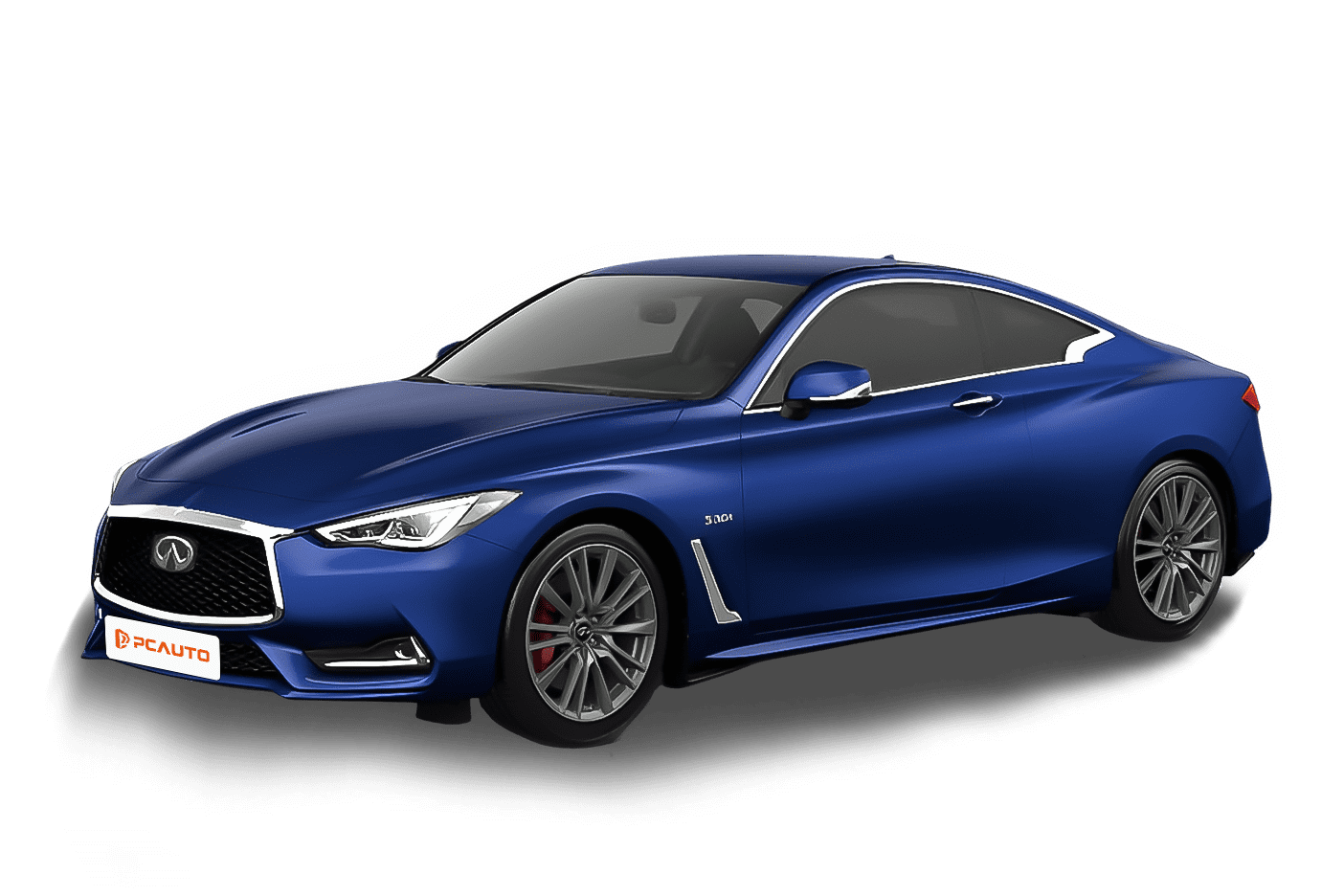
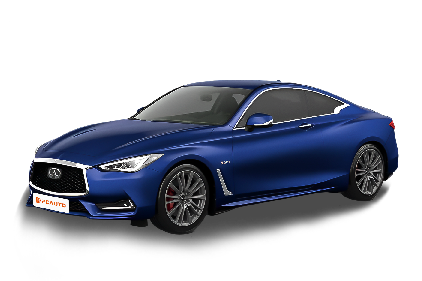
2017 Infiniti Q60 2.0t is a luxury coupe that balances sporty design and daily practicality, featuring a family-style exterior, BOSE audio system, and balanced power as its core selling points.
1
Rank in Coupe
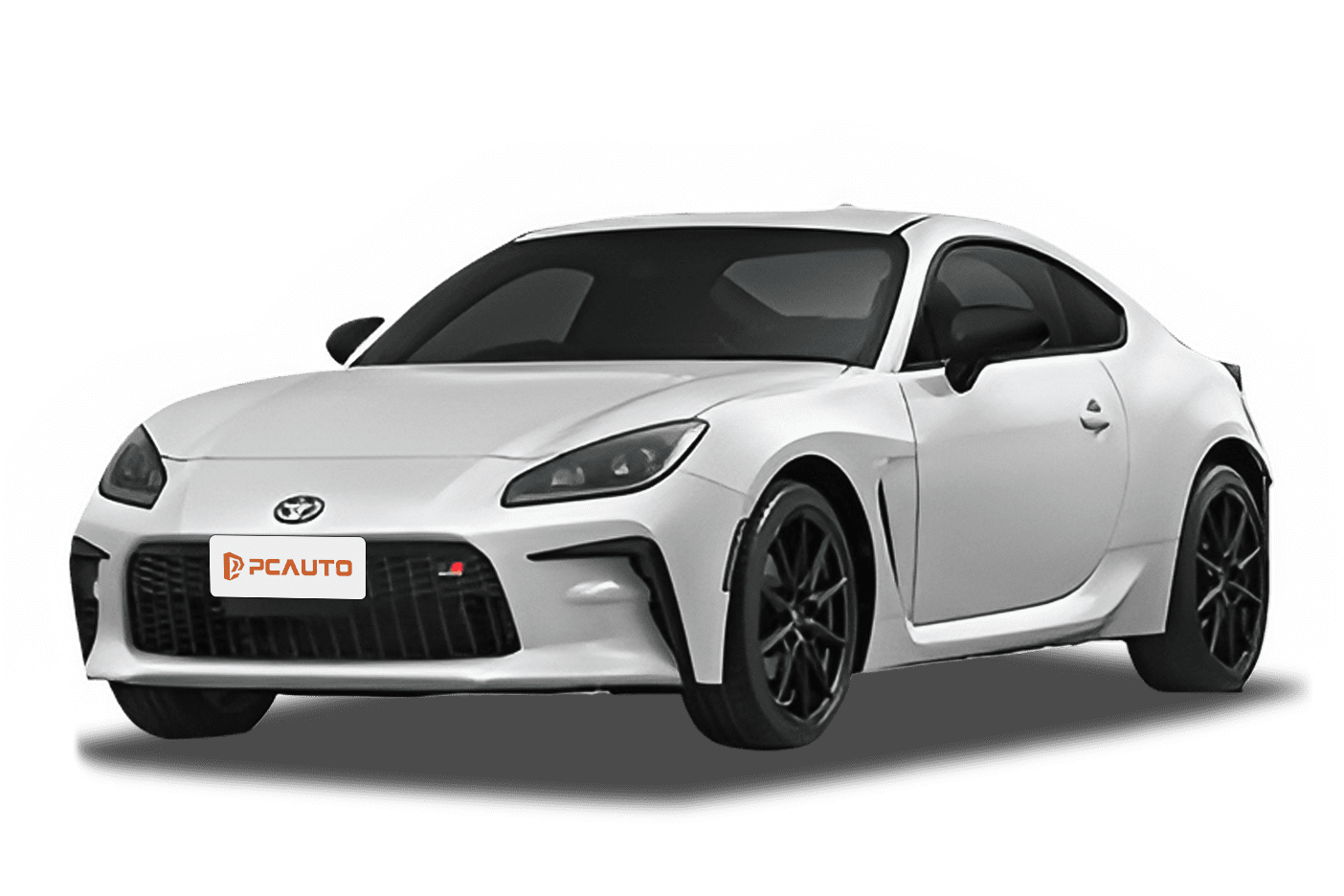
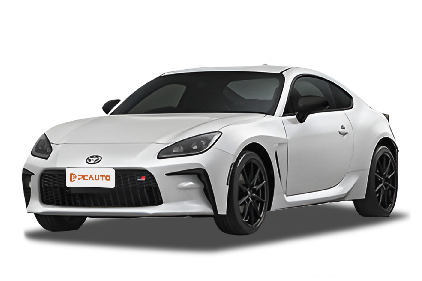
2023 Toyota GR 86 2.4 AT is a rear-wheel-drive sports coupe upgraded with a 2.4L naturally aspirated engine to address low torque issues, balancing daily commuting with pure driving pleasure.
10
Rank in Coupe
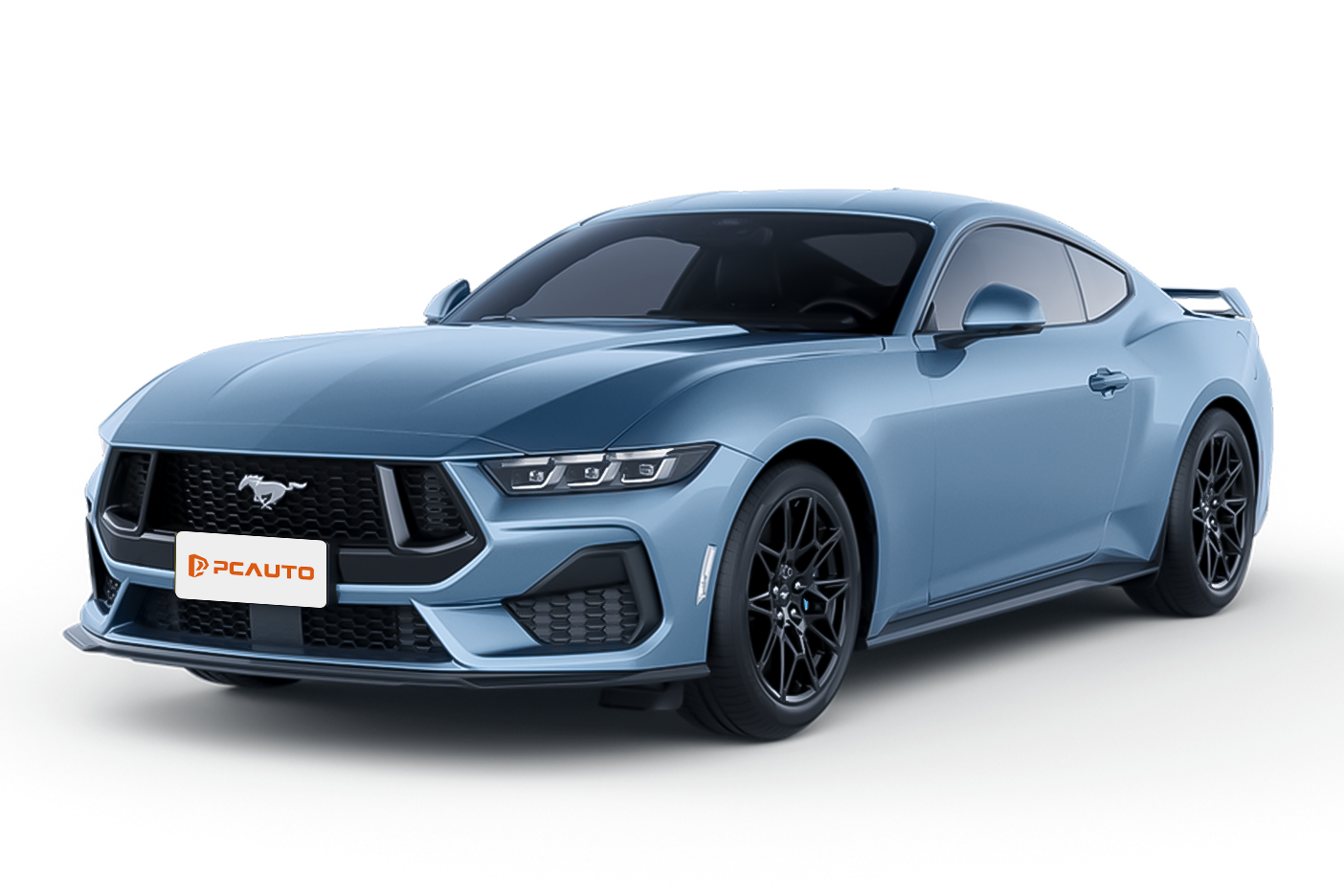
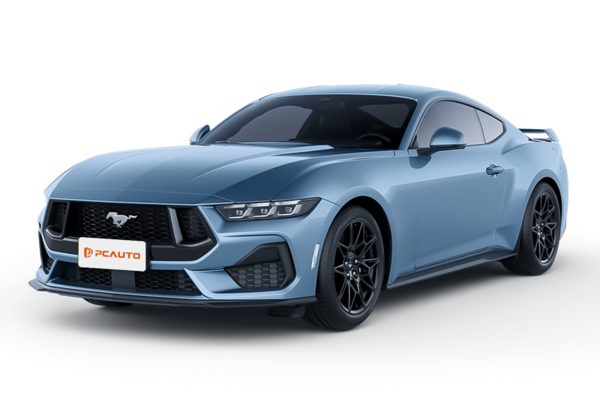
2018 Ford Mustang 2.3 EcoBoost retains the classic muscle car appearance with high cost performance, the 2.3T engine delivers 310PS horsepower, balancing performance and practicality for daily driving.
6
Rank in Coupe
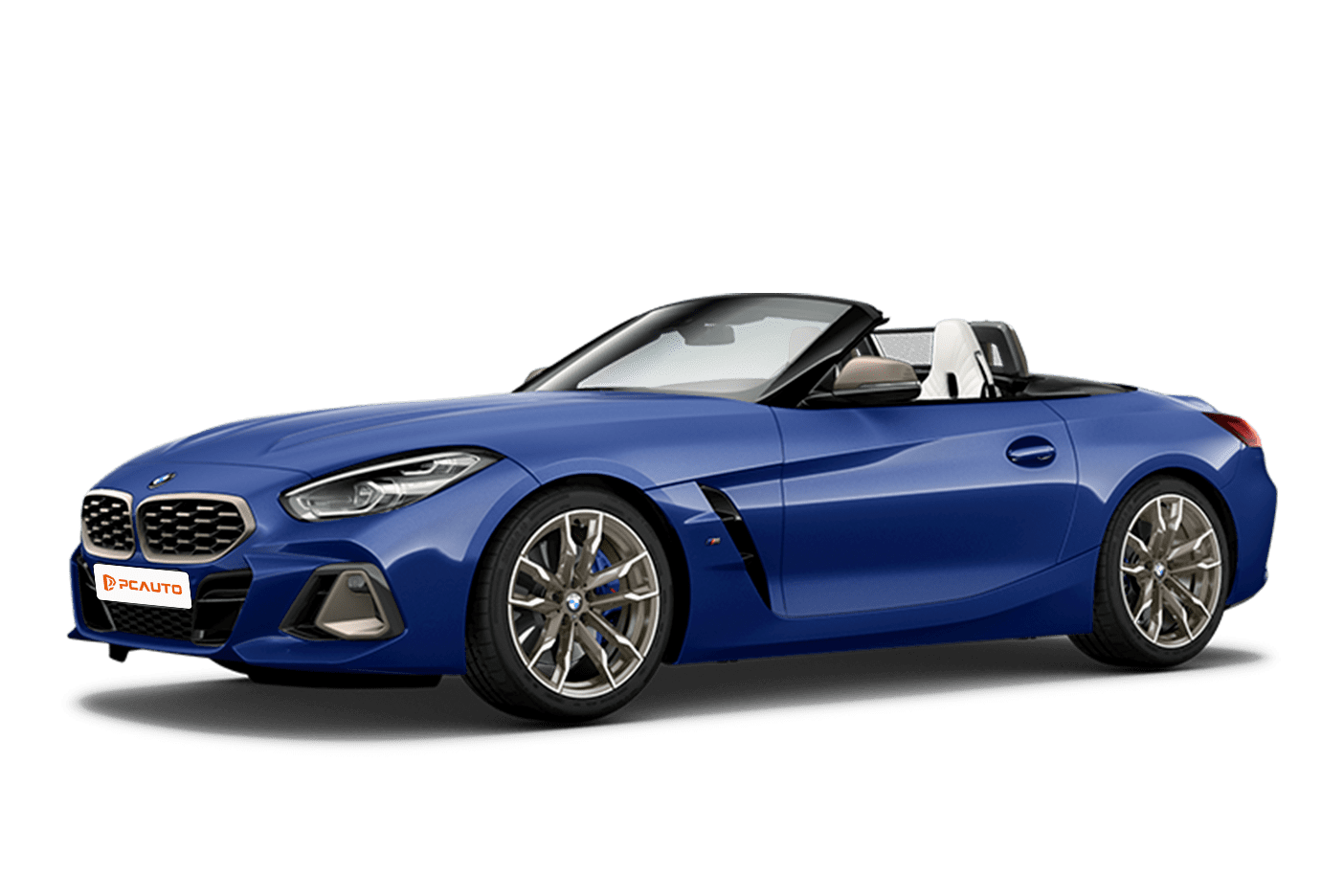
2023 BMW Z4 public, as a classic rear-wheel-drive convertible sports car, balances driving pleasure and daily practicality, with class-leading intelligent features and a compact body precisely meeting the needs of Malaysian users.