

2019 Lamborghini Huracán RWD Spyder Review

 Share
Share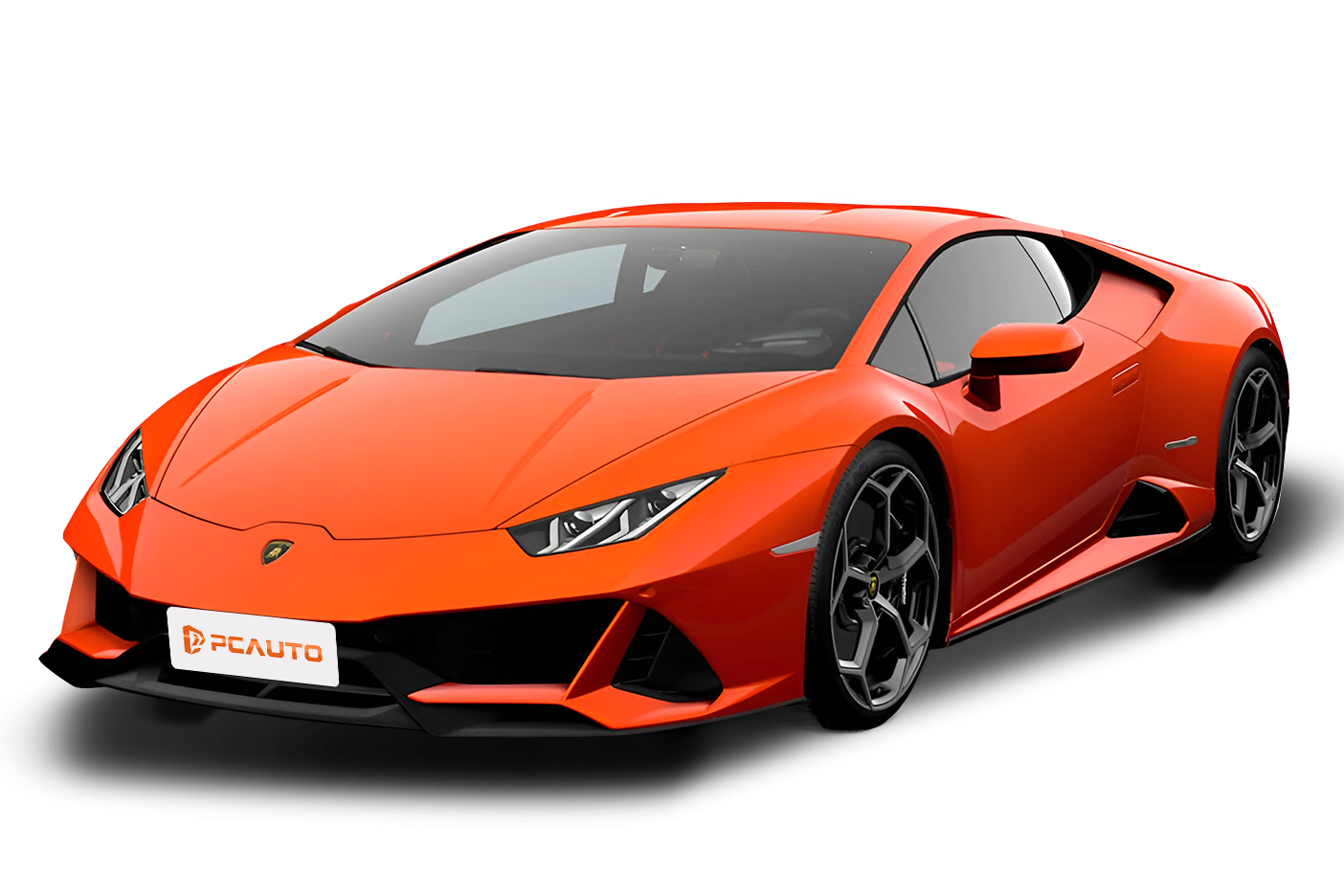
 Segment
 Body Type
 Capacity(L)
 Engine Power(PS)
 Transmission
 Driven Wheels
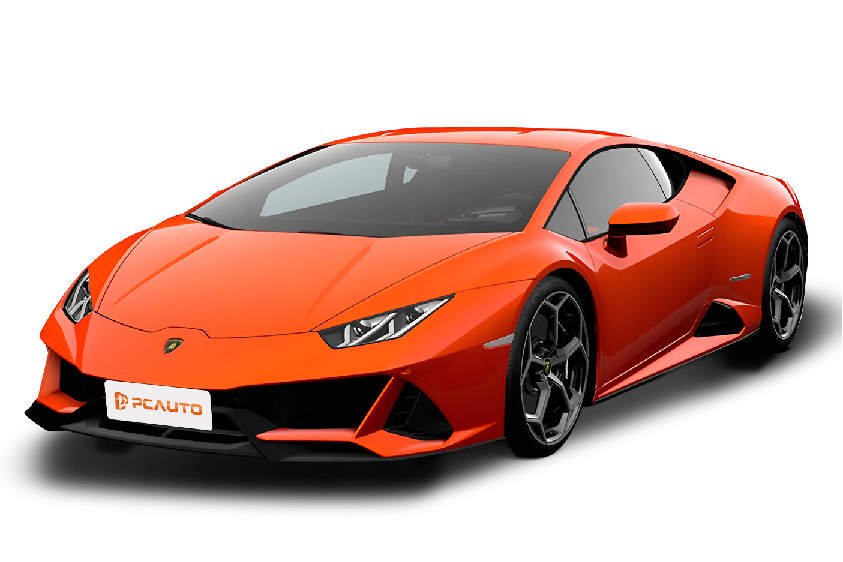
While the supercar market is still tugging between fuel and electrification, a purely naturally aspirated V10 rear-wheel-drive convertible has become a rare option. The 2019 Lamborghini Huracán RWD Spyder is precisely such a car focused on driving pleasure—shedding the constraints of an all-wheel-drive system, retaining the romance of a convertible, and leveraging the roar of a 5.2-liter NA V10 to captivate the nerves of performance enthusiasts. The core of this test is to verify whether this "lightweight rear-wheel-drive convertible version" can find a balance between "pure driving" and "daily practicality," as well as to see if it better understands the needs of driving enthusiasts compared to the all-wheel-drive version of the Huracán Spyder.
In terms of appearance, the Huracán RWD Spyder continues the family-style sharp lines, but compared to the all-wheel-drive version, it is less "aggressive" and more fluid, characteristic of rear-wheel-drive models. The Y-shaped daytime running lights on the front are still the most striking feature, coupled with the blackened air intake grille below, visually lowering the center of gravity. The waistline of the car's body extends from the front to the rear, and in the convertible state, the soft top is stored in the recess behind the rear seats. When the top is closed, it is almost identical to the hardtop version and can be opened or closed in just 17 seconds (operation possible at speeds under 50 km/h). The size of the rear diffuser is slightly smaller than that of the all-wheel-drive version, but the dual-side quad circular exhaust layout is retained, and the taillights still feature the iconic three-strip design, with high nighttime recognizability. The 19-inch multi-spoke wheels are paired with Pirelli P Zero tires sized 245/35 R19 at the front and 305/35 R19 at the rear. The tire wall thickness is not extreme for a supercar, leaving a bit of compatibility for daily driving.
Sitting in the cockpit, the combination of carbon fiber and Alcantara materials instantly creates a racing atmosphere, yet the details do not fall short of Lamborghini's refined aesthetic. The center console layout is driver-focused, and the 8.4-inch touchscreen integrates most functions, including air conditioning adjustments, audio settings (Sound Plus system is standard, maintaining clarity even in the convertible state), and driving mode selection. The multifunctional steering wheel adopts a flat-bottom design, with the left side housing the start button (covered by a red flap for maximum ceremony), and the right side featuring a driving mode toggle lever, allowing quick switches between Strada (street), Sport (sport), and Corsa (track). The seats are bucket-style with strong wrap-around support, and they offer electric adjustment, allowing customization of lumbar support and lateral bolsters to fit individual body shapes. As for storage space, the front trunk has a capacity of 150 liters, barely enough to fit a carry-on suitcase, and the storage compartments inside the door panels can only hold a phone or wallet. For a sports car, this performance meets expectations.
In terms of space performance, as a two-seater sports car, the front seating space is completely sufficient—a driver with a height of 180 cm still has a fist's worth of headroom after adjusting the seat (with the roof closed), and legroom is not cramped. When the roof is open, headroom is naturally unrestricted, and the manually adjustable windscreen can reduce wind noise during high-speed driving. As for features, keyless entry/start, automatic headlights, and rain-sensing wipers are all standard, and the inclusion of an automatic braking system adds a layer of safety during daily driving.
The dynamic performance is the core highlight of this car. The 5.2L naturally aspirated V10 engine delivers a maximum power output of 610PS and a peak torque of 560N·m (while the official data doesn't specify, the actual experience is similar to the AWD version). It is paired with a 7-speed DCT gearbox, and the officially claimed 0-100 km/h acceleration time is 3.5 seconds. During actual driving, in Strada mode, the power output feels linear, and the shifting of the gearbox is smooth, making it suitable for daily commuting. When switched to Sport mode, the throttle response becomes more sensitive, the gearbox delays upshifts and blips the throttle during downshifts, accompanied by exhaust roars (exhaust valves open in Sport mode), instantly maximizing driving excitement. In Corsa mode, the performance is fully unleashed, with gear shifts so quick they feel almost imperceptible. The engine speed easily reaches the redline at 8000 rpm, and the acceleration thrust makes you forget it's a rear-wheel-drive car.
In terms of handling, the rear-wheel-drive layout significantly enhances the agility of the rear end. The steering wheel has virtually zero slack, offering highly precise direction control, and every turn is directly transmitted to the wheels. The double-wishbone suspension both front and rear offers a certain level of damping capability in Strada mode, making it able to handle city speed bumps or minor jolts without being as stiff as a pure track version. Switching to Sport or Corsa mode immediately stiffens the suspension, restricting body roll to a very small range, with sufficient support while cornering. It's worth mentioning that the car's Electronic Stability Control (ESC) system in Sport mode allows a certain degree of sliding, enabling controlled drifting maneuvers with proper throttle control—something the AWD Huracán cannot easily deliver in terms of fun.
During the performance test, we covered 100km under mixed road conditions of highways and city streets, with 20km driven in top-down mode. The average fuel consumption was 15.8L/100km (in Strada mode), which rises to about 18L in Sport mode. For a V10 engine, this performance is considered normal. As for braking performance, the ventilated disc combination (front and rear) provides sufficient braking force with linear pedal feedback. The 100-0 km/h braking distance is approximately 32 meters (under non-professional test conditions), meeting the standards of a supercar.
Regarding ride comfort, with the roof closed, cabin noise is well-controlled, and both tire and engine noise are not overly intrusive in Strada mode. When the roof is open, wind noise is minimal below 60 km/h, and raising the windshield at speeds above 80 km/h effectively reduces wind noise, allowing normal conversations. The seats offer a solid level of comfort for long drives. Despite being highly supportive, the cushioning is relatively soft, enabling a comfortable experience for continuous driving of up to 2 hours without causing back pain.
To sum up, the 2019 Lamborghini Huracán RWD Spyder's core advantage lies in its "purity"—the driving pleasure brought by the rear-wheel-drive layout, the linear power and unique exhaust sound of the naturally aspirated V10 engine, and the romance of open-top driving—all of which are irreplaceable by contemporary electric supercars. Compared to its class rival, the Ferrari 488 Spider, its rear-wheel-drive setup seems more suitable for advanced enthusiasts and offers a more competitive price point (though specific pricing is not officially announced, it is expected to be roughly 10% lower than the AWD Huracán Spyder). Compared to its sibling, the Huracán Evo RWD, the 2019 model might fall slightly behind in terms of configurations, but its mechanical quality is identical, making it a more cost-effective choice.
This car is most suitable for those performance enthusiasts who not only pursue driving pleasure but also want to occasionally drive out for dates or short trips—it’s not as difficult to handle as a pure track version, its compatibility for daily driving is sufficient, and the convertible function satisfies romantic needs. If you are a driver who is unsatisfied with the "conventionality" of all-wheel-drive supercars and eager to establish direct communication with the vehicle, then the Huracán RWD Spyder will be an almost perfect choice.
In summary, the 2019 Lamborghini Huracán RWD Spyder is a supercar that "stays true to its roots"—it does not cram in complex electronic systems but instead uses rear-wheel drive, a naturally aspirated V10, and a convertible to restore the purest joy of supercars. For those who truly understand it, this sense of simplicity is the best answer.
Lamborghini Huracán Car Compare
More Lamborghini Reviews
Cars With Similar Price And Features
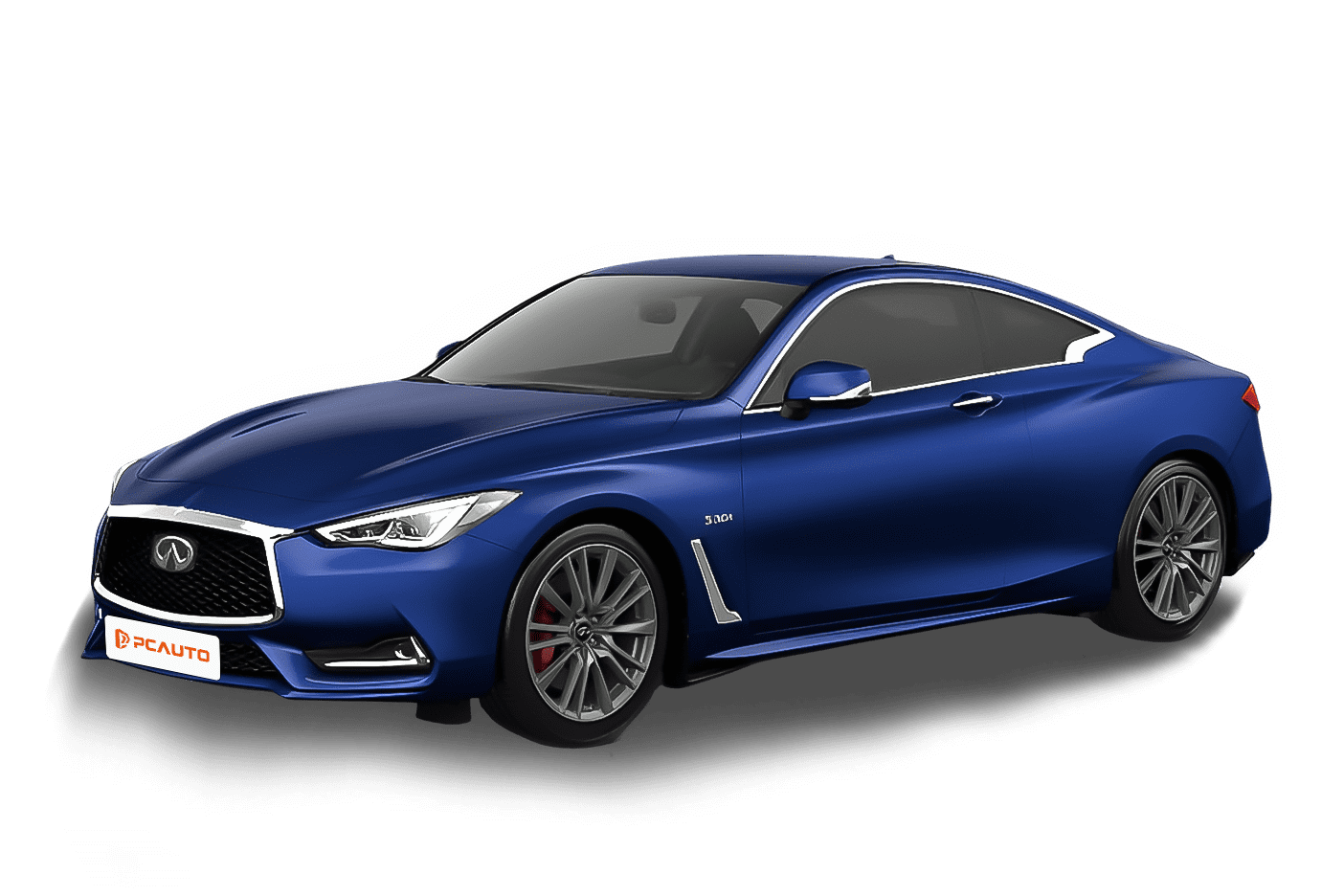
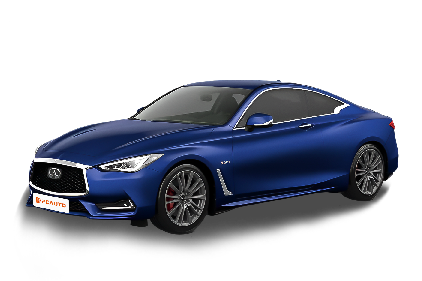
2017 Infiniti Q60 2.0t is a luxury coupe that balances sporty design and daily practicality, featuring a family-style exterior, BOSE audio system, and balanced power as its core selling points.
1
Rank in Coupe
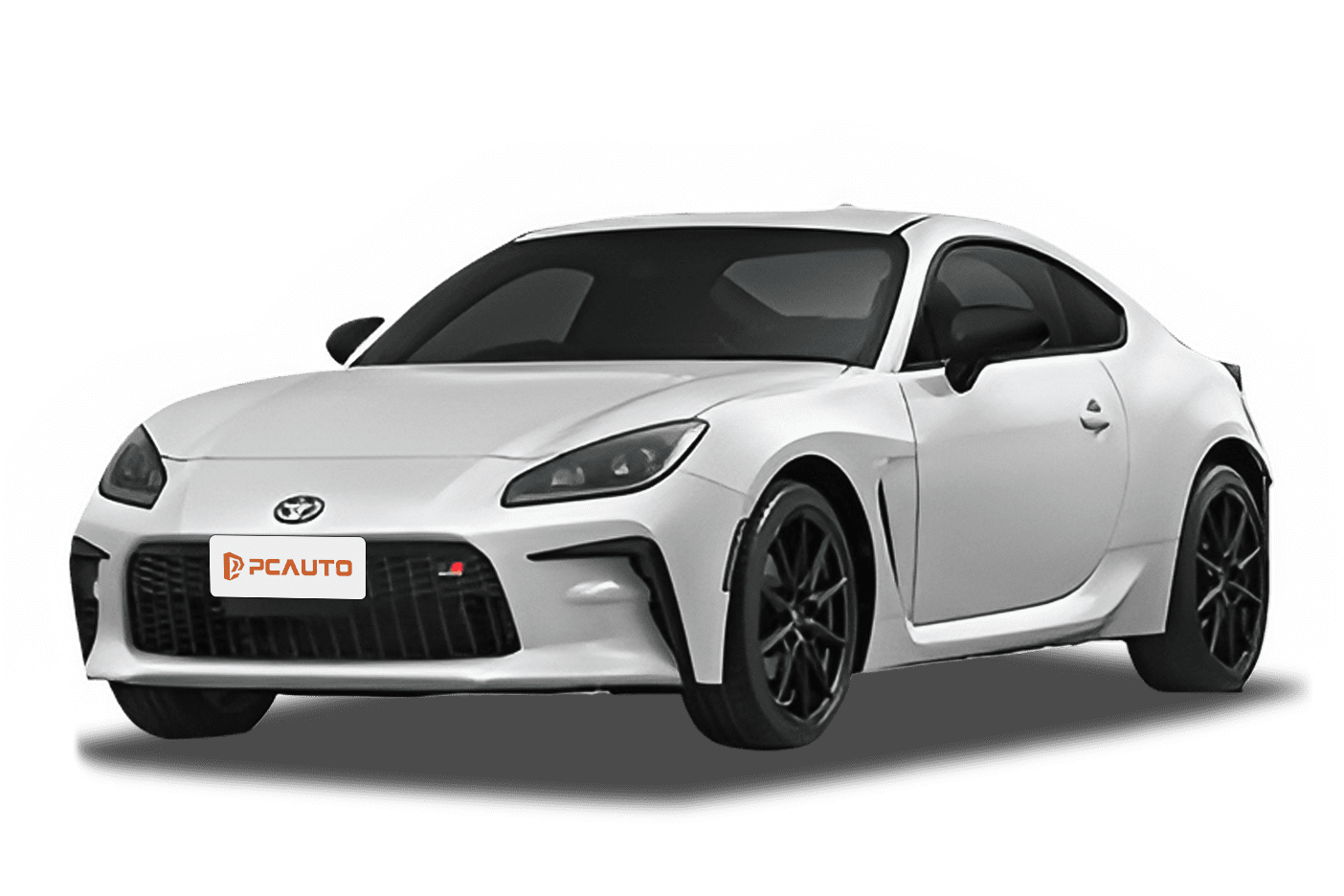
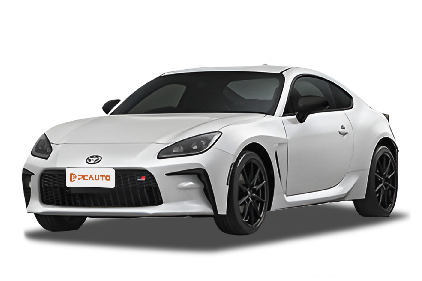
2023 Toyota GR 86 2.4 AT is a rear-wheel-drive sports coupe upgraded with a 2.4L naturally aspirated engine to address low torque issues, balancing daily commuting with pure driving pleasure.
10
Rank in Coupe
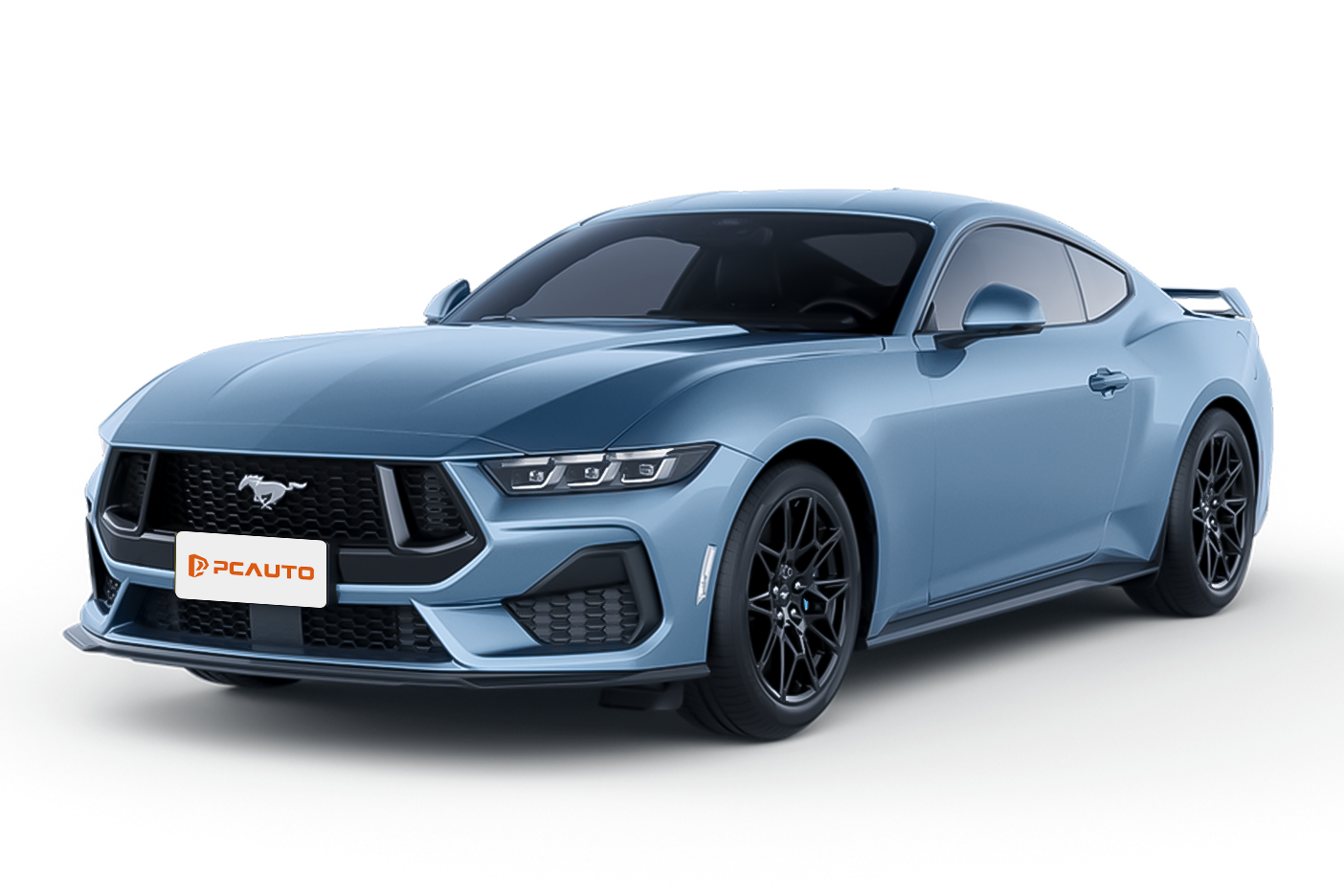
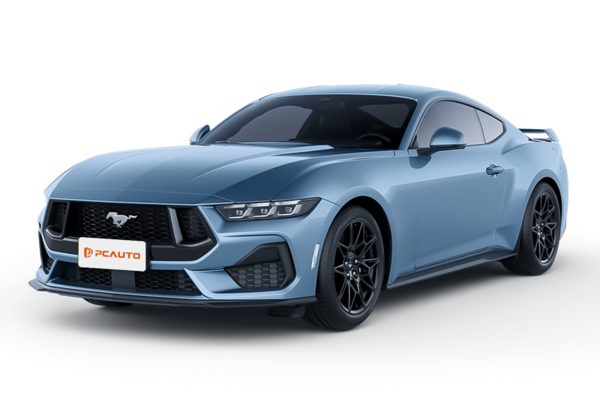
2018 Ford Mustang 2.3 EcoBoost retains the classic muscle car appearance with high cost performance, the 2.3T engine delivers 310PS horsepower, balancing performance and practicality for daily driving.
6
Rank in Coupe
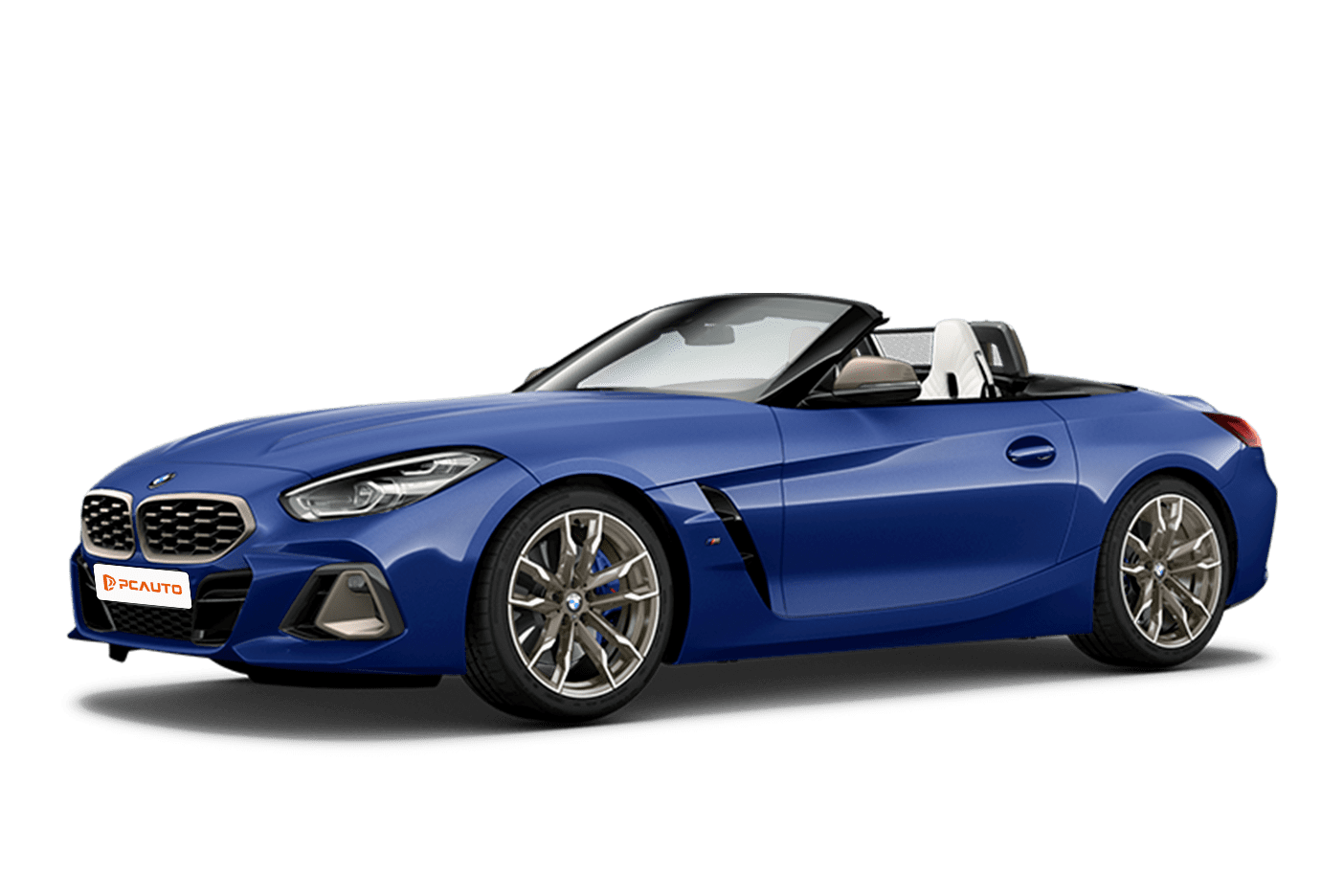
2023 BMW Z4 public, as a classic rear-wheel-drive convertible sports car, balances driving pleasure and daily practicality, with class-leading intelligent features and a compact body precisely meeting the needs of Malaysian users.