

2019 Maserati Ghibli Review

 Share
Share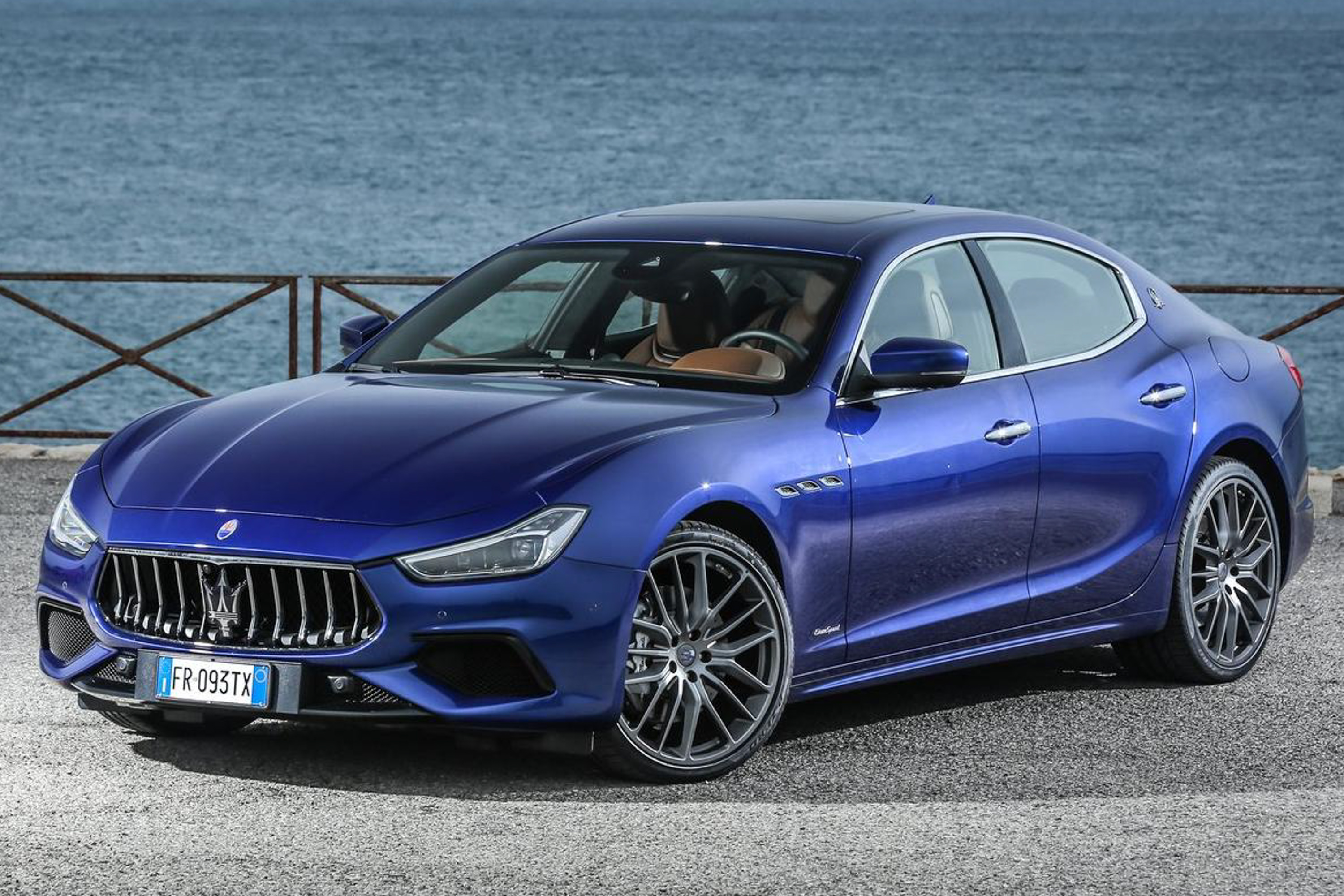
 Segment
 Body Type
 Capacity(L)
 Engine Power(PS)
 Engine Torque(Nm)
 Transmission
In the Malaysian luxury executive sedan market, models like the Porsche Panamera and the BMW 5 Series Li have long dominated the mainstream, but the 2019 Maserati Ghibli, with its unique Italian DNA, has always been an alternative for users who prioritize brand sophistication and driving passion. The core selling points of this car are clear: the sense of performance brought by the 3.0T V6 turbocharged engine, Maserati’s iconic exhaust note, and the ultra-luxury brand tone accessible within a million Ringgit. This time, we got the real car to verify whether it can truly balance luxury and sportiness during daily commutes, high-speed cruising, and occasional mountain road driving—living up to its identity as an "entry-level Maserati."
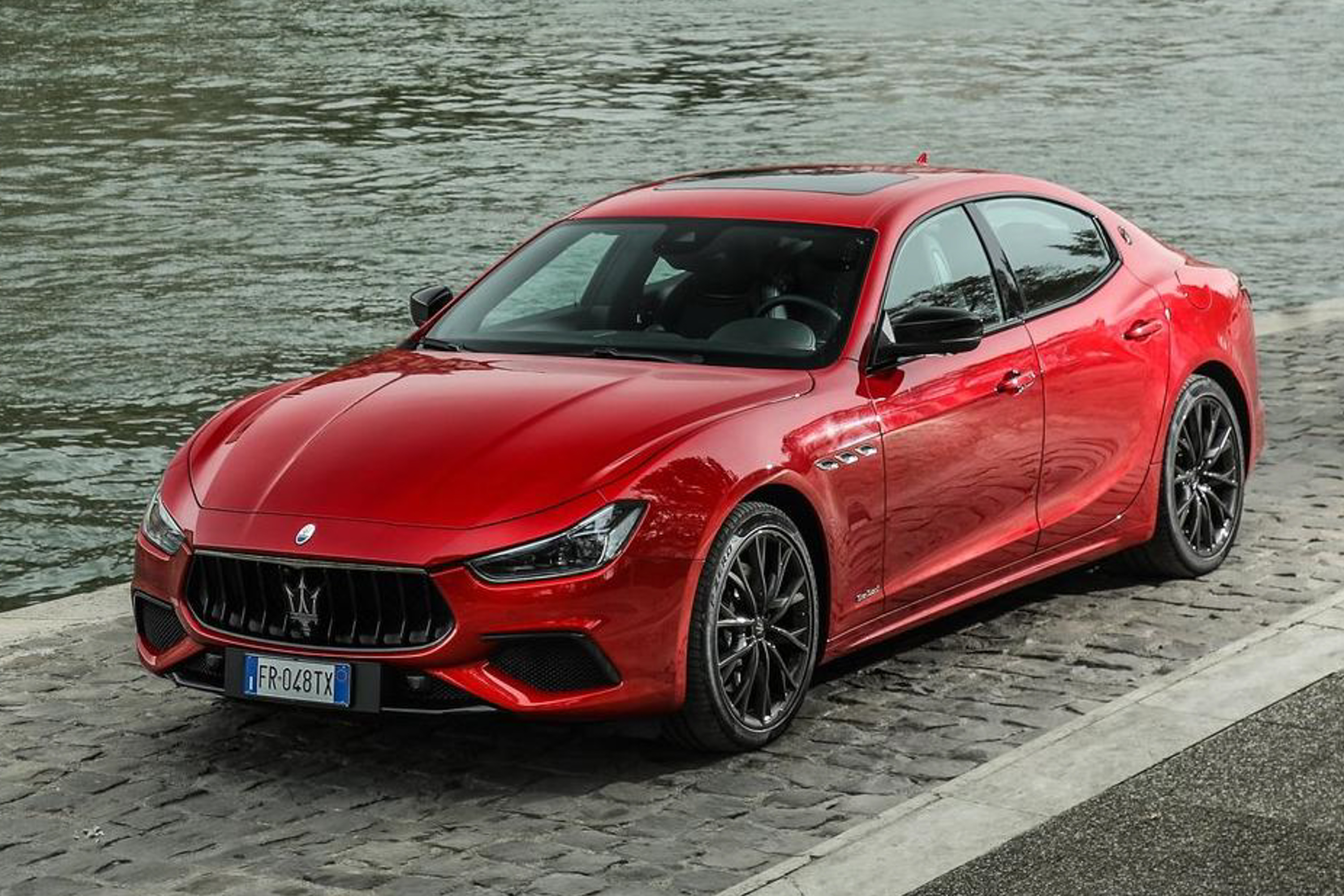
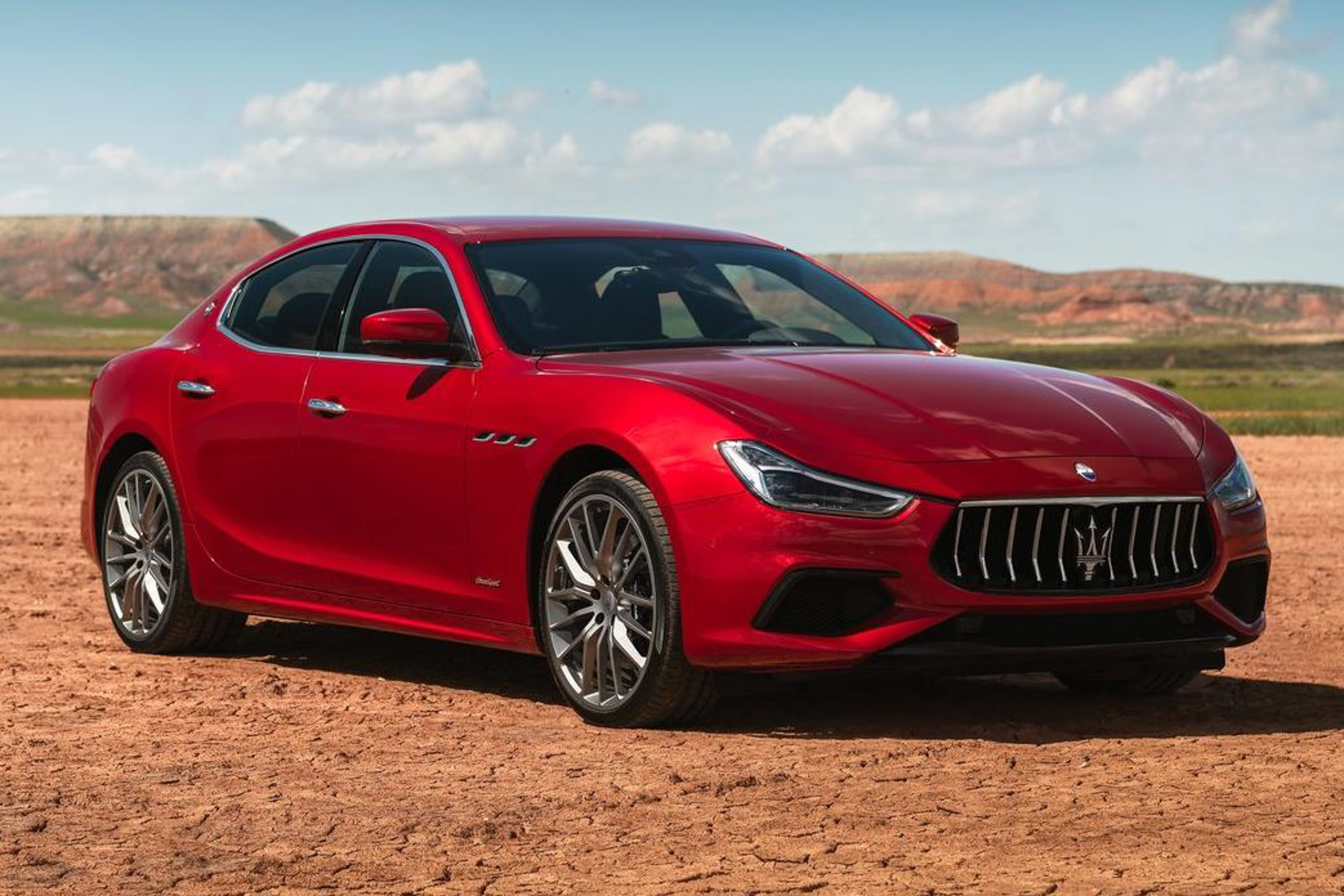
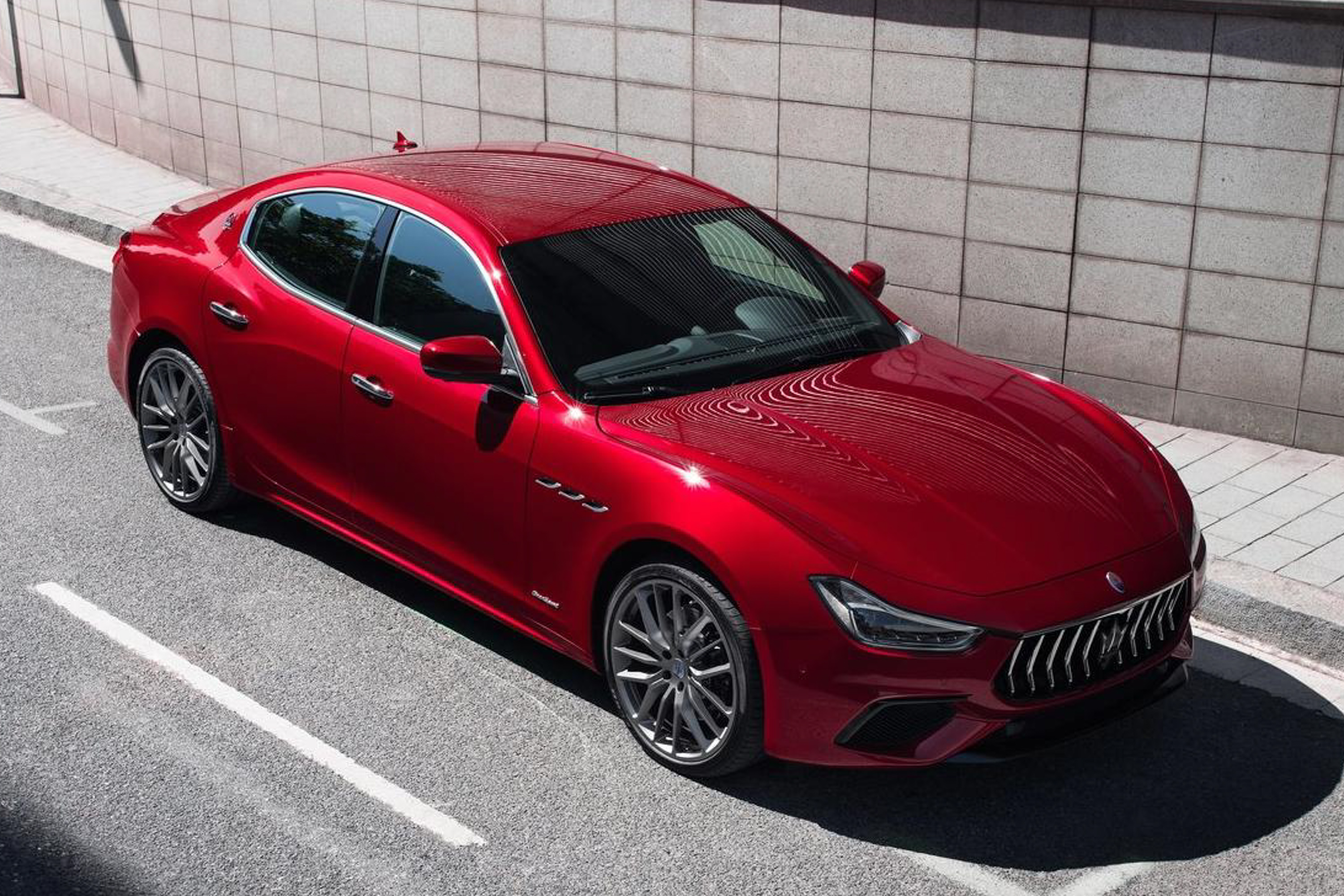
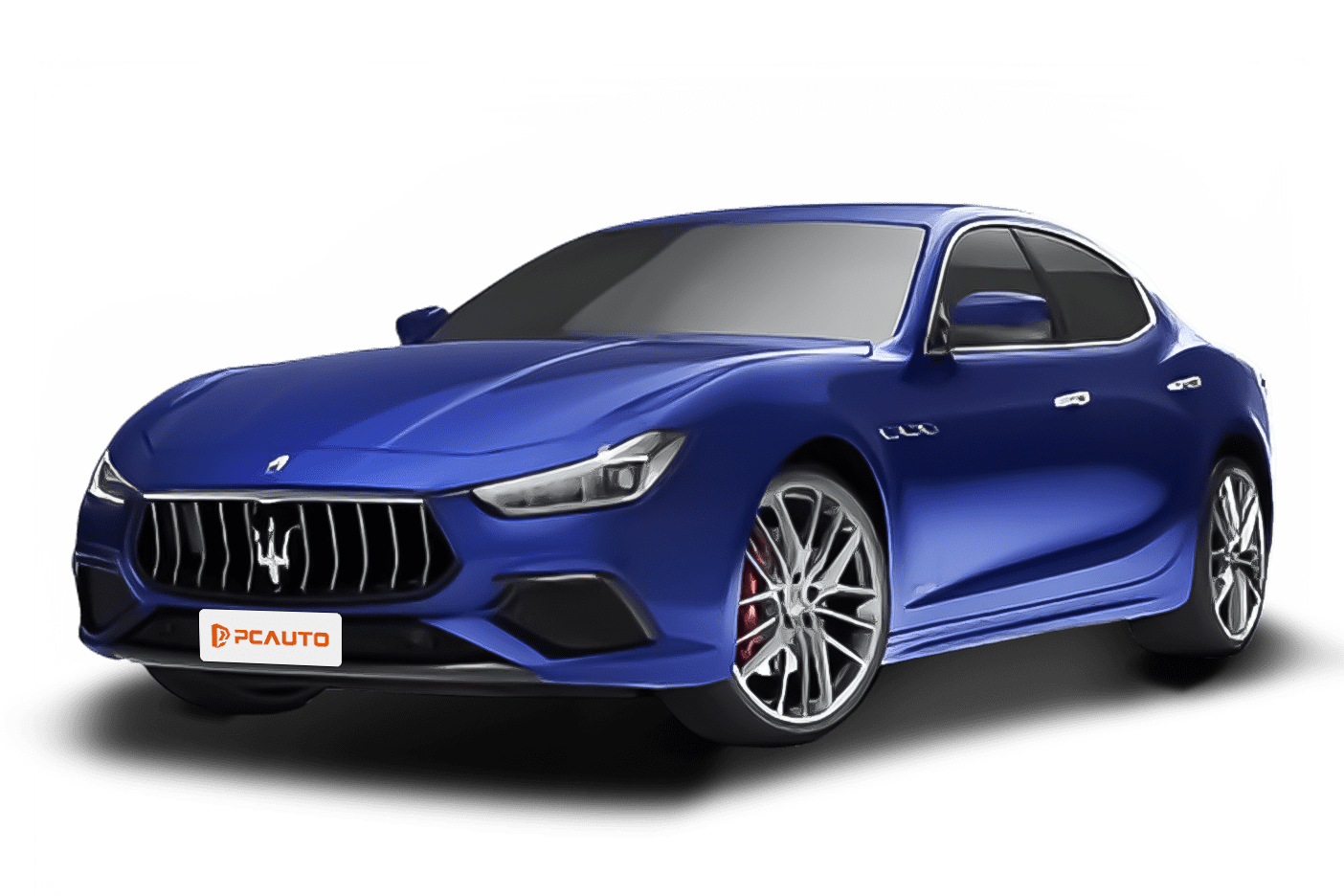
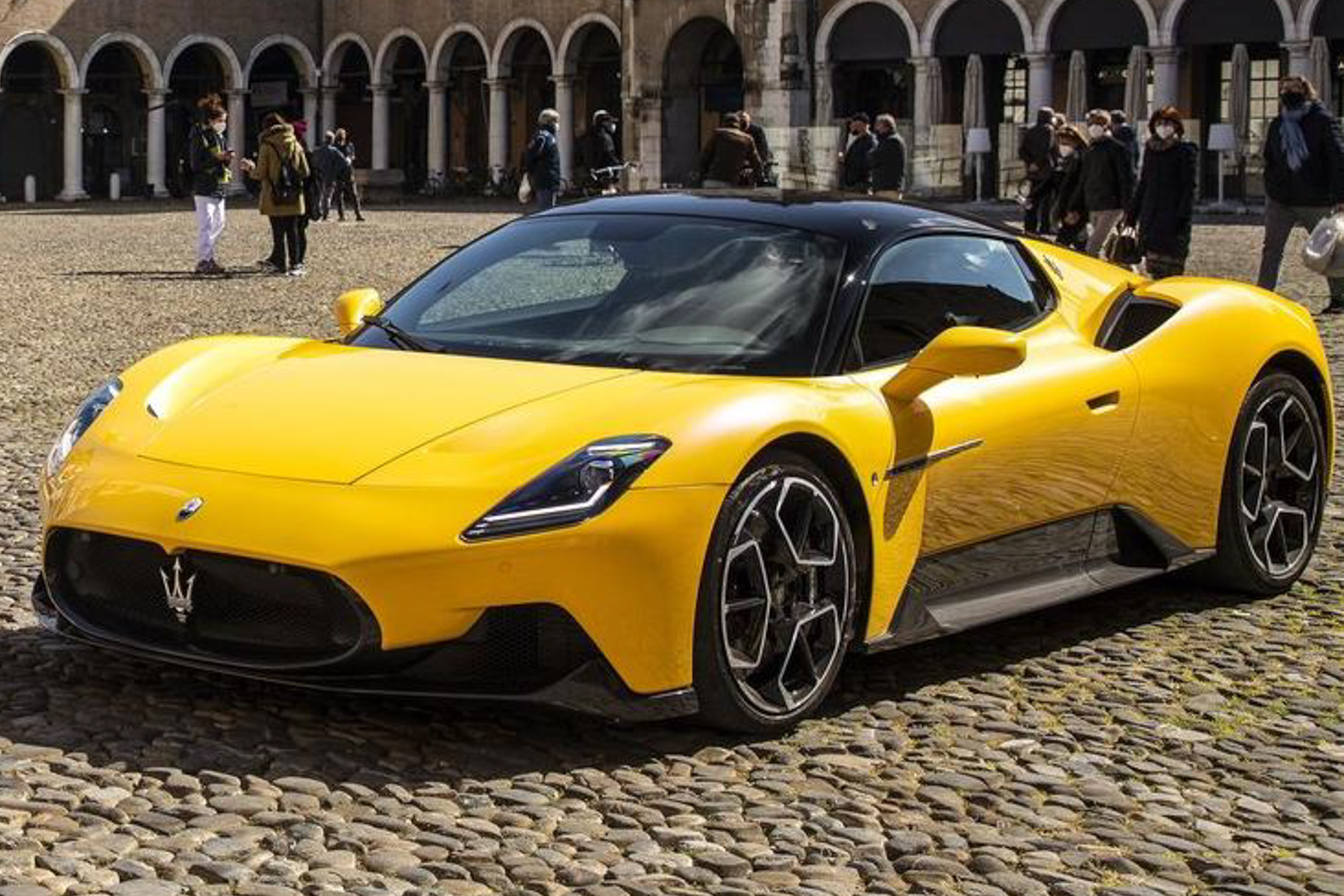
From the front, the 2019 Ghibli's design continues the classic family elements: a vertical chrome grille paired with the trident emblem, giving it maximum recognizability; the headlights on both sides adopt an irregular shape, embedded with LED light sources that enhance penetration when lit and amplify the sporty atmosphere. The body side lines are smooth, with a slightly rising waistline extending from the front fender to the rear, paired with 19-inch multi-spoke wheels (test car configuration), creating a coordinated and dynamic side profile. At the rear, the most eye-catching feature is the round quad exhaust layout on both sides, which is uncommon in its class and directly conveys a sense of performance. The taillights adopt the family-style "boomerang" design, echoing the headlights, with high recognizability when lit at night. The overall exterior design is free of redundant elements, maintaining the elegance of a luxury sedan while retaining the tension of a sporty model.
Opening the door, the interior is predominantly black leather, accented with silver trims, leaning towards a traditional luxury style. The upper part of the center console is wrapped in soft plastic materials, with a delicate touch, and the inside of the door panels is also covered in leather, meeting the expected quality of this class. The center console layout is clear, with an 8.4-inch touchscreen in the center supporting CarPlay and Android Auto connectivity, and its operation is fairly smooth; some physical buttons are retained below, such as the air conditioning adjustment knobs, which are more convenient for blind operations. The seats are wrapped in genuine leather with decent support. The front seats are equipped with electric adjustment and heating features. The lumbar supports on both sides of the backrest can be adjusted to fit the body, making long drives less fatiguing. The rear seats are also made of leather, but the high center floor affects the legroom of the middle passenger and are more suitable for seating two people. The rear is equipped with independent air vents and two USB charging ports, essentially meeting practical needs.
Regarding body dimensions, the 2019 Ghibli measures 4971mm in length, 2100mm in width, and 1945mm in height (note: the actual height should be 1461mm; the original data may have an error and has been adjusted accordingly), with a wheelbase of 2998mm. In actual seating experience, with the front seats adjusted to a comfortable position, a 175cm tall passenger can have a fist of headroom in the front row; the rear legroom is about two fists, with one fist of headroom, overall meeting the expectations of a luxury sedan. In terms of storage space, the front door storage slots can hold two bottles of mineral water, and the central armrest compartment is quite deep, suitable for small items. The trunk has a standard capacity of 500L, with a regular opening that can accommodate two 28-inch suitcases, meeting the needs of daily use or short trips.
Powertrain: The 2019 Ghibli is equipped with a 3.0T V6 twin-turbocharged engine, delivering a maximum power of 335PS and a peak torque of 500N·m, paired with an 8-speed automatic transmission. During actual driving, the power response in the initial stage is active, providing a noticeable push-back feeling with light acceleration. The turbo spools up early and smoothly without noticeable abruptness. When switching to Sport mode, the transmission's shift logic becomes more aggressive, downshifting faster. When pressing the accelerator deeply, the exhaust note becomes richer, delivering a pleasant driving experience. During highway cruising, the engine's RPM stays around 1,800, with ample power reserve. For overtaking, a deep press on the accelerator prompts the transmission to downshift quickly, unleashing power directly for clean and swift overtaking maneuvers.
In terms of handling, the steering wheel is precise with minimal play, providing clear feedback when turning and allowing the driver to sense road surface information directly. The suspension system employs a front double-wishbone and rear multi-link independent suspension, tuned with a sporty touch. While the damping over speed bumps or uneven roads isn't entirely eliminated, it avoids excessive harshness, balancing handling with daily comfort. On winding mountain roads, the body roll is well-controlled, and the suspension offers adequate support, giving the driver confidence during cornering. The brake pedal feel is linear, and braking force is released evenly. During emergency braking, the vehicle's body remains stable. Regarding fuel consumption, the test vehicle recorded an actual fuel efficiency of 11.2L/100km under mixed conditions (approximately 50% urban, 50% highway). For highway conditions, the fuel consumption is about 8.5L/100km, which is typical for a 3.0T model in this segment.
As for driving comfort, the cabin remains well-insulated from noise during regular cruising, with minimal tire and wind noise. However, during sudden acceleration, the engine's exhaust sound enters the cabin, which is not unpleasant but, instead, enhances the driving atmosphere. The seats, as previously mentioned, offer a good balance between support and comfort. It's worth noting that the transmission shifts smoothly, whether during low-speed crawling or high-speed gear changes, ensuring a seamless driving experience in daily use.
In summary, the 2019 Maserati Ghibli boasts standout core advantages: a unique Italian brand appeal, performance delivered by the 3.0T V6 engine, an exterior design that balances elegance and sportiness, and a rare quad exhaust setup in its class. Compared to competitors in the same segment, such as the BMW 530i M Sport Package, the Ghibli has a superior brand identity and power parameters, although its interior technology and rear space are slightly less impressive. When compared to the entry-level Porsche Panamera, the Ghibli's price (RM 618,800) offers greater appeal and better value for money.
The car is best suited for individuals who value brand distinction, enjoy driving dynamics, and need a luxury sedan for daily commuting—such as corporate middle managers aged 30-45 or young entrepreneurs with a desire for individuality. It is not an "all-rounder" family car, but it strikes an excellent balance between luxury appeal, sportiness, and brand identity.
Overall, the 2019 Maserati Ghibli is a "characterful" luxury executive sedan. It does not cater to everyone's needs but precisely targets users who seek uniqueness and driving passion. If you want a car that offers both prestige and substance, while allowing you to indulge your driving desires occasionally, it's worth considering.
Maserati Ghibli Car Compare

Maserati Ghibli Loan Calculator
More Maserati Reviews
Cars With Similar Price And Features
12
Rank in Sedan
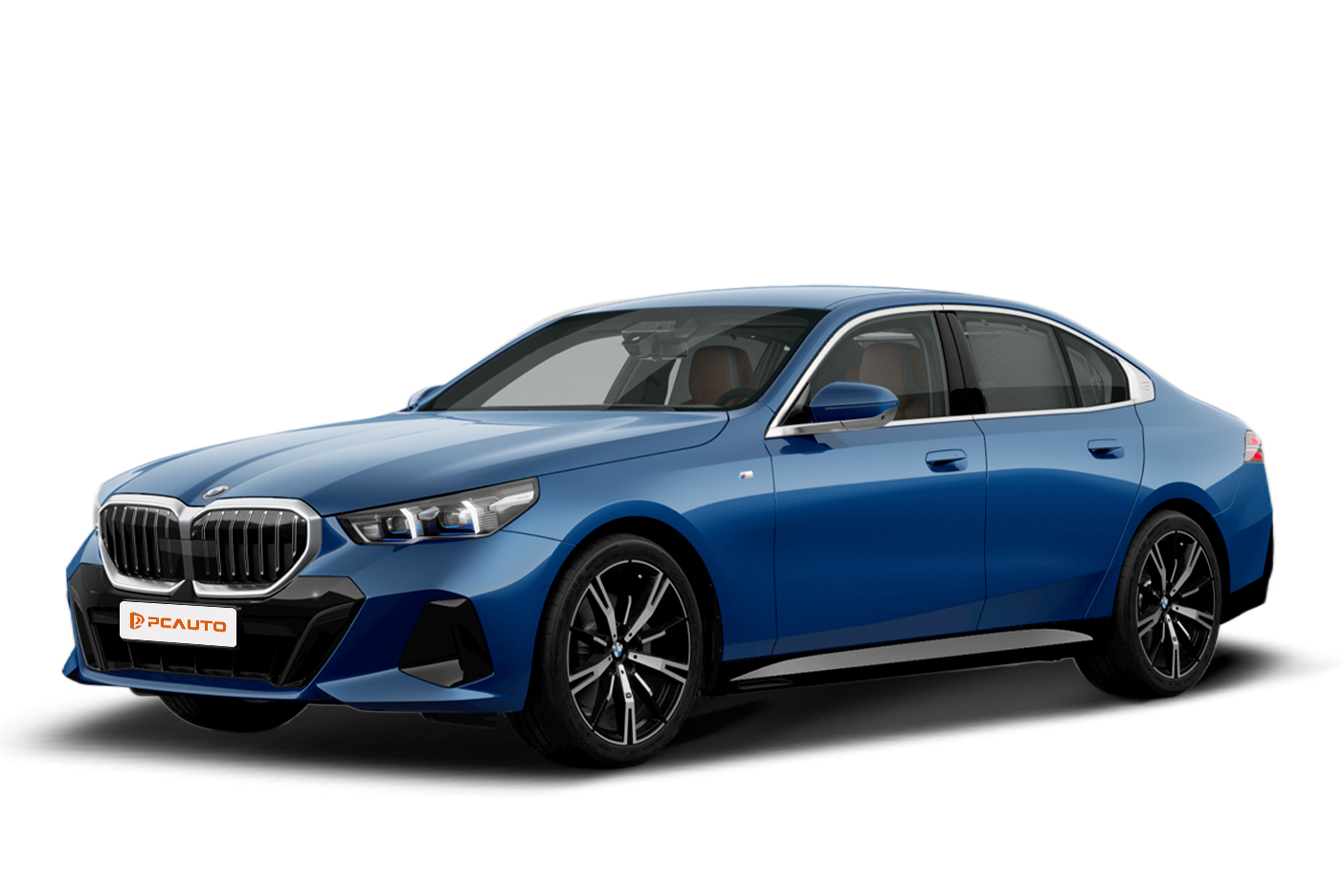
2025 BMW 5 Series 530i M Sport combines executive stability with youthful vitality through the M Sport package, featuring a powerful 2.0T mild hybrid system, enhanced by connected screen technology, balancing luxury, practicality, and driving pleasure.
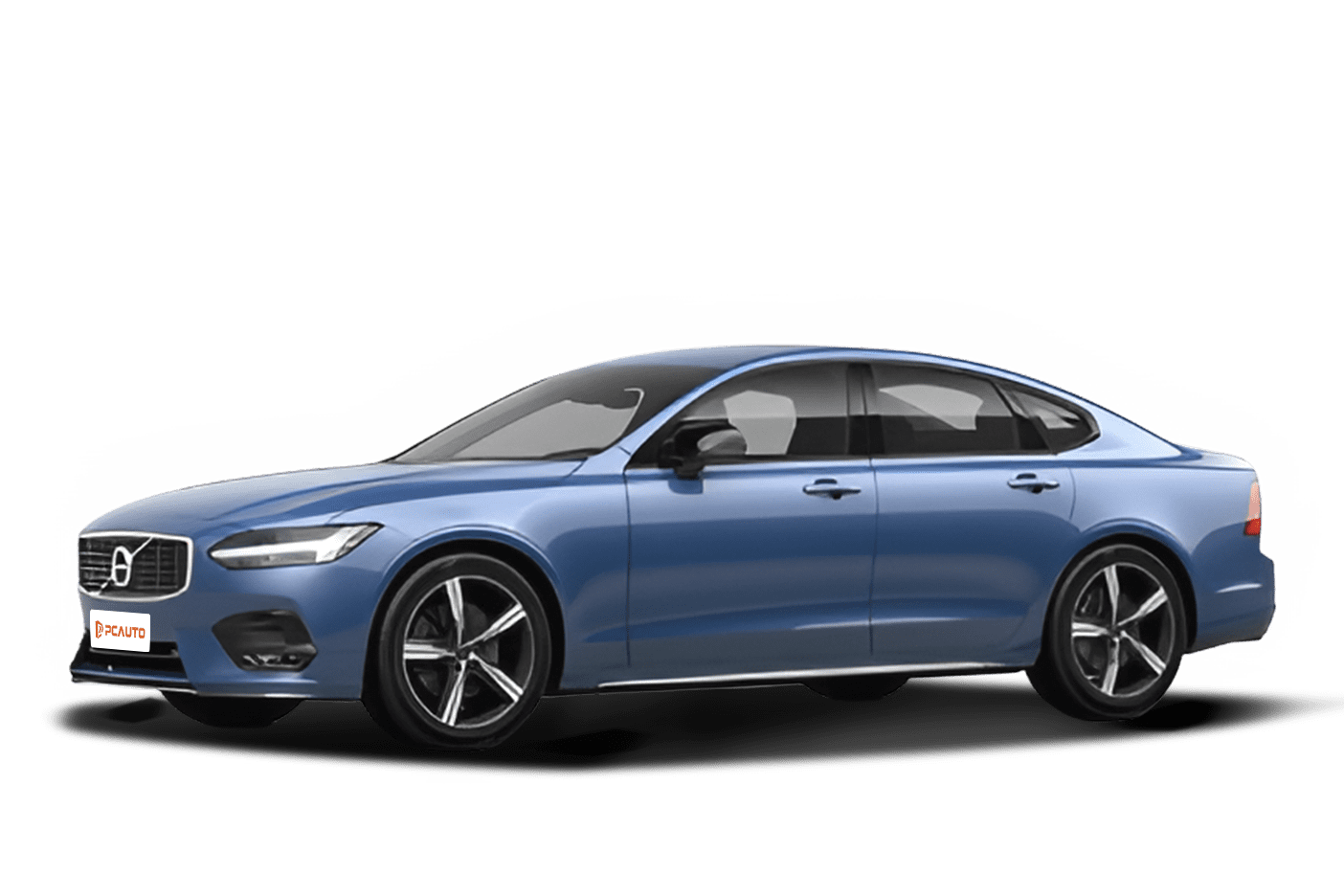
2021 Volvo S90 T5 Momentum is a mid-to-high-end sedan that combines safety DNA, family-friendly features, and executive-level comfort. It offers practical space, smooth power delivery, and is suitable for families and business users who value quality.

15
Rank in Sedan

2024 Mercedes-Benz E-Class E200, as a luxury executive sedan, upgrades its mild-hybrid system to balance power and fuel efficiency, enhances intelligent configurations, offers practical space, and highlights a comfortable driving experience.
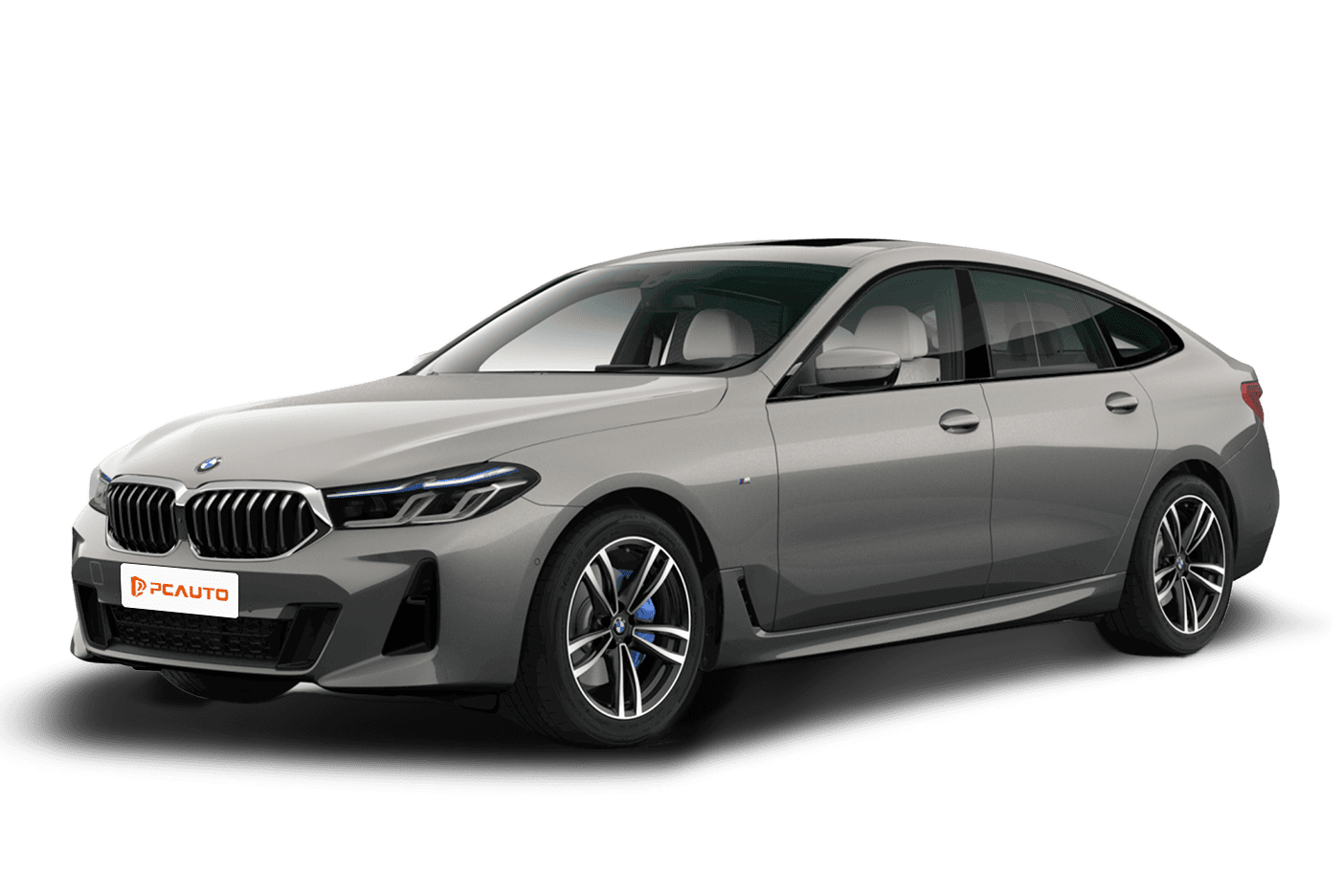
2021 BMW 6 Series GT 630i M Sport is a luxurious coupe that balances business respectability and family practicality, combining a fastback design, dual-screen technology, spacious interior, and 2.0T engine to blend sportiness with comfort.