

2019 Mazda 6 SkyActiv-G 2.5L Review

 Share
Share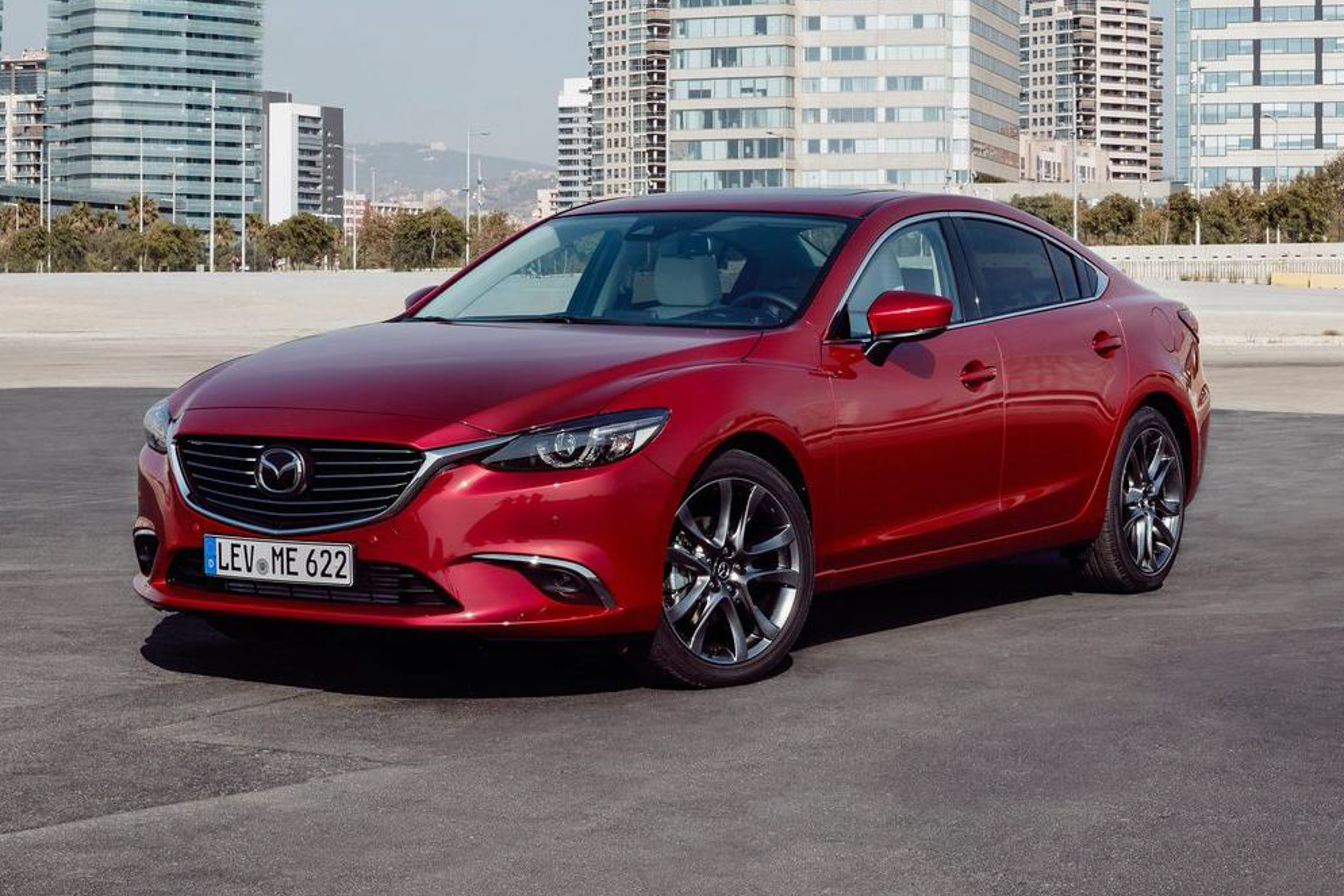
 Segment
 Body Type
 Capacity(L)
 Engine Power(PS)
 Transmission
 Driven Wheels
The D-segment sedan market in Malaysia has traditionally been dominated by family users who prioritize space and comfort. Mainstream models are often known for their balanced performance, but the "barrel effect" of configurations and driving quality often forces consumers into making trade-offs. The 2019 Mazda 6 SkyActiv-G 2.5L, as a representative of Japanese mid-size cars, aims to differentiate itself in the competition with the sporty DNA of its SkyActiv technology and premium features. This test drive focuses on verifying: Can it strike a balance between family comfort and driving enthusiasts' handling needs, and can the highlights in its official configuration sheet translate into practical value for daily use?
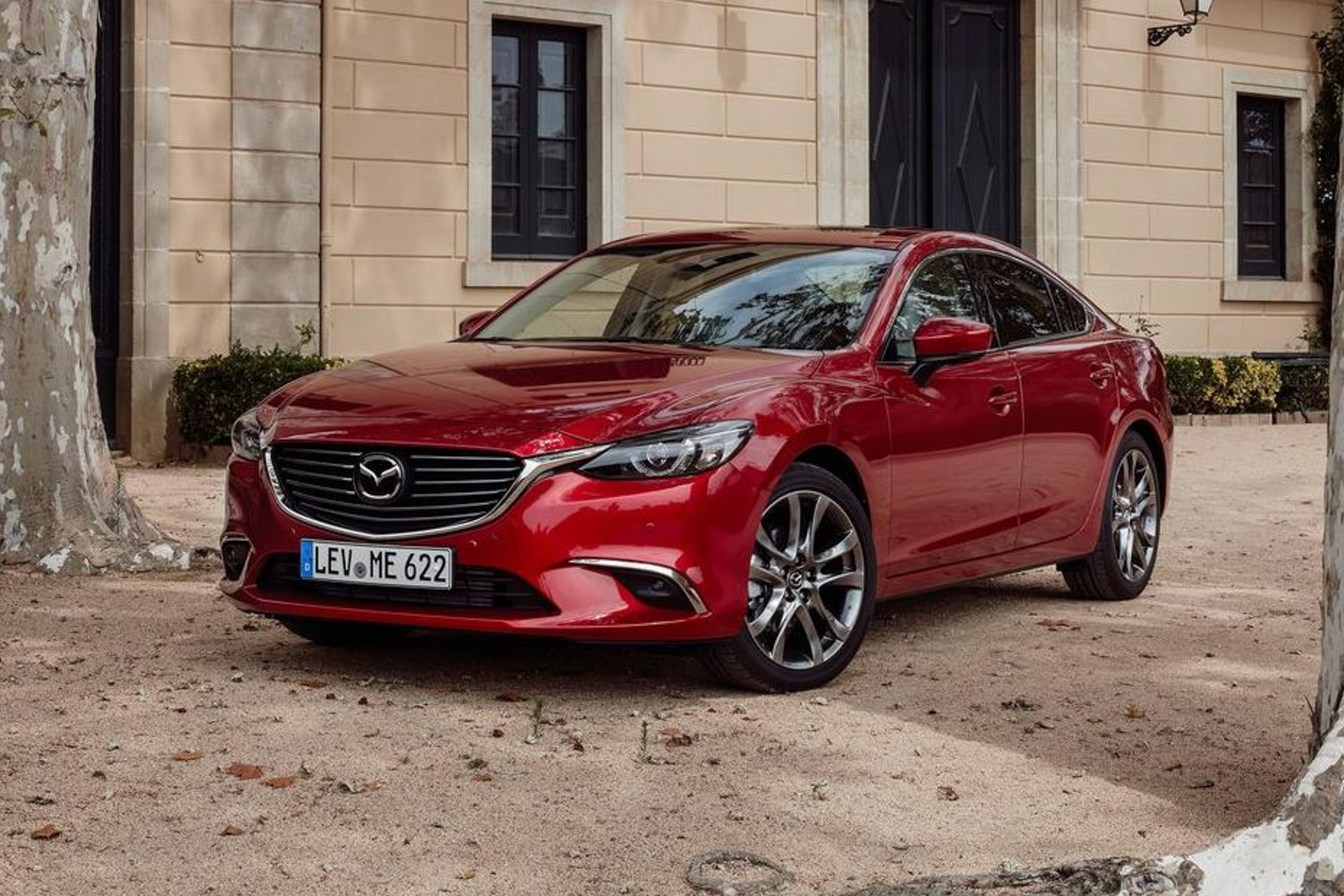
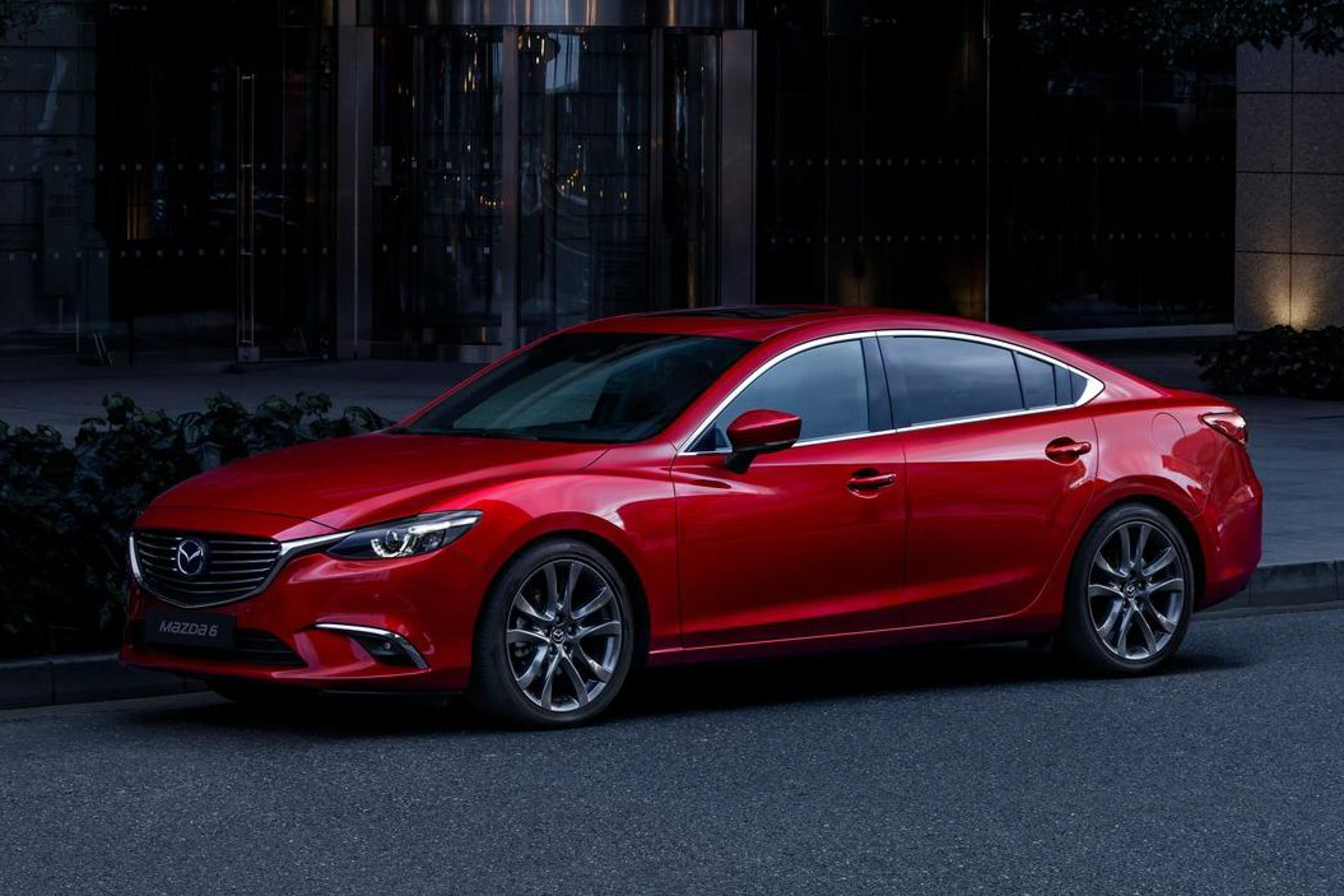
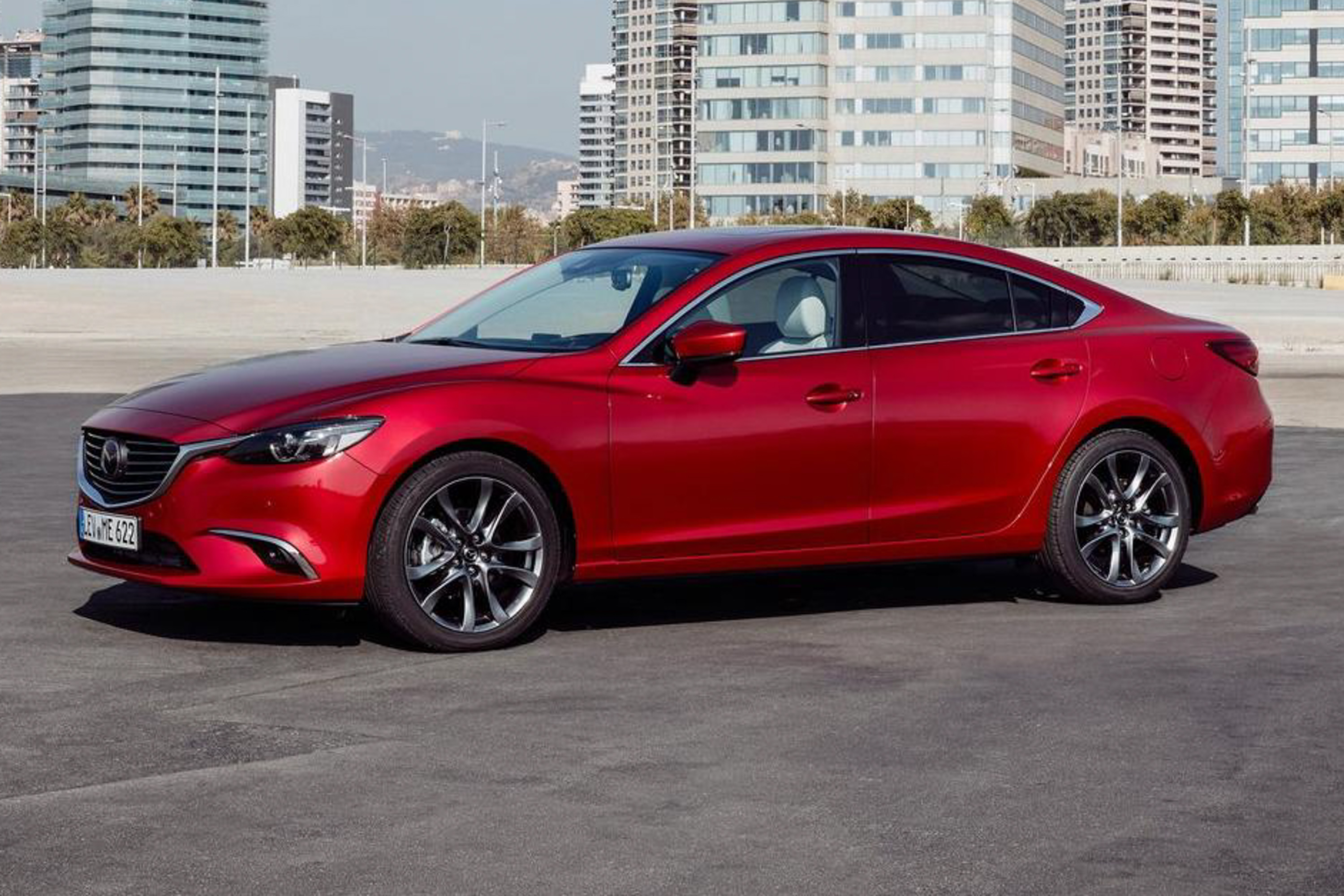
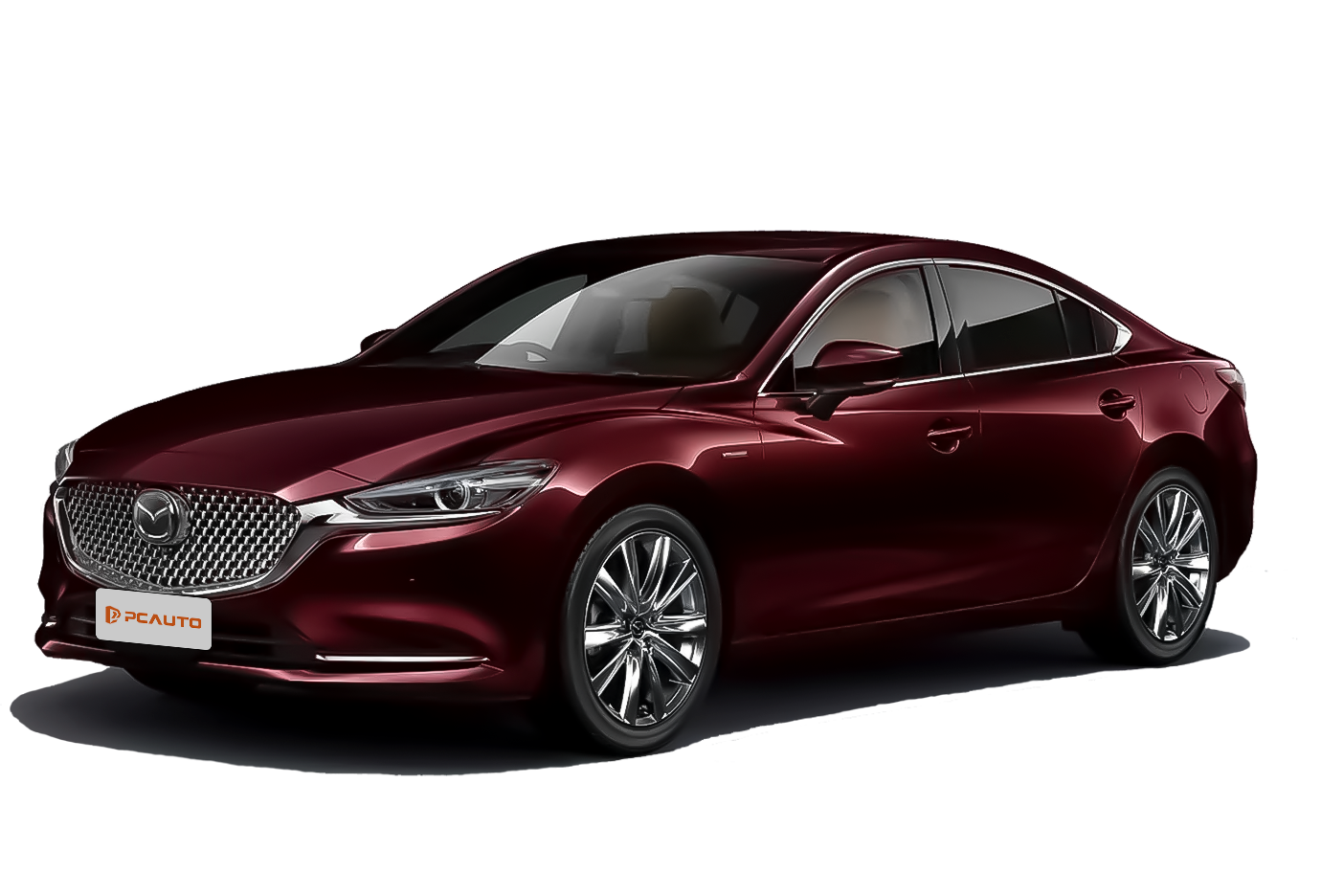
From a distance, the overall lines of the 2019 Mazda 6 are smooth and low-slung, continuing the brand's "KODO" design language, making it sportier than some competitors in its class. The shield-shaped front grille, complemented by chrome trim, is highly recognizable; the LED daytime running lights on both sides are integrated with the headlight assembly, extending the visual width. However, the main headlights use halogen bulbs, making the nighttime illumination performance relatively average. The side profile features a waistline that runs from the front fenders to the taillights, combined with 19-inch rear wheels (17-inch at the front) to create a forward-leaning stance. At the rear, the LED taillights are smoked and echo the dual-exhaust setup on both sides, successfully achieving a sporty vibe. However, the trunk lid’s design is relatively conservative, lacking a bit of wow factor.
Sitting inside, you first notice the sincerity in the choice of interior materials: the dashboard is covered in a large area of soft-touch materials, and the door armrests are wrapped in leather, providing a fine texture that feels much more premium compared to the hard plastic interiors in some competitors at the same price point. The center console layout leans towards the driver's side, with an 8-inch touchscreen embedded within it. Although the screen size is not top-notch, its operation is smooth; however, it is more recommended to use the physical control dial behind the gear lever while driving to avoid distractions. The car features prominent highlights in terms of configuration: the HUD (Head-Up Display) projects speed and navigation information directly, eliminating the need to look down; the dual-zone automatic climate control includes rear air vents, and the 8-way electrically adjustable front seats come with memory functions, while the passenger seat is also electrically adjustable, enhancing everyday usability. The safety features are notably superior for its class, with 6 airbags, a 360-degree surround-view camera system, lane departure warning, and autonomous emergency braking, all as standard, providing a strong sense of security.
The space performance is consistent with its D-segment positioning. With a body size of 4865/1840/1450mm and a wheelbase of 2830mm, a 175cm passenger seated in the front will have a fistful of headroom. The rear seat offers over two fists of legroom and one fist of headroom, and the low central floor hump means that even three occupants in the back won’t feel overly cramped. Storage capacity is average: the door pockets can hold two water bottles, the center armrest box is deep enough to fit long items, and the trunk has a capacity of 489 liters. The rear seats support a 60:40 split-folding design, making it flexible for transporting larger items.
In terms of performance, the 2.5L naturally aspirated engine delivers a maximum power of 195PS at 6000rpm and a peak torque of 258N·m at 4000rpm, paired with a 6-speed automatic transmission (6AT). Power output is smooth during start-up, without the abruptness of turbocharged engines, and lightly pressing the accelerator is sufficient to keep up with traffic. Mid-range and high-speed acceleration require a heavier push on the accelerator; the engine delivers its full torque potential after the revs climb to 4000rpm, providing ample confidence when overtaking. However, engine noise becomes slightly prominent at high revs. The 6AT transmission has clear shift logic, with quick upshifts and responsive downshifts. Paired with steering wheel-mounted paddle shifters, it can deliver timely feedback when you occasionally want to enjoy a spirited driving experience.
Handling is a traditional strength of the Mazda 6. The steering wheel is precise with minimal play, offering clear directional accuracy and conveying road surface information accurately when cornering. The chassis adopts a front MacPherson strut and rear multi-link independent suspension, tuned for a sportier feel, providing excellent body roll control and solid support during cornering. However, the downside is that the suspension leans towards stiffness—when going over speed bumps or potholes, the jolts are directly transmitted into the cabin, which is more noticeable for the rear passengers. The braking performance is stable, with a moderate pedal travel and linear braking force output, making it easy to control during daily driving. In terms of fuel consumption, the official combined fuel consumption is 7L/100km. In actual urban roads, it is about 8.5-9L/100km, and on highways, it can drop to around 6.5L, meeting the expectations for a 2.5L naturally aspirated engine.
In terms of driving comfort, the seat offers good wrapping support, the leather material is reasonably breathable, and it doesn’t cause too much fatigue during long rides. However, noise control is average, with tire and wind noise becoming increasingly noticeable past 80km/h, especially the tire noise from the 19-inch rear wheels, which impacts the level of quietness. The engine start-stop system is logically designed, shutting off smoothly at red lights and restarting with minimal vibration, ensuring a good experience. The hill-start assist function is responsive, making it easy even for beginners to handle starting on slopes without frequent use of the foot brake.
Overall, the core advantages of the 2019 Mazda 6 SkyActiv-G 2.5L are clear: a sporty design and driving dynamics, excellent safety features for its class, and solid interior materials. Compared to competitors in its segment, it offers better driving quality than models focusing on comfort and more comprehensive configurations than counterparts emphasizing cost-effectiveness. Its only drawbacks are its stiff suspension, which affects rear-seat comfort, and noise control at high speeds that needs improvement.
This car is suitable for two types of users: first, family users who value the driving experience and need a car that can fulfill daily commuting and cargo needs while occasionally providing driving pleasure; and second, young consumers around the age of 30 who seek sporty styling and quality features without high expectations for rear-seat space. If you're looking for a midsize car that is practical for family use and also enjoyable to drive occasionally, the Mazda 6 is worth considering; however, if rear-seat comfort is a higher priority, you might need to weigh the suspension tuning style carefully.
In summary, the 2019 Mazda 6 SkyActiv-G 2.5L is a "specialist without being extreme" midsize car. With its sporty DNA and honest configurations, it creates differentiation and strikes a good balance between versatility and individuality. It is a solid and worthy choice in the D-class car market that should not be overlooked.
Mazda 6 Sedan Car Compare
Mazda 6 Sedan Loan Calculator
More Mazda Reviews
Cars With Similar Price And Features

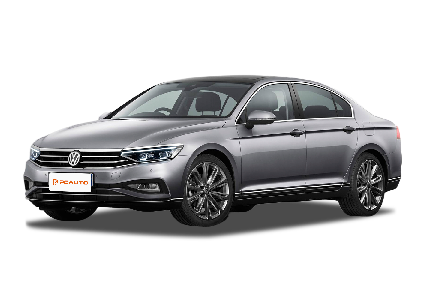
2022 Volkswagen Passat 2.0 TSI R-Line combines business elegance with sporty personality, featuring 220PS power, 14-way massage seats, and Harman Kardon audio system to meet the diverse needs of families and young professionals.
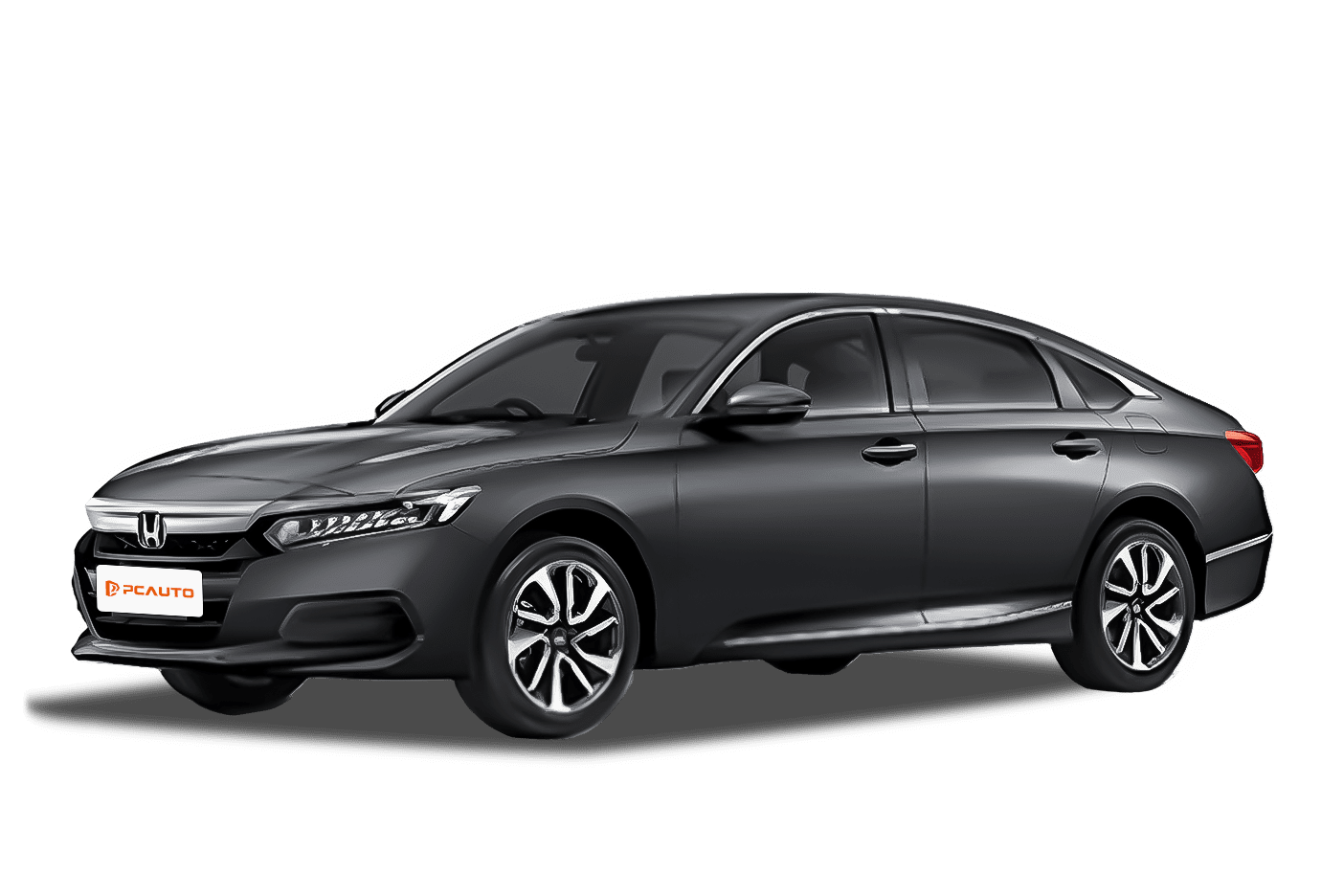
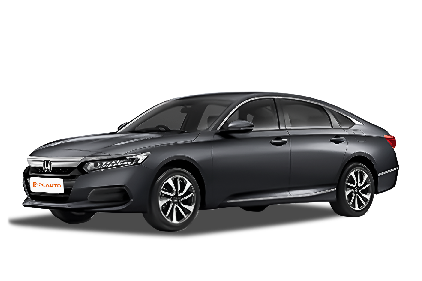
The 2023 Honda Accord 1.5 TC is a D-segment sedan that balances both business and family use, with core selling points of spacious interior, comfortable driving, and efficient performance, making it suitable for practical family users.

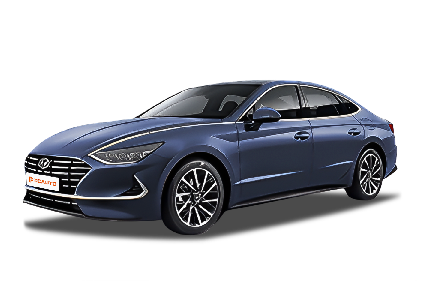
2024 Hyundai Sonata public is positioned as a D-Segment family and business sedan, combining dynamic design, practical configurations, and spacious space, balancing power and fuel consumption, safe and reliable.
23
Rank in Sedan
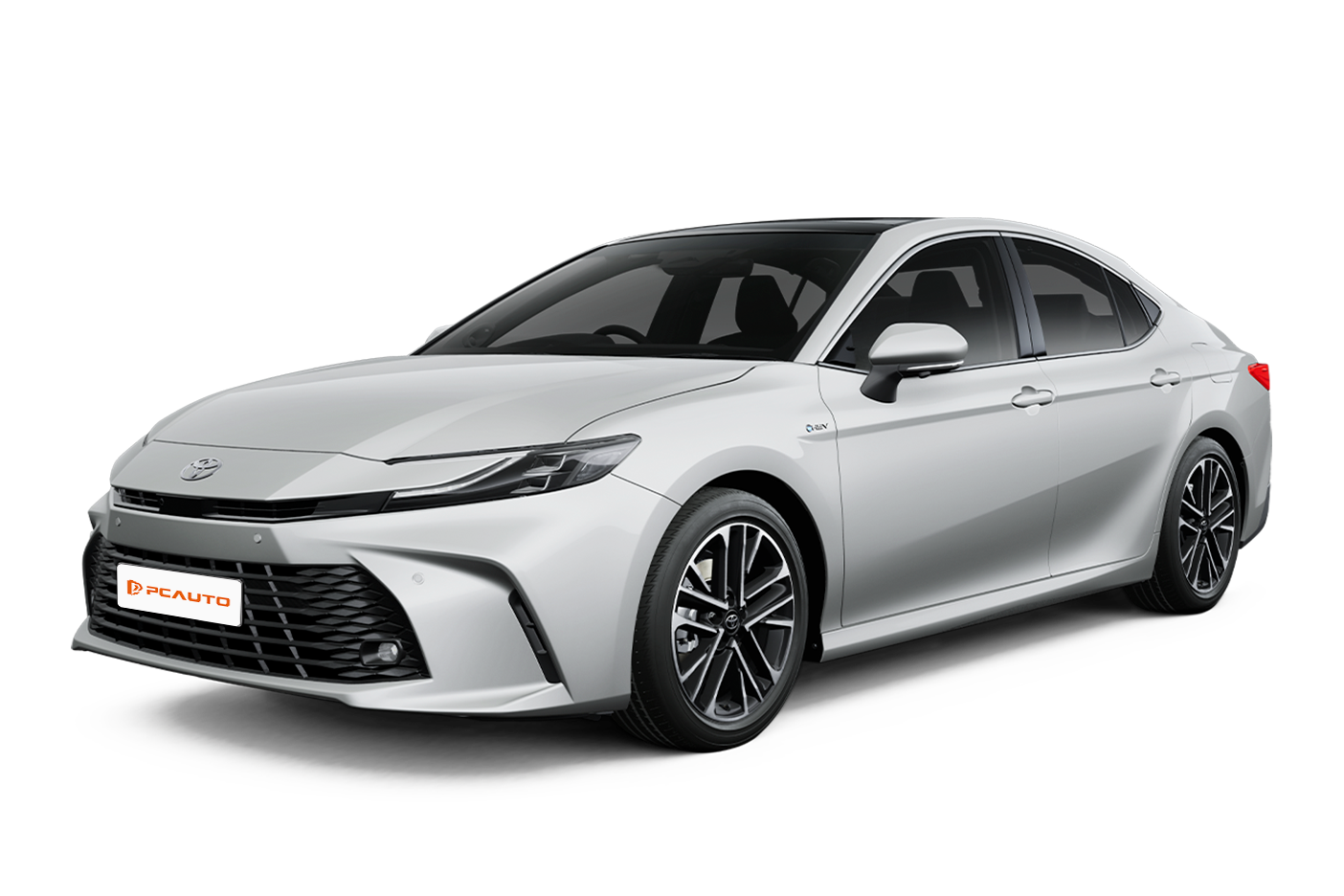
2025 Toyota Camry 2.5 V features an extended body, upgraded large-screen interior to enhance household comfort, 2.5L+8AT smooth power with more comprehensive intelligent driving, precisely meeting the reliable household needs of the D-segment.