

2019 Nissan X-Trail 2.5 4WD Review

 Share
Share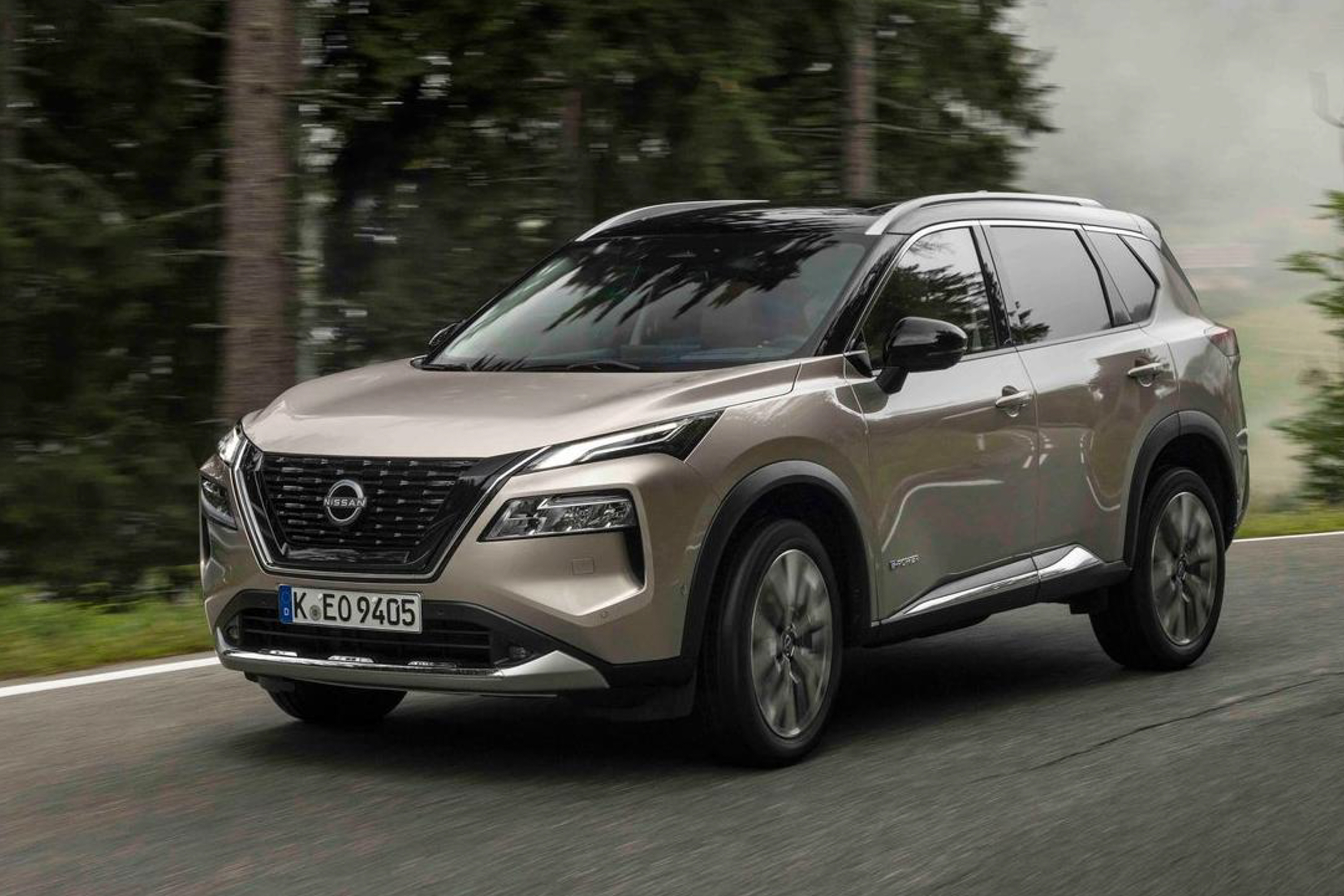
 Segment
 Body Type
 Capacity(L)
 Engine Power(PS)
 Transmission
 Driven Wheels
Malaysia's C-Segment SUV market has always been a stronghold for family users, with space practicality, safety features, and fuel efficiency being the core considerations for most consumers. The 2019 Nissan X-Trail 2.5 4WD stands out as a popular choice in this segment, boasting a 7-seater layout, all-wheel drive, and a wealth of active safety features. This time, we conducted a real-world test drive to see whether it can meet the needs of local multi-scenario use.
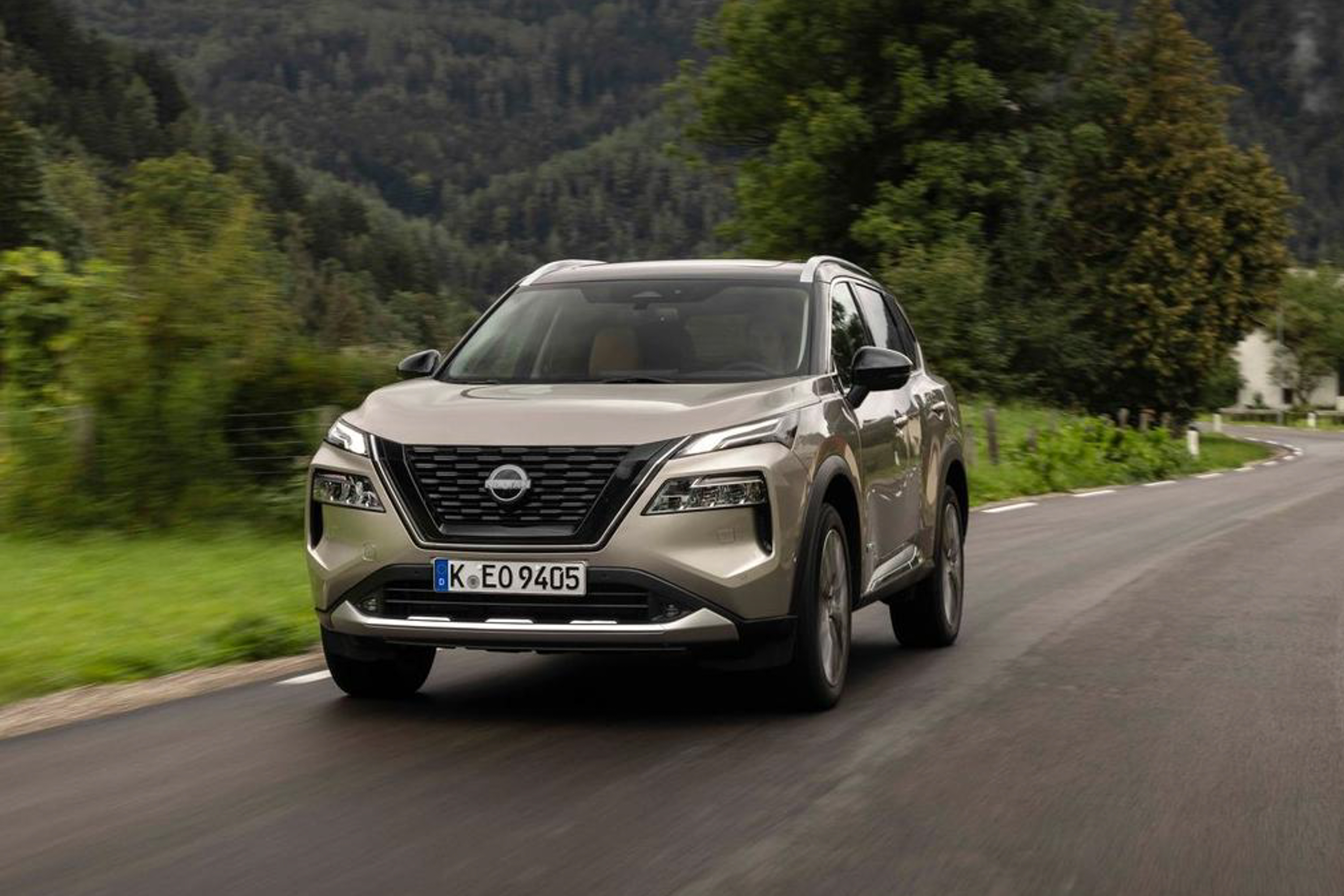
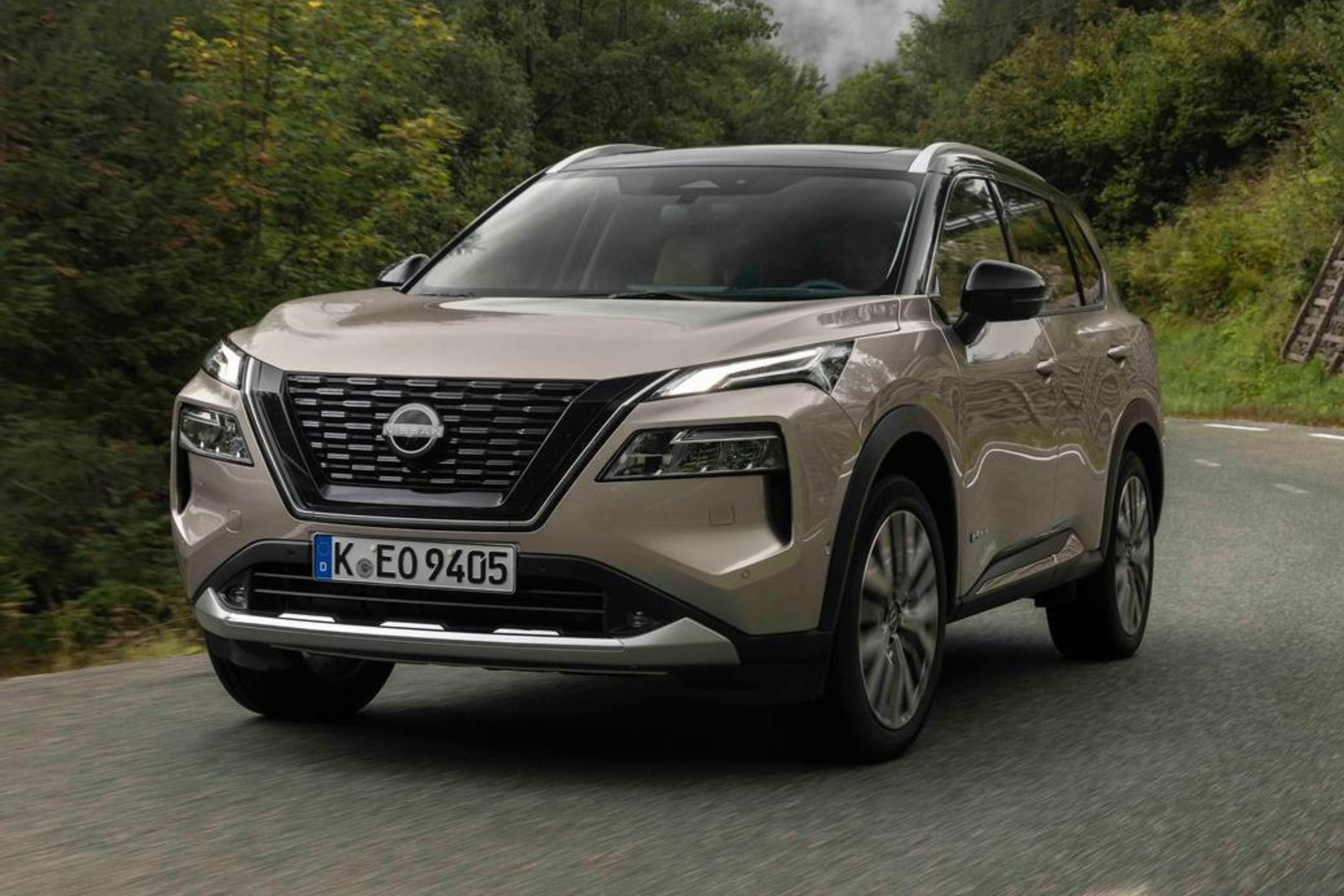
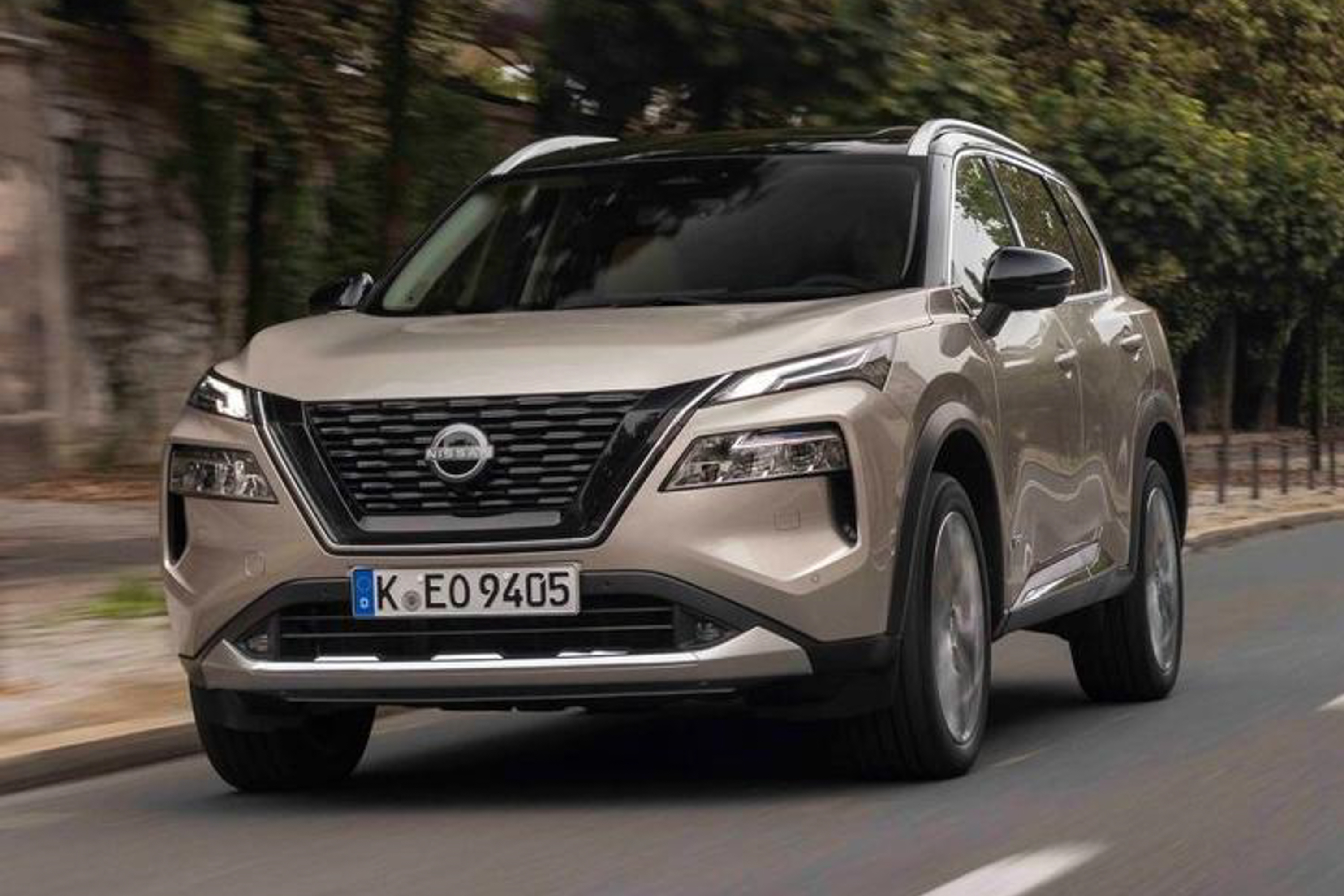
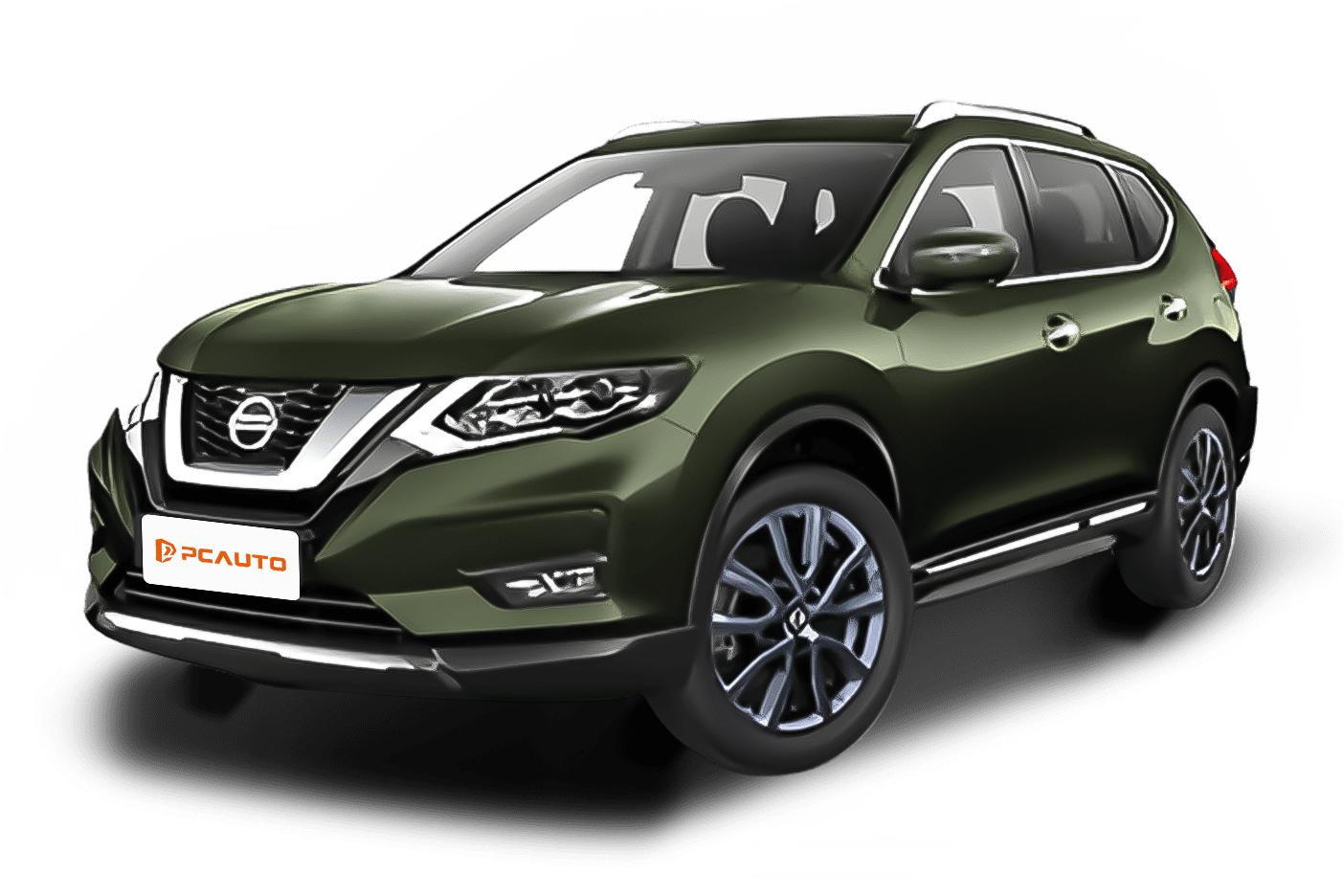
From the exterior, the X-Trail retains Nissan's signature solid design language, with a highly recognizable V-Motion chrome front grille paired with LED headlights. The side profile features straight lines, with a length of 4,690mm and a wheelbase of 2,705mm providing the basis for the 7-seater layout. The 17-inch alloy wheels are average in size for this segment, but the high tire profile is more suitable for handling unpaved roads locally. The rear design is kept simple, with LED taillights echoing the front design, and a silver skid plate under the rear bumper adding a touch of ruggedness. The overall styling aligns well with family users' aesthetic expectations for an SUV.
Inside the cabin, the interior primarily features dark tones, with soft-touch materials covering the dashboard for a decent tactile feel. A 7-inch touchscreen is placed centrally on the dashboard, featuring a simple interface, supporting Bluetooth and USB connections, with moderate operational fluidity. The instrument cluster adopts a traditional self-luminous analog design, displaying information clearly but lacking the technological feel of a fully digital display. In terms of configuration, the front row includes an 8-way power-adjustable driver seat (with lumbar support) and a 4-way power-adjustable passenger seat, allowing for comfortable postures during long drives. The dual-zone automatic air conditioning comes with rear vents, and the second row offers a 220V power outlet for rear passengers to charge electronic devices. As for space performance, the second-row seats are adjustable for sliding and reclining; a 175cm-tall passenger can have two fists of legroom and one fist of headroom. The third row of seats is more suitable for children or short-distance use, as adults may feel cramped for longer journeys. The trunk has a standard capacity of 550 liters, expanding significantly when the third row is folded, meeting the storage needs of family trips.
In terms of power, the 2.5L naturally aspirated engine delivers a maximum power of 171PS at 6,000rpm and a peak torque of 233N·m at 4,000rpm, paired with a CVT transmission. During daily driving, it offers smooth starts and linear acceleration response. The CVT transmission performs well in terms of smoothness, but pressing the accelerator deeply causes the engine speed to increase rapidly, which results in noticeable engine noise entering the cabin. In sport mode, the power output becomes more aggressive, providing more confidence during overtaking, although noise at high RPM is relatively prominent. Regarding fuel consumption, the combined tested figure is about 8.5L/100km, slightly higher than the official claim of 7.5L/100km, likely due to local traffic congestion conditions.
The handling and suspension performance are average, with the steering wheel offering light resistance, making it suitable for city driving, but road feedback is somewhat vague. The front MacPherson struts and rear multi-link independent suspension are tuned for comfort, effectively filtering most bumps on common speed bumps and rough roads. However, the body roll is noticeable when cornering at higher speeds. The all-wheel-drive system provides better grip on wet or lightly off-road conditions but is not suitable for heavy off-roading. The braking performance is stable, with a moderate pedal travel and linear braking force.
In terms of ride comfort, the seat padding is soft, providing adequate lumbar support for long rides, though the wrap-around feeling is average. As for noise control, wind and tire noise become more noticeable at high speeds, especially above 110 km/h, which can slightly affect conversations inside the car. The active safety features are comprehensive, including lane departure warning, automatic emergency braking, forward collision warning, etc. The 360-degree panoramic camera and automatic parking feature are friendly for beginners, enhancing the convenience of daily car use.
Overall, the core advantages of the 2019 Nissan X-Trail 2.5 4WD lie in its flexible 7-seat configuration, extensive safety features, and full-time 4WD system, making it suitable for family users in various travel scenarios. Compared to competitors in the same segment, its configuration is in the upper-middle range, but its power output and fuel efficiency are not particularly outstanding. If you prioritize space practicality and safety features, frequently travel with family, and occasionally venture onto unpaved roads, the X-Trail 2.5 4WD is a good choice. However, if you value performance or fuel economy more, you might need to consider other options. Overall, it is a well-balanced family SUV that meets most daily driving needs.
Nissan X-Trail Car Compare
Nissan X-Trail Loan Calculator
More Nissan Reviews
Cars With Similar Price And Features
8
Rank in SUV
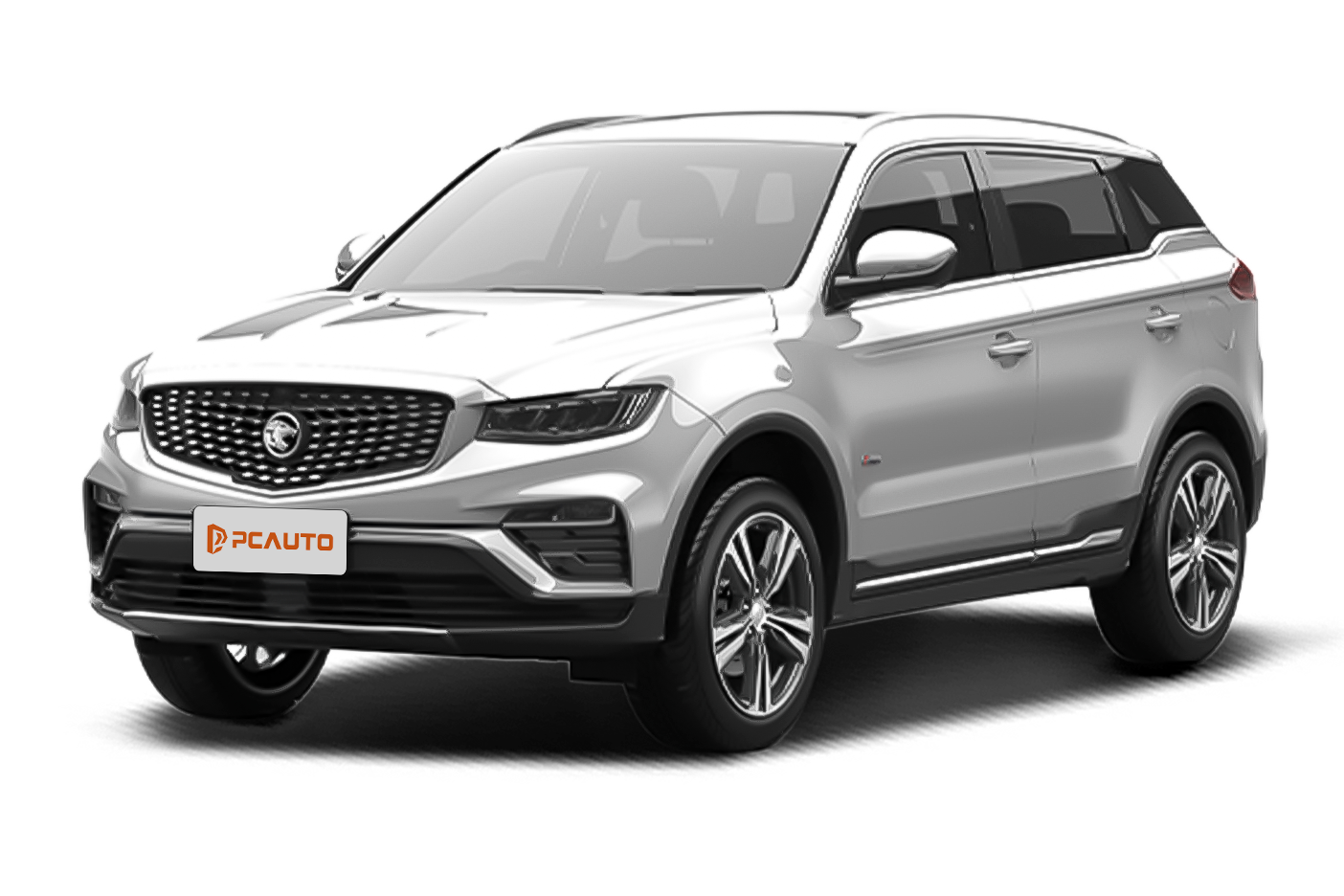
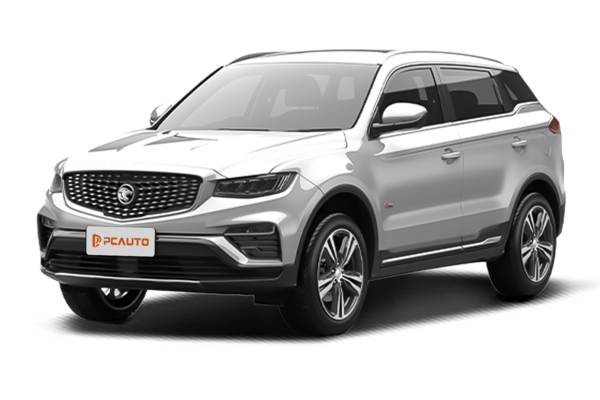
2026 Proton X70 1.5 TGDi Executive focuses on upgrading to a four-cylinder engine, practical configurations, and affordable pricing. It balances family commute practicality with value for money, making it a sensible choice among similarly priced C-segment SUVs.
10
Rank in SUV
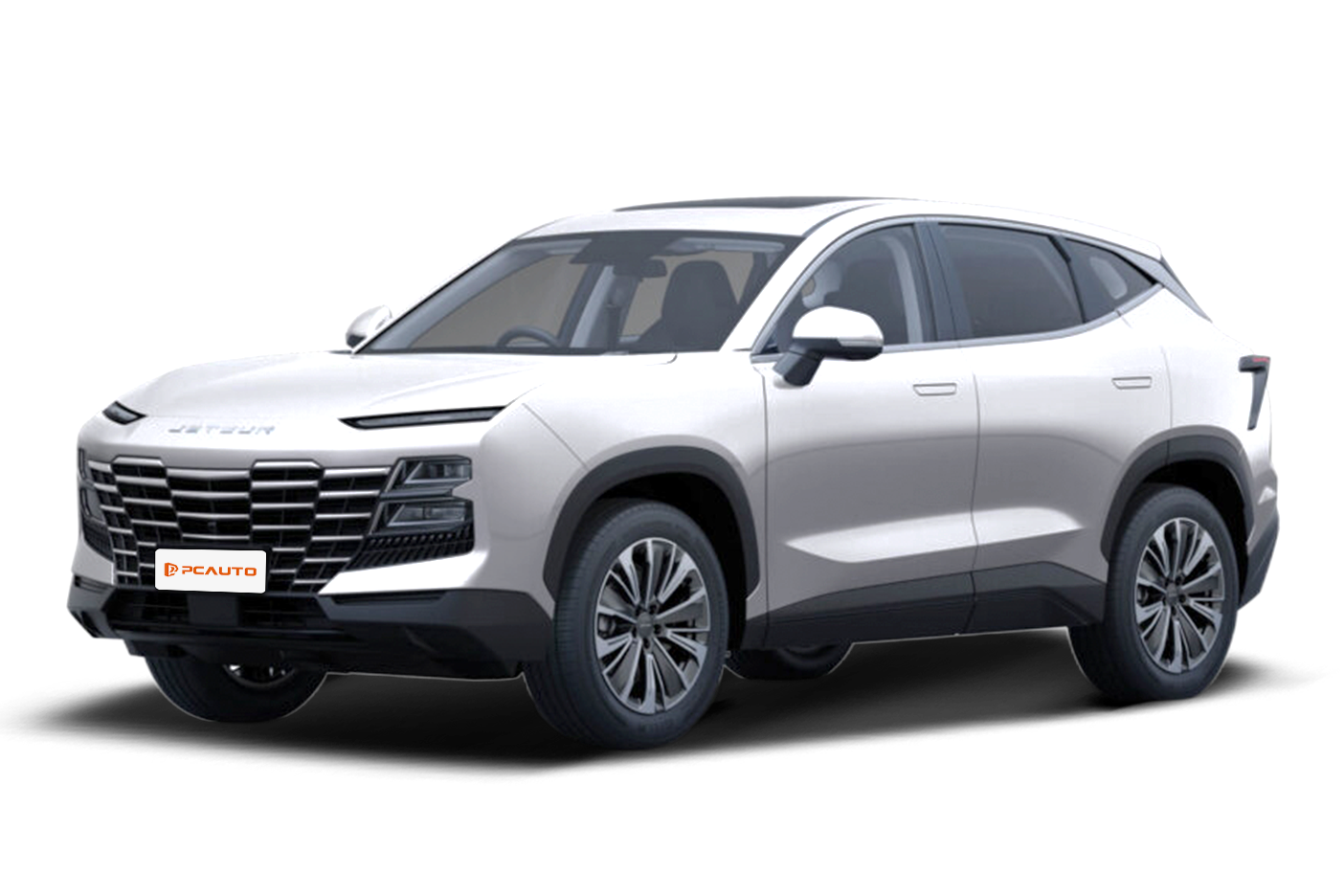
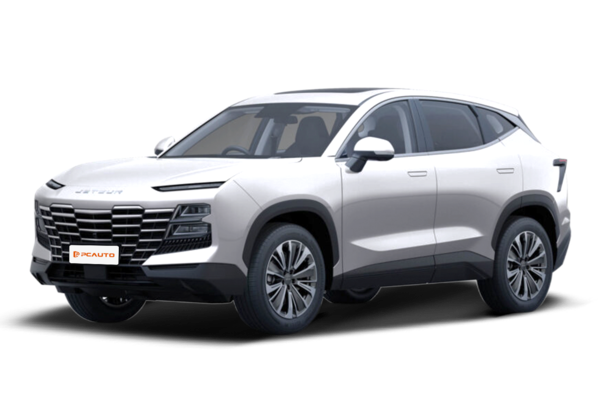
Jetour Dashing 1.5 TCI Comfort 2025 features a 2720mm long wheelbase and a 10.25-inch dual screen as its core, focusing on balanced cost performance to meet family practical needs.
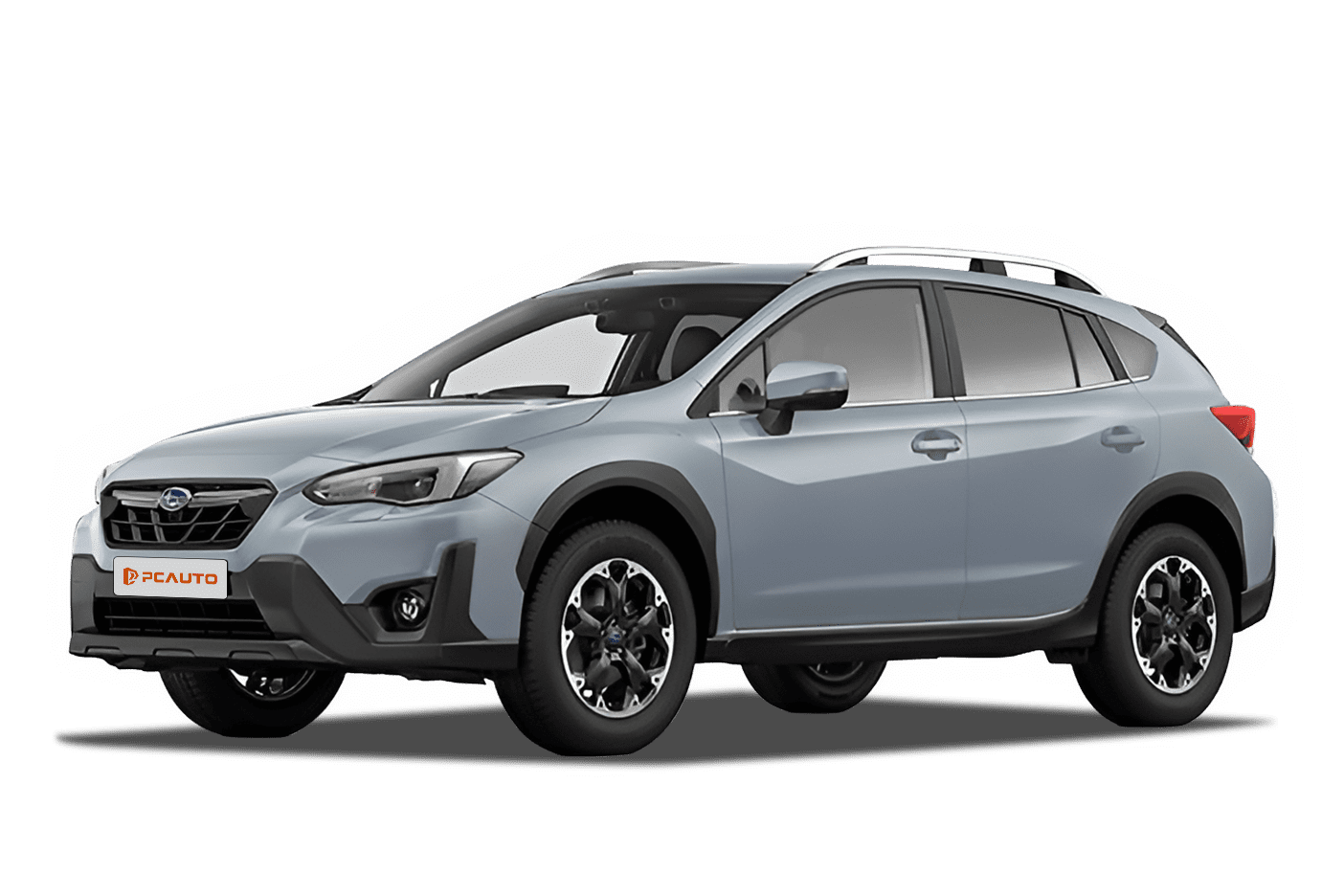
The 2021 Subaru XV 2.0i is a model targeting the C-segment crossover market, equipped with standard all-wheel drive and high safety features, balancing off-road capability and handling, with practical space.

2021 Hyundai Kona 2.0 Standard, as a high-value entry-level compact SUV, retains essential safety and practical features with an affordable price, meeting the daily commuting and loading needs of families.