
2019 Porsche 911 911 GT3 Review

 Share
Share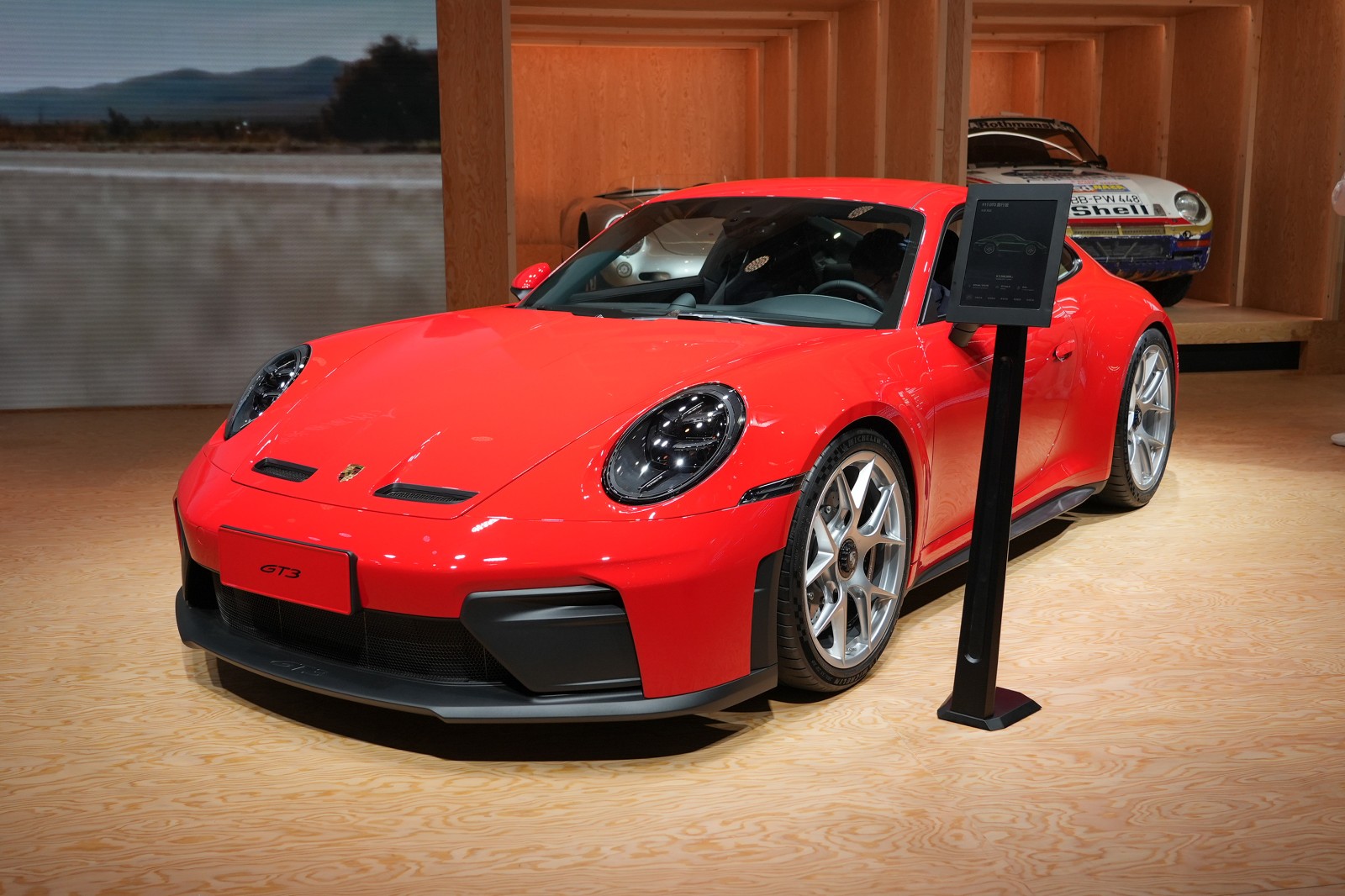
 Segment
 Body Type
 Engine Power(PS)
 Capacity(L)
 Engine Torque(Nm)
 Transmission
In recent years, although Malaysia's supercar market is niche, the demand has remained stable. Consumers tend to prefer models that balance track performance with everyday practicality. The 911 GT3, being the purest track-oriented version of the Porsche 911 family, stands out as a core competitor in this segment. It features a naturally aspirated engine and retains a manual transmission option, characteristics that fascinate many enthusiasts who pursue the essence of driving. The core purpose of this test drive is to verify the overall performance of this car under Malaysian road and track conditions, to see whether it truly achieves the goal of being "daily drivable and track-ready".
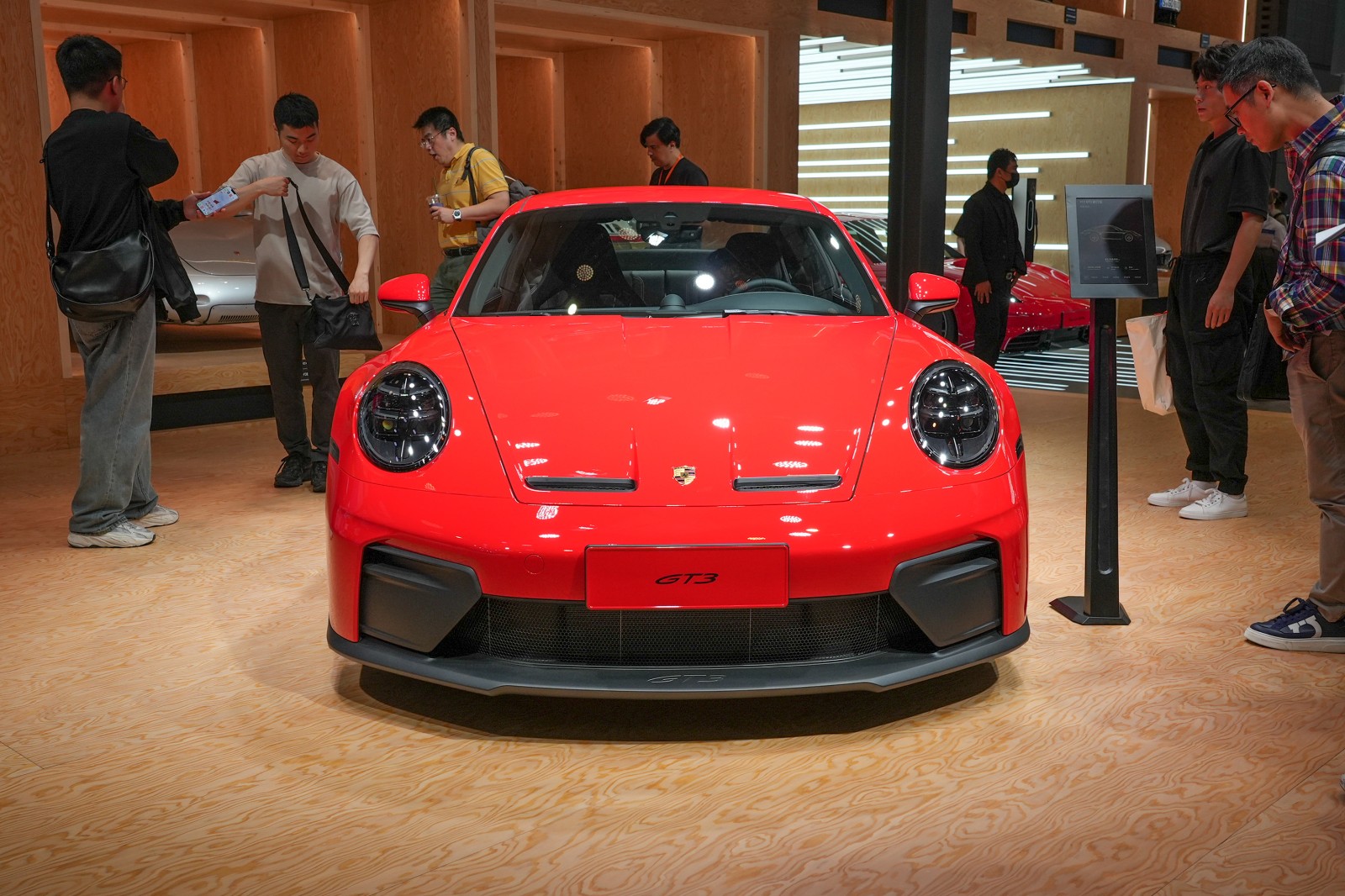
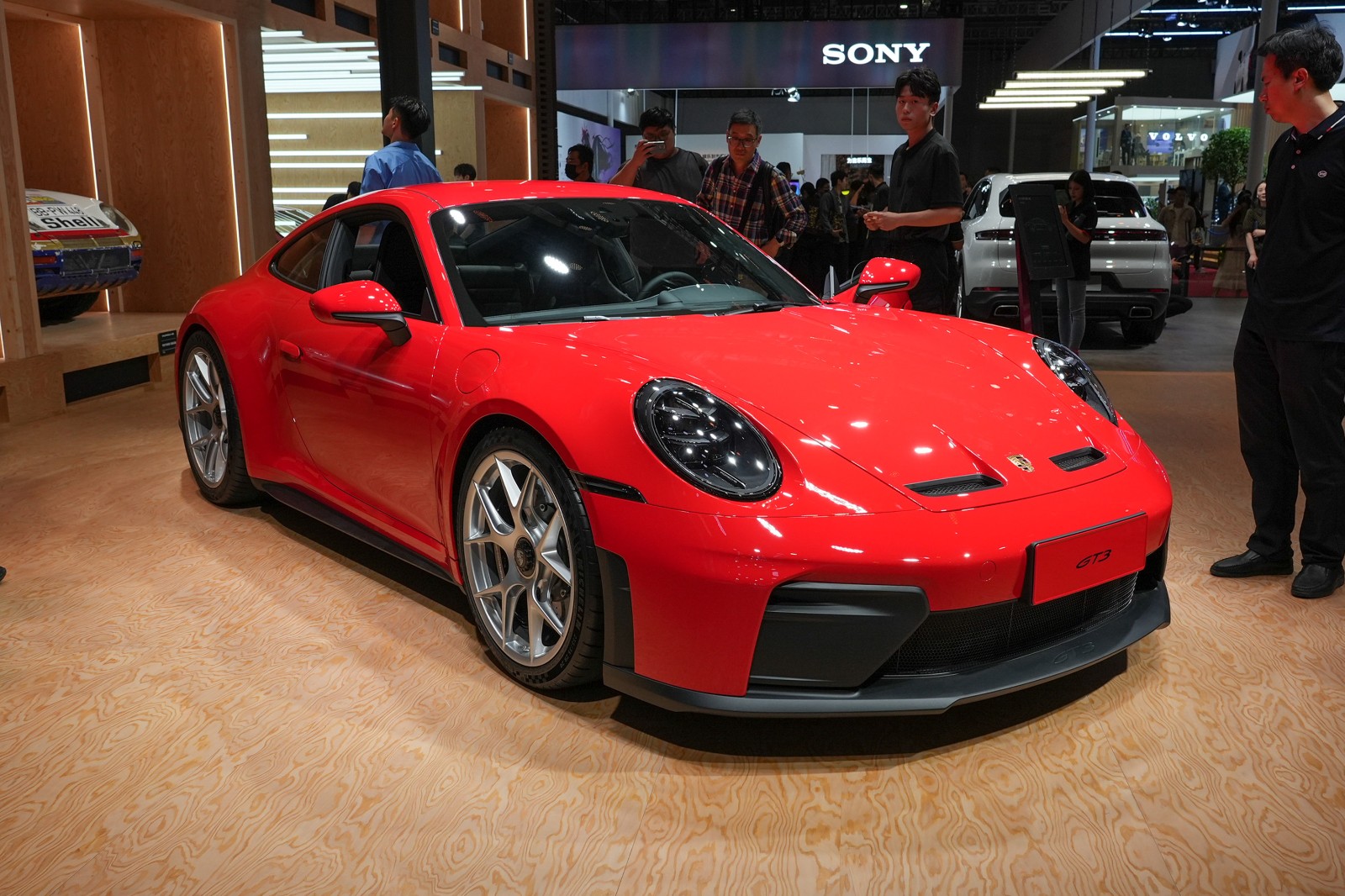
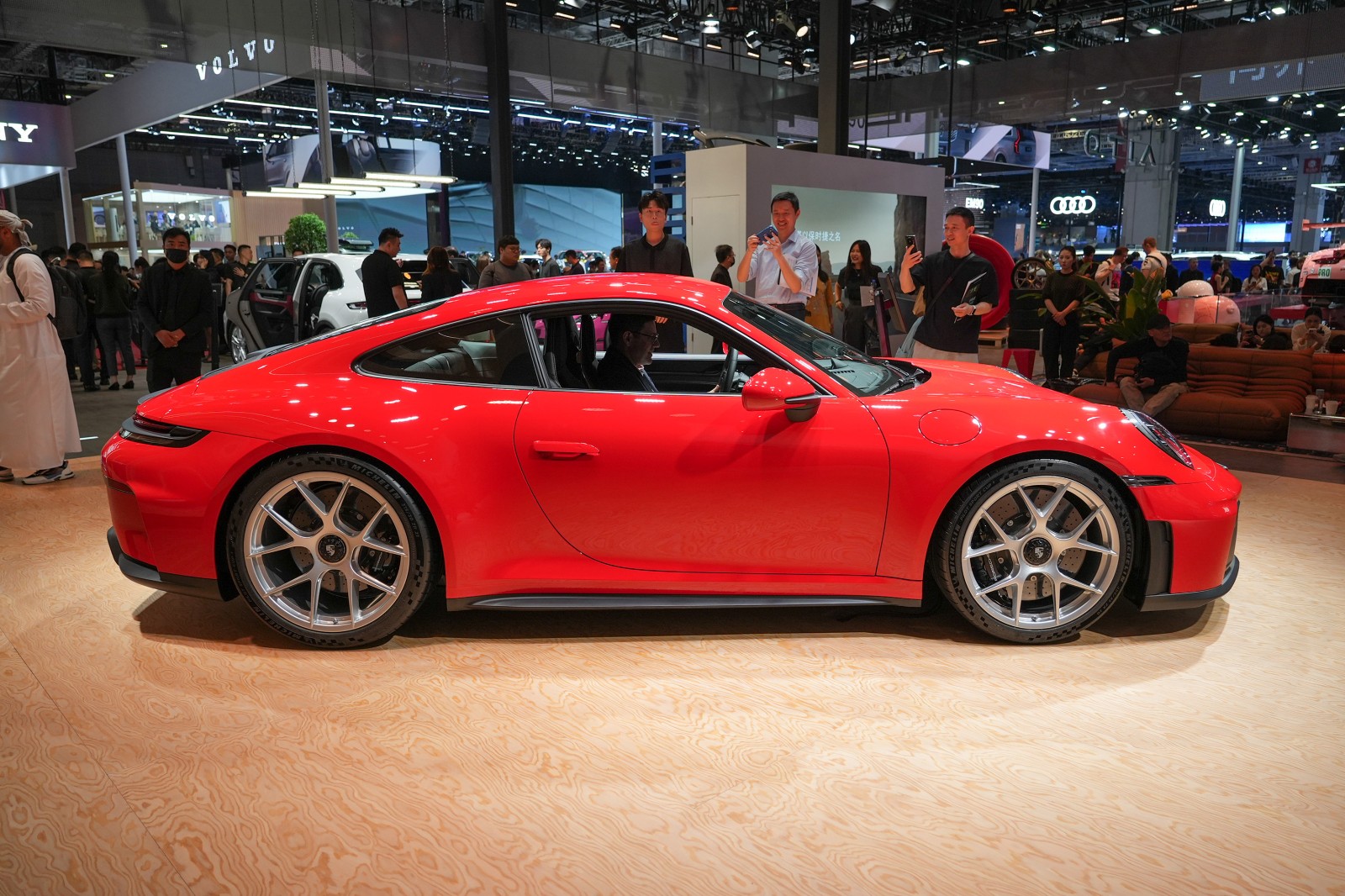
The exterior of the 2019 911 GT3 continues the classic silhouette of the 911 family, but its details are infused with track genes. The front lower fascia adopts a larger air intake grille, paired with side air ducts, not only improving aerodynamic efficiency but also giving the front an aggressive look. The most striking feature on the car's side is the 20-inch center-lock wheels, paired with Michelin Pilot Sport Cup 2 tires, directly emphasizing its performance positioning. The ventilation design on the front fenders effectively reduces the air pressure inside the wheel arches, enhancing high-speed stability. The active rear spoiler, a signature design, automatically raises when speeds exceed 120 km/h, providing additional downforce. The rear diffuser combined with quad exhaust tips further reinforces the sporty atmosphere. In terms of lighting systems, both the LED daytime running lights and tail lights adopt Porsche's family design, offering high recognition while ensuring nighttime driving safety.
Sitting inside, the 911 GT3's interior is predominantly black, with a strong sporty texture brought by extensive use of Alcantara material on the steering wheel, seats, and center console. The center console layout is simple, with a 7-inch touchscreen on top, featuring the Porsche Communication Management system (PCM) that supports Apple CarPlay and Bluetooth connectivity. The operating fluidity meets expectations. The instrument cluster retains Porsche's classic five-dial design, with a central tachometer featuring a red needle. The side LCD screens can display information such as speed, fuel consumption, and tire pressures, and in track mode, it can switch to focus on revs and gear positions. The seats are carbon fiber bucket seats provided by Recaro, offering excellent lateral support and manual adjustments for backrest angle and seat position. Although the rear seats are more ornamental, they can still be used for short-term emergencies or to store small items. As for storage space, the front trunk has a capacity of about 135 liters, enough to accommodate two carry-on suitcases, which is sufficient for daily commuting or short trips. However, the door panel storage slots and the center console storage compartment are small and can only fit items like phones or wallets.
In terms of power, the 2019 911 GT3 is equipped with a 4.0-liter naturally aspirated horizontally opposed six-cylinder engine, delivering a maximum power output of 450 PS at 8,250 rpm and a peak torque of 460 N·m at 6,000 rpm. It is paired with either a 6-speed manual transmission or a 7-speed PDK dual-clutch transmission. The test drive vehicle was the PDK version. When gently pressing the accelerator at start-up, the power response is direct and linear, without the abruptness of a turbocharged engine. Switching to sport-plus mode significantly enhances throttle sensitivity, and revs can easily reach above 8,000 rpm. At high revs, the engine emits a rich and layered roar that is uniquely characteristic of a naturally aspirated engine. In terms of acceleration performance, the official 0-100 km/h acceleration time is 3.4 seconds. During the test drive, flooring the accelerator on launch delivered a strong push-back sensation. The transmission shifted quickly and smoothly, and during overtaking, simply pressing the accelerator deeply would immediately prompt a downshift, with power readily available on demand.
The handling and chassis performance are the core strengths of the 911 GT3. The steering wheel has extremely high steering precision with almost zero play, and it clearly communicates road conditions when turned, allowing the driver to have complete control over the vehicle's trajectory. The chassis uses a front MacPherson strut and rear multi-link independent suspension. After track-focused tuning, the suspension stiffness is significantly higher than that of the standard 911, suppressing body roll to a minimal range during cornering and providing impressive stability during high-speed lane changes. On the commonly seen asphalt roads in Malaysia, the suspension filters out most minor bumps, but vibrations are more directly transmitted into the cabin when encountering speed bumps or larger potholes, which is common for performance cars. The braking system features front six-piston and rear four-piston calipers paired with carbon-ceramic brake discs. The braking response is rapid with lasting stopping power, even with repeated heavy braking, showing no significant signs of brake fade, performing exceptionally well during track tests.
During daily driving, the 911 GT3 performs better than expected. In normal mode, the engine keeps the RPM around 2000, the transmission shifts actively, and the fuel consumption is approximately 12L/100km (combined conditions). While not exactly fuel-efficient, this is normal for a performance car. In terms of noise control, at low speeds, cabin noise is mainly from the tires, while wind noise and engine noise increase at higher speeds but remain within acceptable ranges, not affecting normal conversations. Although the seats provide strong support, the padding is not too firm, so long drives do not feel tiring.
Overall, the core advantages of the 2019 Porsche 911 GT3 lie in its pure driving experience—linear power delivery from its naturally aspirated engine, precise handling, stable chassis performance, and practicality for everyday use. Compared to competitors in the same class, such as the BMW M4 CS and Audi RS5, the 911 GT3 excels in track performance while maintaining the 911 family’s practical usability. This is its greatest competitive strength. This car is ideal for those who seek both the thrill of track driving and the practicality of a daily commuter performance car. They might be car enthusiasts or high-income earners willing to pay for the essence of driving.
In conclusion, the 2019 Porsche 911 GT3 is a "well-rounded" performance car that can unleash passion on the track while driving gracefully on the road. If you are a car enthusiast chasing the pure essence of driving and do not mind sacrificing some comfort, the 911 GT3 is definitely a choice worth considering—it is not just a supercar but a dedication to the essence of driving.
Porsche 911 Car Compare
Porsche 911 Loan Calculator
More Porsche Reviews
Cars With Similar Price And Features
8
Rank in Coupe
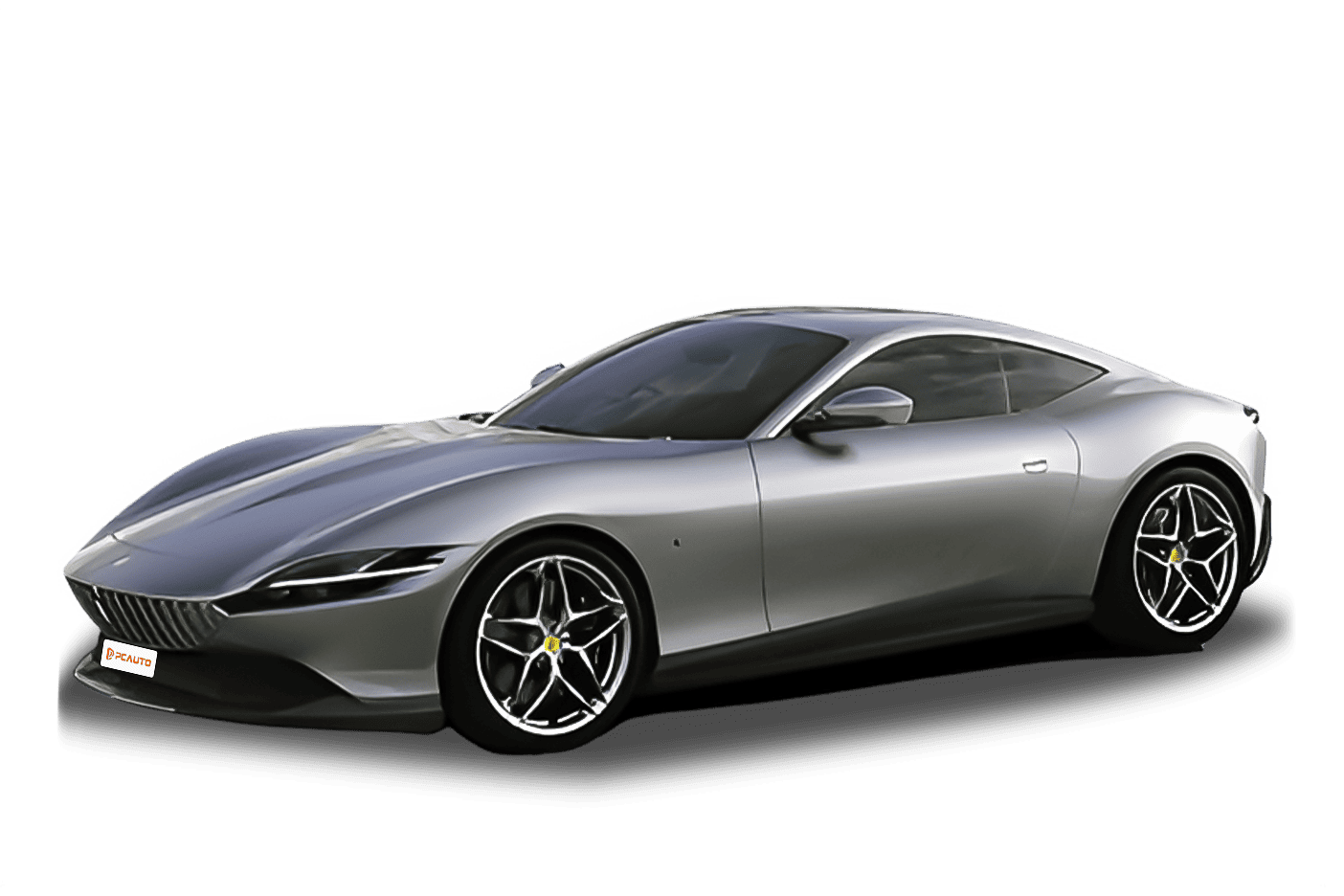
2023 Ferrari Roma Spider is a hardtop convertible GT supercar that combines elegant style with powerful performance, 13.5-second fast-opening soft top + 620PS power, practical for daily use and full of driving pleasure.

2023 Maserati MC20 Cielo is a two-seater supercar that combines track-level performance with convertible romance, equipped with a 630PS 3.0T V6 engine, a glass hardtop that opens and closes in 12 seconds, and accelerates to 100 km/h in 2.9 seconds.
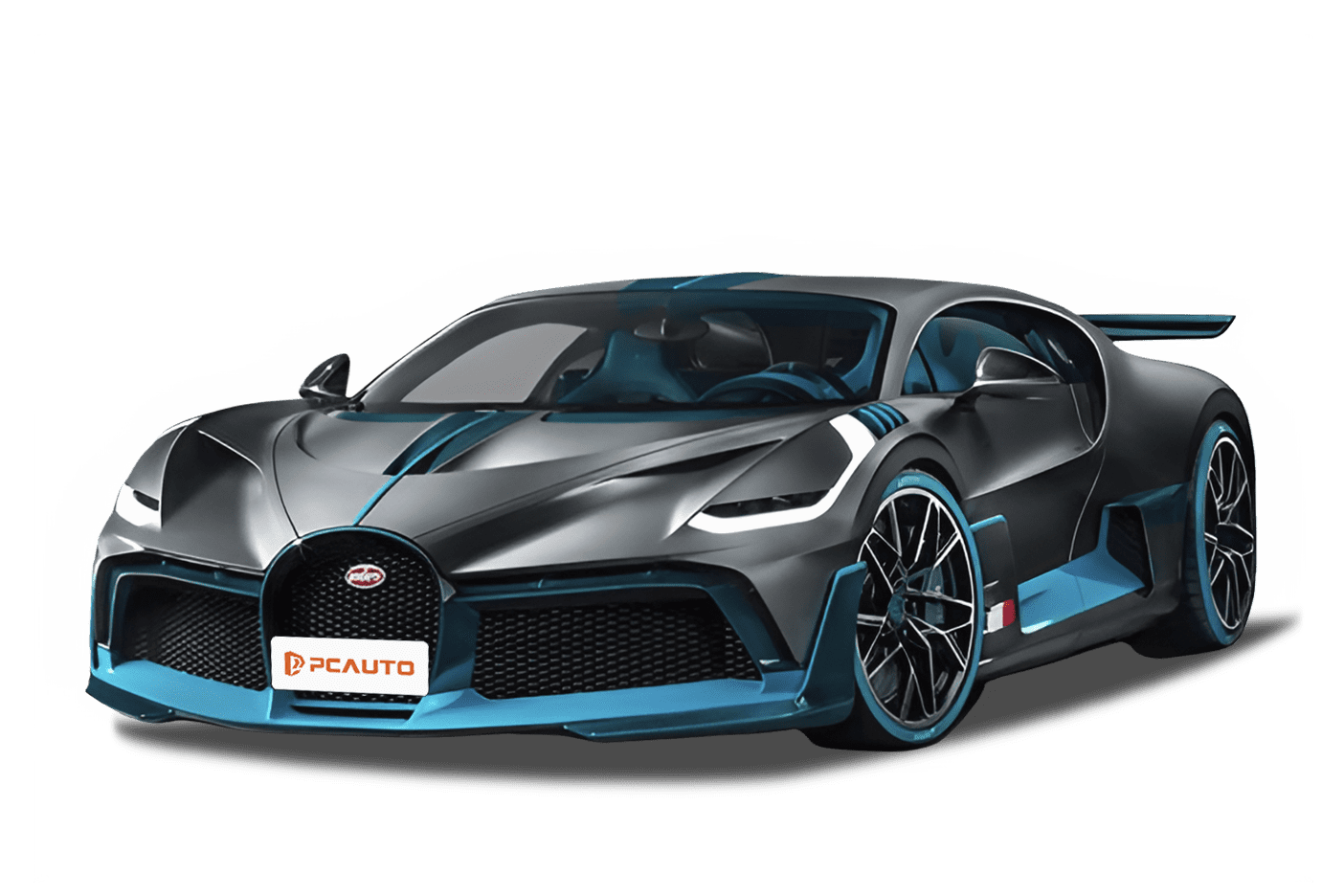
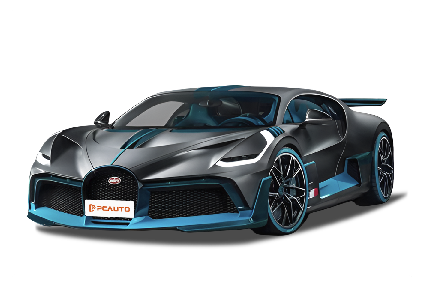
2023 Bugatti Divo, as a limited-edition hypercar and an advanced version of the Chiron, features track-focused aerodynamic design, 1520PS of brutal power, and precise handling, embodying the ultimate performance of being "born for the curves."
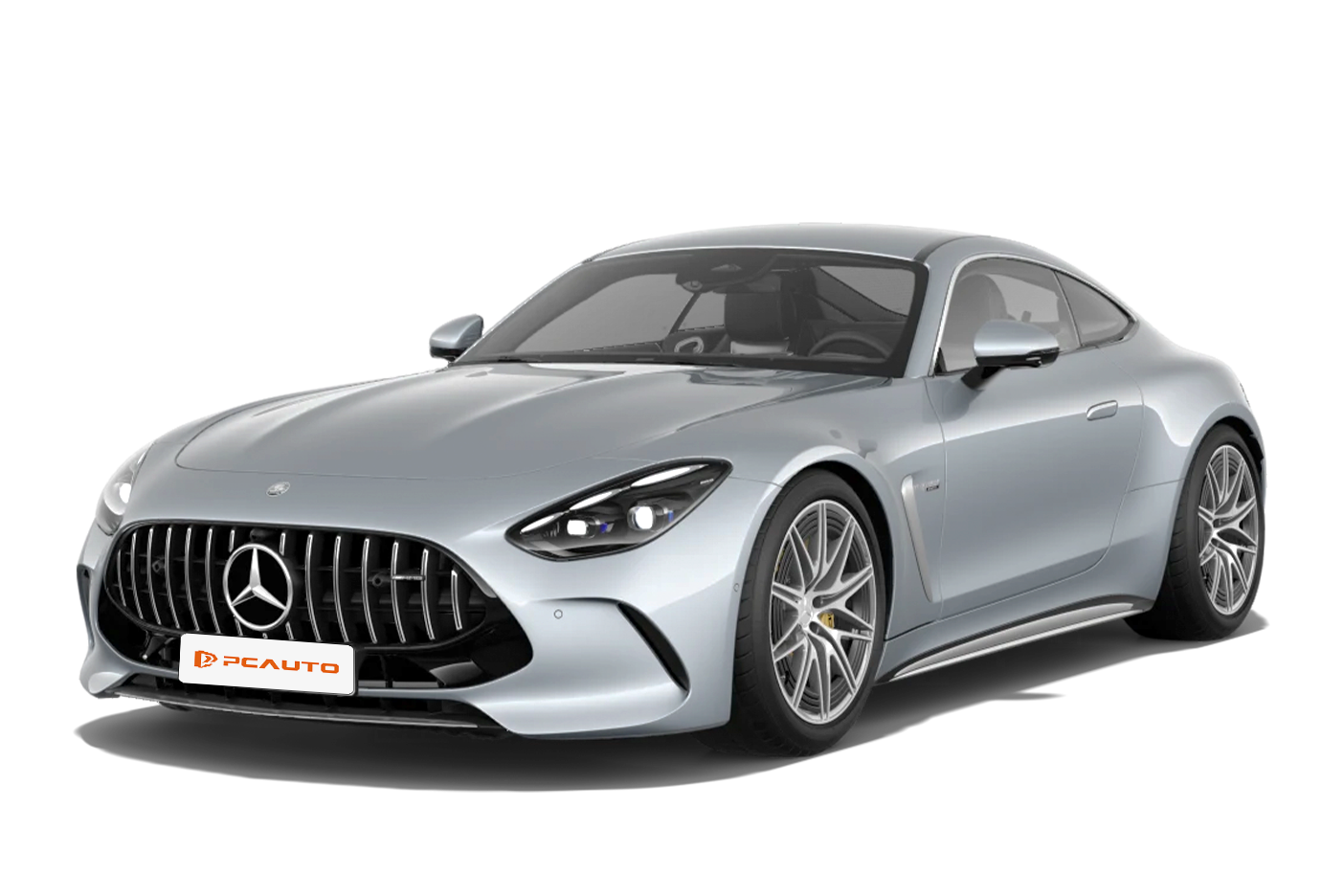
2025 Mercedes-Benz AMG GT 63 4Matic+ Coupe is a luxurious two-door sports car that combines 585PS 4.0T V8 performance (0-100 km/h in 3.2 seconds) with 351L of practical storage, balancing track excitement and daily commuting.