
2019 Porsche 911 911 Speedster Review

 Share
Share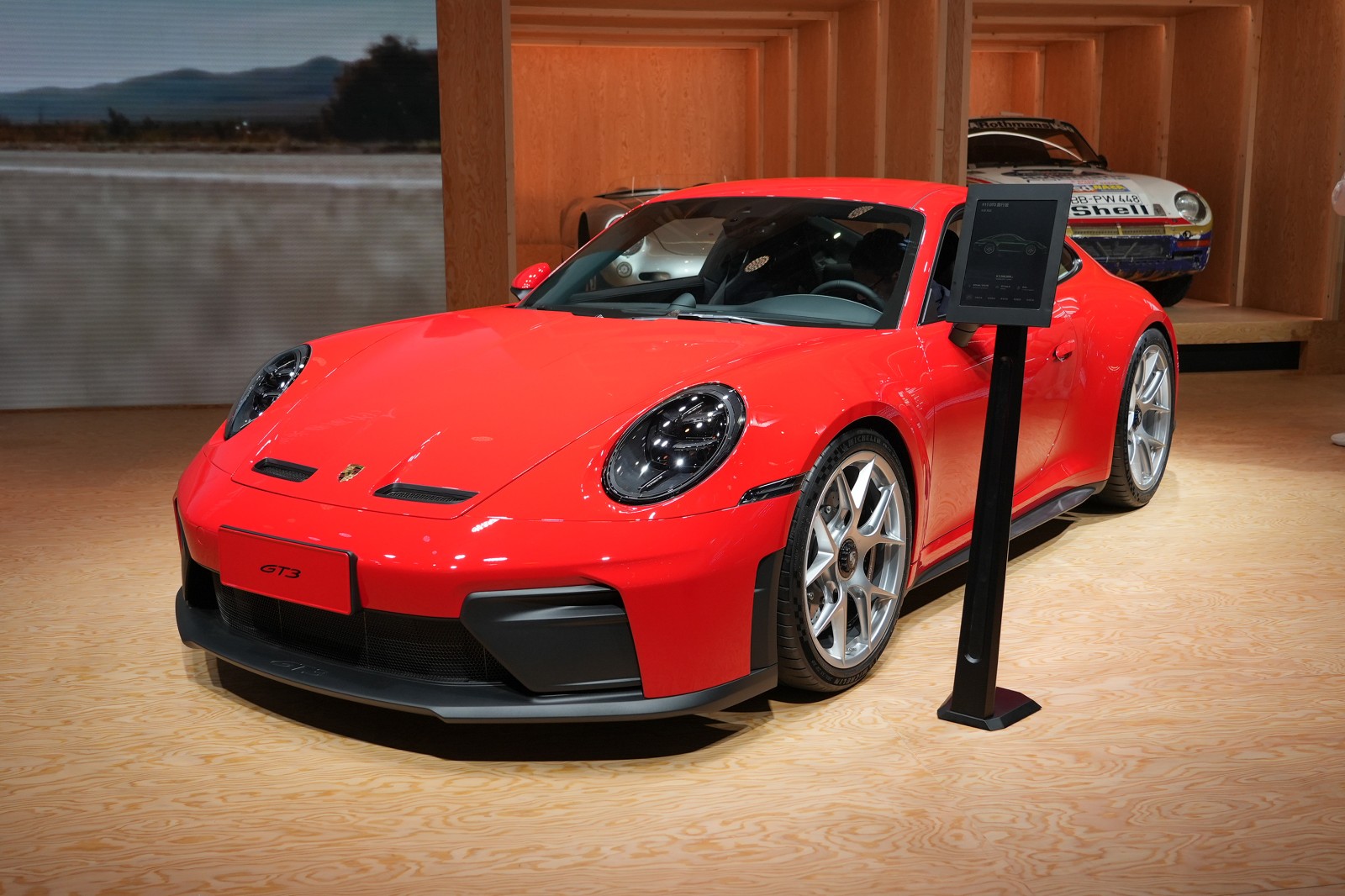
 Segment
 Body Type
 Engine Power(PS)
 Capacity(L)
 Engine Torque(Nm)
 Transmission
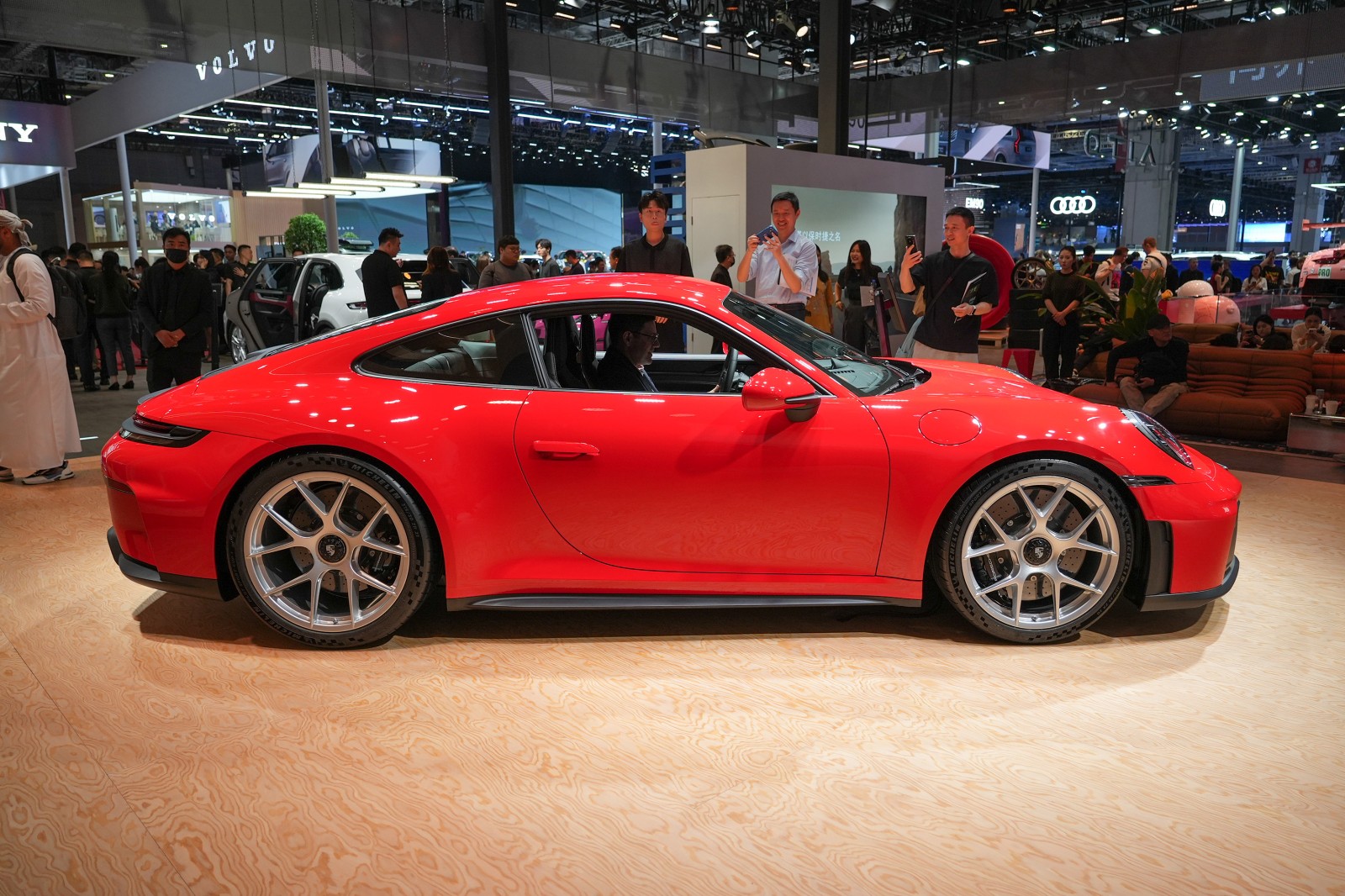
In the supercar segment of Malaysia, limited edition models have always been the focus of collectors and performance enthusiasts. They often pay homage to classics in their design while featuring the brand's most advanced mechanical tuning. The 2019 Porsche 911 Speedster is precisely such a model: as the final masterpiece of the 991 generation, it features a naturally aspirated engine, open-top design, and a limited production of 1,948 units, perfectly catering to users who "pursue driving purity while valuing collectability." The core of this review is to verify whether this car can strike the perfect balance between "emotional appeal" and "performance," while exploring its actual performance in daily use and track driving.
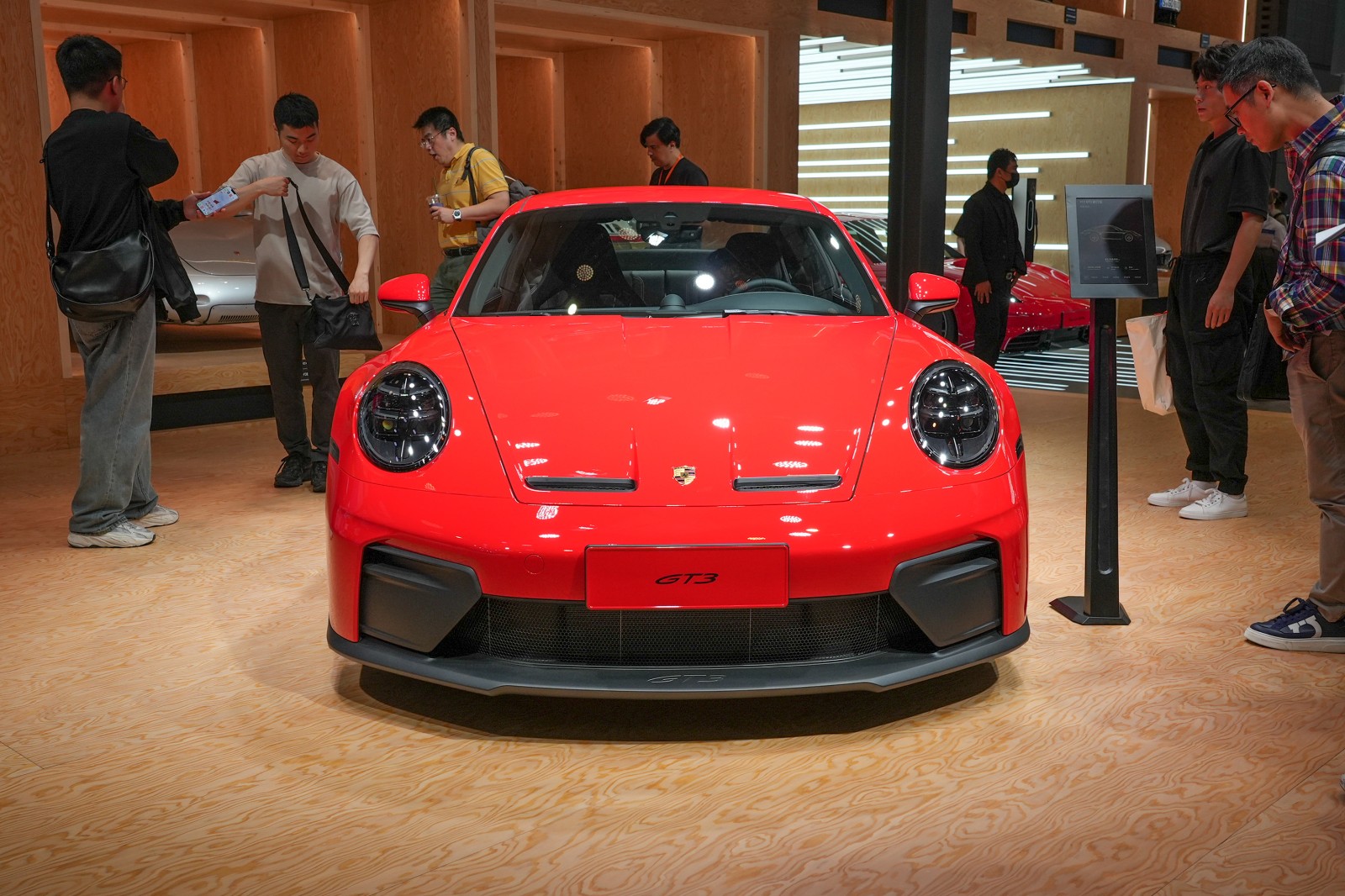
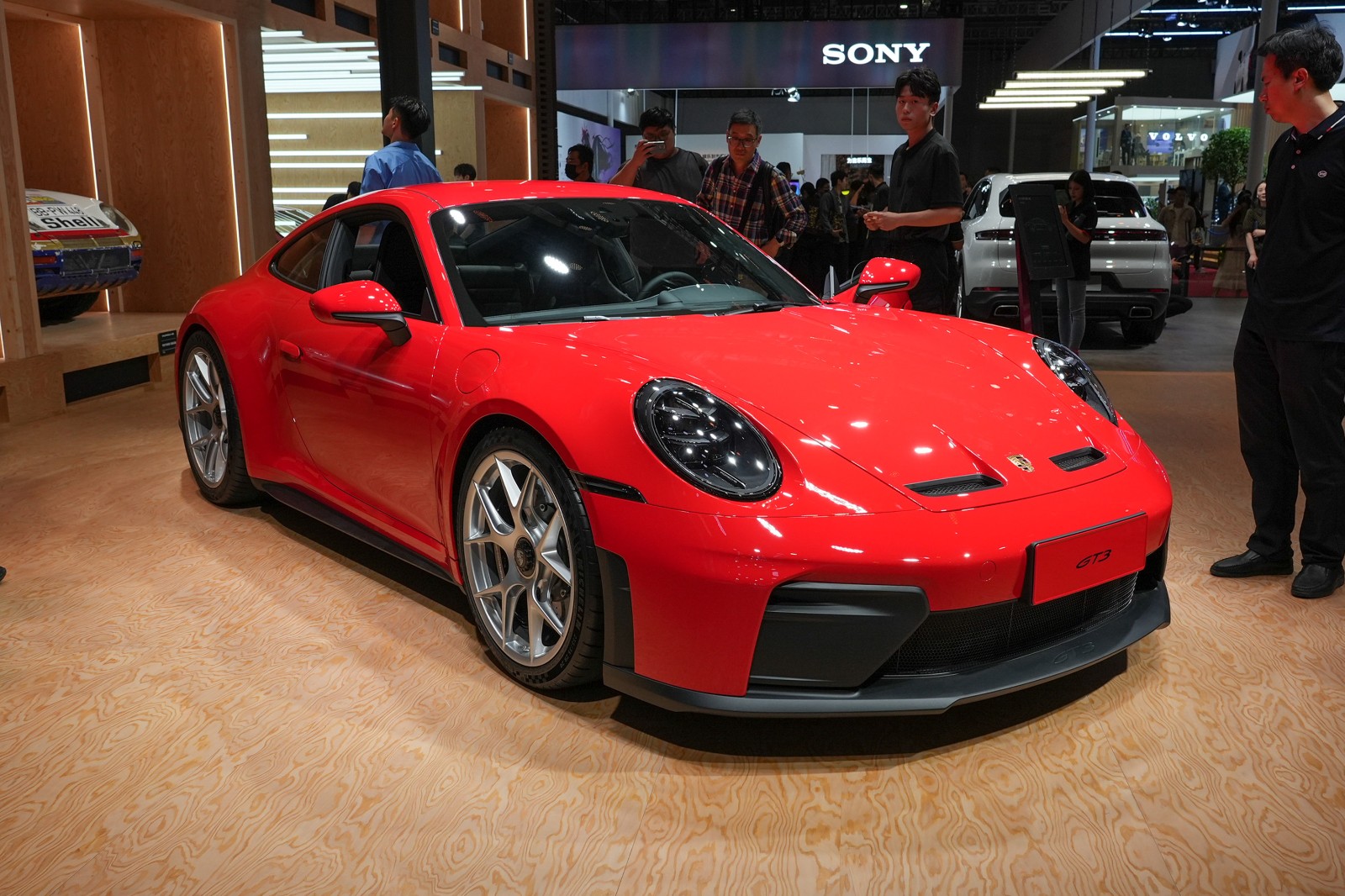
From a distance, the silhouette of the 2019 911 Speedster unmistakably shows Porsche's classic "flyline" design, but the retro elements in the details emphasize its uniqueness. The front end continues the wide-body layout of the 991.2 generation, with large air intakes beneath the front bumper featuring black honeycomb grilles, paired with LED daytime running lights on both sides for an aggressive look. The two raised contour lines on the hood extend from the base of the windshield to the front trunk lid, paying homage to the iconic design of the 1950s 356 Speedster. The most notable feature on the side profile is the shortened front windshield—about 20mm lower than the standard 911 Cabriolet—combined with the inclined A-pillar and frameless window design to create sleek lines reminiscent of classic racecars. The 21-inch centrally locked alloy wheels are finished in matte black, with exposed yellow six-piston calipers boosting the performance aesthetic. The rear design returns to simplicity: the LED tail light set features the iconic full-width lighting band of the 991 generation, while the dual-sided quad circular exhaust outlets (shared with the GT3) and diffuser emphasize its sporty nature. The rear spoiler automatically deploys at speeds above 120km/h and retracts at 80km/h, balancing aerodynamics and visual harmony.
Opening the door, the "track-oriented" focus in the interior is immediately apparent. The seats are carbon-fiber bucket seats shared with the 911 GT3, covered in black Alcantara material, with strong side bolsters that provide excellent support during spirited driving. The front passenger side of the dashboard features a limited-edition number plate (e.g., "1234/1948"), directly highlighting its collectability. The center console layout follows the classic design of the 991 generation: the 8-inch touchscreen display is equipped with the Porsche Communication Management (PCM) system, supporting Apple CarPlay and Bluetooth connectivity, with a clear interface layout and smooth operation. The climate control section retains physical buttons, and the robust tactile feedback of knobs and buttons maintains Porsche's consistently solid style. It is worth noting that to reduce weight, the Speedster eliminates rear seats (retaining only the two front seats) and removes some of the comfort features of the standard 911—such as electric seat adjustments (only manual adjustment is available), rear air conditioning vents, and certain entertainment features of the multimedia system. As a result, the curb weight is limited to 1,465kg, approximately 50kg lighter than the standard 911 Carrera S Cabriolet. In terms of storage space, the front trunk offers a capacity of 132 liters, enough to fit a carry-on suitcase or two backpacks, meeting the needs of short trips; however, the door pockets and central armrest storage are relatively small, only suitable for storing small items such as phones or wallets for daily use.
The powertrain is the core highlight of the 2019 Speedster: it is equipped with a 4.0L naturally aspirated flat-six engine derived from the 911 GT3, delivering a maximum power of 450PS/8400rpm and peak torque of 460N·m/6250rpm—10PS less than the 3.0T engine of the regular 911 Carrera S, but the linear output characteristic of the naturally aspirated engine is completely different. The transmission system is paired with a 6-speed manual gearbox (manual option only), featuring short and crisp shift strokes, with a distinct mechanical engagement feel during gear changes, offering a driving pleasure that dual-clutch transmissions cannot replicate. During actual driving, the throttle response at the start is not particularly aggressive, but once the engine speed exceeds 4000rpm, the power enters its explosive phase: from 4000rpm to the redline at 8400rpm, the engine sound transitions from a deep roar to a high-pitched howl (especially when the top is open, with the exhaust sound flowing directly into the cabin). The 0-100km/h acceleration takes only 4.0 seconds, the 0-200km/h acceleration time is 12.5 seconds, and the top speed can reach 310km/h.
In terms of handling performance, the Speedster's chassis tuning is almost identical to the GT3: the front suspension uses a MacPherson strut independent suspension, while the rear suspension is a multi-link independent suspension, both equipped with Porsche Active Suspension Management (PASM) active suspension system, supporting the switch between sport/standard modes. In standard mode, the suspension can filter out small road bumps, making daily commuting not overly stiff; when switched to sports mode, the suspension damping significantly increases, and the body roll is suppressed to a very small range—even when cornering at speeds exceeding 100km/h, the body posture remains stable. The grip of the tires (equipped with Michelin Pilot Sport Cup 2 tires) is also strong enough to easily handle continuous mountain or track curves. The steering system adopts Porsche Dynamic Steering (PDS), with a variable steering ratio depending on speed: light steering at low speeds makes maneuvering in city traffic convenient; at high speeds, the steering becomes heavier and more precise, with every minor adjustment of the steering wheel directly transmitted to the front wheels, providing very clear road feedback.
We also conducted tests for daily usage scenarios: in urban traffic congestion, the clutch pedal travel is moderate, with a clear engagement point, making frequent gear shifts not too laborious; the naturally aspirated engine performs well in low torque, allowing smooth power output even when cruising at 30-50km/h in third gear. In terms of fuel consumption, the urban driving fuel consumption is approximately 12-14L per 100 kilometers, while on highways (at speeds of 100-120km/h), it is about 8-9L per 100 kilometers. For a 4.0L large-displacement naturally aspirated sports car, this performance is within expectations. In braking performance tests, the stopping distance from 100km/h is only 32 meters, the brake pedal feel is linear, and the braking force is evenly distributed. Even after multiple consecutive brakes, there is no significant sign of thermal decay.
To summarize the core advantages of this car: First, it combines “sentiment and performance” with dual attributes—the limited edition identity and retro design cater to collectors, while the 4.0L naturally aspirated engine and manual transmission deliver the purest driving pleasure. Second, its mechanical qualities are close to track-level—chassis tuning, braking system, and aerodynamic design come from the GT3, making it easily capable of handling intense track day driving. Third, Porsche’s consistent quality control and reliability—although it is track-oriented, its daily driving comfort is not completely compromised. Compared to similar models, such as the Ferrari 488 Spider or McLaren 720S Spider, the Speedster's advantage lies in its “purity”—the combination of rear-wheel drive, naturally aspirated engine, and manual transmission is a rare “non-electronic” choice in today’s supercar market; its downside, however, is the lack of comfort features, limited storage space, and unsuitability for long-distance travel.
The target audience for the 2019 911 Speedster is very clear: first, loyal Porsche fans, especially collectors with emotional ties to the classic 911 models—the limited production of 1,948 units means it is likely to retain or even increase in value. Second, performance enthusiasts who pursue the “pure joy of driving”—those who are not satisfied with the smoothness of dual-clutch transmissions and instead enjoy the mechanical interactivity of manual shifting. Third, players who occasionally participate in track days—this car’s chassis and powertrain can directly handle track demands without additional modifications.
In conclusion, the 2019 Porsche 911 Speedster is not an “all-rounder” supercar—it sacrifices some comfort and abandons rear seating space in the pursuit of the purest driving experience and nostalgic sentiment. But it is precisely this “uncompromising” nature that makes it the most iconic swan song of the 991 generation: it is both a tribute to tradition and a steadfast keeper of mechanical driving pleasure. For its target audience, its value goes far beyond that of a “means of transportation”; it is more akin to a collectible, drivable piece of “mobile art.”
Porsche 911 Car Compare
Porsche 911 Loan Calculator
More Porsche Reviews
Cars With Similar Price And Features
8
Rank in Coupe
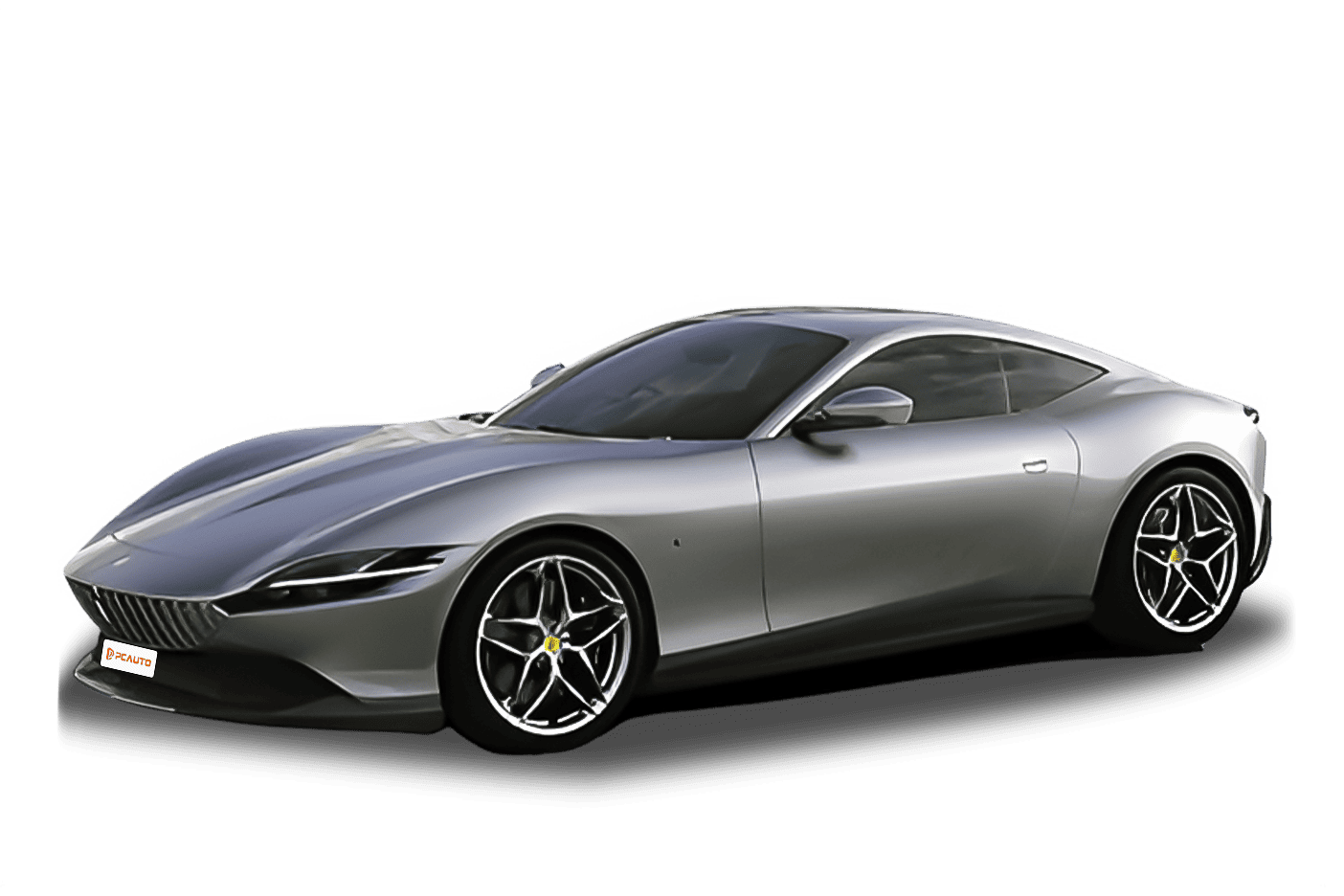
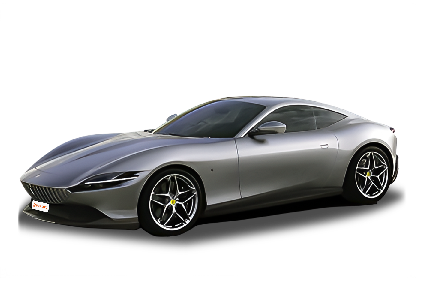
2023 Ferrari Roma Spider is a hardtop convertible GT supercar that combines elegant style with powerful performance, 13.5-second fast-opening soft top + 620PS power, practical for daily use and full of driving pleasure.

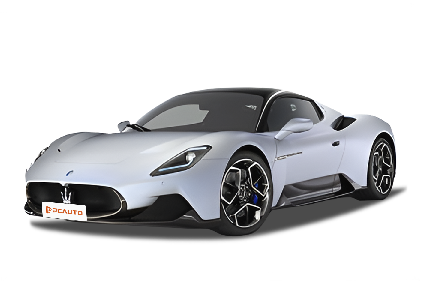
2023 Maserati MC20 Cielo is a two-seater supercar that combines track-level performance with convertible romance, equipped with a 630PS 3.0T V6 engine, a glass hardtop that opens and closes in 12 seconds, and accelerates to 100 km/h in 2.9 seconds.
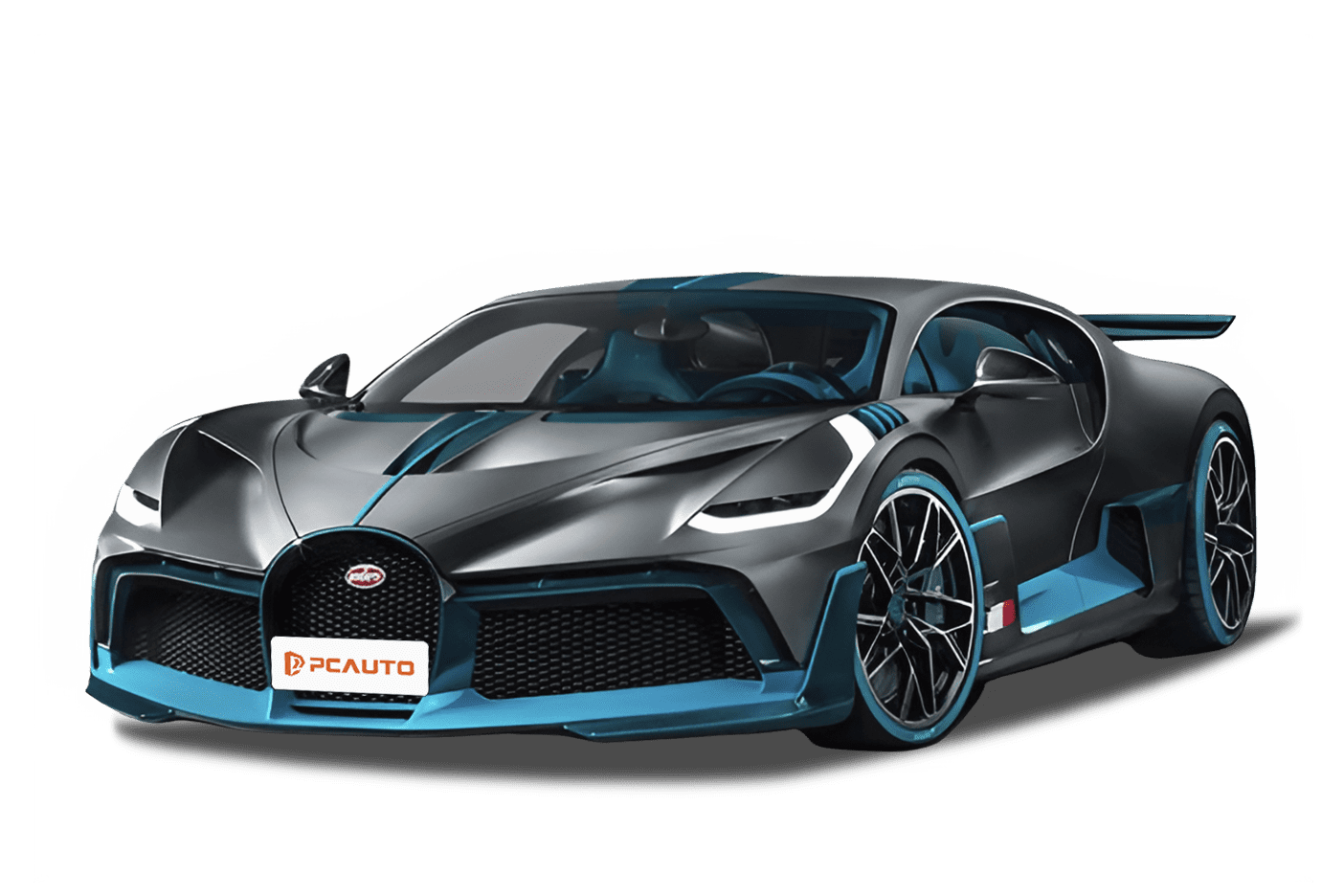
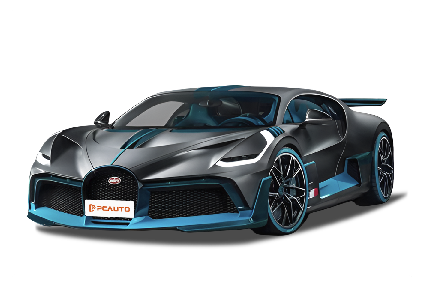
2023 Bugatti Divo, as a limited-edition hypercar and an advanced version of the Chiron, features track-focused aerodynamic design, 1520PS of brutal power, and precise handling, embodying the ultimate performance of being "born for the curves."
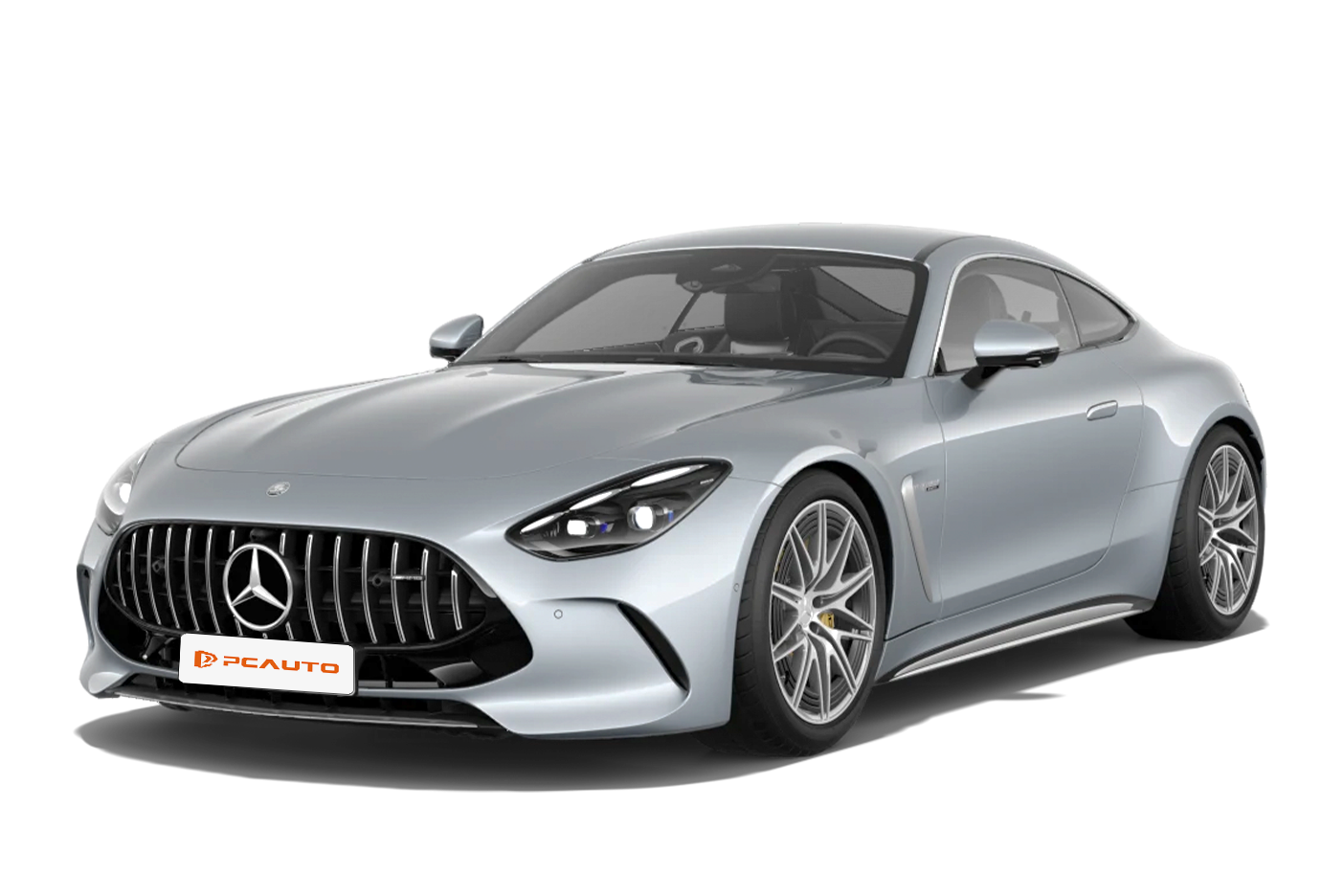
2025 Mercedes-Benz AMG GT 63 4Matic+ Coupe is a luxurious two-door sports car that combines 585PS 4.0T V8 performance (0-100 km/h in 3.2 seconds) with 351L of practical storage, balancing track excitement and daily commuting.