
2019 Porsche 911 911 Turbo Cabriolet Review

 Share
Share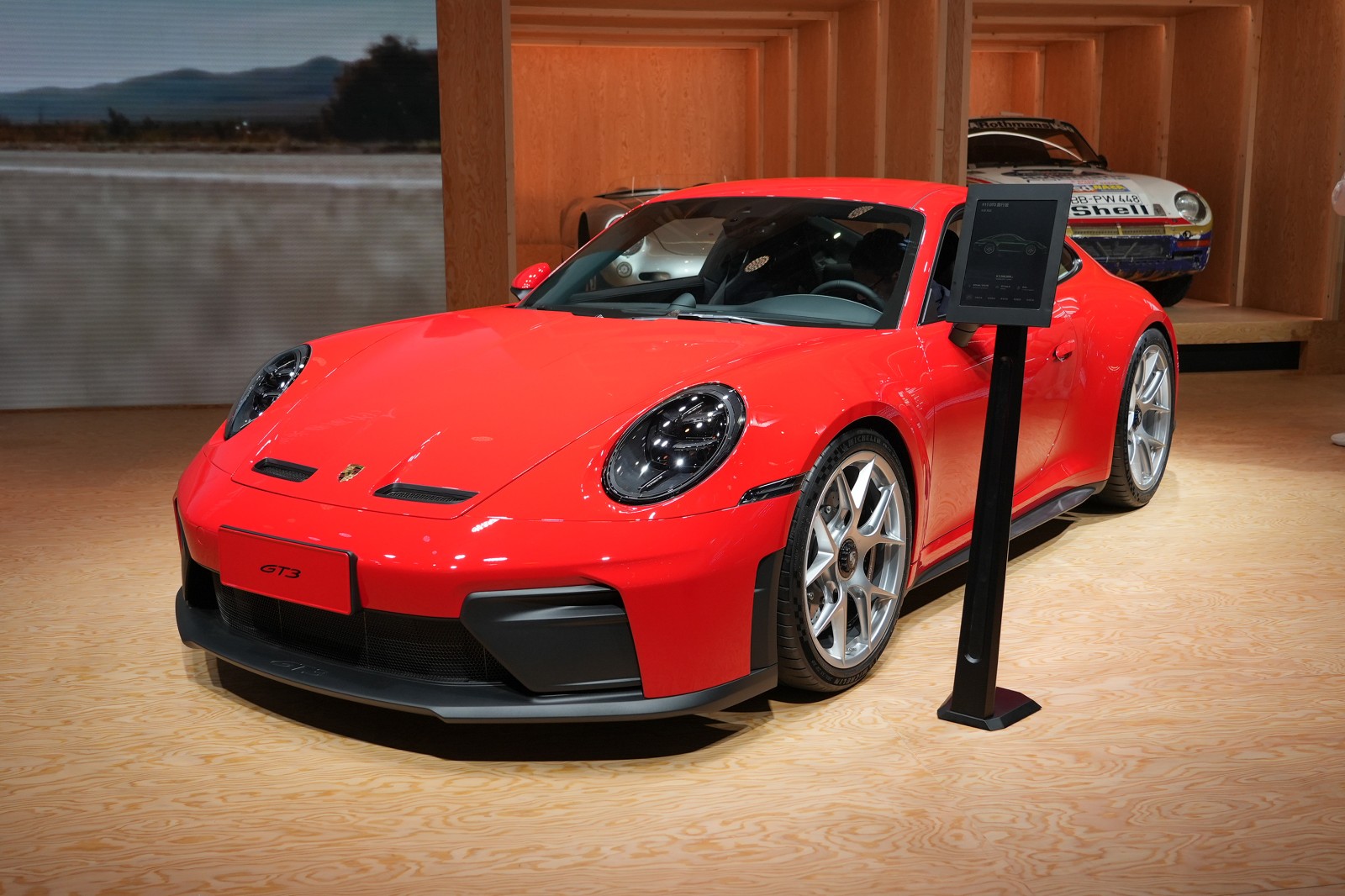
 Segment
 Body Type
 Engine Power(PS)
 Capacity(L)
 Engine Torque(Nm)
 Transmission
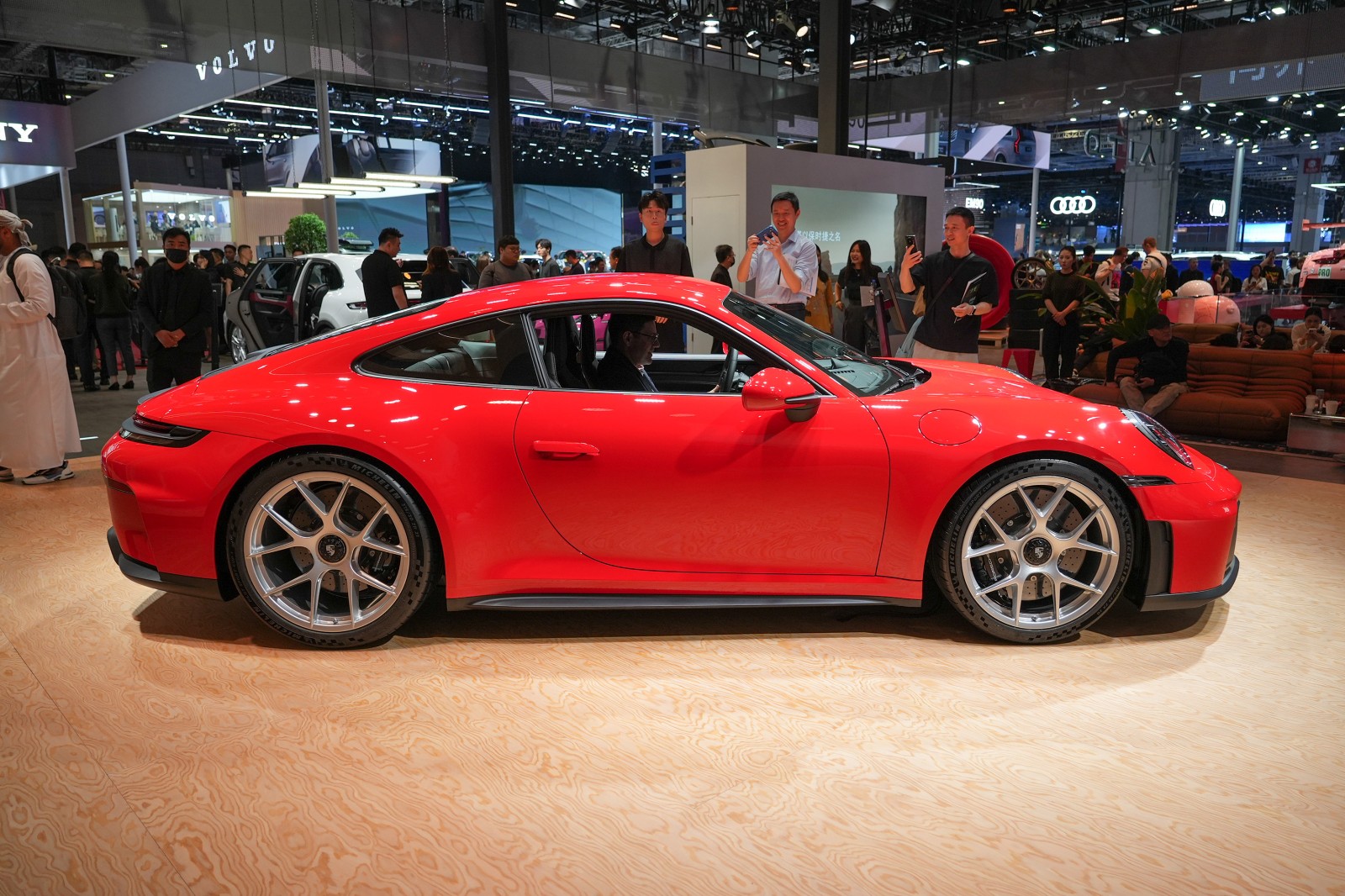
As a benchmark model in the performance sports car market, the Porsche 911 series has always been a "dream car" in the hearts of enthusiasts — and the convertible version directly ties speed with the sense of freedom brought by the wind. The 2019 Porsche 911 Turbo Cabriolet (hereinafter referred to as the 911 Turbo Convertible) adds turbocharged power and a convertible experience to the classic 911 silhouette. The core of our test drive this time was to verify whether it can combine the practicality of being "daily drivable" with "track-level" performance.
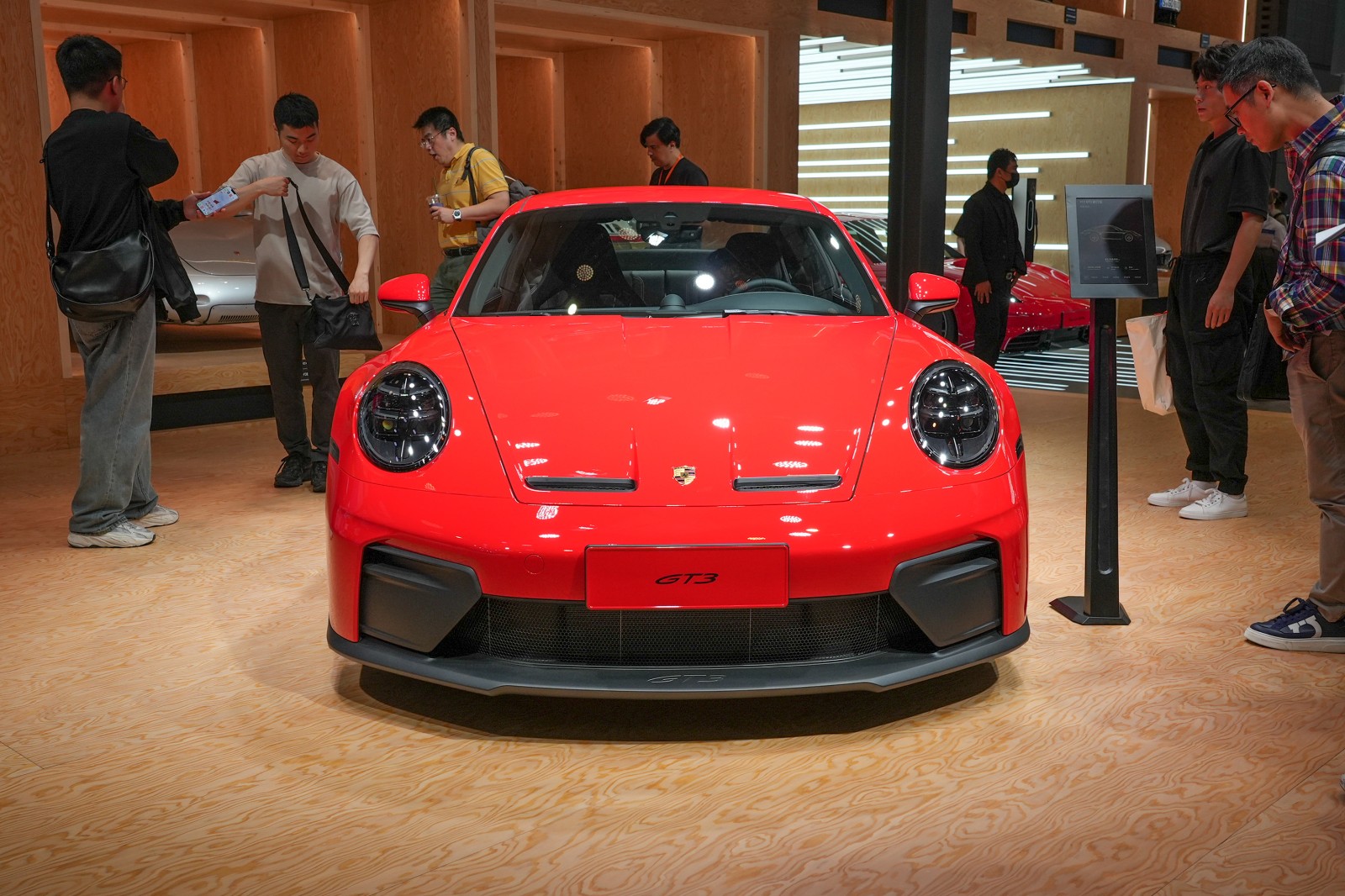
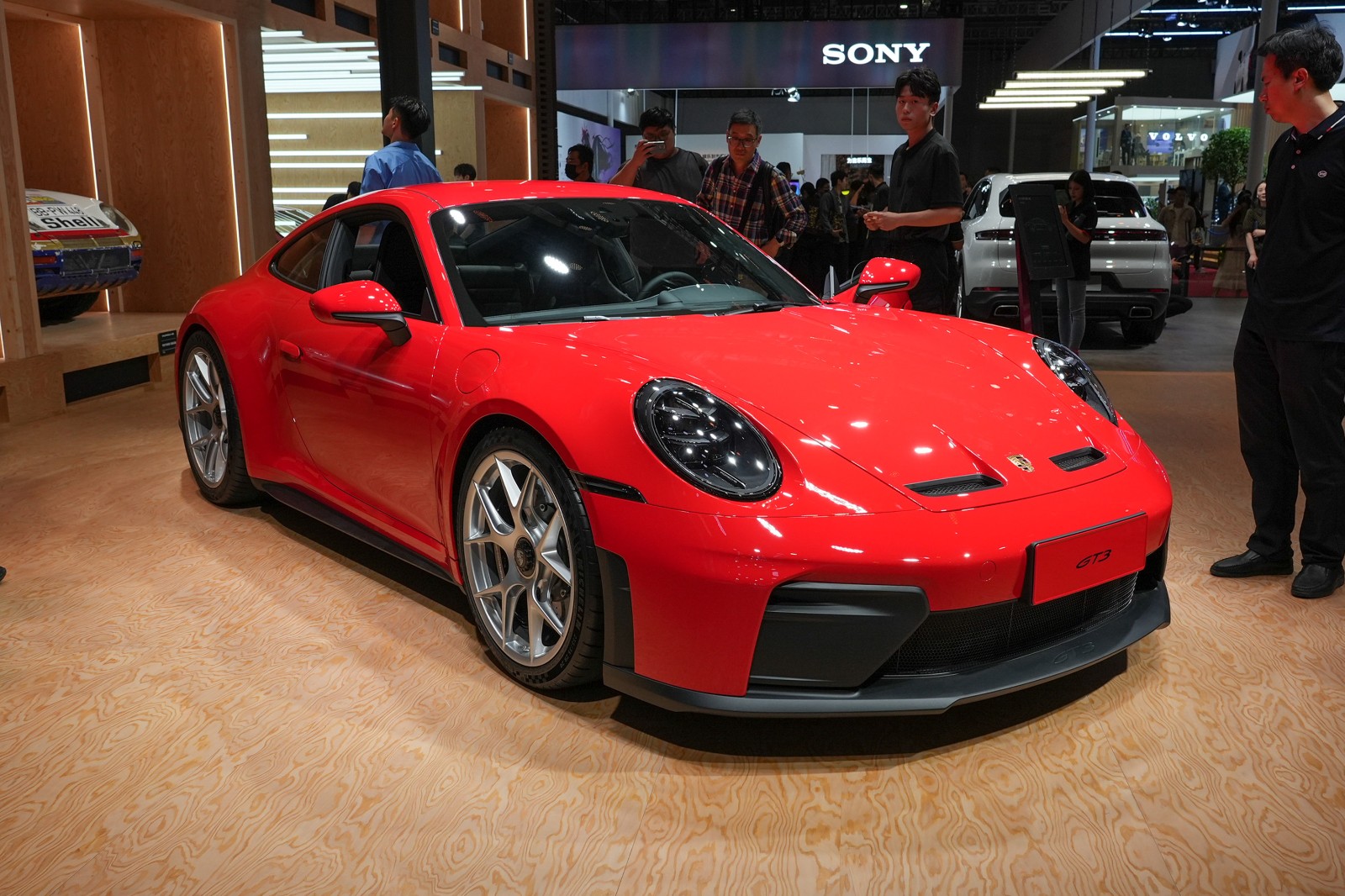
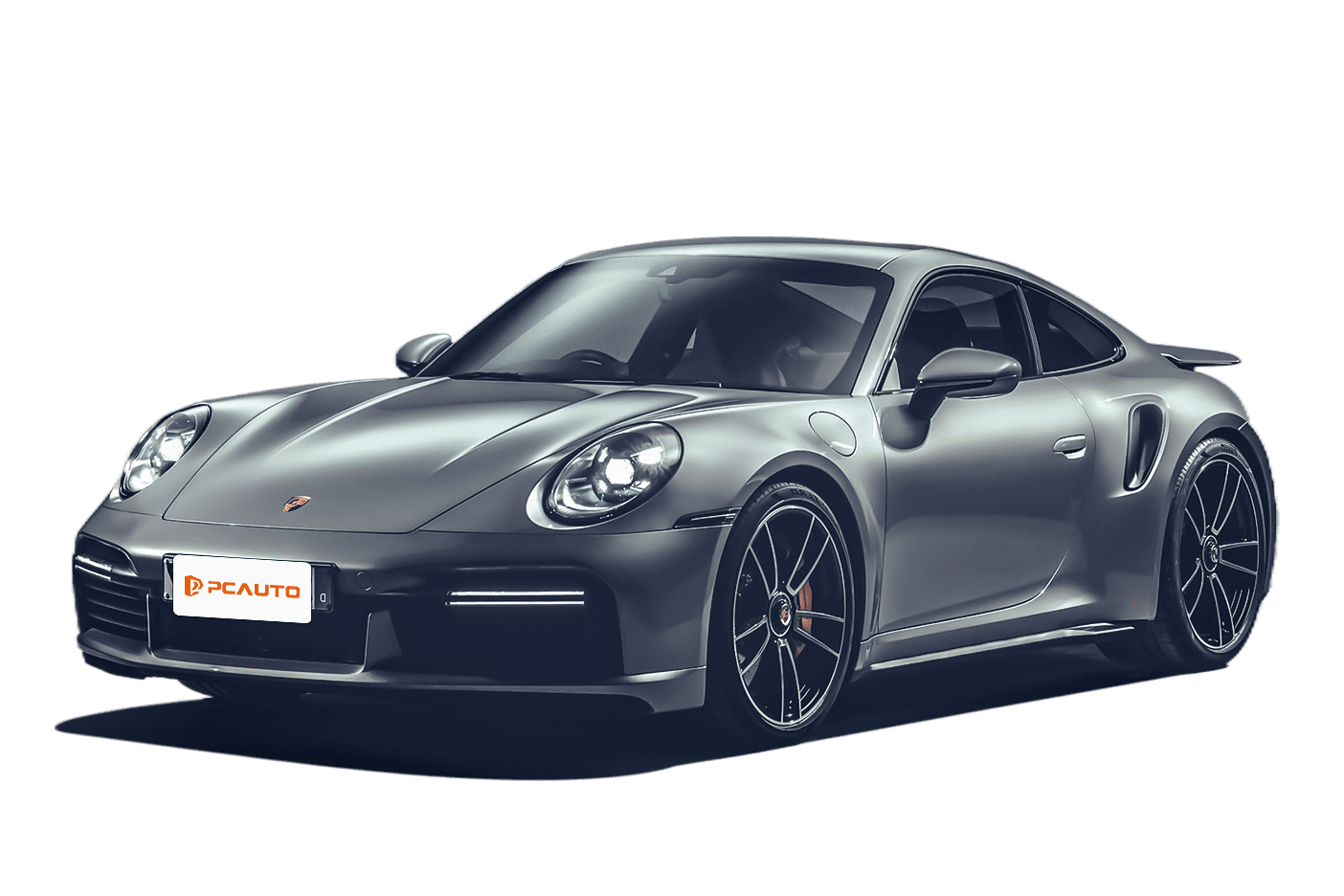
From a distance, the 2019 911 Turbo Convertible still features the iconic fastback design, with short front overhangs and a long rear-wheel-drive proportion that make it recognizable as a member of the 911 family at a glance. At the front, the blacked-out matrix LED headlights paired with the three-section air intakes below create a more aggressive appearance than the standard 911; on the side, the 20-inch aluminum alloy wheels (with narrower ones in front and wider in the rear) and the exclusive "Turbo" badge on the fender establish its performance identity; the rear highlights the most prominent feature, an electrically adjustable spoiler, which automatically deploys at high speed to increase downforce and retracts at low speed for a clean profile; the taillights adopt a through-line design, offering high recognition when illuminated at night. Noteworthy is its soft-top convertible roof — made of multilayer fabric, it can be opened or closed within 13 seconds, and can even be operated at speeds up to 50 km/h, making it highly practical for daily use.
Sitting inside, the interior of the 911 Turbo Convertible continues Porsche's "driver-focused" layout: the center console tilts 15 degrees toward the driver, with all commonly used buttons within easy reach. In terms of materials, the seats and interior door panels are covered with Alcantara suede, while the center console features soft-touch plastic with metal trim, delivering a solid tactile feel; the 10.9-inch central control screen is equipped with the Porsche Communication Management (PCM) system, supporting Apple CarPlay and Bluetooth connectivity, with intuitive operational logic and quick responsiveness; the instrument cluster retains the classic five-dial design, but the central mechanical tachometer is now flanked by two 7-inch LCD displays that can show navigation, power output, and other information. In terms of configuration, it comes standard with 14-way electrically adjustable sports seats (with lumbar support and memory function), dual-zone automatic air conditioning, front and rear parking sensors, and a Bose audio system — the 12 speakers provide clear sound quality even when the convertible top is open.
As for space, being a 2+2 layout sports car, the front-row space is nothing to worry about: passengers as tall as 180cm will have more than a fist of headroom and legroom; the rear seats are more suitable for backpacks or short-distance travel with children, as adults would feel cramped for long periods. Storage space isn't ample, but the front trunk can accommodate two 20-inch carry-on suitcases, and the door pockets can hold a bottle of water, which is adequate for daily commutes or short trips.
The 911 Turbo Convertible on this test drive is powered by a 3.0-liter twin-turbocharged horizontally opposed six-cylinder engine, delivering a maximum horsepower of 450PS and a peak torque of 550N·m, paired with an 8-speed PDK dual-clutch transmission. In Normal mode, power delivery is quite linear, the start is smooth, and there's no noticeable turbo lag at low speeds when following traffic; pressing harder on the accelerator prompts the transmission to quickly downshift, with power kicking in after 2,000 rpm and delivering strong thrust up to over 6,000 rpm. The official 0-100 km/h acceleration time is just 4.1 seconds (4.3 seconds with the top down). During the actual experience, you can even feel the seat pressing firmly against your back. If switched to Sport+ mode, throttle response becomes more sensitive, the transmission stays in lower gears, and the exhaust note becomes richer — especially with the convertible top open, where the engine roar and turbo whistle resonate directly into the cabin, fully enhancing the driving atmosphere.
In terms of handling, the 911 Turbo Cabriolet's steering is precise, with almost no dead zone. The steering effort increases with speed, becoming heavier, and remains very stable during high-speed driving. The suspension system adopts adaptive air suspension, which filters out most small bumps on the road in normal mode and feels not too stiff when going over speed bumps. In Sport+ mode, the suspension becomes firmer, the body roll during cornering is minimal, and with the rear-wheel-drive layout, the rear end of the car tracks remarkably well, even when making sharp turns without losing control.
In terms of fuel consumption, we tested both urban roads (a mix of traffic congestion and smooth flow) and highways: the fuel consumption in urban conditions is about 12L per 100 kilometers, while on highways (cruising at 120km/h), it can drop to around 8L. For a 450-horsepower sports car, this fuel economy is within a reasonable range. The braking performance is also commendable—front six-piston calipers paired with 350mm brake discs deliver linear braking force when stepping on the brake pedal, and the vehicle maintains a stable posture during emergency braking without significant nose dive.
In terms of driving comfort, the 911 Turbo Cabriolet exceeds expectations: even in an open-top state, when the speed exceeds 80km/h, the "wind deflector" behind the seat automatically lifts, effectively reducing wind noise for front passengers. With the top closed, the interior sound insulation is comparable to that of a hardtop model; at 120km/h, wind and tire noise are well-controlled. The seats have strong support and excellent lumbar support, maintaining comfort even during two-hour drives. The PDK transmission's shift logic is very intelligent, with almost imperceptible shift shocks during daily cruising, offering smoothness comparable to CVT technology.
Overall, the core advantages of the 2019 911 Turbo Cabriolet are clear: First is the "classic + practical" convertible design—the soft-top opens and closes quickly, making daily use flexible while retaining the signature profile of the 911. Second is the balanced performance—450PS of power is sufficiently aggressive, while the chassis and suspension tuning also cater to daily comfort. Third is the solid interior quality and rich configuration. Compared to competitors in the same class (such as the BMW M4 Convertible and Mercedes-AMG C63 Convertible), it offers lower brand premium and more controllable maintenance costs.
This car is most suitable for people who want both the "wind and speed" experience of a convertible and the practicality for daily use—for example, middle-class individuals aged 30-40 who can drive it on mountain roads for fun on weekends, while also using it as a daily commuter. It is also ideal for Porsche enthusiasts who appreciate classic designs but do not want to be "too low-profile."
In conclusion, the 2019 911 Turbo Cabriolet lives up to the "Turbo" name—it’s both a performance car that fulfills your "sports car dream" and a practical vehicle that integrates seamlessly into daily life. If you're looking for a convertible sports car that "does it all," it is an unmissable choice.
Porsche 911 Car Compare
Porsche 911 Loan Calculator
More Porsche Reviews
Cars With Similar Price And Features
8
Rank in Coupe
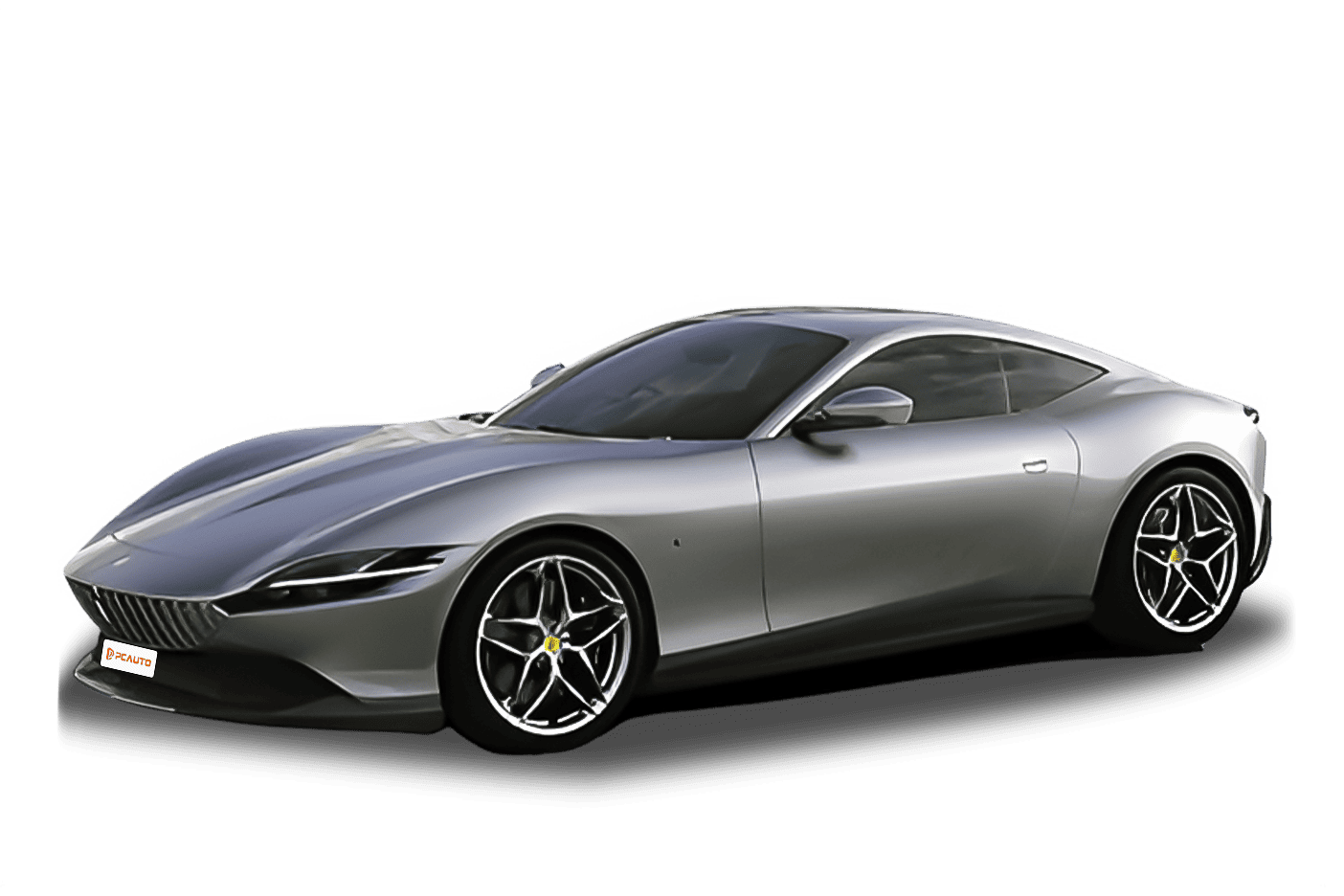
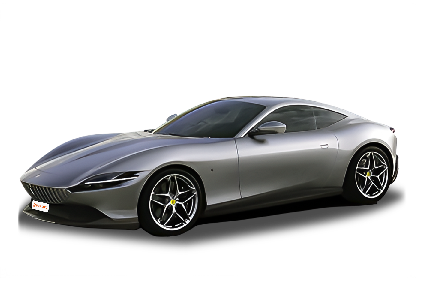
2023 Ferrari Roma Spider is a hardtop convertible GT supercar that combines elegant style with powerful performance, 13.5-second fast-opening soft top + 620PS power, practical for daily use and full of driving pleasure.

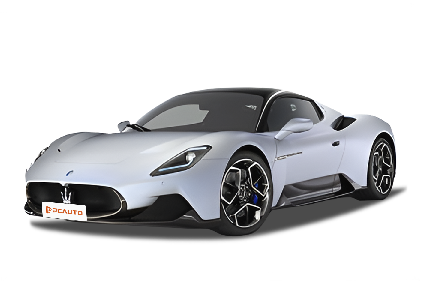
2023 Maserati MC20 Cielo is a two-seater supercar that combines track-level performance with convertible romance, equipped with a 630PS 3.0T V6 engine, a glass hardtop that opens and closes in 12 seconds, and accelerates to 100 km/h in 2.9 seconds.
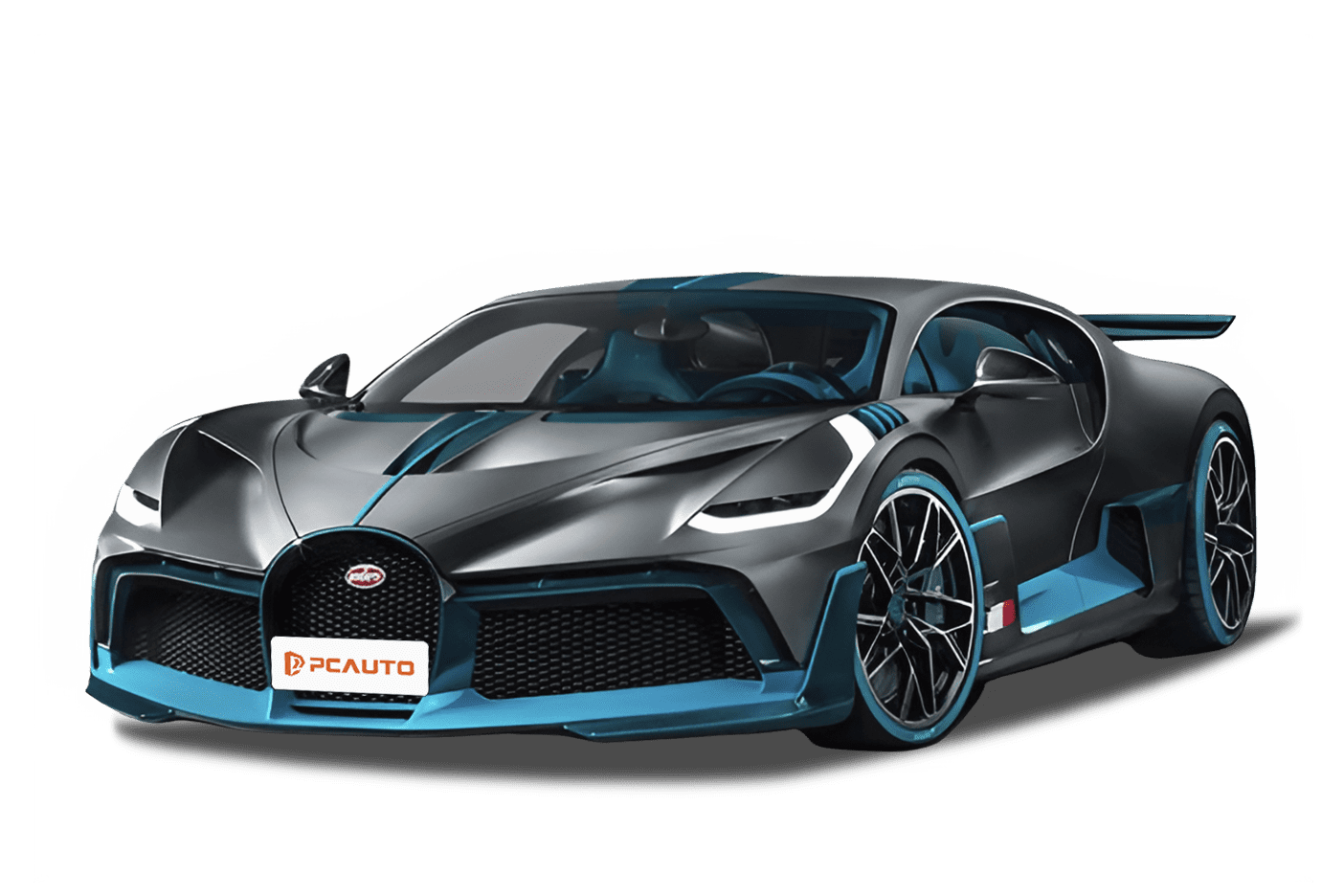
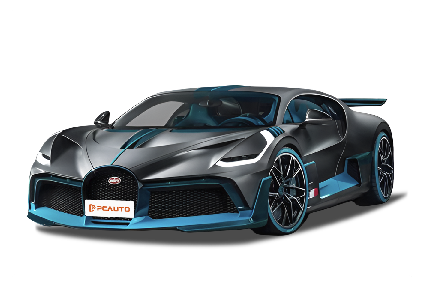
2023 Bugatti Divo, as a limited-edition hypercar and an advanced version of the Chiron, features track-focused aerodynamic design, 1520PS of brutal power, and precise handling, embodying the ultimate performance of being "born for the curves."
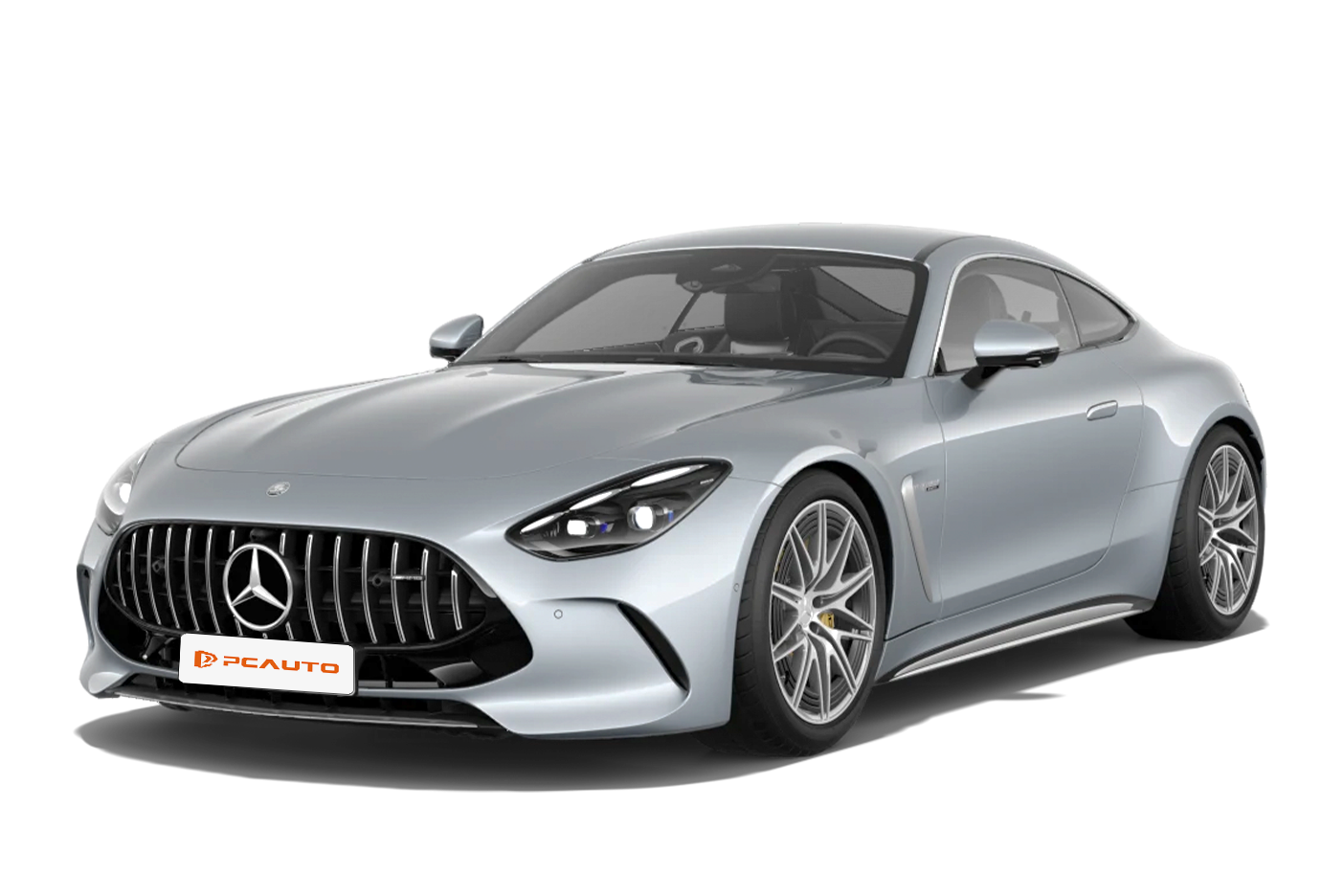
2025 Mercedes-Benz AMG GT 63 4Matic+ Coupe is a luxurious two-door sports car that combines 585PS 4.0T V8 performance (0-100 km/h in 3.2 seconds) with 351L of practical storage, balancing track excitement and daily commuting.