
2019 Porsche 911 GT3 RS Review

 Share
Share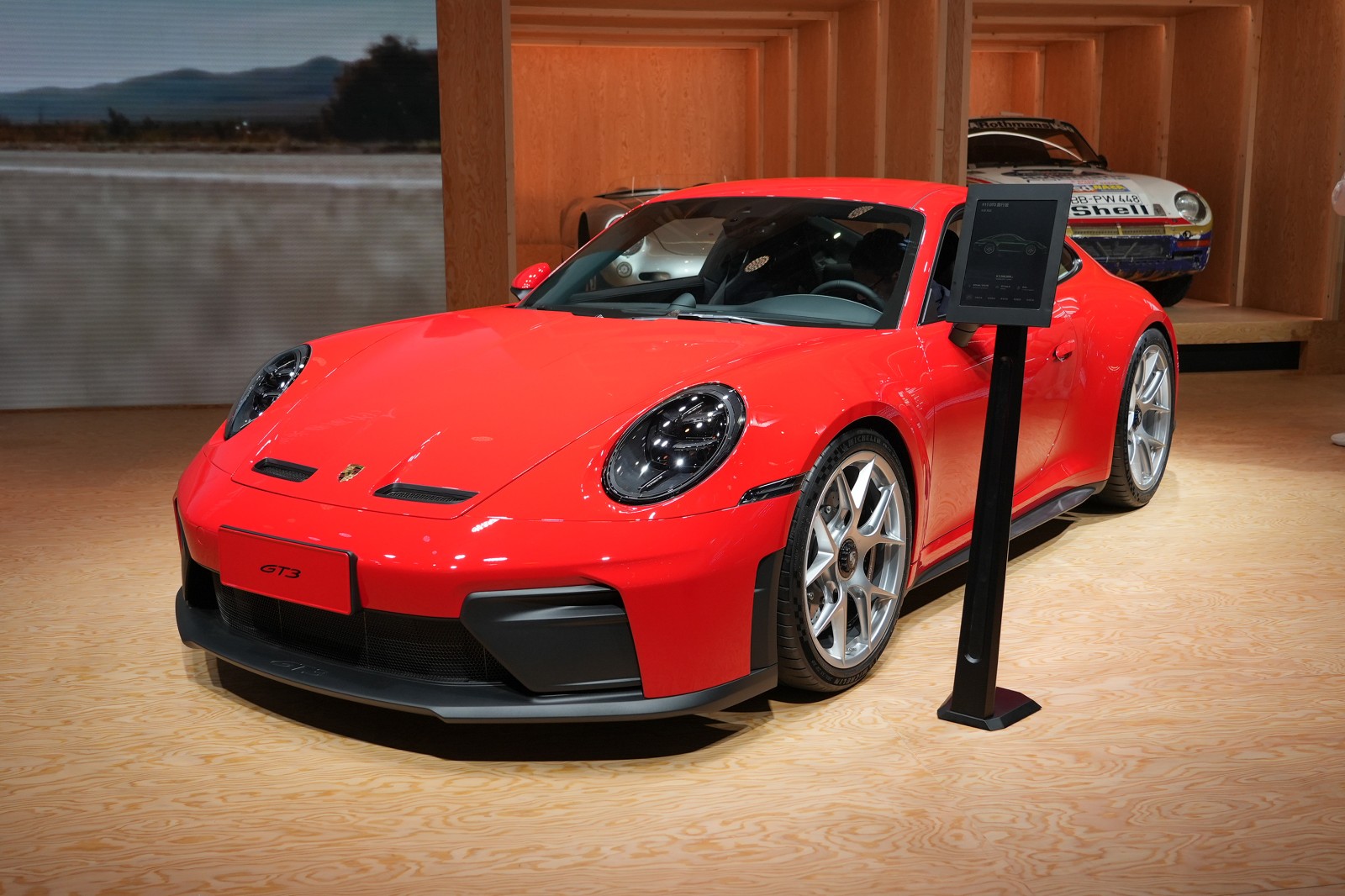
 Segment
 Body Type
 Engine Power(PS)
 Capacity(L)
 Engine Torque(Nm)
 Transmission
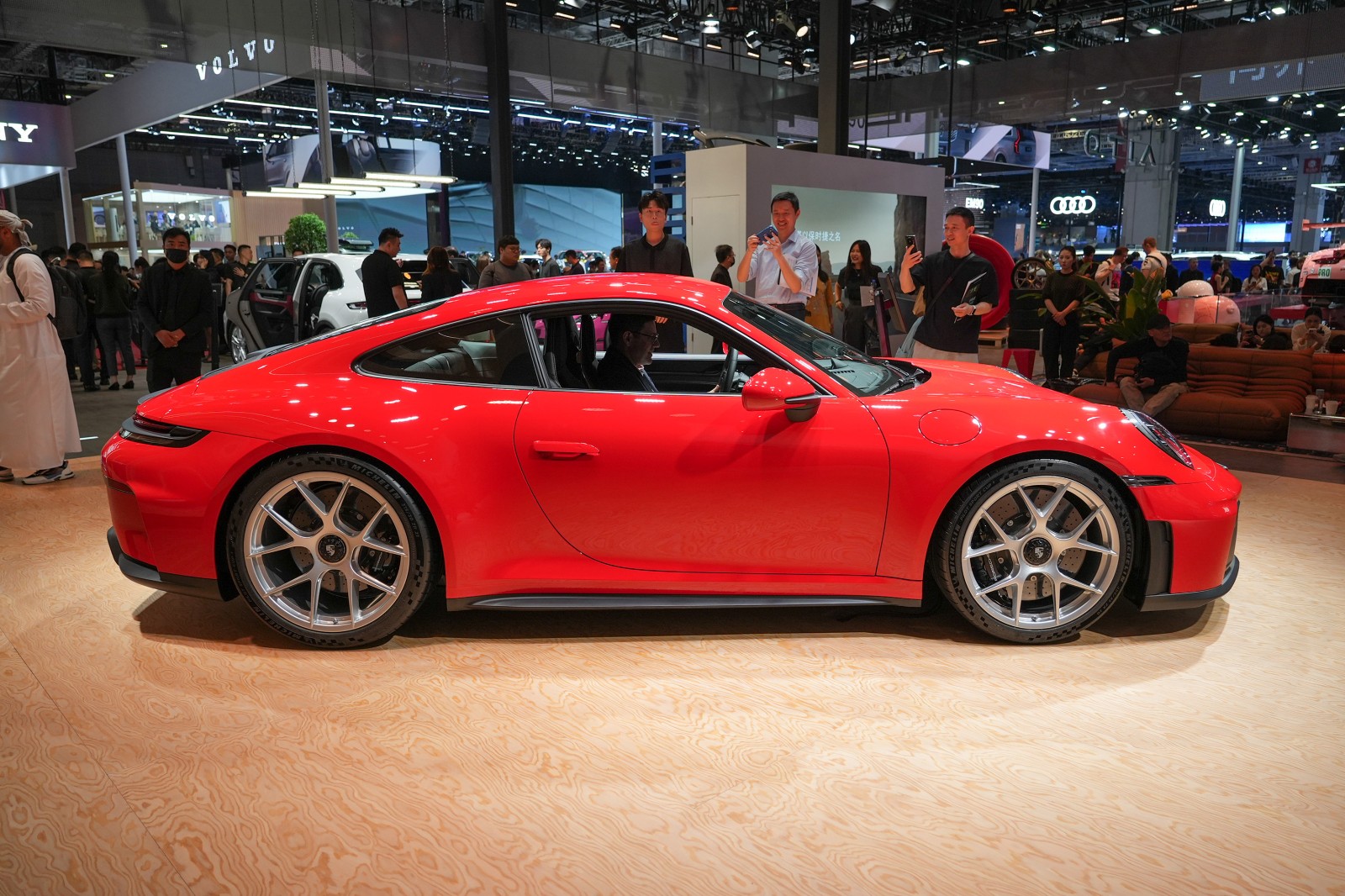
In Malaysia's high-performance sports car market, the 2019 Porsche 911 GT3 RS has always been seen as a "benchmark-level" existence by track enthusiasts and collectors — it is not a "straight-line monster" that simply pursues horsepower figures but a "driver's car" that deeply combines the pure driving pleasure of a naturally aspirated engine with track-focused tuning. This time, we got the real car for an in-depth test, with the core purpose of verifying its real performance in daily roads and track scenarios, to see if this nearly decade-old model can still maintain Porsche's "racing DNA".
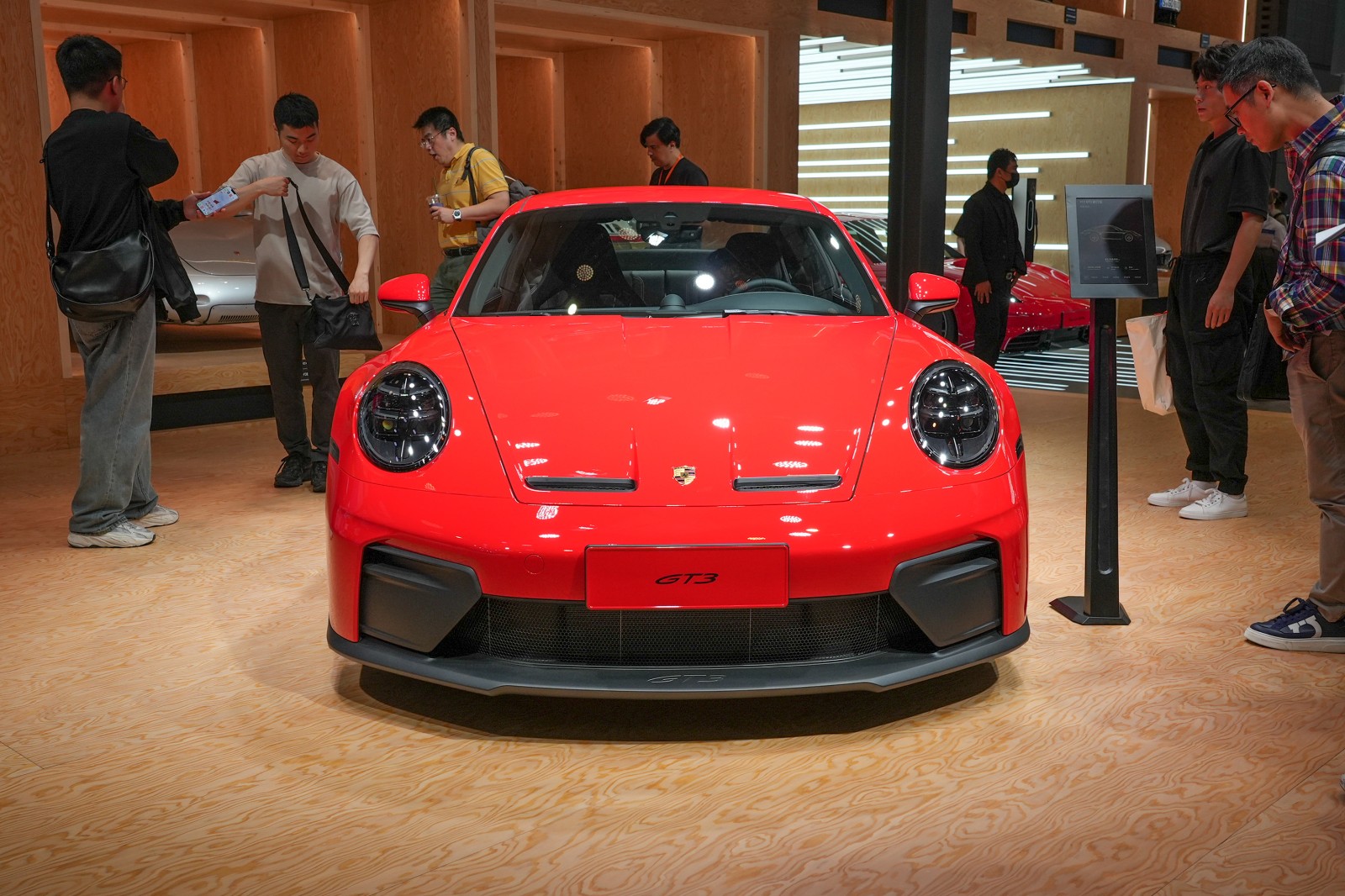
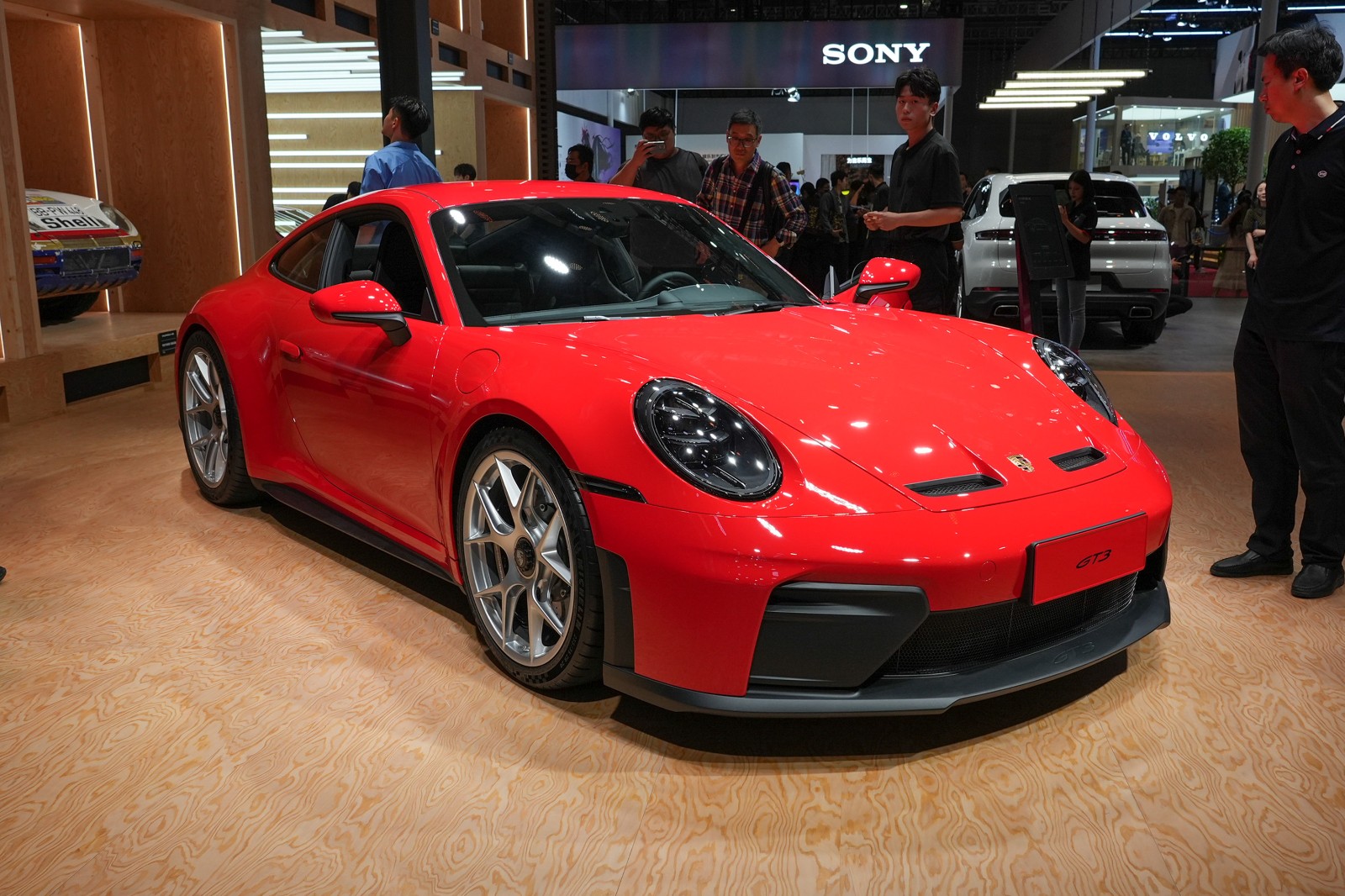
In terms of appearance, the 2019 GT3 RS's recognizability is almost maxed out. It continues the classic oval-eyed silhouette of the 911 family but incorporates a large number of track-focused aerodynamic kits: the front features an oversized honeycomb grille, with side air ducts that effectively guide airflow to cool the braking system; the side of the car boasts the iconic wide-body design, with the rear wheel arches significantly wider than the standard 911, paired with 20-inch front/21-inch rear center-lock wheels, creating an extremely strong visual impact; the fixed rear wing at the back is the biggest highlight, providing substantial downforce at high speeds, while the diffuser and quad-exhaust layout below the wing further reinforce the performance attributes. As for the lighting system, the LED daytime running lights are integrated with the headlights, and the tail lights adopt Porsche's classic through-type design, offering high recognizability when illuminated at night.
Sitting inside the car, the track-focused racing vibe hits instantly. The interior is mainly wrapped in black Alcantara and leather, with frequently touched areas like the steering wheel and seat side bolsters featuring Alcantara material, providing both excellent slip resistance and texture. The central control layout retains Porsche's traditional logic, with the ignition switch on the left, a 9-inch touch screen in the center, and equipped with the Porsche Communication Management (PCM) system, which supports Apple CarPlay and Bluetooth connectivity, ensuring smooth operation. In terms of core configurations, this car comes standard with carbon fiber racing seats that offer excellent wrapping, effectively securing the body during intense driving; the multifunctional steering wheel comes with paddle shifters, and there is also a driving mode selection knob behind it (including Normal, Sport, Sport Plus, and Track modes), with noticeable changes in vehicle dynamics when switching modes.
For space performance, the 2019 GT3 RS is positioned as a two-door sports car, officially labeled as a 4-seater, but the rear seats can barely accommodate anything besides backpacks or small items, making it virtually impossible for adults to sit. Front-row space, however, is sufficient, and a driver with a height of 180cm will still have room for head and leg movement after adjusting the seat. In terms of storage capacity, the front trunk offers about 132L of space, enough to fit a carry-on suitcase—sufficient for daily commuting or short track day needs; interior storage compartments are limited, as the central armrest box and door panel storage slots have relatively little space. For comfort features, the front row comes equipped with seat heating, but seat ventilation is not available; considering the track-oriented nature of the car, this compromise is understandable. The rear row lacks air conditioning vents, but the front row's air conditioning provides decent cooling performance.
In terms of power, the 2019 GT3 RS is equipped with a 4.0L naturally aspirated flat-six engine, delivering a maximum power of 450PS and a peak torque of 460N·m, paired with a 7-speed PDK dual-clutch transmission. During actual driving, the power delivery of the naturally aspirated engine is linear and smooth; when the revs exceed 3000rpm, the power starts to "explode," and above 5000rpm, it demonstrates even stronger thrust. The official 0-100 km/h acceleration is 3.2 seconds. In actual testing, under Sport Plus mode, the tires may experience slight slippage at the start, but they quickly regain grip. The push-back feeling is continuous and intense. For everyday roads in Normal mode, the engine speed maintains around 2000rpm with smooth gear shifting and no noticeable jolts. Switching to Track mode, the transmission shifts gears faster, and the throttle response becomes more sensitive, ideal for track driving.
Handling and chassis performance are the core strengths of this car. The steering is precise with almost no dead spots, and when turning, road feedback is clear, instilling great confidence in the driver. The chassis is equipped with the Porsche Active Suspension Management System (PASM), which adjusts suspension stiffness based on the driving mode: In Normal mode, the suspension is relatively soft and can filter out small road bumps. In Sport Plus and Track modes, the suspension becomes significantly stiffer, with minimal body roll during corners and a very stable stance. When dealing with bumpy roads, even in stiffer suspension modes, the impacts are not overly harsh, and comfort is better than expected. During cornering, the tires offer excellent grip, and with the rear-axle steering system, the vehicle's agility and stability are outstanding.
In special tests, we focused on track performance and fuel consumption. On the short track at the Sepang Circuit, this car delivered excellent lap times. The braking system (front six-piston calipers + carbon ceramic brake discs) displayed strong heat-resistance capabilities, maintaining stable braking performance even after continuous use. As for fuel consumption, during regular road driving, the fuel consumption is about 12-14L per 100km, while during track driving, it surges to over 20L per 100km, which is in line with expectations for high-performance sports cars.
In terms of driving comfort, during regular road driving in Normal mode, noise control is acceptable, and tire and wind noise are within tolerable ranges. However, in Sport Plus mode, the exhaust roar becomes very robust, and engine noise enters the cabin. That said, this "acoustic feedback" is exactly what performance car enthusiasts appreciate. While the seats offer strong support, long periods of driving (over 2 hours) might feel tiring, as they are racing-style seats. As for energy regeneration, this is a fuel-powered car with no energy recovery system. However, the transmission's shifting logic is smart enough to downshift appropriately during deceleration.
In summary, the core advantages of the 2019 Porsche 911 GT3 RS are evident: a pure naturally aspirated engine, precise handling, track-focused tuning, and Porsche's brand value retention. Compared to competitors in the same segment, such as the BMW M4 CS or Chevrolet Corvette C8, its naturally aspirated engine and track performance stand out more. However, its rear seating space and everyday practicality are somewhat limited. This car is suitable for two types of people: those who love track driving and pursue pure driving pleasure, and loyal Porsche enthusiasts who are willing to pay for the "track DNA" and collect the car.
Overall, the 2019 Porsche 911 GT3 RS is not a "grocery-getter" suited for daily commuting, but it is definitely a track weapon that allows drivers to experience pure joy. If you're looking for a high-performance sports car that can occasionally hit the road and "go wild" on the track, this car is worth considering.
Porsche 911 Car Compare
Porsche 911 Loan Calculator
More Porsche Reviews
Cars With Similar Price And Features
8
Rank in Coupe
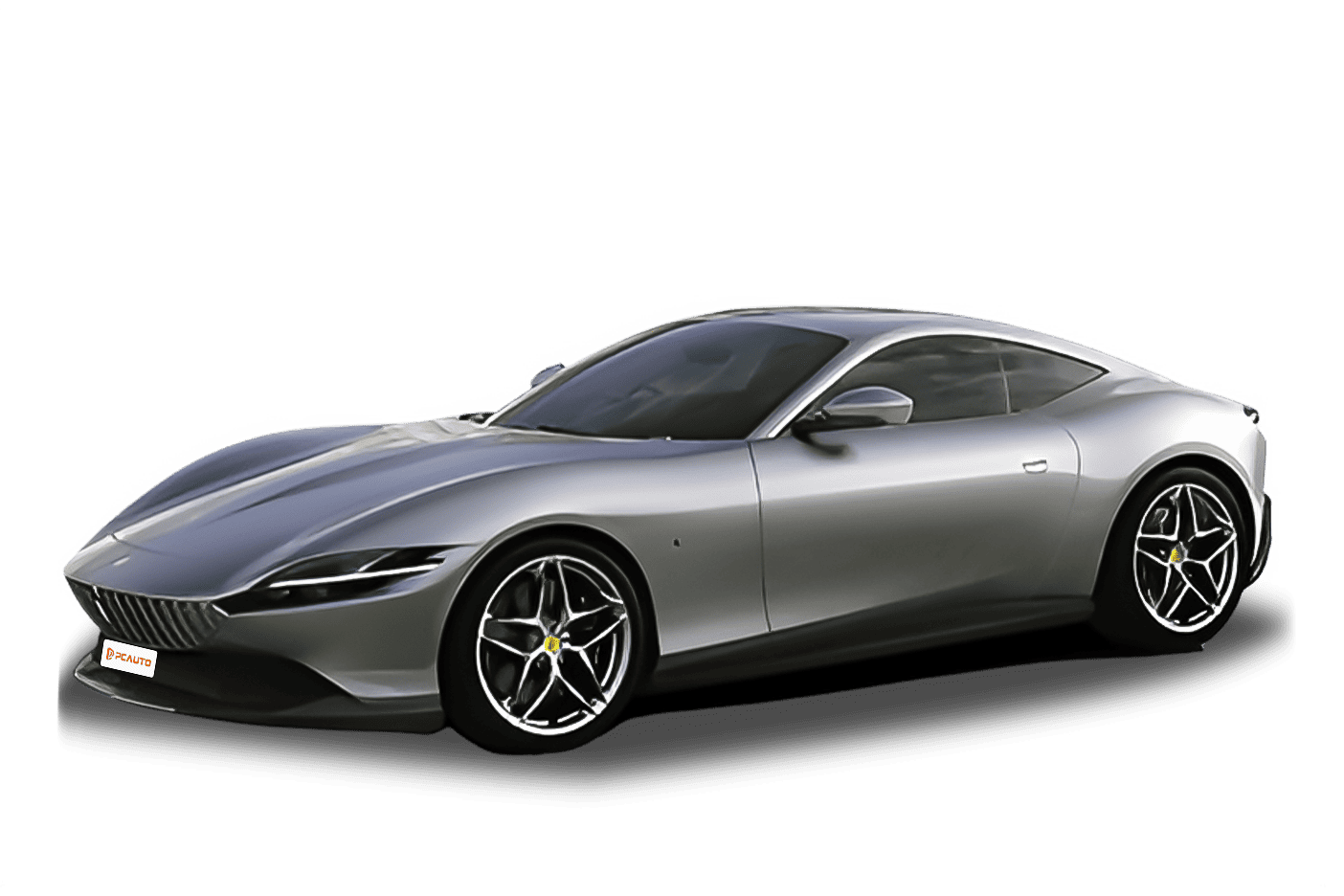
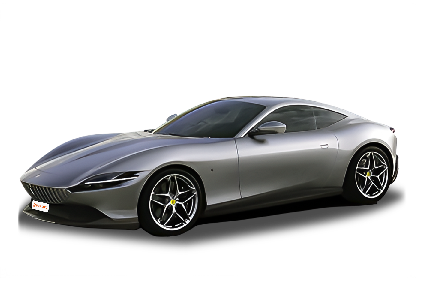
2023 Ferrari Roma Spider is a hardtop convertible GT supercar that combines elegant style with powerful performance, 13.5-second fast-opening soft top + 620PS power, practical for daily use and full of driving pleasure.

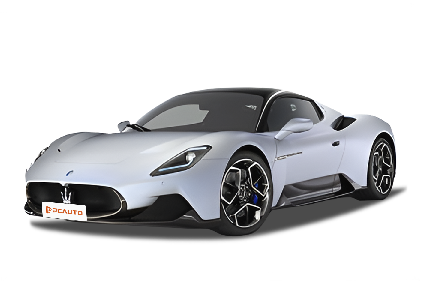
2023 Maserati MC20 Cielo is a two-seater supercar that combines track-level performance with convertible romance, equipped with a 630PS 3.0T V6 engine, a glass hardtop that opens and closes in 12 seconds, and accelerates to 100 km/h in 2.9 seconds.
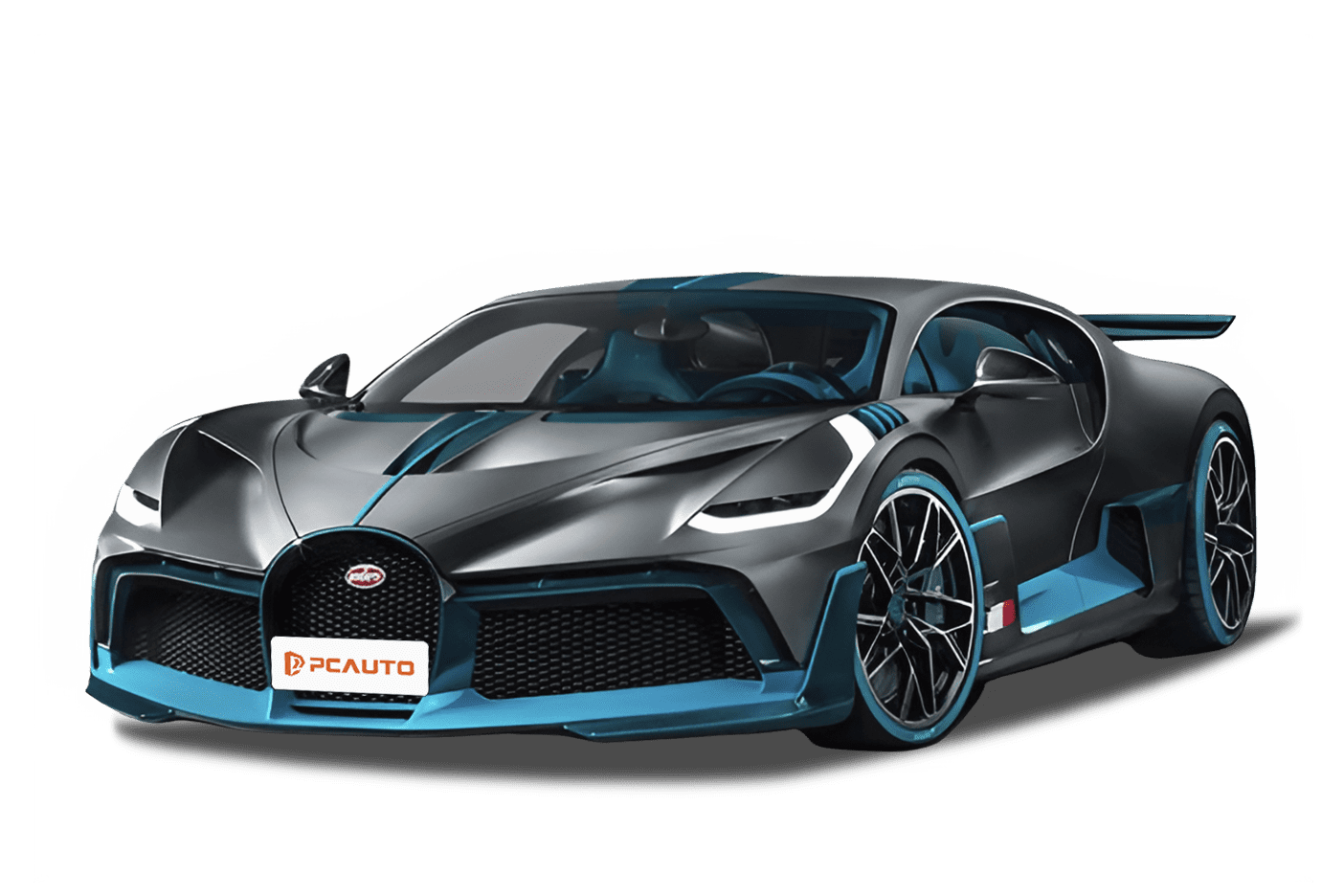
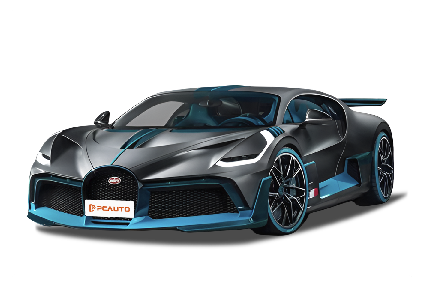
2023 Bugatti Divo, as a limited-edition hypercar and an advanced version of the Chiron, features track-focused aerodynamic design, 1520PS of brutal power, and precise handling, embodying the ultimate performance of being "born for the curves."
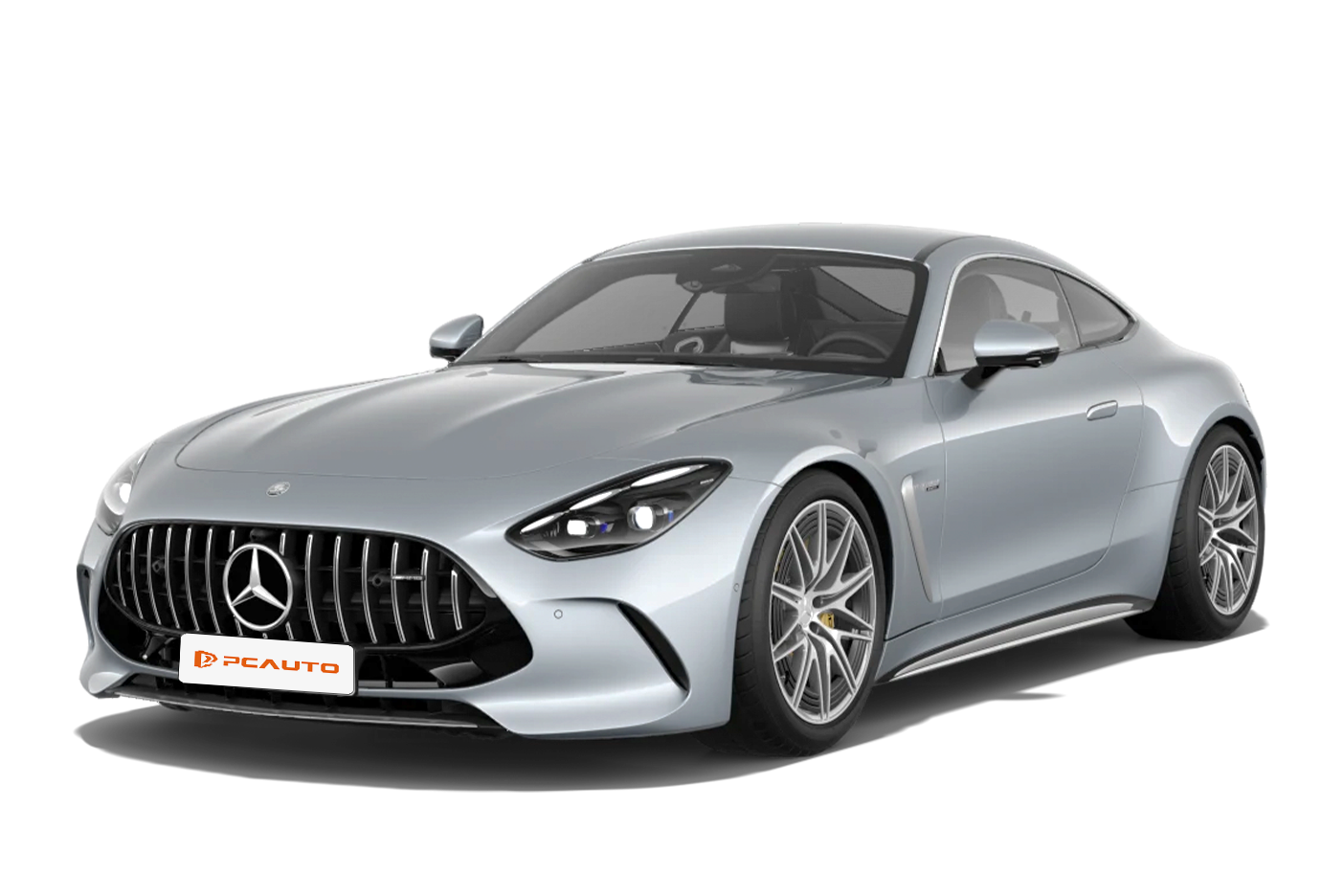
2025 Mercedes-Benz AMG GT 63 4Matic+ Coupe is a luxurious two-door sports car that combines 585PS 4.0T V8 performance (0-100 km/h in 3.2 seconds) with 351L of practical storage, balancing track excitement and daily commuting.