
2019 Porsche 911 The new 911 Carrera Review

 Share
Share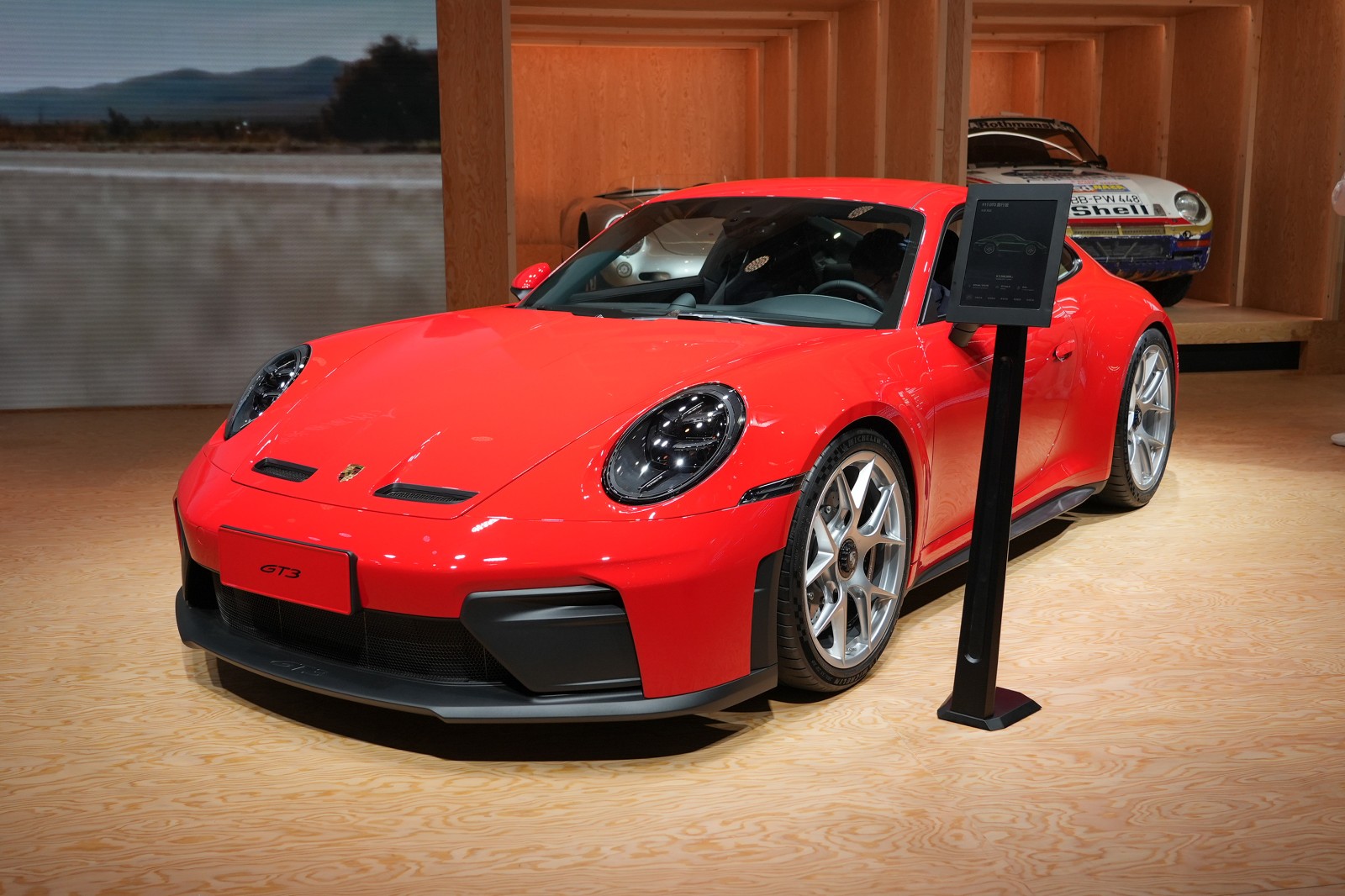
 Segment
 Body Type
 Capacity(L)
 Engine Power(PS)
 Transmission
 Driven Wheels
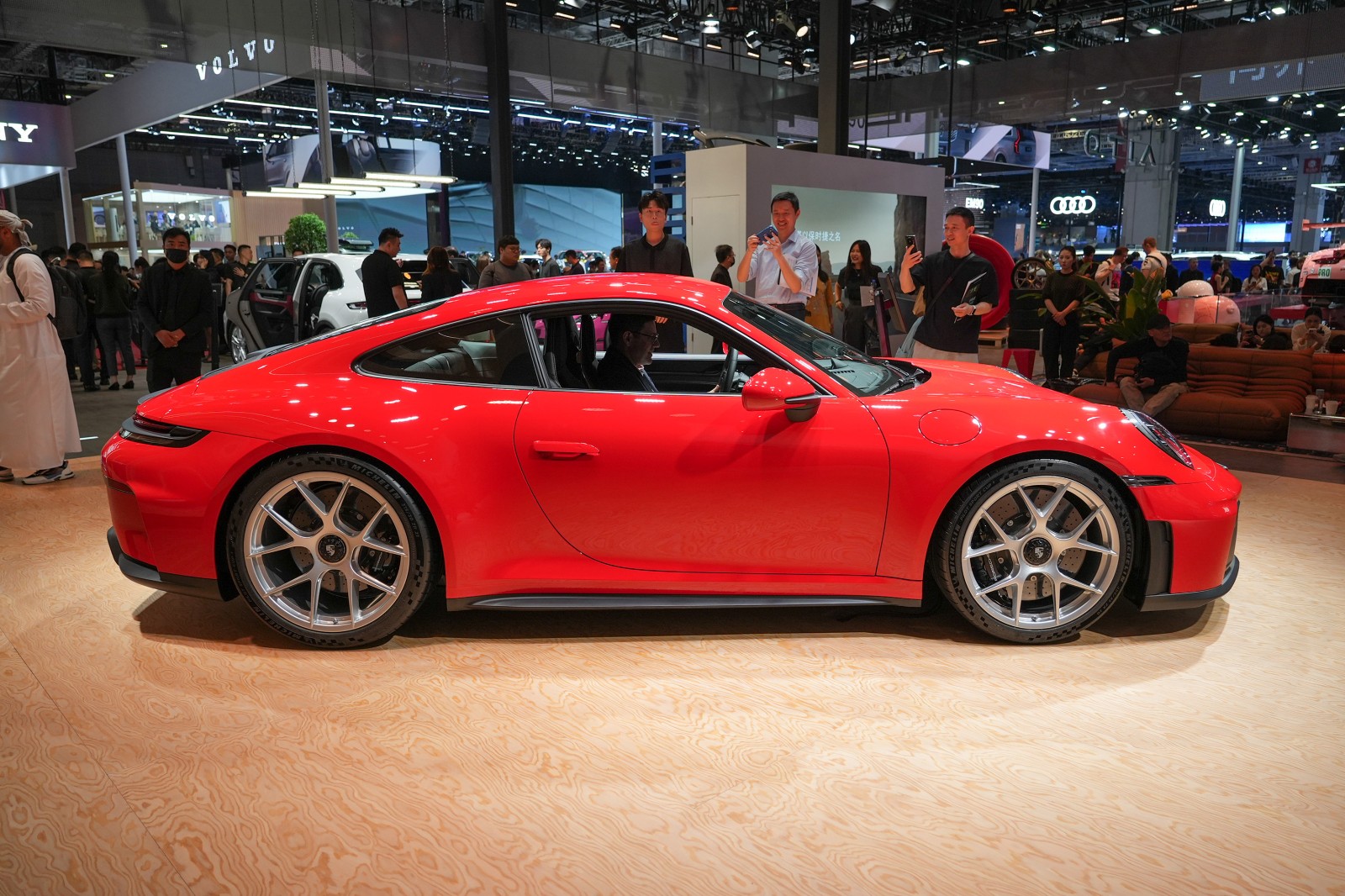
In Malaysia's supercar market, the 911 series has always been considered a "benchmark" — unlike some aggressive supercars that are only suitable for the track, it can also handle everyday commutes. This kind of "dual personality" makes many enthusiasts both love it and feel conflicted. As the entry-level model of the ninth-generation 911, the 2019 Carrera's upgrade places a 3.0T twin-turbocharged engine into the classic rear-engine, rear-wheel-drive layout, with power increased to 385PS and an official 0-100km/h acceleration time of 4.2 seconds. The core purpose of this test drive is simple: to see if it can still hold onto the positioning of a "supercar that can be used daily" and if its configuration and dynamic performance justify the RM900,000 price tag.
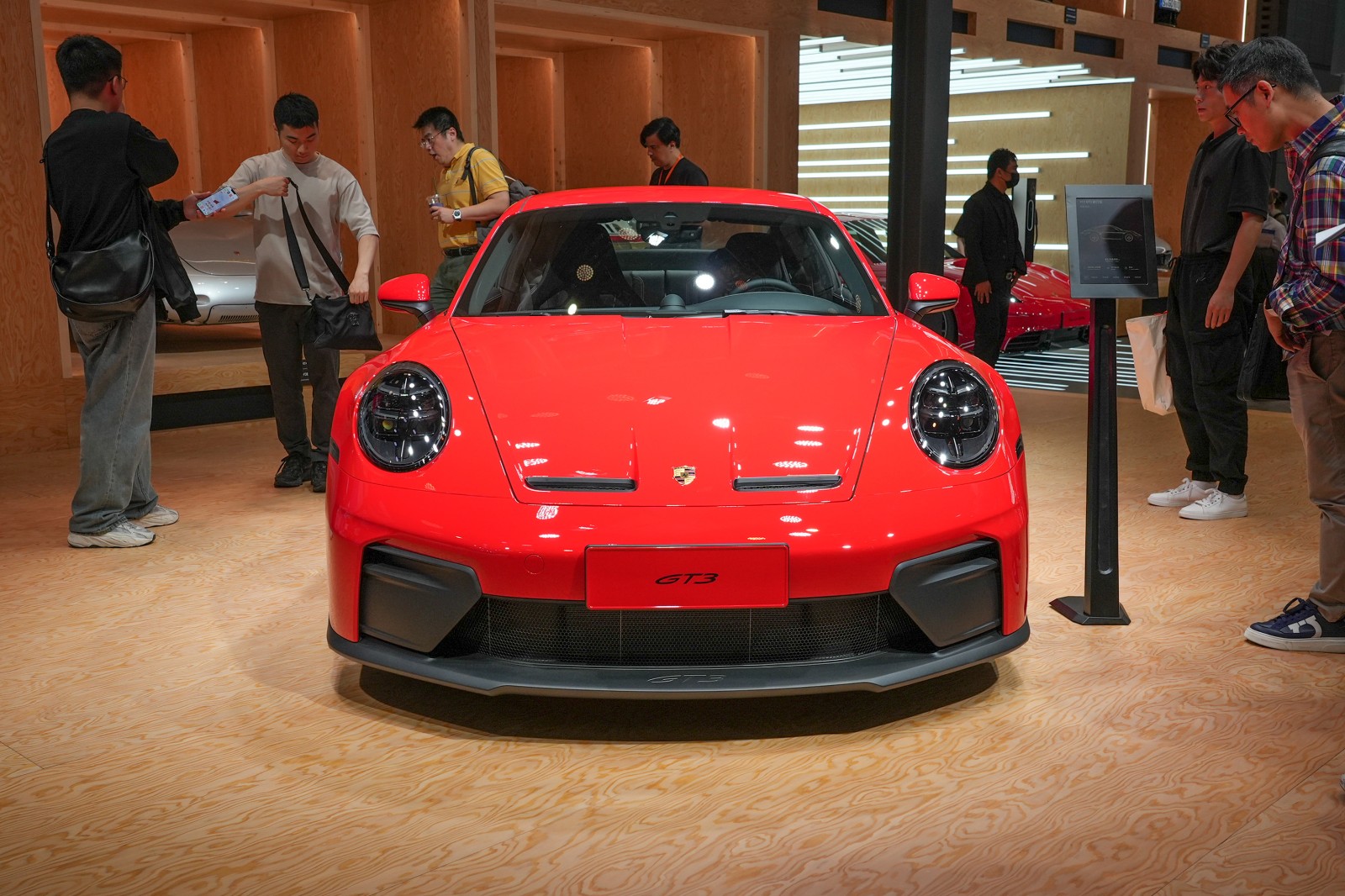
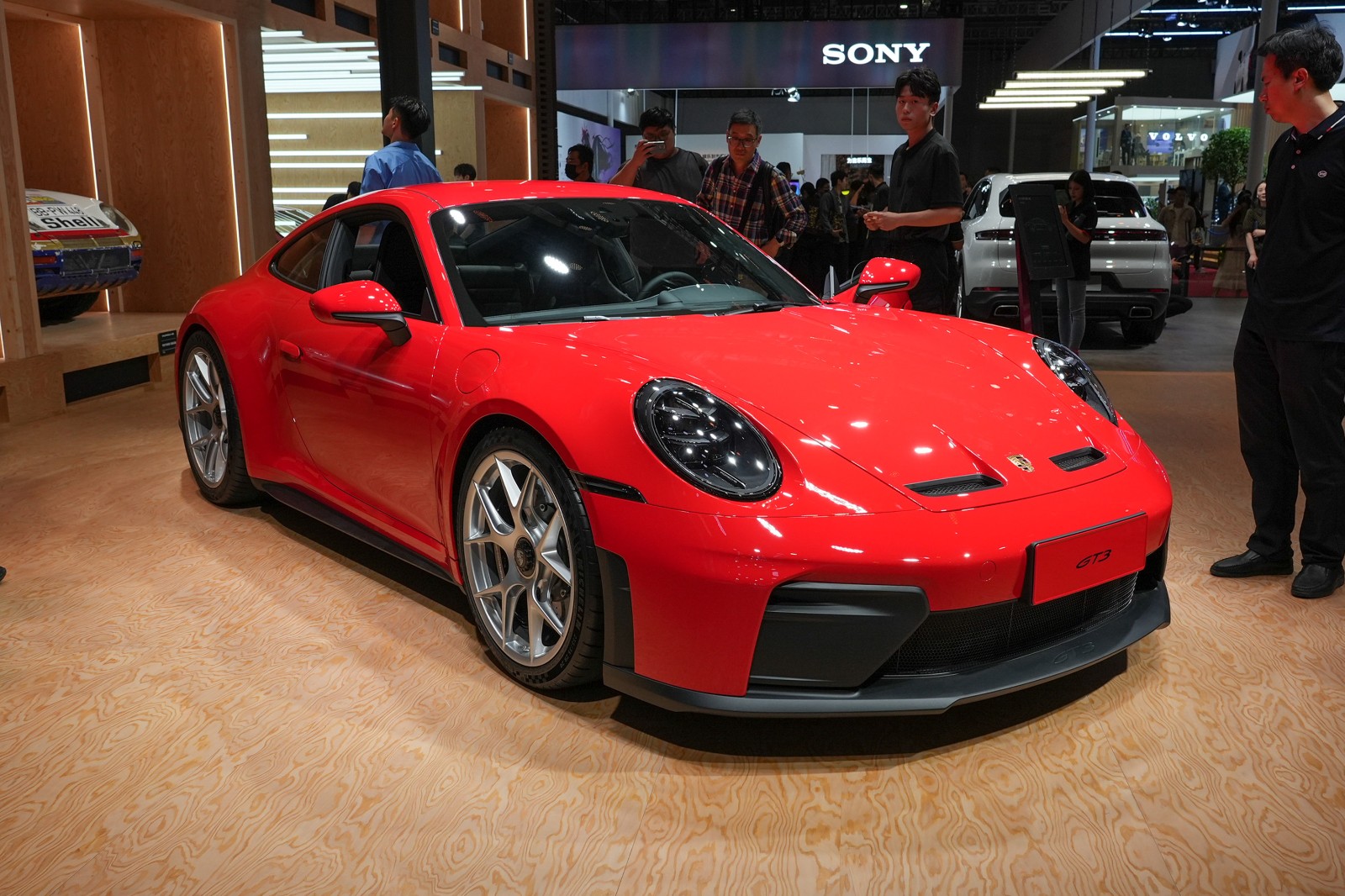
From the exterior, the new Carrera still retains the familiar 911 silhouette — fastback shape, short front overhang, and wide rear shoulders, giving it maximum recognizability. The front face is equipped with sharper LED headlights, and the four-point daytime running lights inside the lamp housing are a signature Porsche design, offering a high-quality look when illuminated. The air intake at the lower part of the front bumper is treated with a blacked-out finish, making it sportier than the previous model. The lines on the hood have also been smoothed out, giving the overall design fewer edges and more refinement. The waistline along the side of the car runs continuously from the front to the rear, while the door handles are now hidden, reducing air resistance while also giving a sleeker appearance. When paired with 19-inch front wheels and 20-inch rear wheels, the proportions look very balanced. The most noticeable change at the rear of the car is the taillight— the LED strip that spans across connects the two side taillights, with the "PORSCHE" logo embedded in the middle. When lit up at night, the recognizability is extremely high. The rear diffusor and dual exhaust outlets further emphasize the performance-oriented feel.
Sitting inside, the interior feels significantly more luxurious than the previous model. The dashboard is wrapped in large areas of soft leather, with meticulous stitching, delivering a refined tactile sensation. A 10.9-inch touchscreen control display is a new addition, featuring a very clear layout and supporting Apple CarPlay. It operates smoothly, much like a smartphone. The instrument cluster retains Porsche's classic five round-dial design, but the three in the middle have been replaced with digital screens, capable of toggling between showing RPM, speed, navigation, and other information. The combination of tradition and technology is well-executed. The multifunctional steering wheel comes as standard, with a moderate size and a solid grip. Buttons on the left control audio and phone settings, while the right side allows switching driving modes (Normal, Sport, Sport+) and controlling cruise control. The front seats offer strong support, with adjustable side bolsters that accommodate different body types, ensuring long drives remain comfortable. The rear seats are more like "emergency seats" — adults have almost no legroom when sitting there, so they are best used for placing bags or accommodating children temporarily. The storage space is not very abundant; the door pockets can hold two water bottles, and the central armrest box is fairly small. However, the trunk is at the front, with a capacity of 132L, which can fit two carry-on suitcases, making it sufficient for daily commutes.
The dynamic performance is the core of this car. The power delivery of the 3.0T twin-turbocharged engine is very linear. In Normal mode, the start isn’t overly aggressive, and the throttle response is smooth, suited for city driving. Switching to Sport mode eliminates almost all turbo lag. Stepping on the accelerator delivers consistent power, with especially strong mid-range acceleration. For overtaking, simply pressing the accelerator deeper pushes the engine revs above 3,000 RPM, releasing a sudden burst of power and a strong sense of thrust. The officially rated 4.2-second acceleration time feels very realistic. The paired DCT gearbox offers extremely fast shifts, with smooth upshifts and responsive downshifts, almost eliminating any sense of jerking.
In terms of handling, the advantages of the rear-wheel-drive layout are very apparent. The steering is precise with almost no play; what you input is what you get, and the directional accuracy in corners is very clear. The suspension is a MacPherson independent front suspension, tuned on the firmer side, but its ability to absorb bumps is better than expected—when passing speed bumps in the city, there’s no overly harsh impact, and the body posture remains stable. While driving on mountain roads, the suspension provides adequate support, and body roll is minimal during fast cornering. Combined with the grip of the wide tires, the car exhibits excellent stability, giving the driver a great deal of confidence.
Regarding fuel consumption, our test drive included both city and highway driving equally, with an average fuel consumption of about 10.5L/100km. In congested city traffic, it can rise to around 13L, while during highway cruising it can drop to 8L. For a 3.0T sports car, this performance is reasonable. Noise control is quite well-managed; in Normal mode, at a speed of 100km/h, wind and tire noise are not obvious, and only a slight engine noise enters the cabin. In Sport mode, the exhaust sound becomes deeper and richer but remains pleasant rather than harsh, adding to the driving atmosphere. The comfort of the seats is also commendable, as they are highly supportive while being sufficiently soft. Even during long drives, the lumbar and leg support remains excellent.
In summary, the core highlights of the 2019 Carrera are clear: the classic 911 design, upgraded luxurious interior, 385PS power output, and precise handling. Compared to competitors in the same segment, such as the BMW M4 or Mercedes-AMG C63 S, its advantage lies in its "balance"—it not only delivers sports car performance but also caters to daily commuting needs. Features like the 10.9-inch central touchscreen and hidden door handles also lend a more high-tech feel compared to its competitors. However, its shortcomings are also evident: the rear space is almost unusable, storage capability is average, and its price is approximately RM50,000 higher than its rivals.
Overall, this car suits two types of people: the first is "practical" sports car enthusiasts who want both the thrill of the track and the convenience of daily commuting. The second is young individuals who value brand and quality, as the 911’s classic design and Porsche badge are more than enough to make a statement. If your budget is around RM900,000 and you’re looking for a sports car with "no significant drawbacks," the 2019 Carrera is undoubtedly a top choice—it retains the soul of the 911 while addressing the shortcomings of previous models, making it a car that gets better the more you drive it.
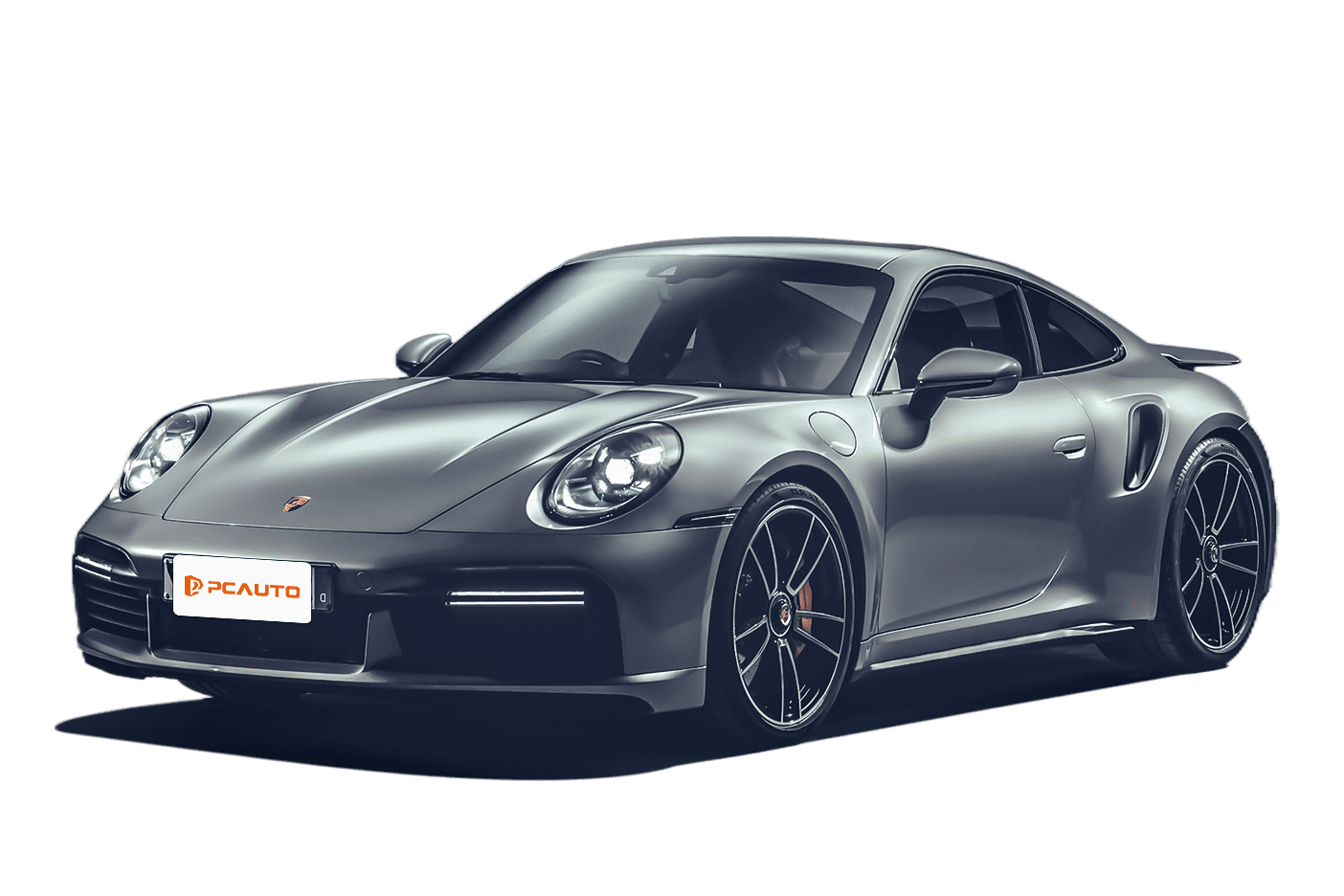
Porsche 911 Car Compare
Porsche 911 Loan Calculator
More Porsche Reviews
Cars With Similar Price And Features
8
Rank in Coupe
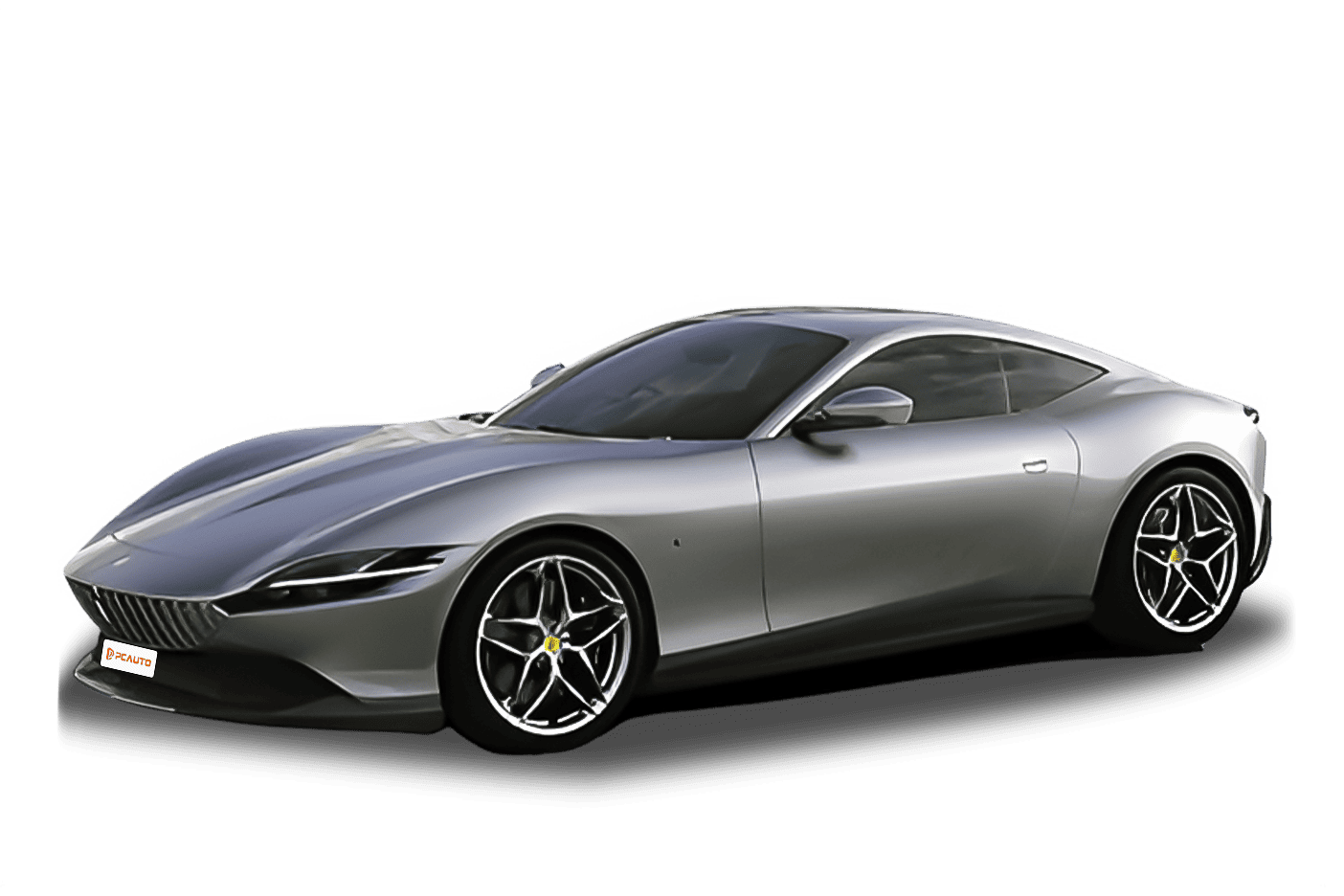
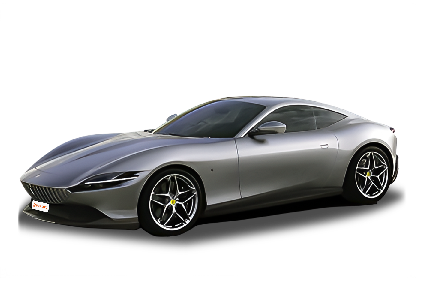
2023 Ferrari Roma Spider is a hardtop convertible GT supercar that combines elegant style with powerful performance, 13.5-second fast-opening soft top + 620PS power, practical for daily use and full of driving pleasure.

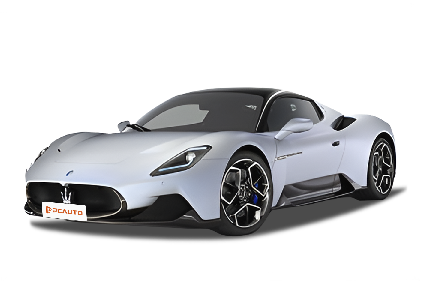
2023 Maserati MC20 Cielo is a two-seater supercar that combines track-level performance with convertible romance, equipped with a 630PS 3.0T V6 engine, a glass hardtop that opens and closes in 12 seconds, and accelerates to 100 km/h in 2.9 seconds.
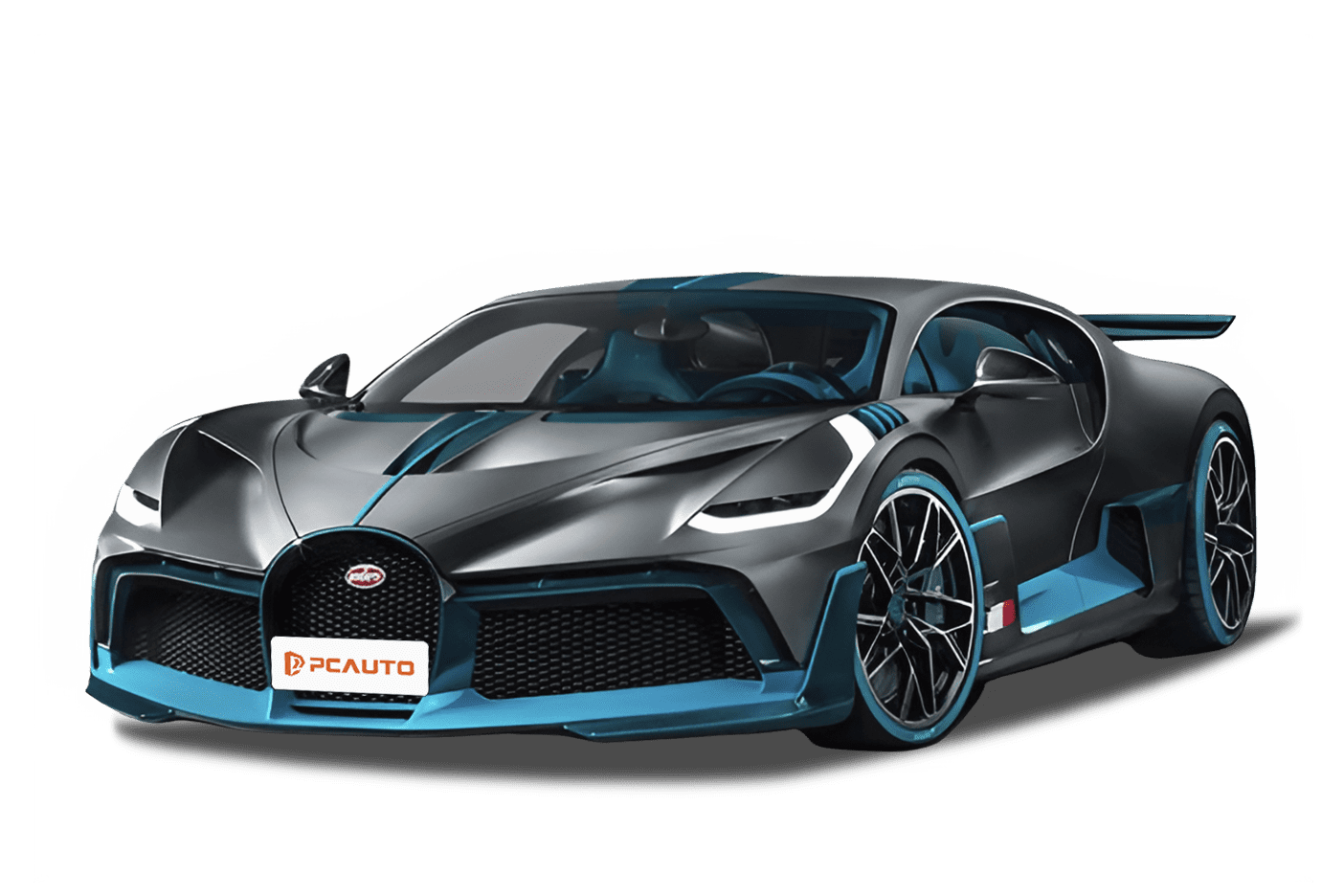
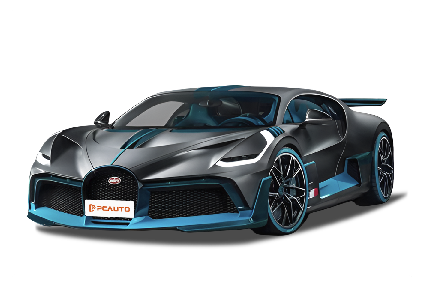
2023 Bugatti Divo, as a limited-edition hypercar and an advanced version of the Chiron, features track-focused aerodynamic design, 1520PS of brutal power, and precise handling, embodying the ultimate performance of being "born for the curves."
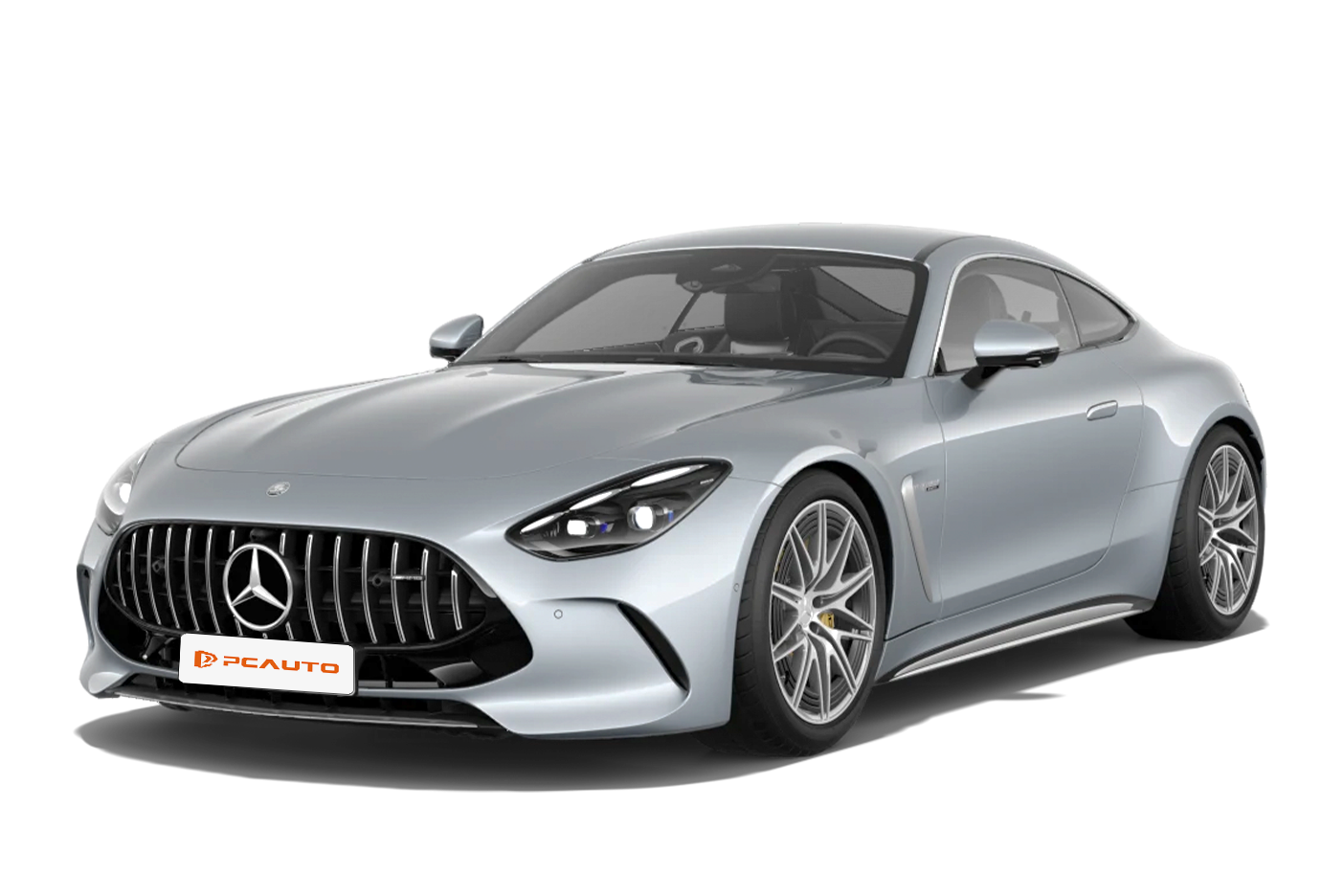
2025 Mercedes-Benz AMG GT 63 4Matic+ Coupe is a luxurious two-door sports car that combines 585PS 4.0T V8 performance (0-100 km/h in 3.2 seconds) with 351L of practical storage, balancing track excitement and daily commuting.