
2019 Porsche 911 Turbo S Cabriolet Review

 Share
Share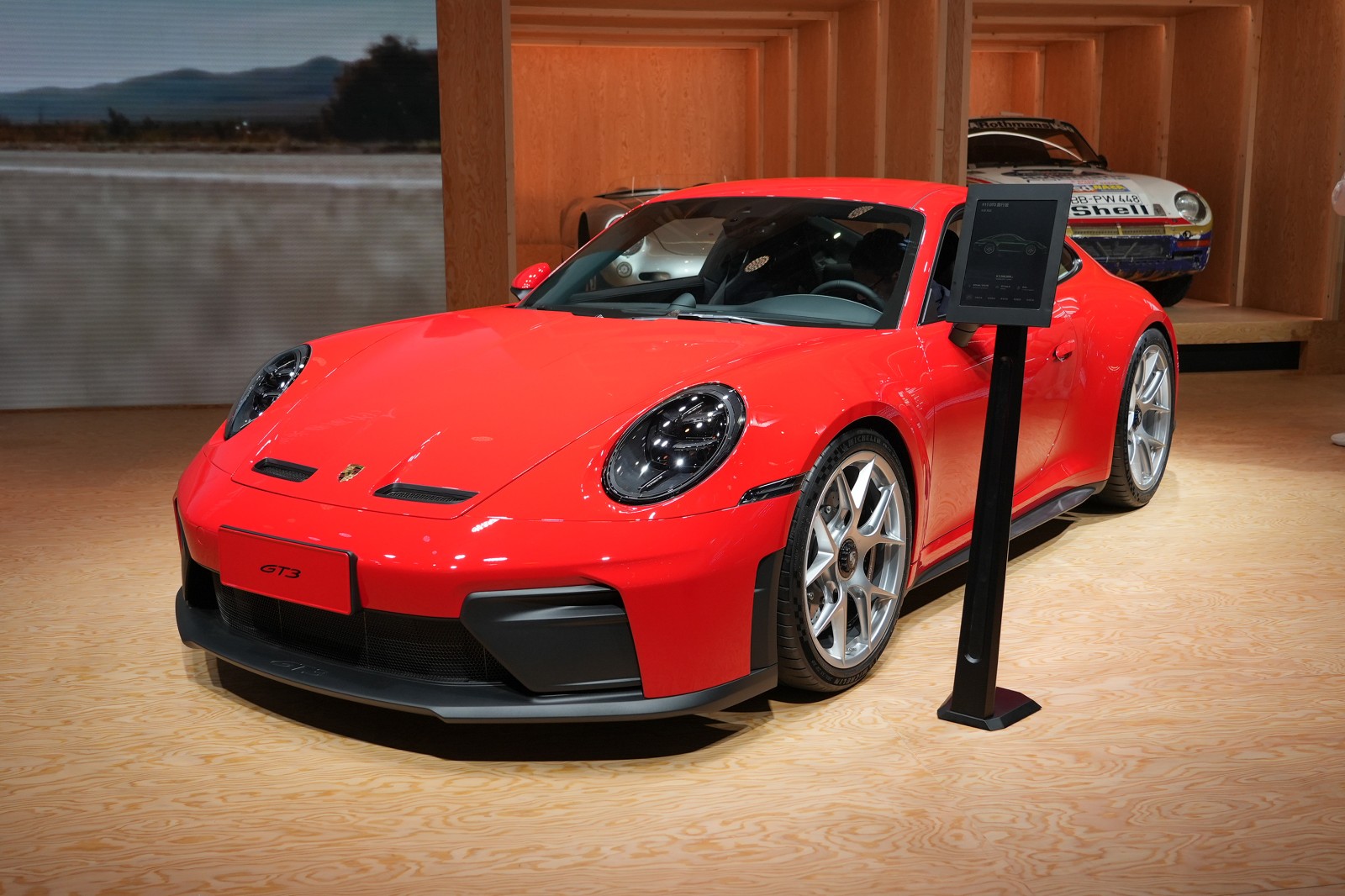
 Segment
 Body Type
 Engine Power(PS)
 Capacity(L)
 Engine Torque(Nm)
 Transmission
The Malaysian supercar market has gradually shifted towards "everyday usability" in recent years. Consumers are no longer satisfied with just the speed label but place greater emphasis on the balance of luxury, practicality, and performance—the 2019 Porsche 911 Turbo S Cabriolet is a quintessential contender in this niche. As the flagship convertible version of the 911 family, it not only inherits Porsche's iconic sporty DNA but also reinforces its luxurious appeal through a soft-top convertible design and upgraded features. The core of this test drive is to verify whether it can find the perfect balance between track passion and daily commuting.
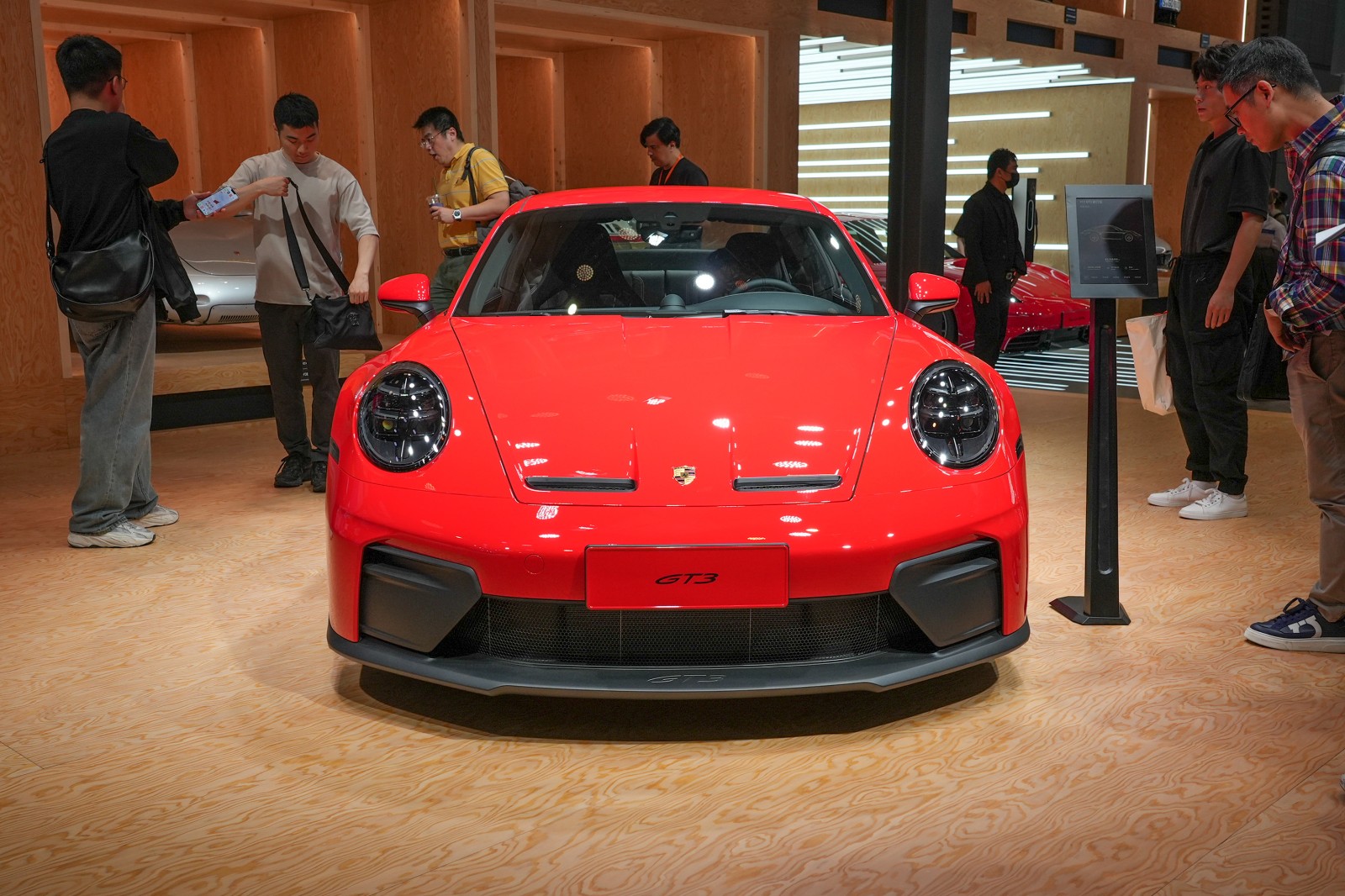
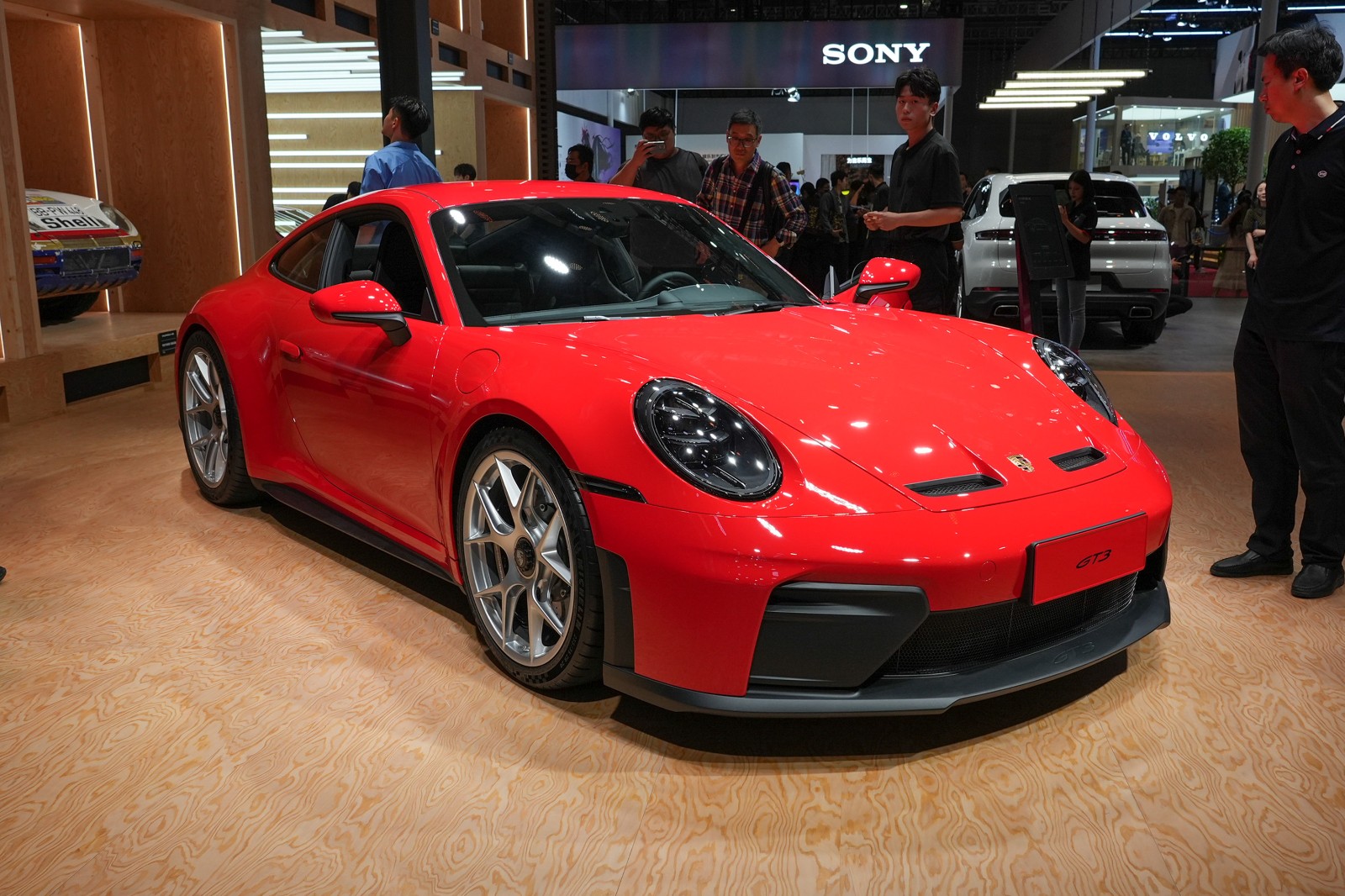
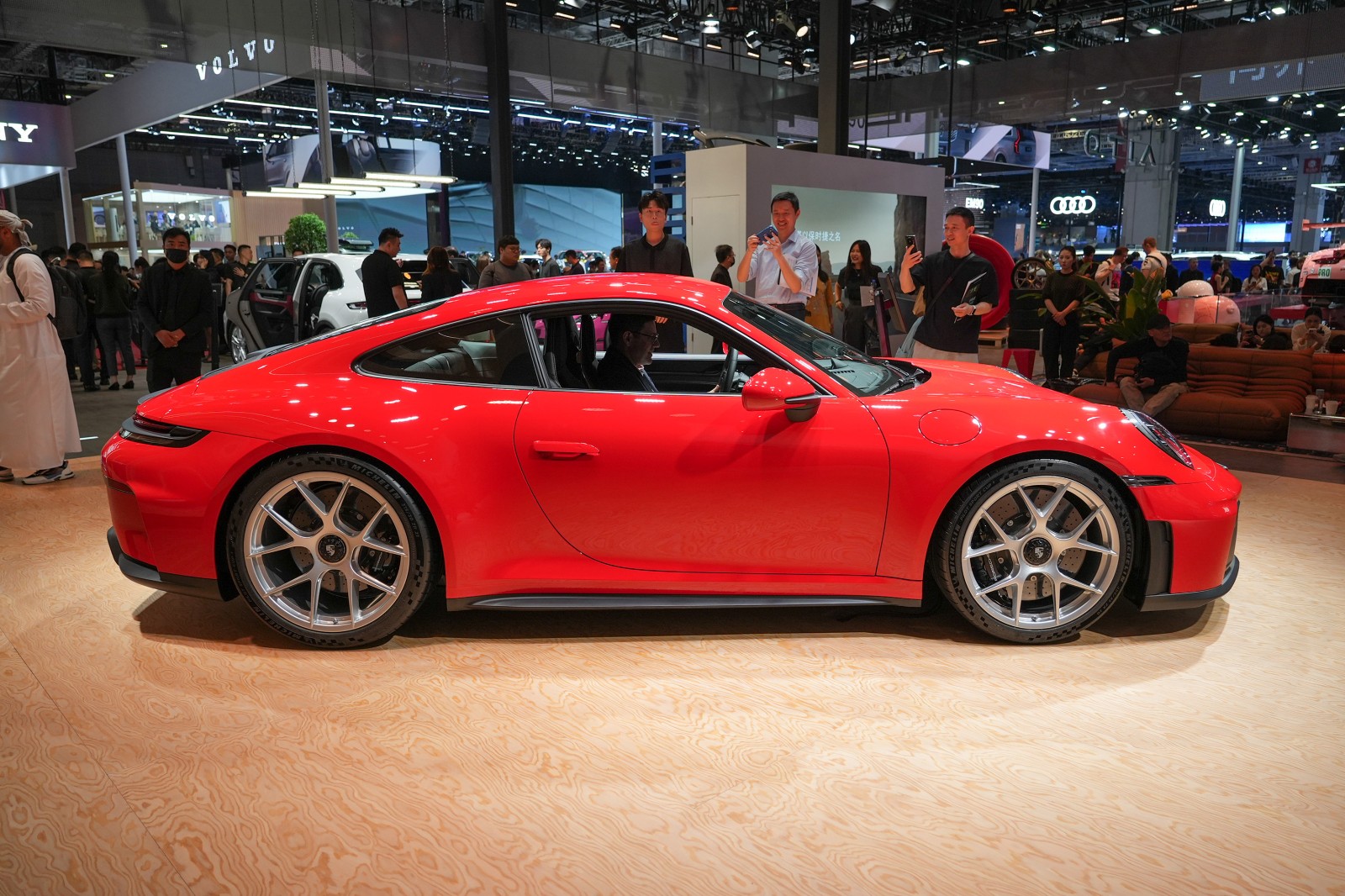
In terms of appearance, the 2019 911 Turbo S Cabriolet continues the classic frog-eye design of the 911 family, but the sporty details give it maximum recognition. The front end is equipped with a large honeycomb grille, while the two LED daytime running lights are designed in a four-point style, echoing Porsche's racing heritage. The side profile retains its smooth fastback lines, with 20-inch center-lock alloy wheels paired with yellow calipers, directly emphasizing its performance positioning. At the rear, the variable spoiler can automatically raise and lower according to speed, and the quad round exhaust layout further enhances the sporty ambience. The soft-top roof is made of multi-layer fabric; when closed, it is nearly indistinguishable from the hardtop model. It can be opened in just 13 seconds and operated at a maximum speed of 50 km/h, making it exceptionally convenient for everyday use.
Stepping inside, the classic "five-dial" instrument cluster has been retained (with four analog dials on the sides and a central digital display). The central control area has been upgraded to a 10.9-inch touchscreen, equipped with Porsche Communication Management (PCM), supporting Apple CarPlay and Bluetooth connectivity. The interior materials are primarily genuine leather and Alcantara, while the seats are sport-style bucket seats with electric adjustments, featuring adjustable lumbar support and side bolsters, ensuring that the body is secured during intense driving and still comfortable for long trips. In terms of practicality, the front storage spaces include a central armrest box and door panel compartments, while the rear seats, though compact, can accommodate children on short trips or serve as storage for personal items. The front trunk offers a capacity of about 132 liters, enough to fit two carry-on suitcases, which is sufficient for daily commutes or short trips.
The powertrain is equipped with a 3.8-liter twin-turbocharged flat-six engine, delivering a maximum of 450 PS and a peak torque of 660 Nm, paired with an 8-speed PDK dual-clutch transmission. During actual driving, the power output in standard mode is relatively smooth, with a gentle start that suits urban roads. Switching to Sport+ mode significantly improves throttle response; deepening the pedal results in an instant burst of acceleration, achieving 0-100 km/h in just 3.1 seconds (3.2 seconds with the top down). Mid-range acceleration (80-160 km/h) is readily available, making overtaking effortless. Regarding handling, the steering wheel provides precise control with virtually no play, and the suspension system adopts Porsche Active Suspension Management (PASM), with adjustable stiffness—comfort mode filters out most road bumps, while sport mode feels noticeably taut, with excellent suppression of body roll during cornering.
The fuel consumption is in line with the positioning of a supercar, with a city driving fuel consumption of about 12-14L per 100km, and it can be reduced to 8-9L per 100km under highway conditions. The braking system is equipped with carbon ceramic composite brake discs, providing short braking distances and a linear pedal feel, with no obvious fading under continuous braking. In terms of driving comfort, when the soft-top convertible is closed, the interior noise insulation is comparable to that of a hardtop model, and wind noise at high speeds remains within an acceptable range. When the convertible top is open and the speed is under 100km/h, wind noise is not overly disruptive. The seat heating and ventilation functions are also very practical in Malaysia's climate. It's worth mentioning that the vehicle offers three driving modes (Normal, Sport, and Sport+) as well as a custom mode, allowing owners to adjust power response, suspension stiffness, and shifting logic based on their needs, making it highly adaptable.
Compared to competitors in the same class, such as the BMW M4 Convertible or the Mercedes-AMG GT C Convertible, the 2019 911 Turbo S Cabriolet’s advantages lie in its classic design heritage, the reliable performance of its PDK transmission, and relatively balanced practicality — it doesn’t lean too heavily toward being "track-oriented" like its competitors, and it won’t feel out of place during everyday commutes. Overall, this car suits two types of buyers: those who enjoy the convertible driving experience, pursue performance but also need a vehicle for daily commuting, and loyal 911 fans who want to retain the classic elements while enjoying the freedom brought by a convertible design.
Overall, the 2019 Porsche 911 Turbo S Cabriolet is an "all-rounder" supercar: it combines Porsche’s iconic performance characteristics with convertible design and practical features to meet daily usage needs. If you’re looking for a luxury convertible that can hit the racetrack on weekends and handle weekday commutes, it’s one of the top choices in this niche market.
Porsche 911 Car Compare
Porsche 911 Loan Calculator
More Porsche Reviews
Cars With Similar Price And Features
8
Rank in Coupe
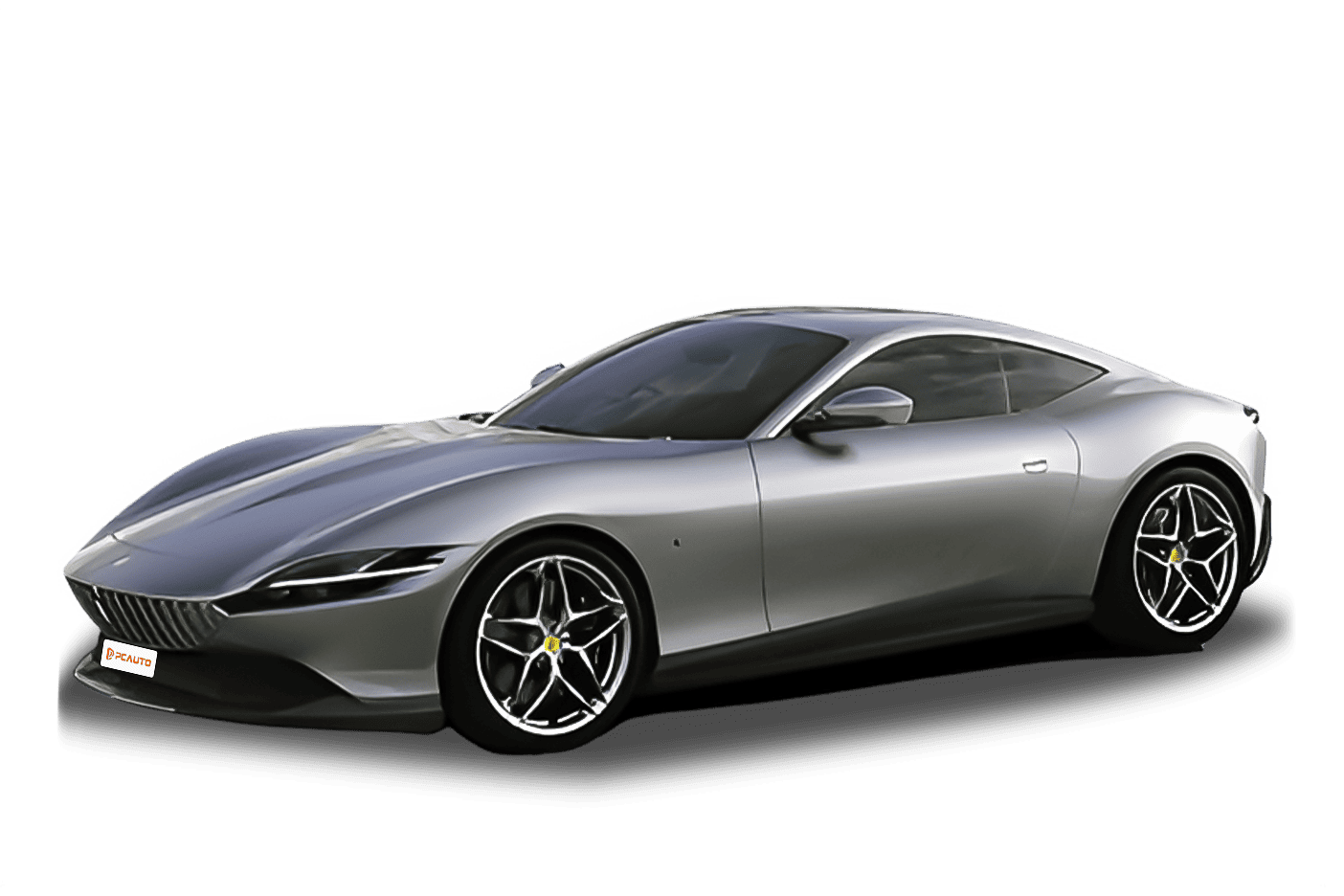
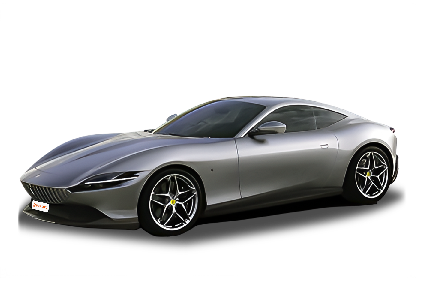
2023 Ferrari Roma Spider is a hardtop convertible GT supercar that combines elegant style with powerful performance, 13.5-second fast-opening soft top + 620PS power, practical for daily use and full of driving pleasure.

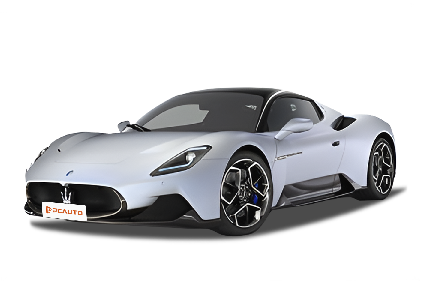
2023 Maserati MC20 Cielo is a two-seater supercar that combines track-level performance with convertible romance, equipped with a 630PS 3.0T V6 engine, a glass hardtop that opens and closes in 12 seconds, and accelerates to 100 km/h in 2.9 seconds.
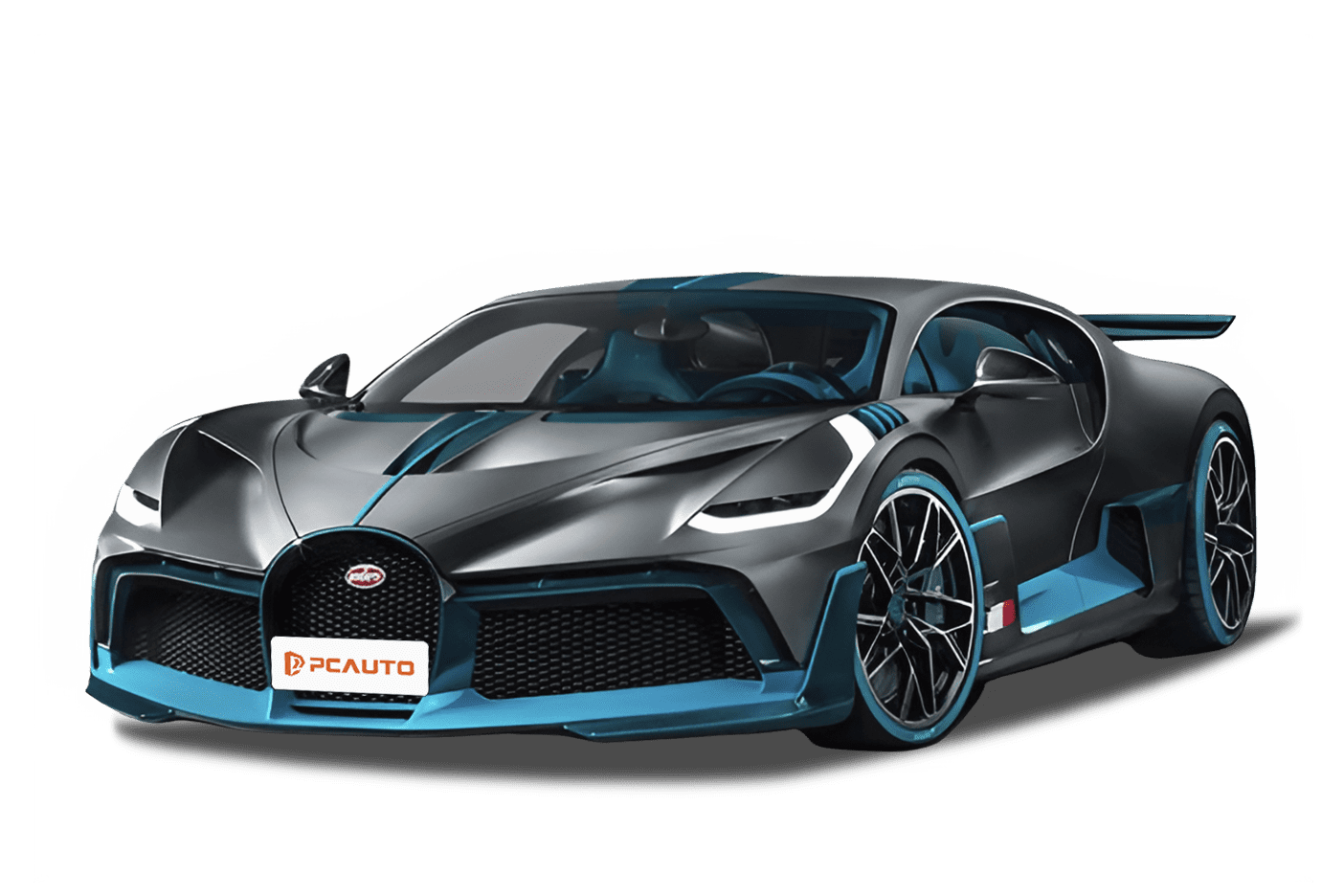
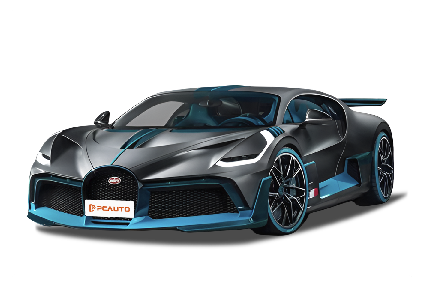
2023 Bugatti Divo, as a limited-edition hypercar and an advanced version of the Chiron, features track-focused aerodynamic design, 1520PS of brutal power, and precise handling, embodying the ultimate performance of being "born for the curves."
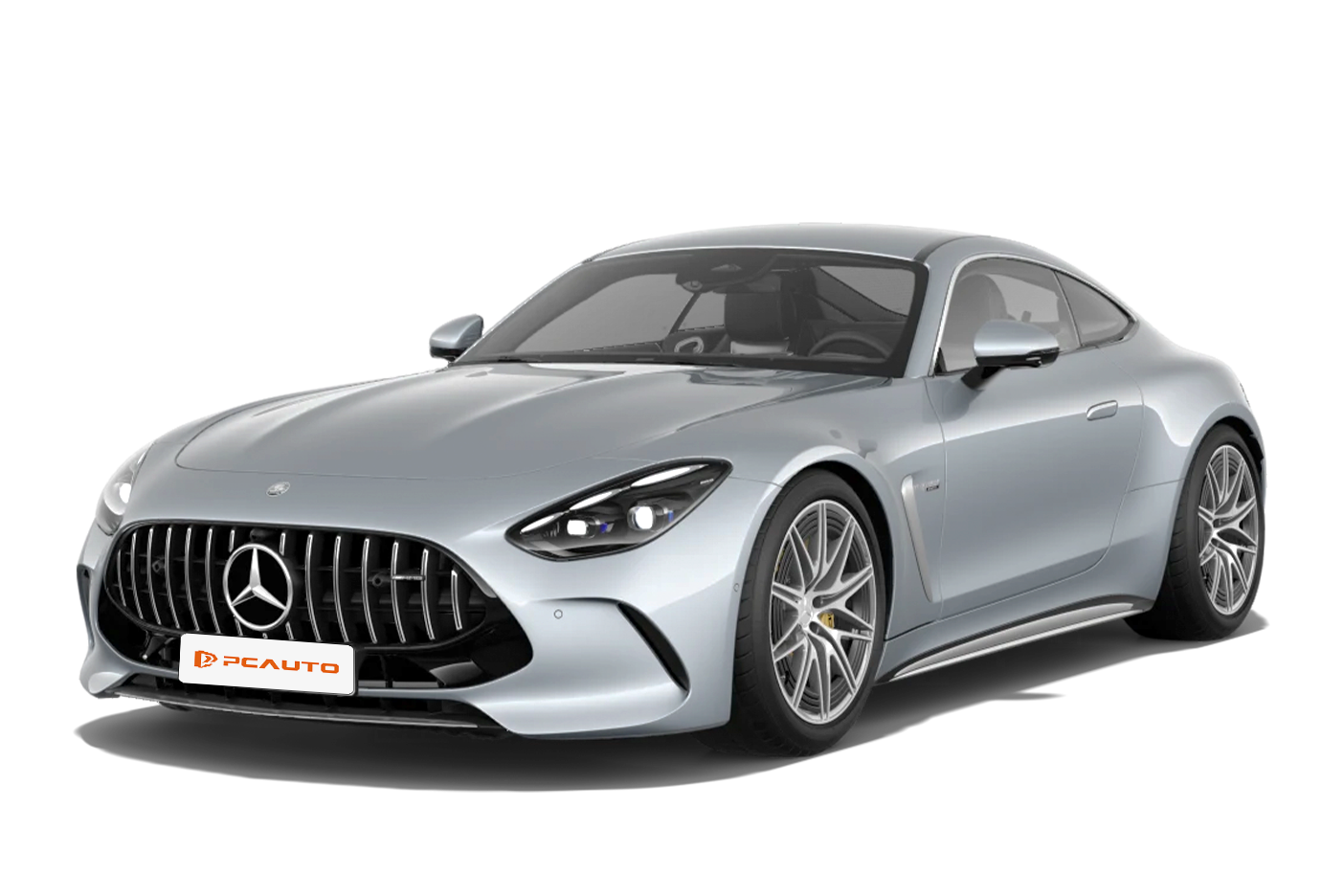
2025 Mercedes-Benz AMG GT 63 4Matic+ Coupe is a luxurious two-door sports car that combines 585PS 4.0T V8 performance (0-100 km/h in 3.2 seconds) with 351L of practical storage, balancing track excitement and daily commuting.