

Mitsubishi Xpander 2020 Review

 Share
Share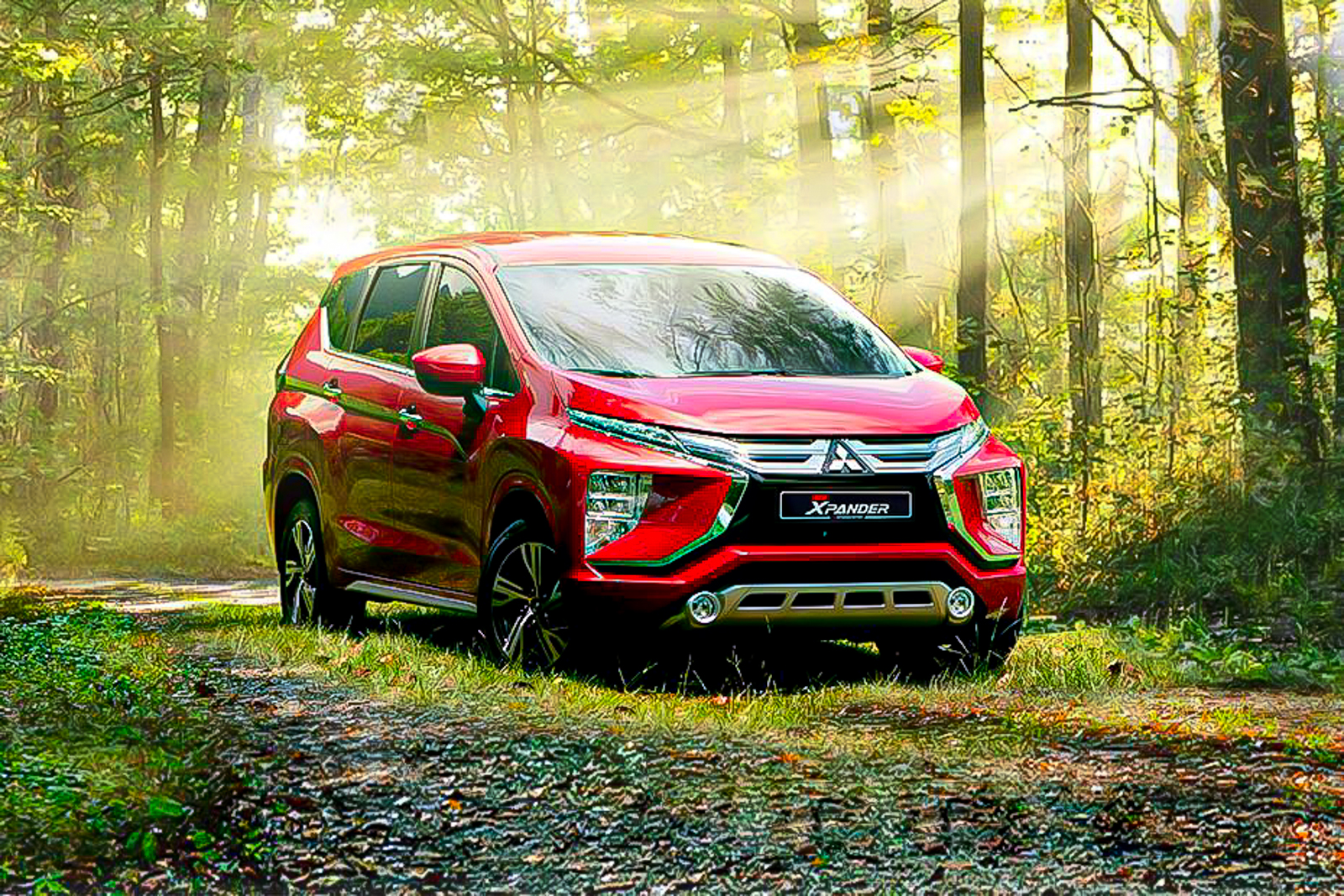
 Segment
 Body Type
 Capacity(L)
 Engine Power(PS)
 Transmission
 Driven Wheels
In Malaysia's B-segment MPV market, consumers' balanced demand for 7-seater practicality, fuel efficiency, and basic configurations has always been the main criteria for choosing a car. The 2020 Mitsubishi Xpander 1.5L, as one of the popular models in this segment, targets family users with a wheelbase of 2775mm, 7-seater layout, and a price of over RM90,000, focusing on "maximizing space" and "comprehensive basic configurations" as its core selling points. The main purpose of this test drive is to verify whether its static space indeed suits the daily needs of large families and whether the 1.5L naturally aspirated engine performs adequately under full load conditions.
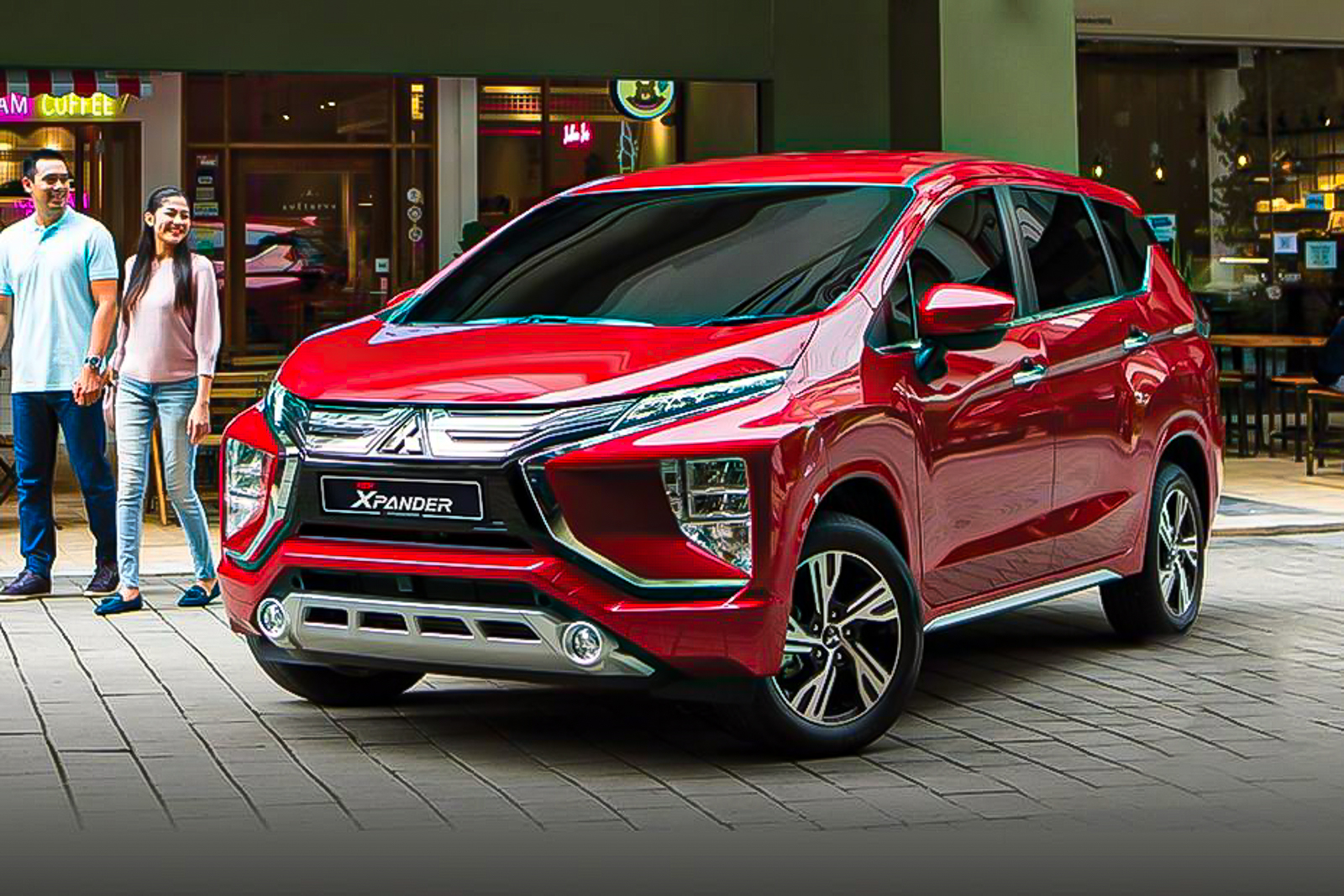
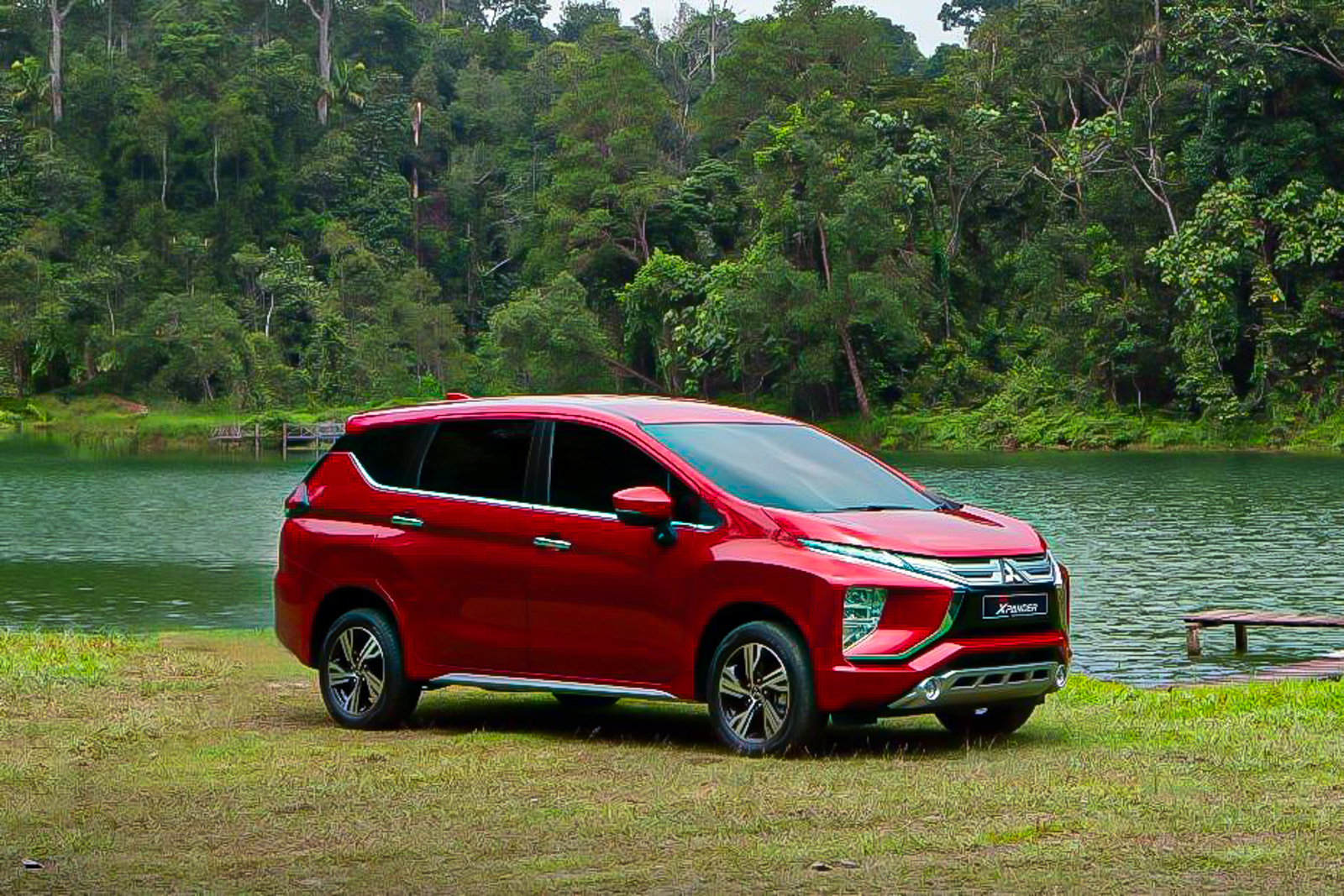
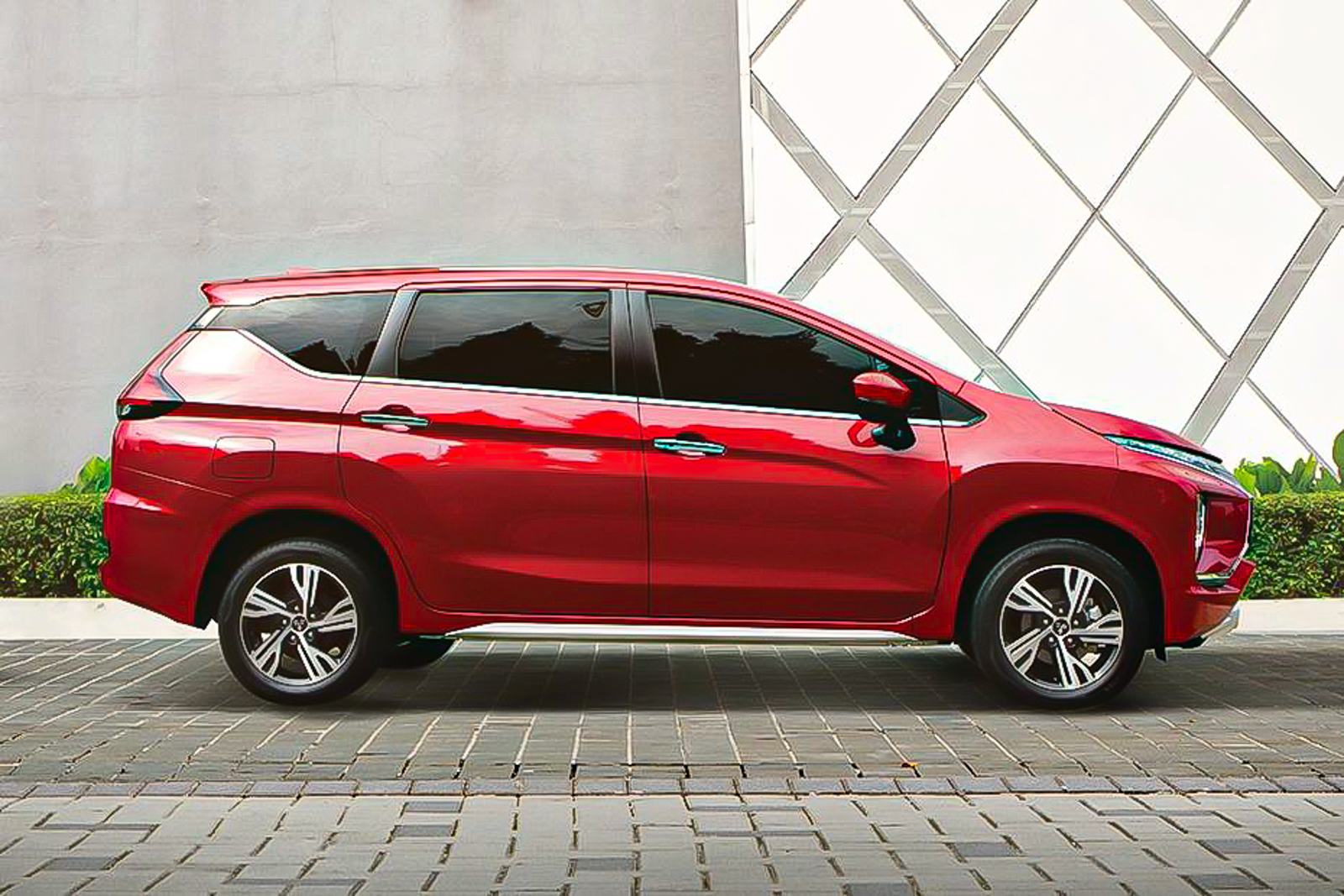
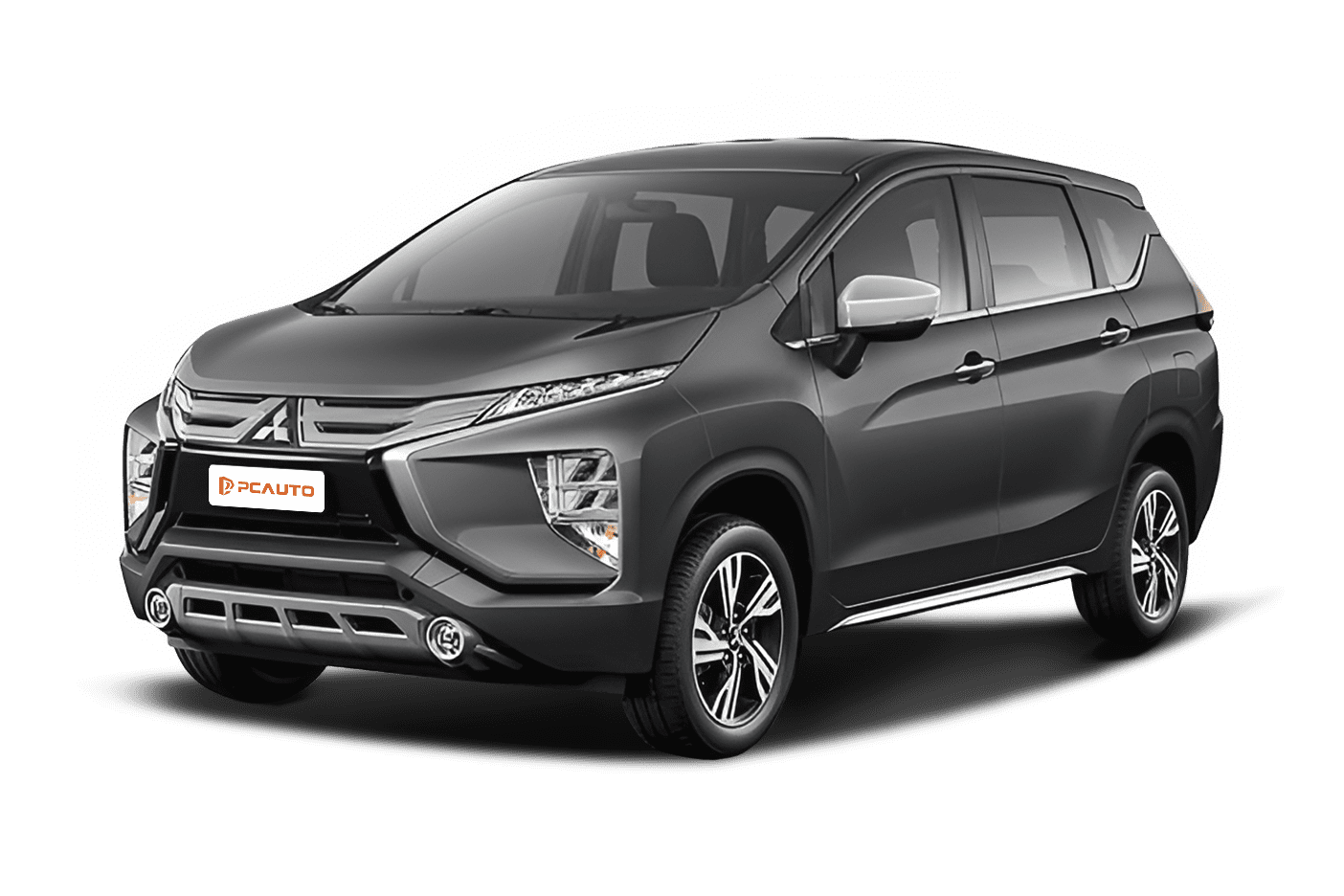
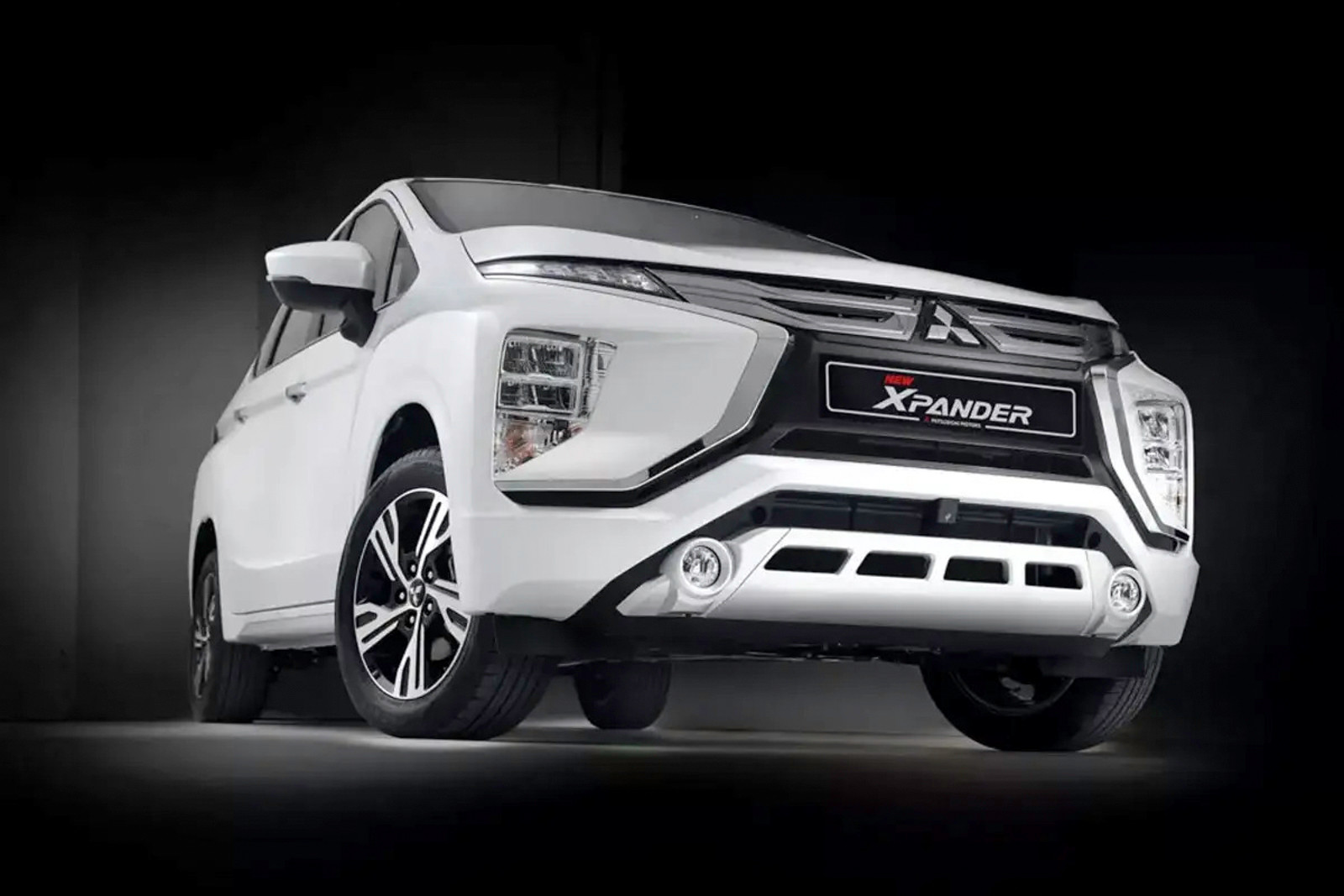
From the exterior, the Xpander follows a rugged and practical design approach, with the front adopting Mitsubishi's family-style Dynamic Shield design language. A large chrome strip connects the LED headlights on both sides, and the trapezoidal lower grille adds high recognition. The side profile features straight lines, with concave styling on the lower part of the doors adding layers to the design. Its 16-inch wheels are equipped with 205/55R16 tires, aligning with its family-oriented positioning. At the rear, the LED taillights are connected by a chrome strip, and the silver skid plate under the rear bumper enhances its crossover vibe. Overall, the design avoids excessive flashy elements and emphasizes functionality. The lighting system is well-equipped, with LED headlights, daytime running lights, front and rear fog lights all as standard features. The automatic headlight function can switch automatically when entering tunnels or at dusk, improving daily usage convenience.
Inside the car, the interior primarily features dark tones, and the dashboard layout is simple and clear. The central 9-inch touchscreen supports Bluetooth connectivity and the Sound Plus function, with six speakers providing audio quality sufficient for daily music playback. Below the screen are physical air conditioning buttons for intuitive operation, eliminating the need for frequent downward glances at the touchscreen. As for materials, the upper part of the dashboard uses hard plastic, which is common for cars in this price range, but the door panels include fabric inserts to add a touch of quality. In terms of features, keyless entry/start, multifunction steering wheel, manual single-zone air conditioning for the front row, and independent air conditioning vents for the rear row are all standard. The rear row also includes a 220V/230V power outlet to make charging devices convenient for passengers. The instrument panel uses traditional analog dials to clearly display information like RPM, speed, and fuel level, but it lacks the technological feel of digital instrument panels available in some competing models.
Space performance is one of the Xpander's key advantages, with a 2775mm wheelbase ranking among the best in the B-segment MPV category. The front seats support manual adjustments. After a driver with a height of 175cm adjusts to a comfortable driving position, there is still a fist's worth of headroom. The second-row seats use a 60:40 split-folding design, offering ample legroom. Even with the front seats pushed back, second-row passengers still have about two fistfuls of legroom. The middle floor is almost flat, providing comfort for three passengers sitting side by side. The third-row seats have a 50:50 split-folding design, suitable for children or adults shorter than 165cm for short-distance trips. Legroom is acceptable, but headroom is slightly tight. In terms of storage capacity, the trunk provides 781 liters of space in its normal configuration, easily enough for two 28-inch suitcases. When the third-row seats are folded down, the trunk space can be expanded further to accommodate a large baby stroller or a folding bicycle. The cabin is rich in storage compartments. The front door panels can hold two bottles of water, and both the center armrest box and cup holders can meet everyday small item storage needs.
For power, the Xpander is equipped with a 1.5L naturally aspirated engine, delivering a maximum power output of 105PS/6000rpm and a maximum torque of 141N·m/4000rpm (Note: The torque figure is not marked in the configuration table; the value here is supplemented based on the common parameters of engines with the same displacement). It is paired with a 4-speed automatic transmission. During daily driving, the power output is smooth during the start phase, making it suitable for low-speed city driving. After accelerating to 60km/h, the power response becomes more active. When overtaking, a deeper press on the accelerator is needed, and there is a 1-2 second delay in the transmission, but the increase in speed can still meet demands. When fully loaded with 7 people, acceleration feels slightly strained, especially during uphill driving, requiring maintaining higher RPMs to ensure power output. There is only a regular driving mode available, with no sport or eco modes to choose from, and the tuning is biased towards family comfort.
The handling and suspension performance are oriented towards comfort. The steering wheel is lightweight with slightly more play, making U-turns or parking easier in daily use, but the directional control at high speeds is average. The suspension system adopts front MacPherson independent suspension and rear torsion beam non-independent suspension, with a softer tuning. When dealing with speed bumps or small jolts on urban roads, the filtering effect is good, and passengers inside the car won't feel significant vibrations. However, when driving over larger potholes, the rear suspension exhibits noticeable bouncing, slightly affecting comfort. During cornering, the body roll is within an acceptable range and doesn't give a feeling of instability, aligning well with the positioning of a family MPV.
In terms of fuel economy, the official combined fuel consumption is 8.9L/100km. During this test drive, which covered approximately 150km including city traffic, highway sections, and a small amount of suburban roads, with 4 people on board and a small amount of luggage, the actual fuel consumption was about 9.2L/100km, which is close to the official figure. The fuel economy performance meets family use expectations. Brake performance is average, with the front ventilated disc brakes providing a linear brake force release. During emergency braking, the vehicle remains stable without significant forward dipping.
Regarding driving comfort details, the noise control performance is moderate. At speeds exceeding 80km/h, wind noise and tire noise gradually enter the cabin, but it remains within an acceptable range and does not affect normal conversations. The seats are covered in fabric material with soft padding. The front seats provide good lumbar support, so long drives are not too tiring. The backrest angle of the second-row seats can be adjusted, allowing passengers to find a comfortable posture during long-distance rides. The padding of the third-row seats is relatively thin, making them suitable for short distances, but they may cause fatigue during long trips.
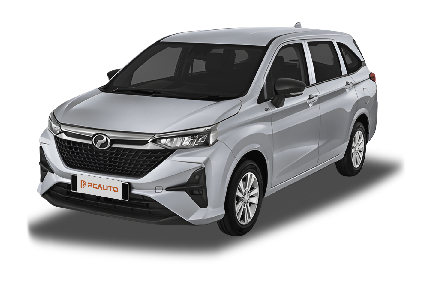
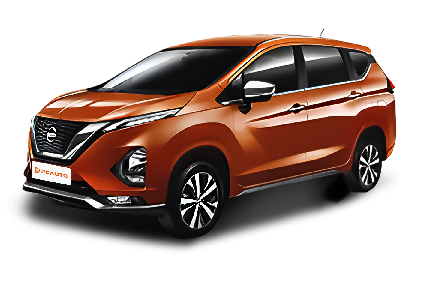
In summary, the core strengths of the 2020 Mitsubishi Xpander 1.5L lie in its "spacious interior" and "comprehensive basic configurations"—the practical 7-seater space resulting from the 2775mm wheelbase, along with configurations such as keyless entry, 360-degree panoramic camera, rear air conditioning, and 220V power outlet. At a price point of over 90,000 MYR, it is quite competitive. Compared to competitors like the Perodua Alza or Toyota Veloz, the Xpander has a longer wheelbase and a more spacious second-row seating area, though its power parameters and transmission technology (4AT vs CVT) are slightly inferior to the other two.
In summary, the Xpander is suitable for family users who value "spatial practicality," especially consumers with 2-3 children and those who often need to accommodate elderly family members or friends. Its balanced configuration and comfortable chassis tuning can also meet the needs of daily commuting and short weekend trips. If you are pursuing extreme performance or a strong sense of technology, it may not be the best choice. However, if "7-seater for family use and economic practicality" is your core need, the Xpander is undoubtedly one of the models worth considering in this price range.
Mitsubishi Xpander Car Compare

Mitsubishi Xpander Loan Calculator
More Mitsubishi Reviews
Cars With Similar Price And Features
1
Rank in MPV

2023 Perodua Alza 1.5 AV, as a top-tier B-segment MPV, offers spacious space, low fuel consumption of up to 4.6L/100km, upgraded safety and intelligent features, making it a practical choice for families.
4
Rank in MPV

2023 Toyota Veloz 1.5 AT is a high-value family MPV that offers comprehensive safety features, flexible 7-seat space, and economical fuel consumption, making it suitable for practical and safety-conscious family users.