

2023Mitsubishi Xpander Review

 Share
Share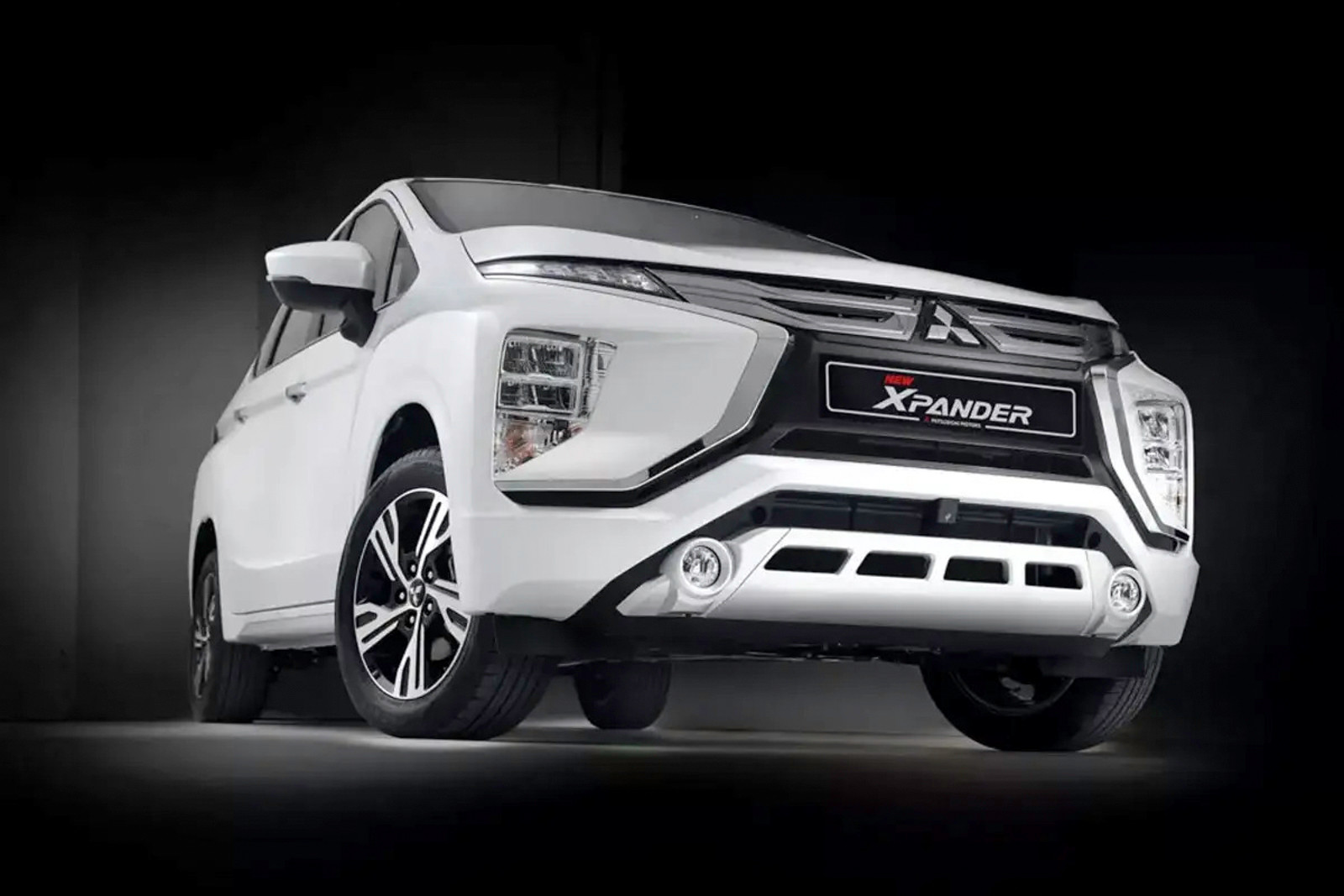
 Segment
 Body Type
 Capacity(L)
 Engine Power(PS)
 Engine Torque(Nm)
 Transmission
In the B-Segment 7-seater MPV market in Malaysia, family users generally look forward to a model that balances practicality, reliability, and high cost-effectiveness. The 2023 Mitsubishi Xpander targets precisely these needs. It continues the brand's practical genes in the MPV segment, while upgrades in configuration enhance daily usage experience. This test drive will focus on its spatial performance, actual power output, and practicality of configurations, helping readers determine whether this car meets the daily needs of multi-member families.
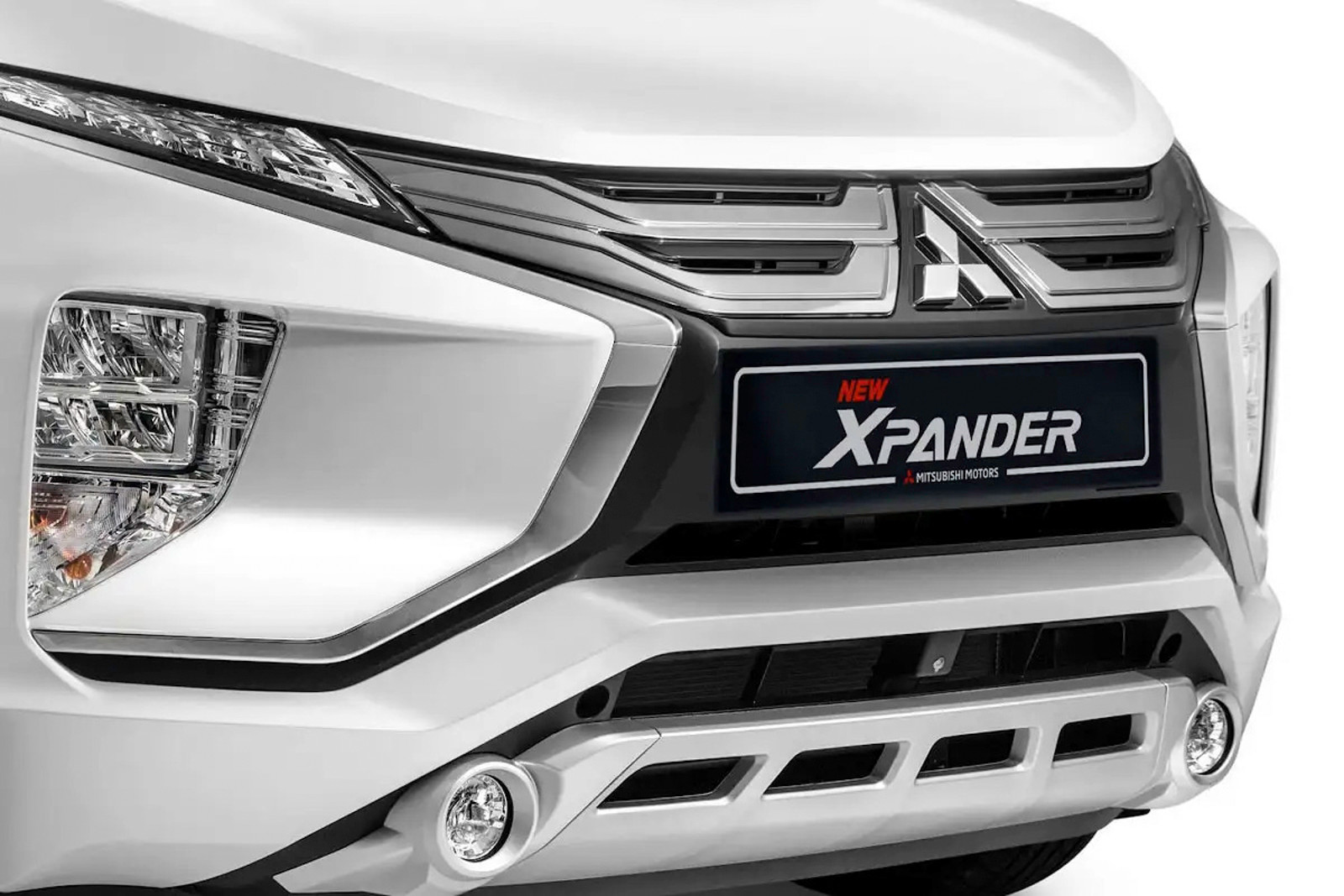
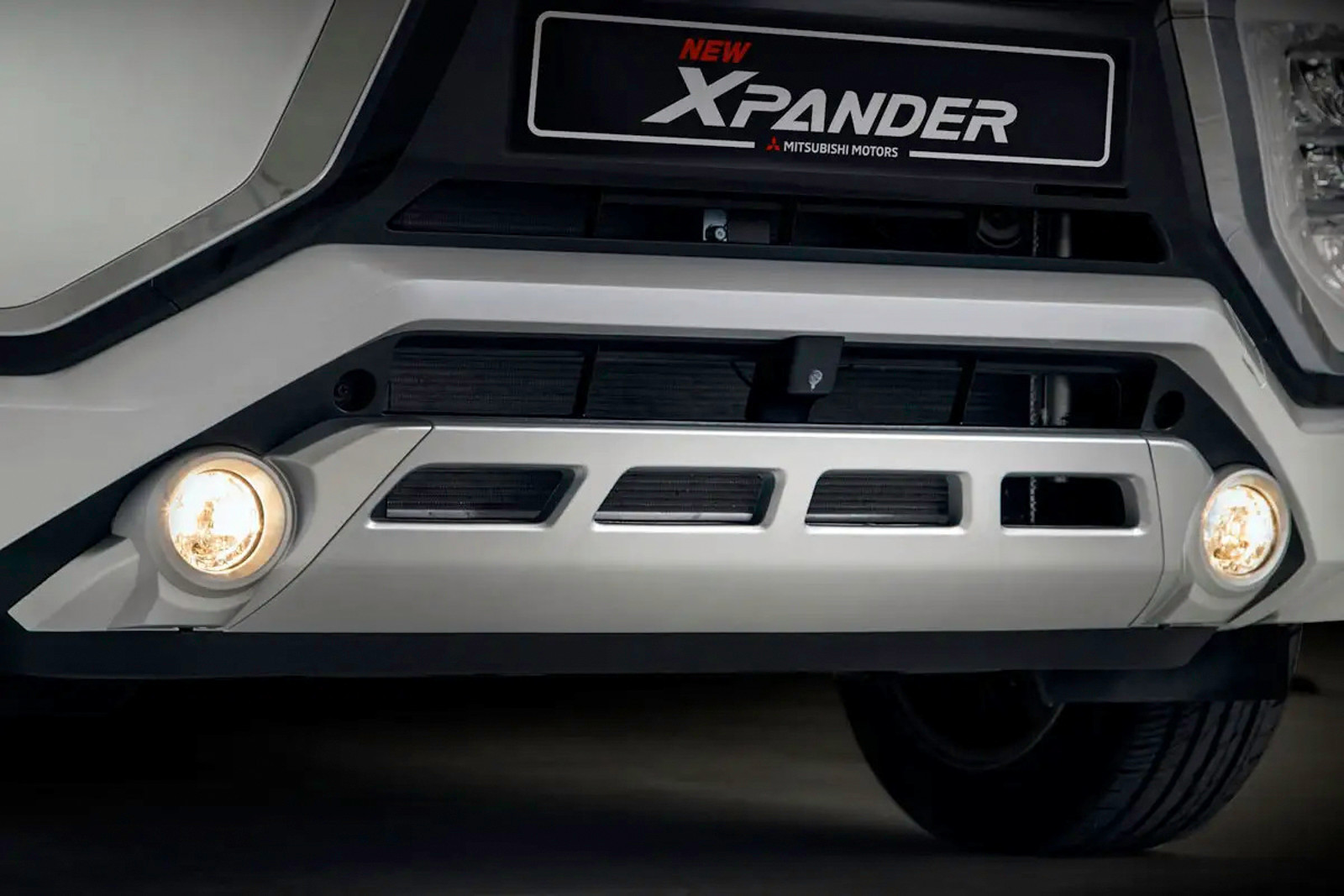
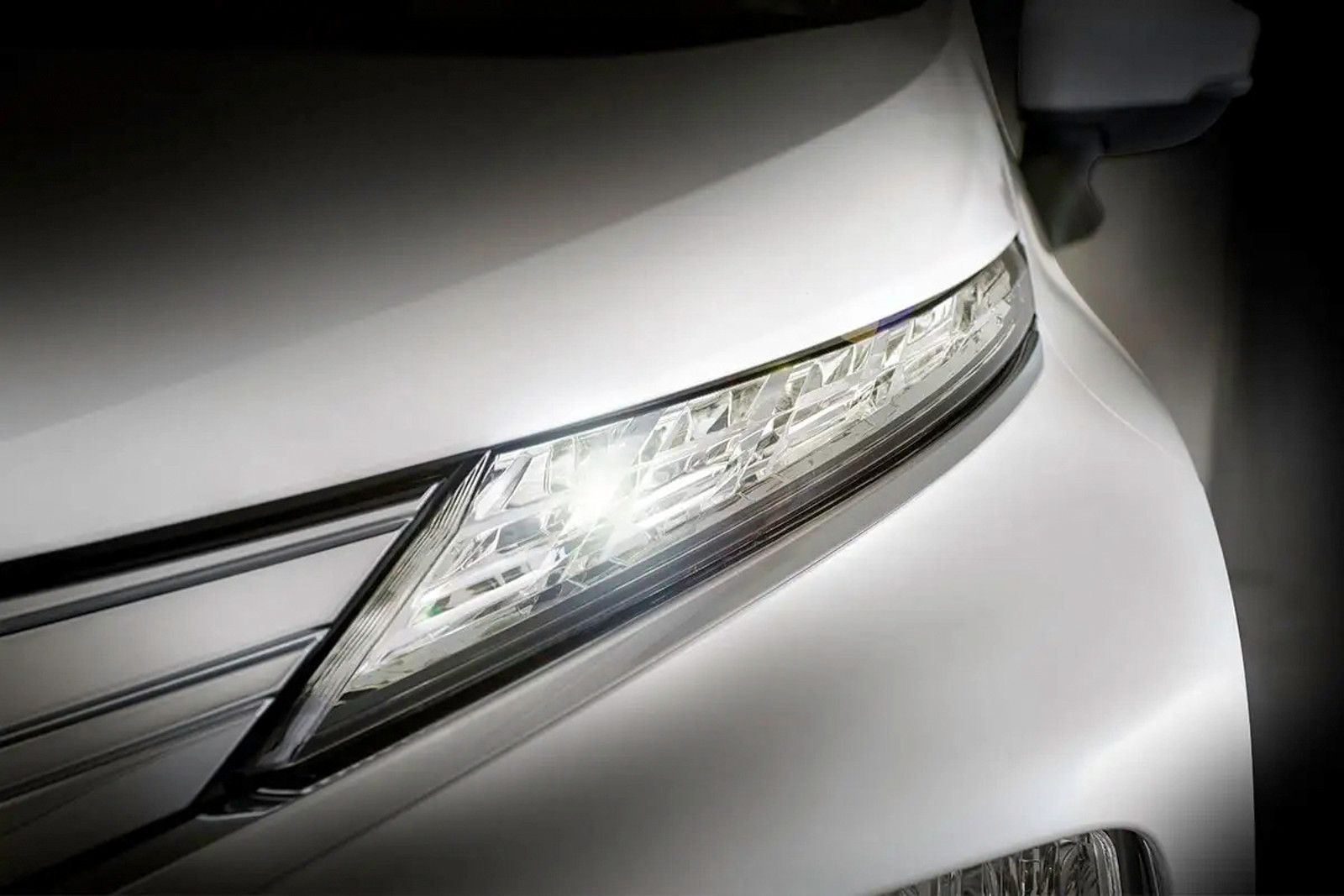
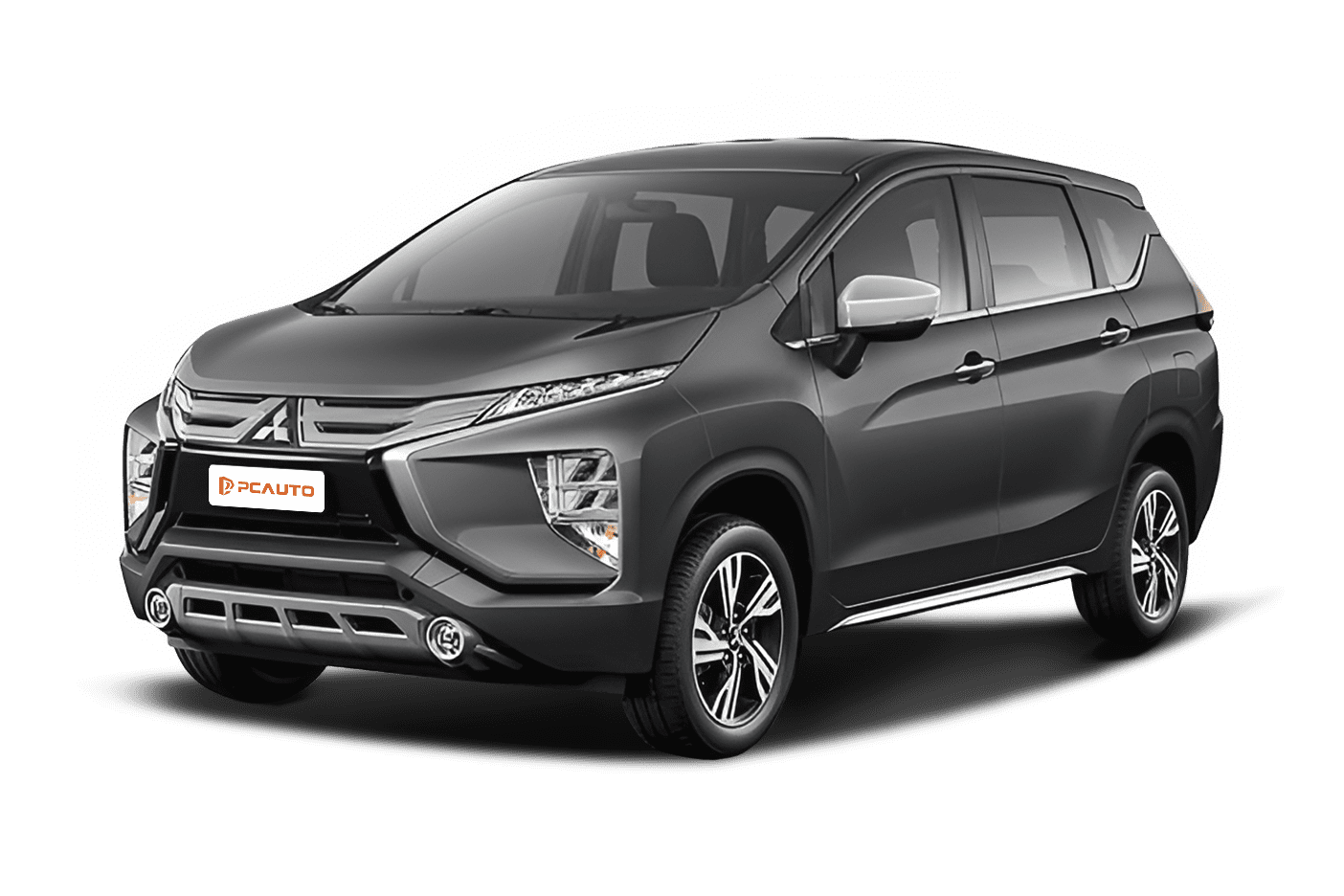
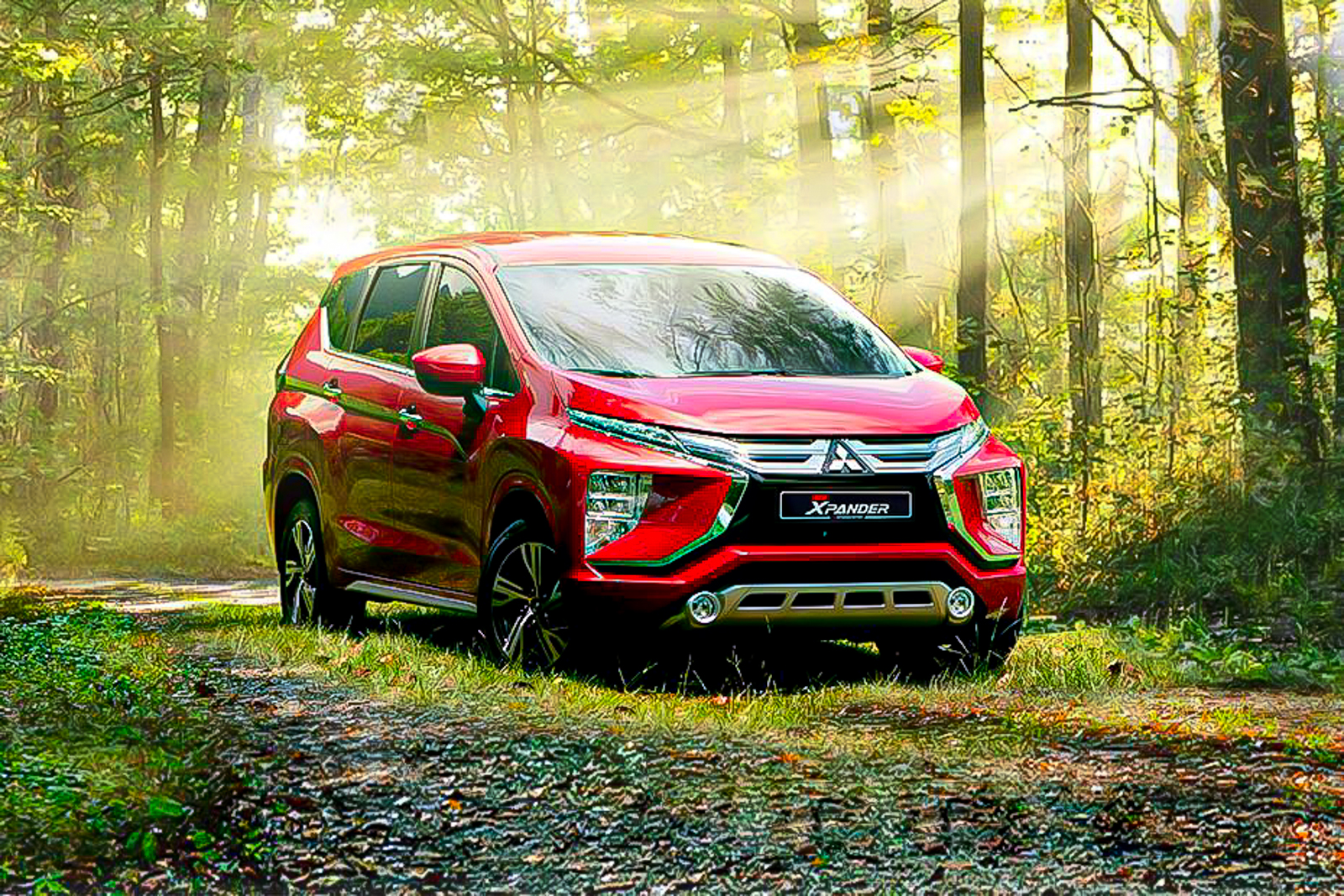
In terms of exterior design, the 2023 Xpander maintains a youthful style. The front fascia features a large trapezoidal grille, complemented by chrome accents and sharp LED headlights on both sides, providing high recognition. The body side lines are simple and smooth, with a waistline extending from the front fender to the rear, enhancing the layered feel of the body. The 16-inch tires are well-matched with the wheel arches, avoiding an overly thin appearance. At the rear, the LED taillights are laid out horizontally and connect with the chrome trim on the rear bumper, visually widening the rear. The overall design meets mainstream aesthetics, without overly aggressive elements but with enduring appeal.
Entering the cabin, the interior adopts black as the main color tone. The dashboard features a symmetrical layout, with hard plastic material on the top and soft-touch padding on the bottom. Although the materials lean toward practicality, the craftsmanship is relatively neat. A 9-inch touch screen is positioned atop the center console, with decent smoothness in operation, supporting basic multimedia and Bluetooth connection functions. Below the screen, physical buttons are retained for convenient operation while driving without looking. The instrument cluster consists of traditional analog dials, providing clear information display to meet daily viewing needs. The multifunctional steering wheel supports volume adjustment and cruise control, with simple and intuitive operating logic.
Space performance is one of Xpander's core highlights. Its 2775 mm wheelbase provides ample space for arranging three rows of seats. The second-row seats support a 60:40 split-folding configuration, with spacious legroom; a passenger with a height of 175 cm can maintain a gap of over two fists between their knees and the front seats. The third-row seats are more suitable for children or adults on short trips, with just enough headroom and legroom. The trunk offers a volume of 781 liters in the 7-seat configuration, accommodating three 20-inch suitcases, and can be expanded to a larger space by folding down the third row. The interior is equipped with abundant storage spaces, such as the front central armrest box, door panel storage compartments, and second-row cup holders, all of practical sizes. The rear row is also equipped with air conditioning vents and a 220V power socket, improving the comfort of rear passengers.
In terms of power, the Xpander is equipped with a 1.5L naturally aspirated engine, delivering a maximum output of 77.2 kW (105PS) and a peak torque of 141 N·m, paired with an AT gearbox. During everyday driving, the start is relatively smooth, and power output at low RPMs is mild, suitable for urban commuting. When the accelerator is pressed deeply, the engine can release maximum torque at around 4000 rpm. Acceleration performance is decent, requiring sufficient distance for overtaking. The gearbox has a clear shifting logic; although the shift actions are not particularly fast, they are smooth without noticeable jerkiness. Driving modes include only economy and standard; in economy mode, throttle response is slightly delayed, making it more suitable for highway cruising.
The handling and chassis performance are tuned for comfort. The combination of front MacPherson independent suspension and rear torsion beam non-independent suspension effectively filters out most of the small bumps on the road. When passing speed bumps or uneven roads, the vibration of the vehicle is well suppressed, and there is no rigid feedback. The steering wheel is light to turn with moderate play, making daily driving relatively effortless, but its precision in corners is average, and body roll is noticeable. This makes it more suitable for smooth driving. The brake pedal has a linear feel, with moderate braking force, instilling enough confidence for everyday use.
Measured fuel consumption meets expectations, with about 8.5L/100km in congested urban areas and dropping to 6.2L/100km during highway cruising. The combined fuel consumption is approximately 7.3L/100km. For a 7-seater MPV, its fuel economy is above average in its class. In terms of noise control, the interior remains relatively quiet at speeds below 60km/h; however, wind and tire noise become more apparent at speeds above 80km/h, though normal conversations are not affected. Seat comfort is decent, with front seats offering average support — prolonged driving may lead to lumbar fatigue. The second-row seats are more comfortably angled, offering a better experience compared to the third row.
Overall, the core advantages of the 2023 Mitsubishi Xpander lie in its spaciousness, practical features, and reliable powertrain. Compared to the Toyota Veloz in the same segment, the Xpander has a longer wheelbase, offering more spacious third-row seating. In terms of features, the 9-inch infotainment screen, rear air conditioning, and 220V power outlet make it more well-equipped and cost-effective. However, its safety features are relatively limited, with only 2 airbags, falling behind some competitors that offer up to 6 airbags.
This vehicle is more suitable for families looking for practicality and fuel economy, particularly those who frequently need to transport 5-7 passengers. Its driving dynamics are tuned for comfort, making it ideal for city commutes and short to mid-distance family trips. Although its power is not particularly strong, it is sufficient for everyday needs. If you do not have high requirements for safety features and prioritize space and value, the Xpander is a worthwhile consideration.
In conclusion, the 2023 Mitsubishi Xpander is a practical-oriented 7-seater MPV. While it doesn't have any outstanding highlights, it achieves a well-balanced performance in terms of space, features, and reliability, making it a dependable partner for daily family outings.
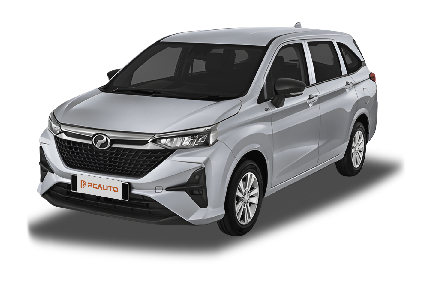
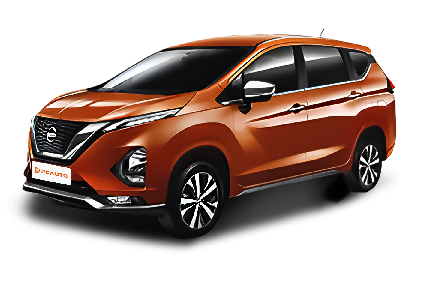
Mitsubishi Xpander Car Compare

Mitsubishi Xpander Loan Calculator
More Mitsubishi Reviews
Cars With Similar Price And Features
1
Rank in MPV

2023 Perodua Alza 1.5 AV, as a top-tier B-segment MPV, offers spacious space, low fuel consumption of up to 4.6L/100km, upgraded safety and intelligent features, making it a practical choice for families.
4
Rank in MPV

2023 Toyota Veloz 1.5 AT is a high-value family MPV that offers comprehensive safety features, flexible 7-seat space, and economical fuel consumption, making it suitable for practical and safety-conscious family users.