

2020 Nissan Almera 1.0L VL Review

 Share
Share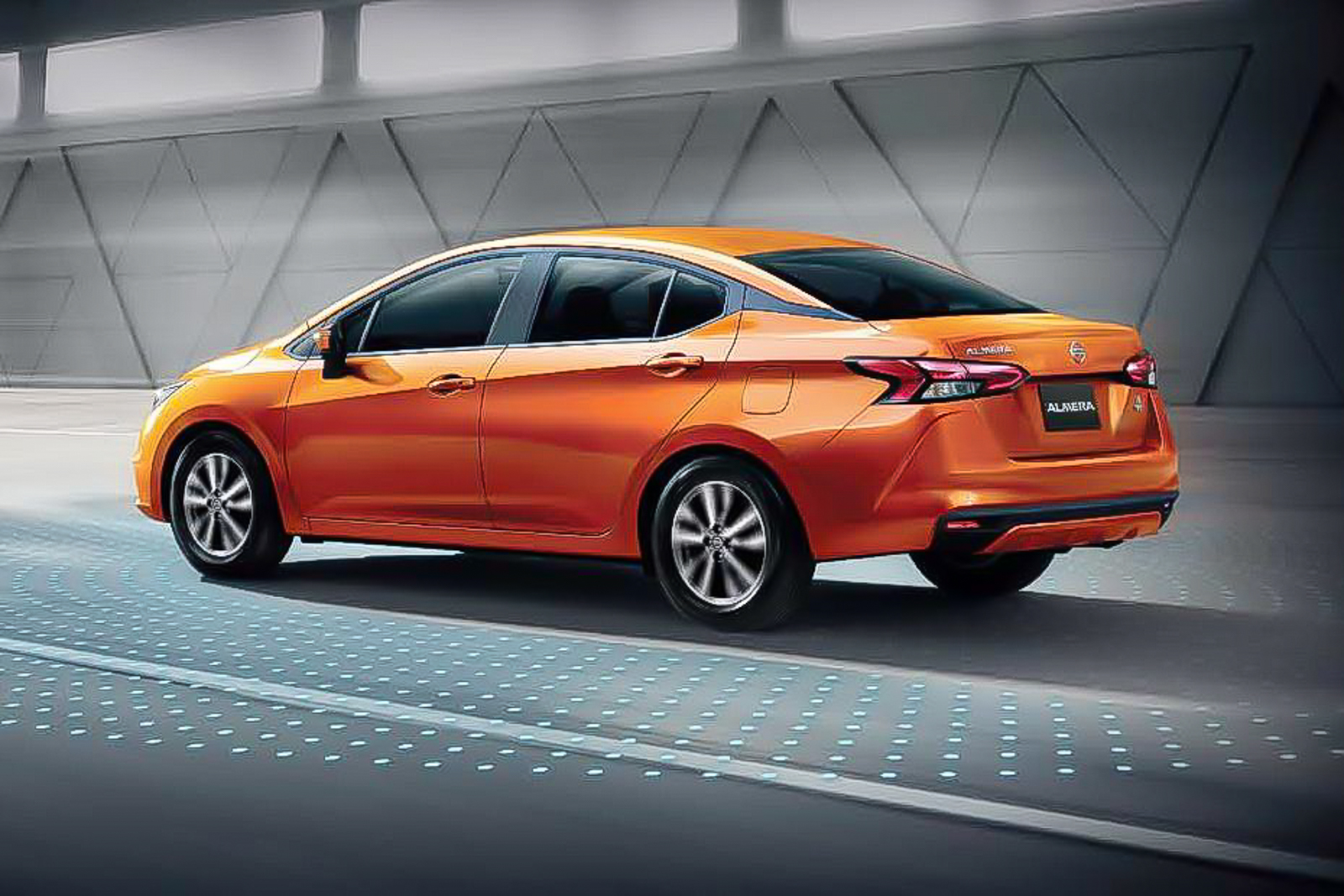
 Segment
 Body Type
 Capacity(L)
 Engine Power(PS)
 Transmission
 Driven Wheels
Nowadays, the competition in Malaysia's B-segment sedan market is becoming increasingly fierce. Consumers not only focus on fuel economy but also on the richness of features and practicality of space. The 2020 Nissan Almera 1.0L VL, as one of the mainstream models in this market segment, highlights turbocharged power, a segment-leading wheelbase, and a 5-year unlimited mileage warranty as its core selling points. Many family users and young office workers are curious about its actual performance. This time, we aim to verify through static experience and dynamic test drives whether it can satisfy the dual needs of daily commuting and family travel.
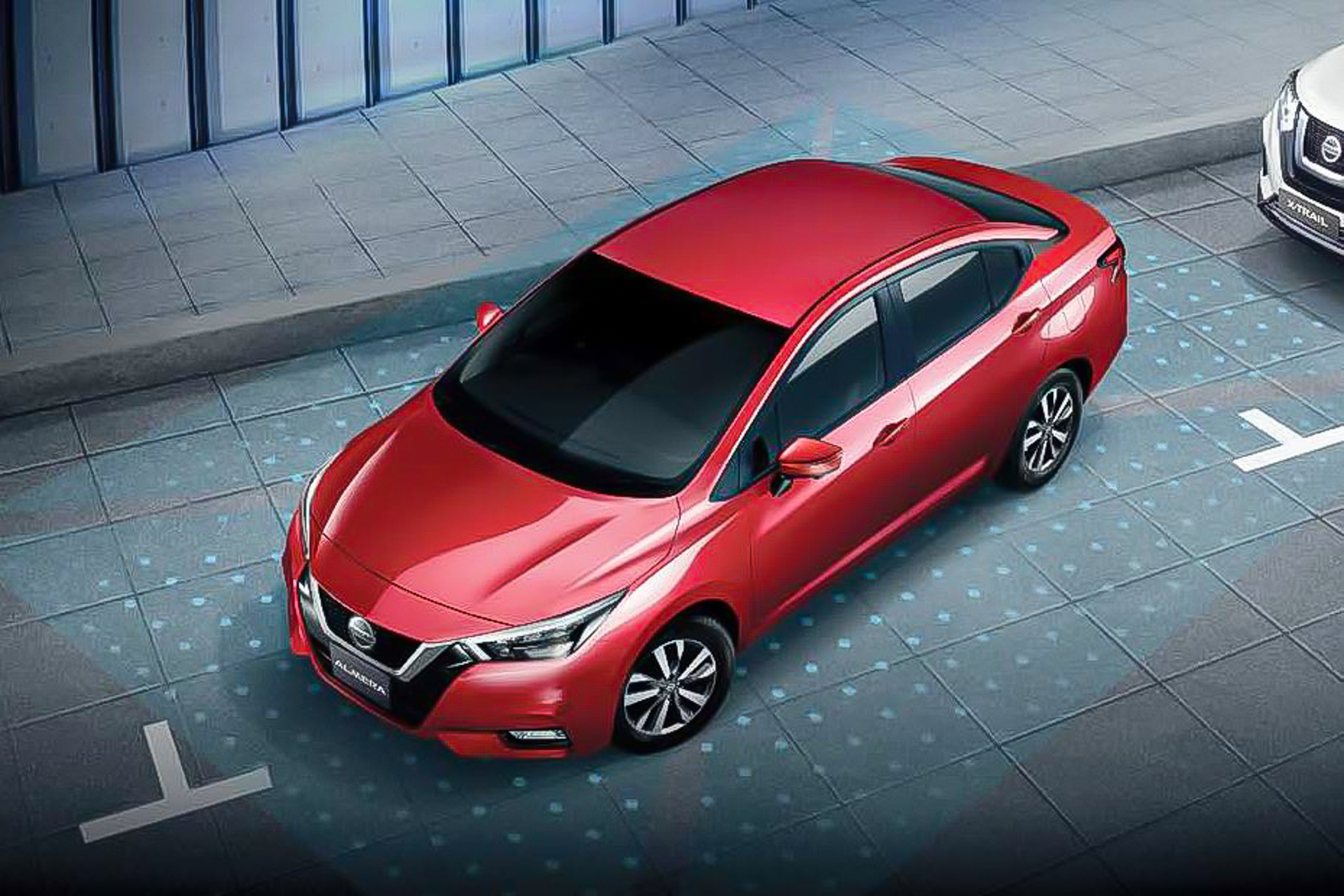
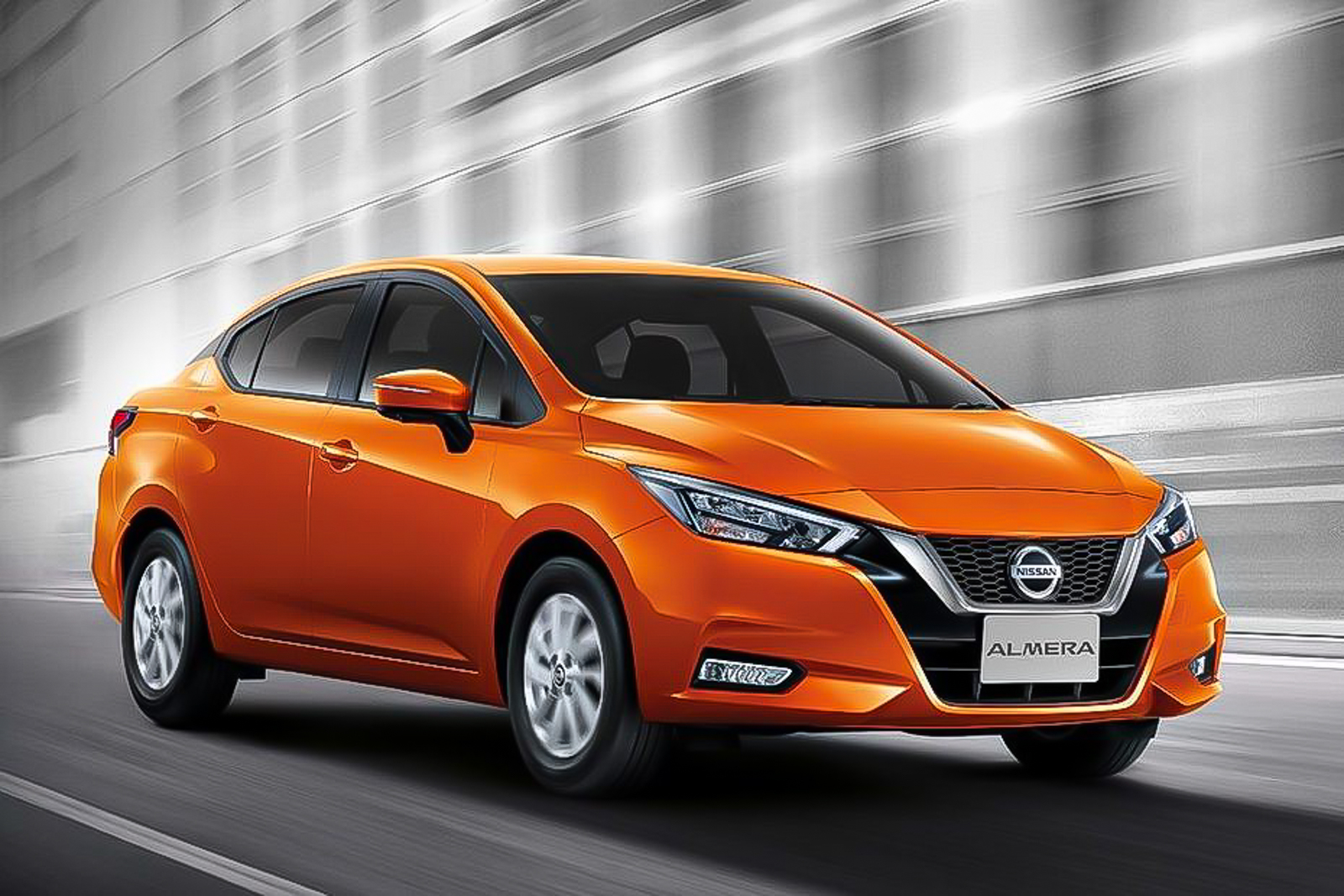
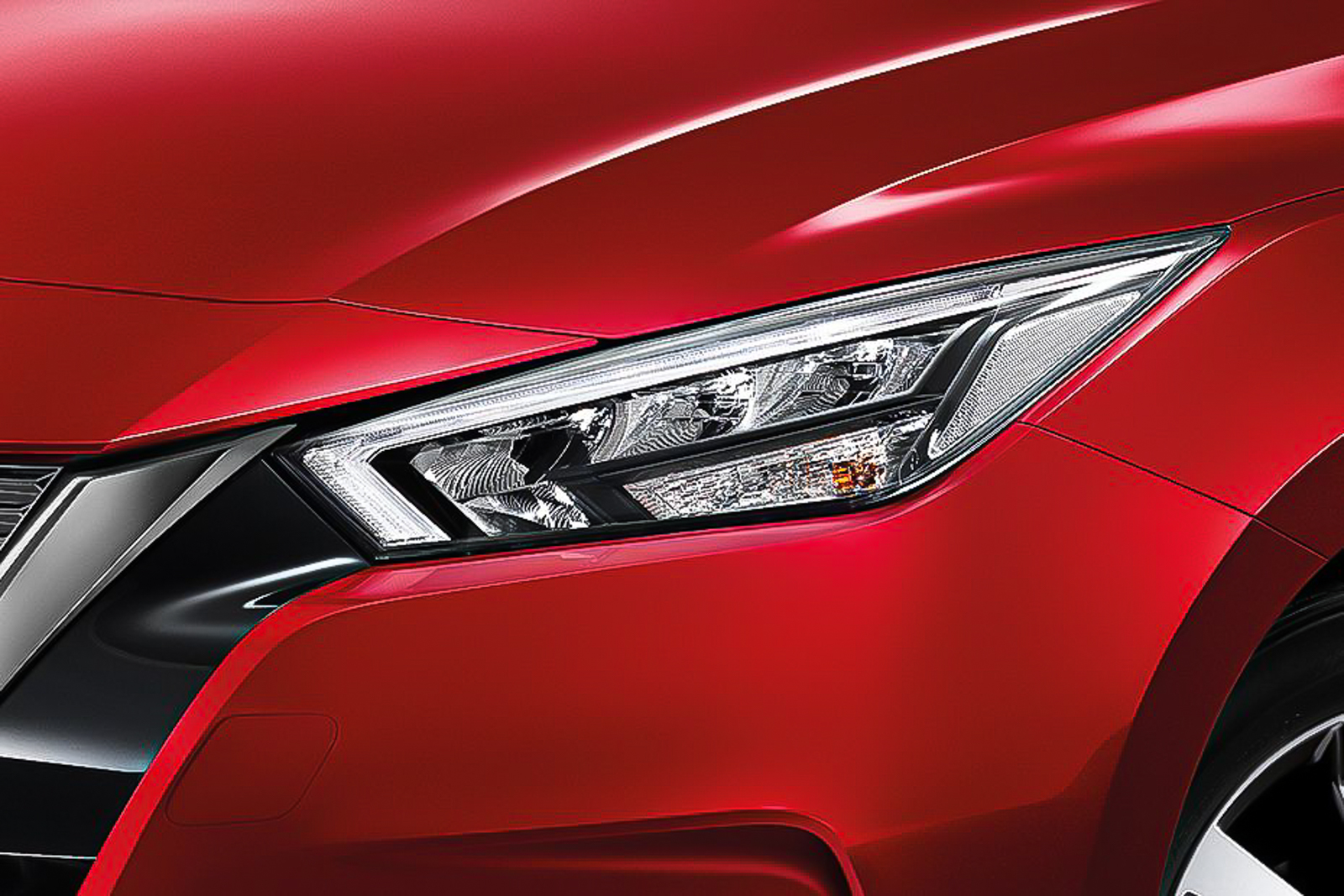
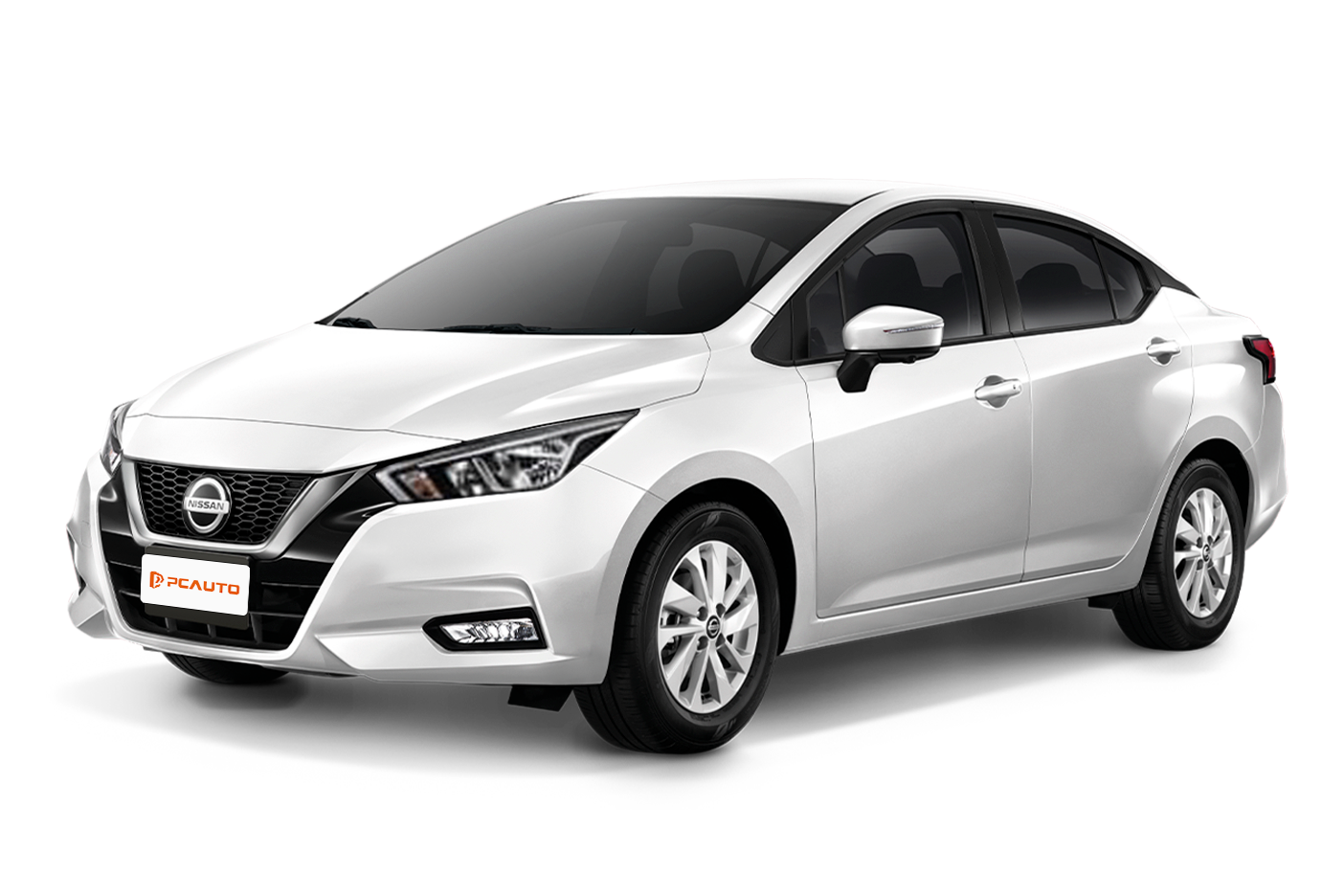
In terms of exterior design, the Almera 1.0L VL leans towards a youthful and sporty style. The front features a large V-Motion grille paired with chrome trims, making it highly recognizable. The hood lines extend from the grille to the A-pillar, enhancing the dive-like stance of the front. The side body lines are smooth, and the waistline stretching from the front fender to the rear tail gives the 4495mm length a more elongated appearance. The 15-inch tires paired with multi-spoke wheels have a conventional design but offer decent compatibility. At the rear, the LED tail lamps feature a C-shaped design, which provides a clear visual effect upon lighting up. A chrome strip under the trunk lid connects both tail lamps, visually enhancing the rear's width. As for lighting, it comes standard with LED daytime running lights, automatic headlights, and front and rear fog lights. Although the halogen main light source is relatively standard in brightness, it's sufficient for daily use.
Sitting inside the Almera, the interior style focuses on practicality. The dashboard adopts a two-tone design with a darker top and a lighter bottom. The top is made of hard plastic material, while silver trims add a touch of decoration in the middle area, offering an acceptable sense of quality for its price range. The multifunctional steering wheel supports volume adjustment, phone answering, and other functions, with a moderate grip. The instrument panel combines traditional mechanical dials with a monochrome display screen, clearly showing information such as RPM, speed, and fuel consumption. The center console does not feature a touchscreen but retains physical buttons and knobs, making it intuitive and convenient to operate. In terms of features, it comes standard with keyless entry, push-start ignition, a single-zone manual air conditioning system at the front, and a 220V/230V power socket. The rear seats are equipped with air conditioning vents, adding to daily convenience. The seats are fabric-covered, with manual adjustments for the front seats. The backrest and cushion offer decent support. The rear seats can be folded in a 60:40 split, and the trunk provides 482L of cargo space. Once the seats are folded down, it can be expanded, accommodating items like strollers or suitcases without issue.
In terms of performance, the Almera 1.0L VL is powered by a 1.0T three-cylinder turbocharged engine, delivering a maximum horsepower of 100PS and peak torque between 2400-4000rpm. It is paired with a CVT gearbox. The vehicle's acceleration feels responsive at startup, with about one-third of the throttle pressed down providing reasonable acceleration, making it agile for overtaking or following traffic in urban settings. In sport mode, the gearbox operates at a slightly higher RPM, with more direct power output. However, when driving at high speeds and the RPM exceeds 3000, engine noise becomes notably intrusive inside the cabin. The chassis features a front MacPherson independent suspension and a rear torsion beam non-independent suspension, tuned for comfort. It absorbs the majority of minor bumps when passing through speed bumps or uneven roads, maintaining stability in the body posture. When cornering, body roll is kept within an acceptable range without significant wobbling. The steering feels light and is suitable for female drivers or urban commuting, though it lacks precision at higher speeds.
The fuel consumption performance met expectations. We drove 50km each in congested urban roads and on highways, with a combined fuel consumption of approximately 6.2L/100km, which is slightly higher than the official figure of 5.8L/100km. However, considering the actual road conditions, this result is still quite good. In terms of braking, the braking force of the front ventilated disc brakes releases linearly, and the car's posture remains stable during emergency braking without noticeable nosedive. As for noise control, tire and wind noise are relatively minimal when driving at low speeds, but once the speed exceeds 100km/h, wind noise enters from the A-pillars and side mirrors, affecting the cabin's quietness.
Overall, the core advantages of the 2020 Nissan Almera 1.0L VL lie in the spacious rear seating provided by its 2620mm long wheelbase, the fuel efficiency of the 1.0T engine, and the 5-year unlimited mileage warranty policy. Compared to the Honda City in the same class, it has a longer wheelbase and a more spacious rear seat; however, the City's 1.5L hybrid version has lower fuel consumption and richer configurations. It is suitable for consumers with a budget of around 80,000 MYR, who prioritize family practicality and long-term usage costs, such as daily commuters or small families with children. If you are looking for well-balanced performance and don't mind the absence of a large infotainment screen, the Almera 1.0L VL would be a sensible choice.
Nissan Almera Car Compare
Nissan Almera Loan Calculator
More Nissan Reviews
Cars With Similar Price And Features
6
Rank in Sedan

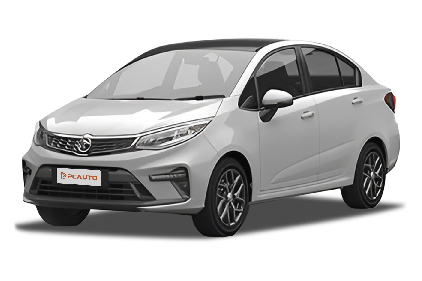
2023 Proton Persona 1.6 Standard CVT is an affordable, safety-configured entry-level family sedan with practical space, balancing daily commuting and family needs.
4
Rank in Sedan

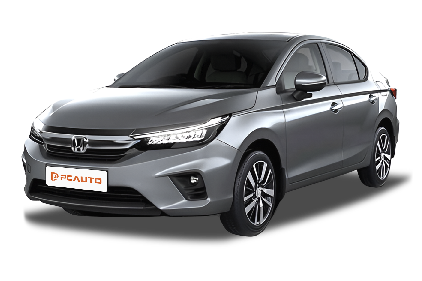
2023 Honda City 1.5 S, as an entry-level B-segment sedan, offers advanced L2 driving assistance and 6 airbags at an affordable price. With practical space and excellent fuel efficiency, it is a high-value choice for family users.
5
Rank in Sedan
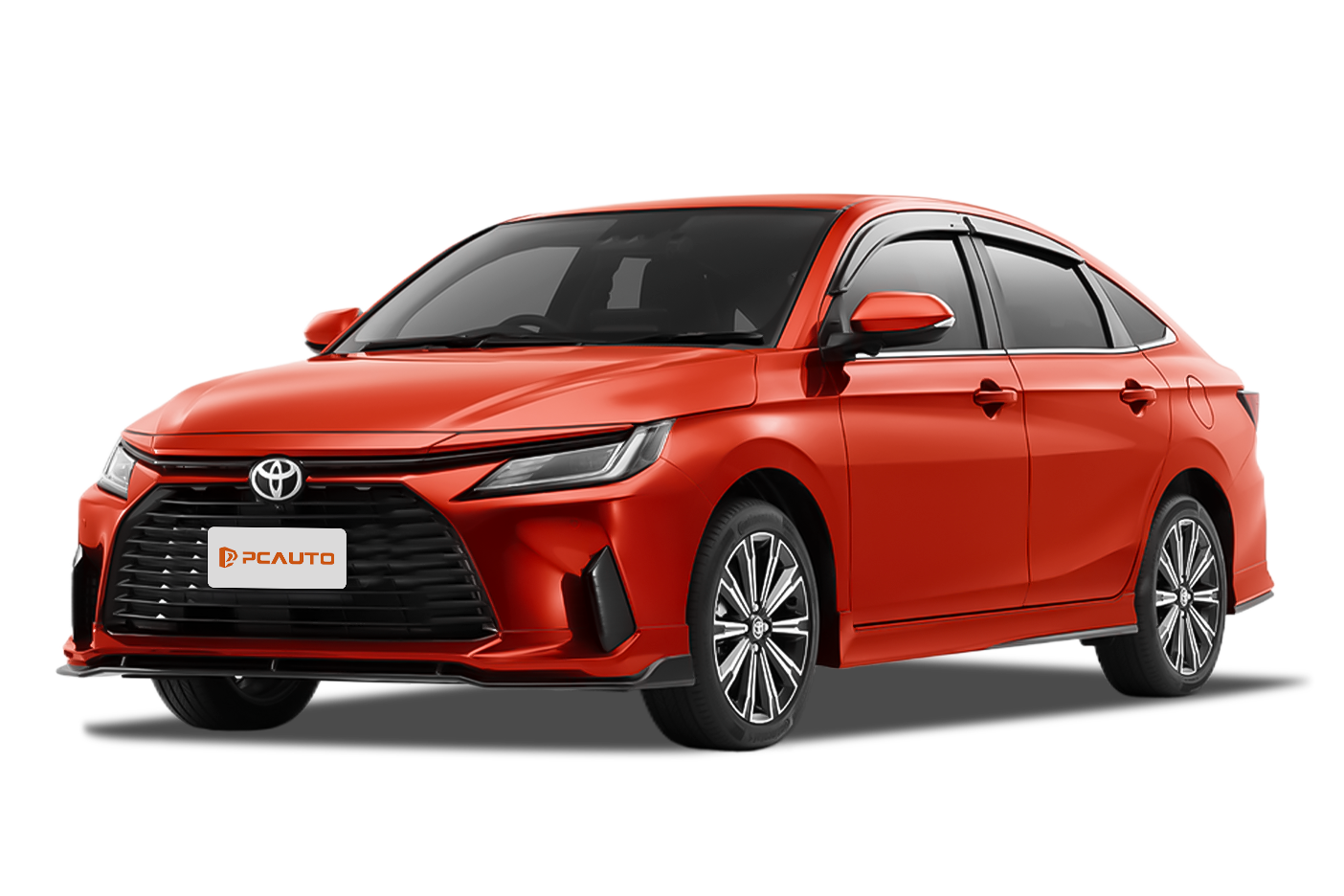
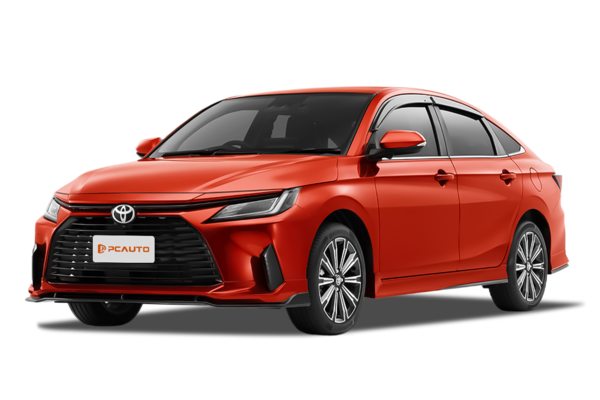
2023 Toyota Vios 1.5E AT, as a mid-range model in the facelift, with features such as the TSS Intelligent Safety System, HUD, and other high-end features being made available, along with balanced space and fuel efficiency, making it a high-value B-segment sedan choice in Malaysia.
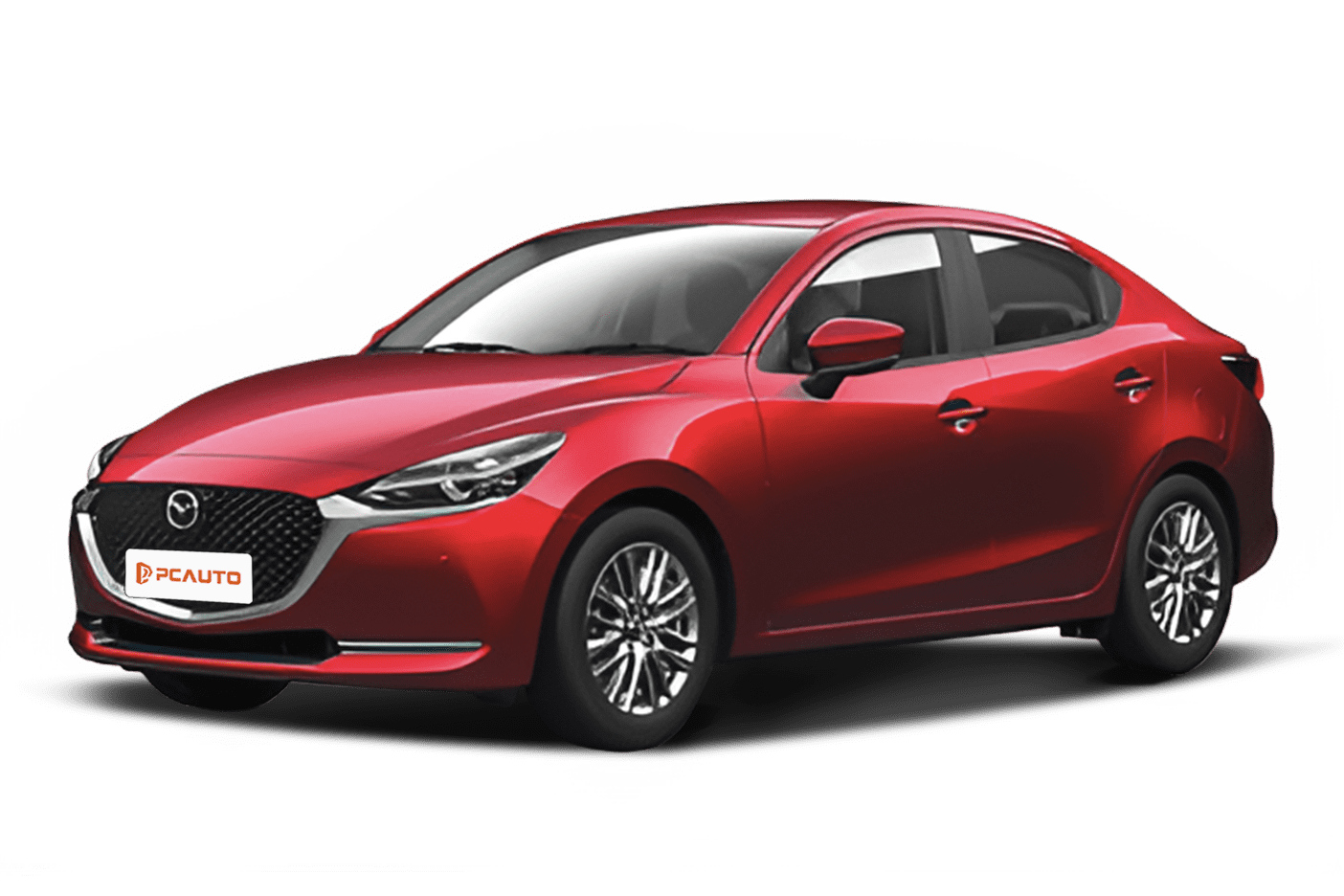
2023 Mazda 2 Sedan 1.5L is a family sedan that balances driving dynamics and practical features, with a price slightly over 100,000 MYR, making it suitable for urban commuting needs.