

2020 Nissan Almera 1.0L VLP Review

 Share
Share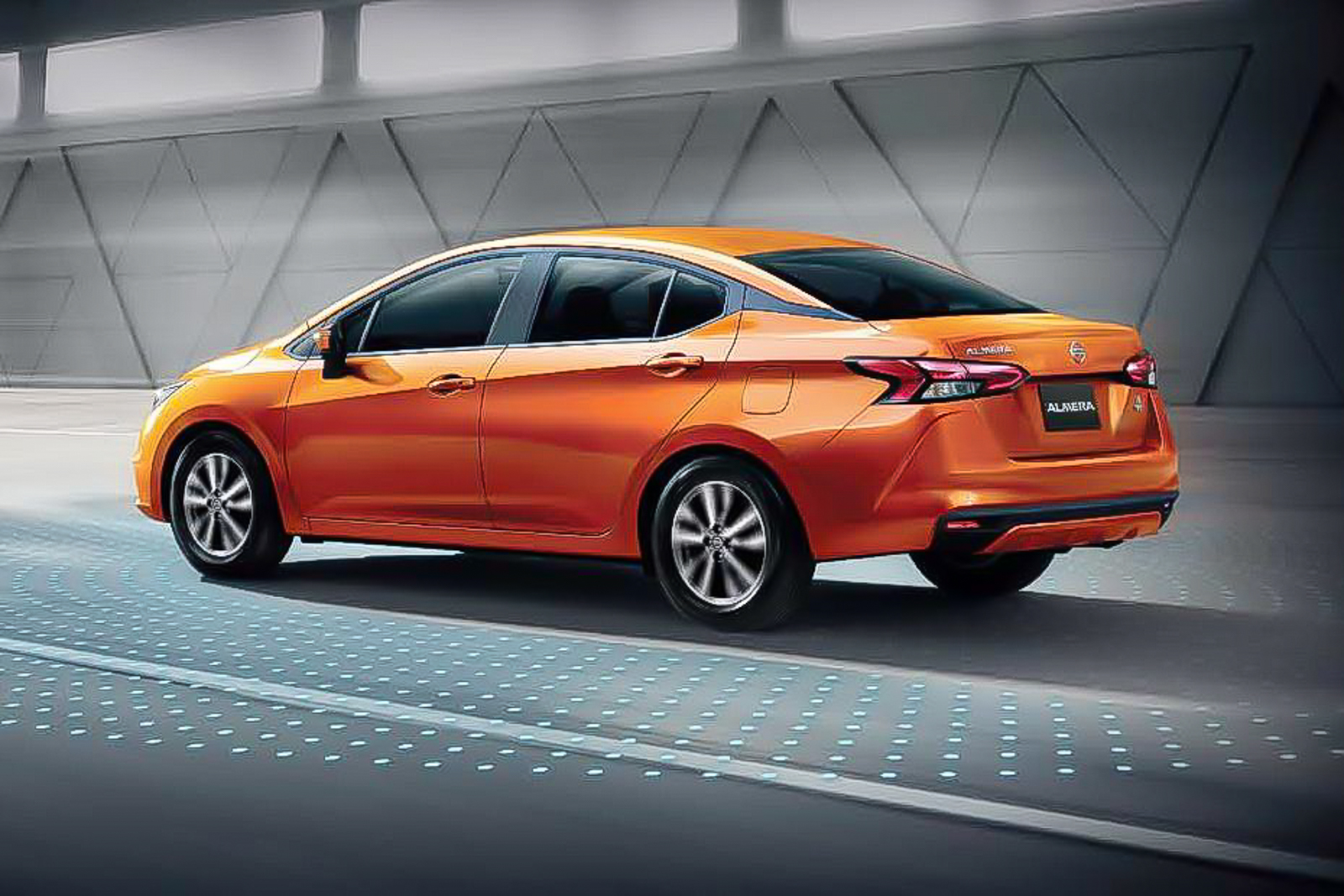
 Segment
 Body Type
 Capacity(L)
 Engine Power(PS)
 Transmission
 Driven Wheels
The arrival of the 2020 Nissan Almera 1.0L VLP perfectly fills the gap in the local B-Segment sedan market for "small displacement, strong power + high configuration" models—amidst the common adoption of 1.5L naturally aspirated engines in the same segment, it enters the market with a 1.0T turbocharged engine and simultaneously elevates active safety and smart features to a level rarely seen in this price range. The core purpose of this test drive is to verify the practicality of this powertrain in daily commuting, as well as whether the high configuration truly enhances the driving experience.
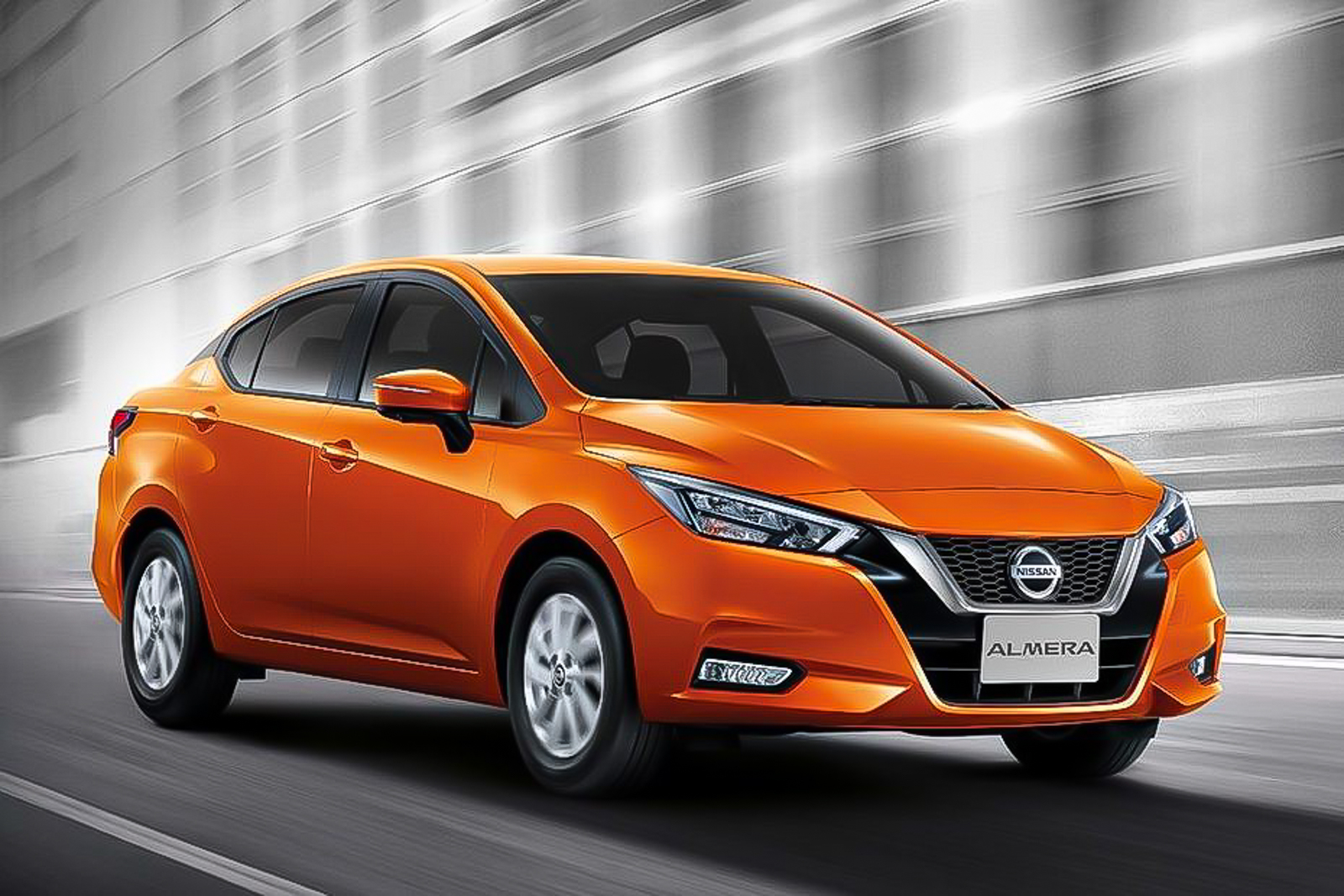
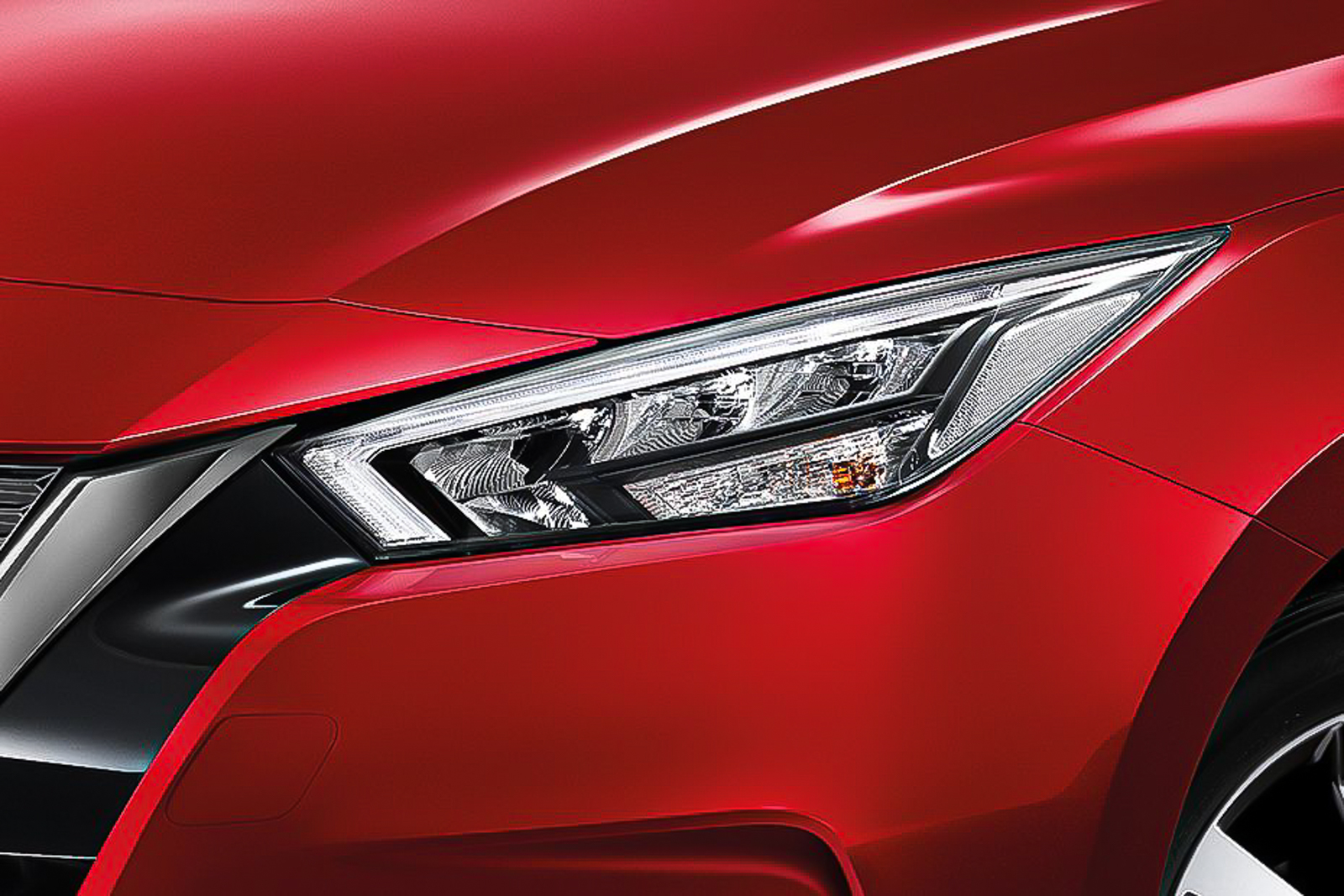
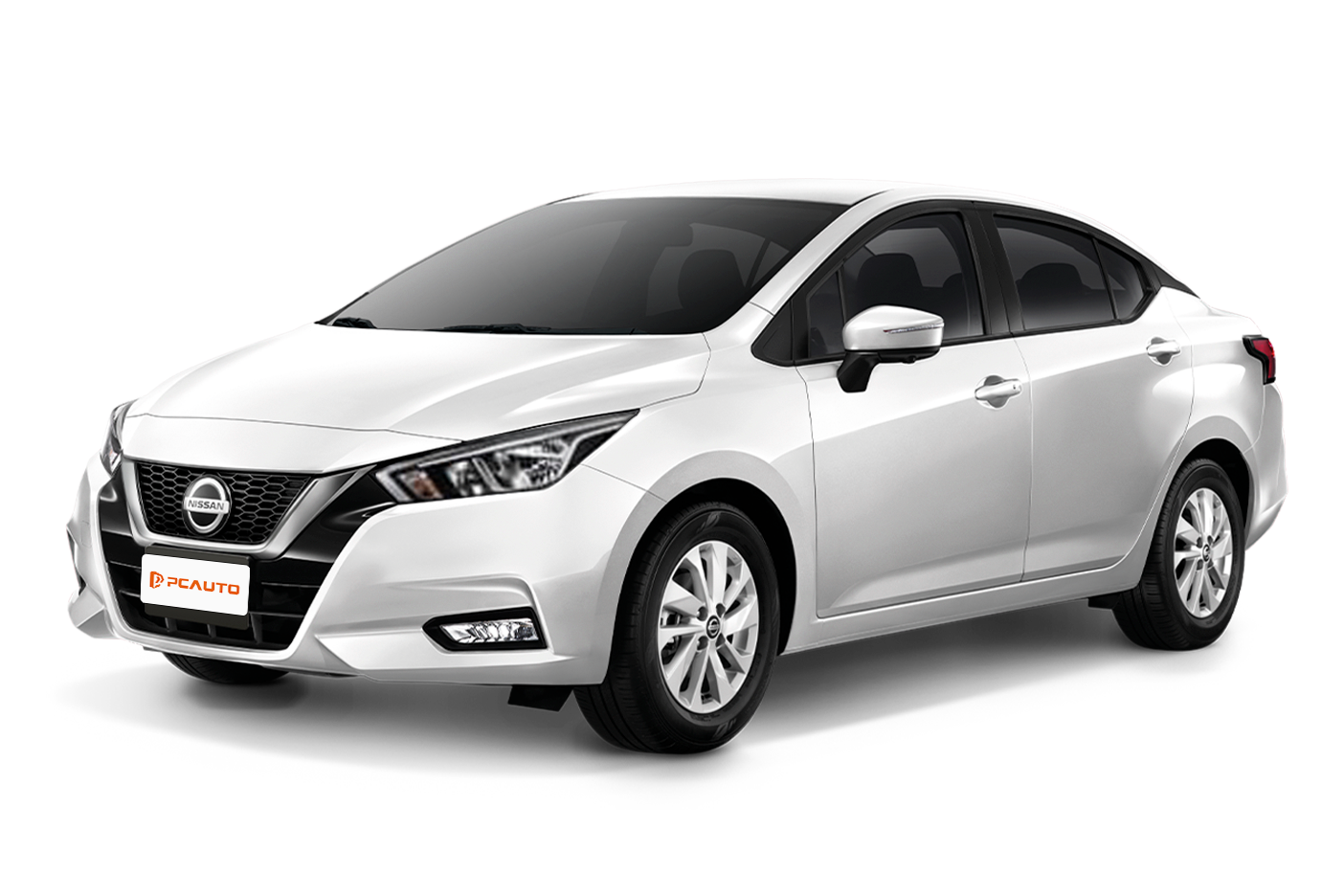
From the exterior, the design of the Almera VLP appears younger than the previous generation. The front adopts a large V-Motion grille, coupled with LED daytime running lights, offering high recognition; the sleek lines on the side of the body extend from the front to the rear, making the 4495mm length appear even longer; the rear features LED taillights with a penetrating design, but when illuminated, they are segmented—the visual effect at night is quite impressive. For the lighting configuration, it comes standard with automatic headlights and front fog lights, which is sufficiently convenient for daily use, though the only regret is that the main headlights are still halogen, offering moderate brightness during nighttime driving.
Stepping into the interior, the style leans towards simplicity and practicality. The dashboard combines soft-touch plastic with piano black panels; while it doesn't exude luxury, the build quality is solid. The 8-inch touchscreen in the center console serves as the visual centerpiece; it supports Bluetooth connectivity and Sound Plus functionality, with good operational smoothness. The 6-speaker audio system performs above average for its class. Configuration-wise, the most surprising feature is the safety equipment: 6 airbags (including front and rear head curtains), automatic emergency braking, forward collision warning, and vehicle stability control all come as standard, which is rare among B-Segment sedans priced below RM90,000. Additionally, keyless entry, push-button start, single-zone automatic air conditioning, and a 7-inch full-color semi-digital instrument cluster are included, fully enhancing the daily usability.
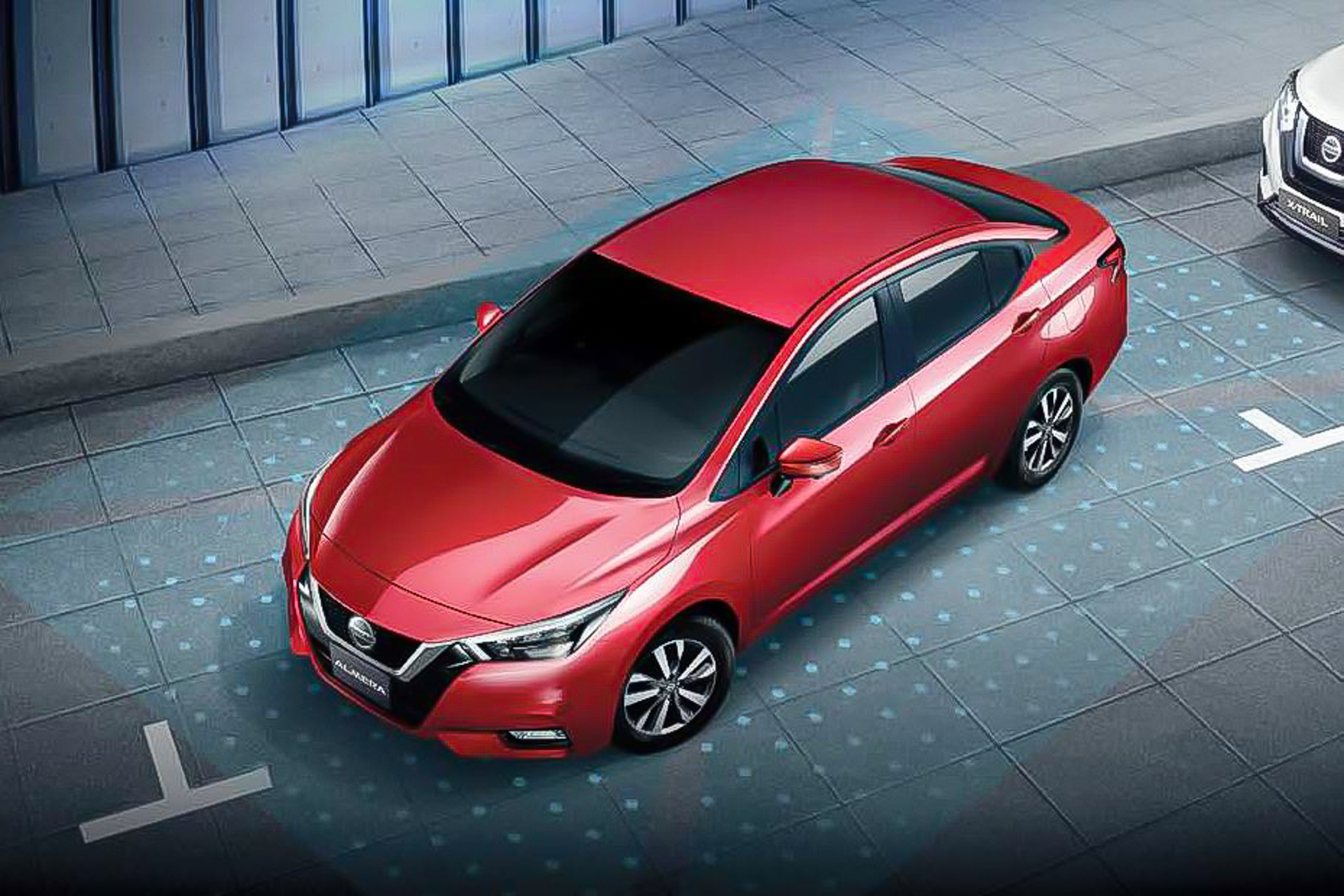
The space performance aligns with the mainstream B-Segment standard. The 2620mm wheelbase ensures adequate rear legroom; for a 175cm passenger, there are two fist-widths of space between the knees and the front seat. Headroom is slightly compromised due to the sloping roof design, but it doesn’t feel cramped. The rear row is equipped with air vents and two USB ports, attending to passenger comfort. The trunk offers a capacity of 482L, which is ample for holding two 28-inch suitcases; the rear seats support a 60:40 split-fold, accommodating longer items when necessary. In terms of storage, door pockets, and the center armrest box are quite practical, providing appropriate spaces to place items like phones.
As for the power, the 1.0T three-cylinder turbocharged engine delivers a maximum power of 100PS, with a peak torque output available from 2400-4000rpm, paired with a CVT gearbox for a light and responsive daily drive. The throttle response is prompt when starting off, with no noticeable turbo lag; during low-to-mid speed acceleration or overtaking, a deep press on the gas gives a decent push-back effect, making it well-suited for urban commuting and highway cruising. However, above 120km/h on the highway, the power reserve for further acceleration appears slightly insufficient, as the displacement size is a limiting factor. There are two driving modes: Economy and Normal. In Economy mode, the throttle becomes smoother, ideal for everyday fuel-saving driving.
In terms of handling, the Almera VLP has precise steering with minimal play, making everyday lane changes very agile. The chassis uses a front MacPherson independent suspension and rear torsion beam non-independent suspension, tuned towards comfort. On speed bumps or bumpy roads, the suspension filters out most of the vibrations, without any harsh impacts; when cornering, the body roll is kept within a reasonable range, ensuring passengers do not feel discomfort. The fuel consumption performance is satisfactory, with fuel consumption of approximately 6.2L per 100 kilometers in urban conditions and dropping to 5.1L on highways, aligning with the official combined fuel consumption figure of 5.8L.
In terms of driving comfort, the seats use fabric material and provide good support, making long drives not too tiring. Noise control is quite well done; at speeds below 80km/h, tire noise and wind noise are not obvious; at speeds above 100km/h, wind noise slightly increases but does not affect normal conversation. The automatic air conditioning cools down quickly, and the single-zone control is sufficient for family use.
In summary, the core advantage of the 2020 Nissan Almera 1.0L VLP is its “balance”: adequate power, rich features (especially safety configurations), practical space, and fuel efficiency. Compared to competitors like the Honda City 1.5L or Toyota Vios 1.5L, it offers more comprehensive safety features at a lower price, showcasing outstanding cost-effectiveness.
The target audience for this car is very clear: families who value safety and practicality, or young working professionals with a budget below RM90k looking for a well-equipped vehicle. It has no particularly obvious shortcomings and can handle daily commuting and family trips, making it a B-segment sedan that you "can’t go wrong with."
Overall, the 2020 Nissan Almera 1.0L VLP stands out in its segment with advanced safety features and practical space. Combined with a reasonable price, it is indeed a family car worth considering.
Nissan Almera Car Compare
Nissan Almera Loan Calculator
More Nissan Reviews
Cars With Similar Price And Features
6
Rank in Sedan

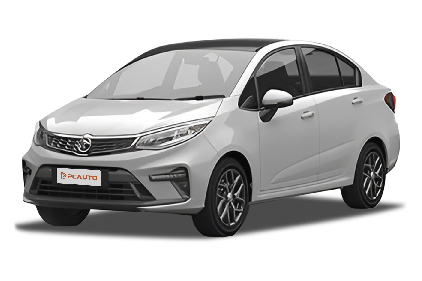
2023 Proton Persona 1.6 Standard CVT is an affordable, safety-configured entry-level family sedan with practical space, balancing daily commuting and family needs.
4
Rank in Sedan

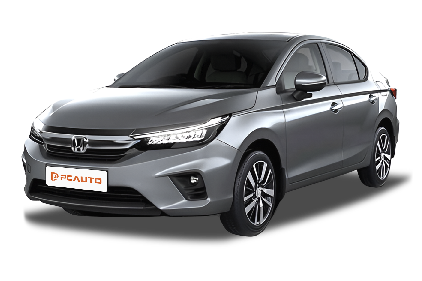
2023 Honda City 1.5 S, as an entry-level B-segment sedan, offers advanced L2 driving assistance and 6 airbags at an affordable price. With practical space and excellent fuel efficiency, it is a high-value choice for family users.
5
Rank in Sedan
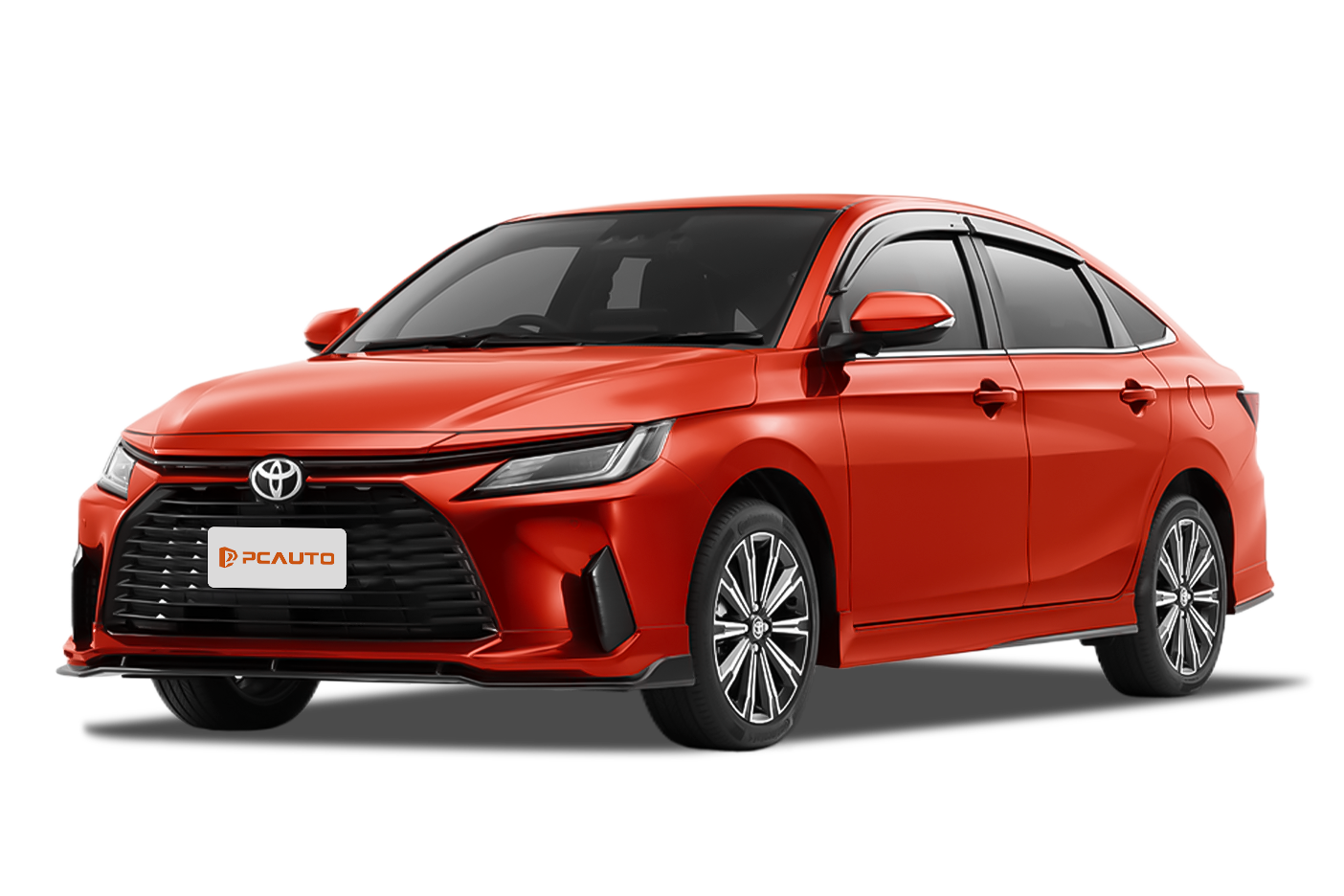
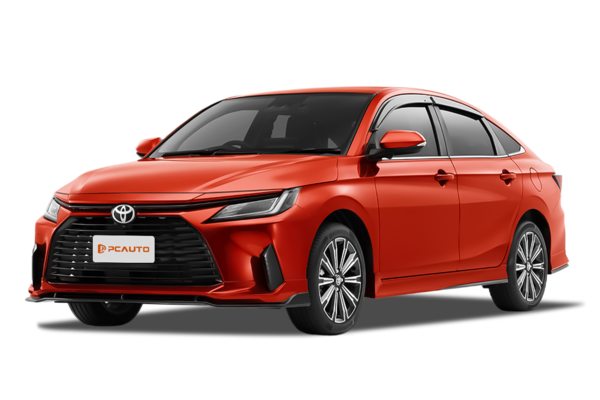
2023 Toyota Vios 1.5E AT, as a mid-range model in the facelift, with features such as the TSS Intelligent Safety System, HUD, and other high-end features being made available, along with balanced space and fuel efficiency, making it a high-value B-segment sedan choice in Malaysia.
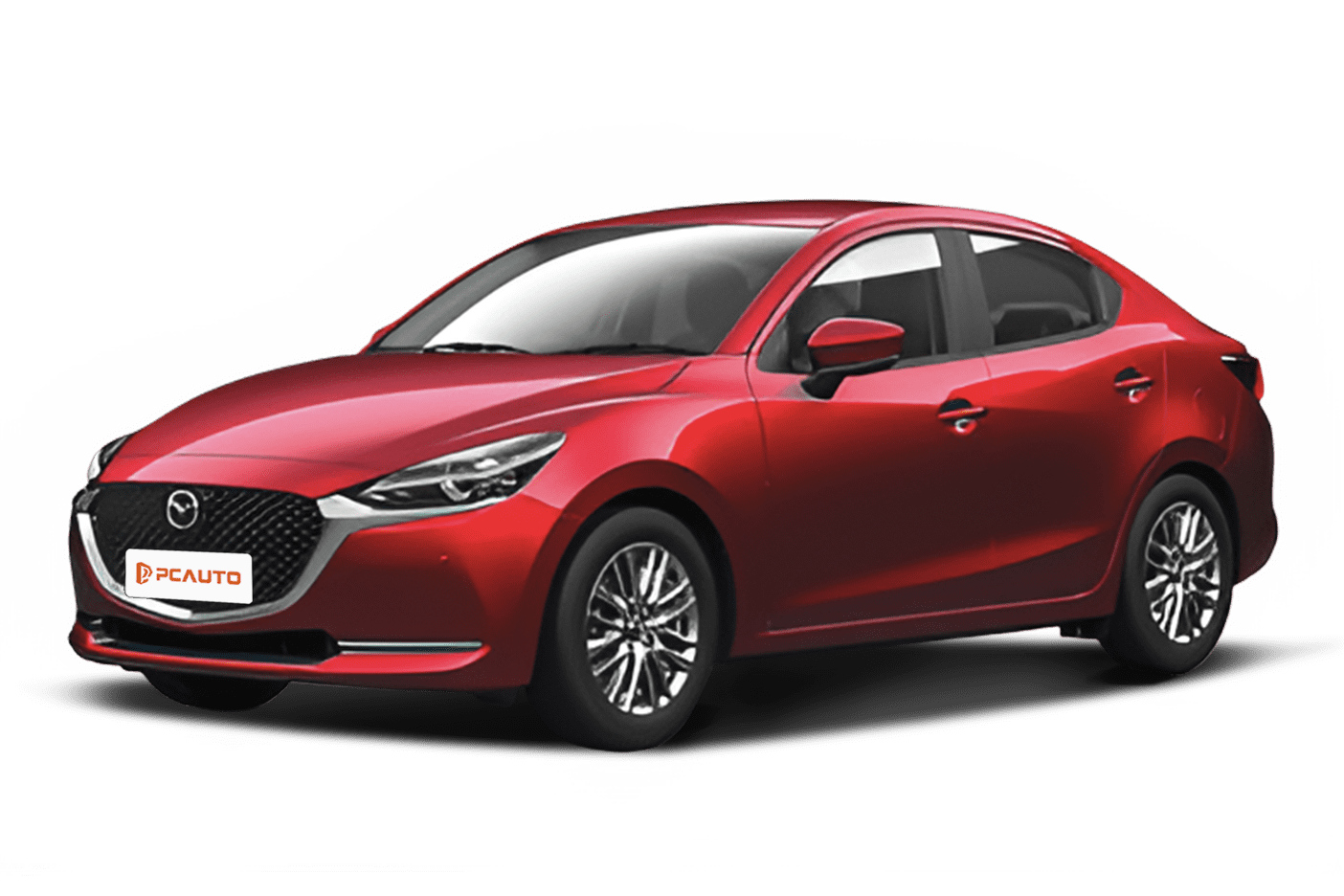
2023 Mazda 2 Sedan 1.5L is a family sedan that balances driving dynamics and practical features, with a price slightly over 100,000 MYR, making it suitable for urban commuting needs.