

2020 Nissan Almera 1.0L VLT Review

 Share
Share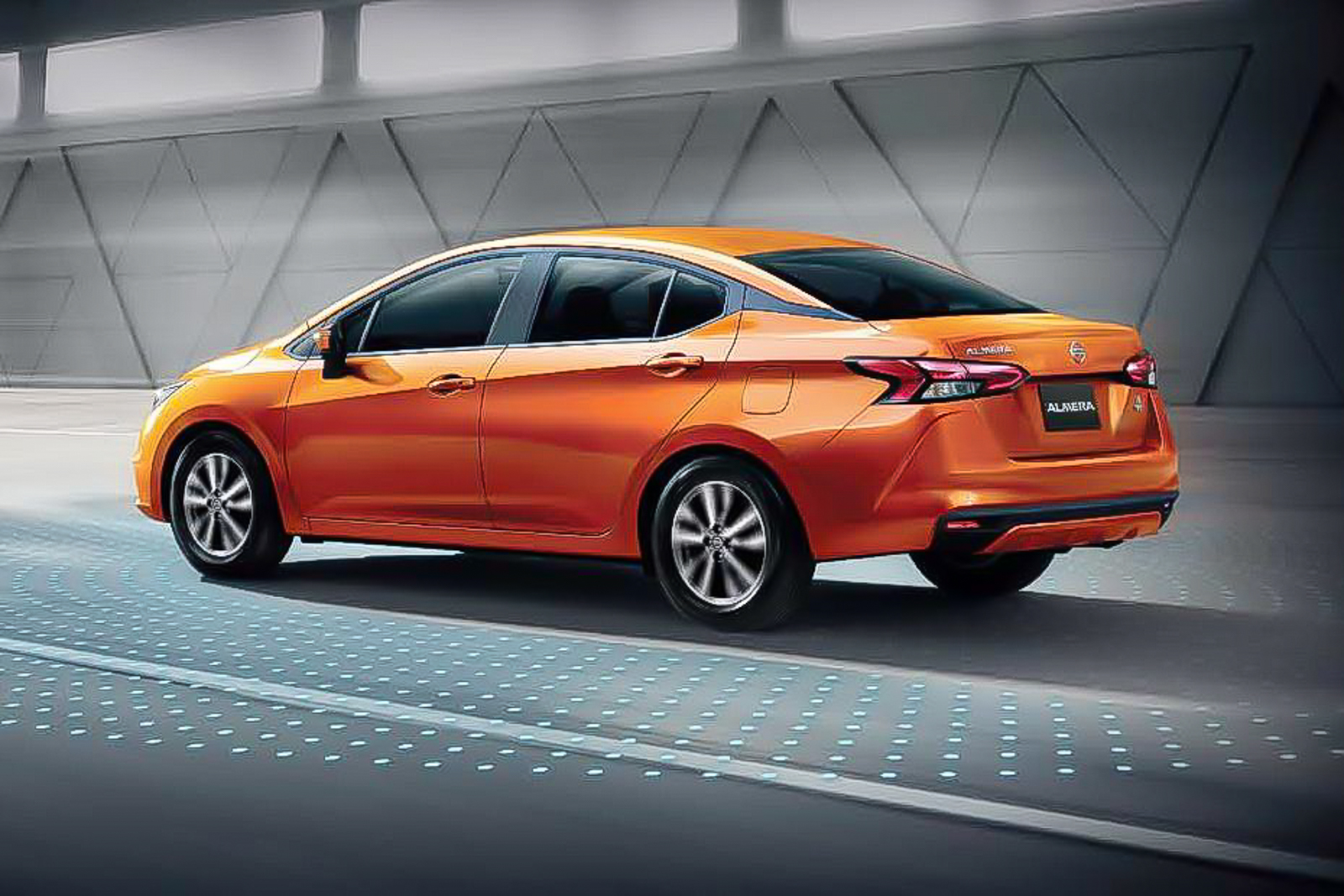
 Segment
 Body Type
 Capacity(L)
 Engine Power(PS)
 Transmission
 Driven Wheels
In recent years, the competition in Malaysia's B-segment sedan market has intensified. Consumers not only value the economic efficiency for daily commuting but also have higher demands for features and space. The 2020 Nissan Almera 1.0L VLT, a popular model in this segment, highlights its 1.0T turbocharged engine, comprehensive active safety configurations, and class-leading wheelbase as core selling points. In this test drive, we focus on verifying whether its actual performance aligns with its market positioning, providing a reference for potential buyers.
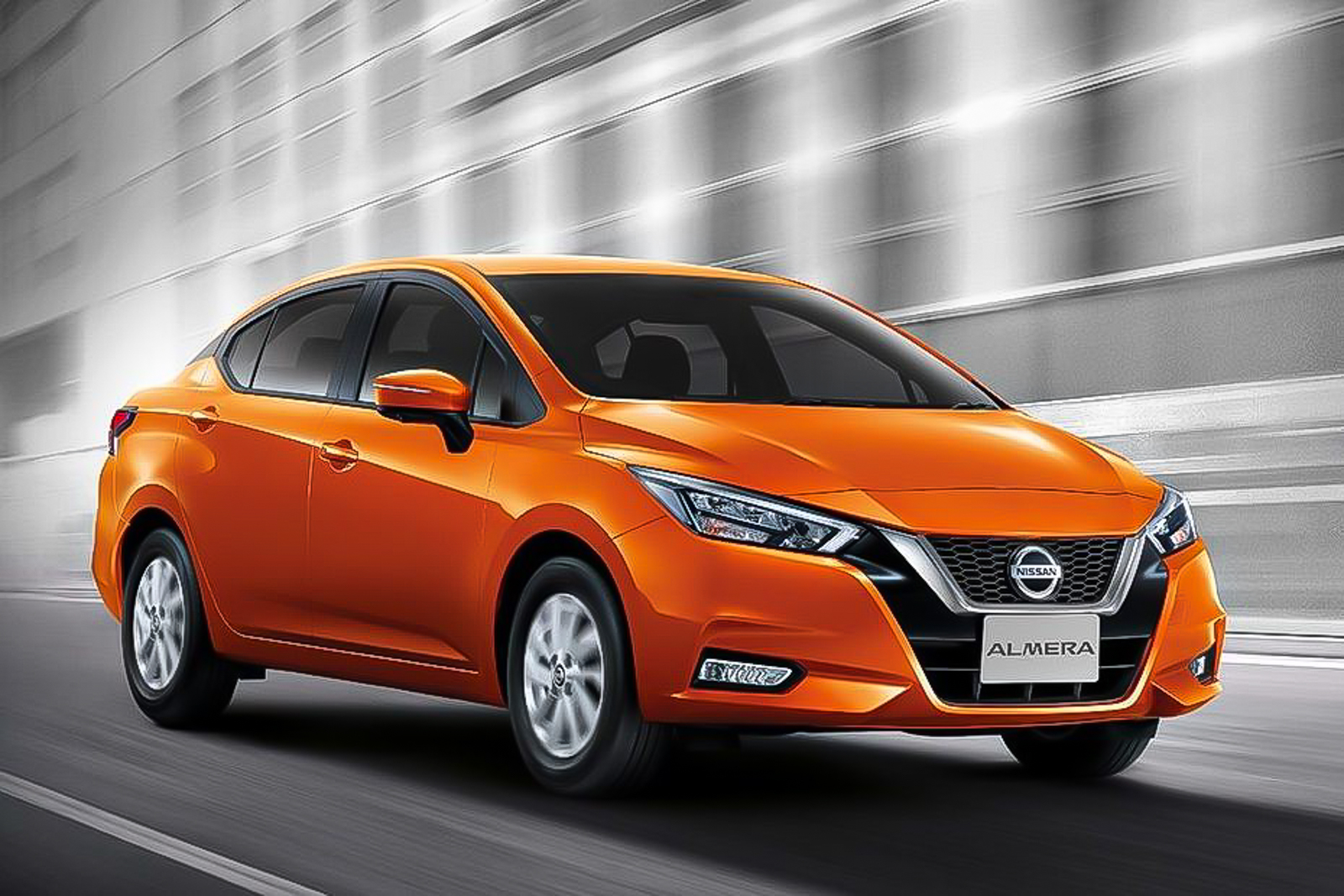
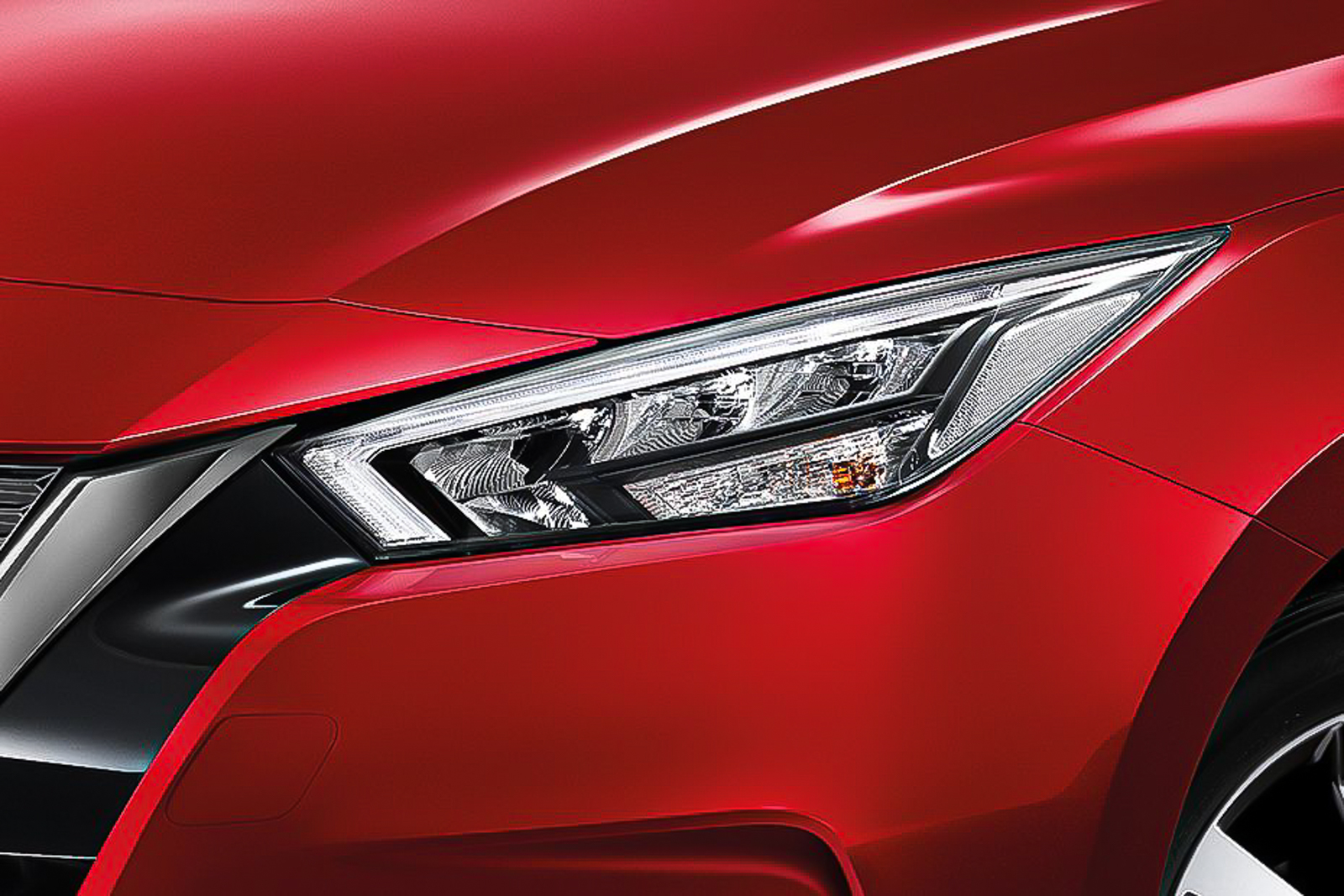
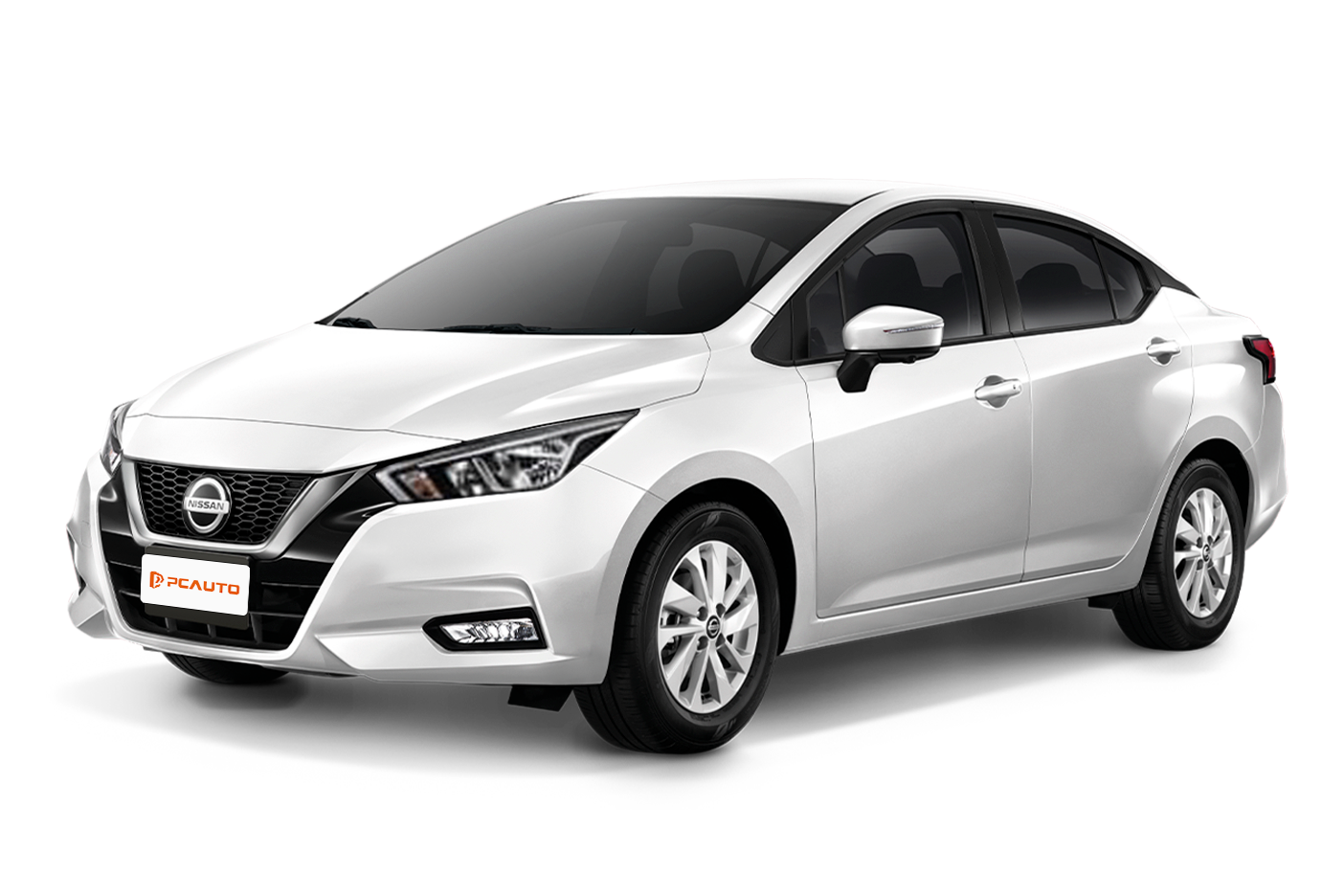
From an exterior perspective, the 2020 Almera 1.0L VLT adopts the family-style V-Motion design language. The large V-shaped chrome trim on the front grille, combined with sharp LED headlights, provides high recognition. The side profile features smooth lines, with a waistline extending from the front fender to the rear, enhancing the three-dimensional feel, and the 16-inch alloy wheels have a refined design. At the rear, the LED taillights adopt a partially integrated design, paired with a small ducktail spoiler, giving the overall look a youthful and sporty vibe. As for the lighting system, LED headlights, daytime running lights, and front/rear fog lights all come standard. The automatic headlight function is practical as it turns on automatically in tunnels or dim environments.
Inside the car, the overall interior theme is predominantly black. The dashboard is wrapped in soft materials with silver trim accents, providing a texture that ranks above average within its class. The 8-inch central touchscreen is smooth to operate and supports the Sound Plus feature. The 6-speaker audio system is sufficient for daily music needs. The instrument cluster is a 7-inch full-color semi-digital display, clearly showing speed, RPM, fuel consumption, and other information, with different themes available to switch. In terms of equipment, keyless entry, push start, and single-zone automatic climate control are all standard. The front row also offers a 220V/230V power outlet for easy charging of electronic devices. The seats are manually adjustable and, although lacking electric adjustment functions, they are softly cushioned and provide decent support. The rear seats can be folded in a 60:40 split to expand the trunk space.
In terms of space, the car's dimensions are 4495mm in length, 1740mm in width, and 1460mm in height, with a wheelbase of 2620mm, which is considered long in the B-segment. The front row offers ample space. For a passenger standing 175cm tall, there remains a fist's worth of headroom after seat adjustment. The rear legroom is impressive. A passenger of the same height sitting in the back will find around two fists of space between their knees and the back of the front seats, with about one fist of headroom, making it suitable for daily family use. The trunk has a capacity of 482L, enough to accommodate two 28-inch suitcases along with some additional items. Folding down the rear seats allows for loading longer items. Storage space, including door panel compartments, central armrest box, and front cup holders, is well-designed to hold phones, water bottles, and other small items.
In terms of dynamic driving, the 1.0T three-cylinder turbocharged engine has a maximum output of 100PS, with peak torque delivered between 2400-4000rpm, paired with a CVT transmission. The power response is active during take-off, and the acceleration is relatively smooth once the turbo kicks in, making daily commuting or overtaking effortless. Switching to sport mode increases throttle sensitivity, maintaining higher RPMs for more direct power output. The chassis adopts front MacPherson independent suspension, tuned for comfort. It effectively absorbs most minor road irregularities, and when crossing speed bumps, the suspension rebounds cleanly without excessive shaking. The steering wheel offers precise handling with minimal dead spots, making it agile for maneuvering in the city. At high speeds, the steering adds weight, enhancing stability.
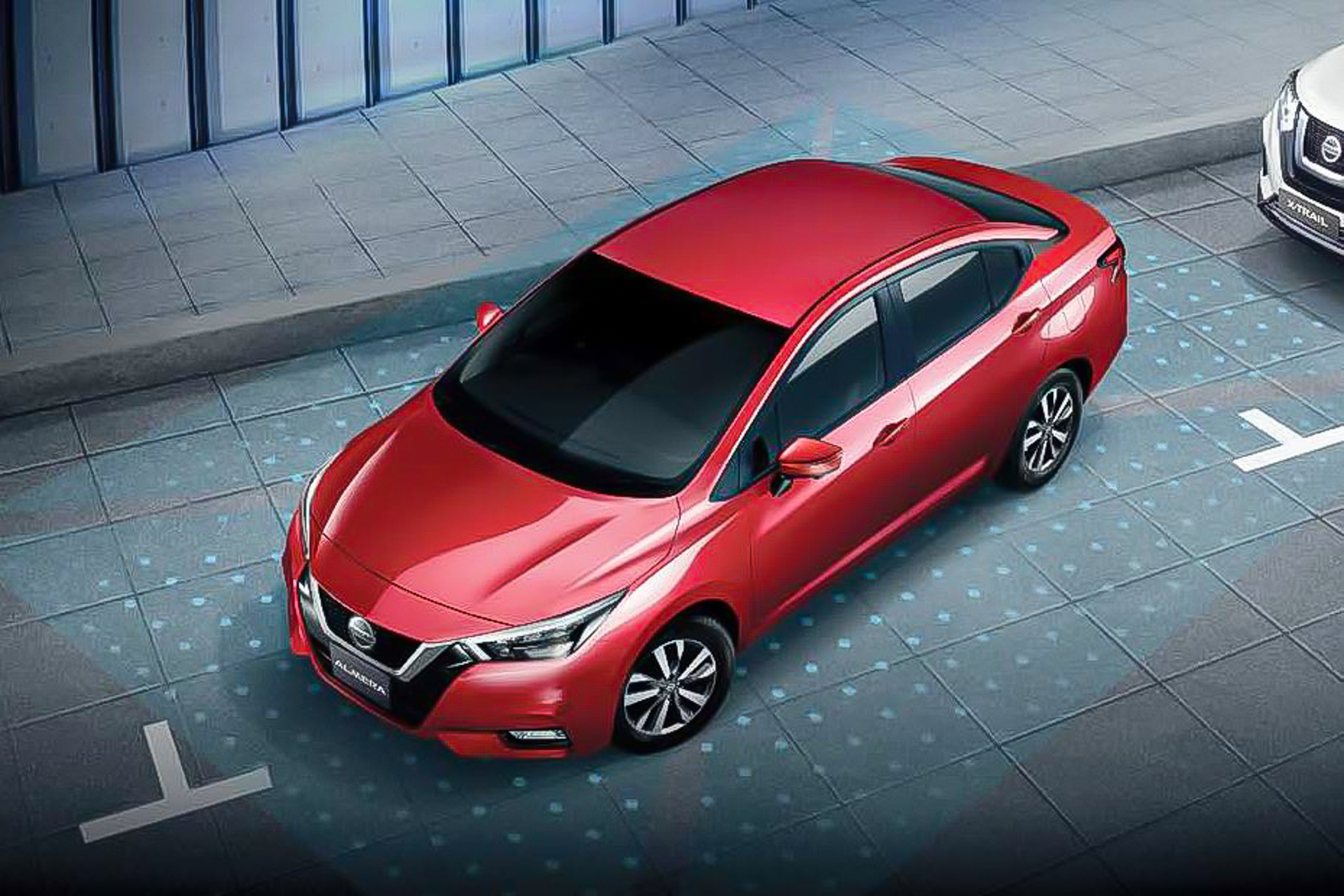
In terms of fuel consumption, the official combined fuel consumption is 5.8L/100km. In actual tests, the fuel consumption on urban roads is about 6.5L/100km, while on highways it can drop to 5.2L/100km. Overall performance meets expectations. Safety features are a highlight of this car, with standard equipment including 6 airbags, ABS, vehicle stability control, lane departure warning, automatic emergency braking, forward collision warning, etc. The 360-degree panoramic camera and rear parking sensors also make parking more convenient. Regarding noise control, the interior remains relatively quiet when driving below 60km/h, with only slight tire and wind noise. At highway speeds of up to 120km/h, wind noise increases but remains within an acceptable range.
In summary, the core advantages of the 2020 Nissan Almera 1.0L VLT lie in the spaciousness provided by its long wheelbase, the abundance of active safety features, and decent fuel economy. Compared to competitors in the same class, such as the Honda City and Toyota Vios, it has stronger competitiveness in terms of space and safety features, and the price is relatively affordable. This car is suitable for consumers who prioritize practicality for families, value safety features, and have a budget of around 100,000 Malaysian Ringgit. It is capable of handling both daily commutes and family trips. If you're looking for a well-balanced B-segment sedan, the 2020 Nissan Almera 1.0L VLT is worth considering.
Nissan Almera Car Compare
Nissan Almera Loan Calculator
More Nissan Reviews
Cars With Similar Price And Features
6
Rank in Sedan
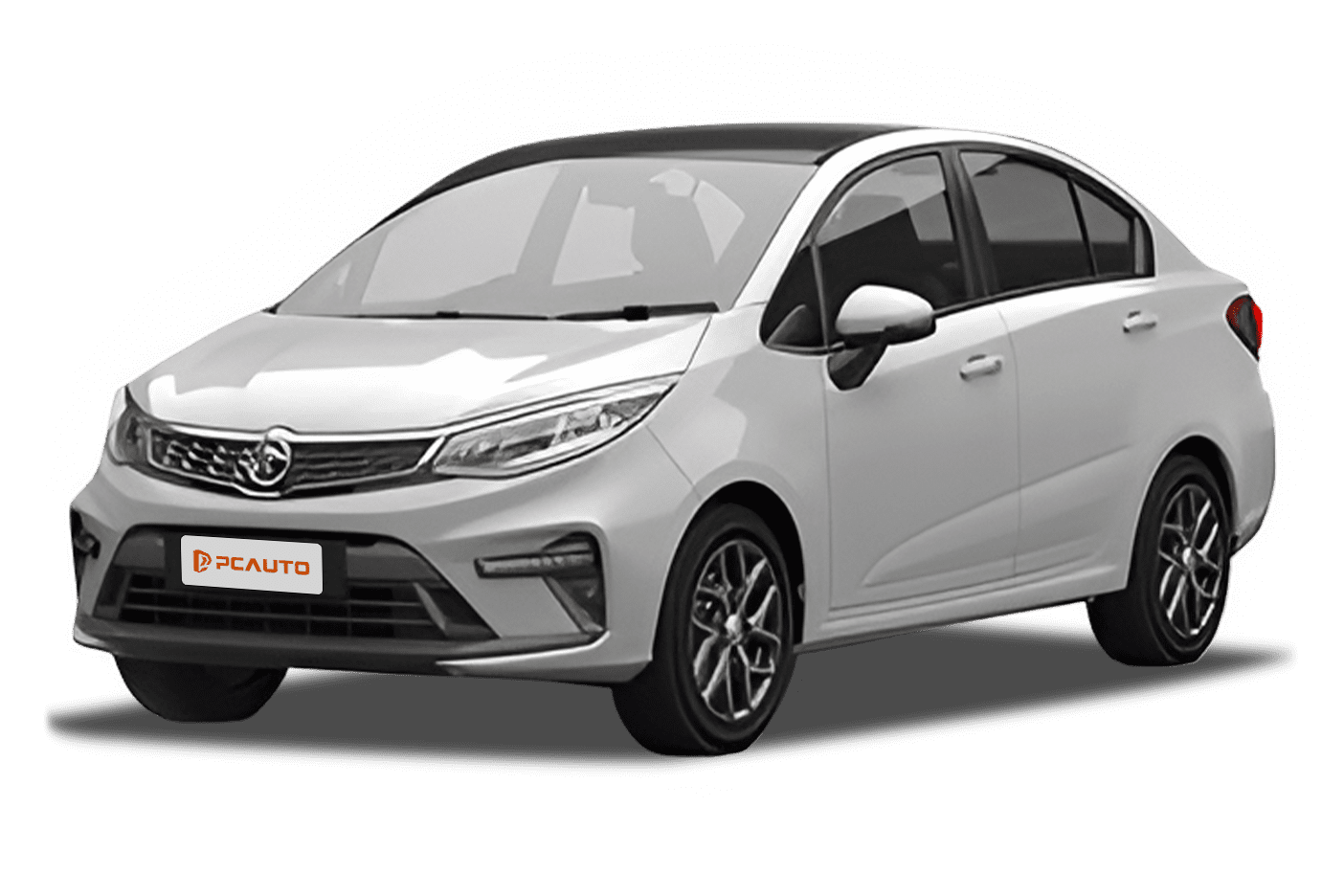
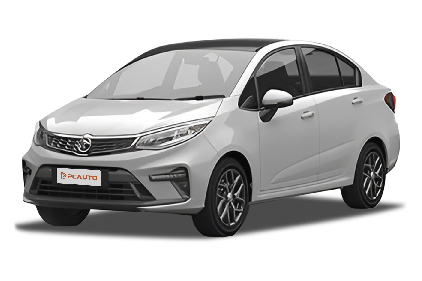
2023 Proton Persona 1.6 Standard CVT is an affordable, safety-configured entry-level family sedan with practical space, balancing daily commuting and family needs.
4
Rank in Sedan

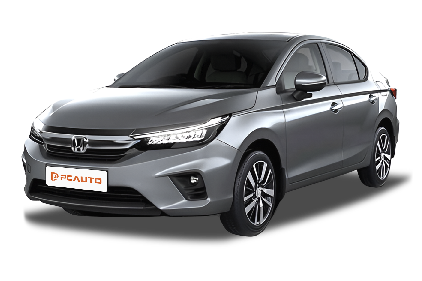
2023 Honda City 1.5 S, as an entry-level B-segment sedan, offers advanced L2 driving assistance and 6 airbags at an affordable price. With practical space and excellent fuel efficiency, it is a high-value choice for family users.
5
Rank in Sedan
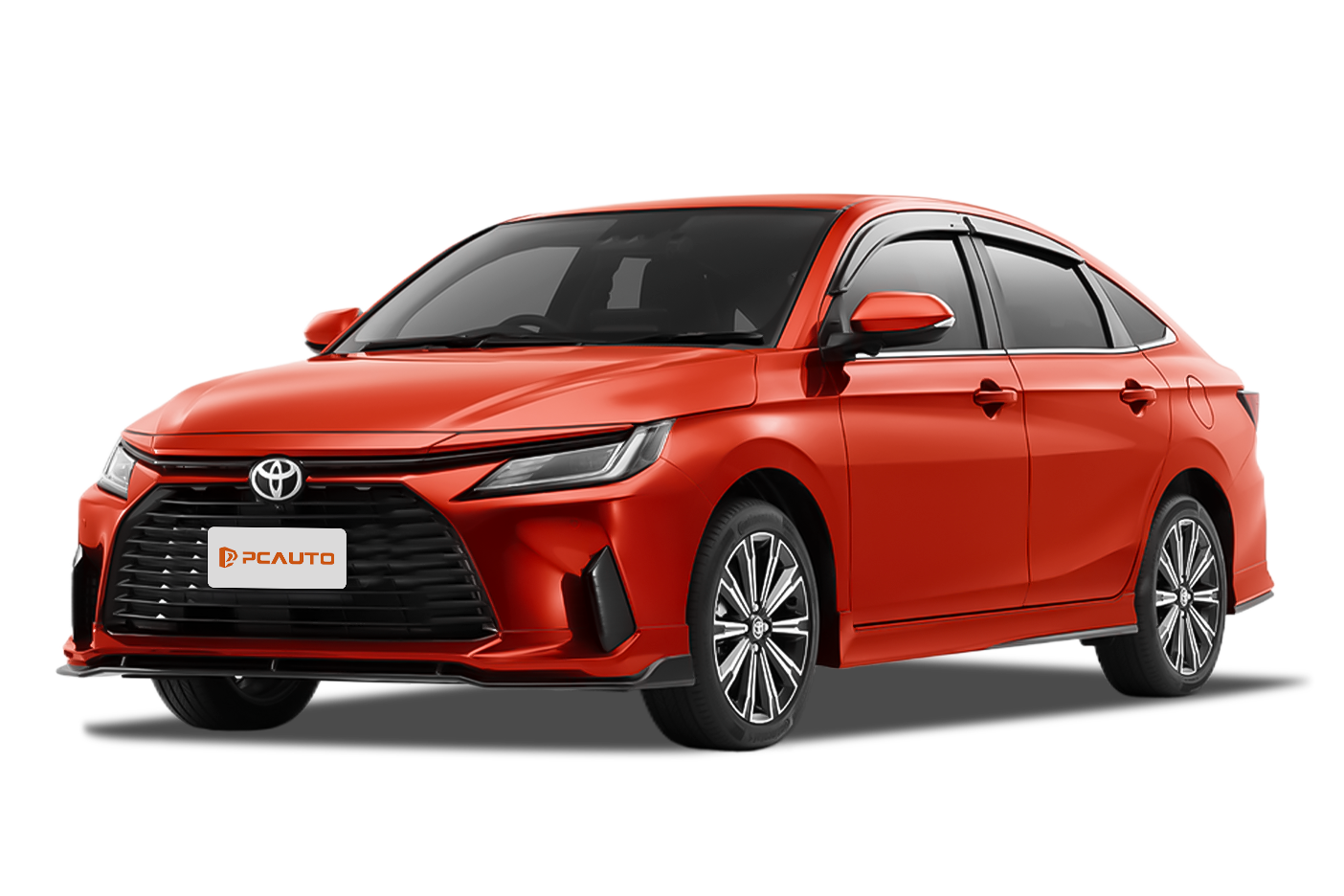
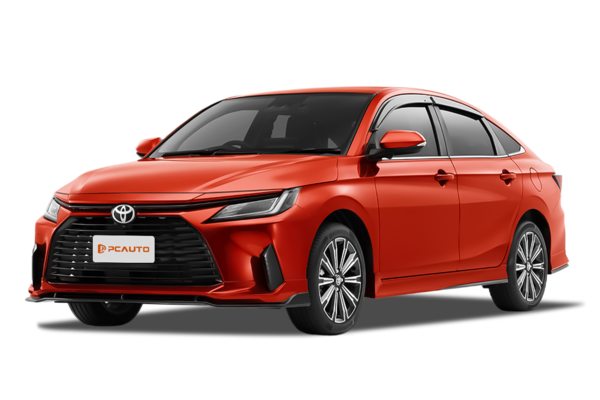
2023 Toyota Vios 1.5E AT, as a mid-range model in the facelift, with features such as the TSS Intelligent Safety System, HUD, and other high-end features being made available, along with balanced space and fuel efficiency, making it a high-value B-segment sedan choice in Malaysia.
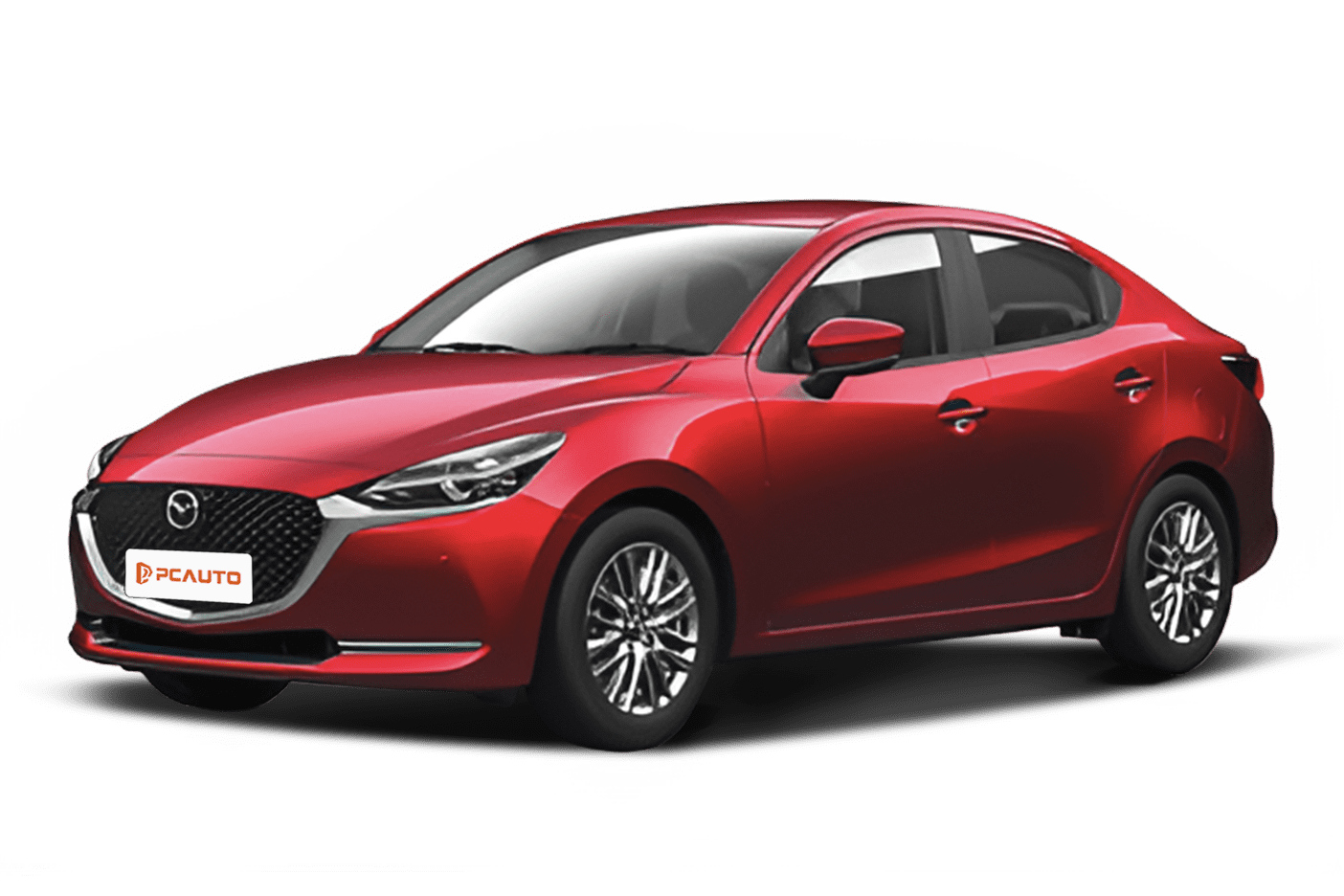
2023 Mazda 2 Sedan 1.5L is a family sedan that balances driving dynamics and practical features, with a price slightly over 100,000 MYR, making it suitable for urban commuting needs.