

2020 Perodua Myvi 1.3 X (A.S.A.2.0) Review

 Share
Share.jpg)
.jpg)
.jpg)
 Segment
 Body Type
 Capacity(L)
 Engine Power(PS)
 Transmission
 Driven Wheels
The B-segment market in Malaysia has always been the main battlefield for family cars. Consumers not only demand reliability and durability but also wish to obtain more features within a limited budget — the 2020 Perodua Myvi 1.3 X (A.S.A.2.0) is a popular choice aimed at meeting this demand. As the mid-range version of the Myvi series, its biggest selling point is offering advanced safety features at a friendly price while retaining the practical nature Myvi is known for. Through a static experience and dynamic test drive, we evaluate whether it truly balances "value for money" and "everyday needs."
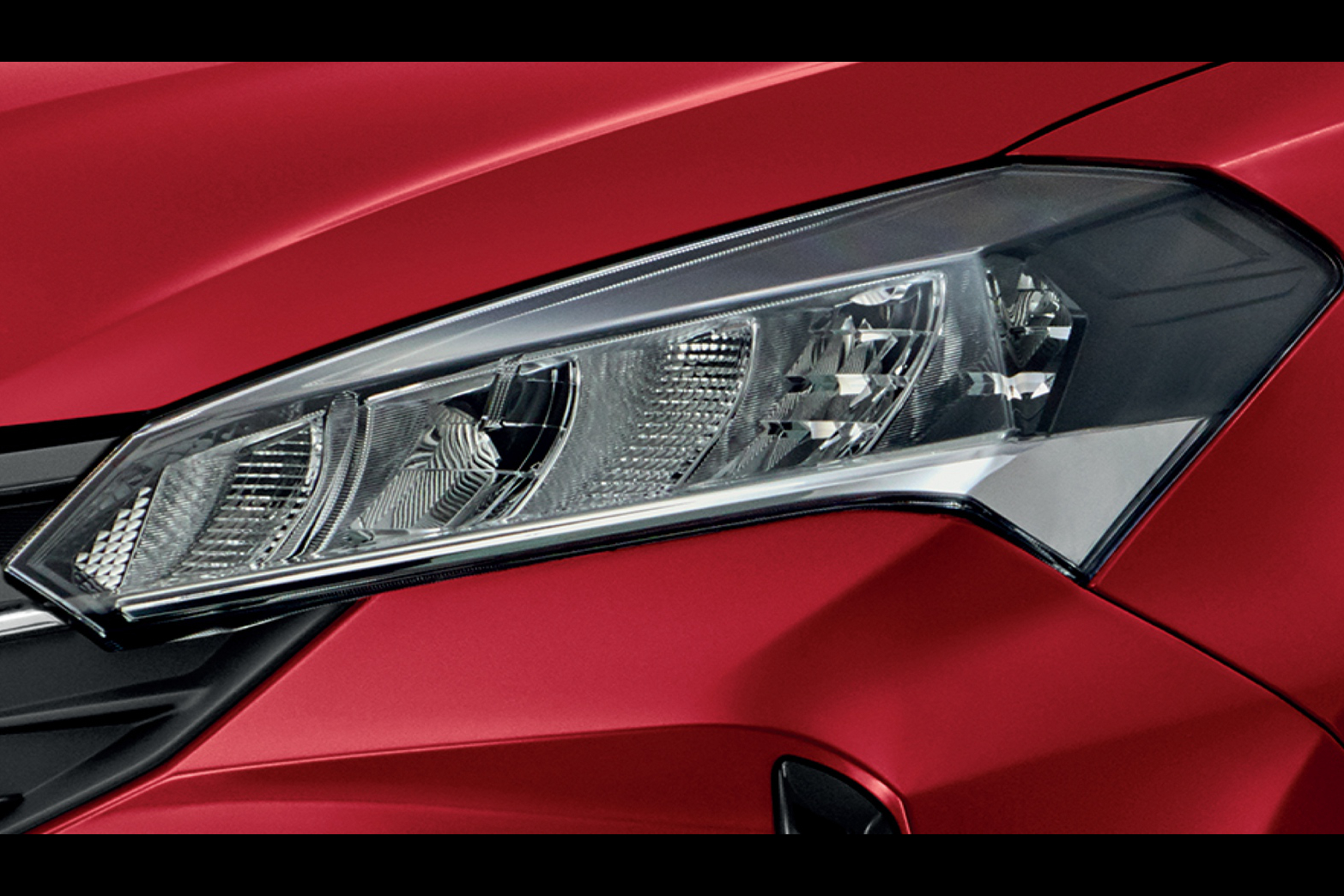
In terms of appearance, this Myvi continues the youthful design of the family style. The front features a large trapezoidal lower grille paired with a slim upper grille, with the Perodua emblem embedded in the middle. The sharp LED headlights on both sides come with an automatic lighting function, offering good visibility even during the day. The side profile of the car features smooth lines, with 175/65 R15 tires that match its positioning well. The wheel arches and side skirts are unassuming but give the car an overall compact and energetic look. At the rear, the taillights adopt a horizontal layout that complements the design of the front headlights. The rear fog light is a standard feature, and while the design is not overly complex, it is simple and pleasant, aligning well with the family car positioning.
Stepping inside, the interior focuses on practicality. The dashboard is covered with injection-molded materials, which may feel slightly hard to the touch, but the craftsmanship is relatively neat. The most noticeable feature on the central console is the touchscreen, which is moderately sized, operates smoothly, and supports basic multimedia functions. The instrument panel is an electronic illuminated analog style, displaying data clearly so you can easily see the RPM, speed, and fuel level. For features, keyless entry and ignition come standard, eliminating the hassle of searching for your keys. The front row has digital air conditioning, offering more precise temperature adjustments. The multifunction steering wheel lets you control the volume and phone calls, making daily use quite convenient. The seats are manually adjustable and made of fabric. They provide decent support, ensuring that long durations of sitting are not too uncomfortable. The rear seats can be folded down in a 60:40 split to expand the space when carrying larger items.
In terms of space, the vehicle dimensions are 3895mm in length, 1735mm in width, and 1515mm in height, with a wheelbase of 2500mm, which is considered standard in the B-segment category. When seated in the front row, a person with a height of 175cm has one fist of headroom and ample legroom. Two adults can easily fit in the rear seats with about one fist of headroom and two fists of legroom. The slightly raised middle floor has minimal impact. Storage space isn’t spectacular, but it’s sufficient: the front door panels can hold two bottles of water, the central armrest box has decent depth, and there are cup holders in the rear. The trunk has a regular capacity of 277L, and folding the rear seats makes it possible to fit a stroller or a small suitcase, which meets the needs of short family trips.
For power, the 1.3L naturally aspirated engine delivers a maximum power of 95PS and a maximum torque of 121N·m (Note: Torque data not listed in the configuration sheet; supplemented here based on typical values for engines of the same displacement), paired with a 4-speed automatic transmission. When starting up, the power output is smooth without noticeable jerks, making it easy to follow traffic in the city. However, once the speed reaches 60km/h and you press the accelerator harder, the power response is slightly delayed. Given the engine size, overtaking requires some planning ahead. There’s only a standard driving mode, but it’s sufficient for daily commuting. The engine stop-start technology is standard, which automatically shuts off the engine at red lights, helping to reduce fuel consumption.
The handling and chassis performance align with its family-oriented positioning. The steering wheel is relatively light, making it effortless for women to drive. The steering precision is decent, with no significant issues of excessive play. The front suspension is MacPherson independent, while the rear suspension is torsion beam non-independent (Note: the rear suspension is not marked in the specification sheet, this information is supplemented based on the same platform model). When going over speed bumps in the city, most jolts are filtered out; however, when passing through potholes at a higher speed, noticeable vibrations can still be felt in the rear seats. While cornering, the body roll is not severe, and the support is sufficient for daily driving, with no sense of floating.
In terms of fuel consumption, the official combined fuel consumption is 4.7L/100km. During our actual test drive, it was about 5.5L in congested urban areas, and on highways, it could drop to 4.3L. This performance is considered fuel-efficient for a family car. Safety features are the highlight of this car: the A.S.A.2.0 system includes Forward Collision Warning and Autonomous Emergency Braking. In our tests, it provided timely alerts or even automatic braking when the car in front braked suddenly at low speeds. Four airbags, vehicle stability control, hill-start assist, front and rear parking sensors are standard, which makes it very friendly for beginners.
The comfort performance during the test drive was acceptable. Noise control inside the cabin is average compared to the same class. At speeds below 60km/h, tire and wind noise is not particularly noticeable, but wind noise increases at highway speeds, albeit still within an acceptable range. The fabric material of the seats offers good breathability, keeping it from feeling too stuffy in the summer. Regarding energy recovery (Note: fuel cars do not have energy recovery, this refers to engine start-stop vibration control), the vibration when the start-stop system activates is minimal and does not affect the passenger experience.
Overall, the core advantage of the 2020 Perodua Myvi 1.3 X (A.S.A.2.0) is clear: it introduces the A.S.A.2.0 safety system at a price below RM 50,000 while retaining practical space and features. Compared to its class rival, the Proton Iriz, it has lower fuel consumption and more comprehensive safety features. Compared to the Toyota Vios L, it is more affordable. This car is most suitable for budget-conscious but safety-conscious family users, such as newlyweds or office workers needing a daily commuter. While it does not excel in any particular performance, it is balanced in all aspects and capable of handling daily commuting, grocery shopping, and school pick-ups.
In conclusion, the 2020 Perodua Myvi 1.3 X (A.S.A.2.0) is a "well-rounded" family car without obvious shortcomings, with safety features as its highlight. Its cost performance is highly competitive in the same class. If you are looking for a reliable, fuel-efficient car with solid safety features for your family, it is worth considering.
Perodua Myvi Car Compare

Perodua Myvi Loan Calculator
More Perodua Reviews
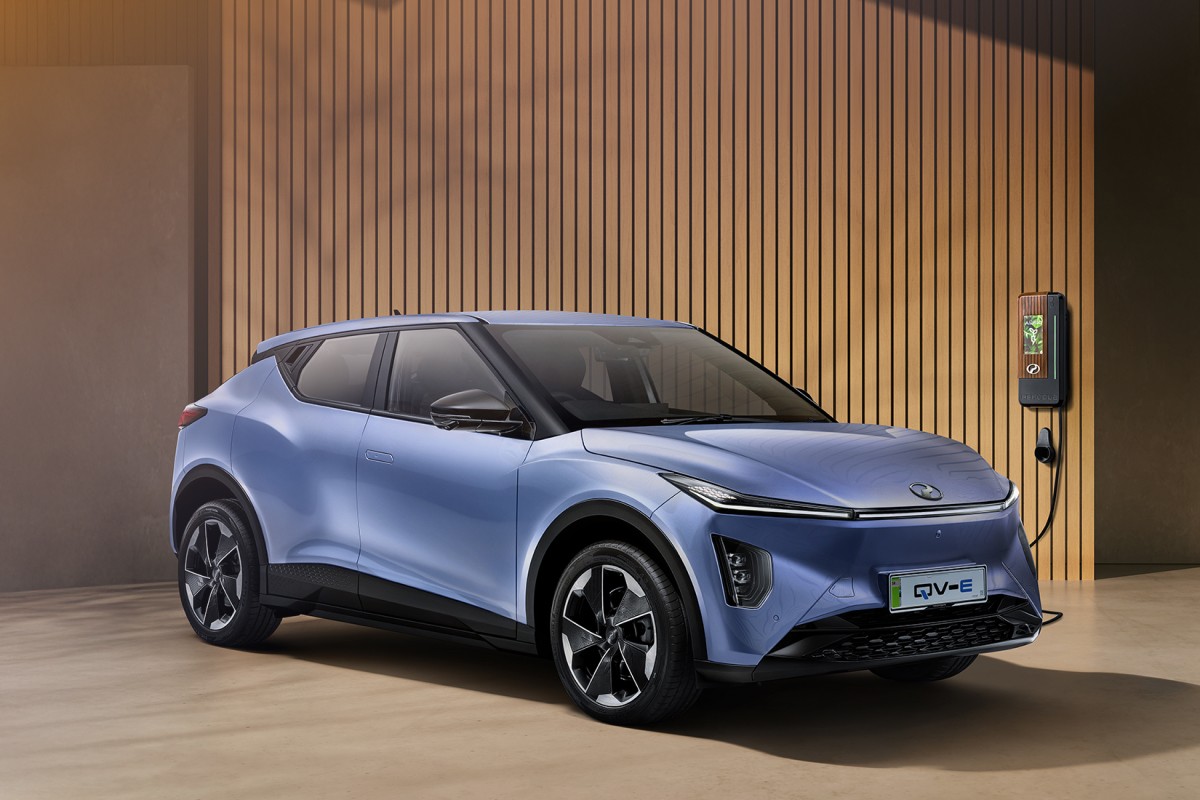
Cars With Similar Price And Features
4
Rank in Hatchback
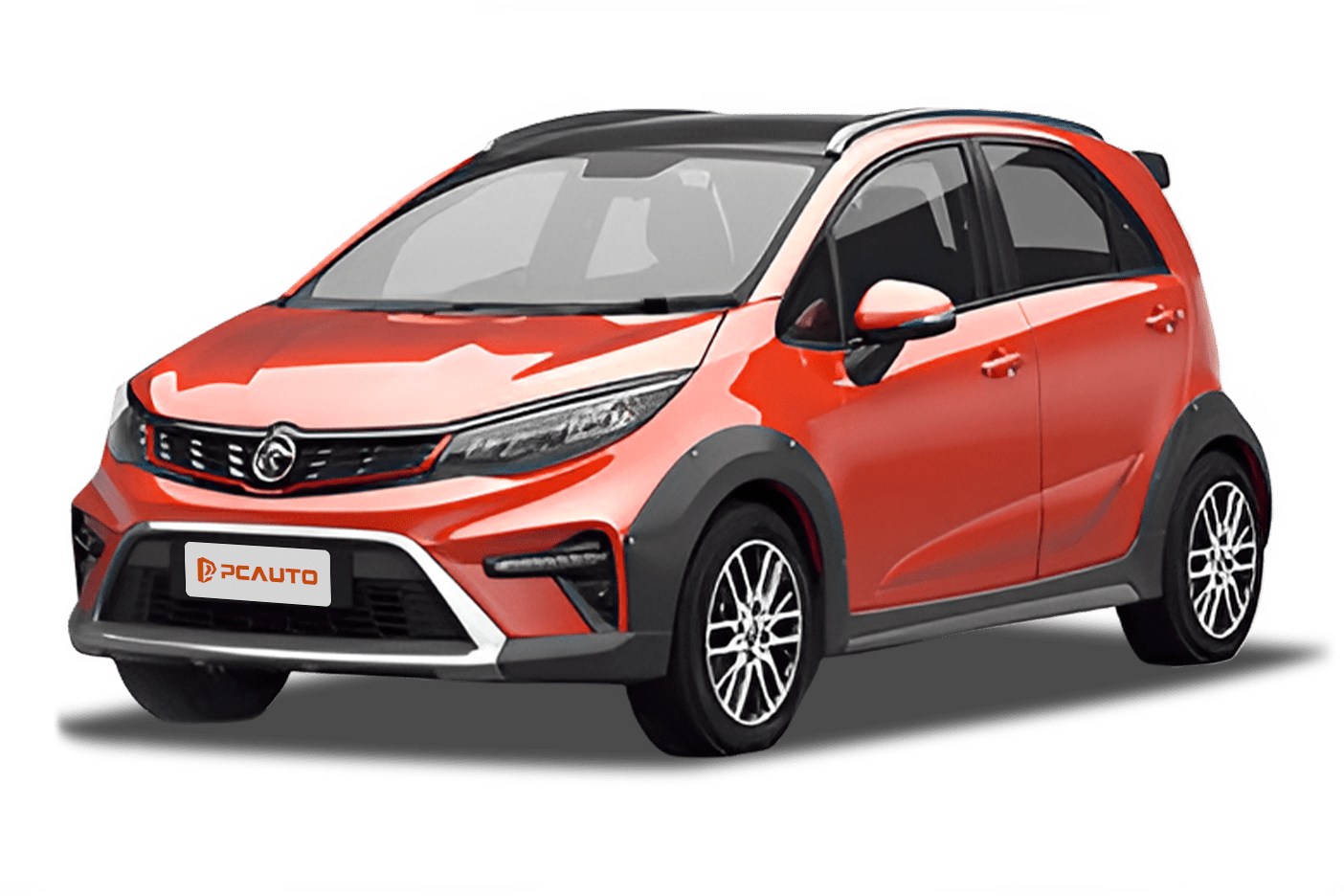
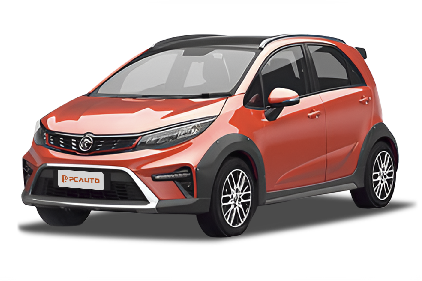
2023 Proton Iriz 1.3 Standard CVT is an affordable, well-balanced entry-level B-segment hatchback with safety features, suitable for budget-conscious families focusing on safety and practicality for daily commuting.

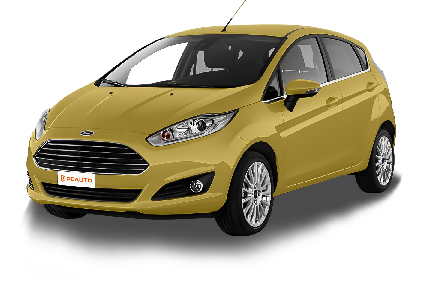
2022 Ford Fiesta public is a B-Segment model with responsive power, economical fuel consumption, and rich safety features, suitable for young families or individual users who prioritize driving experience and safety.
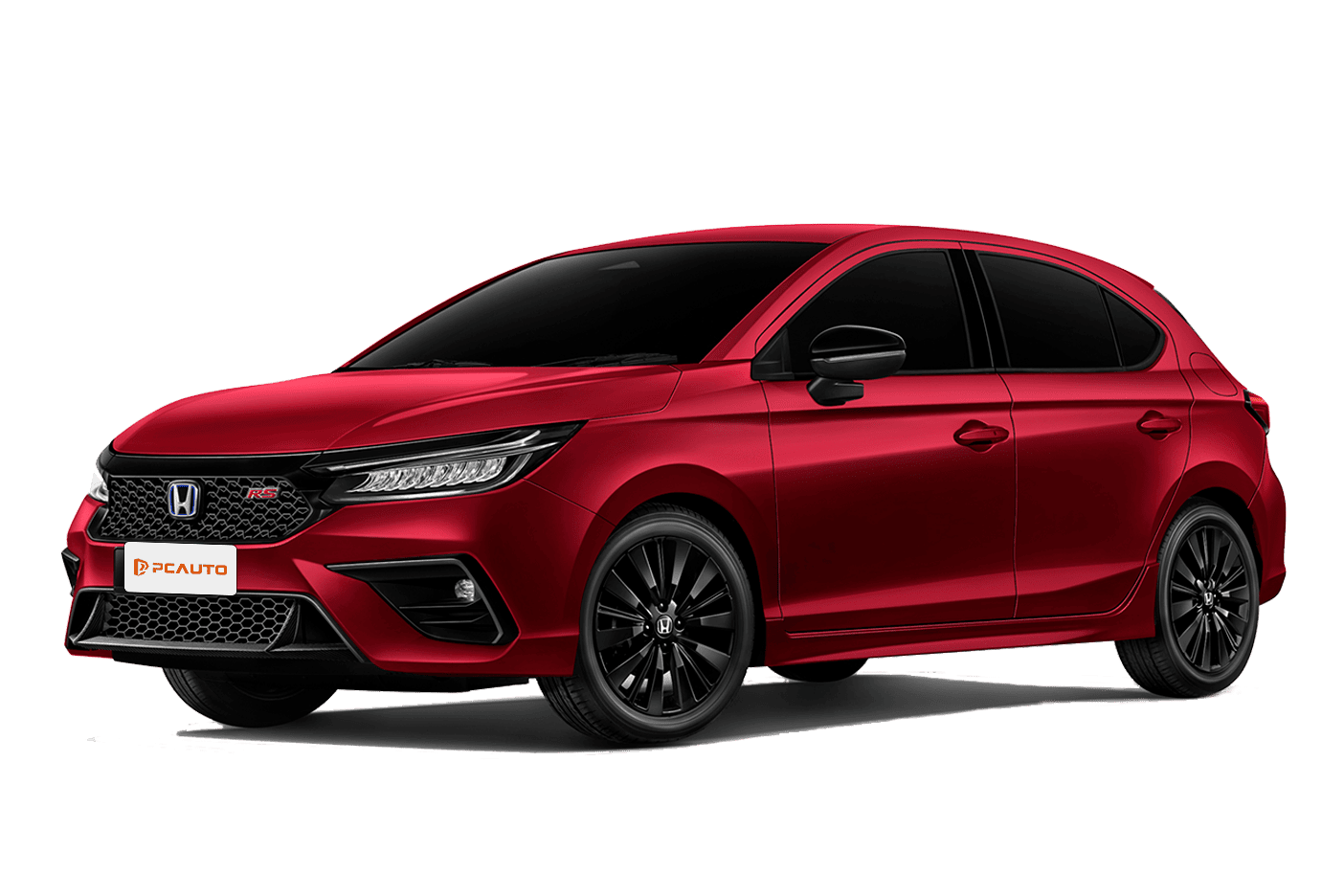
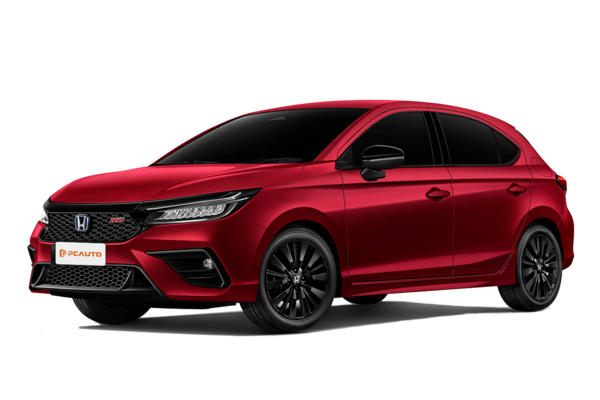
2024 Honda City Hatchback 1.5 S, as a high-value entry-level hatchback, comes standard with Honda Sensing and 6 airbags, offering practical space, economical fuel consumption, and balancing safety with daily commuting needs.
3
Rank in Hatchback
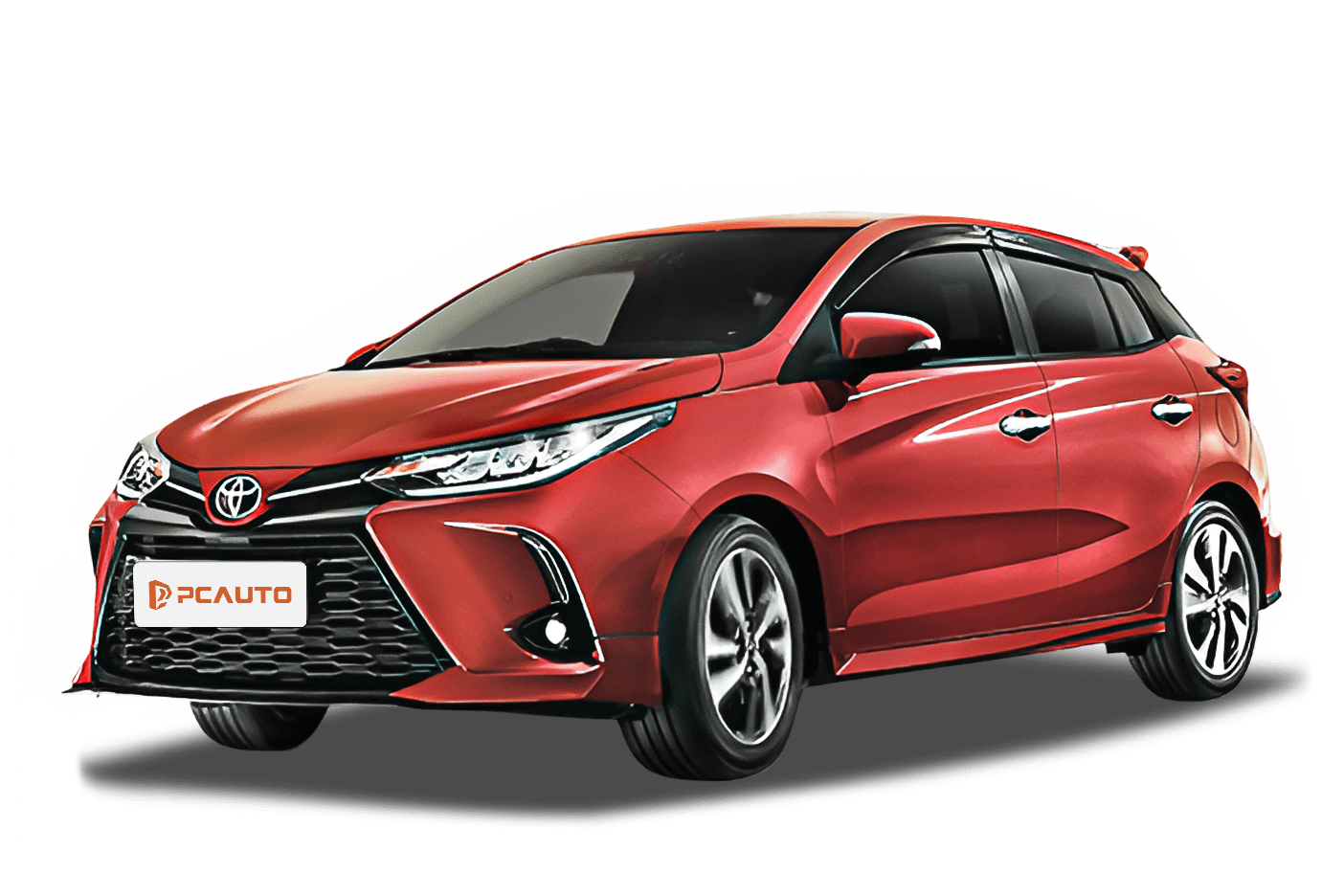
2024 Toyota Yaris 1.5E serves as the main entry-level household model, emphasizing durability, upgraded with a 360-degree parking camera and Optitron instrument panel. Its practical space, smooth power delivery, and high cost-performance ratio align well with family commuting needs.