

2020 Perodua Myvi 1.3L G AT Review

 Share
Share.jpg)
.jpg)
.jpg)
 Segment
 Body Type
 Capacity(L)
 Engine Power(PS)
 Transmission
 Driven Wheels
In Malaysia's B-Segment hatchback market, the Perodua Myvi has always been an unmissable choice—it’s a regular sales leader and has long aligned with local consumers' core demand for practicality and reliability. The 2020 Myvi 1.3L G AT, positioned as a mid-range variant, enters the market at a price of RM 43,029, while offering advanced active safety features that surpass its class. This has made many budget-conscious yet safety-focused family users curious: can it push its balance even further? In this test drive, we focus on its static features, dynamic performance, and everyday practicality to see if it lives up to its reputation as the "people's car."
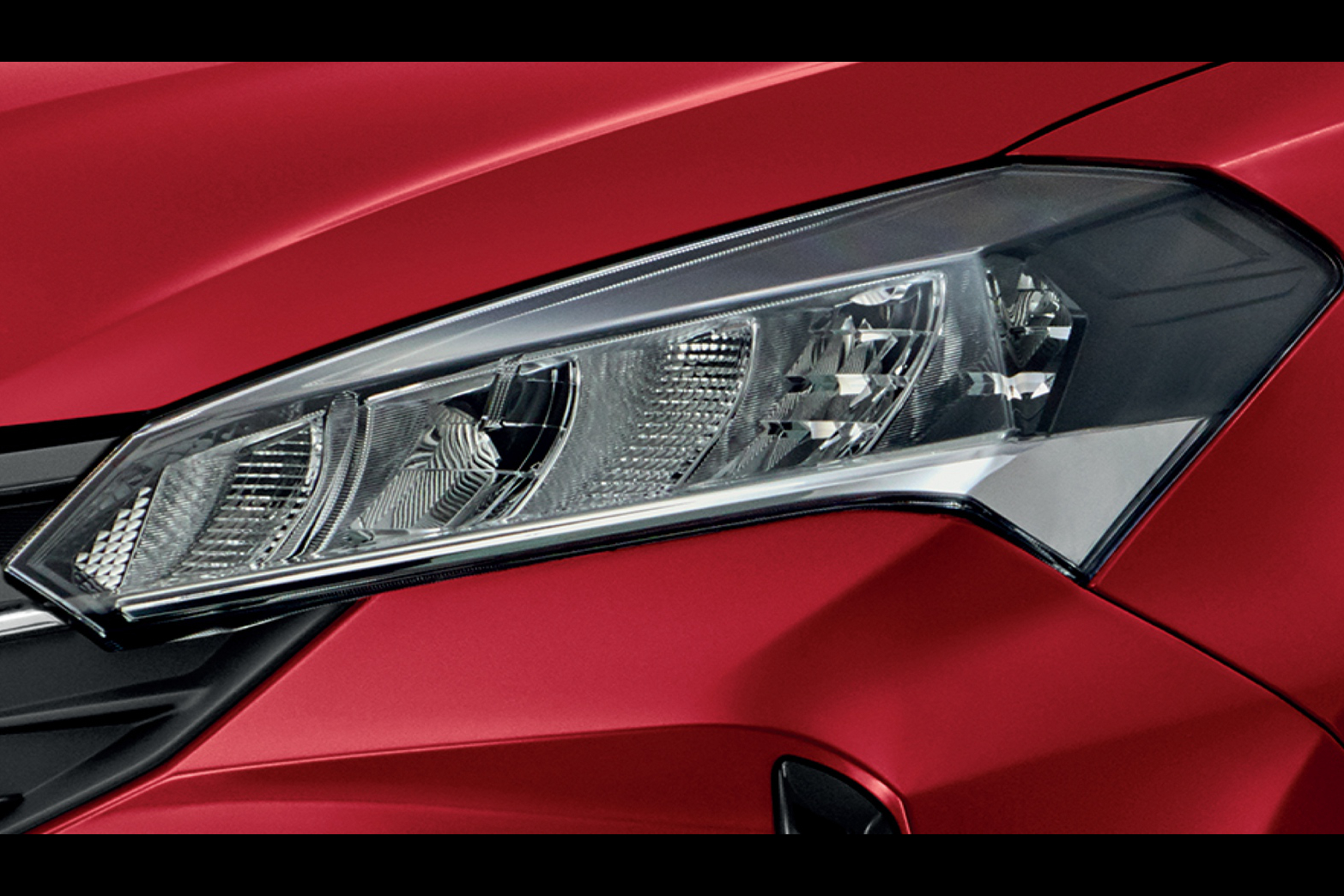
Looking at the exterior, the 2020 Myvi 1.3L G AT continues the youthful design language of the family line, with an overall compact but not cramped appearance. The large trapezoidal lower grille at the front, paired with chrome trims, makes it look sharper compared to the previous model. LED headlights come as standard, with a sharp design and automatic light-up function for hassle-free daily use. Two muscular lines extend from the A-pillar to the grille on the hood, adding a touch of strength. The car's side profile embodies a typical hatchback silhouette; though the 175/65 R14 tire size isn't large, it is visually well-proportioned with the 14-inch wheels. The indented waistline on the lower door keeps the side profile from looking too plain. At the rear, the highlight is the LED taillight cluster with a horizontally stretched design, offering decent recognizability when illuminated. The rear bumper’s lines blend naturally with the body, devoid of unnecessary decorations, aligning with the practical positioning of a family car.
Upon entering the cabin, the interior design is primarily simple. The dashboard features a two-tone color scheme, with the upper part wrapped in soft-touch materials, which feel better than some competitors at similar price points. The 7-inch touchscreen infotainment system is angled slightly toward the driver, with a straightforward operational logic. It supports Bluetooth connectivity and basic multimedia functions. Although it does not include CarPlay or Android Auto, it suffices for daily needs like music and calls. The instrument panel adopts an analog-style electronic backlight design, with clear and easy-to-read tachometer and speedometer. The small screen in the center displays information such as fuel consumption and mileage. Configuration-wise, keyless entry and start come as standard, a pleasant surprise at this price point. The front features digital air conditioning with physical knobs for adjustments, convenient for blind operation. The multifunctional steering wheel supports volume control and phone operations, with tactile and responsive buttons. The seats are fabric-covered, with both the driver’s and front passenger’s seats manually adjustable. The backrest and cushion provide decent support, ensuring no significant discomfort during long rides. The rear seats offer a 60:40 split-fold configuration, allowing for expanded trunk space, making it more versatile when dealing with larger items.
Space performance meets the mainstream standards of the B-Segment. With a 2500mm wheelbase, a 175cm tall occupant in the front has one fist of headroom remaining after adjusting their seating position. In the rear, passengers of the same height have two fingers of legroom and one fist of headroom. While not spacious, it is sufficient for typical family use. Regarding storage space, the front door panels can hold two water bottles, the center console box offers reasonable depth, and the glove compartment is of moderate size. The rear door panels also accommodate water bottles, with a cup holder in the center, showing attention to detail. The trunk offers a standard capacity of 277L, able to fit two 20-inch suitcases without issue. When the rear seats are folded, it can accommodate a stroller or a foldable bicycle, making it very practical.
Powertrain: The 1.3L naturally aspirated engine produces a maximum power of 95PS/6000rpm and a maximum torque of 121N·m/4000rpm, paired with a 4-speed automatic transmission. During daily driving, the initial acceleration is not particularly brisk, but the throttle response is linear, and the low-end torque is sufficient to handle city traffic conditions, such as smooth start-ups and stop-and-go traffic. When accelerating beyond 60km/h, you need to press the pedal harder, and the transmission shows slight shift lag, but it remains within an acceptable range; at a highway speed of 100km/h, the engine's RPM is around 2500rpm, and further acceleration to 120km/h requires patience. It is more suited for smooth driving rather than aggressive handling. Only a regular driving mode is available, without a sport mode, aligning with its family-oriented positioning.
In terms of handling, the steering wheel has a lighter effort, making it easy for women to drive, and the steering precision is decent without noticeable play. The suspension setup consists of front MacPherson independent suspension and rear torsion beam non-independent suspension, tuned towards comfort. When going over speed bumps or minor rough patches, the suspension absorbs most of the vibrations, avoiding harsh impact; however, on larger potholes, the rear passengers may feel obvious bouncing. The cornering performance is average with controlled body roll; the chassis delivers sufficient support to handle regular city corners without giving a floating sensation. The brake pedal feels consistent, with evenly distributed braking force, and during emergency braking, the vehicle maintains a stable posture without significant forward dip. In terms of fuel consumption, the official combined fuel consumption stands at 4.9L/100km. During our test drive, it showed around 6.5L/100km in congested urban sections and 5.2L/100km on highways. Overall, the fuel efficiency is good, meeting the economical needs of a family car.
Regarding ride comfort, noise isolation is fairly well-done. At low city speeds, engine and tire noise are not significant; at 100km/h on highways, wind noise comes from the A-pillar, but it’s not overly loud and doesn’t interfere with normal conversations. The fabric seats have good breathability and don't feel too stuffy during summer. Is there a rear air vent? The model we tested didn’t have one, but the cooling performance of the front air conditioning is excellent, and the rear seats also cool down quickly. The engine stop-start system is standard, with reasonable activation logic. It automatically shuts off the engine at red lights and smoothens out the restart process when driving off, with no noticeable shudder.
The safety features on this car are the highlight, with standard equipment including 4 airbags (driver, passenger, and front-side airbags), ABS, vehicle stability control, autonomous emergency braking, forward collision warning, hill-start assist, as well as front and rear parking sensors. These features are very comprehensive compared to other B-Segment models in the same price range, especially the active safety systems that provide collision warnings and automatic braking at low speeds, which are particularly friendly to novice drivers and those not paying full attention.
In conclusion, the key advantages of the 2020 Perodua Myvi 1.3L G AT lie in its balanced practicality, comprehensive safety features, and friendly pricing. Compared to the Proton Iriz 1.3L Executive of the same class, the Myvi offers more extensive safety features and better fuel economy; and compared to the Toyota Vios Limo 1.5E, the Myvi has a more competitive price and better space flexibility. It is suitable for families that prioritize safety, value practicality, and aim for fuel efficiency, especially for buyers with a budget between RM40,000 and RM50,000 looking for a car for daily commuting and occasional family outings.
Overall, the 2020 Myvi 1.3L G AT does not have any particularly significant drawbacks, nor does it have any exceptionally impressive highlights. However, it has achieved the essential qualities most needed in a family car: "practicality, reliability, and safety," making it a pragmatic choice for most Malaysian families.
Perodua Myvi Car Compare

Perodua Myvi Loan Calculator
More Perodua Reviews
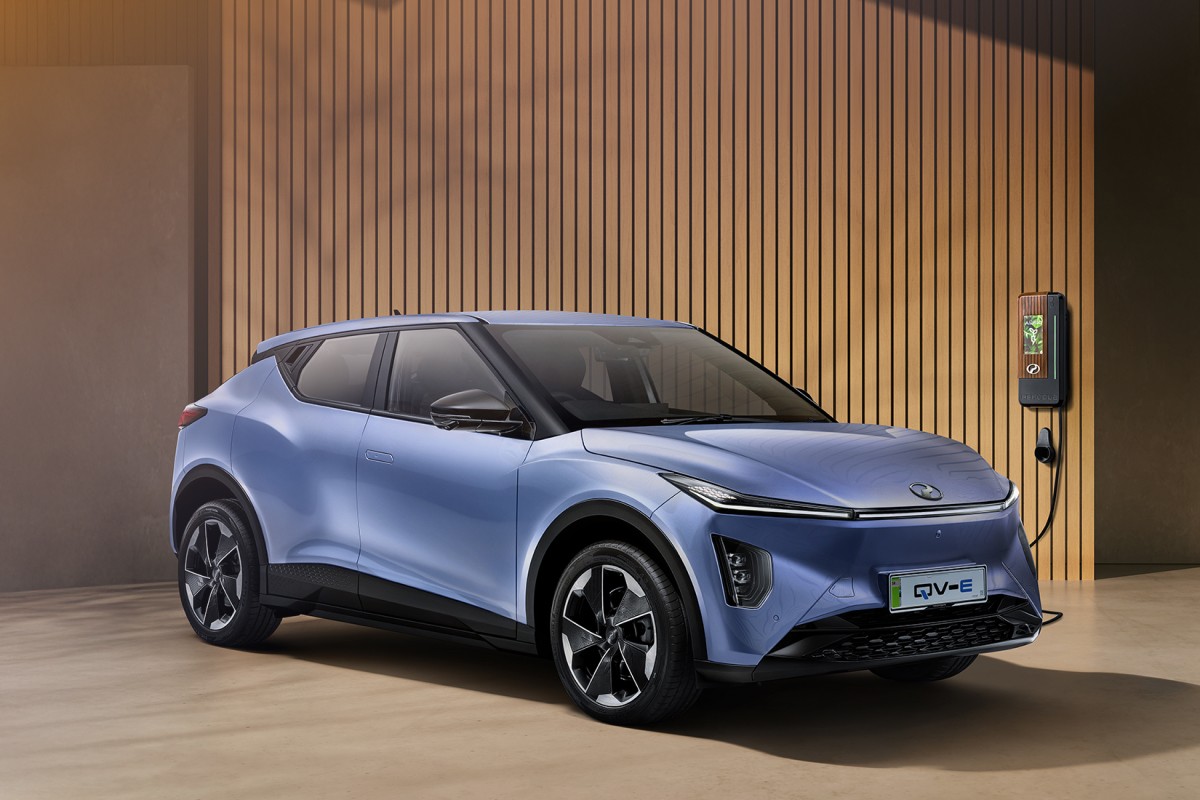
Cars With Similar Price And Features
4
Rank in Hatchback
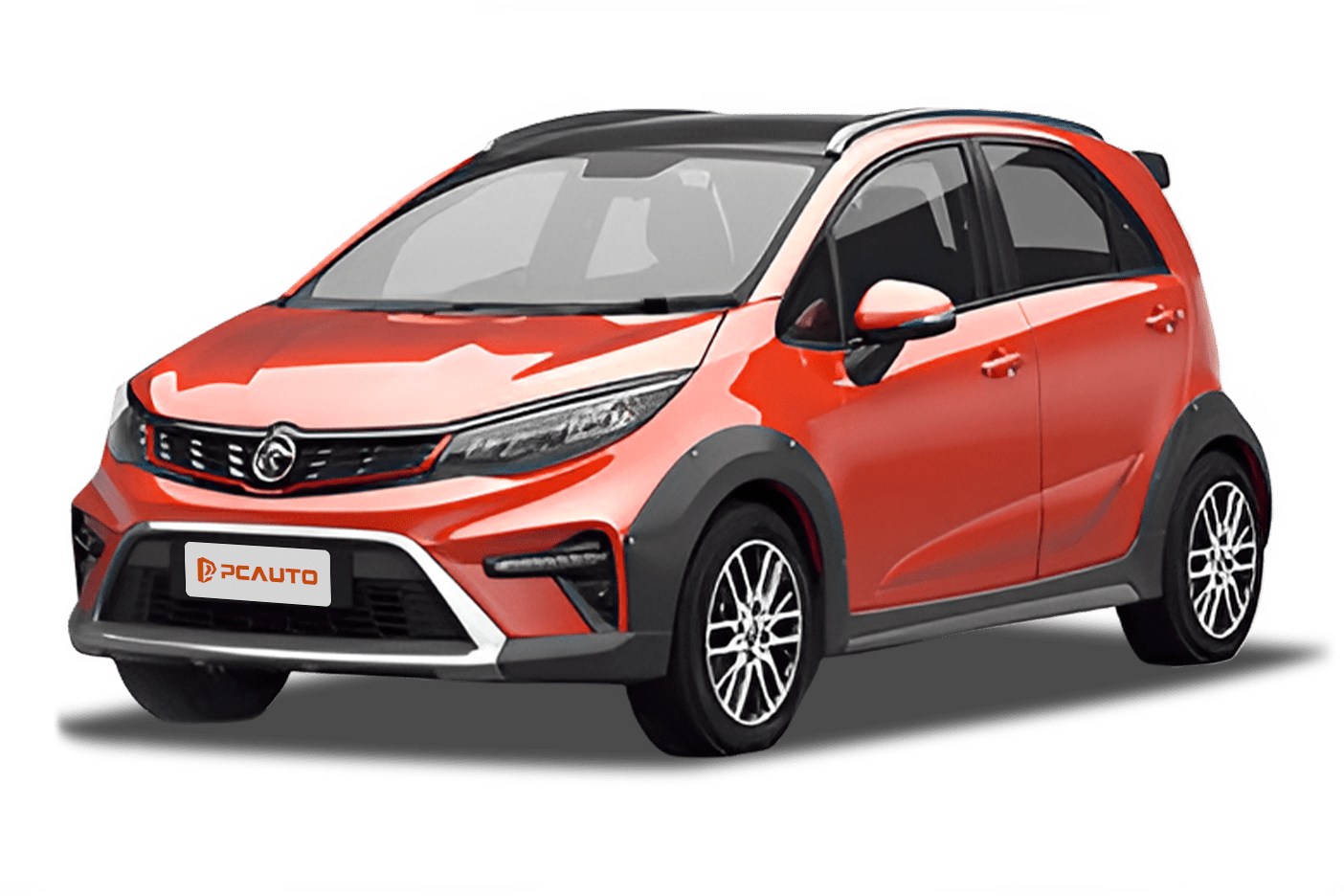
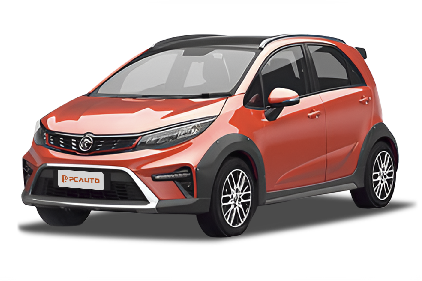
2023 Proton Iriz 1.3 Standard CVT is an affordable, well-balanced entry-level B-segment hatchback with safety features, suitable for budget-conscious families focusing on safety and practicality for daily commuting.

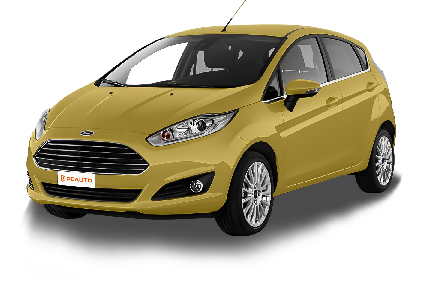
2022 Ford Fiesta public is a B-Segment model with responsive power, economical fuel consumption, and rich safety features, suitable for young families or individual users who prioritize driving experience and safety.
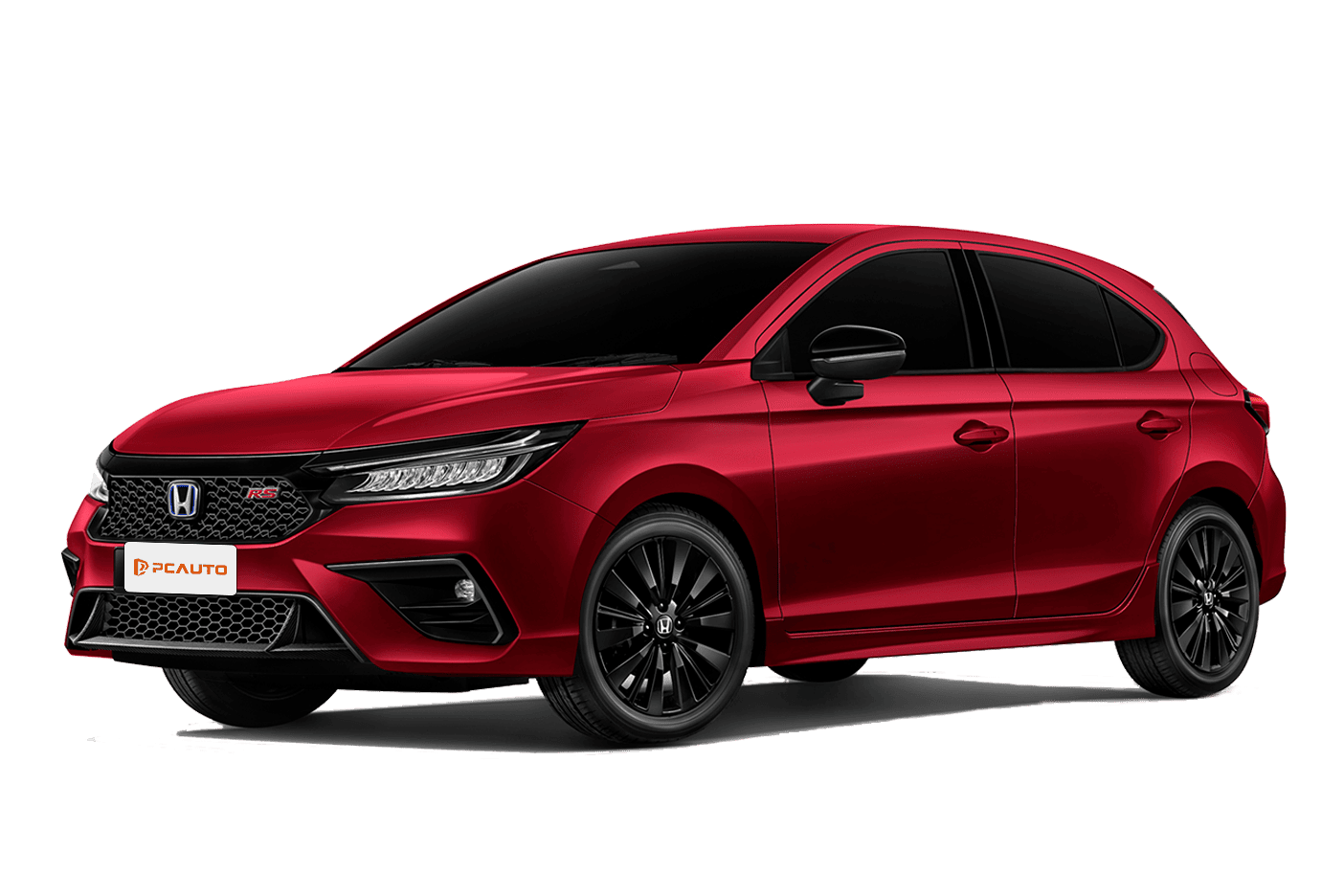
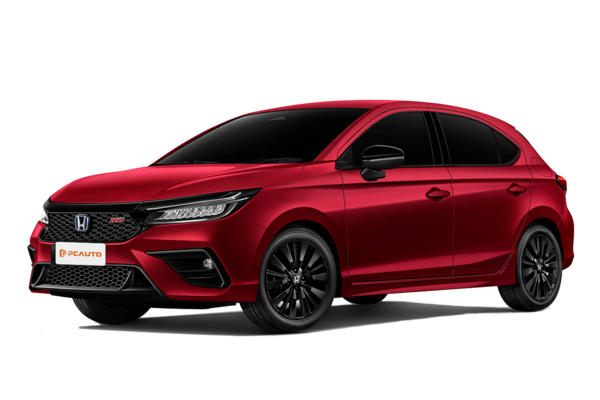
2024 Honda City Hatchback 1.5 S, as a high-value entry-level hatchback, comes standard with Honda Sensing and 6 airbags, offering practical space, economical fuel consumption, and balancing safety with daily commuting needs.
3
Rank in Hatchback
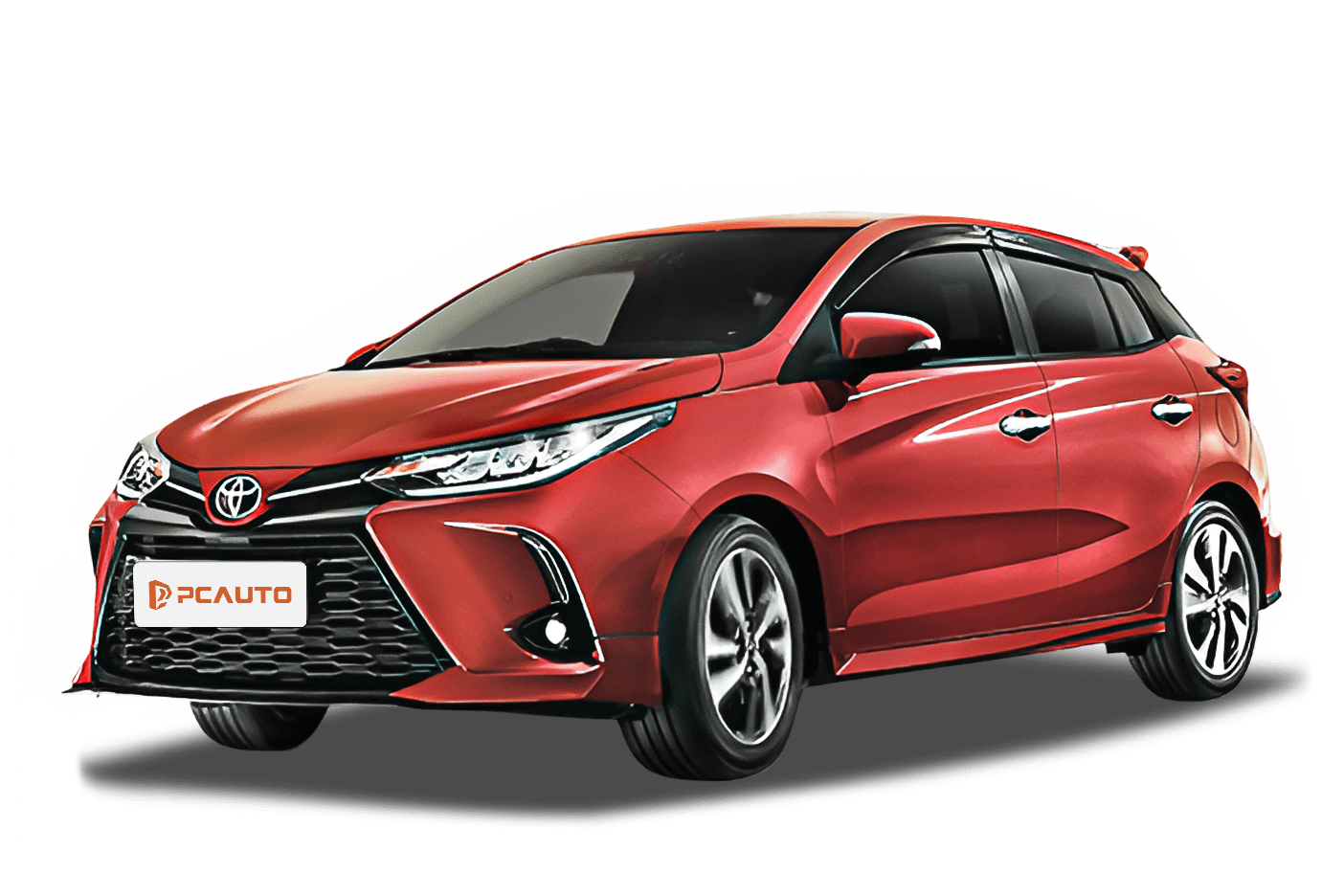
2024 Toyota Yaris 1.5E serves as the main entry-level household model, emphasizing durability, upgraded with a 360-degree parking camera and Optitron instrument panel. Its practical space, smooth power delivery, and high cost-performance ratio align well with family commuting needs.