

2020 Perodua Myvi 1.3L G MT Review

 Share
Share.jpg)
.jpg)
.jpg)
 Segment
 Body Type
 Capacity(L)
 Engine Power(PS)
 Transmission
 Driven Wheels
In Malaysia's B-Segment market, economical and practical cars with a focus on safety features have always been the top choice for family users—after all, they need to meet daily commuting demands while also being capable of accommodating weekend family outings. The 2020 Perodua Myvi 1.3L G MT, as a popular contender in this segment, has its core selling points as "high cost-effectiveness + advanced safety features," which is why it attracts budget-conscious consumers who value safety. For this test drive, I mainly wanted to see if its static performance meets practical needs, whether the manual transmission offers a smooth driving experience, and if the official fuel efficiency figures can be achieved in everyday use.
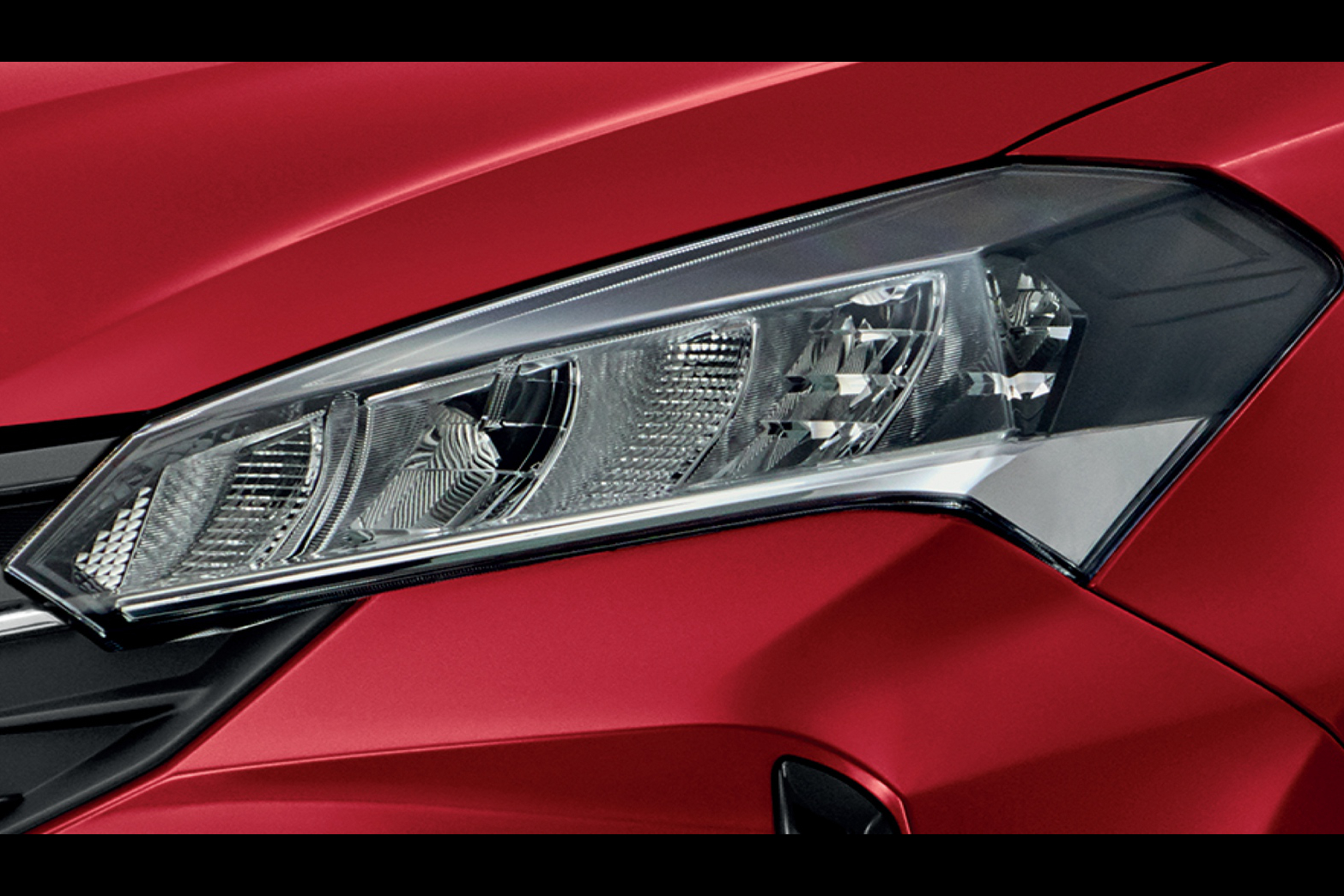
Let’s start with the exterior. The design of the 2020 Myvi appears younger compared to the previous model. The front features a large trapezoidal grille with black honeycomb-style inserts, flanked by sharp LED headlights with high recognizability; the fog lamp areas below the headlights are recessed, paired with silver front lip decorations, making the front end look less monotonous. The side profile of the car has smooth lines, with a waistline that extends from the A-pillar to the rear. Although not exaggerated, it adds a bit of dynamism. The 15-inch alloy wheels have a standard design, paired with 175/65 R15 tires, which align with the positioning of this segment. At the rear, the LED taillights have a horizontal design, echoing the front headlights, while the black plastic bumper trim at the lower part of the rear adds a touch of SUV-like crossover design. Overall, the exterior is "pleasantly attractive," neither overly flashy nor overly dull.
Stepping inside, the interior layout is focused on practicality. The dashboard is made primarily of hard plastic materials, which is expected given the price range, but the panel gaps are well-controlled, avoiding a cheap feel. The multifunction steering wheel is wrapped in leather, offering a moderate grip. The buttons on the left side allow easy control of volume, track changes, and call answering, making operations very convenient. The instrument panel features a self-illuminating analog design, clearly displaying RPM, speed, fuel levels, and other information—even under direct sunlight. The central screen is a 7-inch touchscreen, which, although not exceptionally fast, operates smoothly enough for daily use. It supports Bluetooth connectivity and USB input, sufficient for listening to music and navigation. Below the screen, the air-conditioning control area uses physical buttons. The knobs and buttons have a decent tactile resistance, allowing for blind operation without issues. In terms of features, keyless entry and start, automatic LED headlights, and electrically folding side mirrors are all included, making it more user-friendly compared to some competitors at the same price point.
In terms of space, with body dimensions of 3895mm×1735mm×1515mm and a wheelbase of 2500mm, the car falls into the mid-range level within the B-Segment. The front seats are manually adjustable. At 175cm tall, after adjusting my driving posture, there is still a clearance of one fist and two fingers above my head, and my legs don’t feel cramped. The rear seats can accommodate three adults, although it might feel a bit tight—two people, however, will sit comfortably, with about one fist of legroom and one fist of headroom. The floor in the middle rear seat has a low hump, which minimally affects the comfort of the middle passenger. The rear seats are also equipped with air-conditioning vents and two USB charging ports, showing thoughtful attention to detail. The trunk provides a capacity of 277L, capable of fitting two 20-inch suitcases. The rear seats can be folded down in a 60:40 split, expanding the space to accommodate larger items like strollers or folding bicycles.
Dynamic experience section, the 1.3L naturally aspirated engine delivers a maximum horsepower of 95PS and a peak torque of 121N·m, paired with a 5-speed manual transmission. When starting, the clutch engagement point is quite clear, making it easy for beginners to handle. After giving some throttle, the power output is smooth, and you can feel the torque come on around 1500rpm. In city driving, following traffic and starting off does not feel sluggish. Upon accelerating to 60km/h and continuing to press the accelerator, the power remains adequate. Downshifting during overtaking and pulling the revs to over 4000rpm releases noticeable torque, making the overtaking process smooth. There is only a normal driving mode, but it is completely sufficient for daily use.
In terms of handling, the steering wheel is relatively light, making U-turns and parking in the city effortless. On the highway, it becomes slightly heavier and offers good stability. The front suspension is a MacPherson independent suspension, while the rear is a torsion beam non-independent suspension, tuned for comfort. While passing speed bumps or bumpy roads, the suspension filters out most of the jolts and does not deliver harsh impacts. When cornering, body roll is not significant, and the support is adequate, giving no sense of instability during daily driving. The braking performance is standard; the pedal travel is moderate, and the release of braking force is linear. During emergency braking, the body posture remains stable.
In terms of fuel consumption, the official combined fuel consumption is 4.7L/100km. This test drive involved a roughly equal mix of urban and suburban driving, with the air conditioning running throughout. The final displayed fuel consumption was 5.2L/100km, which is quite close to the official figures, reflecting good fuel economy. As for noise control, at speeds below 60km/h in the city, tire noise and wind noise are not noticeable, and engine noise is minimal. At 100km/h on the highway, wind noise becomes slightly more evident but remains within an acceptable range and does not disrupt in-car conversations.
Safety features are a highlight of this car, as it comes standard with ABS, vehicle stability control, autonomous emergency braking, forward collision warning, four airbags (driver, passenger, front side airbags), front and rear parking sensors, and hill-start assist. These features are rarely seen in B-segment models at the same price level, providing a great sense of security.
Overall, the 2020 Perodua Myvi 1.3L G MT's core strengths are its high cost-effectiveness and advanced safety features, practical space, fuel economy, and ease of driving with a manual transmission. Compared to competitors like the Proton Iriz 1.3 MT, the Myvi offers more comprehensive safety features and lower fuel consumption. When compared to the Honda Brio 1.2 MT, the Myvi has more space and better overall configuration. It is suitable for budget-conscious families who prioritize safety and practicality, fulfilling daily commuting needs and weekend family outings. If you are looking for an economical, safe, and practical small car, the Myvi is worth considering.
Perodua Myvi Car Compare

Perodua Myvi Loan Calculator
More Perodua Reviews
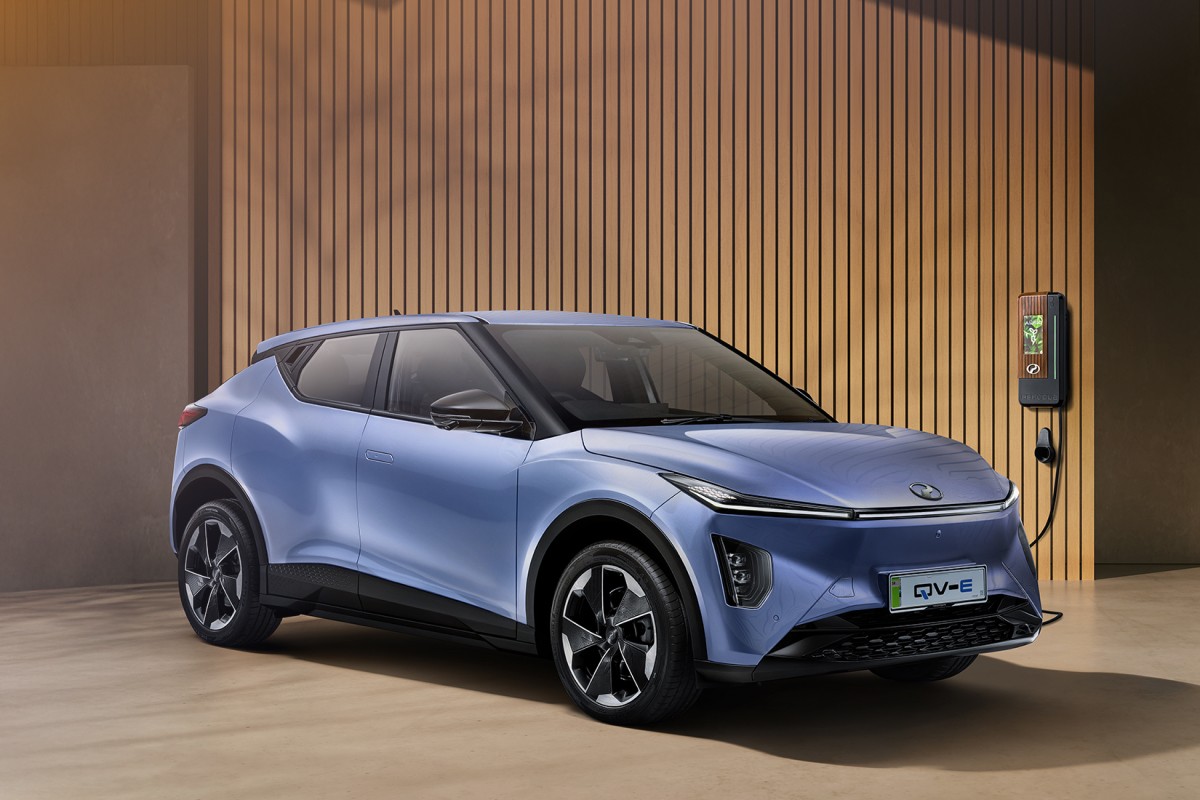
Cars With Similar Price And Features
4
Rank in Hatchback
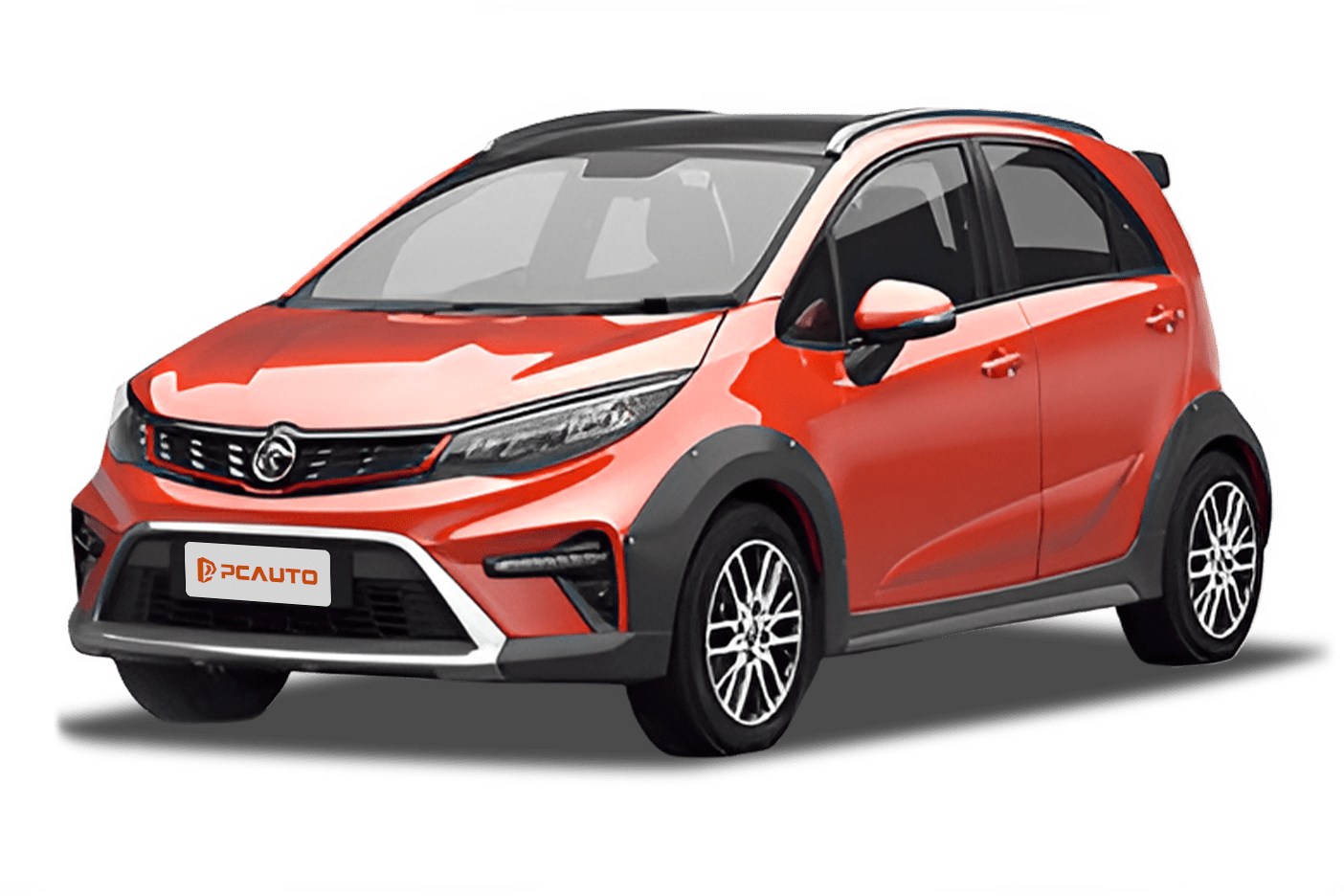
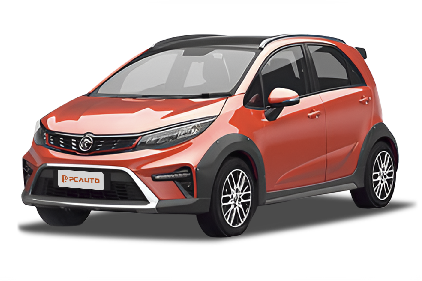
2023 Proton Iriz 1.3 Standard CVT is an affordable, well-balanced entry-level B-segment hatchback with safety features, suitable for budget-conscious families focusing on safety and practicality for daily commuting.

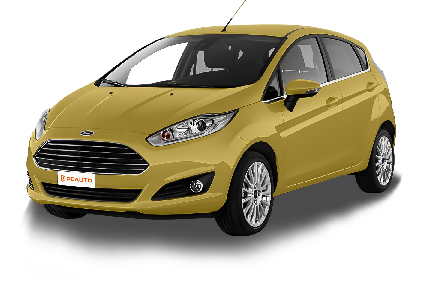
2022 Ford Fiesta public is a B-Segment model with responsive power, economical fuel consumption, and rich safety features, suitable for young families or individual users who prioritize driving experience and safety.
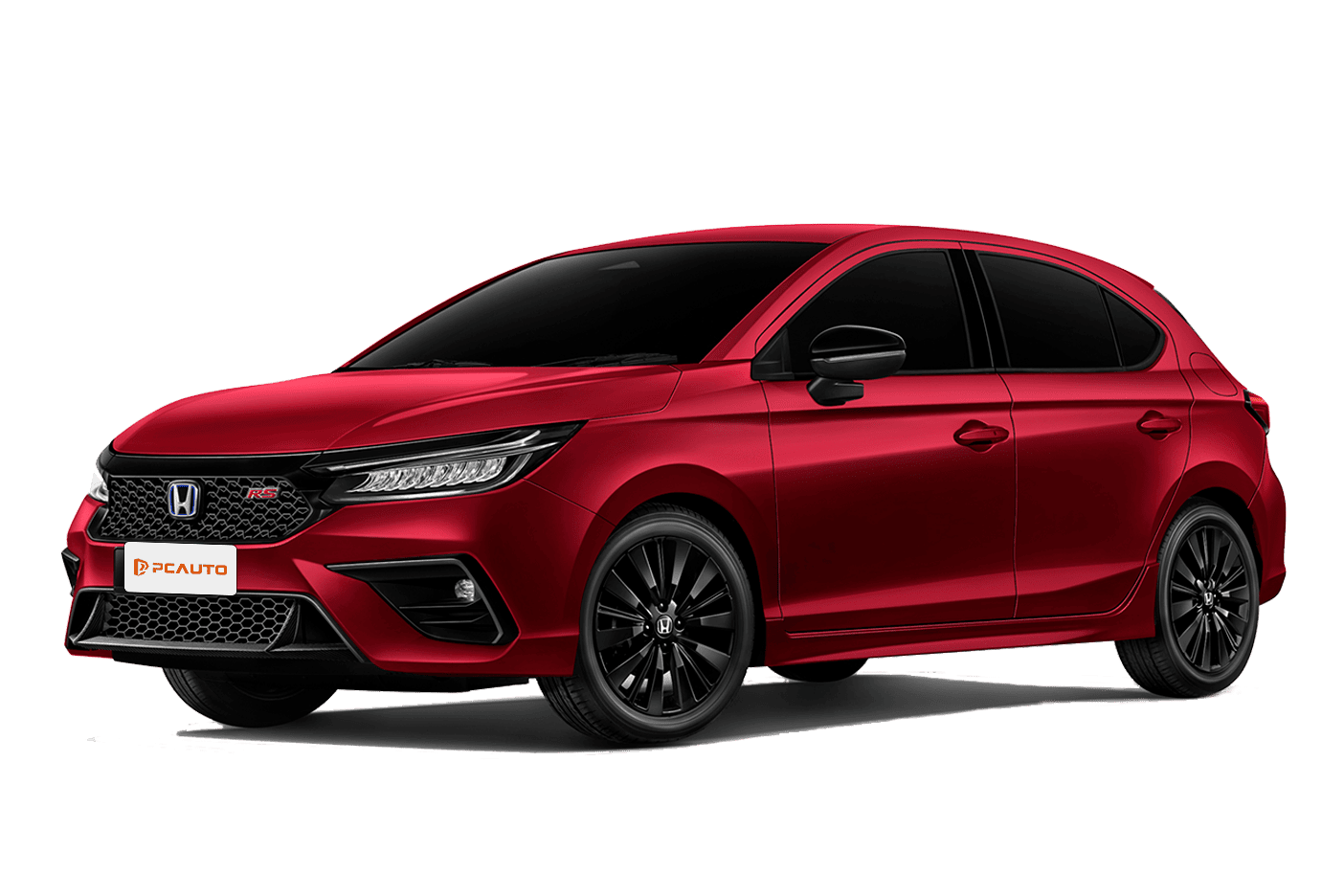
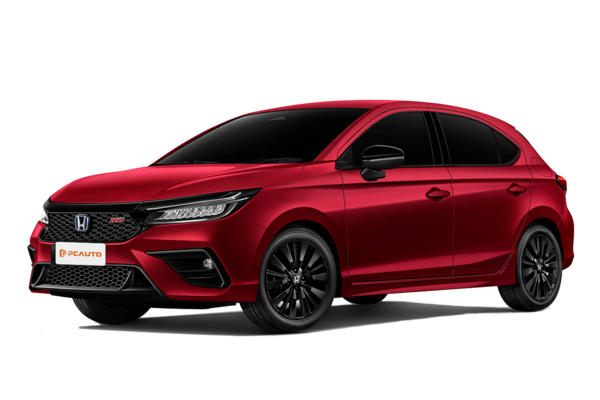
2024 Honda City Hatchback 1.5 S, as a high-value entry-level hatchback, comes standard with Honda Sensing and 6 airbags, offering practical space, economical fuel consumption, and balancing safety with daily commuting needs.
3
Rank in Hatchback
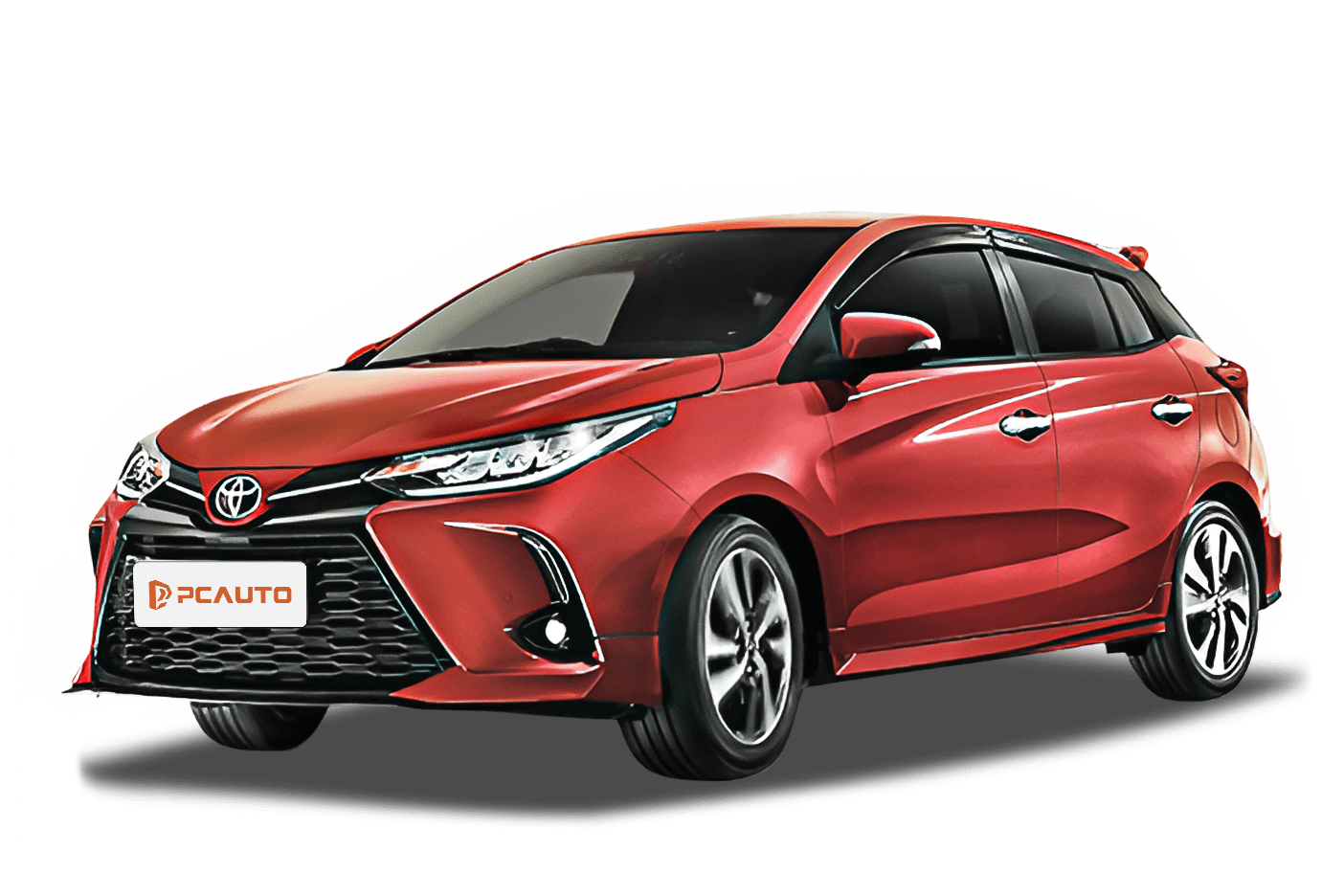
2024 Toyota Yaris 1.5E serves as the main entry-level household model, emphasizing durability, upgraded with a 360-degree parking camera and Optitron instrument panel. Its practical space, smooth power delivery, and high cost-performance ratio align well with family commuting needs.