

2020 Perodua Myvi 1.5L AV (A.S.A.2.0) Review

 Share
Share.jpg)
.jpg)
.jpg)
 Segment
 Body Type
 Capacity(L)
 Engine Power(PS)
 Transmission
 Driven Wheels
In Malaysia's B-segment hatchback market, practicality, fuel efficiency, and value for money have always been the core focus of consumers. As a perennial best-seller in this segment, the 2020 Perodua Myvi 1.5L AV (A.S.A.2.0) version continues to maintain its top sales position with upgraded safety features and balanced performance. In this test drive, we focused on verifying whether its power is sufficient for daily use, the practical usability of its safety system, and whether its space can truly meet the needs of small families—after all, these are the "hard indicators" Malaysian users consider when choosing a car.
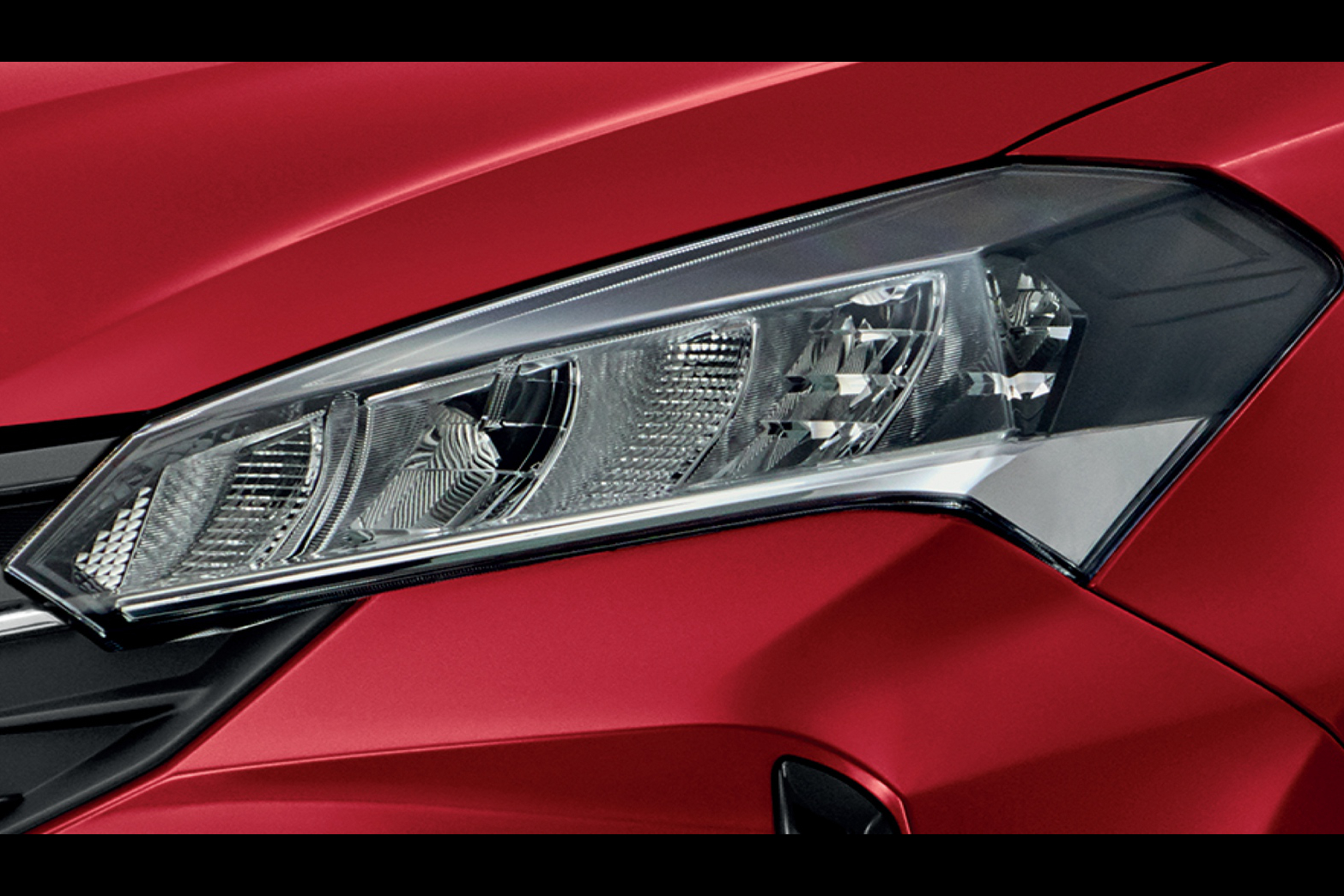
Starting with the exterior, the 2020 Myvi 1.5L AV continues its rounded and full-bodied design style but adds a touch of refinement in the details. The front face features a large trapezoidal lower grille with chrome accents, flanked by sharp-looking LED headlights, which come equipped with automatic lighting and daytime running lights as standard, providing decent recognition when illuminated. The side profile features smooth lines, and the 15-inch wheels are well-proportioned to the overall body, avoiding a cramped appearance. At the rear, the horizontally designed LED taillights echo the front design, while the lines of the rear bumper add a sense of layering to the rear end. The overall design is not overly ostentatious but rather enduring and in line with mainstream aesthetics.
Inside, the cabin features a predominantly dark color scheme with a straightforward and clean dashboard layout. In terms of materials, although hard plastic is widely used, the fit and finish are well-controlled, avoiding a cheap feel. The center console is equipped with a touchscreen supporting Sound Plus functionality, with decent operational smoothness, making it convenient for everyday navigation and connecting mobile Bluetooth. The instrument panel features electronic illuminated analog styling, providing a clear display with information on RPM, speed, and fuel levels clearly visible at a glance. In terms of features, keyless entry and start, automatic air conditioning, and a multifunction steering wheel are standard across the board. Notably, the automatic air conditioning is highly practical in Malaysia's hot weather. The seats are manually adjustable, with good support in the front seats that won't cause discomfort during long rides. The rear seats can be folded down in a 60:40 split, expanding the trunk space from a regular 277L to a more usable volume, making it convenient for placing strollers or large luggage.
Space performance meets the expectations of a B-segment model, with a 2500mm wheelbase providing ample front-row seating space. A passenger with a height of 175cm will have enough headroom and legroom in the front row. The rear-row space offers about a fist's distance of legroom for adults, and headroom is sufficient as well. Short rides won't feel cramped; the nearly flat floor at the center allows for a third person to sit without feeling overly tight. As for storage space, the front door pockets can hold two water bottles, and there is a small storage slot below the center console for phones or wallets. The glove compartment on the passenger side is also spacious, providing adequate room for daily personal items.
Regarding power, the 1.5L naturally aspirated engine delivers a maximum power output of 103PS and maximum torque at 4200rpm, paired with an AT transmission. During everyday driving, the car starts smoothly, and the throttle responds promptly. It handles city low-speed driving nimbly and provides adequate power for overtaking when accelerating to 60-80km/h. However, at higher speeds, the engine feels somewhat lacking in reserve power, which is expected given its small displacement. There are two driving modes: normal and eco. In eco mode, the throttle response is slower, but fuel efficiency improves. The official combined fuel consumption is 5L/100km. During the test drive, it averaged around 6L under urban congested conditions and dropped to 4.8L on highways, making it quite competitive in the Malaysian market in terms of fuel economy.
In terms of handling, with the front MacPherson independent suspension, the chassis does a good job filtering small bumps during daily driving. When passing over speed bumps, the suspension absorbs most of the vibrations, so there is no obvious jolting sensation. The steering is precise with minimal play, and it feels agile for city lane changes or parking lot maneuvers. The vehicle stability control system comes as standard, and during high-speed cornering, the body roll is controlled within a reasonable range without feeling unstable. The braking performance is also good, providing linear deceleration—how much you press is how much you get, which instills plenty of confidence.
The safety features are the highlight of this car, coming equipped with the A.S.A. 2.0 advanced safety system, which includes Forward Collision Warning, Autonomous Emergency Braking, six airbags, front and rear parking sensors, and a rearview camera. During the test drive, the Forward Collision Warning system was specifically tested: when following too closely, the system promptly issued a warning. The Autonomous Emergency Braking also worked well at low speeds, effectively preventing low-speed rear-end collisions in urban environments. The level of safety features is relatively high among vehicles in its class, making it very appealing for safety-conscious family users.
In terms of riding comfort, the sound insulation is average for its class. When driving in the city, tire and wind noise are not noticeable, but on highways, tire noise becomes slightly more pronounced, although it does not affect normal conversations. The seats are quite comfortable. Does the rear row include air-conditioning vents? Oh, it’s not mentioned on the feature list, and during the test drive, it was found that there are no air-conditioning vents in the rear, which is a minor regret. However, the front automatic air-conditioning performs well, swiftly cooling down the interior.
Overall, the core advantages of the 2020 Perodua Myvi 1.5L AV lie in its balance—high safety features, excellent fuel economy, and practical space. With a price of RM 52,697, it is highly cost-effective. Compared to competitors in the same class, like the Proton Iriz, the Myvi offers better fuel efficiency and more advanced safety features; compared to the Honda Jazz, the Myvi is more affordable. It is well-suited for small families who prioritize safety and fuel economy, as well as for young professionals who have just started their careers. It is ideal for daily commuting and short weekend trips with family.
In summary, the 2020 Perodua Myvi 1.5L AV is a well-rounded B-segment hatchback with no significant weaknesses. It solidifies its position in the Malaysian market with practical configurations, reliable performance, and an affordable price, making it a family car worth considering.
Perodua Myvi Car Compare

Perodua Myvi Loan Calculator
More Perodua Reviews
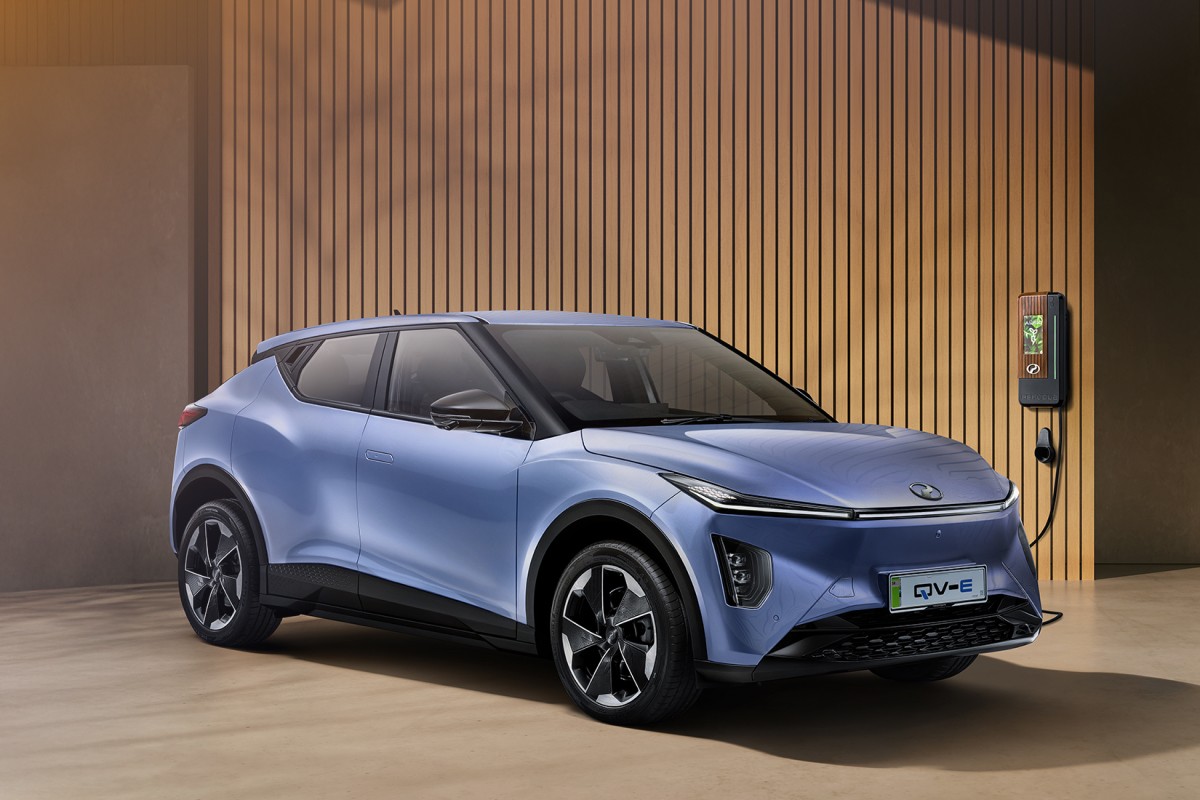
Cars With Similar Price And Features
4
Rank in Hatchback
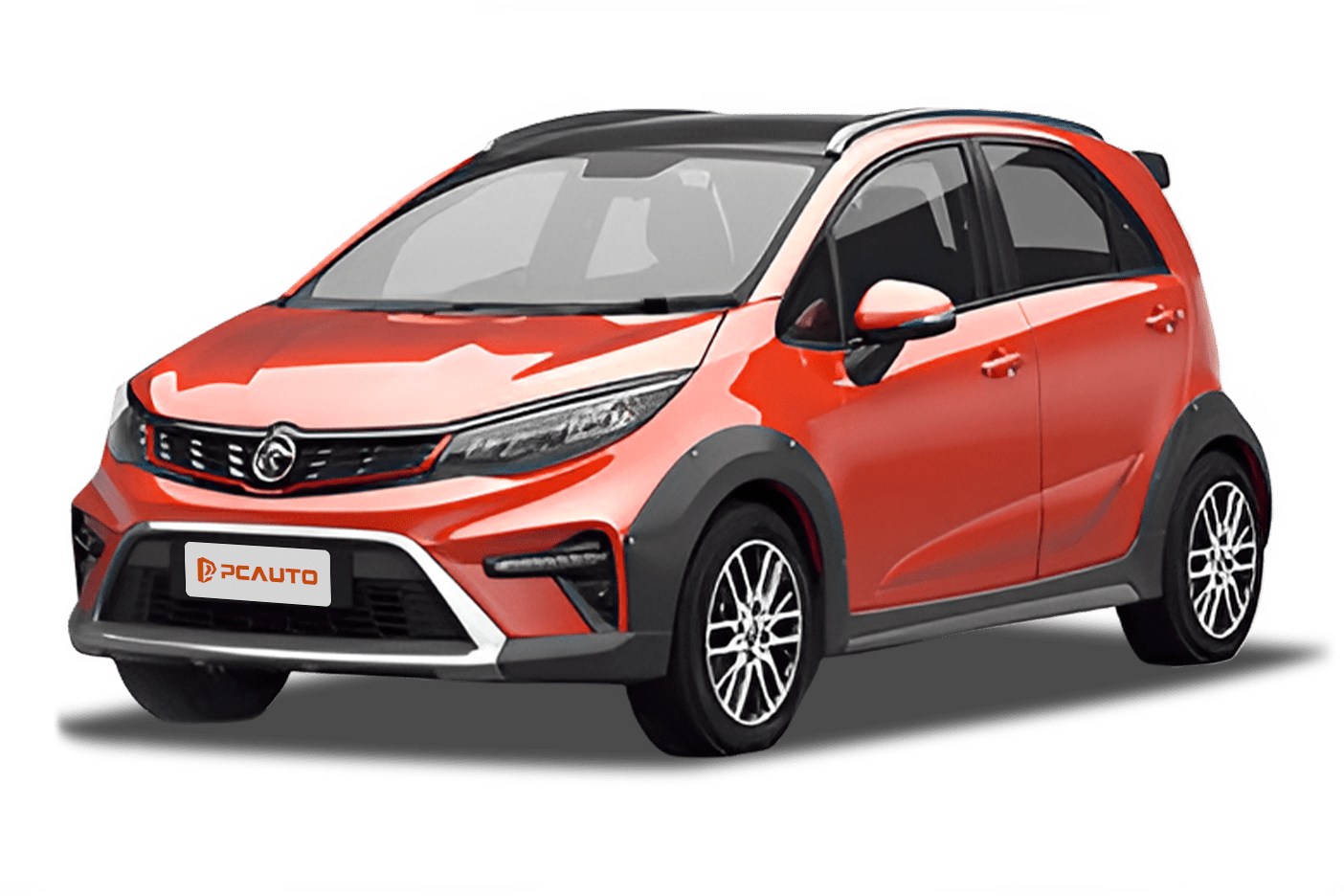
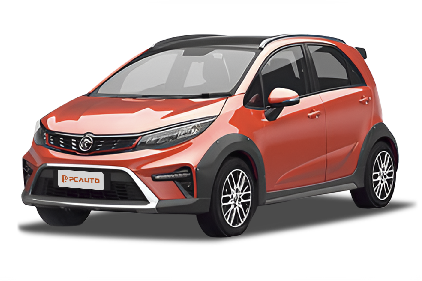
2023 Proton Iriz 1.3 Standard CVT is an affordable, well-balanced entry-level B-segment hatchback with safety features, suitable for budget-conscious families focusing on safety and practicality for daily commuting.

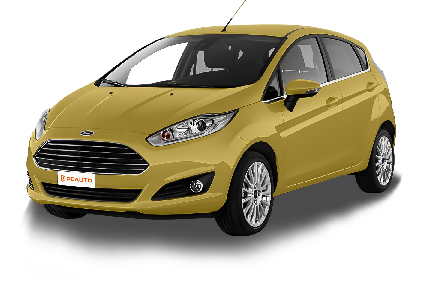
2022 Ford Fiesta public is a B-Segment model with responsive power, economical fuel consumption, and rich safety features, suitable for young families or individual users who prioritize driving experience and safety.
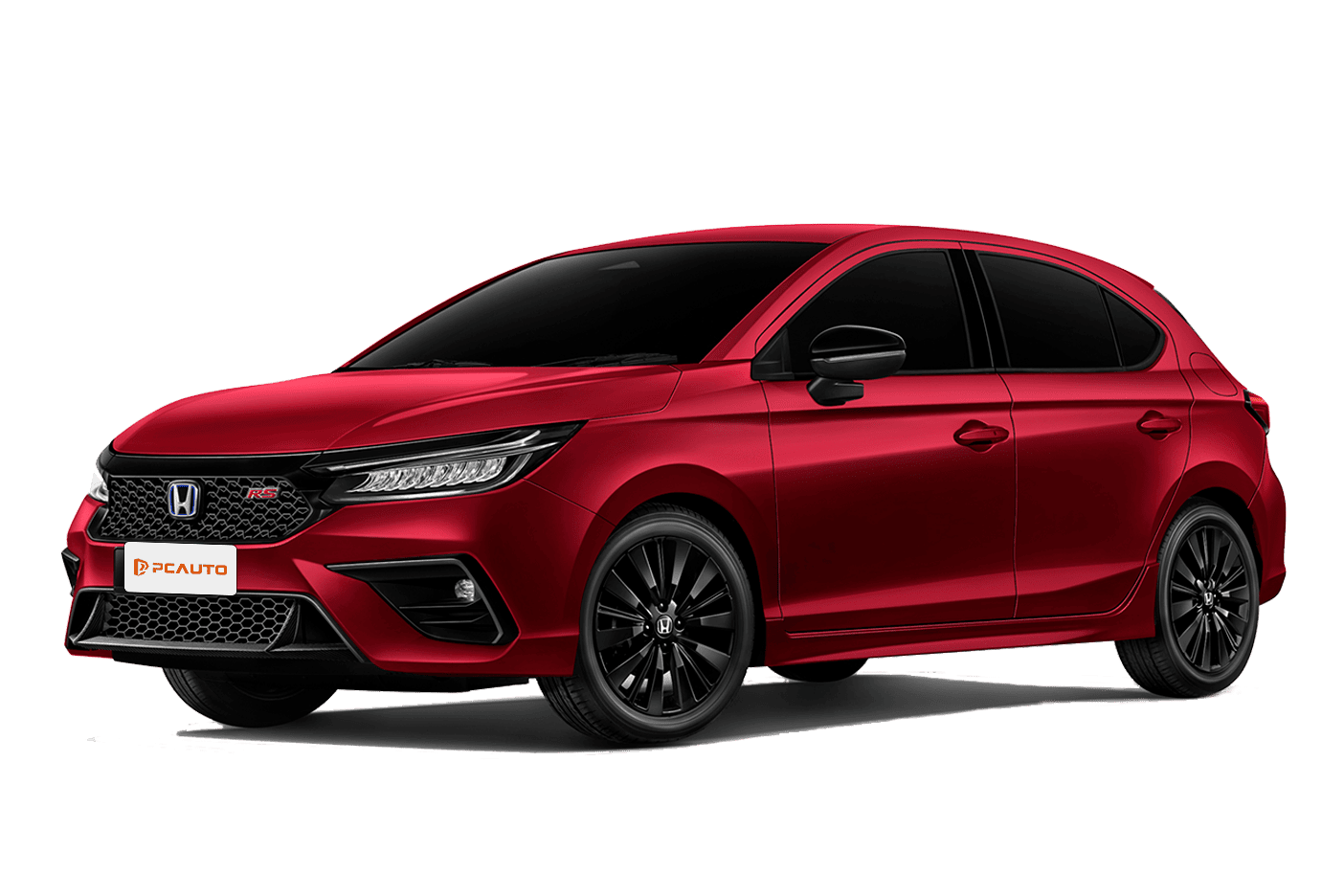
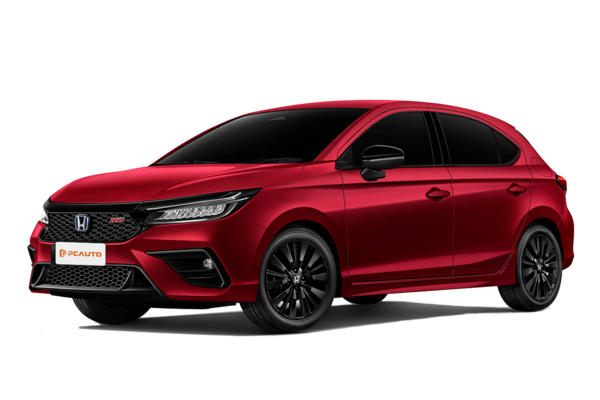
2024 Honda City Hatchback 1.5 S, as a high-value entry-level hatchback, comes standard with Honda Sensing and 6 airbags, offering practical space, economical fuel consumption, and balancing safety with daily commuting needs.
3
Rank in Hatchback
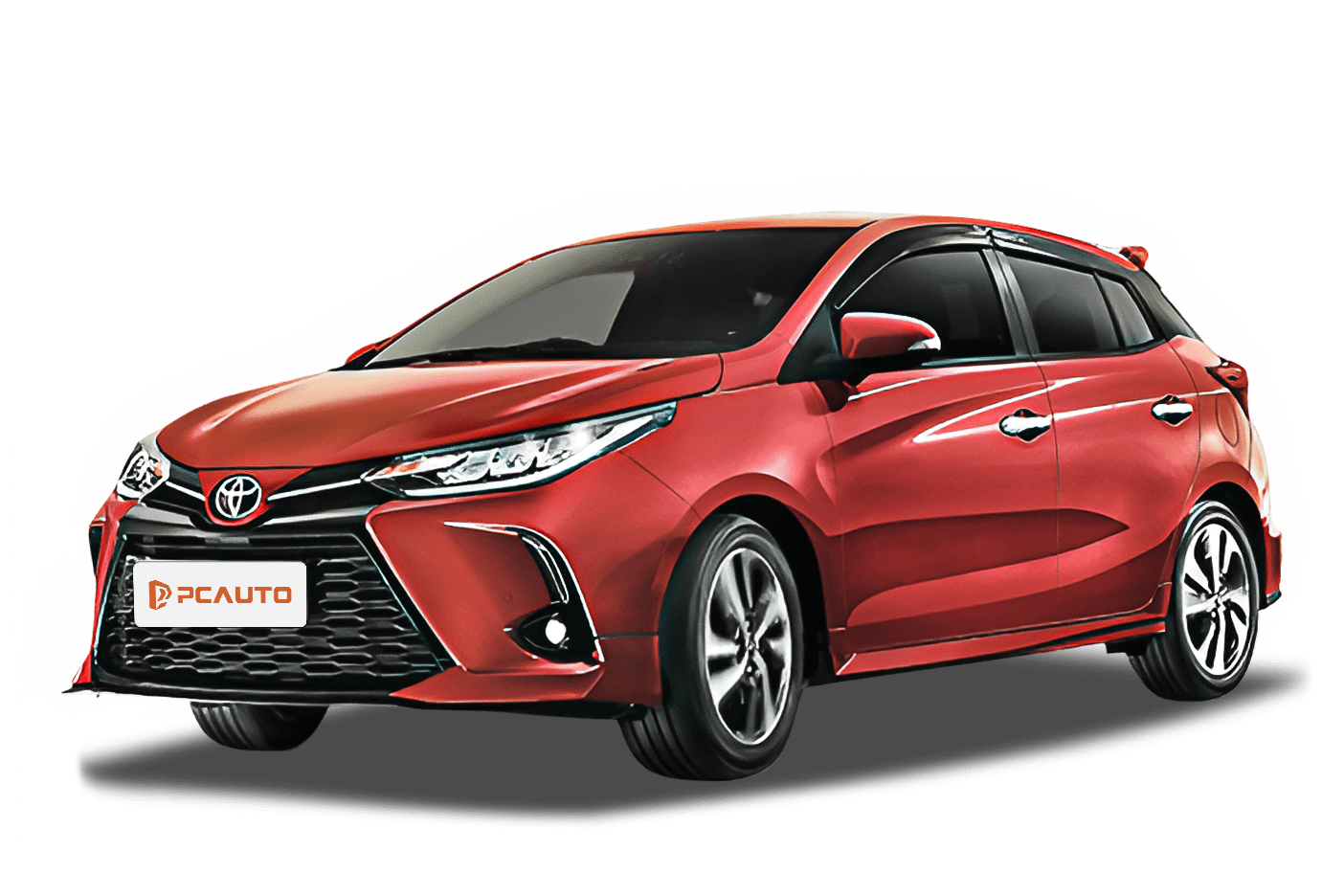
2024 Toyota Yaris 1.5E serves as the main entry-level household model, emphasizing durability, upgraded with a 360-degree parking camera and Optitron instrument panel. Its practical space, smooth power delivery, and high cost-performance ratio align well with family commuting needs.