

2020 Perodua Myvi 1.5L H (A.S.A.2.0) Review

 Share
Share.jpg)
.jpg)
.jpg)
 Segment
 Body Type
 Capacity(L)
 Engine Power(PS)
 Transmission
 Driven Wheels
In recent years, the competition in Malaysia's B-segment hatchback market has grown increasingly intense. Consumers not only prioritize everyday practicality but are also paying more attention to safety features and fuel efficiency. The 2020 Perodua Myvi 1.5L H (A.S.A.2.0), as a popular model in this segment, has attracted the attention of many family users with its comprehensive active safety system, affordable pricing, and well-rounded mechanical performance. This test drive will focus on its static design, space practicality, and dynamic driving experience to evaluate whether it meets the daily needs of most users.
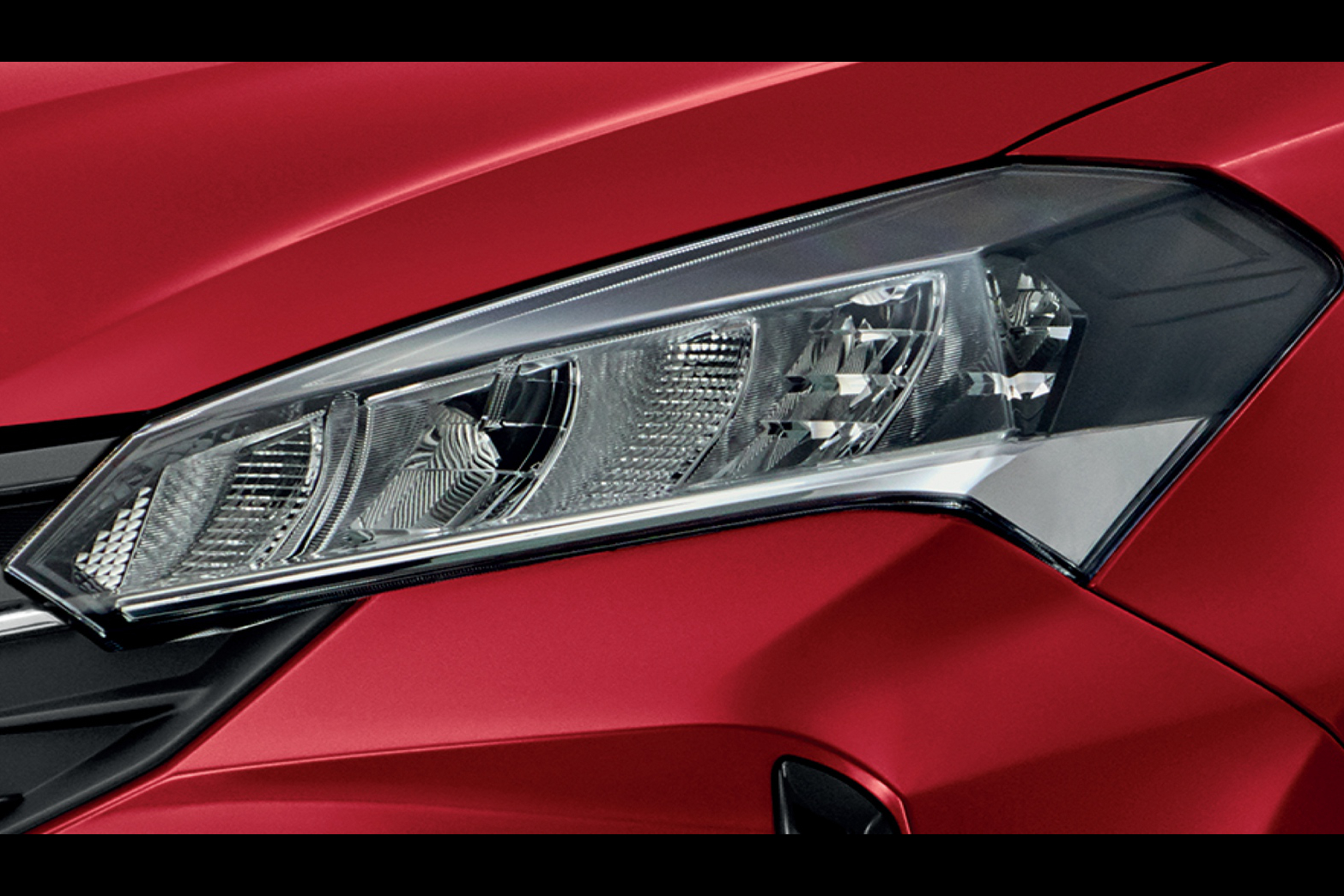
From the exterior, the 2020 Myvi 1.5L H continues the rounded design of the current model, with an overall young and stylish look. The front features a large lower grille paired with chrome trim, while the LED headlights on both sides are integrated with the grille, creating a wider visual appearance. Automatic headlights and daytime running lights are standard, making everyday use more convenient. The side profile of the body has smooth lines, with 15-inch tires paired with multi-spoke wheels, creating a balanced proportion. At the rear, the LED taillights adopt a horizontal design that echoes the front, and it features rear fog lights and a high-mounted brake light, ensuring decent visibility. However, the body lacks aggressive sporty elements and leans more towards a family-oriented position overall.
Inside the car, the interior features a dark tone with silver accents, and the dashboard layout is simple and clear. The center console is equipped with a touchscreen that supports basic multimedia functions with reasonable smoothness in operation. Below the screen are physical buttons for the air conditioning, which is digitally adjustable with precision and convenient for blind operation. The multifunctional steering wheel supports volume control, Bluetooth calls, and other functions; it feels comfortable to hold and is ergonomically designed. The seats are made of fabric material and manually adjustable in the front; both the backrest and seat cushion provide good support, making long durations of sitting comfortable. The instrument cluster is an electronic analog type, displaying information such as RPM, speed, and fuel level clearly, meeting the needs of daily viewing.
In terms of space performance, the dimensions are 3895mm×1735mm×1515mm, with a wheelbase of 2500mm, placing it at the mainstream level for its class. The front row provides ample space, and a 175cm tall passenger has about one fist worth of headroom after adjusting the seat. Rear-row space is average, offering about two fists of legroom for a passenger of the same height, though headroom is slightly cramped. Nonetheless, it suffices for everyday family use. The rear row is equipped with ISO FIX child seat anchors, which add to its practicality. The trunk offers a 277L cargo capacity, and the rear seats can be folded down in a 60:40 split to create a larger storage space, accommodating larger items such as strollers or suitcases. The car interior is equipped with a good number of storage compartments, including door storage slots, a central armrest box, and front cup holders, making it convenient for storing small everyday items.
As for performance, the 1.5L naturally aspirated engine delivers a maximum power of 103PS/6000rpm and a maximum torque of 136Nm/4200rpm, paired with a 4-speed automatic transmission. The power delivery is smooth during acceleration, with decent low-end torque to ensure that following traffic or starting in urban areas is not sluggish. During acceleration, the transmission's shifting logic is clear, though the 4-speed automatic exhibits slight jolts during sudden accelerations with a rapid rise in RPM. At highway speeds of 120km/h, the engine maintains a RPM of around 3000, providing adequate power for overtaking while being somewhat lacking in top-end acceleration. There is only a standard driving mode available, making it sufficient for daily commuting, but it lacks the driving excitement that a sports mode could bring.
In terms of handling, the front MacPherson independent suspension is tuned for comfort. It performs well in absorbing vibrations from speed bumps or minor jolts commonly encountered in urban areas. However, when encountering larger potholes, the suspension rebounds slightly faster, which may cause mild jolting for rear-seat passengers. The steering is light with minimal play, allowing for precise daily maneuvering and ease in parking or making U-turns. The vehicle stability control system is standard, and the body roll is kept within reasonable limits during high-speed cornering, resulting in decent overall stability. The braking performance is average, with a linear feedback from the brake pedal, and the braking distance meets the standards for family cars.
Fuel economy is one of Myvi's strengths, with an official combined fuel consumption of 5L/100km. This test drive included urban traffic and highway segments, and the actual combined fuel consumption was around 5.5L/100km, which is close to the official figures. For family users, the fuel cost is relatively low. The engine start-stop technology is standard, automatically shutting off the engine at red lights to save fuel, though the restart does cause slight vibrations. In terms of noise control, tire and wind noise are insignificant during city driving, but engine and road noise can be heard inside the cabin at high speeds — still within acceptable limits.
Active safety configurations are the core highlight of the 1.5L H model, featuring the A.S.A.2.0 advanced safety system, which includes forward collision warning, autonomous emergency braking, and lane departure warning. These functions effectively reduce collision risks in daily driving. For passive safety, the vehicle is equipped with 6 airbags, ABS, and vehicle stability control, offering better safety performance than some competitors in the same price range. However, this model does not come with a reverse camera and relies solely on front and rear parking sensors, which may be slightly inconvenient for new drivers.
In conclusion, the 2020 Perodua Myvi 1.5L H (A.S.A.2.0)'s core strengths lie in its comprehensive safety features, affordable price, and commendable fuel economy. Compared to similar models like the Proton Iriz, it offers a more complete active safety system and has a price advantage, though it slightly lags in driving smoothness and interior quality. This car is suitable for safety-conscious, budget-minded family users, especially those who need a vehicle for daily commuting and dropping off kids. If you're seeking driving excitement or richer technological features, you might want to consider other models. However, if you need a reliable and practical family hatchback, the Myvi 1.5L H is a solid choice.
Perodua Myvi Car Compare

Perodua Myvi Loan Calculator
More Perodua Reviews
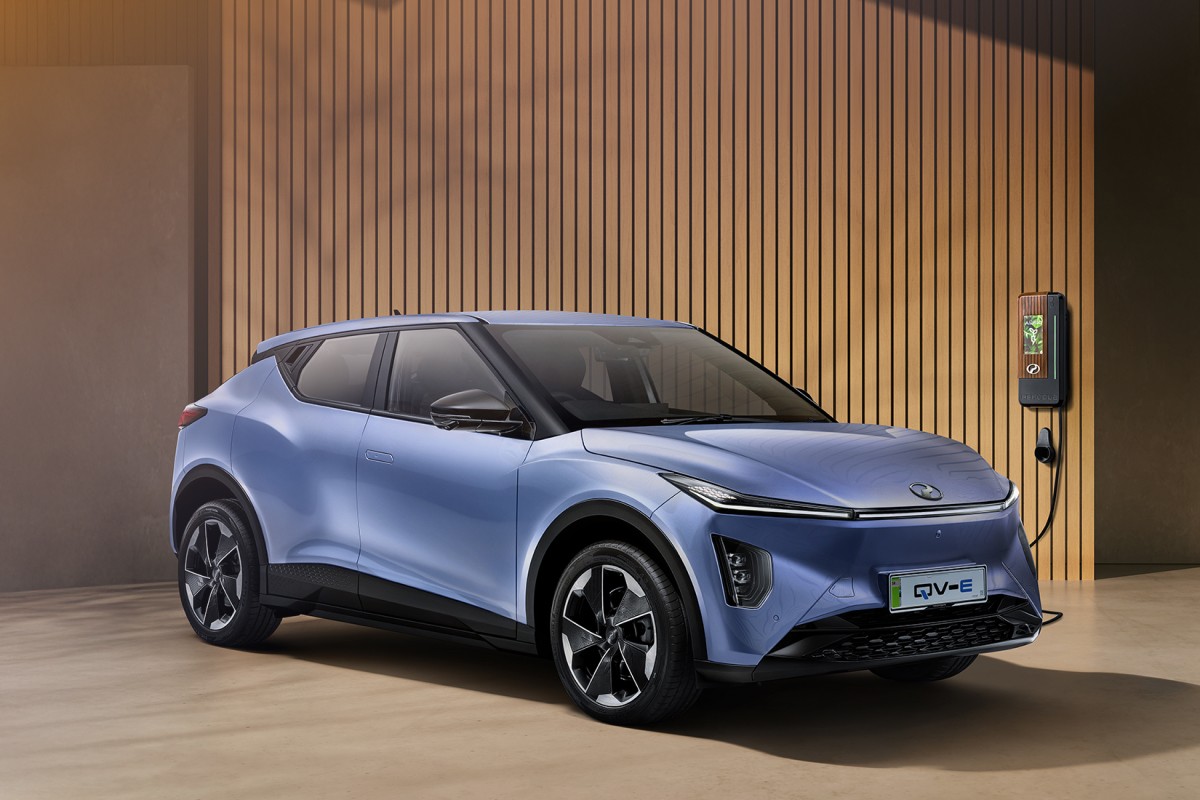
Cars With Similar Price And Features
4
Rank in Hatchback
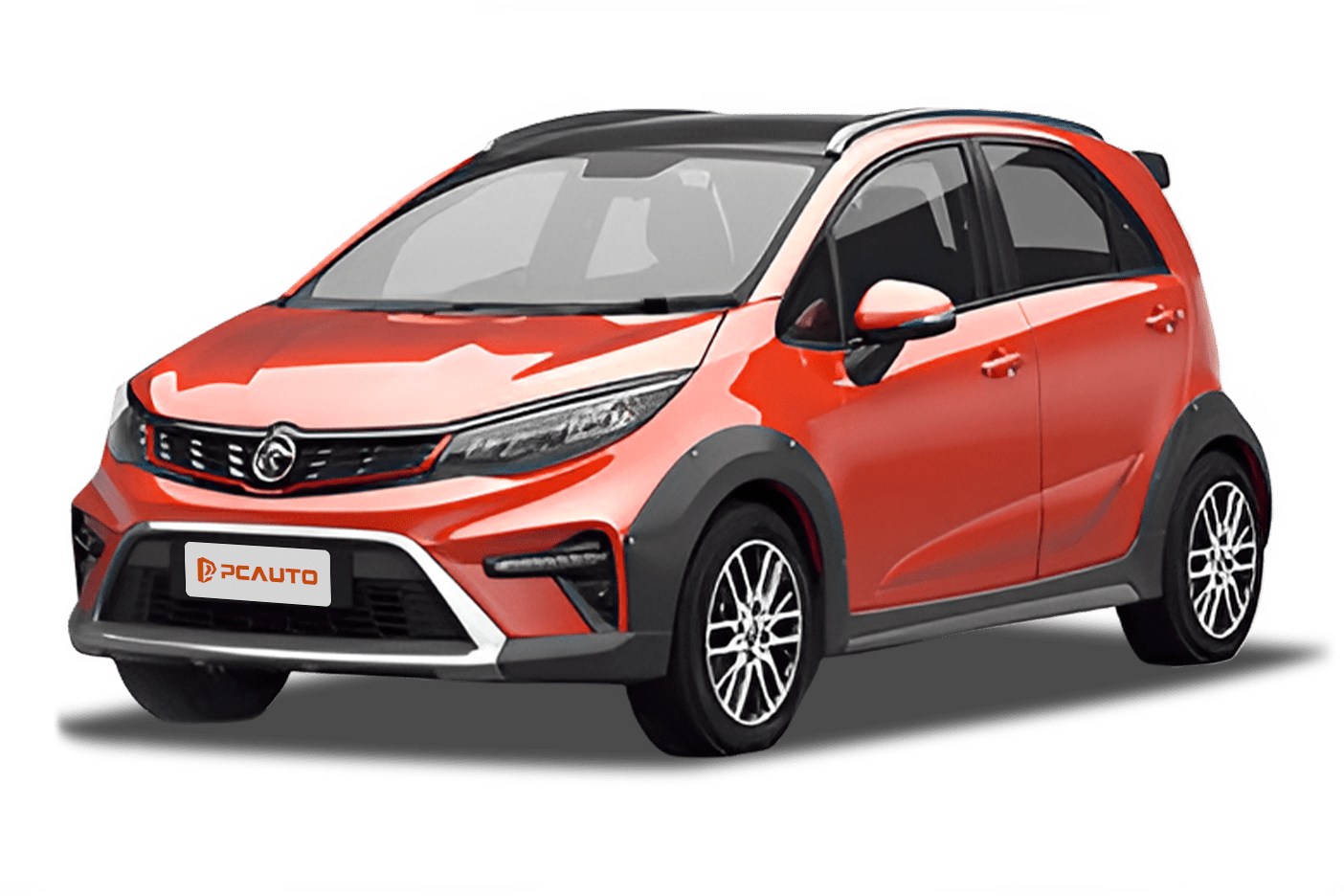
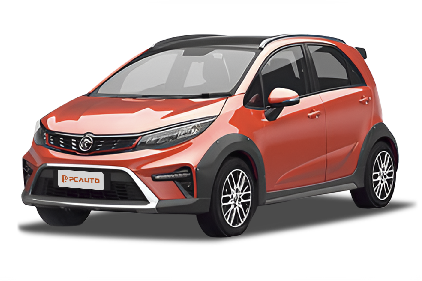
2023 Proton Iriz 1.3 Standard CVT is an affordable, well-balanced entry-level B-segment hatchback with safety features, suitable for budget-conscious families focusing on safety and practicality for daily commuting.

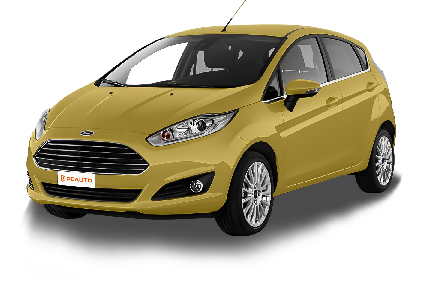
2022 Ford Fiesta public is a B-Segment model with responsive power, economical fuel consumption, and rich safety features, suitable for young families or individual users who prioritize driving experience and safety.
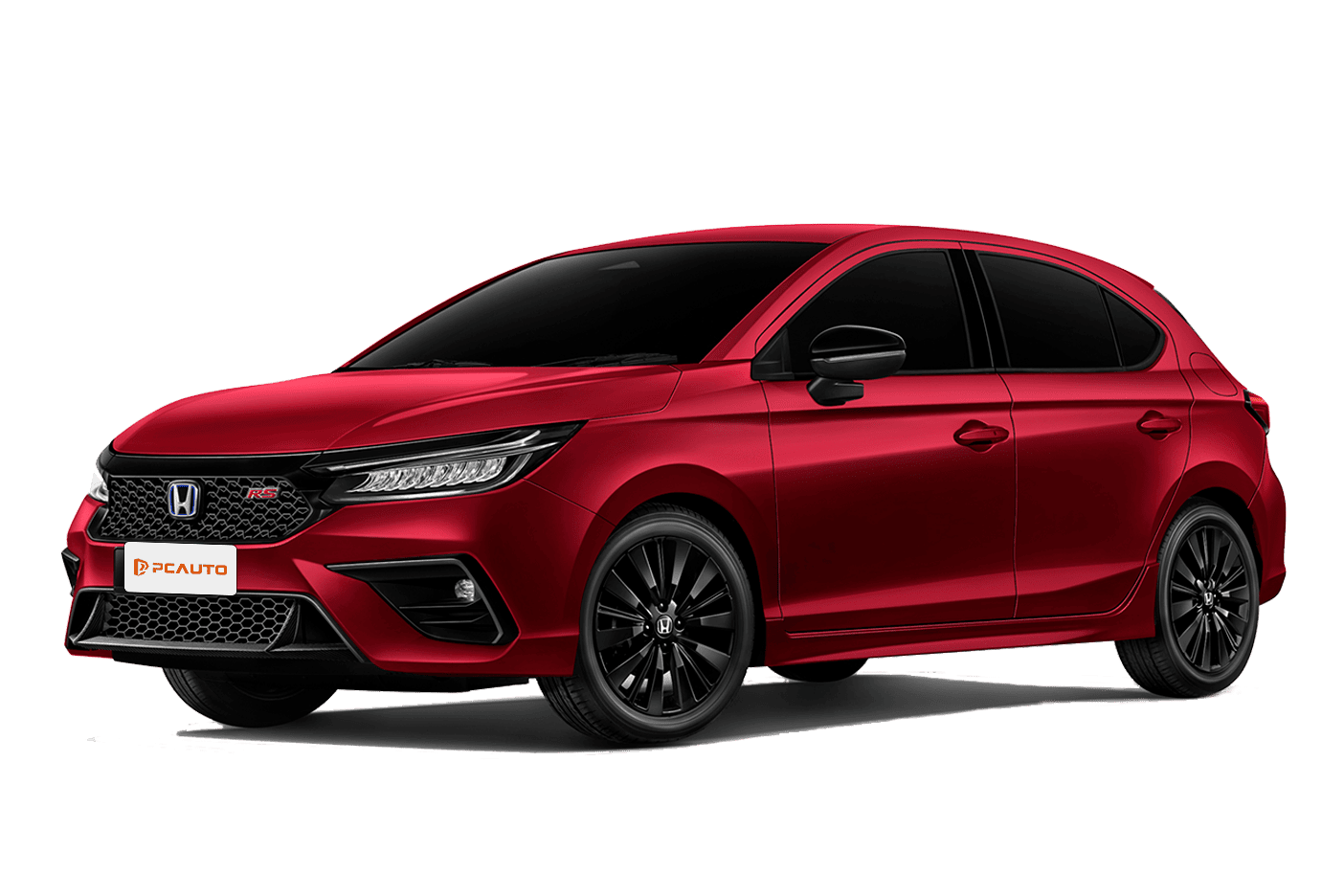
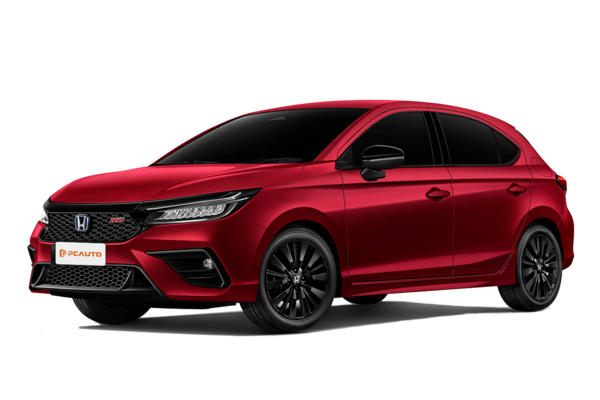
2024 Honda City Hatchback 1.5 S, as a high-value entry-level hatchback, comes standard with Honda Sensing and 6 airbags, offering practical space, economical fuel consumption, and balancing safety with daily commuting needs.
3
Rank in Hatchback
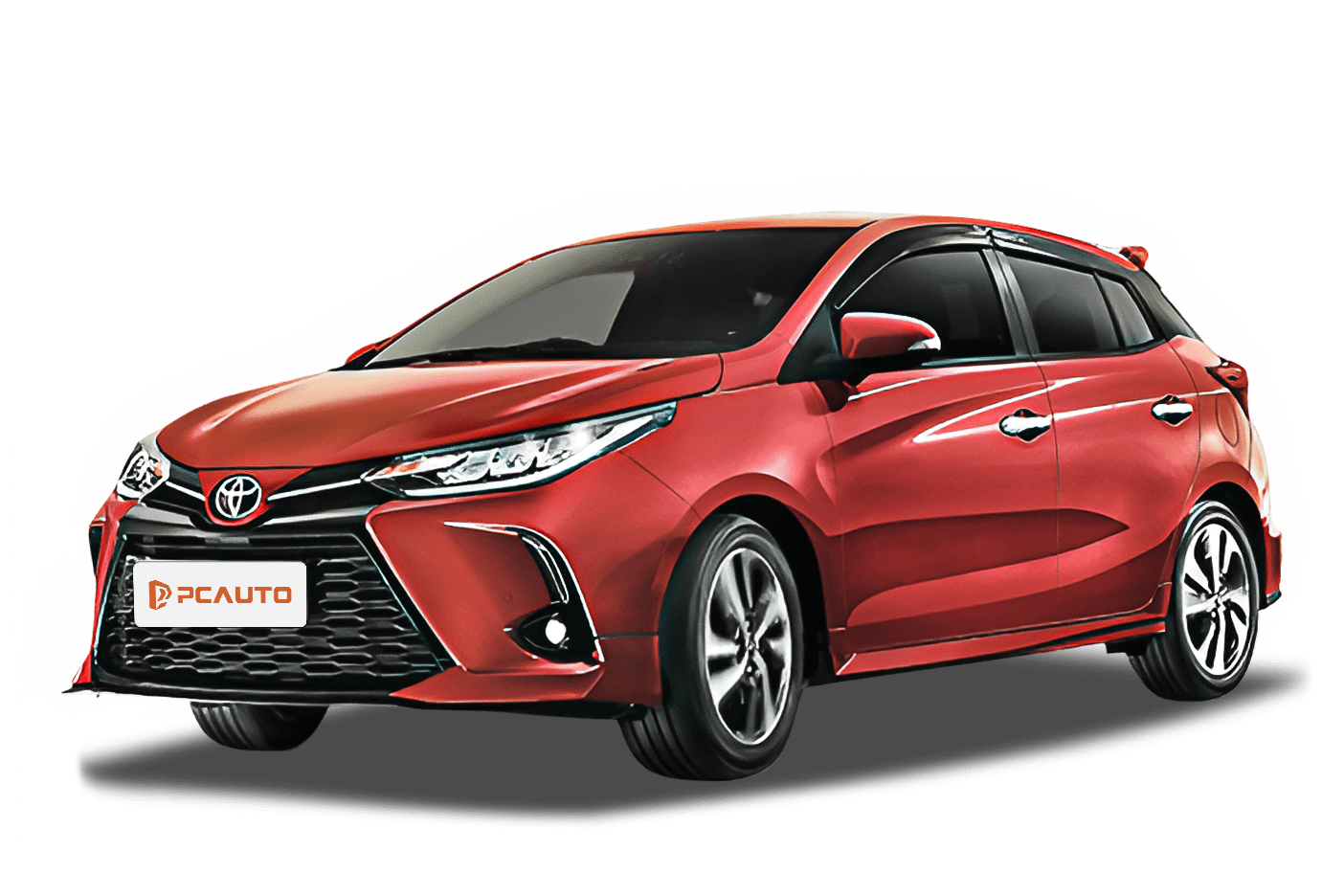
2024 Toyota Yaris 1.5E serves as the main entry-level household model, emphasizing durability, upgraded with a 360-degree parking camera and Optitron instrument panel. Its practical space, smooth power delivery, and high cost-performance ratio align well with family commuting needs.