

2021 Hyundai Kona Electric e-Lite Review

 Share
Share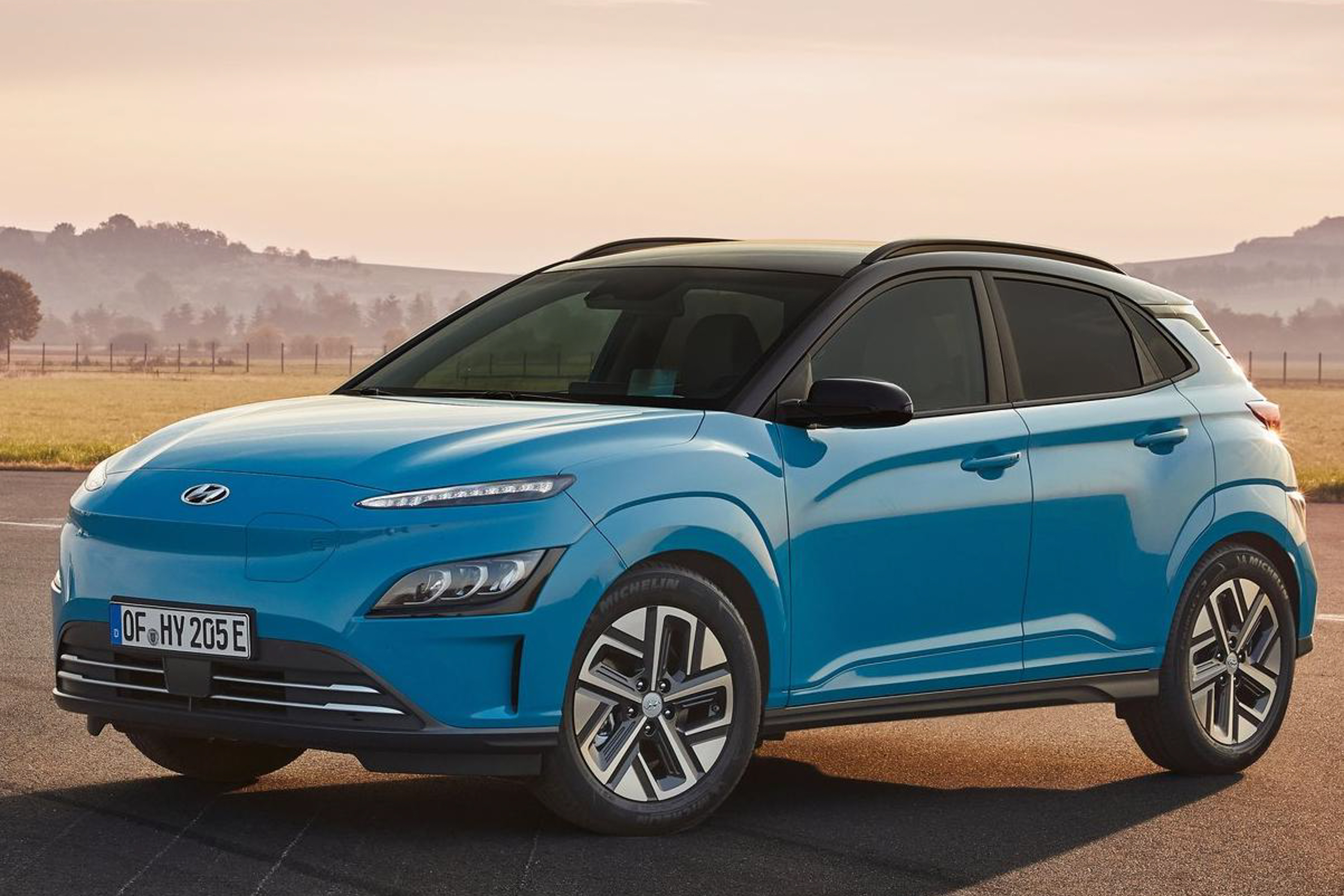
 Segment
 Body Type
 Motor Torque(Nm)
 EV Range(km)
 Battery Capacity(kWh)
 Driven Wheels
In recent years, the selection in the local electric vehicle market has become increasingly diverse. C-Segment EVs have become a popular choice for family users and young groups—they can satisfy daily commuting needs without compromising on space and features. The 2021 Hyundai Kona Electric e-Lite is one of the representatives in this segment. It has attracted attention with its balanced range, practical configurations, and affordable pricing. We tested the actual car this time, focusing on its daily driving experience, space practicality, and whether the features are truly "just enough," to see if it can be an ideal choice for urban commuting.
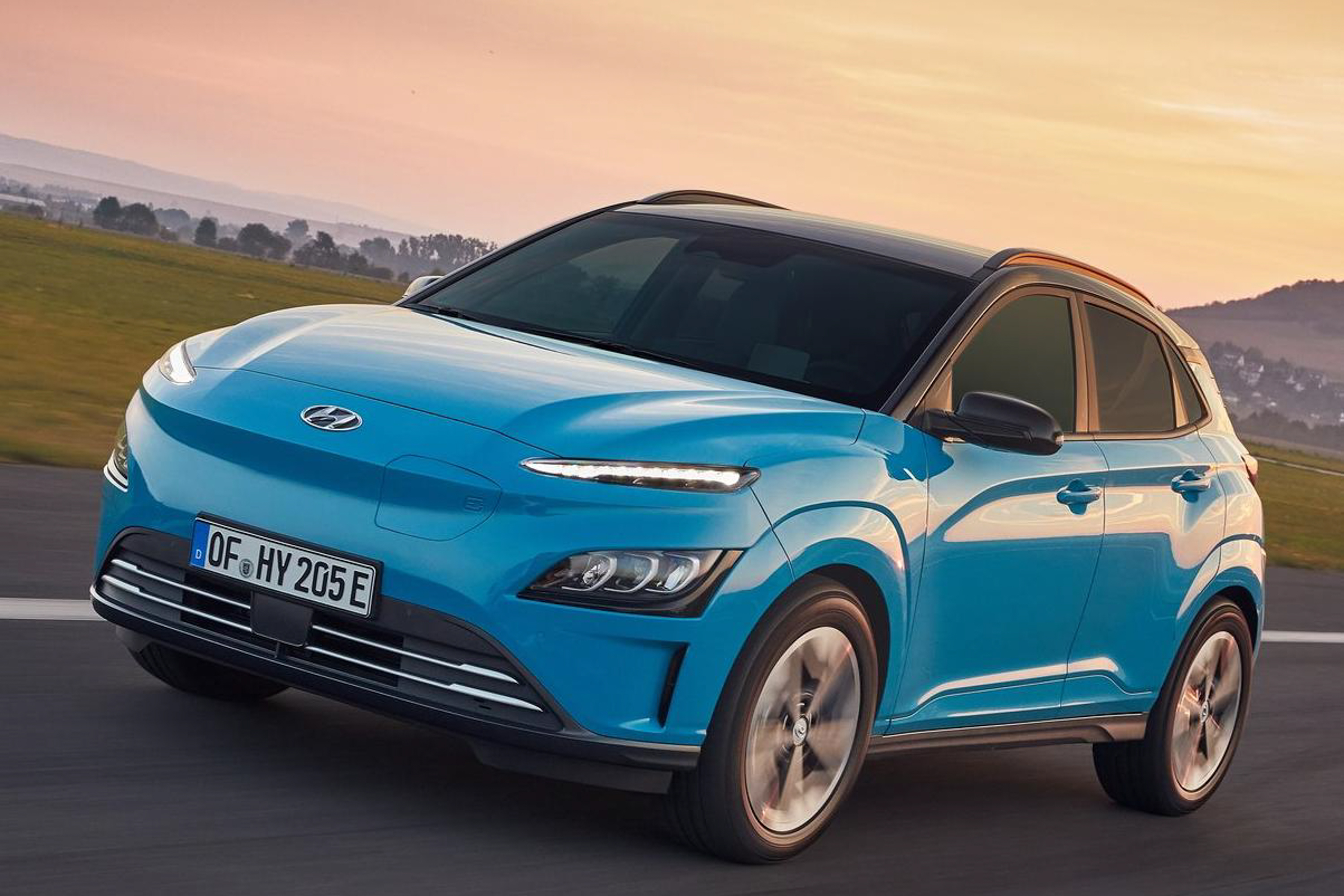
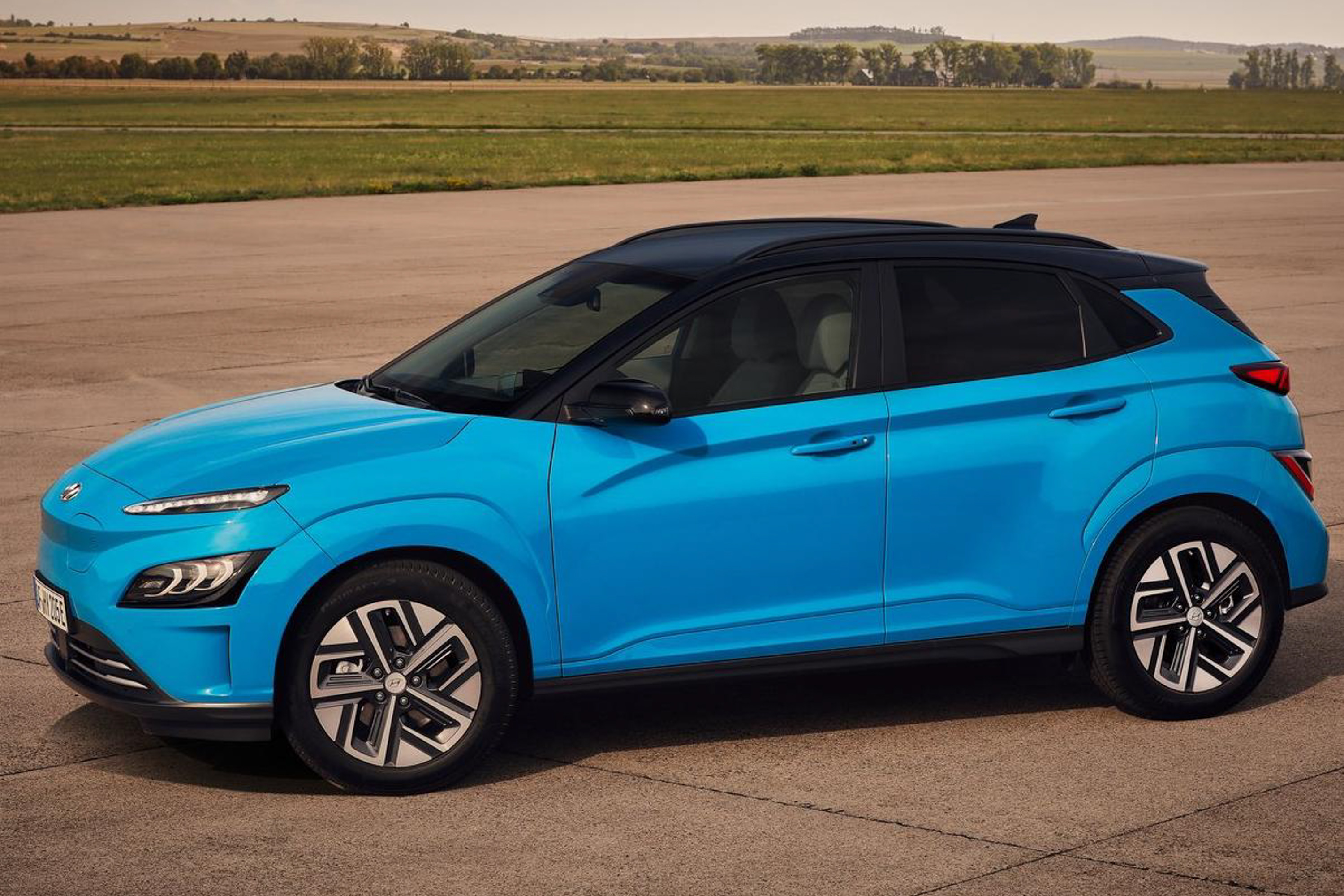
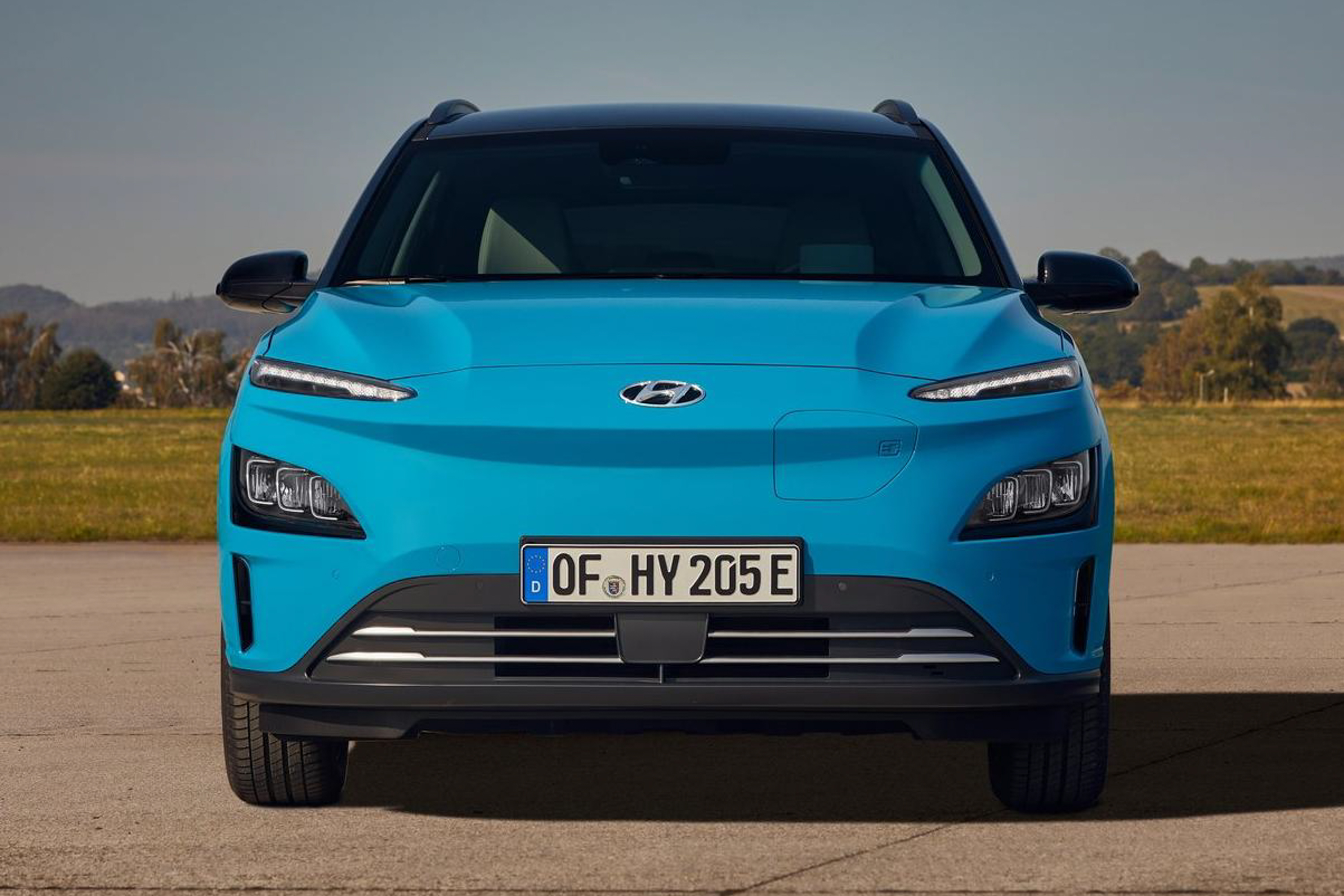
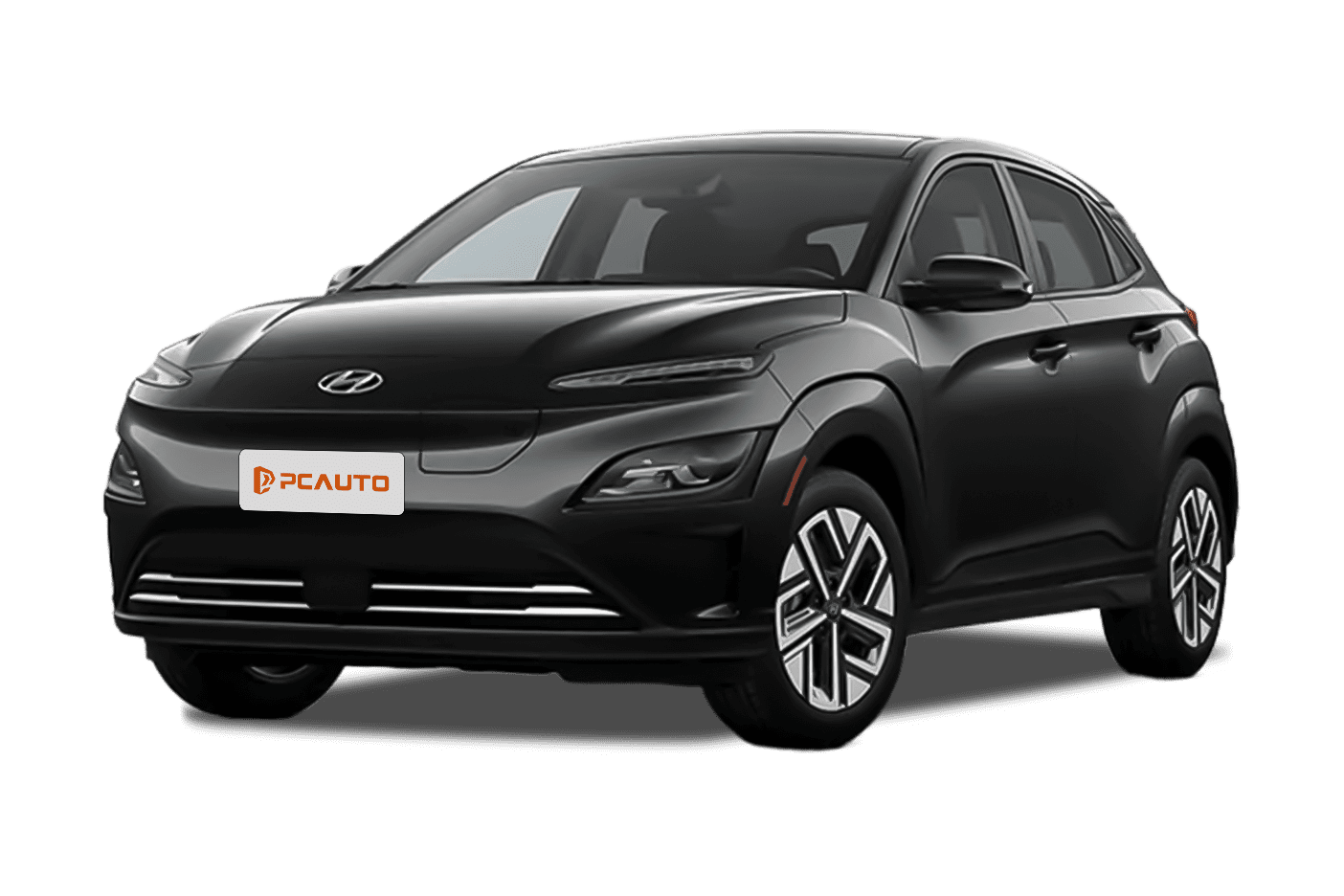
From the exterior, the Kona Electric e-Lite continues the compact SUV silhouette of the gasoline-powered Kona but features electric vehicle-specific design details. The front replaces the traditional grille with a closed-style grille, paired with sharp LED headlights on both sides and a spanning daytime running light, creating a simple yet youthful style. The body side has smooth lines, and the 17-inch wheels match the vehicle's proportions well, neither too small nor too large. The rear design is relatively low-key, with LED taillight units echoing the headlights, and there is no exhaust pipe underneath the rear bumper, further emphasizing its identity as an electric vehicle. The overall design is not particularly stunning but is pleasing to the eye, ensuring it doesn't look out of place when parked on the side of the road for daily use.
Sitting inside, the interior layout is geared towards practicality. The dashboard adopts a symmetrical design, with an 8-inch touchscreen in the center. The operation logic is clear, and the response speed is relatively quick. The instrument panel is a fully digital display, which can show real-time information such as range, power consumption, and driving mode—all highly practical for EV users. As for materials, the top of the dashboard is wrapped in soft materials with a nice texture to the touch. The door panels feature a combination of fabric and hard plastic, which, though not luxurious, is acceptable for this price range. In terms of configurations, the e-Lite version comes with standard features like keyless entry, one-button start, single-zone automatic air conditioning, and a 6-speaker sound system—covering all the basic functionalities needed for daily use. The seats are manually adjustable fabric seats with decent support, ensuring comfort during long periods of sitting.
In terms of space, the dimensions of the vehicle are 4205mm in length, 1800mm in width, and 1570mm in height, with a wheelbase of 2600mm, which is typical for the C-Segment. The front-row seating space is ample—a passenger with a height of 175cm will have about one fist's width of headroom after adjusting the seat position. The rear-row space is sufficient for family users, as someone of the same height sitting in the rear will have around two fists of legroom and won't feel cramped in terms of headroom either. The trunk has a capacity of 332 liters, which is enough to store a few suitcases or shopping bags for daily use. The rear seats support a 60:40 split folding configuration, which expands to accommodate larger items when needed. The in-car storage compartments are also quite abundant—the central armrest box, door storage slots, and cup holders are all practical in size. Charging ports for phones and a 220V power outlet are also provided, showcasing thoughtful attention to detail.
Regarding dynamic driving performance, the Kona Electric e-Lite is equipped with an electric motor delivering a maximum horsepower of 136PS and peak torque of 395N·m. Although the parameters are not particularly outstanding, the torque output characteristics of the motor make its starts very brisk. During daily commutes, pressing the accelerator pedal provides an instant response, making it flexible for following traffic or overtaking in urban areas. The official 0-100km/h acceleration time is 9.9 seconds, which is adequate for city driving. On the highway, it doesn't feel underpowered even when accelerating further after reaching 100km/h, ensuring smooth overtaking without significant lag. The driving modes include Eco, Normal, and Sport. In Eco mode, the power output is more moderate, making it suitable for energy-efficient driving; in Sport mode, the throttle response becomes more sensitive, catering to occasional spirited driving.
In terms of chassis, the front MacPherson independent suspension is tuned towards comfort. When driving over speed bumps or bumpy roads, the suspension can filter out most minor vibrations, ensuring that passengers inside the car won’t feel overly jostled. During cornering, the body roll is well-controlled, and there isn’t any obvious swaying, making the stability in daily driving commendable. The steering feel is relatively light, making low-speed parking or U-turns effortless, and it becomes slightly heavier at high speeds, providing a certain level of confidence. The brake pedal offers a linear feel, with smooth and even braking force, without any abrupt sensations.
Range and energy consumption are the most critical concerns for electric vehicle users. The official range of the Kona Electric e-Lite is 305km. During our testing under a mix of urban commuting and some highway conditions, the actual range reached approximately 270km, achieving about 90% of the rated range, which is quite practical. In terms of energy consumption, in congested urban conditions, the energy consumption is approximately 14kWh/100km. At a highway speed of 110km/h, energy consumption rises to around 16kWh/100km. Overall, the energy consumption level is slightly above average for electric vehicles in the same class. For charging, using a home charging station (7kW), it takes about 6 hours to fully charge, while fast charging from 30% to 80% takes around 40 minutes, which is sufficient for daily energy replenishment needs.
In terms of driving and ride comfort, the Kona Electric e-Lite delivers commendable performance. Noise control within the cabin is well-executed, as the electric motor is nearly inaudible at low speeds, while wind and tire noise become slightly noticeable at high speeds but do not affect normal conversations. The seats provide good support and wrapping, and the breathable fabric material ensures comfort during the summer without feeling stuffy. The regenerative braking system offers three adjustable levels; at the lowest setting, there is hardly any sense of drag, making it similar to the driving experience of a fuel car and easy to adapt to. At the highest setting, the drag feeling is more pronounced, which helps reduce the frequency of brake usage and is suitable for urban traffic conditions.
Overall, the 2021 Kona Electric e-Lite’s core advantage lies in its balance—sufficient range, practical space, comprehensive features, and competitively priced among similarly classed electric vehicles. Compared to other vehicles in the same class, it might not have standout highlights, but it also doesn’t have any obvious shortcomings, making it an “all-around, no-weakness” kind of choice. It’s suitable for those practical-minded family users or young professionals with a daily commute of under 50km. It fulfills daily commuting needs without requiring compromises in features or space.
In conclusion, the Kona Electric e-Lite is a “pragmatic” electric car. It doesn’t have flashy designs or excessive performance but meets all the core needs of daily usage effectively. If you’re looking for a reliable, worry-free urban commuter vehicle and don’t want to compromise on your budget, then it’s a solid choice.
Hyundai Kona Electric Car Compare
Hyundai Kona Electric Loan Calculator
More Hyundai Reviews
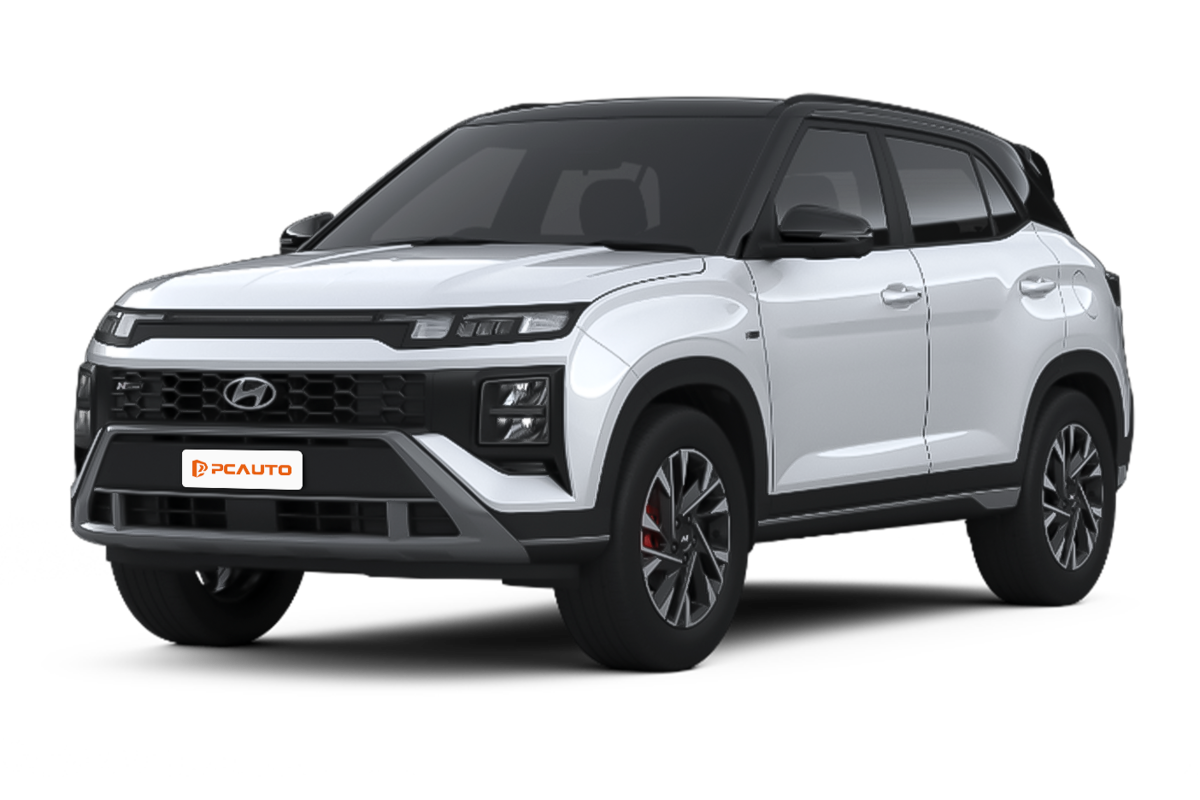
Cars With Similar Price And Features

1
Rank in SUV
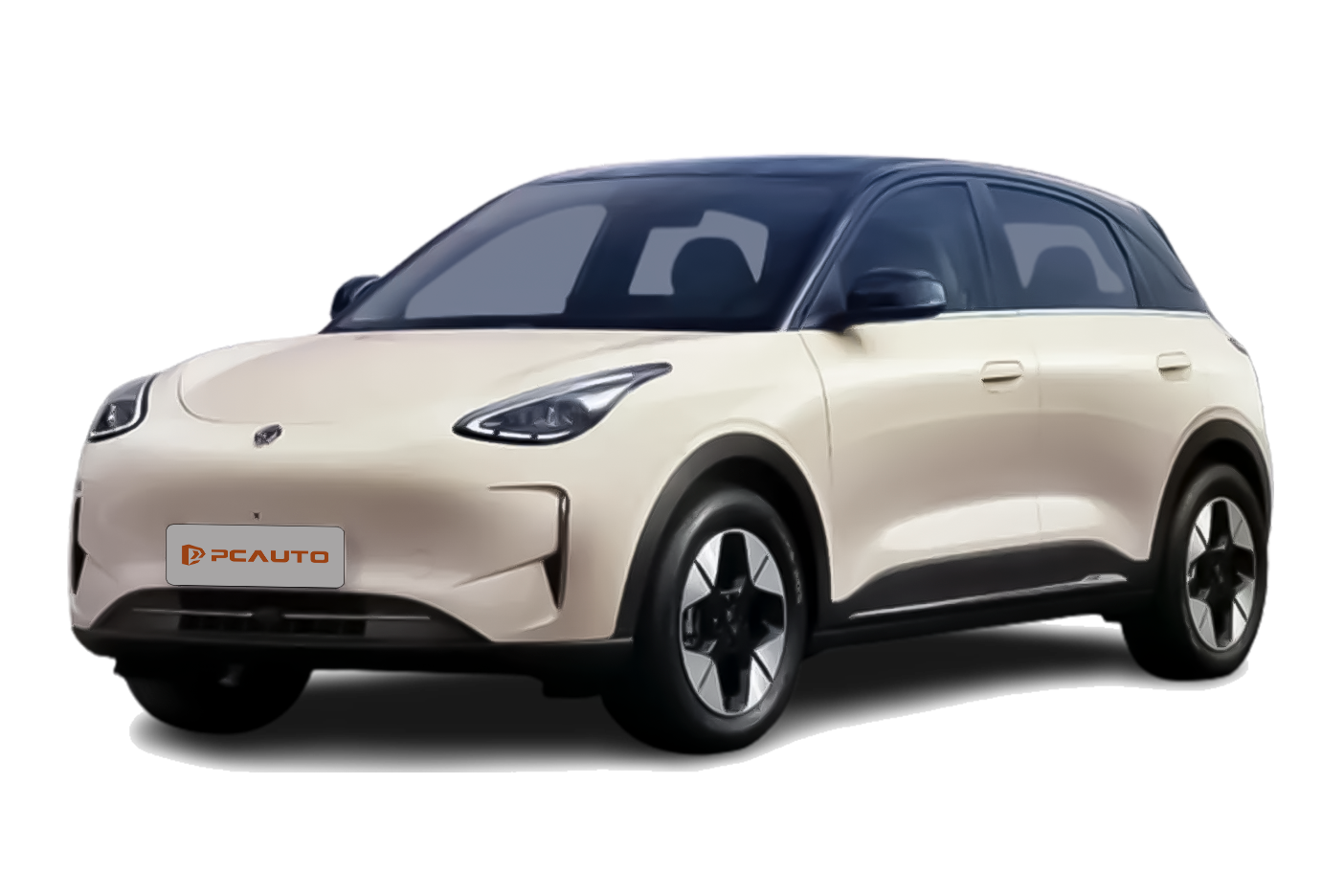
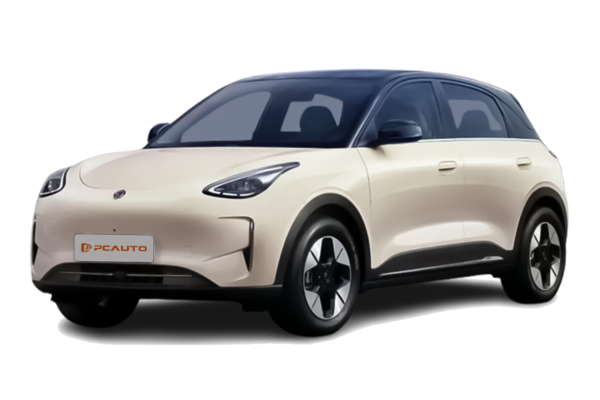
2025 Proton e.Mas 5 Prime is Proton's first entry-level pure electric C-Segment model, priced from 56,800 MYR to target the sub-100,000 MYR market, balancing practical features with commuting range.
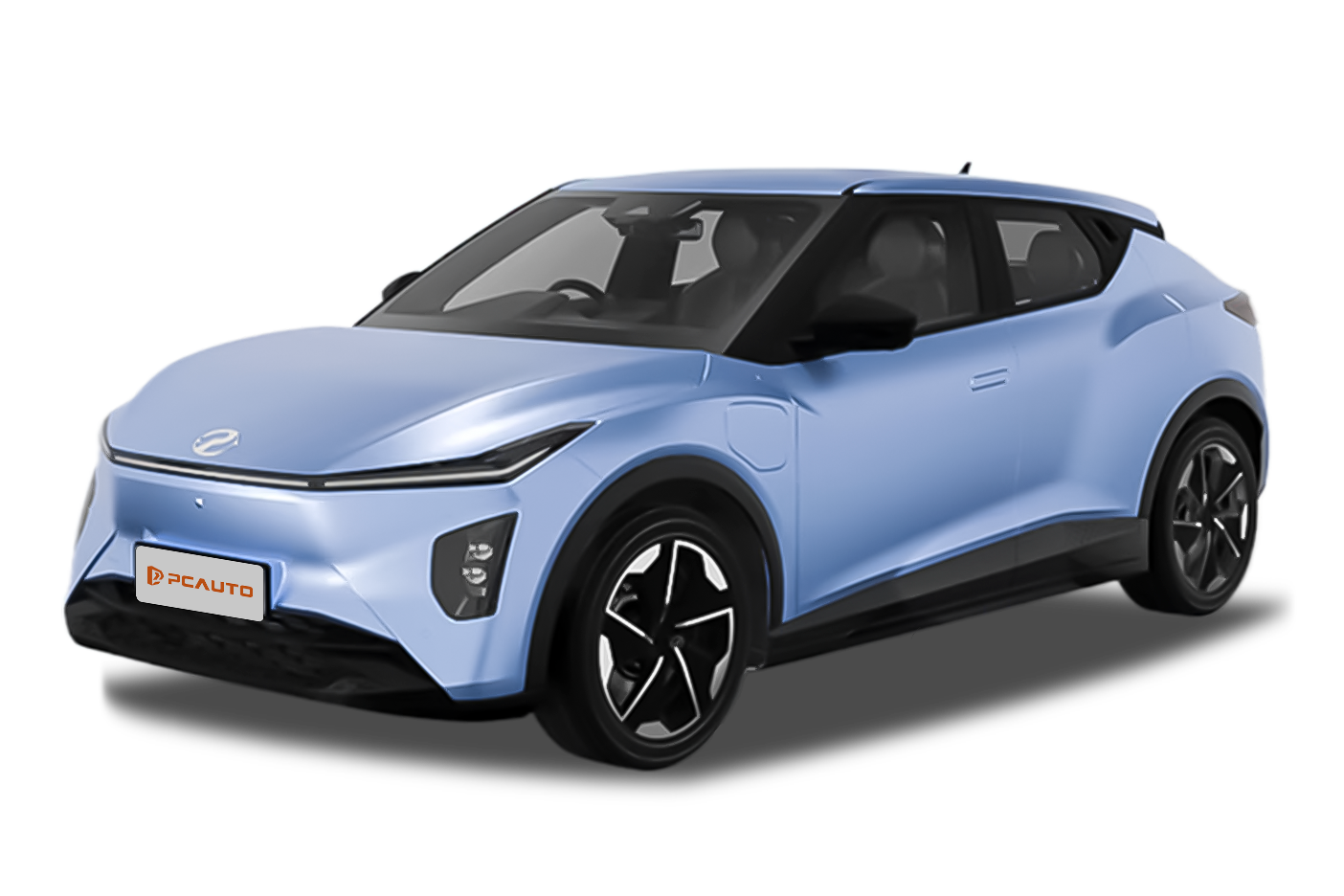
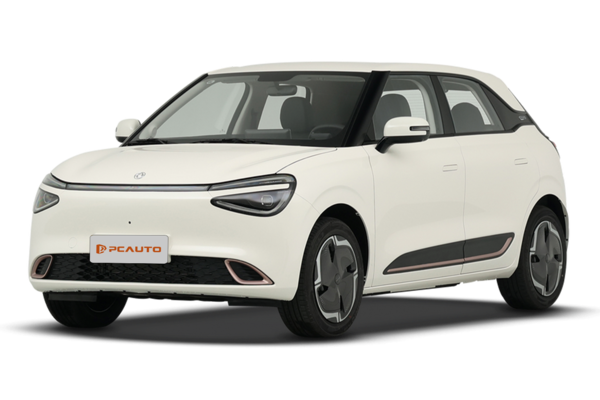
The 2025 Perodua QV-E is an affordably priced, practically ranged class-C pure electric vehicle, precisely tailored for family users and young commuters with its high safety features, spacious interior, and agile driving dynamics.
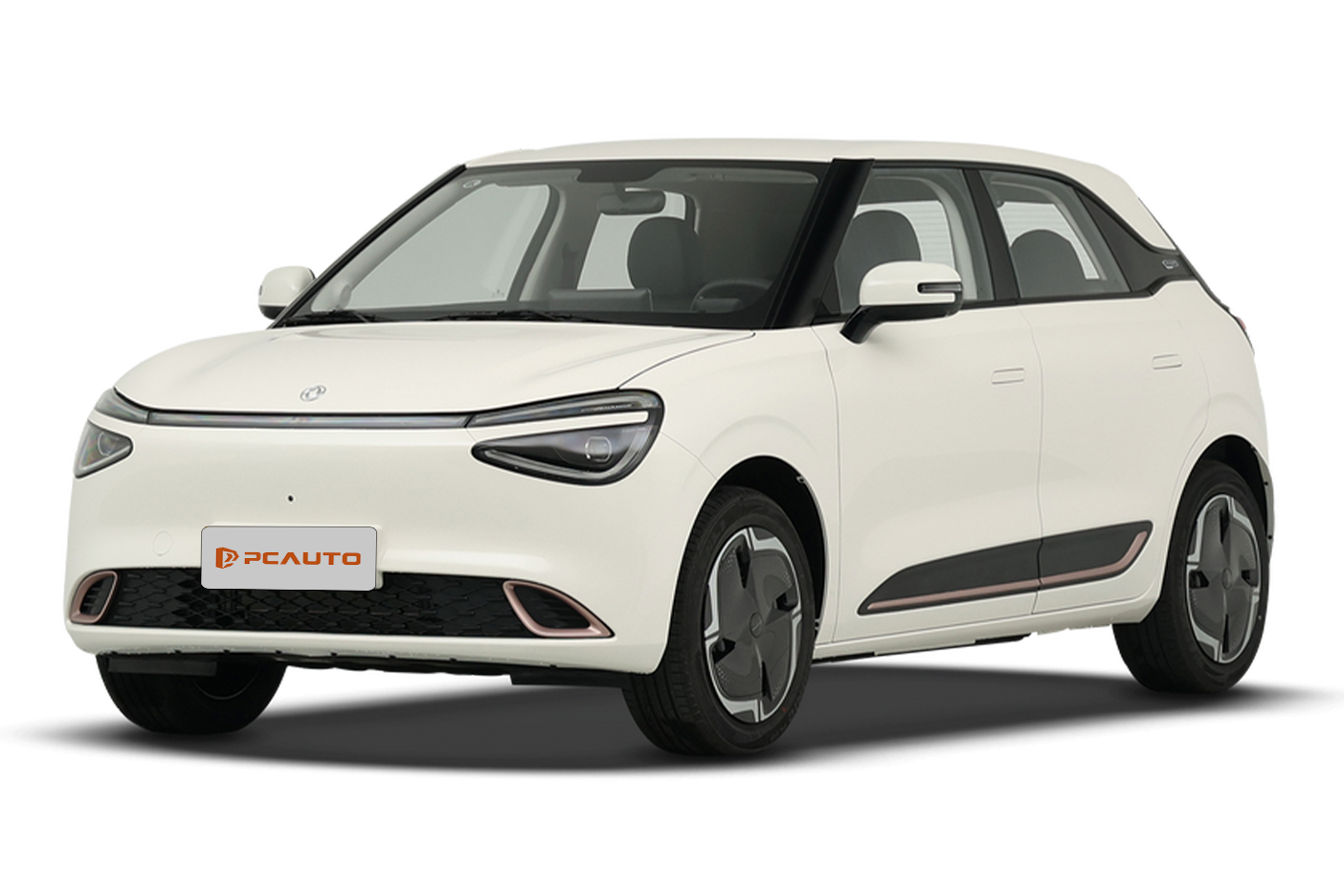
2024 DFSK Box E2 is a household pure electric vehicle in Malaysia priced at around 100,000 Ringgit, featuring a 330 km range, 12.8-inch large screen, and practical space as its main selling points, catering to both commuting and family needs.
30
Rank in SUV
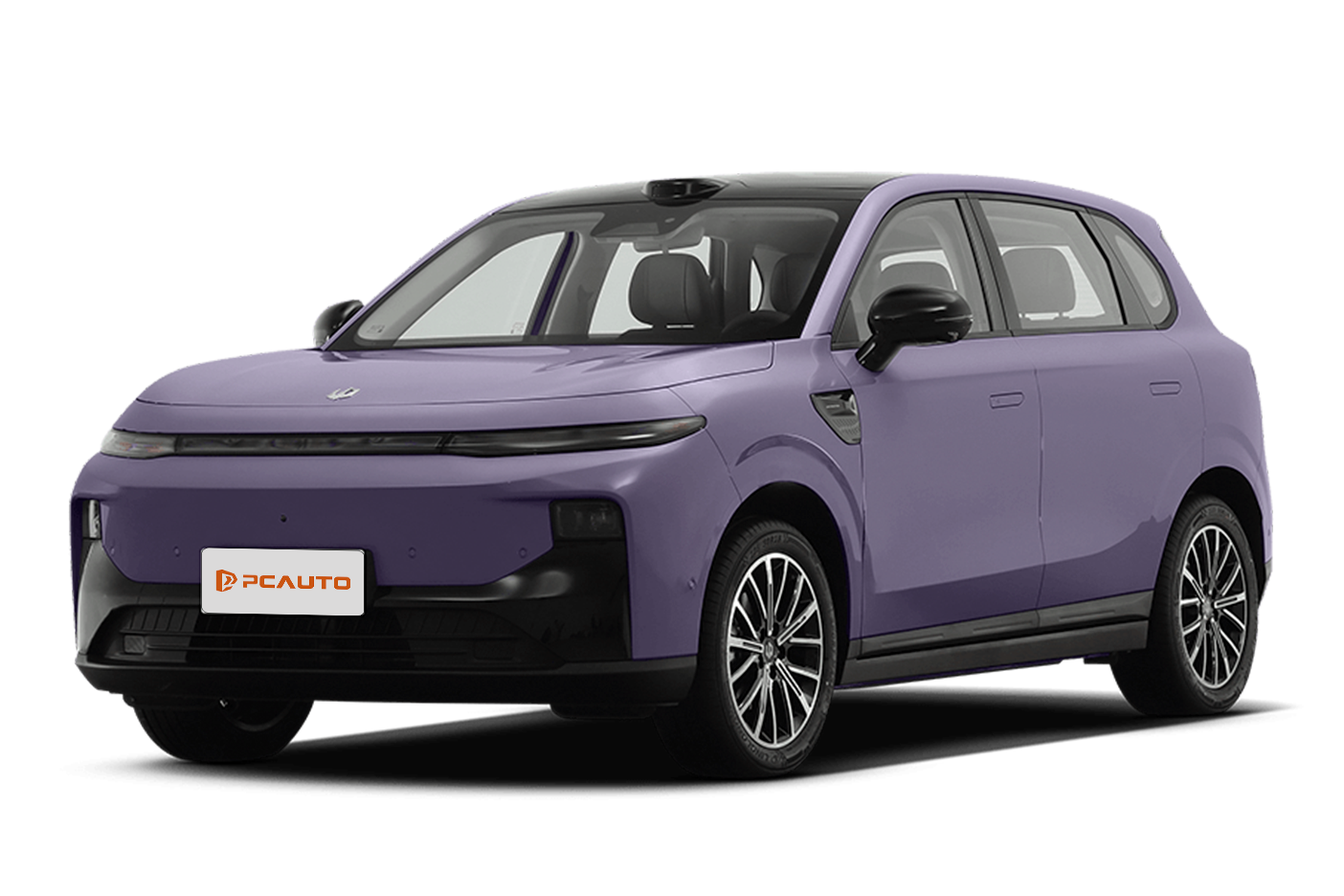
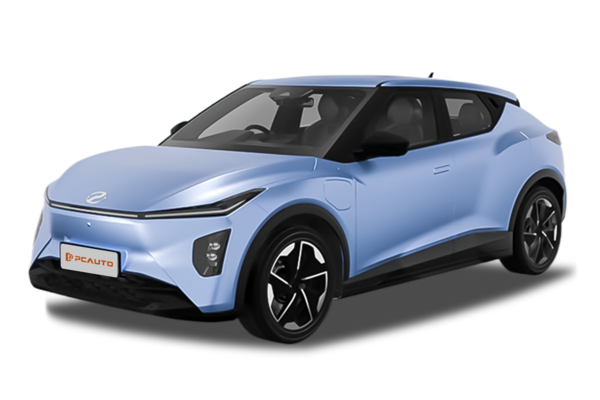
2025 Leapmotor B10 LIFE is a 100,000-level pure electric C-class SUV, equipped with standard L2 assisted driving and other practical features. It offers spacious interior and solid range, making it a go-to choice for family users.