

2021 Hyundai Kona Electric e-Plus Review

 Share
Share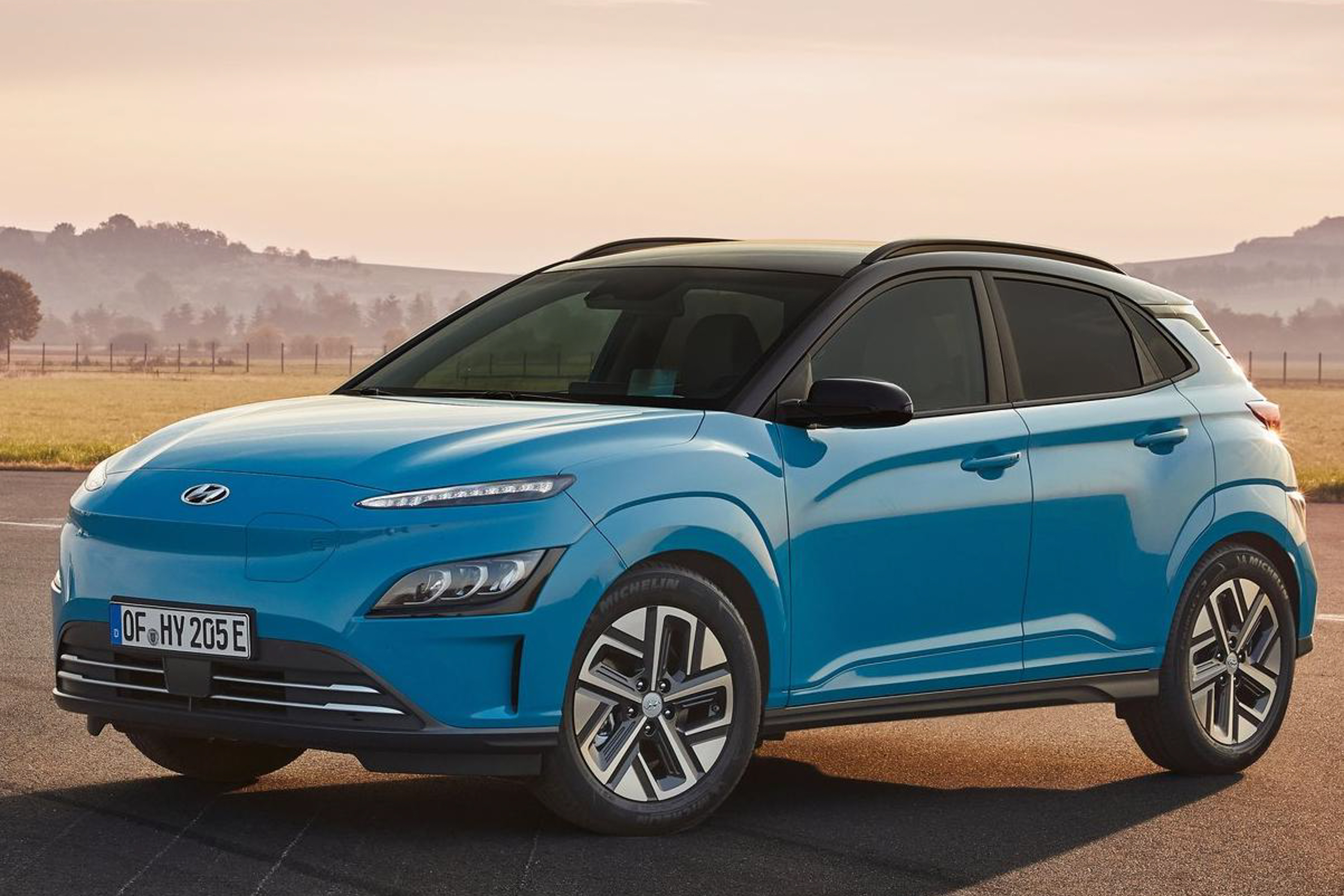
 Segment
 Body Type
 Motor Torque(Nm)
 EV Range(km)
 Battery Capacity(kWh)
 Driven Wheels
With the rapid growth of Malaysia's new energy market, C-Segment electric vehicles have become a popular choice among family users and young consumers. This type of vehicle needs to meet the practicality of daily commuting while achieving a balance in configuration and range. As a veteran player in this segment, the 2021 Hyundai Kona Electric e-Plus is the focus of our test this time. We'll evaluate its actual range performance, configuration practicality, and dynamic driving experience to see if it can still keep up with current market demands.
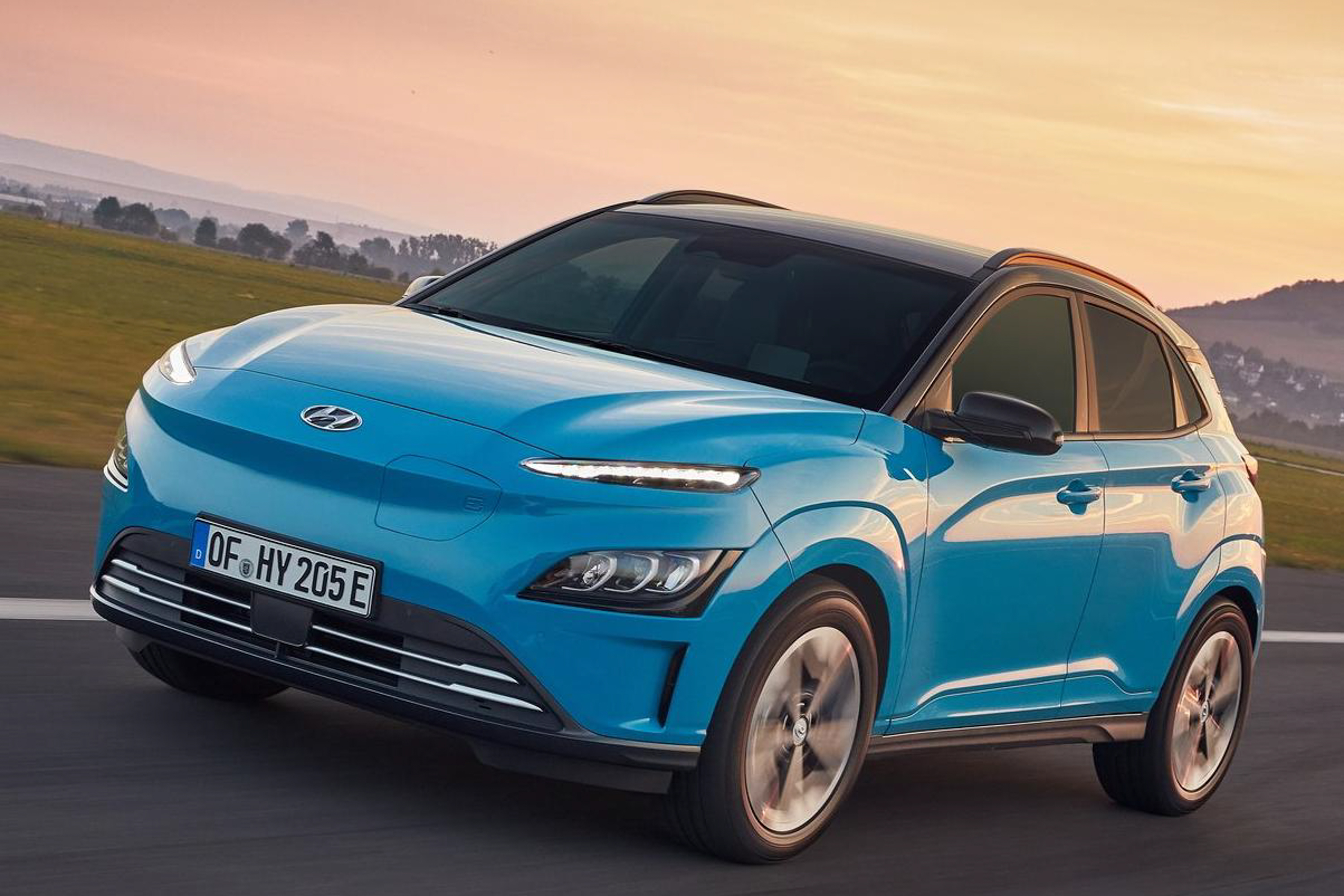
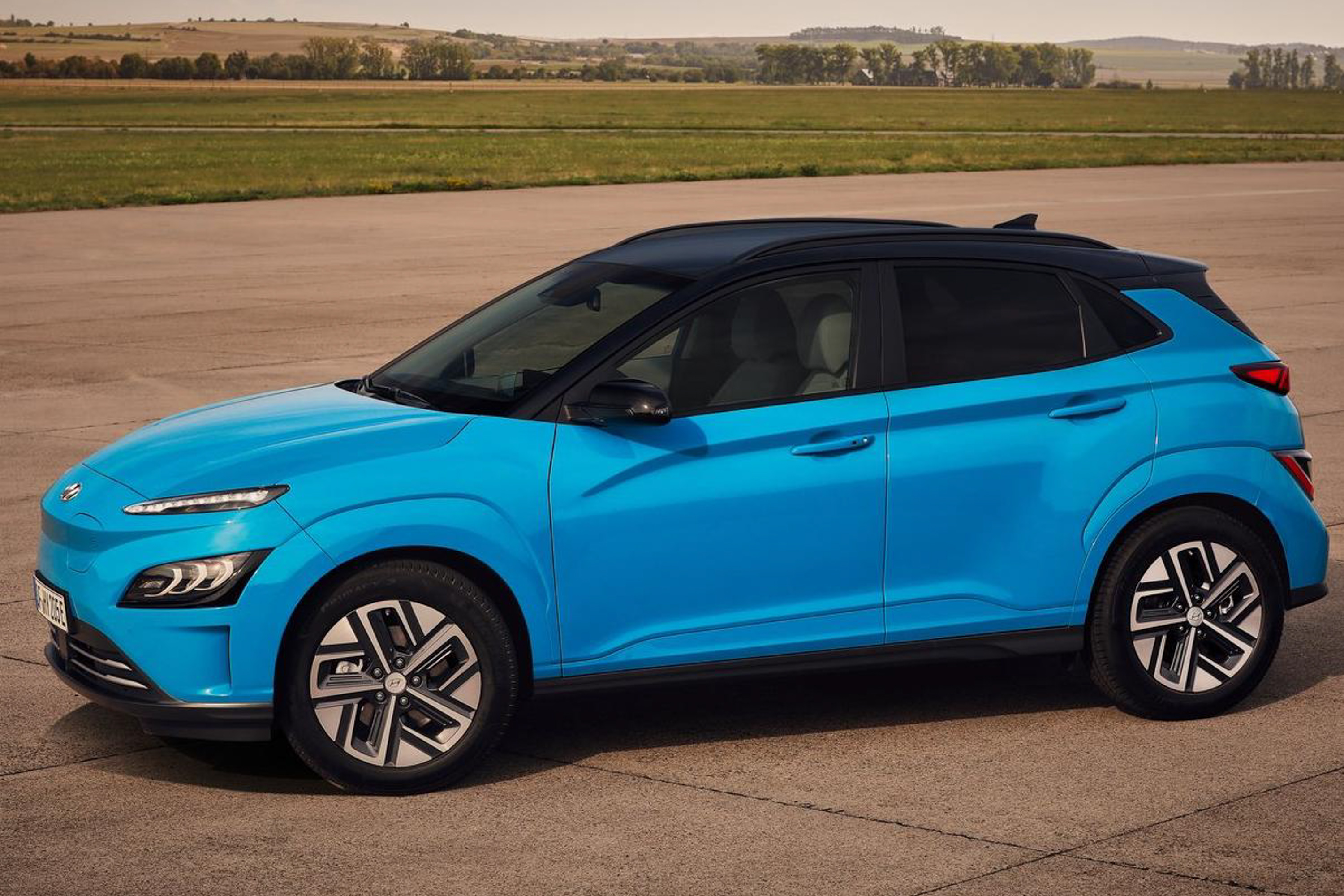
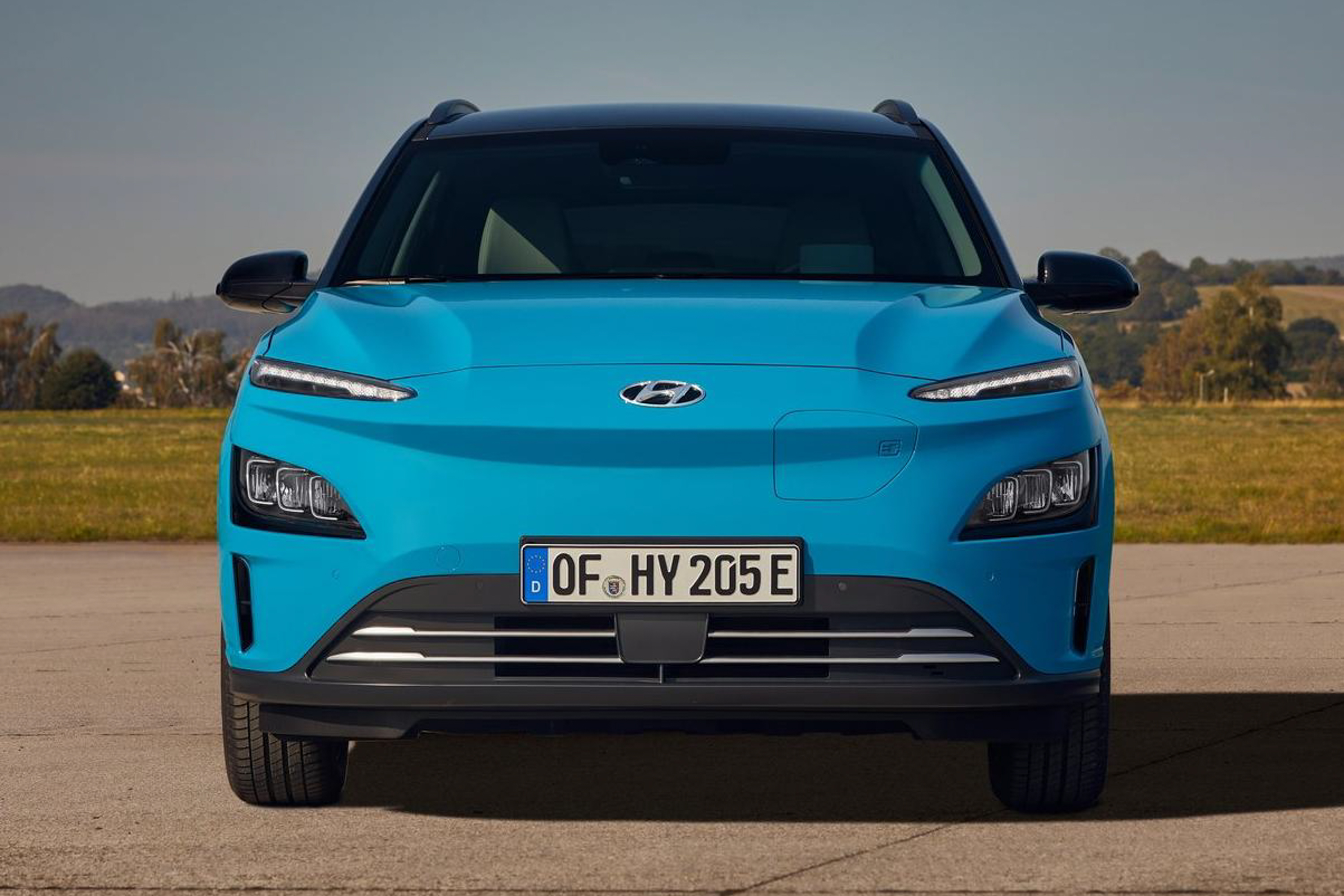
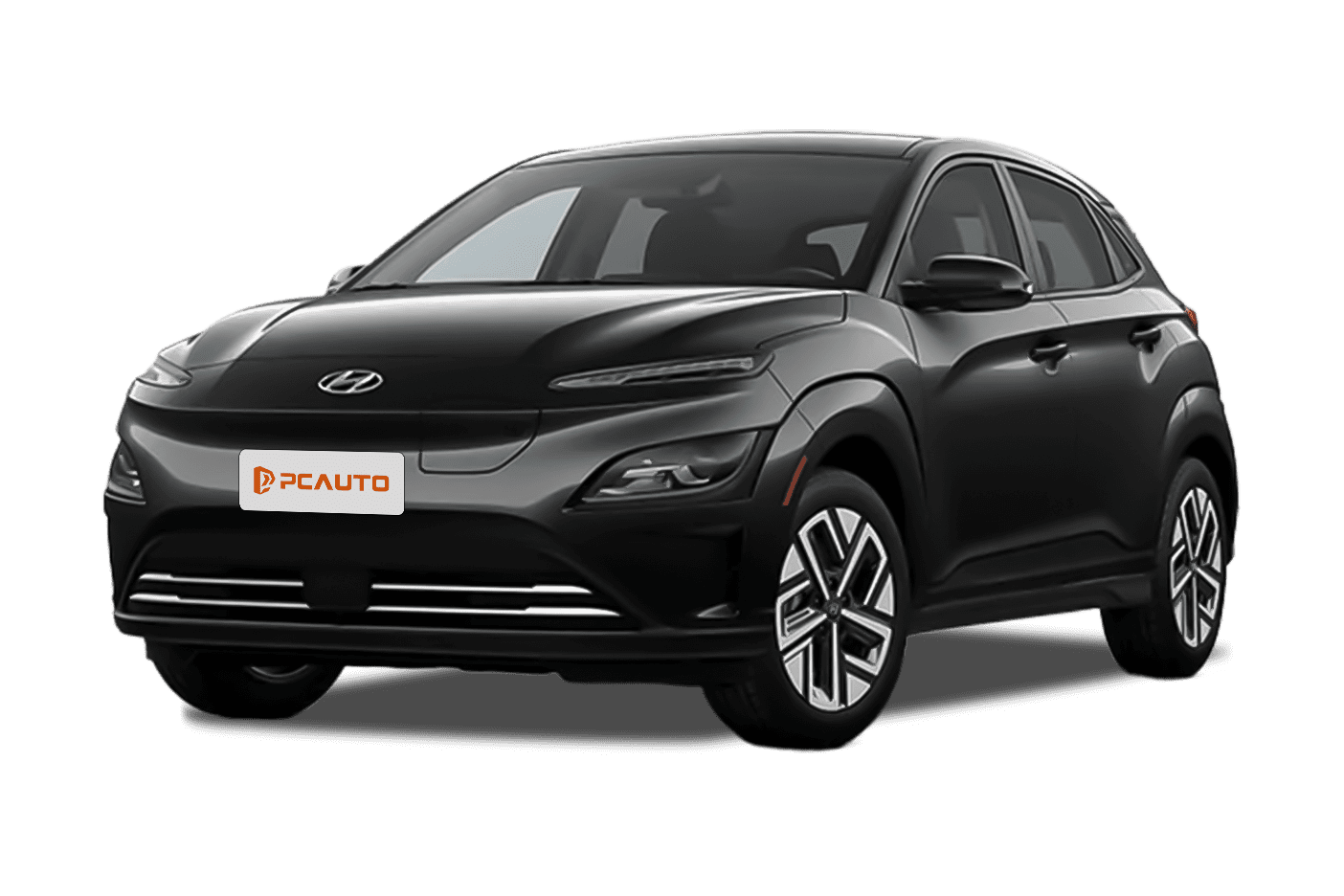
In terms of appearance, the Kona Electric e-Plus maintains the signature crossover style of the Kona series, with a clean and sharp overall design. The front face adopts a closed grille design paired with sharp LED headlights on both sides. The daytime running lights are embedded in a zig-zag shape on the sides of the bumper, offering high recognition. The side profile showcases a waistline running from the front to the rear, complemented by 17-inch alloy wheels, giving it a compact yet powerful stance. At the rear, the LED taillights adopt a horizontal design echoing the front face, while the black cladding on the lower part of the rear bumper enhances its crossover attributes. Overall, the design avoids overly flashy elements and leans towards a timeless and universally appealing aesthetic.
Stepping inside, the interior adopts a dark color scheme, with a clearly laid-out dashboard featuring extensive use of soft-touch materials, providing a pleasant tactile experience. The 10.25-inch fully digital instrument cluster displays information clearly, including real-time data on range, speed, and energy flow. The 8-inch touchscreen is positioned atop the center console, supporting Bluetooth, CarPlay, and Android Auto connectivity, with decent operational smoothness. In terms of features, the standard equipment includes a head-up display (HUD), 10-way power-adjustable front seats, and 8-way power-adjustable passenger seats, offering great practicality. The rear seats come with air vents and USB ports, and the 60:40 split-folding rear seats can expand the trunk space from 332L to a much more functional capacity, easily accommodating baby strollers or suitcases. On space performance, the 2600mm wheelbase is average for the C-Segment, with ample space in the front row—enough headroom and legroom for a 180cm passenger. The rear row offers about two fists' worth of legroom and one fist's worth of headroom, making it sufficient for daily family use.
In the power department, the Kona Electric e-Plus is equipped with a front-mounted electric motor delivering a maximum horsepower of 136PS and a peak torque of 395N·m, with an official 0-100km/h acceleration time of 9.9 seconds. During actual driving, the power response is quick in the starting phase. A light press on the accelerator provides a noticeable thrust, making it easy to keep up with traffic or overtake in urban commutes. Switching to Sport Mode provides more direct power output, though acceleration becomes slightly sluggish at speeds over 100km/h. The chassis features a front MacPherson independent suspension tuned for comfort. It effectively absorbs most bumps when going over speed bumps or uneven roads; however, body roll becomes noticeable during fast cornering, and handling is average. During our range test, driving on mixed routes (50% urban and 50% highway) with the air conditioning set at 24°C, the range achievement rate was about 85%—the official 305km range translates to approximately 260km in reality, with energy consumption around 15kWh/100km, making it perfectly sufficient for a week's commute (50km daily).
In terms of ride comfort, the noise control inside the car is well-managed. At speeds below 60km/h, the electric motor noise is hardly noticeable. At highway speeds of 120km/h, wind and tire noise slightly increase but do not affect normal conversations. The seats offer moderate support with soft cushioning, making long rides less tiring. The regenerative braking has three adjustable levels, with the lowest level closely resembling the coasting feel of a fuel-powered car, providing a friendly experience for daily driving.
Overall, the core advantage of the 2021 Kona Electric e-Plus lies in its balance—it comes standard with L2-level driving assistance (lane departure warning, automatic emergency braking), electric seats, HUD, and other features, placing it in the top tier among models in the same price range (RM 169,888). Its actual driving range is stable and meets the daily needs of families. Compared to similar models like the MG ZS EV or BYD Atto 3, its brand recognition and chassis tuning are more mature, although its rear seat space and central control screen size fall slightly short.
This car is suitable for families who prioritize practicality and balanced features, especially consumers with a daily commute of less than 50km and occasional family trips. If you do not pursue extreme rear seat space but want a well-equipped and smooth-driving electric crossover, the Kona Electric e-Plus will be a reliable choice.
Hyundai Kona Electric Car Compare
Hyundai Kona Electric Loan Calculator
More Hyundai Reviews
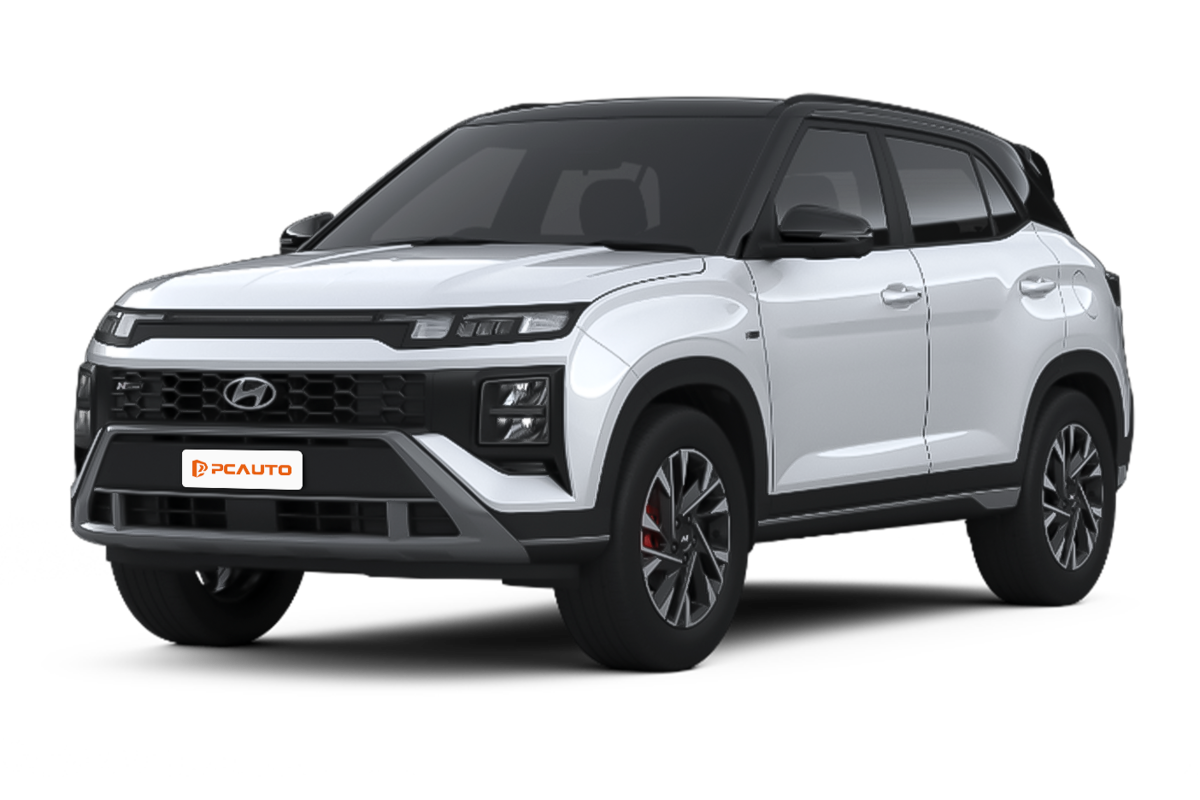
Cars With Similar Price And Features

1
Rank in SUV
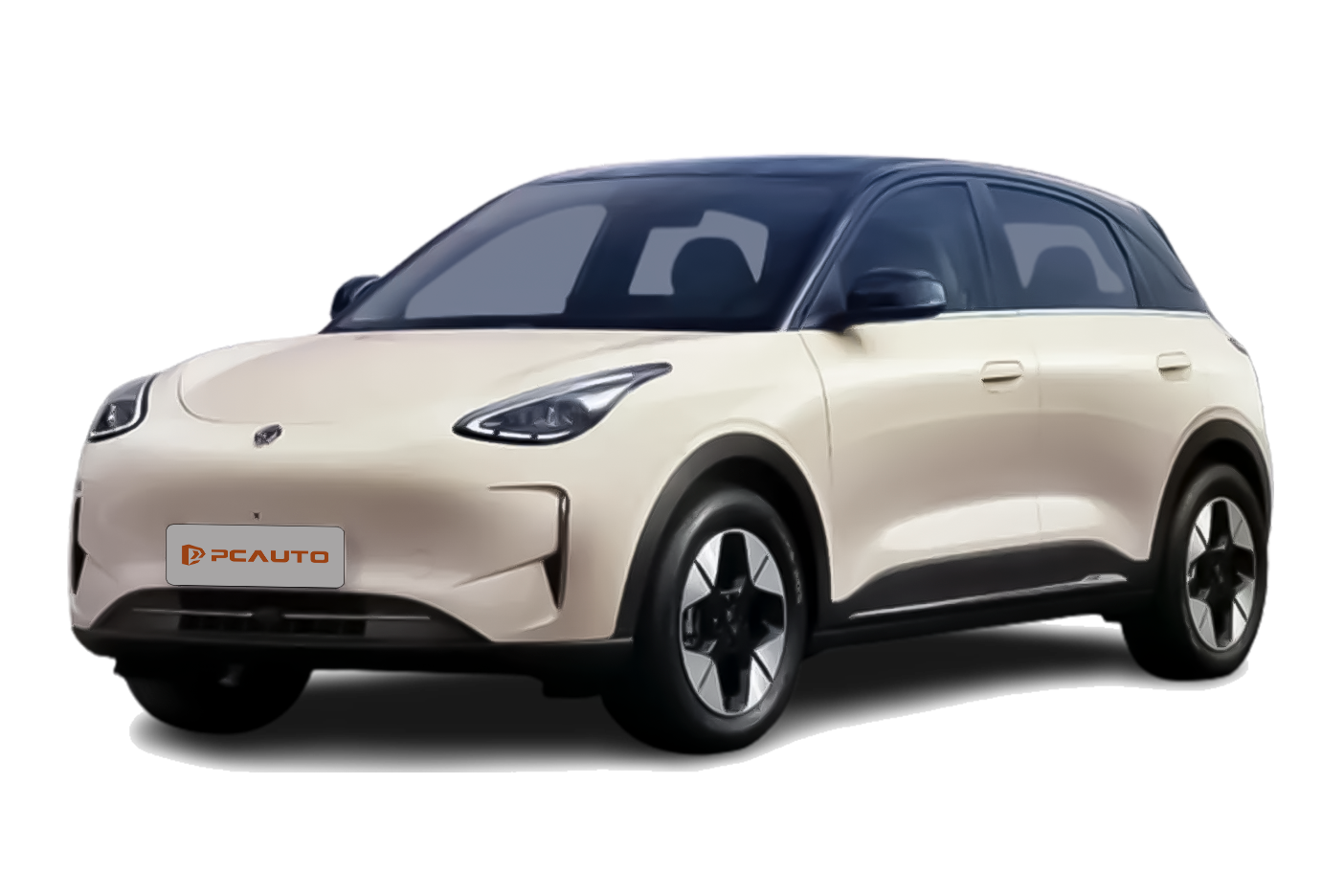
2025 Proton e.Mas 5 Prime is Proton's first entry-level pure electric C-Segment model, priced from 56,800 MYR to target the sub-100,000 MYR market, balancing practical features with commuting range.
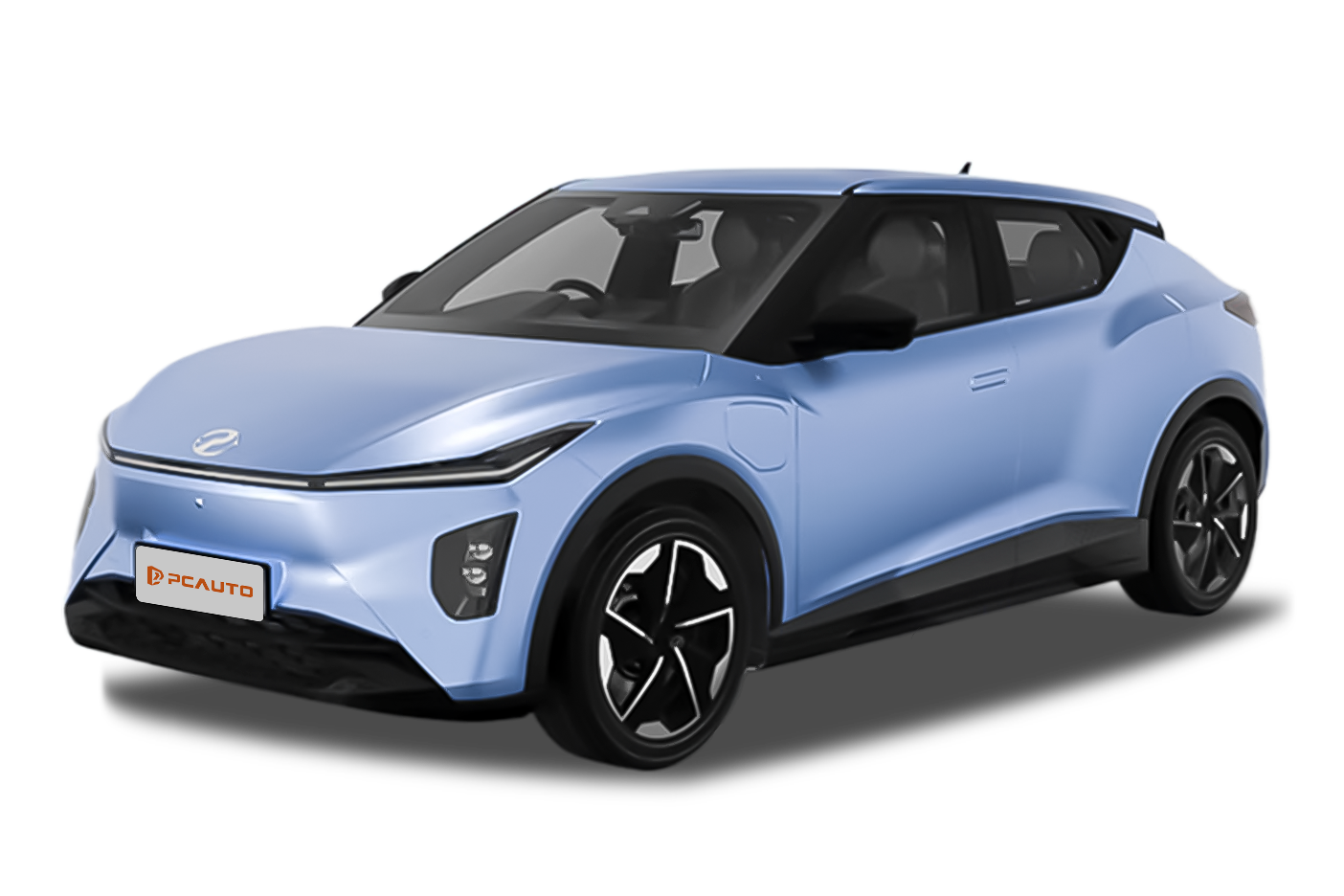
The 2025 Perodua QV-E is an affordably priced, practically ranged class-C pure electric vehicle, precisely tailored for family users and young commuters with its high safety features, spacious interior, and agile driving dynamics.
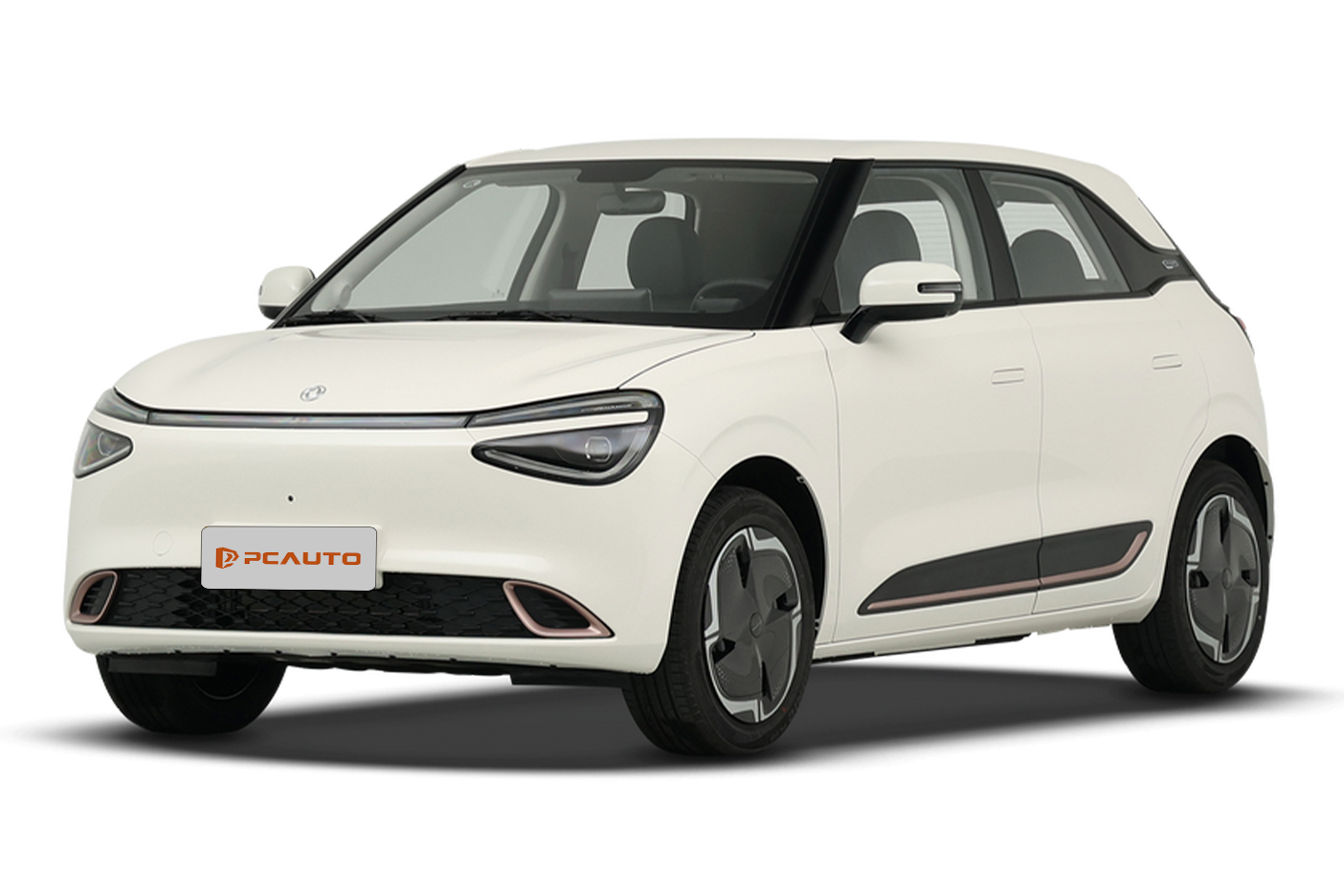
2024 DFSK Box E2 is a household pure electric vehicle in Malaysia priced at around 100,000 Ringgit, featuring a 330 km range, 12.8-inch large screen, and practical space as its main selling points, catering to both commuting and family needs.
30
Rank in SUV
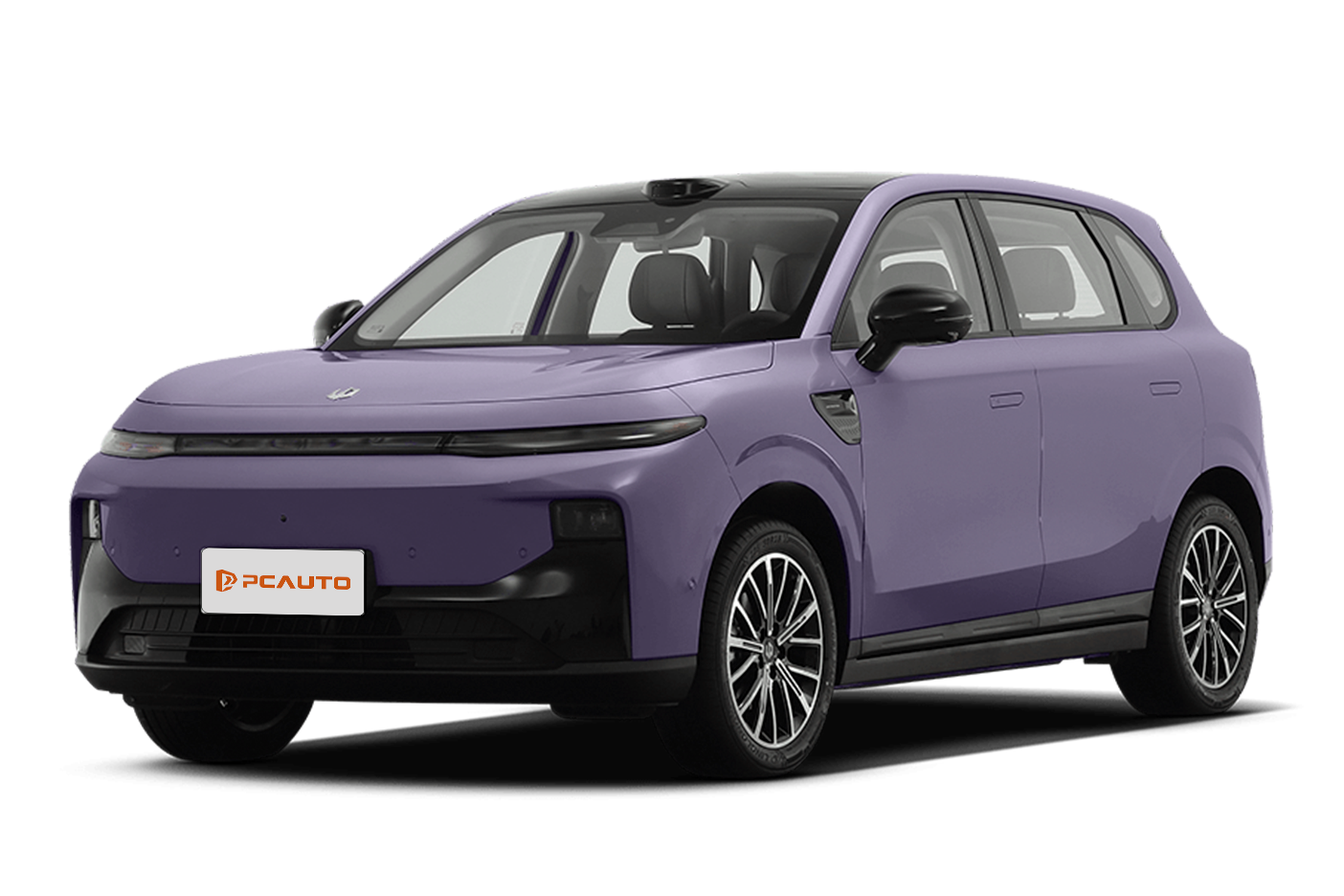
2025 Leapmotor B10 LIFE is a 100,000-level pure electric C-class SUV, equipped with standard L2 assisted driving and other practical features. It offers spacious interior and solid range, making it a go-to choice for family users.