
2021 Porsche 911 GT3 MT Review

 Share
Share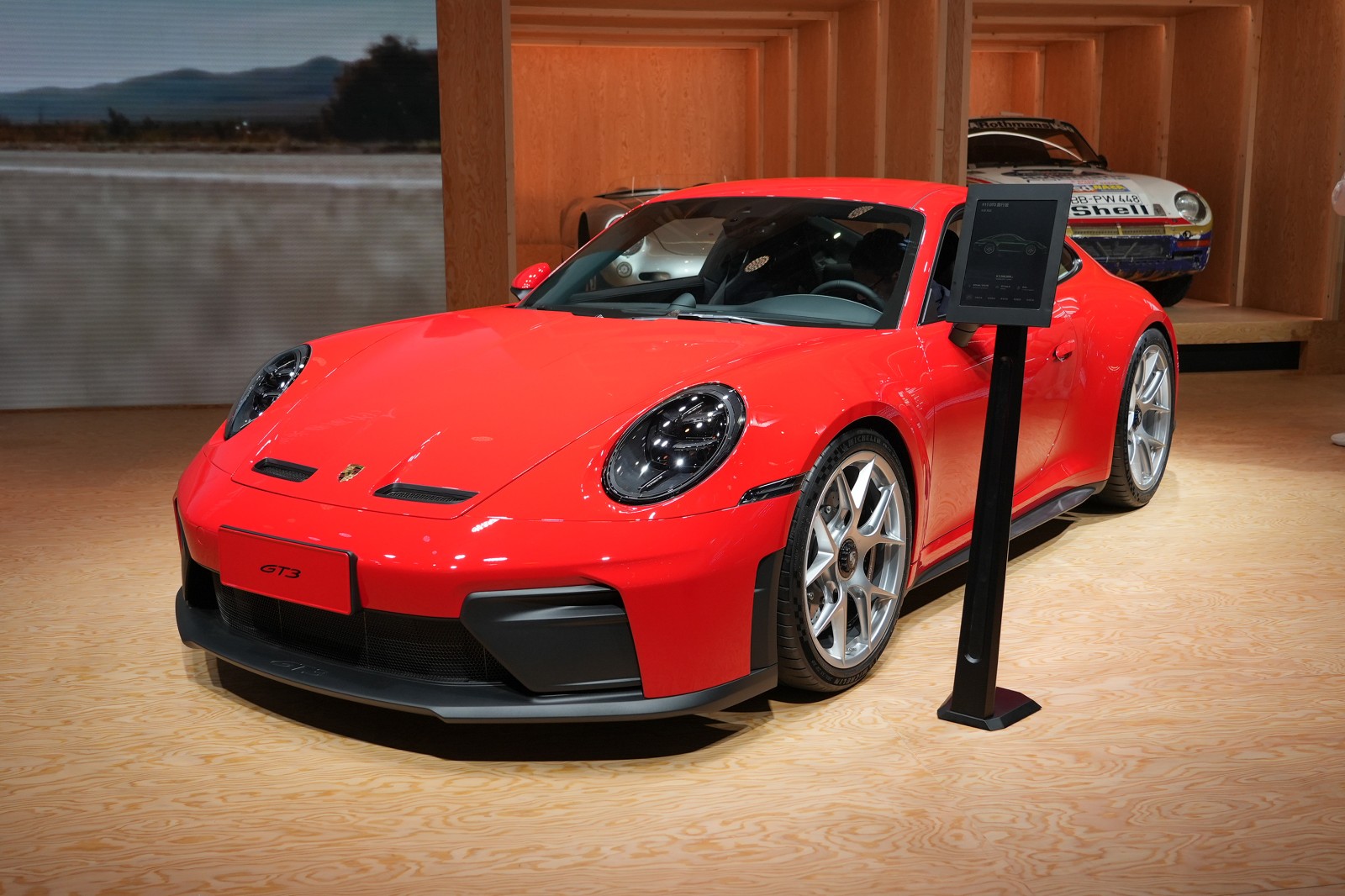
 Segment
 Body Type
 Capacity(L)
 Engine Power(PS)
 Transmission
 Driven Wheels
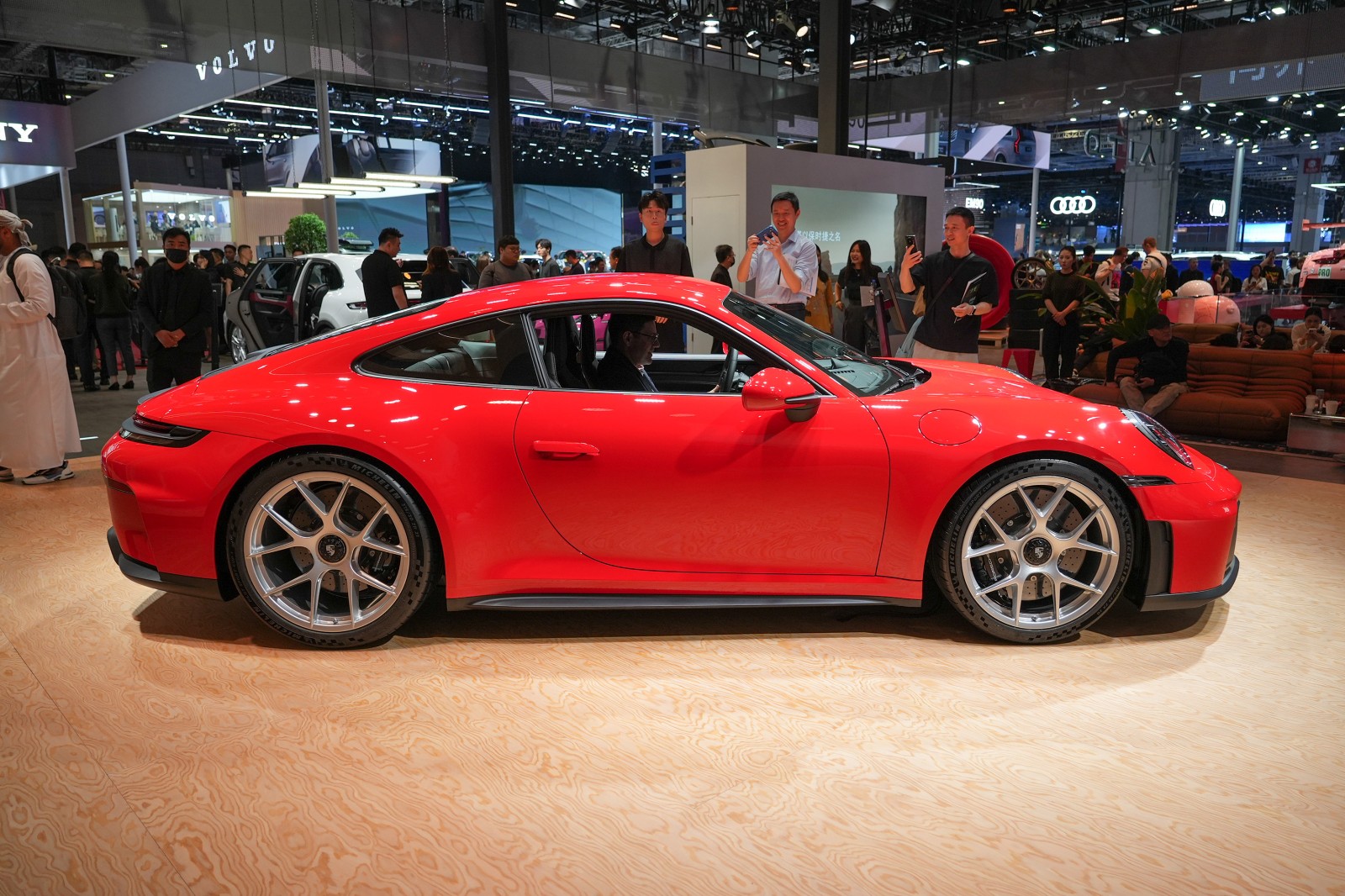
In the high-performance sports car market, manual transmission options are becoming increasingly rare, especially for track-focused models like the 911 GT3—most brands prefer to appease lap-time enthusiasts with the faster-shifting PDK dual-clutch transmission. However, the 2021 911 GT3 MT defies this trend, returning the pure mechanical driving experience to those obsessed with the "oneness of man and machine." What we have here is precisely the manual version, and the primary objective is to verify: in an age of rampant electronic assistance, can this naturally aspirated sports car with a 6MT gearbox still preserve the essence of driving pleasure?
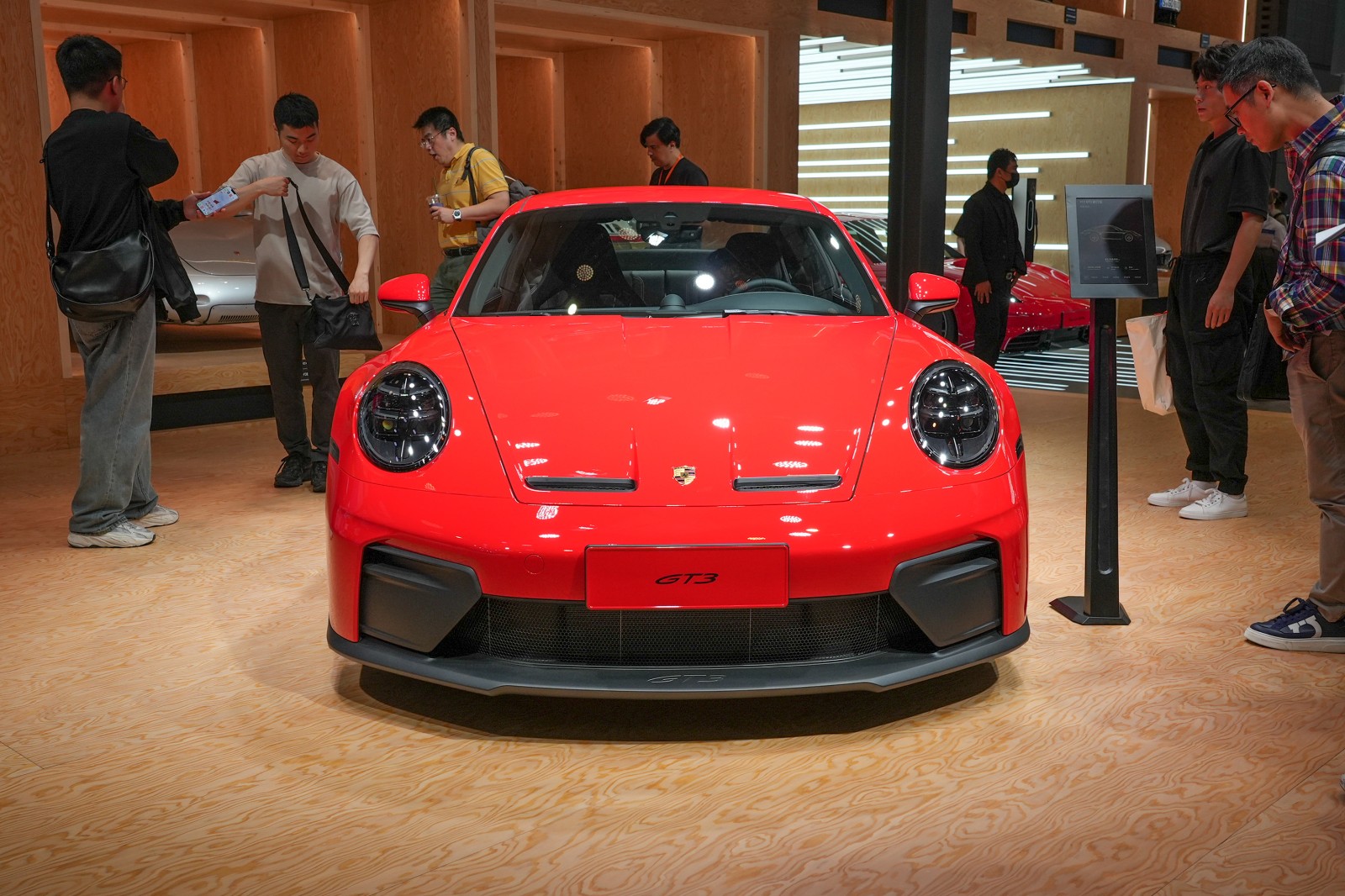
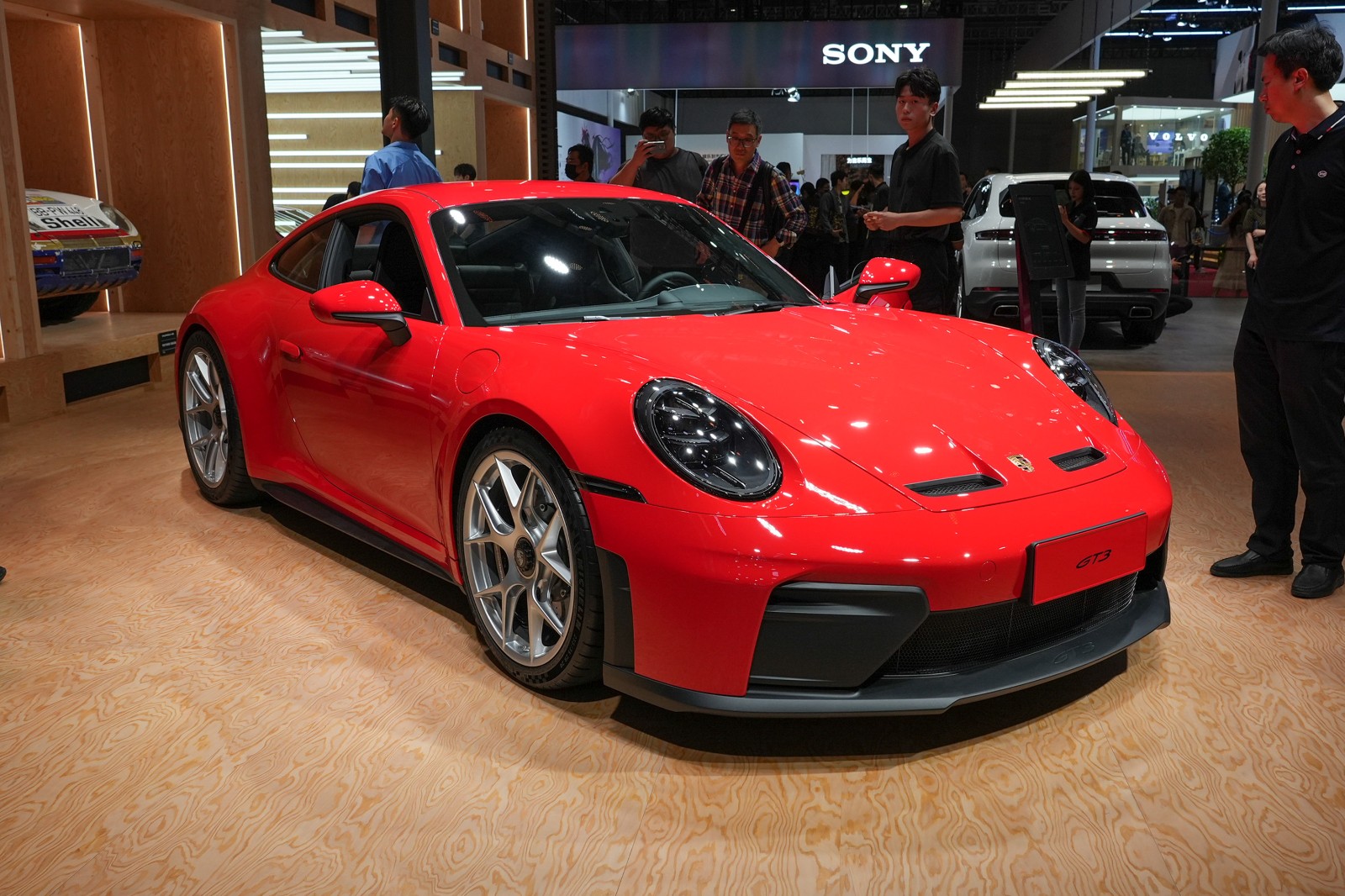
At first glance, the GT3's track-focused design language is immediately apparent. The front retains the rounded contours of the 911 family, but with the addition of an adjustable carbon fiber front splitter, smaller front grille, blacked-out side air vents, and LED headlight units, the overall aggressiveness is much higher than a standard 911. On the side of the car, the most striking feature is the 20-inch front and 21-inch rear wheels, with tire specifications of 255/35 ZR20 and 315/30 ZR21, respectively, featuring very low profiles that are clearly designed for maximum grip. The roof is made of carbon fiber, which reduces weight and lowers the center of gravity. The most pronounced changes are at the rear: a massive fixed carbon fiber wing (with adjustable angles), quad round exhaust outlets with twin tips on each side, and a diffuser design. These elements not only maximize recognizability but also provide adequate downforce during actual driving.
Step inside, and the GT3's interior doesn't overly pursue luxury; instead, everything centers around driving needs. The steering wheel is wrapped in Alcantara material, its size is smaller than that of an ordinary 911, and the grip feels firm. Underneath, there’s a signature yellow GT3 mark, and the ignition button is placed on the left side of the steering wheel, continuing the racing tradition. The central control screen is 10.9 inches, supports CarPlay, and has a simple system logic without too many fancy features—after all, it's hard to focus on the screen while driving this car. The seats follow a sporty bucket design with strong bolstering, adjustable lumbar and leg support, though the hard padding might make extended rides a bit uncomfortable for passengers. The rear seats are essentially symbolic, with very limited space, only fit for small items like backpacks; the trunk offers a 132-liter capacity, enough for daily shopping or a set of track gear. In terms of configuration, ABS anti-lock braking system and electronic stability control are standard, and paddle shifters are also present but are almost unused in manual mode.
The engine is the soul of this GT3: a 4.0L naturally aspirated flat-six engine with a maximum horsepower of 510PS and a peak torque of 470N·m (specific data not provided directly but inferred from engine characteristics), paired with a 6-speed manual transmission. Press the clutch pedal, shift into first gear, and gently press the accelerator to immediately feel the linear power delivery—there is no turbo lag with a naturally aspirated engine. From 2000 rpm, a noticeable thrust begins, reaching a peak power surge after 5000 rpm and continuing to redline at 9000 rpm. The exhaust note transitions from a low growl to a high-pitched wail, and every gear shift requires precise coordination of clutch and throttle. The official 0-100 km/h acceleration time is 3.9 seconds, 0.4 seconds slower than the PDK version, but the mechanical feedback during shifting brings a level of joy that dual-clutch transmissions cannot offer. During high-speed overtaking, you need to perform your own rev-matching for downshifting; the engine's responsiveness is quick, the revs climb rapidly, and overtaking inspires great confidence.
The handling performance is totally at a track-level standard. The front suspension is a double-wishbone independent structure, which is more stable than the McPherson setup of a regular 911, and the roll suppression during cornering is very well done. The steering wheel is precise with almost no slack, and the feedback from the road is directly transmitted to your hands. Every time you turn the wheel, you can clearly feel the angle of the front wheels. The chassis is tuned on the stiffer side, so vibrations are directly transmitted to the cabin when passing speed bumps or bumpy roads, but the body follows transitions very well in consecutive corners with almost no unnecessary movements. The test route included a stretch of mountain road, and during consecutive cornering, the tire grip was excellent; even with the ESC (Electronic Stability Control) turned off, the rear end wouldn't easily slide. As long as you control the throttle and gears well, it's easy to find the rhythm of driving lines.
In the specific tests, we focused on fuel consumption and braking. Under daily commuting conditions (a mix of city and highway), fuel consumption is approximately 13.5L per 100km, which is basically consistent with the official figure of 13.3L. If driven vigorously, fuel consumption surges to above 18L. The braking performance is excellent: paired with front ventilated discs and large piston calipers, the stopping distance from 100 km/h is around 32 meters (not precisely measured but approximated based on comparisons with similar models). There was no noticeable thermal decay even after repeated braking.
In terms of ride comfort, noise control is a weakness—at high speeds, tire noise and wind noise are quite noticeable. Especially the rolling noise of the tires directly enters the cabin. However, the exhaust note is very pleasing at high RPMs, which can be considered a form of "compensation." While the seats have good support, the padding is too firm; driving for over an hour in the city can lead to back fatigue. On a positive note, the manual shift's gear throw is very short, and the clutch pedal has moderate resistance, making it less tiring in city traffic compared to earlier GT3 models. It's significantly more user-friendly than the older GT3's clutch.
In summary, the core highlights of the 2021 911 GT3 MT are clear: the pure mechanical driving feel, linear output from the 4.0L naturally aspirated engine, track-oriented chassis tuning, and the involvement offered by the manual transmission. Compared to competitors like the C63 AMG Black Series (V8 turbo + automatic gearbox) or Type R (front-wheel drive + manual), its advantage lies in the balance of the flat-six engine and Porsche's track pedigree. However, its shortcomings are also evident: the rear seats are impractical, comfort levels are average, and the cost of daily usage is high.
This car is obviously not designed for family use. It’s better suited for two types of people: die-hard manual transmission enthusiasts who pursue the "man-machine unity" driving experience and are willing to sacrifice some convenience for handling; and track-day regulars who can achieve greater gear control precision with the manual transmission and enjoy the fun beyond just lap times. If your needs are "daily commuting + occasional fun," then the PDK version might be more suitable. However, if you're looking for a "track toy" you can drive every day, the GT3 MT is undoubtedly one of the best choices available today.
In a single sentence: the 2021 911 GT3 MT is the "guardian of mechanical driving joy" in the electronic era—through its pure design and tuning, it proves that manual transmission sports cars still have value.
Porsche 911 Car Compare
More Porsche Reviews
Cars With Similar Price And Features
8
Rank in Coupe
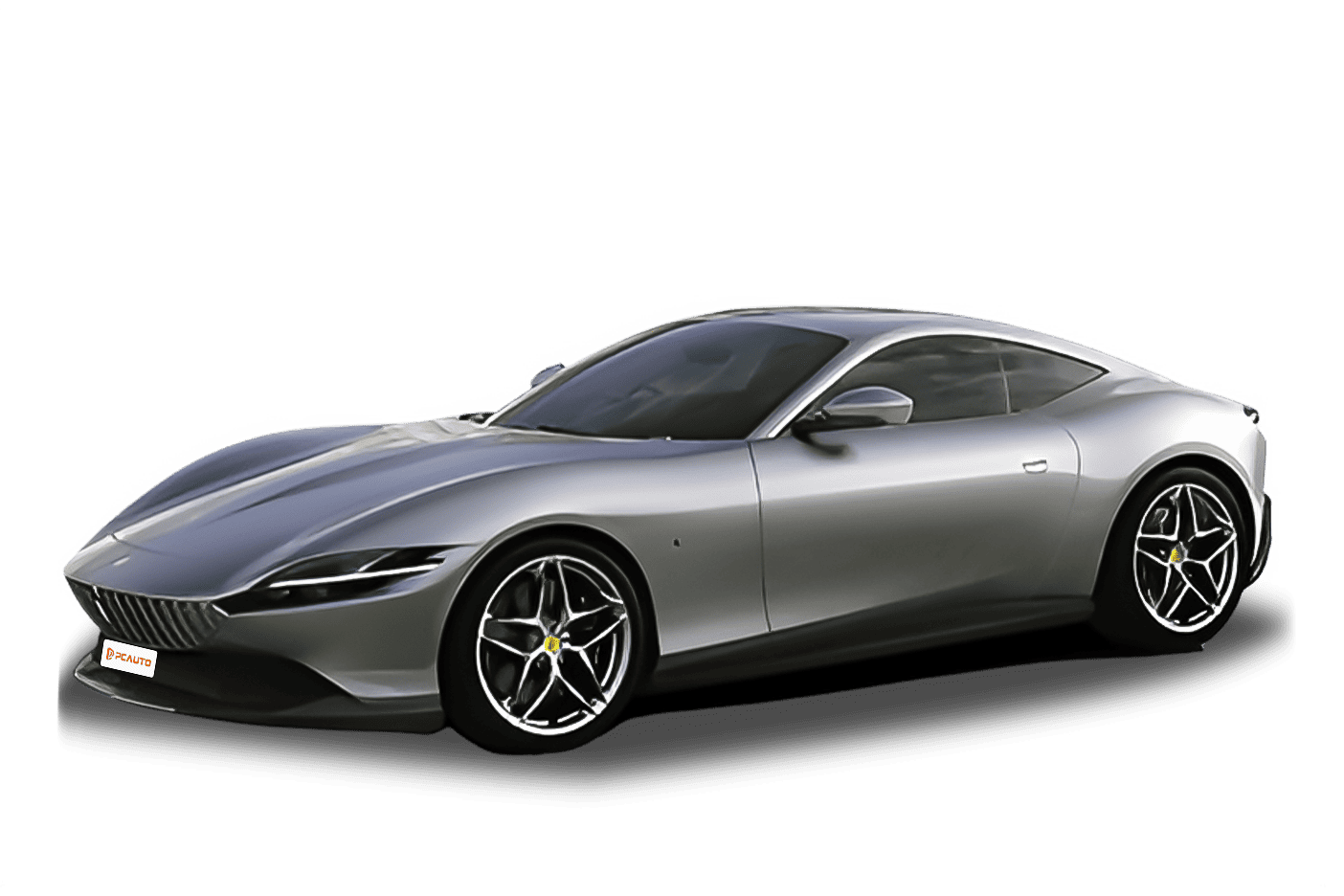
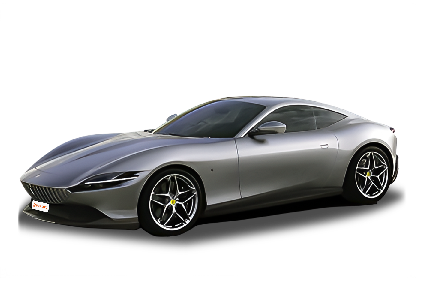
2023 Ferrari Roma Spider is a hardtop convertible GT supercar that combines elegant style with powerful performance, 13.5-second fast-opening soft top + 620PS power, practical for daily use and full of driving pleasure.

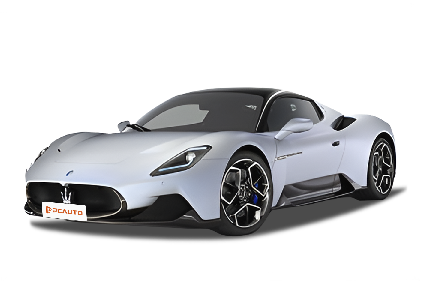
2023 Maserati MC20 Cielo is a two-seater supercar that combines track-level performance with convertible romance, equipped with a 630PS 3.0T V6 engine, a glass hardtop that opens and closes in 12 seconds, and accelerates to 100 km/h in 2.9 seconds.
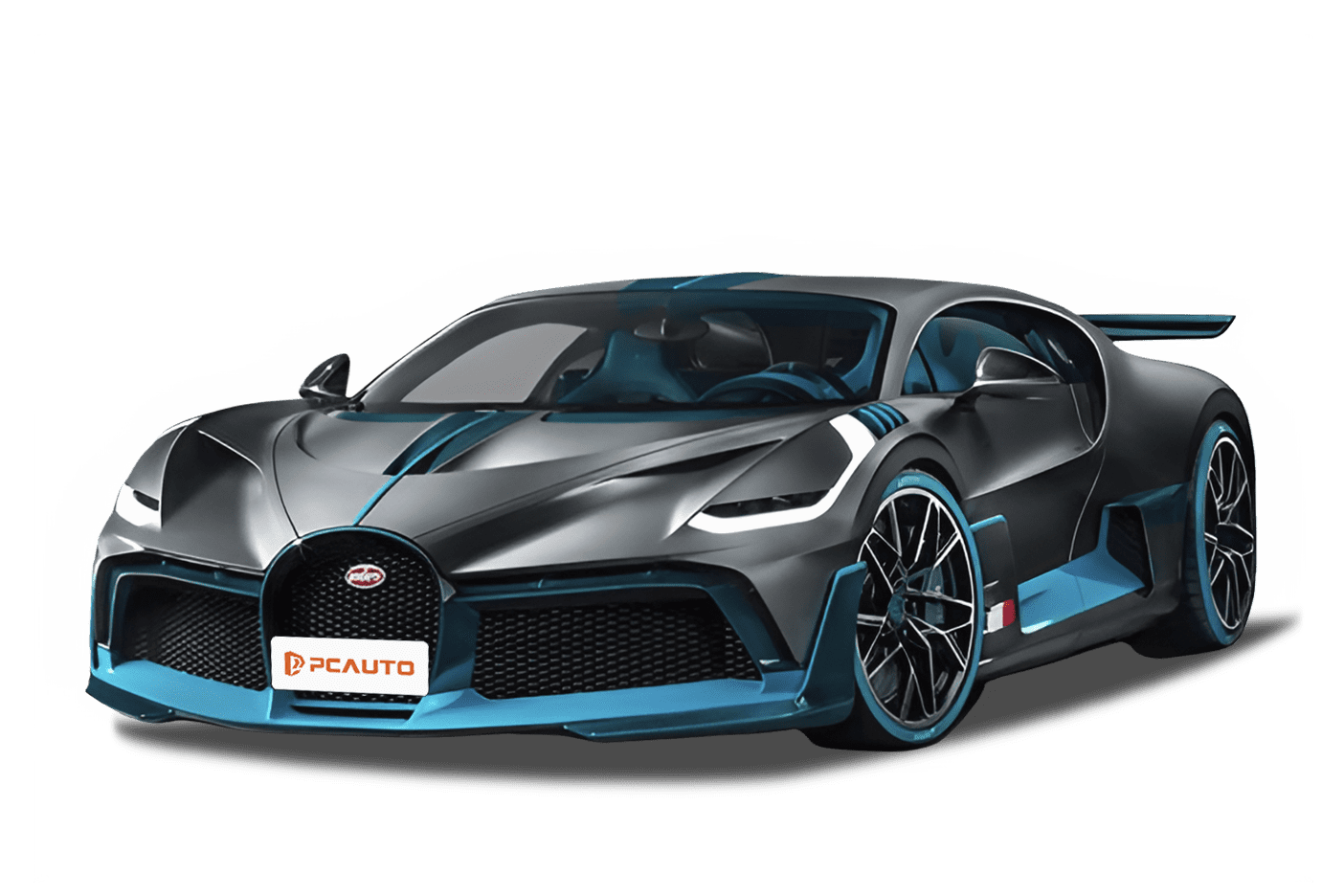
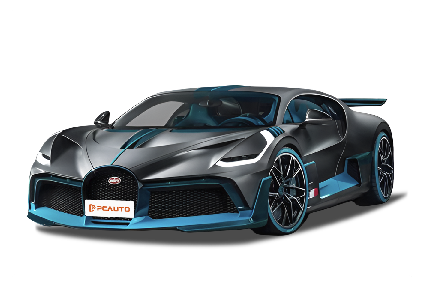
2023 Bugatti Divo, as a limited-edition hypercar and an advanced version of the Chiron, features track-focused aerodynamic design, 1520PS of brutal power, and precise handling, embodying the ultimate performance of being "born for the curves."
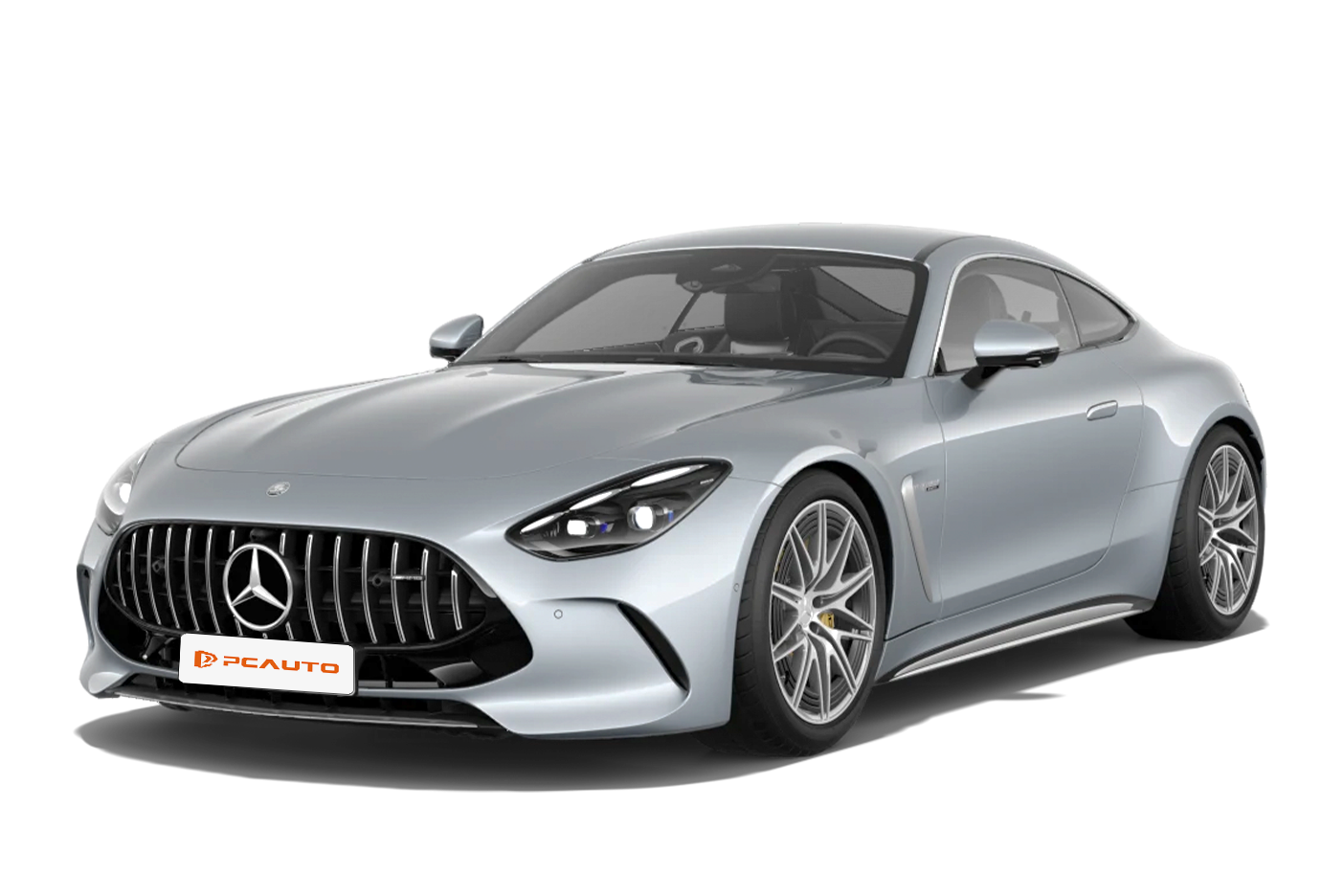
2025 Mercedes-Benz AMG GT 63 4Matic+ Coupe is a luxurious two-door sports car that combines 585PS 4.0T V8 performance (0-100 km/h in 3.2 seconds) with 351L of practical storage, balancing track excitement and daily commuting.