
2021 Porsche 911 GT3 PDK Review

 Share
Share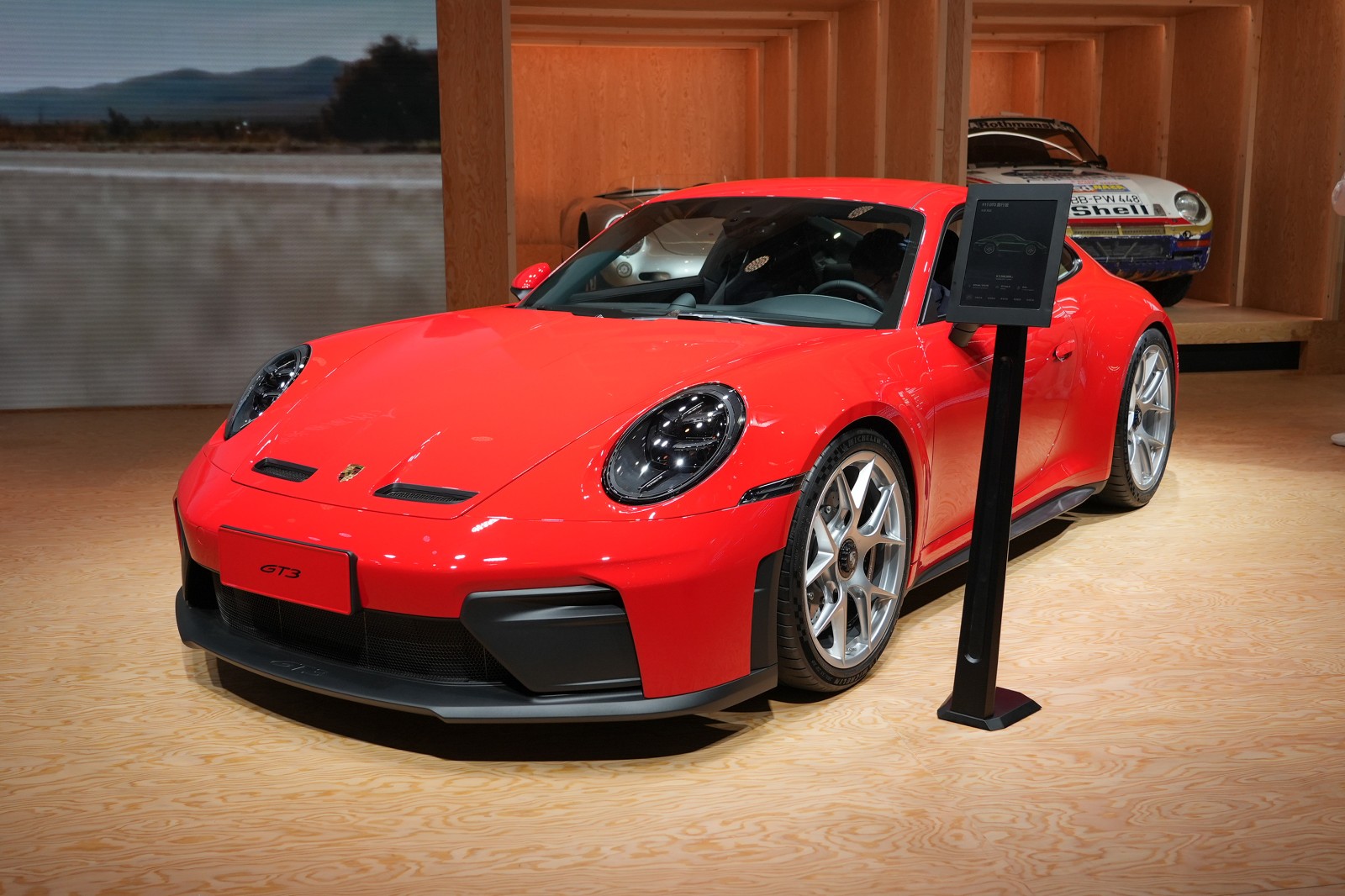
 Segment
 Body Type
 Capacity(L)
 Engine Power(PS)
 Transmission
 Driven Wheels
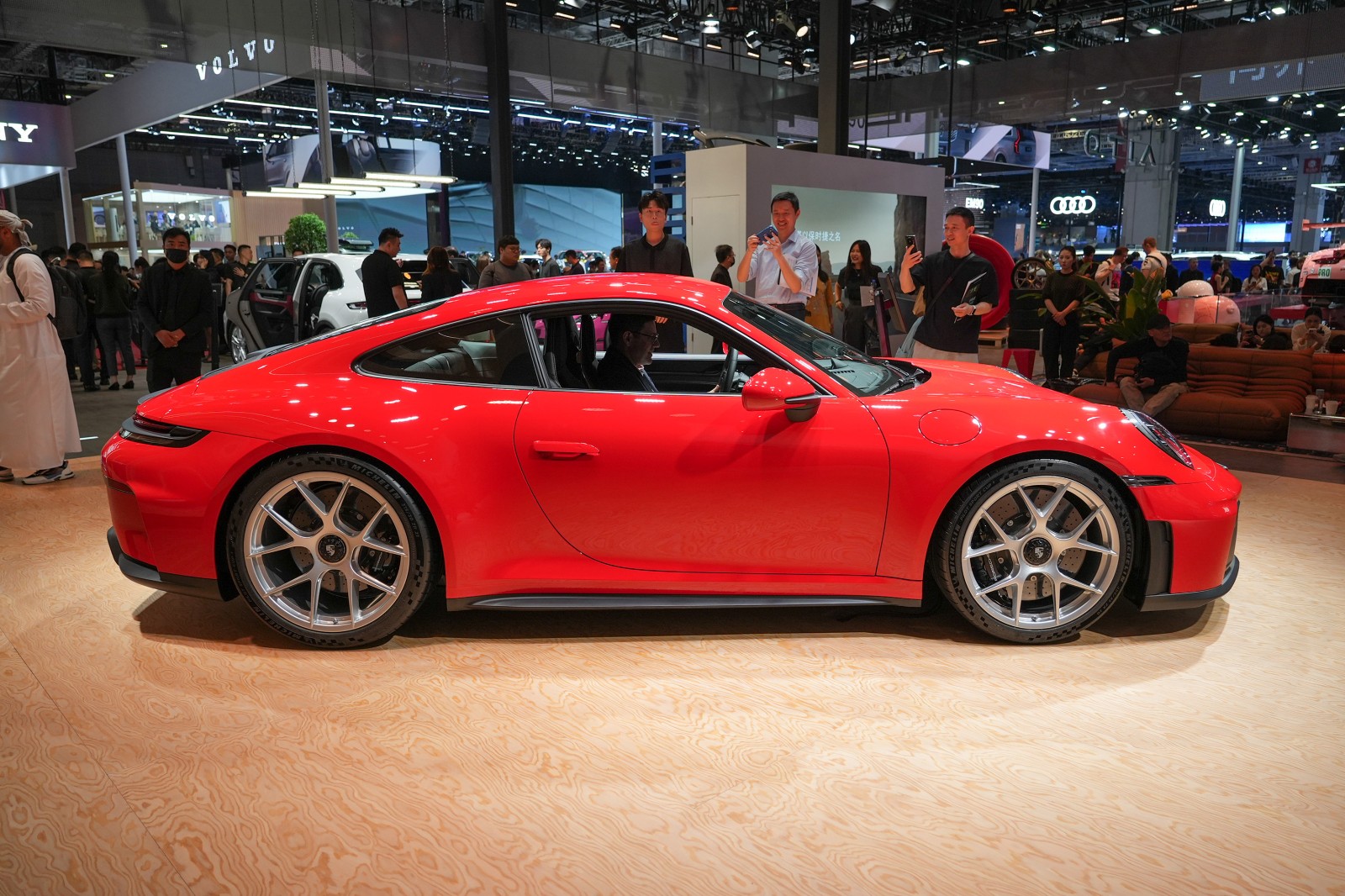
In recent years, Malaysia's supercar market has been heating up, with consumers pursuing track-level performance while also wanting to avoid too much compromise in daily driving — the 2021 Porsche 911 GT3 PDK targets exactly this type of demand. As the performance benchmark within the 911 family, it is equipped with a 4.0-liter naturally aspirated flat-six engine, achieving 0–100 km/h acceleration in just 3.4 seconds, while retaining Porsche's signature practicality. This time, we will conduct a comprehensive test from static design to dynamic performance to see whether it can balance track passion with everyday usability.
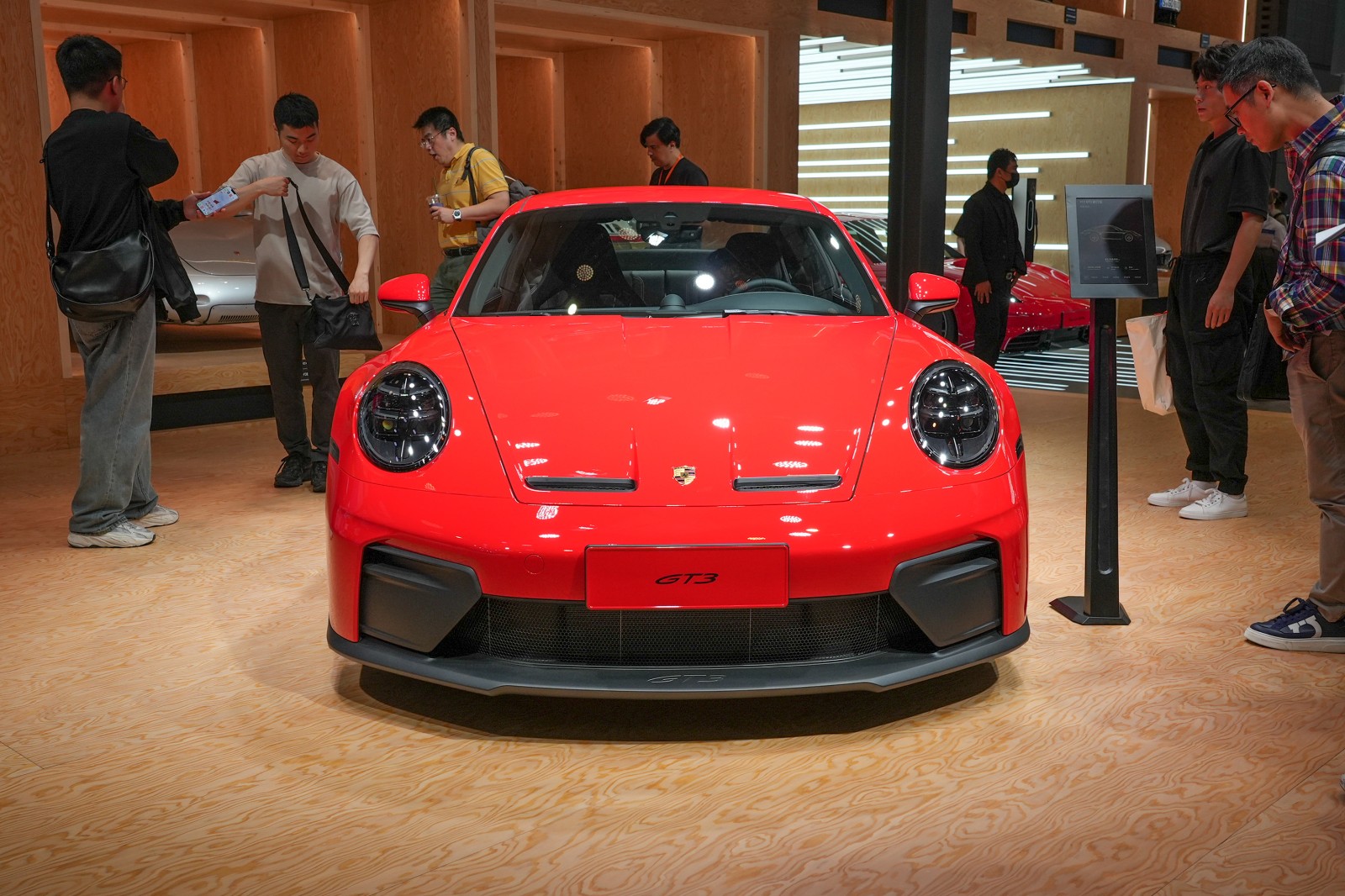
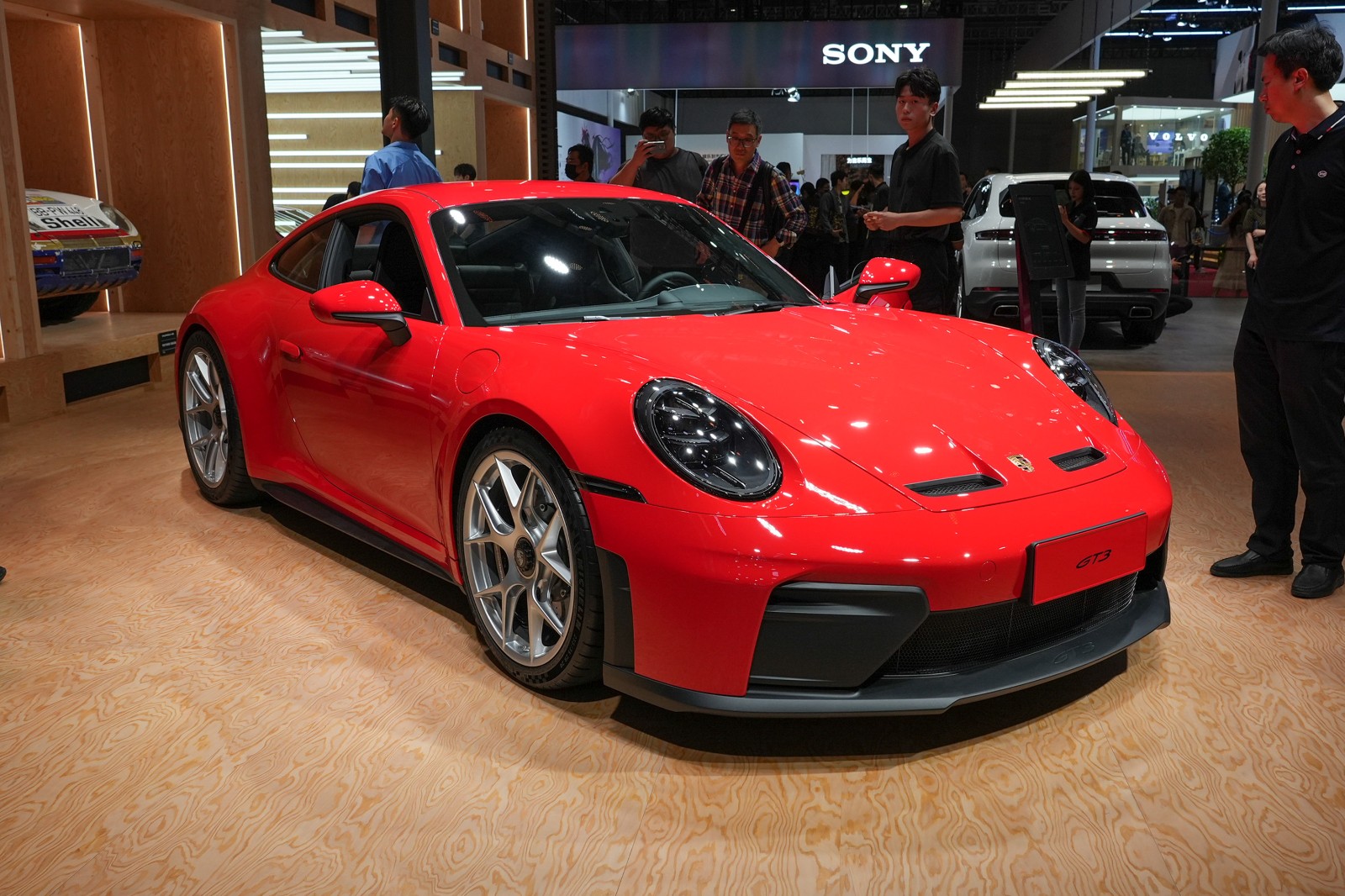
From the exterior, the track-oriented genes of the 2021 GT3 are apparent. The front end features blackened LED headlamps paired with a large air intake grille below the front bumper, enhancing aerodynamic efficiency while strengthening its recognizability; the vents on the hood are not decorative but effectively direct heat out of the engine bay. The body side lines are sleek, with 20-inch front and 21-inch rear wheels featuring a center-lock design, paired with red brake calipers for a striking visual impact; the roof can be optionally equipped with carbon fiber material to further lower the center of gravity. At the rear, the large adjustable wing is a key highlight, rising automatically at high speeds to increase downforce and retracting at low speeds to optimize drag; the connecting LED taillight and quad exhaust ports on either side give the rear design a more aggressive look. The overall design is free of unnecessary decorations, with each detail serving the performance.
Sit inside the car, and the GT3's interior continues the classic layout of the 911 family, but the details are full of sportiness. The instrument cluster adopts Porsche's iconic five-tube design, with the central gauge displaying core data like RPM and speed, and the right-side small screen supporting functions like navigation and media; the center console is equipped with a 10.9-inch touchscreen, integrating the Porsche Communication Management system, which operates smoothly and supports CarPlay. The carbon fiber bucket seats offer excellent support, featuring electric adjustment and memory functions to balance track support with daily comfort. The steering wheel is wrapped in Alcantara material and comes standard with paddle shifters, providing a solid grip. In terms of materials, the center console mainly uses soft-touch surfaces, complemented by carbon fiber trim details, striking a balance between luxury and sportiness.
In terms of space performance, as a two-door sports car, the GT3 exceeds expectations. The car measures 4573/2027/1279mm in length, width, and height, with a wheelbase of 2457mm. Front headroom is approximately 950mm (tested with a 175cm tall individual) with ample legroom; although the rear seats are not suitable for prolonged adult use, they are entirely adequate for short trips or storing backpacks. For storage, the front trunk offers 132 liters of space, enough for a 20-inch carry-on suitcase or daily shopping bags. The door pockets and central armrest box are moderate in size, meeting daily storage needs without issue. Additionally, the rear seats are equipped with cupholders, and behind the front seats are storage nets, with practicality attended to in the details.
Dynamic driving is the core advantage of the GT3. Its 4.0-liter naturally aspirated flat-six engine delivers a maximum power of 510PS and a peak torque of 470N·m, paired with a 7-speed PDK transmission, offering extremely direct power delivery. Switching to Sport Plus mode increases throttle sensitivity, with the rear wheels briefly spinning at startup before quickly regaining traction, and the push-back sensation sustained up to the 8,000rpm redline; mid-to-high-speed acceleration remains vigorous, and deep throttle inputs during overtaking prompt instant downshifts and responsive power delivery. The steering wheel is precise and has almost no dead spot, providing clear road feedback with every turn. The front double-wishbone independent suspension and rear multi-link suspension (not specified in the data but is standard on the 911 GT3) are tuned on the firmer side but surprisingly capable of filtering minor bumps, making daily driving not overly bumpy. In corners, the body exhibits excellent roll control, and the Michelin Pilot Sport Cup 2 tires offer superb grip, maintaining stability even during high-speed cornering.
In terms of fuel consumption, the official combined fuel consumption is 12.4L/100km. We tested it under a mix of urban and highway conditions, and the actual fuel consumption was about 13.2L/100km. On highways, it could reach a minimum of 9.8L/100km. For a 4.0-liter naturally aspirated supercar, this performance meets expectations. The braking system uses front six-piston/rear four-piston calipers paired with perforated ventilated discs. The braking distance from 100-0km/h is about 32 meters. The braking force is linear and strong, with no significant thermal decay after multiple braking attempts. Regarding noise control, the cabin is relatively quiet during low-speed driving, but at high speeds, tire noise becomes slightly more noticeable. However, for a performance car, it's within an acceptable range. The seats have strong support, making long drives less tiring, and it is also suitable for daily commuting.
Compared with competitors in the same class, such as the McLaren 570S and Audi R8 V10, the advantages of the GT3 lie in the linear power output of its naturally aspirated engine, the reliability of the PDK transmission, and the Porsche brand's high resale value. At the same time, it retains the practicality of the 911, making it one of the few track-level supercars that can be driven daily. The downside is the limited rear space and the stiff suspension setup, which may be slightly uncomfortable for purely urban commuters.
Overall, the 2021 Porsche 911 GT3 PDK is a "well-rounded" supercar—it can unleash 510PS of powerful performance on the track while meeting the basic needs of daily commuting. It is suitable for two types of people: first, supercar enthusiasts who love track driving and also need a car they can use daily; second, high-end consumers who pursue brand and performance without sacrificing practicality. If you want a supercar that combines passion and practicality, the GT3 PDK is definitely worth considering.
Porsche 911 Car Compare
More Porsche Reviews
Cars With Similar Price And Features
8
Rank in Coupe
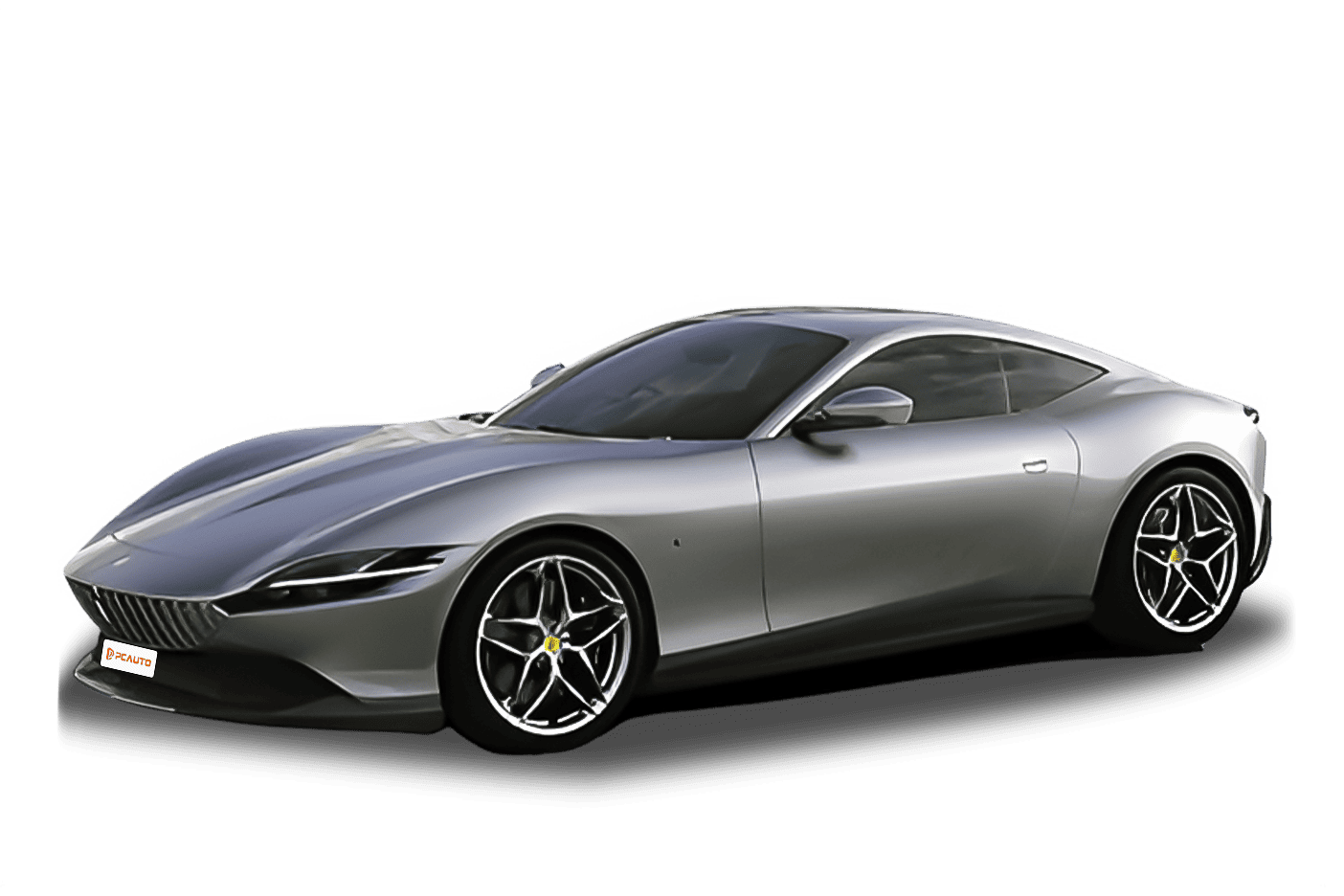
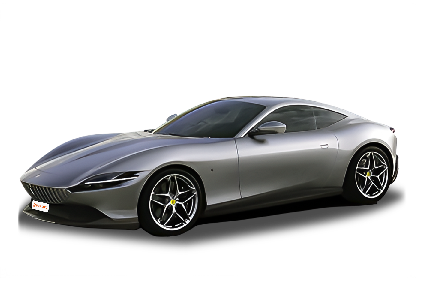
2023 Ferrari Roma Spider is a hardtop convertible GT supercar that combines elegant style with powerful performance, 13.5-second fast-opening soft top + 620PS power, practical for daily use and full of driving pleasure.

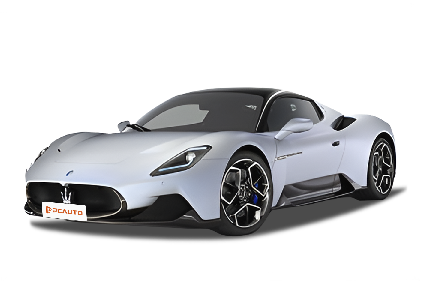
2023 Maserati MC20 Cielo is a two-seater supercar that combines track-level performance with convertible romance, equipped with a 630PS 3.0T V6 engine, a glass hardtop that opens and closes in 12 seconds, and accelerates to 100 km/h in 2.9 seconds.
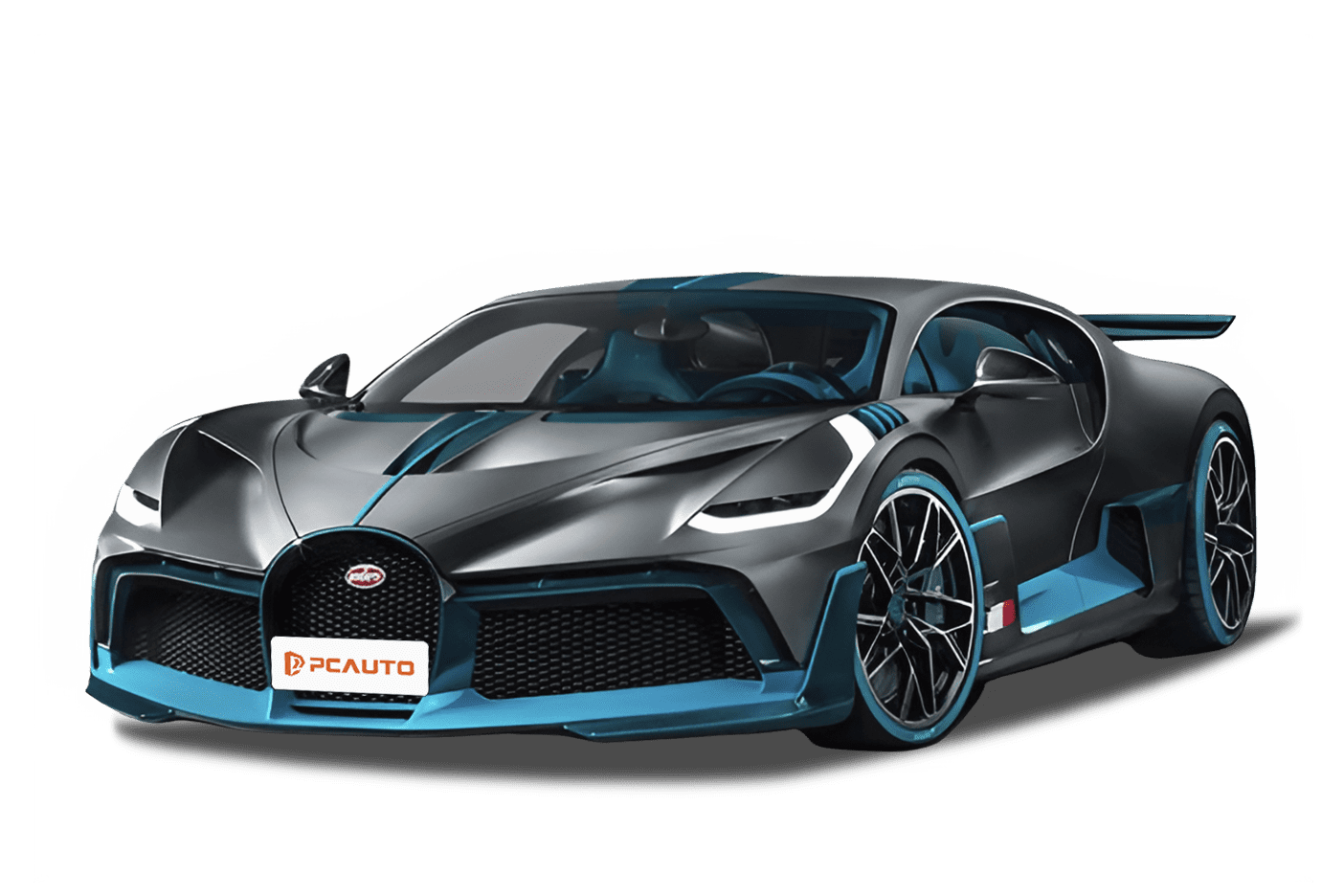
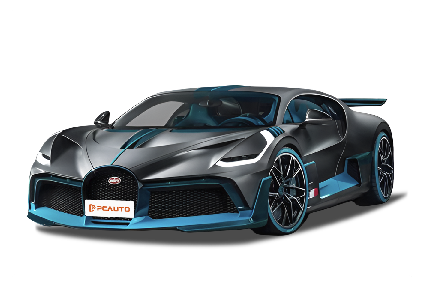
2023 Bugatti Divo, as a limited-edition hypercar and an advanced version of the Chiron, features track-focused aerodynamic design, 1520PS of brutal power, and precise handling, embodying the ultimate performance of being "born for the curves."
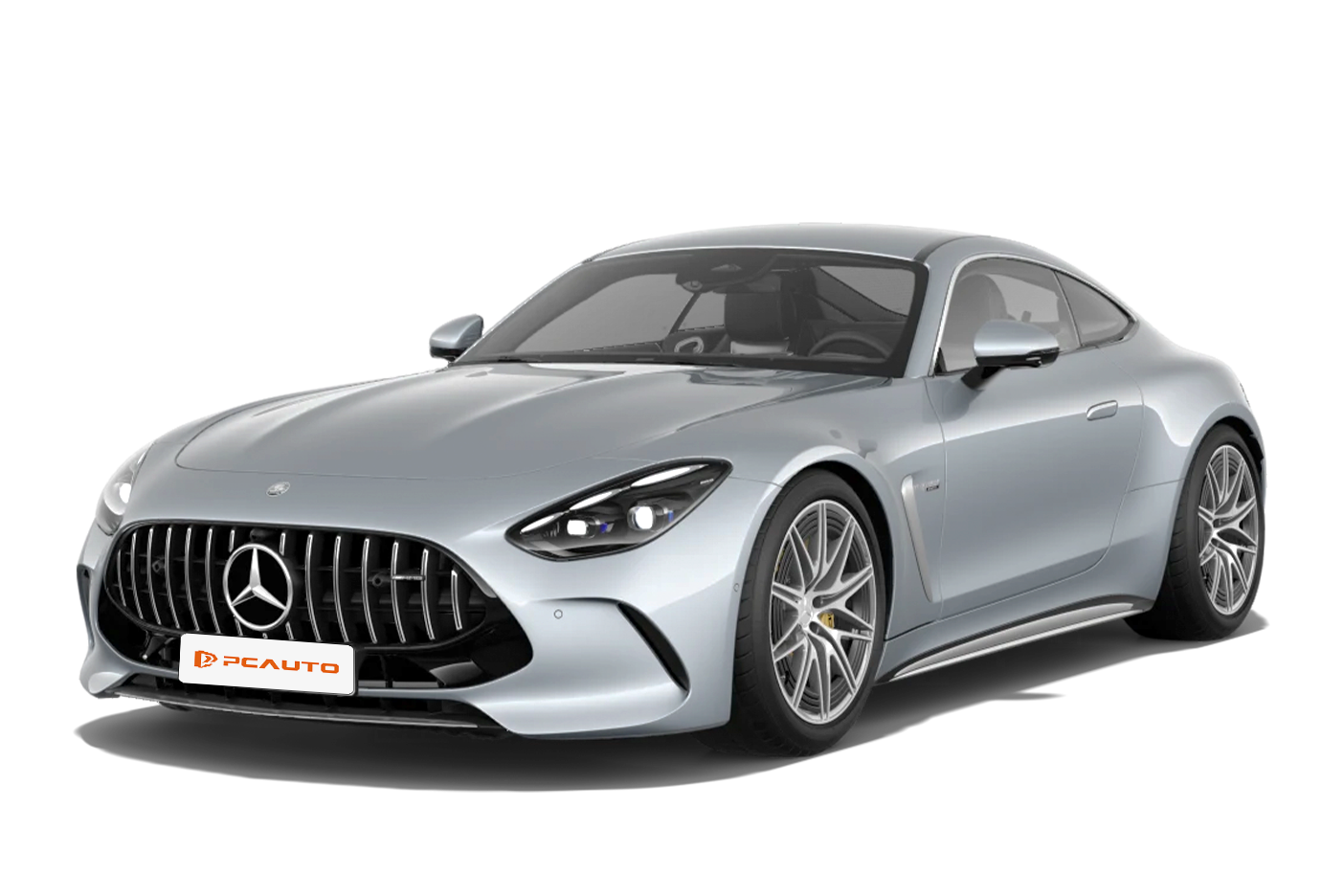
2025 Mercedes-Benz AMG GT 63 4Matic+ Coupe is a luxurious two-door sports car that combines 585PS 4.0T V8 performance (0-100 km/h in 3.2 seconds) with 351L of practical storage, balancing track excitement and daily commuting.