

2021 Toyota Innova 2.0 E (AT) Review

 Share
Share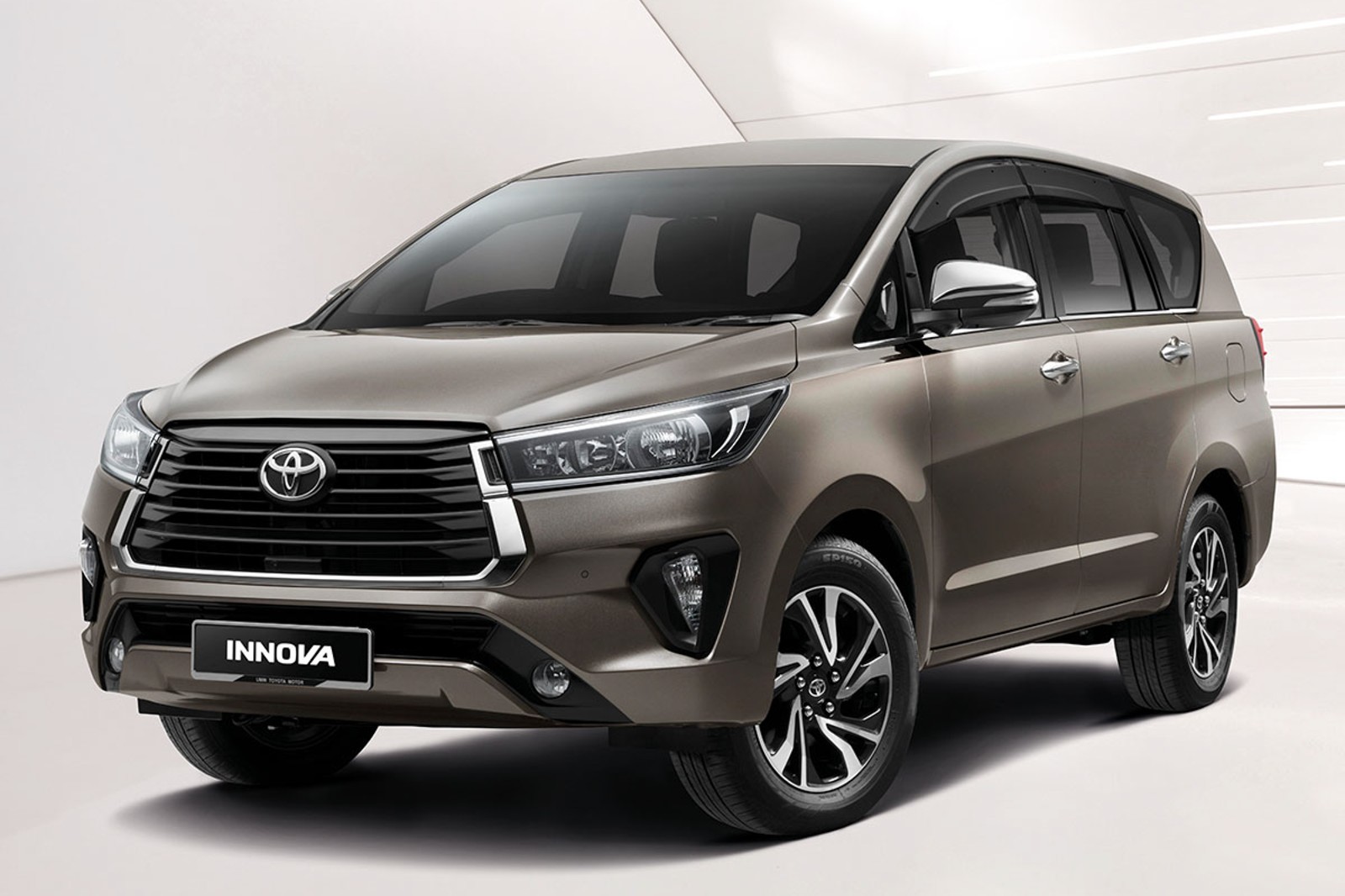
 Segment
 Body Type
 Capacity(L)
 Engine Power(PS)
 Transmission
 Driven Wheels
MPV models have always been a popular choice among local family users, especially 8-seater models that can accommodate multiple passengers, which have always had stringent requirements for space, practicality, and balance. As a popular competitor in the D-segment, the 2021 Toyota Innova 2.0 E (AT), featuring standard 7 airbags, 360-degree parking cameras, and rear-wheel-drive layout as its core selling points, is evaluated through a deep test drive to assess whether it can meet the daily commuting and long-distance needs of multi-member families.
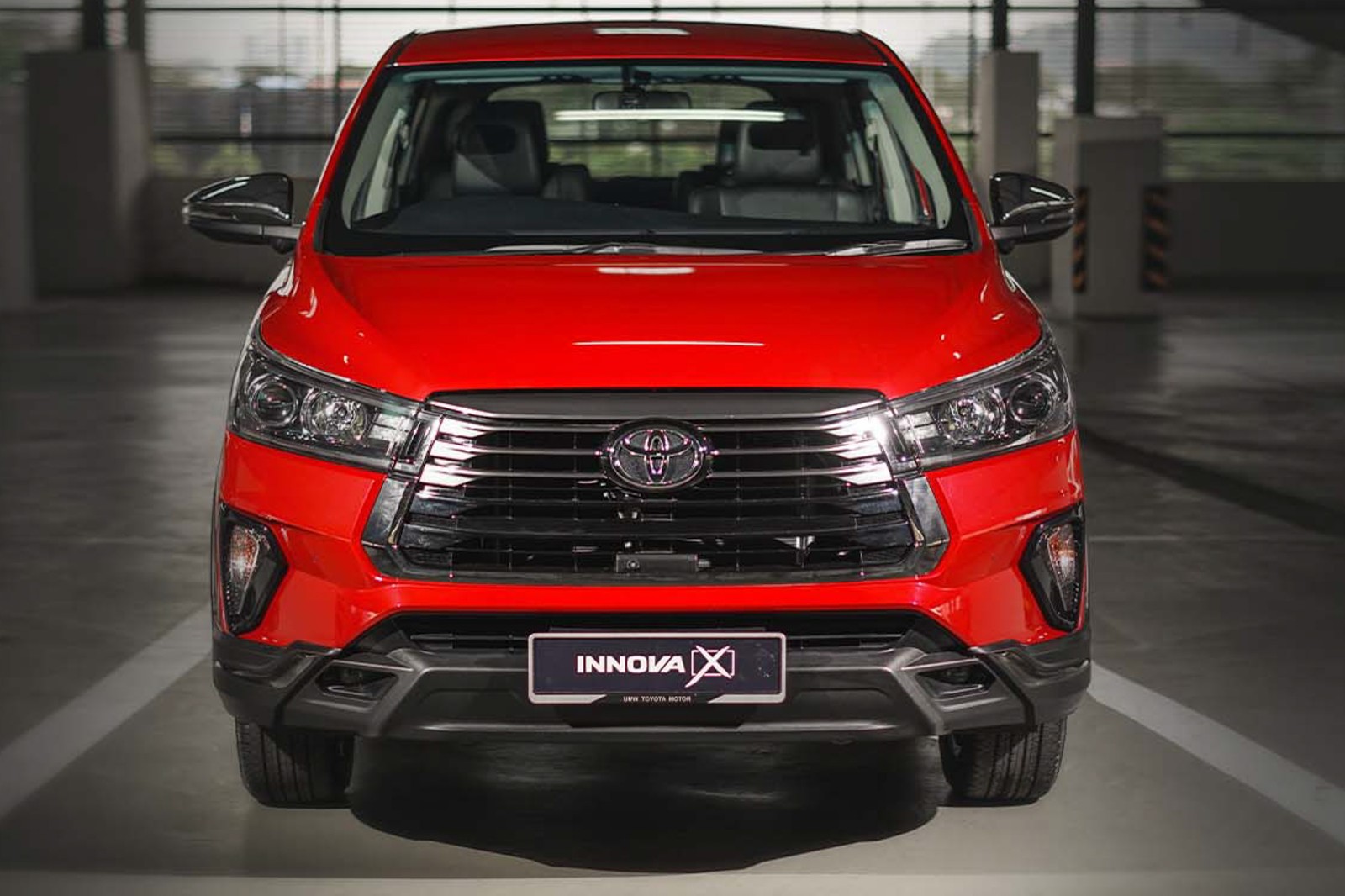
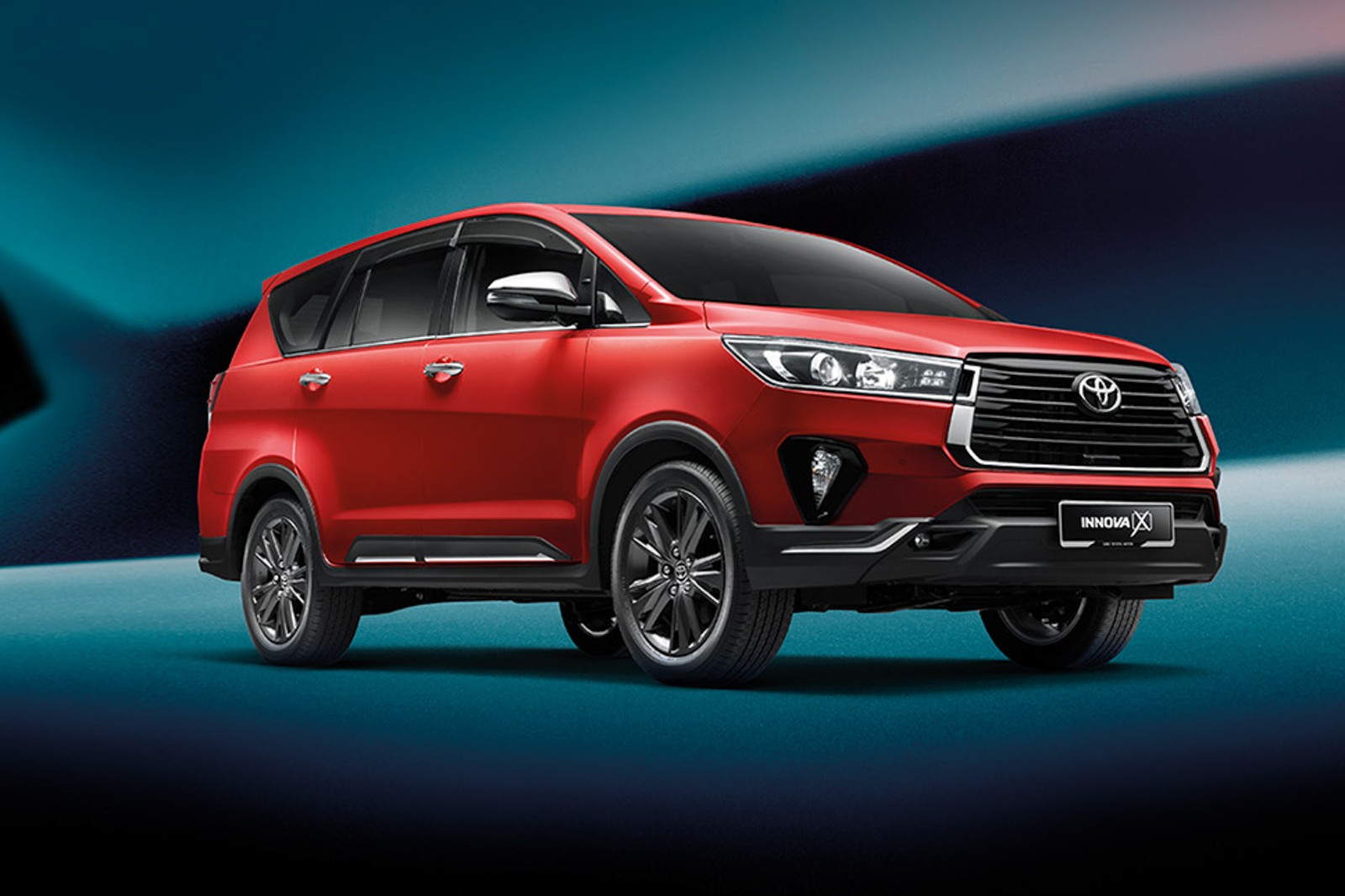
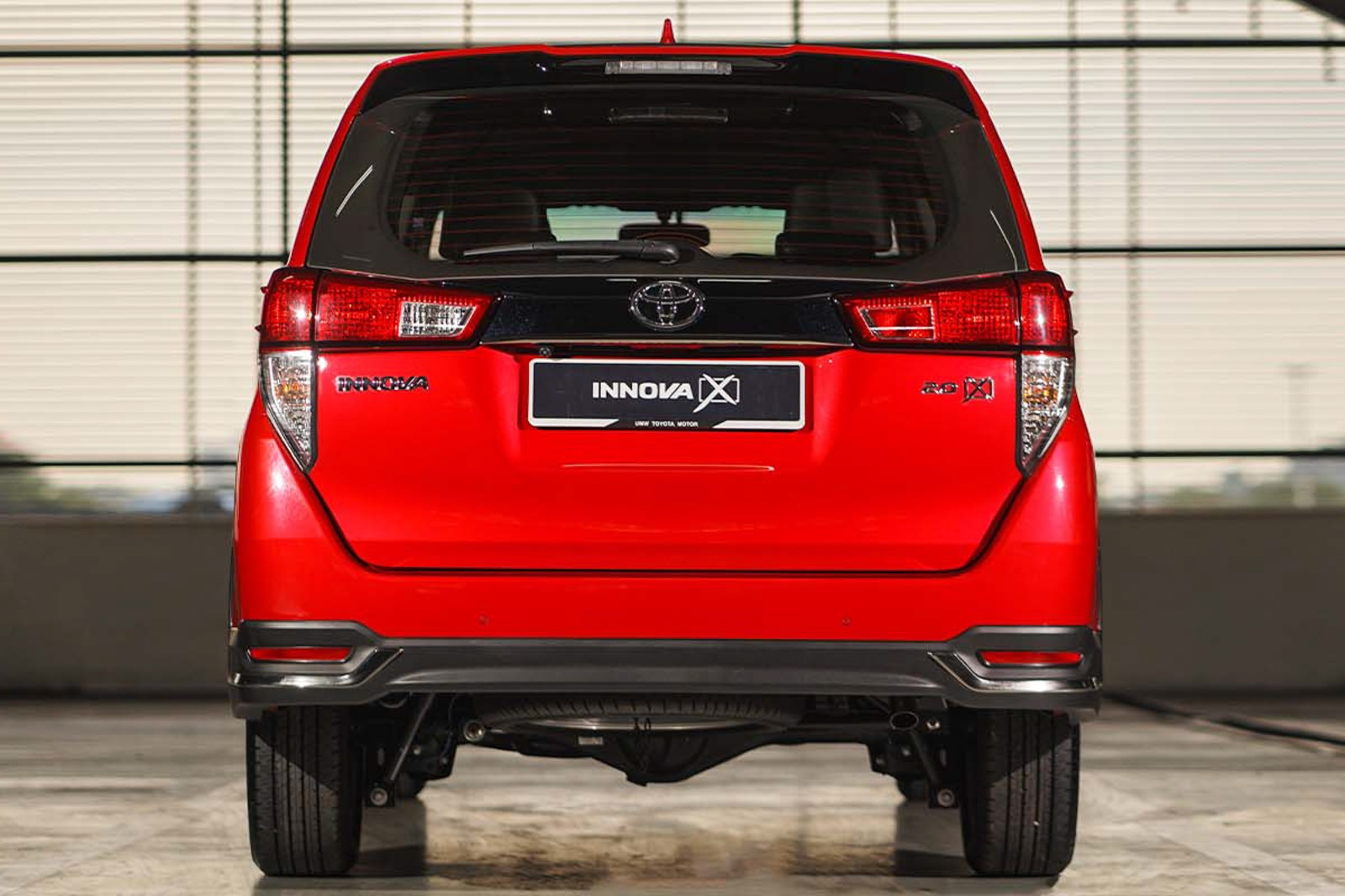
From the exterior, the Innova 2.0 E maintains the typical boxy profile of an MPV, with an overall style that leans towards being stable and practical. The front adopts Toyota's family design, featuring a large trapezoidal grille paired with chrome accents, giving it a decent level of identification; the headlight assembly on both sides combines halogen and LED lights with an automatic lighting function, making it convenient for daily use. The side profile of the body features straight lines, and the waistline extending from the front to the rear enhances the three-dimensional feel. The 16-inch tires with 205/65 R16 specifications strike a balance between comfort and off-road capability. The rear design is simple, with vertically styled taillights and lines corresponding to the rear bumper; rear fog lights are standard. The overall design avoids excessive flourish, aligning with the positioning of a family car.
Inside the cabin, the interior features dark tones as the primary color, with soft-touch plastic and fabric seats as the main materials, giving a practical feel. The central control layout is clear, with a 9-inch touchscreen placed centrally, offering decent operational smoothness and supporting basic multimedia functions. The steering wheel is multifunctional, with the left side integrating buttons for volume adjustment and phone controls, while the right side features toggles for the trip computer and driving assistance functions, making it convenient for blind operation. The front seats support 8-way electric adjustments, with fabric upholstery that provides average wrapping but thick padding, ensuring long-duration comfort; the second-row seats allow for manual adjustments, with a spacious layout where passengers of 175cm height have two punches of legroom. The third-row seats are suitable for children or small-sized adults and can fold in a 50:50 split to expand trunk space to accommodate up to three 20-inch suitcases, sufficient for daily storage. Independent rear air conditioning and multiple power outlets come as standard, ensuring the comfort of rear passengers during long journeys.
In terms of powertrain, the Innova 2.0 E is equipped with a 2.0L naturally aspirated engine that delivers a maximum output of 139PS/5600rpm and peak torque of 183N·m/4000rpm, paired with a 6-speed automatic transmission. The power delivery is smooth during start-up, with no obvious thrust, making it suitable for urban commuting; during mid-to-high-speed acceleration, stepping on the gas pedal causes the transmission to downshift for a response, requiring a certain preemptive distance when overtaking. The rear-wheel-drive layout offers more even power distribution when fully loaded compared to front-wheel-drive MPVs, performing slightly better on uphill climbs. The steering feel is relatively light with moderate play, allowing for an easy driving experience. The front double wishbone independent suspension handles road bumps moderately, with noticeable bouncing for rear passengers when crossing speed bumps, though the support in corners is commendable, keeping the body roll within a reasonable range for an MPV. The official combined fuel consumption is 9.1L/100km. During the test drive, urban road fuel consumption was about 10.5L, while highway conditions showed around 8.2L, aligning with the level of a 2.0L naturally aspirated engine.
In the special test, the safety configuration stands out as a highlight for the Innova 2.0 E: seven airbags covering the front and rear rows, and the 360-degree parking cameras are very helpful when parking in tight spaces, with the front and rear radar offering moderate sensitivity for alerts. The hill-start assist function can maintain braking for approximately 2 seconds on steep slopes, preventing rollbacks. In terms of noise control, the interior remains quiet at speeds below 60km/h, but wind and tire noise become more apparent at speeds exceeding 80km/h, though still within an acceptable range. The seat comfort is generally good; while the third-row seats are not as spacious as the first two rows, they are comfortable for short trips.
In summary, the core advantages of the Innova 2.0 E lie in its safety configuration and practical space: features such as seven airbags and 360-degree cameras are rarely seen in MPVs of this price range, and its rear-wheel-drive layout offers better stability when fully loaded or driving uphill compared to front-wheel-drive models. Compared with similar models like the Honda Odyssey (the low-end version has fewer safety features) and Proton Exora (less powerful), the Innova 2.0 E excels in balancing safety and performance. Its overall performance makes it well-suited for daily use by large families, especially those who need frequent full-capacity trips or occasional long-distance travel. Its balanced performance and durability are its main advantages.
Toyota Innova Loan Calculator
More Toyota Reviews
Cars With Similar Price And Features

2020 Hyundai Grand Starex Executive Prime is an 11-seater practical MPV that balances family and business needs, meeting the demands of group travel with flexible seat layouts, comfortable suspension, and high cost-effectiveness.
13
Rank in MPV
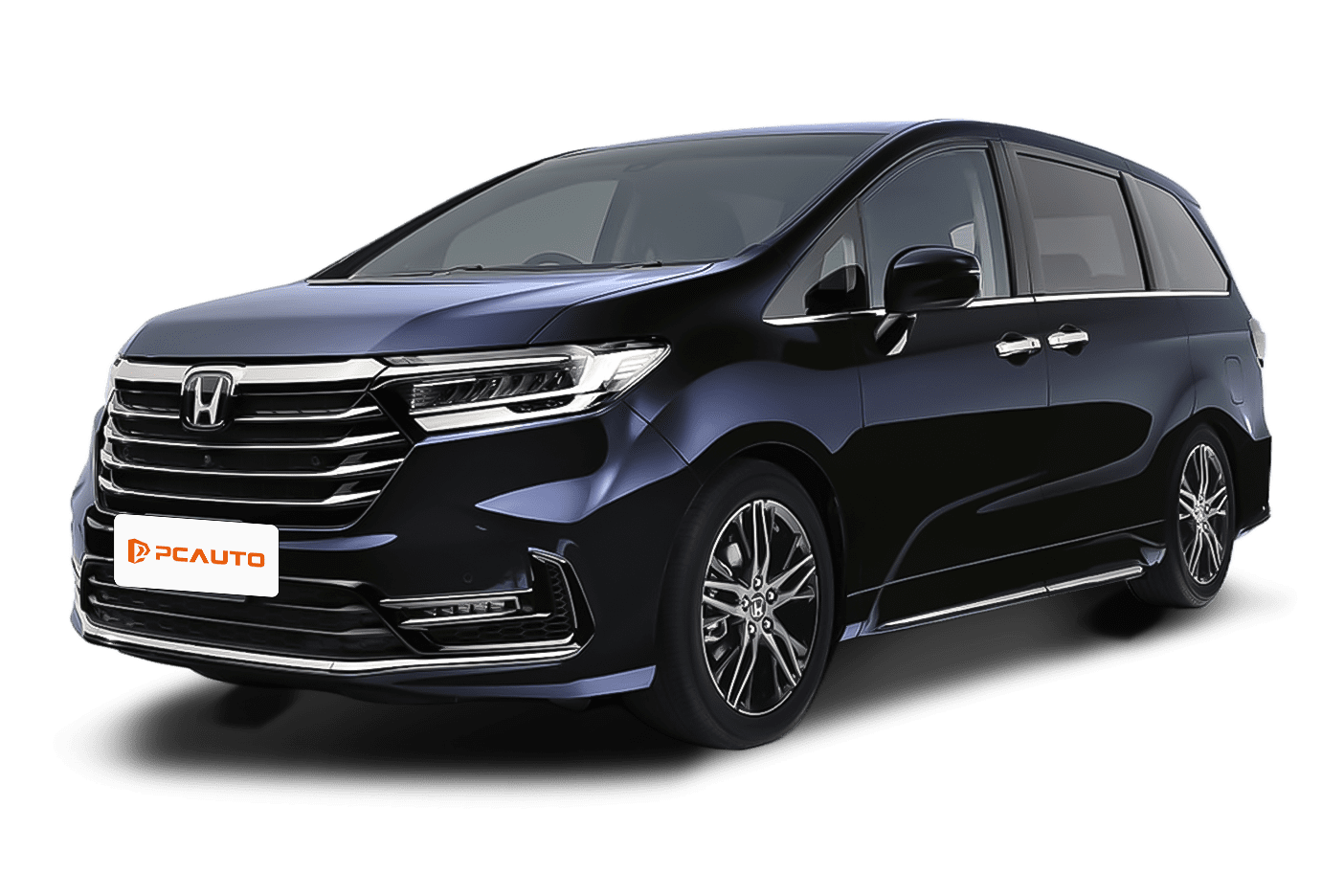
2022 Honda Odyssey 2.4 EXV is a family MPV that balances spatial practicality and comfortable configurations, meeting versatile household needs with its flexible 7-seat layout, Ottoman captain seats, and a well-established powertrain.