

2021 Toyota Innova 2.0 X (AT) Review

 Share
Share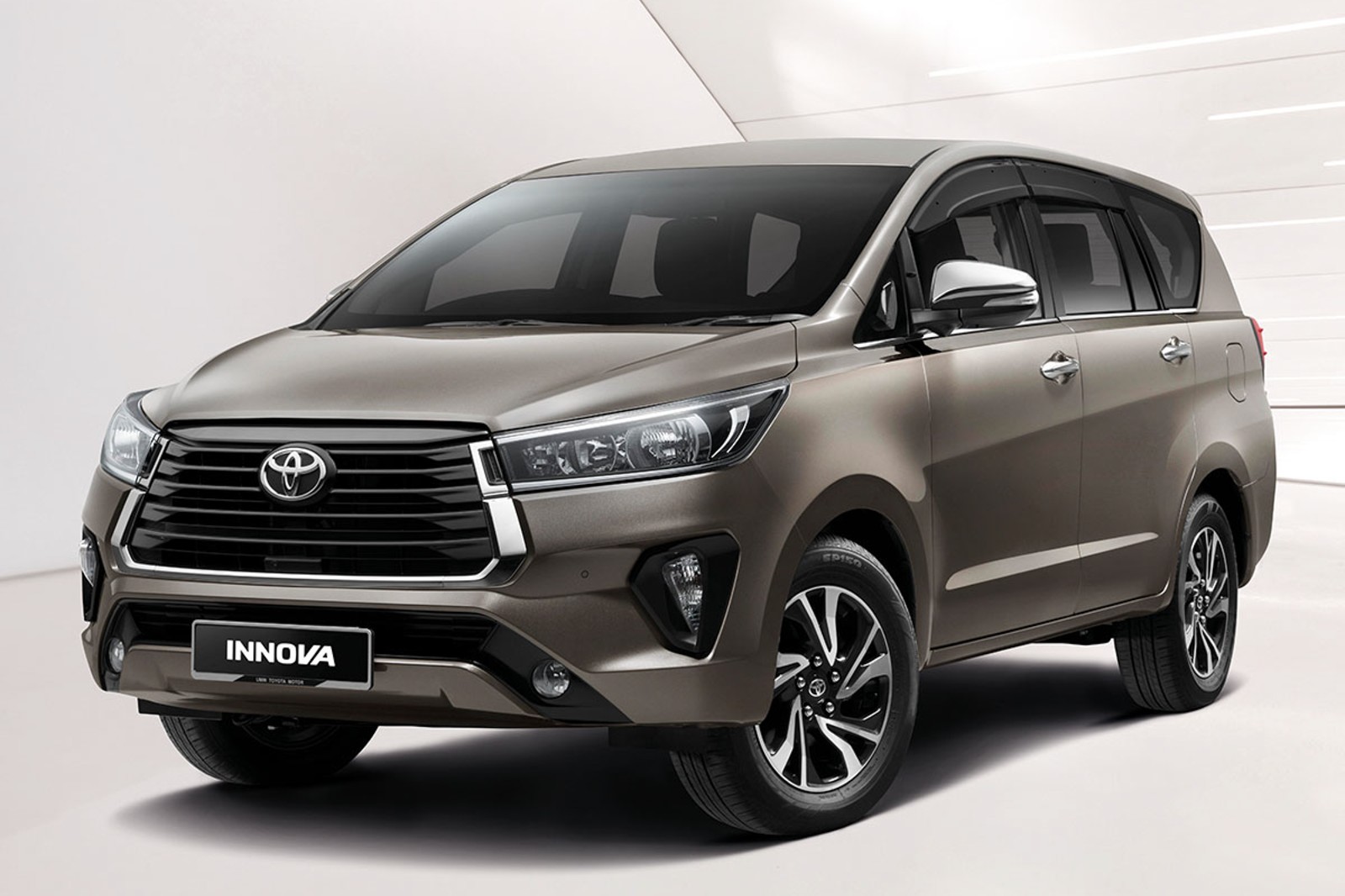
 Segment
 Body Type
 Capacity(L)
 Engine Power(PS)
 Transmission
 Driven Wheels
In the Malaysian 7-seater family car market, D-segment models have always been a core choice for family users—they need to accommodate the whole family's outings while balancing daily driving practicality and comfort. As a regular in this niche market, the Toyota Innova 2021 2.0 X (AT) comes with upgraded features and its classic rear-wheel-drive layout, with its core selling points aimed directly at "family-friendly balance" and the "reliability of the Toyota brand." In this test drive, we'll focus on two questions: Does its static experience meet family needs? Can its dynamic performance handle both daily commuting and weekend getaways?
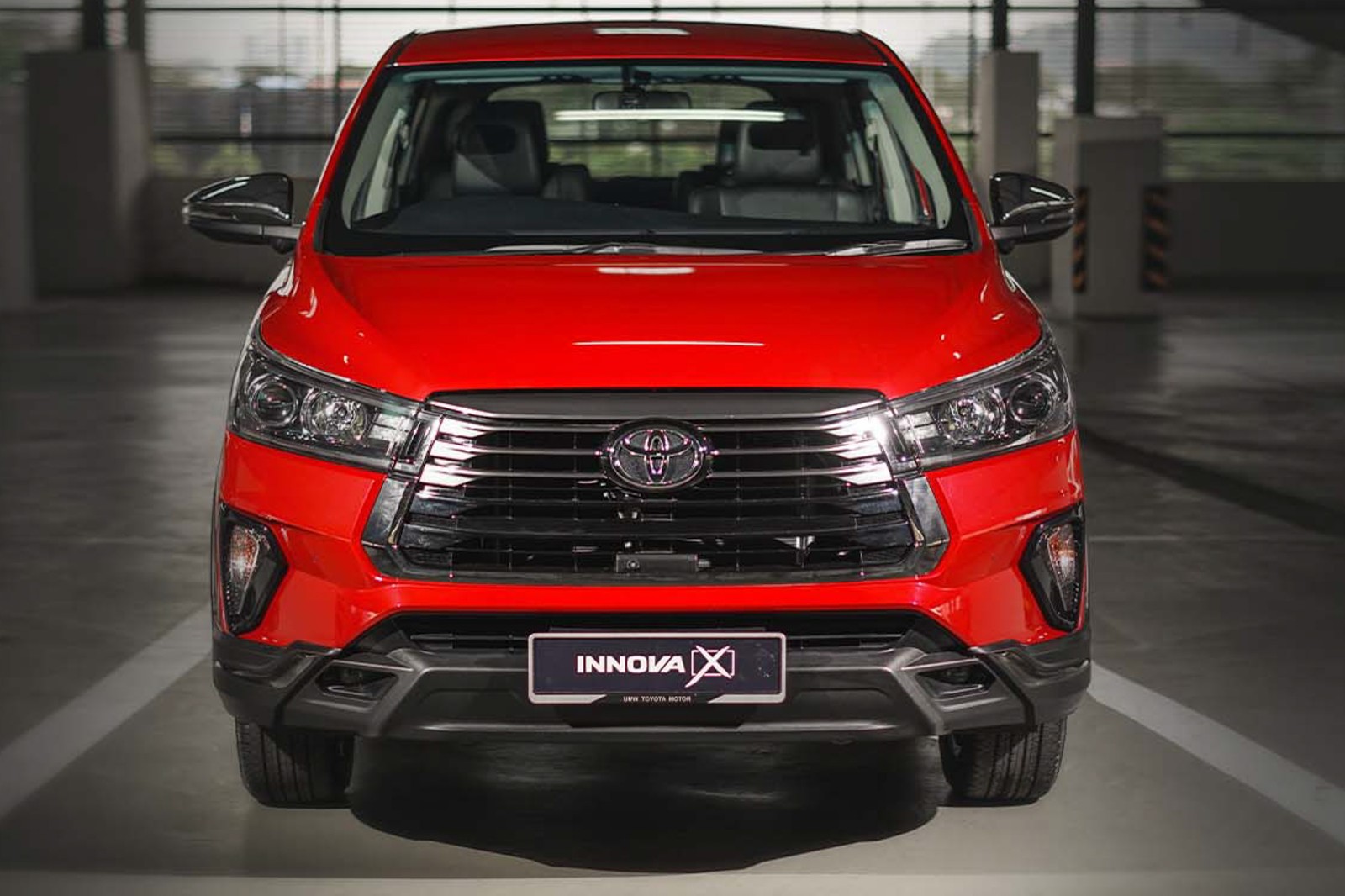
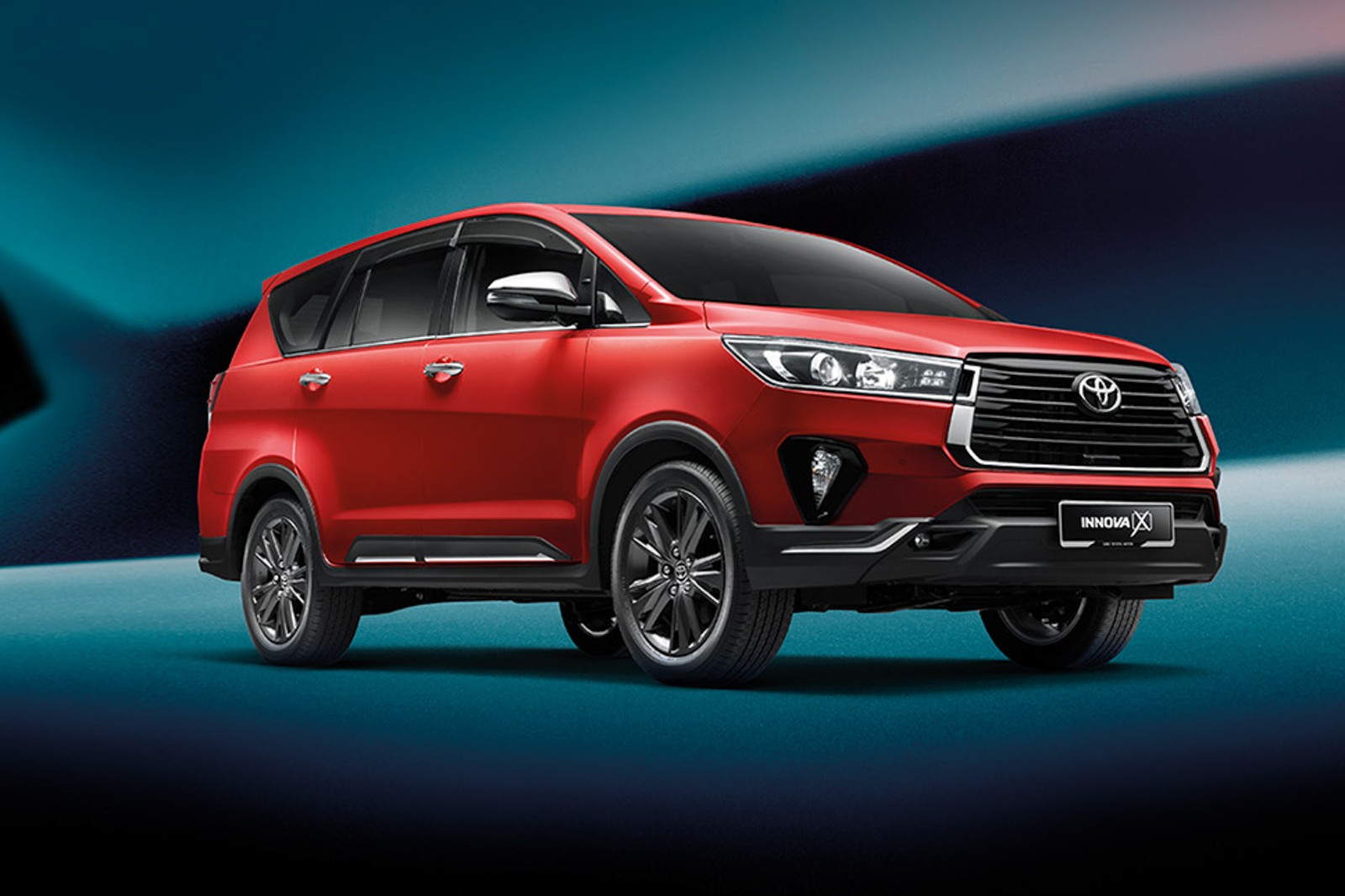
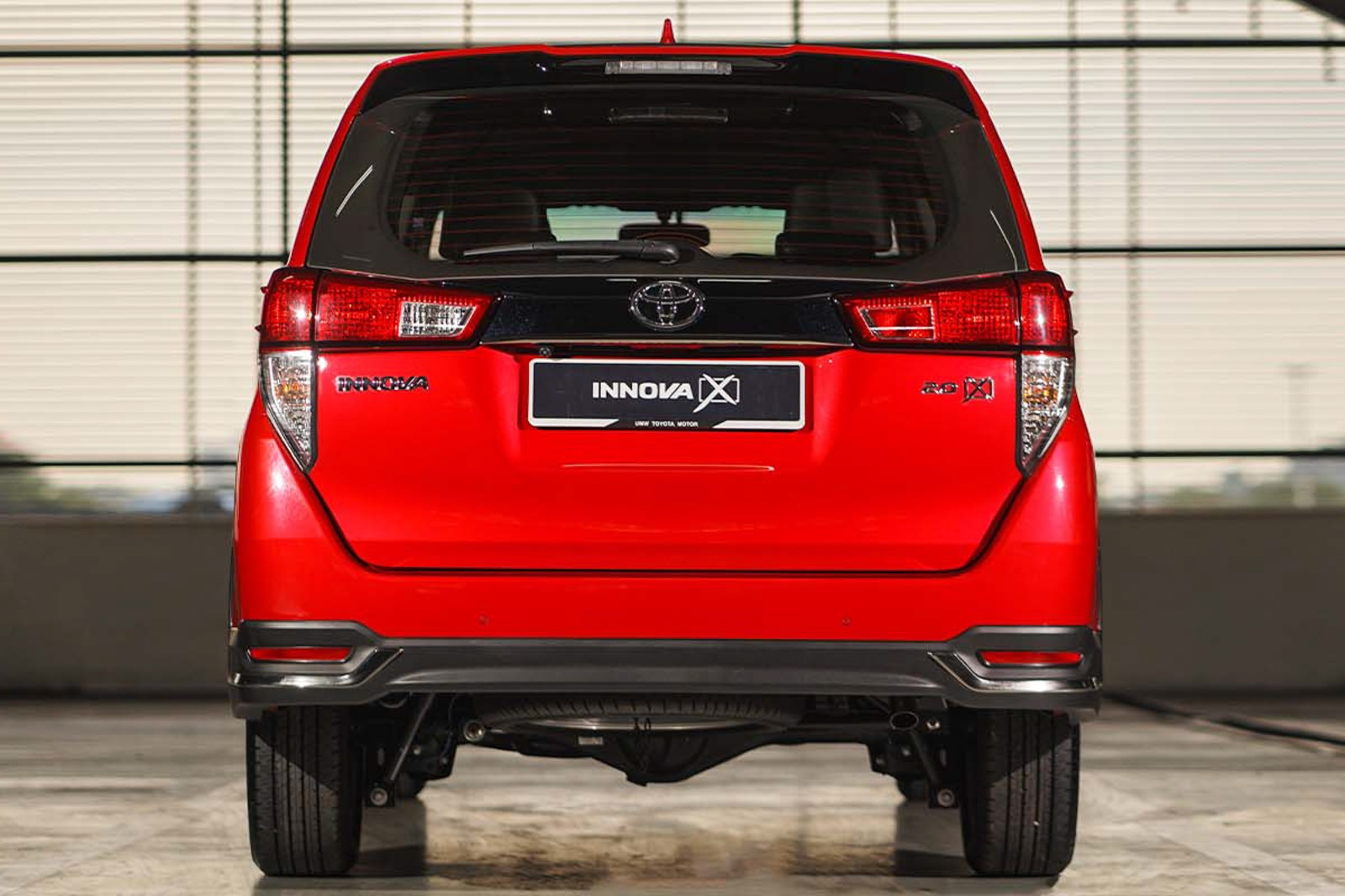
Let's start with the exterior. The overall style of the 2021 Innova 2.0 X leans toward the robust MPV positioning, avoiding overly flashy designs while having enough details to elevate its appeal. The front features a large trapezoidal grille with black honeycomb trim, flanked by slightly angular headlights. Although the main beams use halogen bulbs, the LED daytime running lights and automatic headlamp function come as standard, ensuring practicality. The side profile features straight lines, with a waistline extending from the front fender to the rear, preventing the side from appearing bulky. It sits on 17-inch alloy wheels paired with 215/55 R17 tires, presenting well-balanced proportions. At the rear, the vertically arranged taillights have good recognizability, while the chrome strip and silver skid plate on the rear bumper add some layering to the rear design. The overall design may not be stunning, but it wins in being enduringly appealing, fitting the "low-key and practical" positioning of a family car.
Moving to the interior, the design leans towards utilitarianism with a clear layout that's easy to get accustomed to. Regarding materials, the central console area and inner door panels are covered with soft-touch plastics, giving a decent tactile sensation. The multifunction steering wheel features media and phone control on the left side and driving assistance system adjustments on the right side, with crisp button feedback. A 9-inch touchscreen infotainment system is a central feature, supporting Bluetooth connectivity and smartphone mirroring. The system operates smoothly, though the user interface design is relatively simple without too many complex functions. As for the seats, the driver’s seat comes with 8-way power adjustment, making it easy to find a comfortable position. Both the front passenger and second-row seats are manually adjustable, but the seat cushions are soft and offer good support. The third-row seats feature a 50:50 split-folding design, which can expand the trunk space when folded down. When needed, a passenger of 170cm can sit in the third row with one fist's space for legroom, not overly cramped. In terms of storage, the door pockets can hold two large water bottles, the central armrest box is deep enough, and the front row has two cup holders, meeting the daily storage needs of family users.
In terms of dimensions, the vehicle is 4,735mm long, 1,830mm wide, and 1,795mm high, with a wheelbase of 2,750mm, which is moderate for a 7-seater. The second-row passengers enjoy more than two fists of legroom and one and a half fists of headroom; thus, even with three adult passengers, it won’t feel crowded. The third row is mainly for "occasional use," but it's not too tiring for short trips. The standard trunk space isn't very large, but folding down the third-row seats allows room for two 28-inch suitcases and several backpacks, making it suitable for weekend road trips. In terms of features, the rear independent air conditioning is standard and includes rear air vents, cooling down quickly during summer. The 360-degree camera system is very beginner-friendly, offering a clear view of surrounding obstacles when parking. Keyless entry and push-start functions also add convenience to daily use.
Powertrain: The 2.0L naturally aspirated engine has a maximum horsepower of 139PS and a maximum torque of 183N·m. It is paired with a 6-speed AT transmission and uses rear-wheel drive. During actual driving, the start is not particularly quick, but the throttle response is linear—lightly pressing the accelerator allows for a smooth start, which is suitable for city driving. During acceleration, the transmission shifts smoothly without noticeable jerks. When the speed exceeds 60km/h, the power output remains steady even when the accelerator is pressed again. For overtaking, a deeper press on the accelerator is required, causing the transmission to downshift and increase speed. Although it lacks the explosive power of turbocharging, it is perfectly adequate for daily commuting and highway cruising. There are two driving modes: Eco and Normal. In Eco mode, the throttle response is slightly slower, making it suitable for congested urban roads, while the Normal mode delivers more direct power, providing a more comfortable driving experience on highways.
In terms of handling, the steering wheel has moderate weight and minimal slack, making everyday lane changes and turns very nimble. The suspension setup includes a front double-wishbone independent suspension and a rear rigid axle non-independent suspension, tuned towards comfort. When going over speed bumps or uneven roads, the suspension can filter out most vibrations, so it's not overly bumpy. However, on continuous uneven surfaces, the rear seats can experience some residual shaking. While the vehicle's center of gravity is relatively high, body roll is well managed when cornering at low speeds, so there isn’t much noticeable swaying. The brake pedal feedback is linear, with moderate braking power in the initial phase and sufficient braking force in the latter phase, resulting in a relatively short stopping distance and instilling driver confidence. Regarding fuel consumption, the official combined fuel consumption is 11L/100km. During the test drive, it was observed that in congested city traffic, it was around 12-13L, while highway cruising lowered it to 9-10L. This fuel consumption level is standard for a 2.0L 7-seater vehicle.
As for driving and riding comfort, noise control is well handled. At speeds below 60km/h, engine noise is barely audible. On the highway, tire noise and wind noise become slightly noticeable but do not affect conversation. The seats offer average support, but the padding is soft, ensuring that extended periods of sitting do not cause back or waist discomfort. The rear-wheel-drive layout offers the advantage of better weight distribution during starts, enhancing tire grip for safer driving in rainy conditions. In terms of safety features, 7 airbags, vehicle stability control, forward collision warning, and lane change assist are standard equipment, ensuring a high safety level.
In summary, the core strength of the 2021 Toyota Innova 2.0 X (AT) lies in its balance—it doesn’t have any particularly outstanding drawbacks, but it performs adequately across all aspects to meet the needs of family users. Compared to the Honda Odyssey in the same class, it is more affordable, and compared to the Proton Exora, its brand reliability and resale value are higher. Practical features like a 360-degree panoramic camera, electric seats, and rear independent air conditioning are all standard, making it a good value for money.
This car is clearly suited for a specific group: families that prioritize reliability and practicality, especially those who frequently travel with elderly family members and children. It offers ample space, adequate features, smooth power delivery, reasonable fuel economy, and convenient maintenance. If you’re looking for a “worry-free, practical, and spacious” 7-seater family car, the 2021 Innova 2.0 X (AT) is a solid choice.
Toyota Innova Loan Calculator
More Toyota Reviews
Cars With Similar Price And Features

2020 Hyundai Grand Starex Executive Prime is an 11-seater practical MPV that balances family and business needs, meeting the demands of group travel with flexible seat layouts, comfortable suspension, and high cost-effectiveness.
13
Rank in MPV
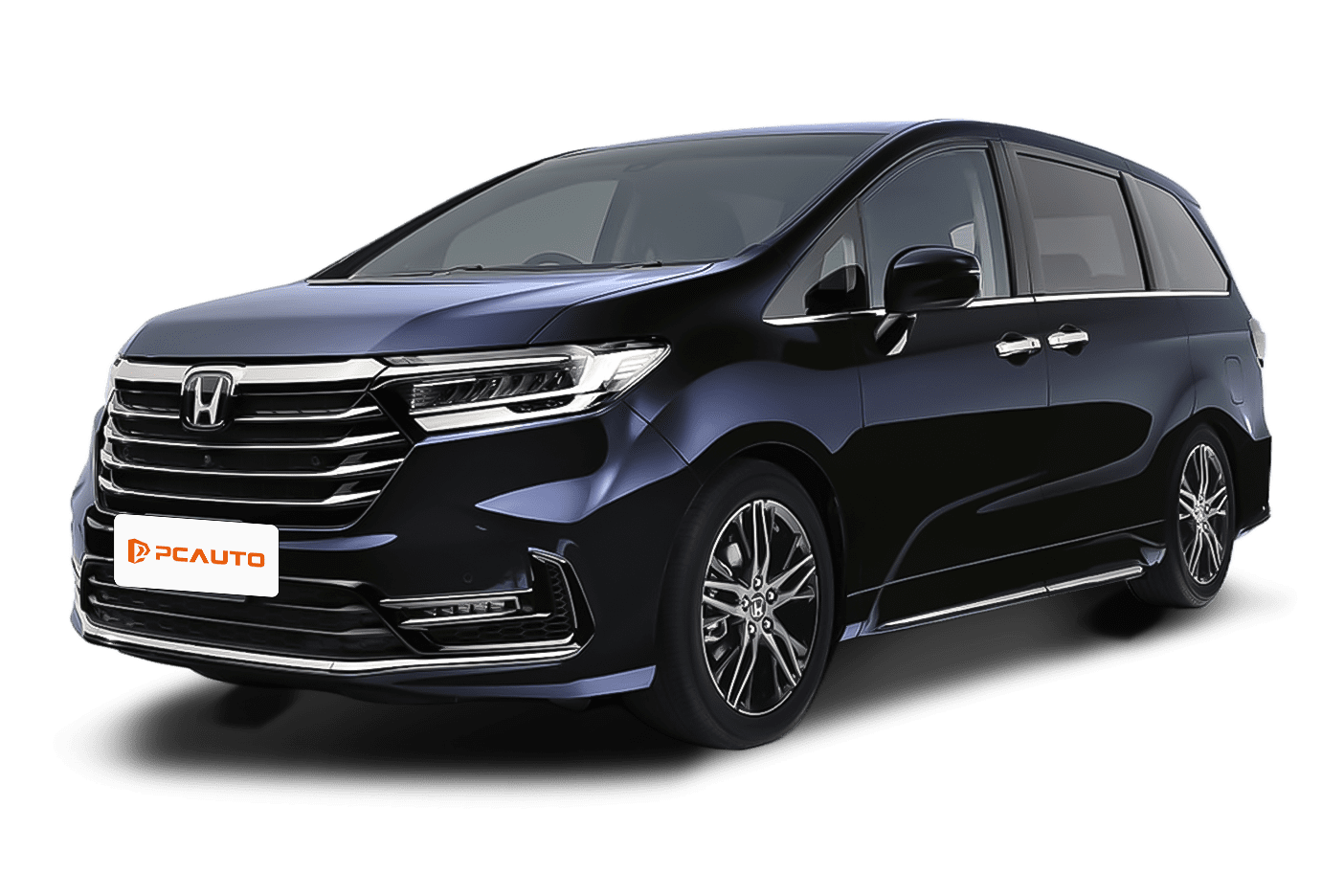
2022 Honda Odyssey 2.4 EXV is a family MPV that balances spatial practicality and comfortable configurations, meeting versatile household needs with its flexible 7-seat layout, Ottoman captain seats, and a well-established powertrain.