

2022 Maserati Ghibli Hybrid Review

 Share
Share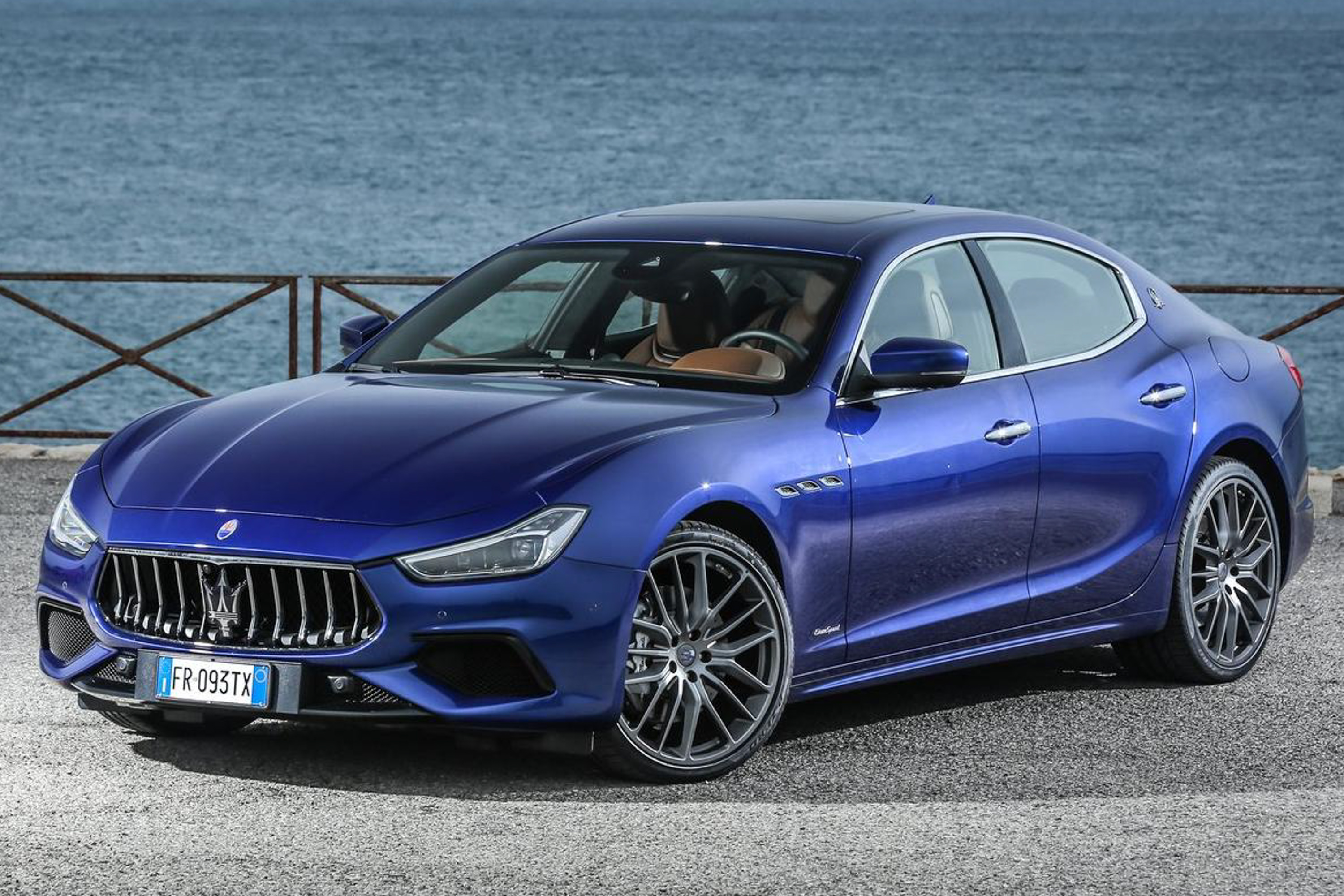
 Segment
 Body Type
 Capacity(L)
 Engine Power(PS)
 Transmission
 Driven Wheels
In recent years, the executive sedan market in Malaysia has seen increasingly refined competition. Consumers are seeking not only the prestige of luxury brands but also a balance between power and practicality. The Maserati Ghibli Hybrid has entered the market with this backdrop, positioning itself as a model that "combines performance and efficiency." As Maserati's first hybrid model, it retains the brand's signature sporty DNA while incorporating hybrid technology to reduce daily usage costs. Can this combination win over local consumers? This article will provide a comprehensive analysis of this car’s real-world performance through a static review and dynamic test drive.
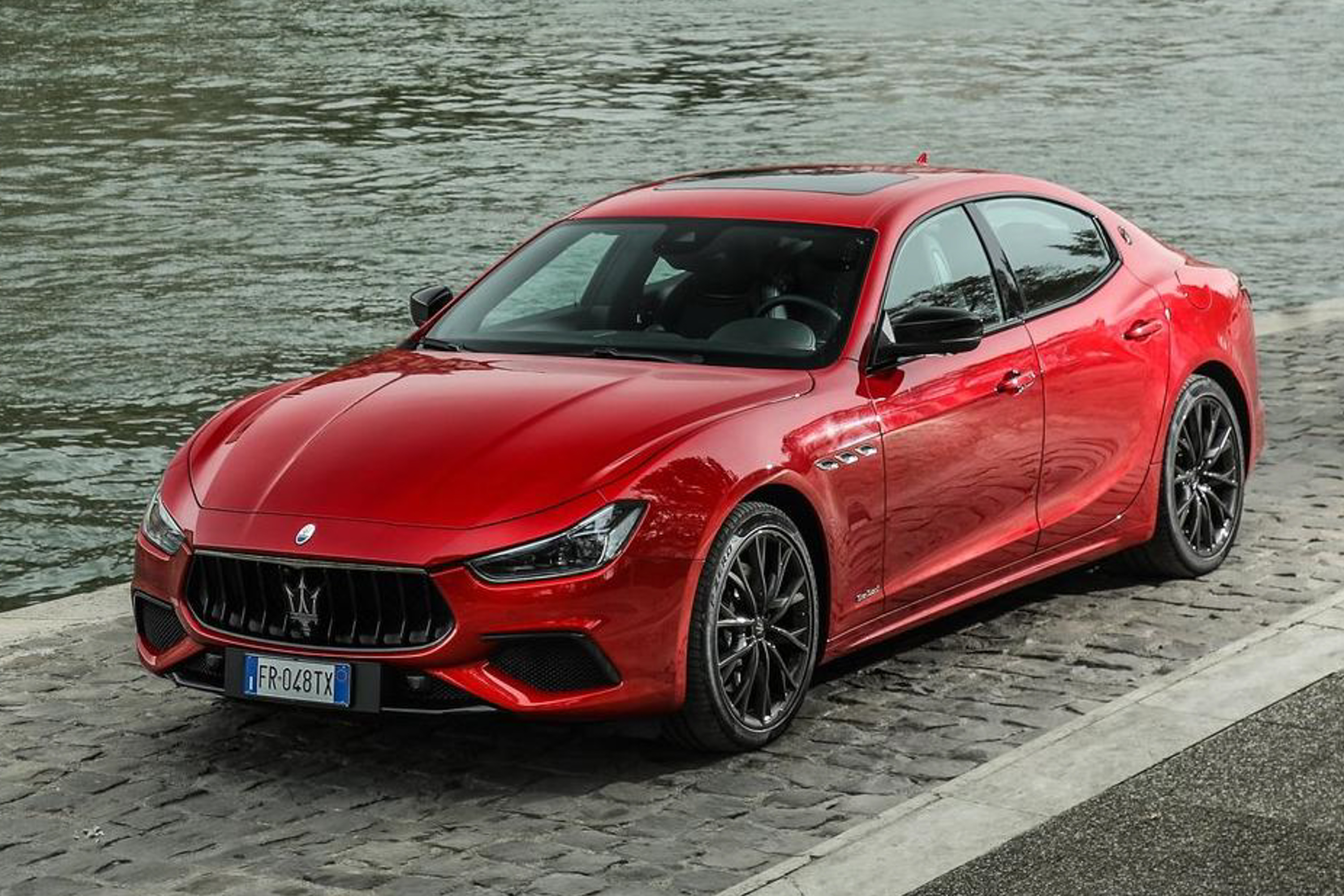
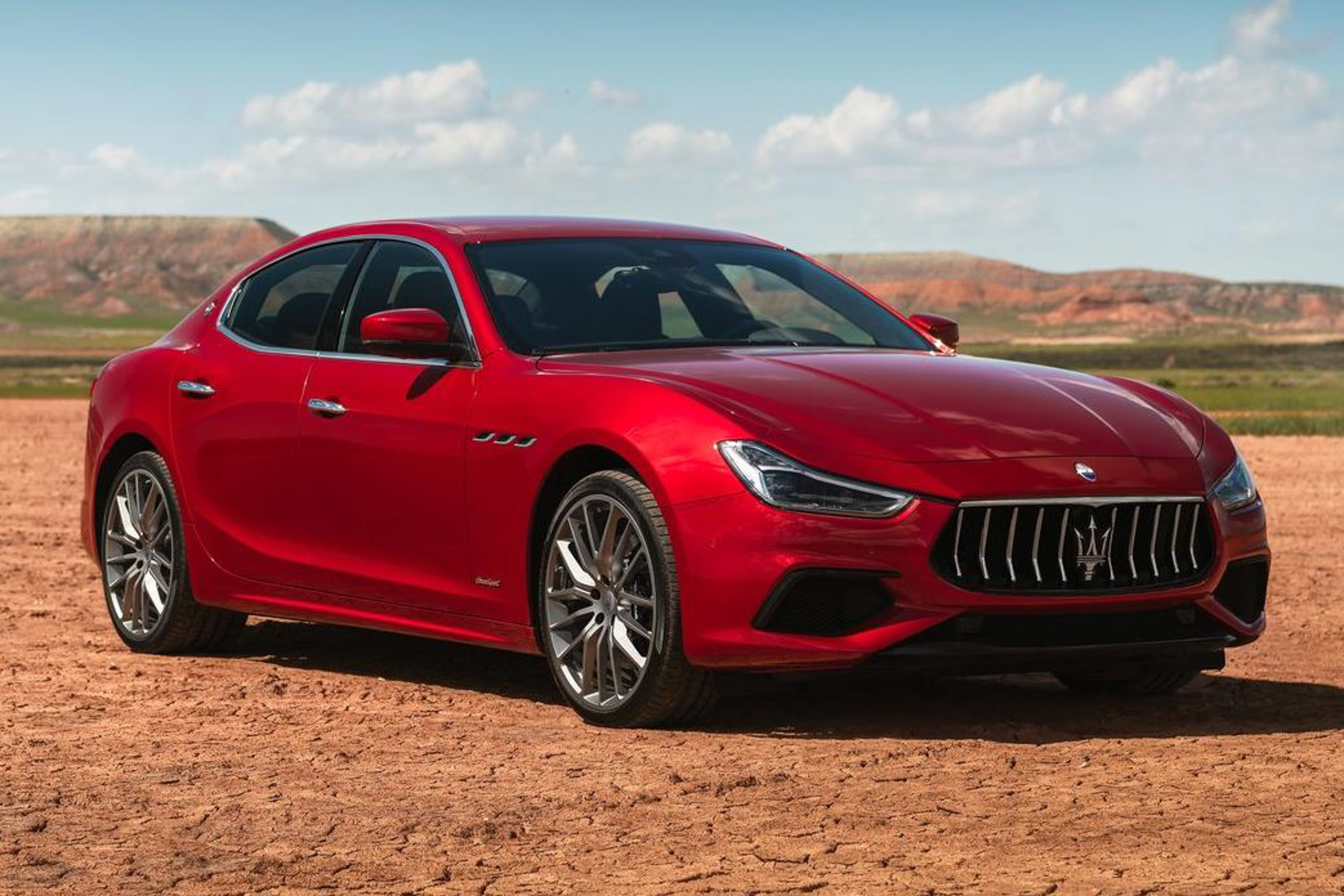
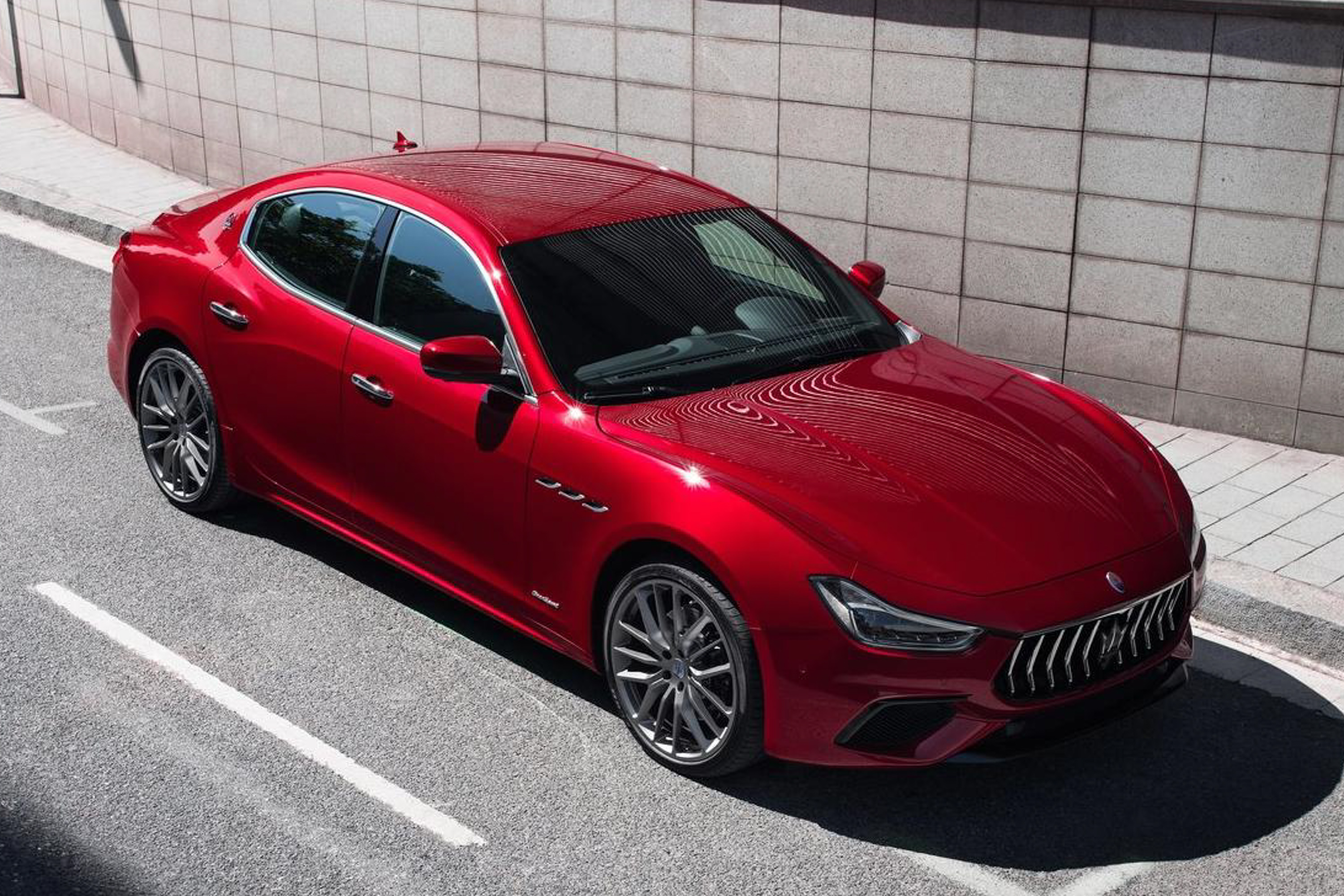
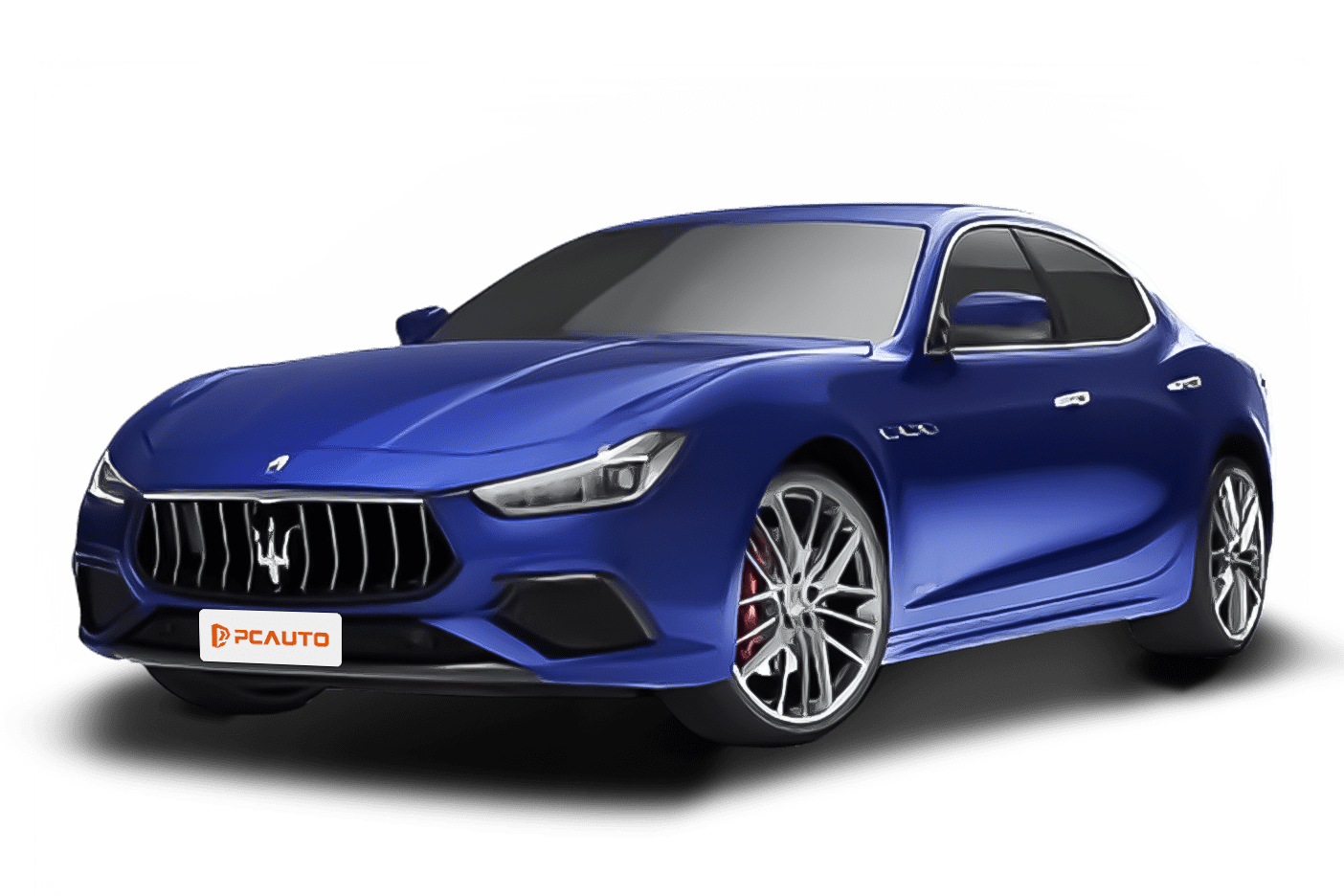
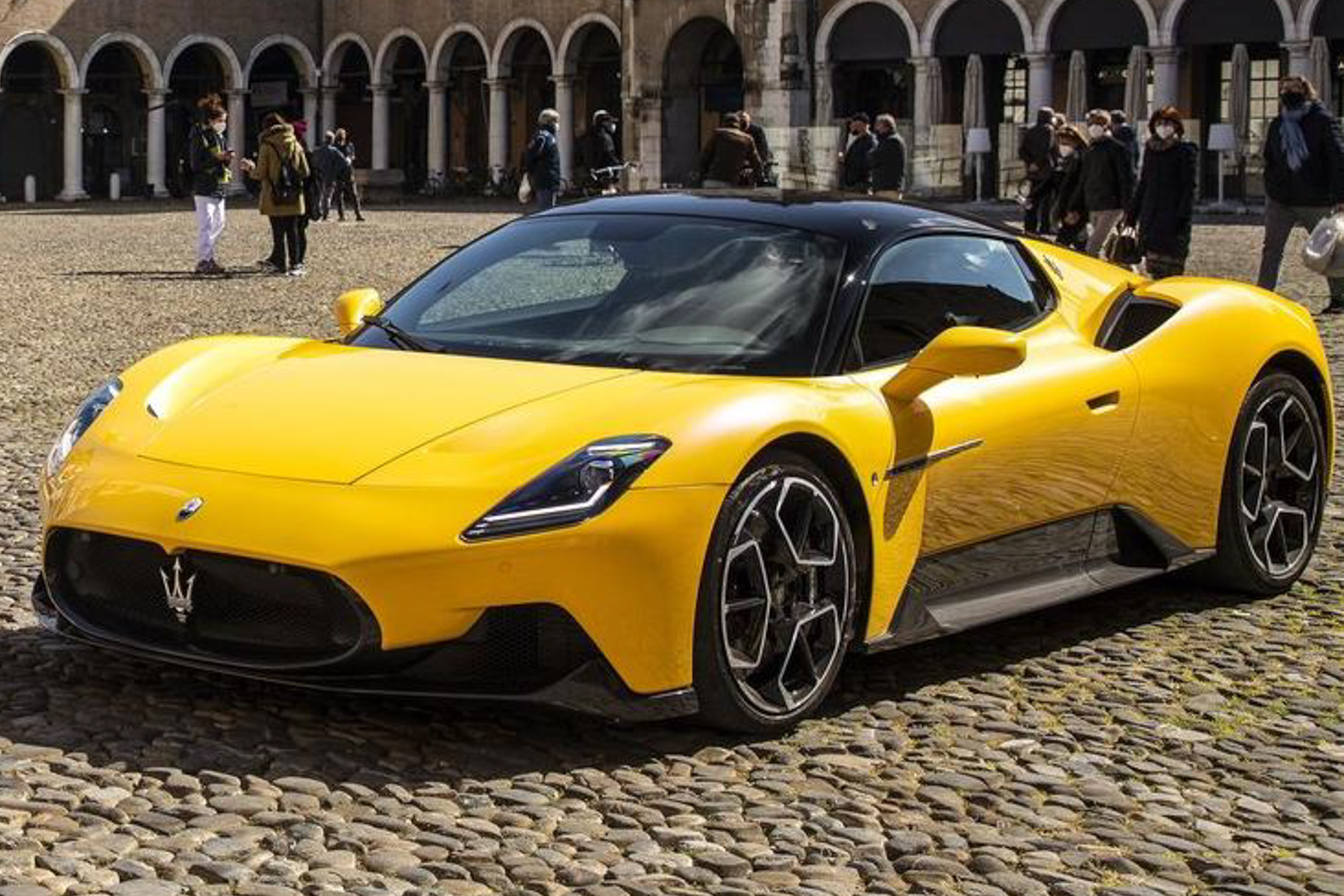
From a distance, the overall silhouette of the Ghibli Hybrid continues Maserati's classic sports sedan style. The body lines are smooth and muscular. Its length of 4,974mm paired with a wheelbase of 2,998mm ensures both executive-level presence and a sporty stance. The most distinctive feature of the front end is the iconic trident logo and the large vertical-slat grille, which incorporates blue accent elements exclusive to hybrid models. On the side, the 18-inch multi-spoke wheels with 235/50 R18 tires are proportionally balanced. At the rear, the LED taillights adopt the family-style "boomerang" design, offering high recognition when lit. The dual exhaust outlets on both sides retain the visual tension typical of performance cars. For the lighting system, the standard LED and xenon combination headlights offer sufficient brightness, and the addition of automatic headlights and daytime running lights enhances daily convenience.
Inside, the sense of luxury is mainly reflected in the materials and details. The dashboard is wrapped in soft leather, complemented by metal trims, offering a refined tactile feel. The 8.4-inch touchscreen is positioned at the center of the dashboard with a clean interface layout and smooth operational responses, though its size isn't particularly prominent in its class. As for seating, the front seats support 8-way electric adjustment and lumbar support, with moderate cushioning that ensures long-lasting comfort. The rear seats feature a foldable center armrest and three individual headrests. Legroom benefits from the long wheelbase, offering ample space—when a passenger of 175cm sits in the rear, there is still a two-fist gap between their knees and the front seat. In terms of storage space, the trunk offers a capacity of 500L, which can easily accommodate two 28-inch suitcases, meeting the needs of both daily commuting and short trips. Both front and rear rows are equipped with cup holders and storage compartments, ensuring practicality. Standard features include keyless entry, a 15-speaker sound system, dual-zone automatic climate control, and independent rear air conditioning, all of which add convenience to daily use.
In terms of power, the Ghibli Hybrid is equipped with a 2.0T turbocharged four-cylinder engine paired with a 48V mild hybrid system. It delivers a combined maximum output of 330PS and a maximum torque of 450N·m (official figures), matched with an 8-speed automatic transmission and rear-wheel drive. During actual driving, the involvement of the hybrid system at startup makes throttle response more immediate, without the lag of traditional fuel engines. When switched to sport mode, the throttle sensitivity is noticeably enhanced. Stepping hard on the accelerator engages quick downshifting by the transmission, achieving an official 0-100km/h acceleration in 5.7 seconds. In test drives, the strong push-back sensation is palpable, providing plenty of confidence when overtaking. During steady cruising, the engine speed remains in the 1500-2000rpm range, while cabin noise control is excellent, with tire and wind noise kept to minimal levels.
Performance handling is one of the highlights of the Ghibli Hybrid. The front double-wishbone independent suspension paired with a rear multi-link suspension (data not explicitly stated, but in line with the brand's tuning logic) provides a sport-oriented chassis tuning. The steering is precise with minimal dead zones, and body roll is well-controlled during cornering, giving the driver ample confidence. When dealing with the common bumpy roads in Malaysia, the suspension effectively filters out small vibrations. However, when passing speed bumps, rear passengers may experience slight bouncing, which is a trade-off for the sporty tuning. In terms of the braking system, the front and rear ventilated disc brakes deliver linear braking force, with short stopping distances that instill a strong sense of safety during daily driving. Regarding fuel consumption, the official combined fuel consumption is 7.5L/100km. In real urban road testing, it is approximately 9.2L/100km, while on highways it drops to 6.8L/100km. Compared to similar pure fuel models in its class, fuel economy is improved by about 15%, which is a commendable performance for an executive sedan.
In summary, the core advantage of the Ghibli Hybrid lies in its "balance" — it retains the luxury brand appeal and sporty handling of a Maserati while reducing operating costs through hybrid technology. As for features, the 15-speaker audio system, rear air conditioning, and keyless entry are all standard, offering a richer standard configuration compared to competitors in the same segment (such as the BMW 5 Series Hybrid and Mercedes-Benz E-Class Hybrid). In terms of brand recognition and standard configuration richness, it holds a clear advantage. However, its central control screen is slightly smaller, and the rear suspension filtering performance lags behind that of purely executive-oriented models, which are details worth noting.
This car is more suitable for two types of consumers: first, mid-career professionals who seek the luxury brand image and require a vehicle for daily commuting as well as occasional sporty driving; second, young family users who admire the Maserati brand while looking to reduce fuel expenses. Overall, the Ghibli Hybrid offers a differentiated choice in the executive sedan market with its combination of "brand + performance + efficiency." It is not the ultimate executive sedan nor a pure performance sports car, but it is a luxury hybrid sports sedan capable of meeting the demands of multiple scenarios.
Maserati Ghibli Car Compare

Maserati Ghibli Loan Calculator
More Maserati Reviews
Cars With Similar Price And Features
12
Rank in Sedan
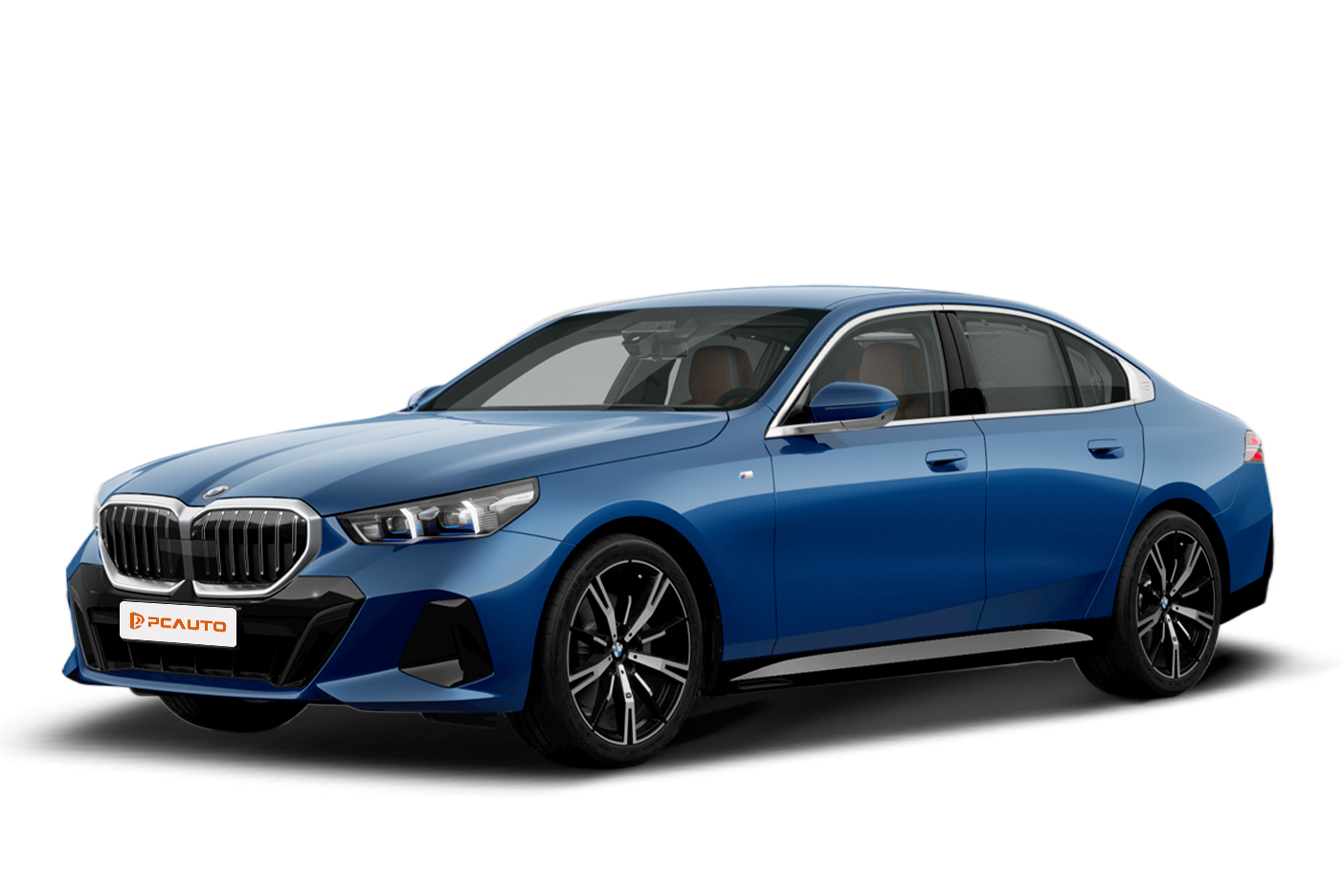
2025 BMW 5 Series 530i M Sport combines executive stability with youthful vitality through the M Sport package, featuring a powerful 2.0T mild hybrid system, enhanced by connected screen technology, balancing luxury, practicality, and driving pleasure.
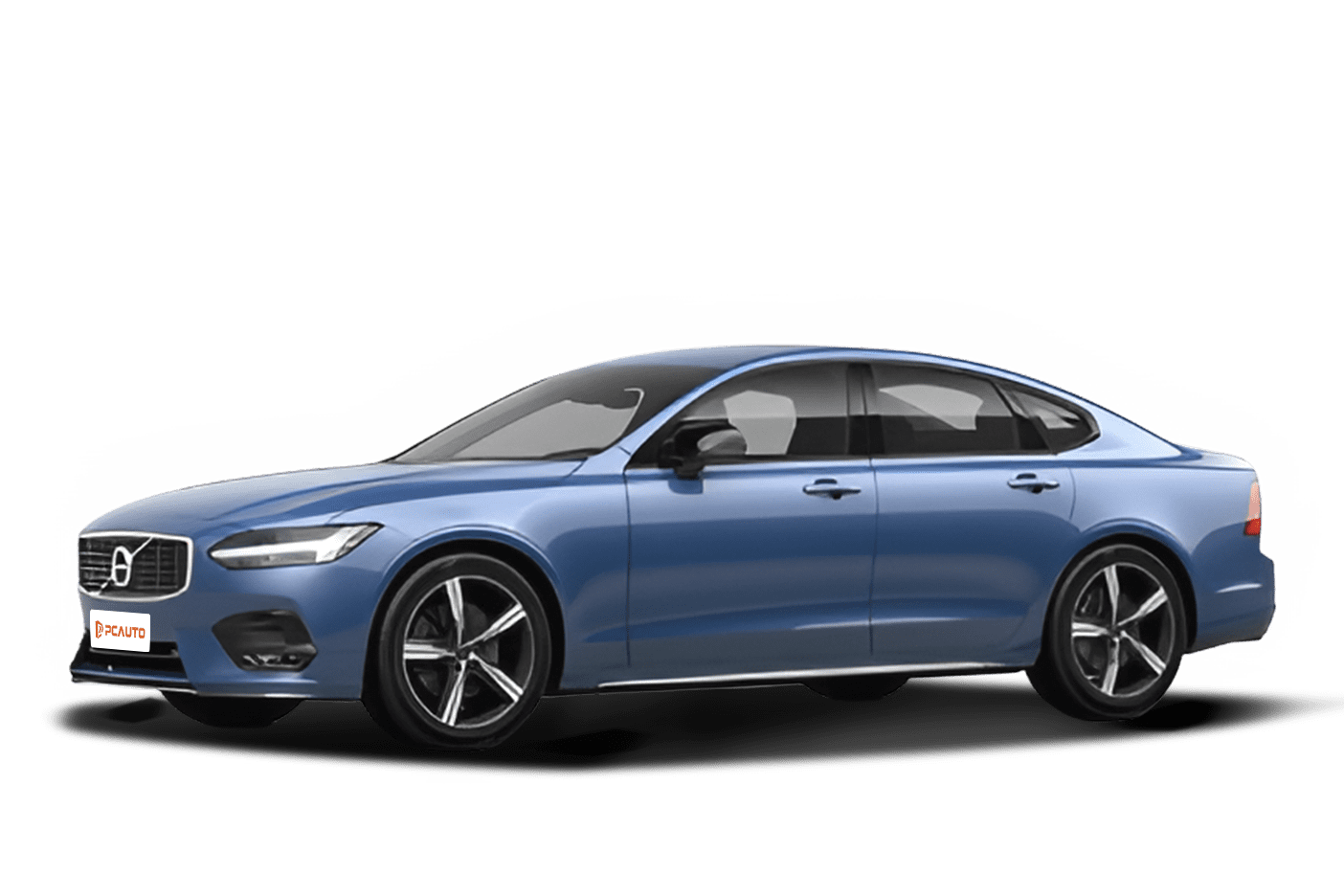
2021 Volvo S90 T5 Momentum is a mid-to-high-end sedan that combines safety DNA, family-friendly features, and executive-level comfort. It offers practical space, smooth power delivery, and is suitable for families and business users who value quality.

15
Rank in Sedan
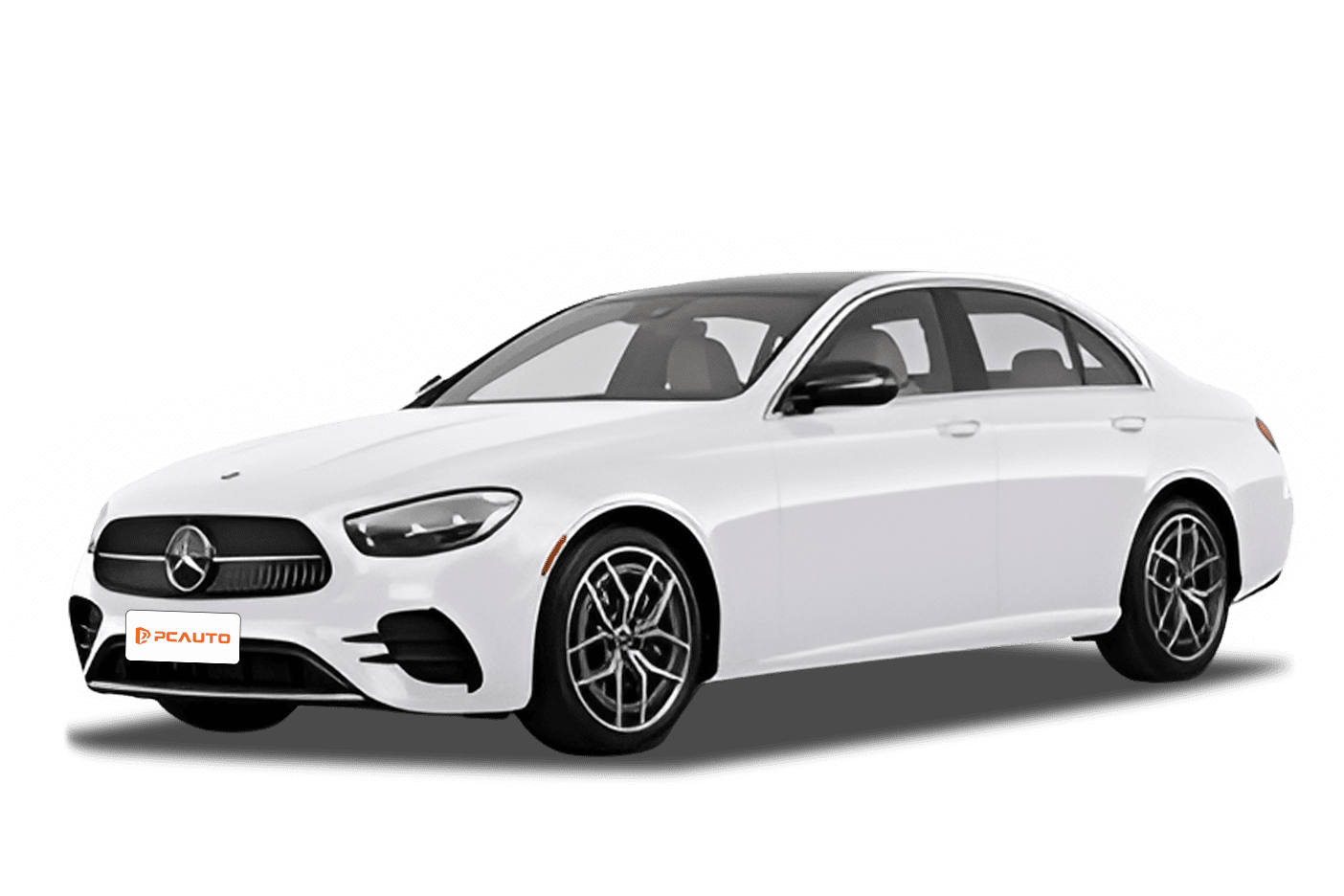
2024 Mercedes-Benz E-Class E200, as a luxury executive sedan, upgrades its mild-hybrid system to balance power and fuel efficiency, enhances intelligent configurations, offers practical space, and highlights a comfortable driving experience.
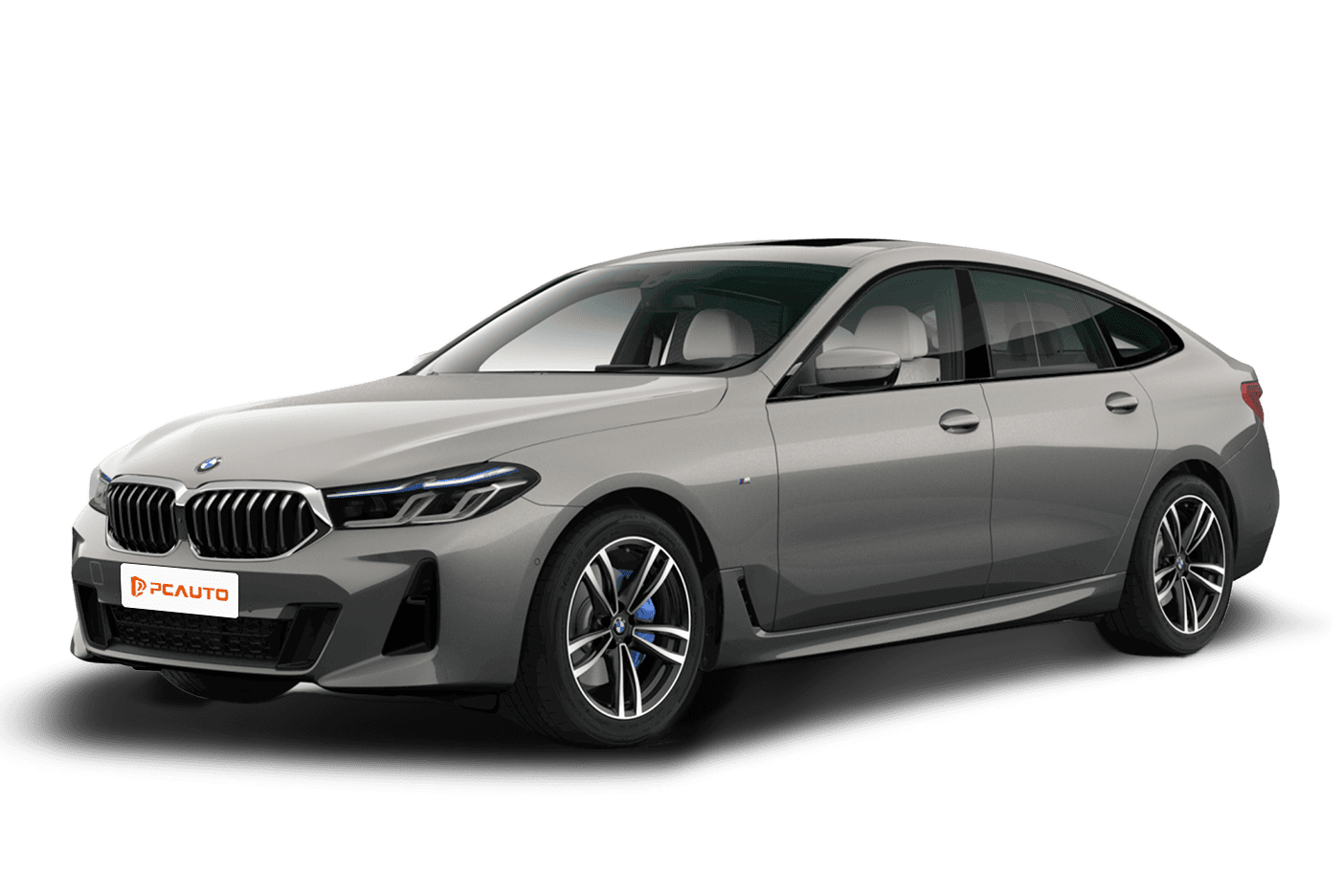
2021 BMW 6 Series GT 630i M Sport is a luxurious coupe that balances business respectability and family practicality, combining a fastback design, dual-screen technology, spacious interior, and 2.0T engine to blend sportiness with comfort.