

Mitsubishi Xpander Review

 Share
Share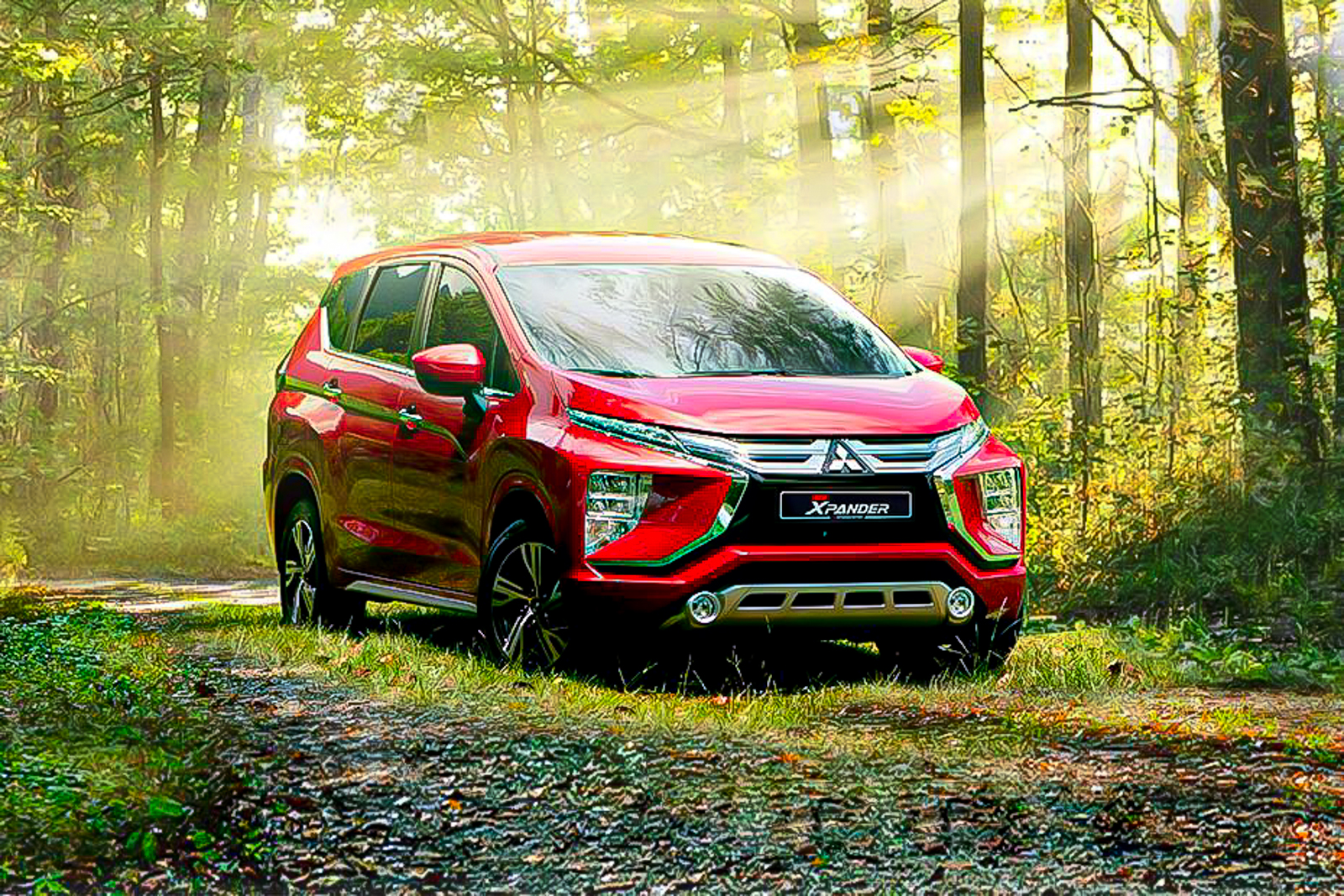
 Segment
 Body Type
 Capacity(L)
 Engine Power(PS)
 Engine Torque(Nm)
 Transmission
In Malaysia's B-Segment MPV market, the demand for spatial flexibility and practical features among family users has always been a core focus. The 2024 Mitsubishi Xpander was launched on September 19 with Standard and Plus variants, priced at RM 99,980 and RM 109,980 respectively. Compared to the 2023 model, the price is slightly reduced while the configurations have been upgraded. The core purpose of this test drive is to verify whether the new model can meet the key needs of family users in terms of design, space, and daily driving experience, as well as to assess whether the extra features of the Plus variant justify the additional cost.
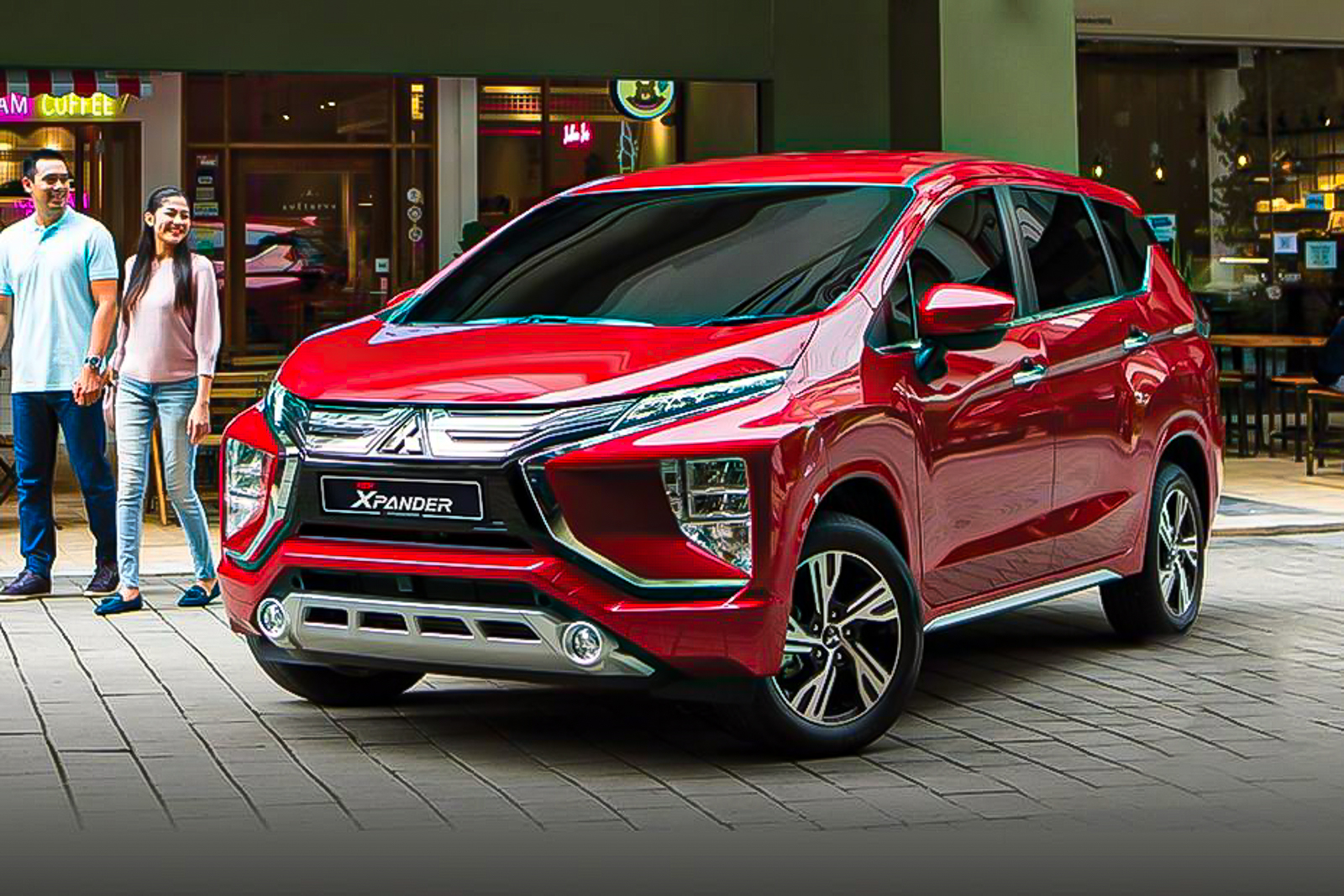
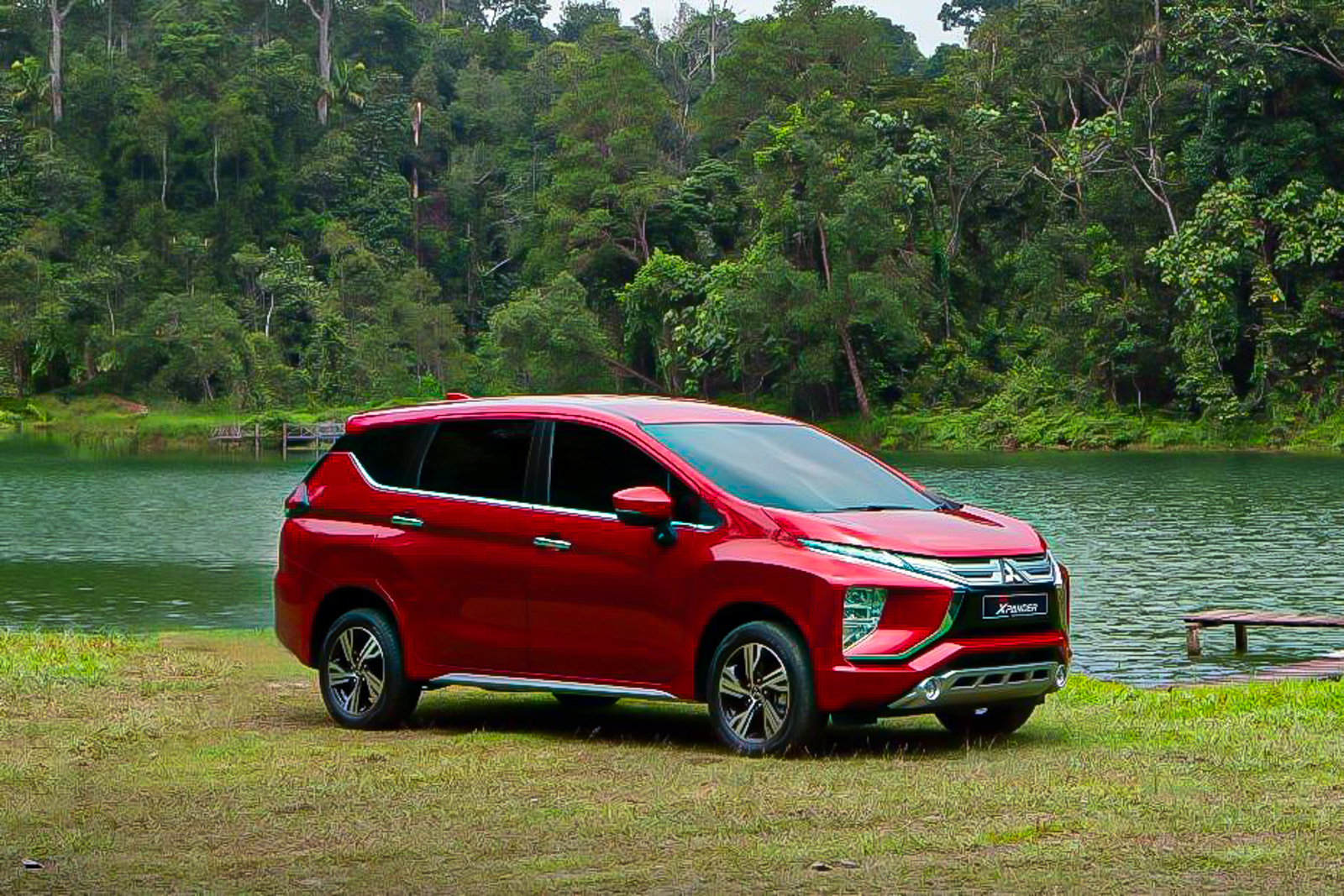
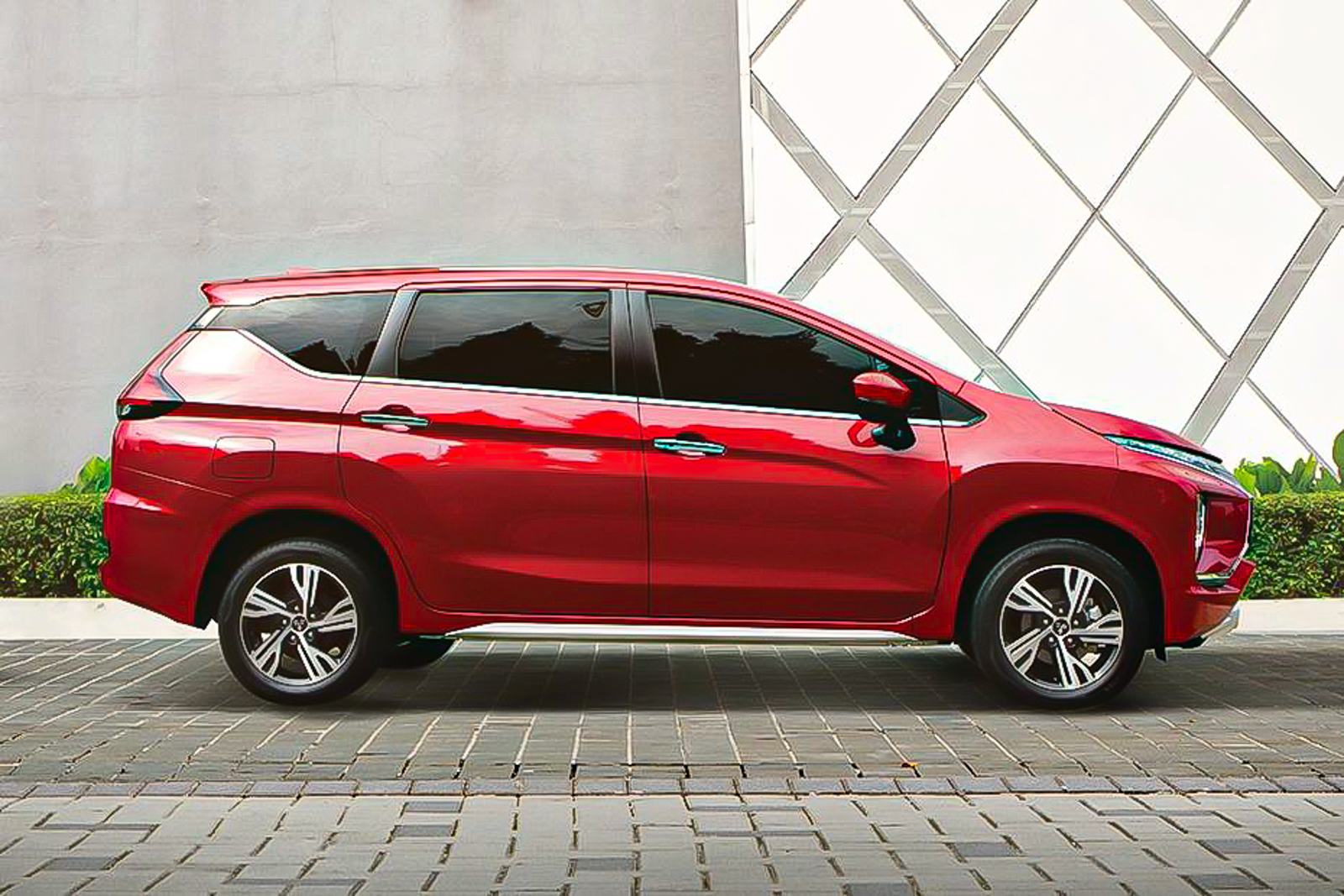
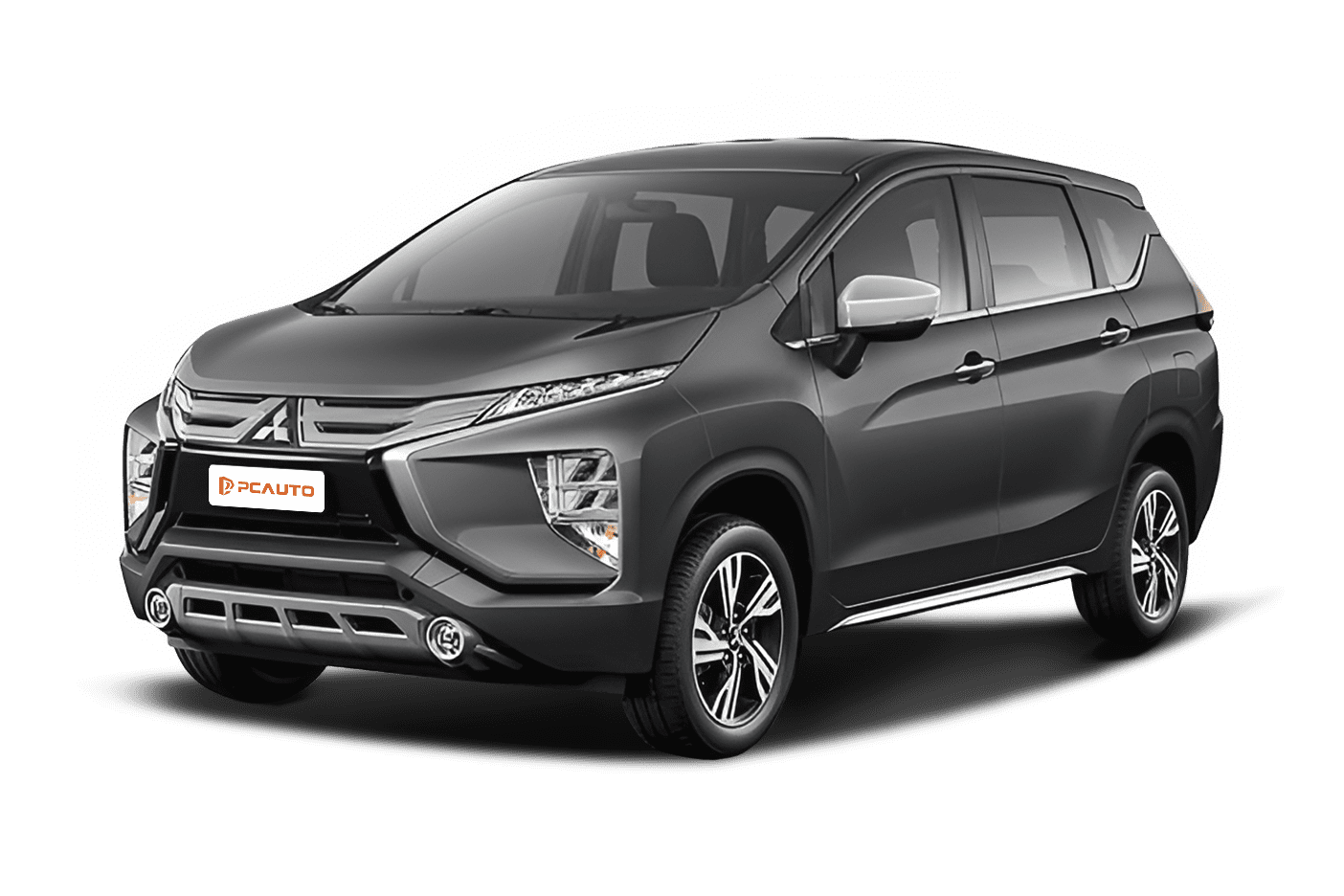
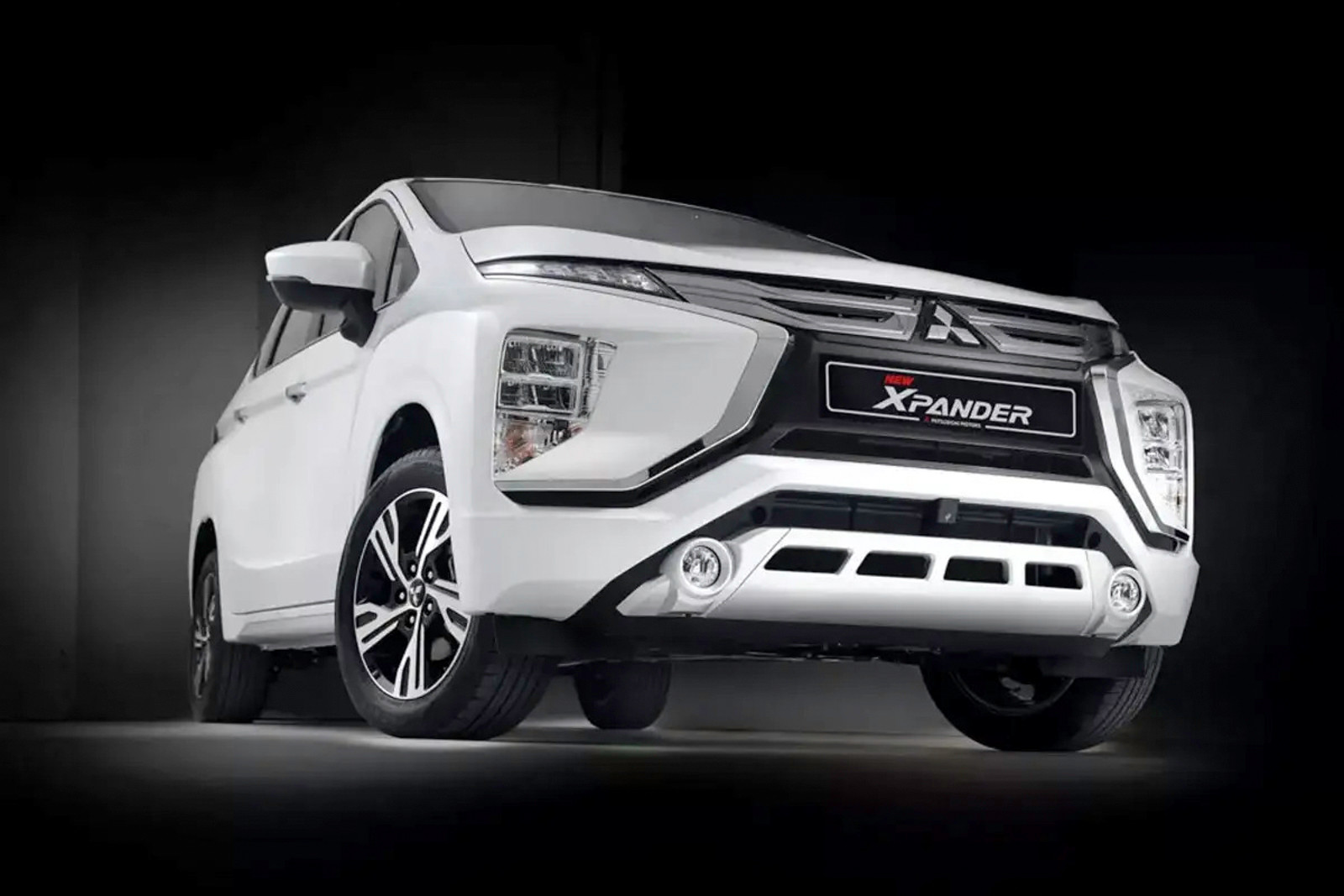
The exterior changes of the new Xpander focus on the details. The vehicle height has increased from 1730mm in the 2023 model to 1750mm, complemented by a minimum ground clearance of 225mm, which is higher than the 205mm in the 2020 model, leading to better off-road capability. The front LED headlight design is sharper, integrating seamlessly with the large grille, while the daytime running lights now adopt a cross-through design, offering higher visibility than the previous model. The side profile has retained the boxy feel of an MPV, but the beltline slightly rises towards the rear, reducing any bulky appearance. The redesigned rear LED taillight assembly features a more refined internal structure, giving a more striking visual effect when illuminated compared to the 2023 model. The 17-inch wheels are larger than the previous 16-inch ones, paired with 205/55 R17 tires for a more visually balanced appearance.
Inside the vehicle, the new Xpander’s interior layout is simpler compared to the previous model. The 9-inch touchscreen on the center console remains the same size as the older version, but its system responsiveness has slightly improved. It supports basic multimedia and Bluetooth connectivity. The Plus variant adds a 360-degree surround view camera which makes parking more convenient than the standard model’s rearview camera. The instrument cluster is still a multifunctional information display, not fully digital, but it clearly shows information such as fuel consumption and vehicle speed. For materials, the upper part of the dashboard is covered with soft plastic, which feels slightly better than the previous version, and the door panels are wrapped with fabric to reduce the cheap feel of hard plastic. In terms of features, all models come standard with keyless entry, electric steering wheel adjustment, and automatic air conditioning, while the Plus variant additionally offers sunshades, providing better sun protection for rear-seat passengers.
Space has always been an advantage of the Xpander, and the 2024 model maintains the same 2775mm wheelbase as the previous version. The second-row seats now have one-touch folding and sliding functions, which are more flexible compared to the 60:40 split folding of the 2023 model. A passenger with a height of 175cm seated in the second row enjoys about two fists’ worth of legroom, and the headroom has increased to one fist plus two fingers thanks to the increased vehicle height, making it more spacious than before. The third-row seats only support recline adjustment and are more suitable for children or adults on short trips. With the second-row seats adjusted to the furthest front position, the third row has about one fist of legroom. The trunk capacity is 495L, which is smaller than the 781L in the 2023 model, but with the second and third rows of seats folded, it can expand to accommodate larger items with no problem for transporting bulky goods. In terms of storage, the capacity of the front central armrest box and the door storage compartments is similar to the previous model, and the rear row features independent air-conditioning vents and cup holders, which adds to its practicality.
In terms of power, the 2024 model is still equipped with a 1.5L naturally aspirated engine, with a maximum horsepower of 105PS and a maximum torque of 141N·m, paired with a 4AT transmission, and the parameters are consistent with the old model. During daily driving, the start is relatively smooth, the throttle response is moderate, and it is suitable for urban commuting. When accelerating to 60km/h, the power output is smooth, but after exceeding 80km/h, the power reserve appears insufficient, and overtaking requires pressing the throttle in advance. The shifting logic of the transmission is slightly optimized compared to the old model, with reduced shift jerks, but during high-speed cruising, the RPM stays at around 2500rpm, which is slightly higher than CVT models. There is only a standard driving mode, with no sport or economy modes available, and the tuning is oriented towards comfort.
In terms of handling, the electric adjustment of the steering wheel is more convenient than the manual adjustment of the old model, with light steering effort, making it suitable for female drivers. The suspension system consists of a front MacPherson independent structure and a rear torsion beam non-independent suspension, with softer tuning compared to the old model. When passing speed bumps or uneven roads, the filtering of bumps is more thorough, and the comfort for rear passengers has significantly improved. However, during high-speed cornering, the body roll is slightly more pronounced than the old model, requiring speed control. The chassis performance of the Plus version and the Standard version is consistent, with no differences.
As for fuel consumption, this test drive mainly took place on urban roads with occasional highway driving. The combined fuel consumption was about 8.5L/100km, which is slightly higher than the official data but lower than the 8.9L/100km of the 2020 model, showing improved fuel economy. Regarding noise control, at speeds below 60km/h, engine noise and tire noise are not apparent; however, wind noise starts to increase after 80km/h, though it remains within an acceptable range, with slightly better insulation compared to the old model. The seat comfort is similar to that of the old model, with sufficient support for the front seats, making long drives not too tiring. The rear seats have softer padding, making them comfortable for short trips.
The core advantages of the 2024 Mitsubishi Xpander are very clear: flexible space, with the second-row one-touch folding and sliding functionality being more practical than the old model; upgraded configurations, with standard features across all versions including automatic air conditioning and electric steering wheel adjustment, while the Plus version’s 360-degree panoramic camera and sunshade curtain enhance convenience; and a slightly lower price than the 2023 model, offering higher cost-effectiveness. Compared to the Toyota Veloz in the same category, the Xpander has more spacious interiors and is more affordable, but the Veloz hybrid version has lower fuel consumption. Compared to the Honda BR-V, the Xpander offers richer configurations, but the BR-V has stronger performance.
Overall, the 2024 Xpander is suitable for family users who prioritize flexible space and practical features, especially those who frequently transport family members or large items. The Standard version already meets daily needs and offers higher cost performance; the Plus version with its 360-degree panoramic camera and sunshade curtain is suitable for users with a sufficient budget who seek a more convenient experience. If you are a family user looking for a balanced and practical MPV, the 2024 Xpander is worth considering.
Mitsubishi Xpander Car Compare

Mitsubishi Xpander Loan Calculator
More Mitsubishi Reviews
Cars With Similar Price And Features
1
Rank in MPV
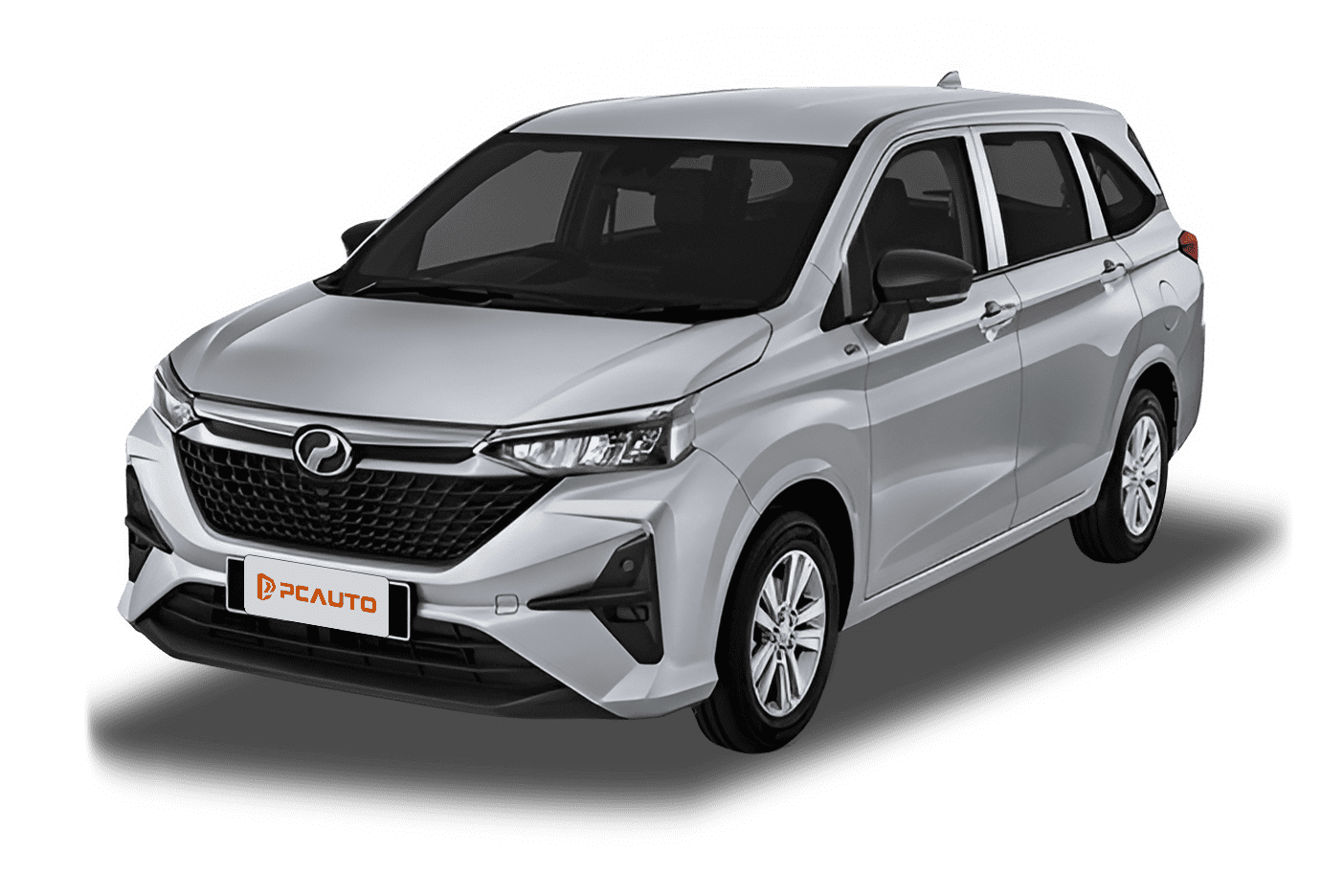
2023 Perodua Alza 1.5 AV, as a top-tier B-segment MPV, offers spacious space, low fuel consumption of up to 4.6L/100km, upgraded safety and intelligent features, making it a practical choice for families.
4
Rank in MPV

2023 Toyota Veloz 1.5 AT is a high-value family MPV that offers comprehensive safety features, flexible 7-seat space, and economical fuel consumption, making it suitable for practical and safety-conscious family users.