

2022 Volvo XC60 Recharge T8 Inscription Plus Review

 Share
Share
 Body Type
 Capacity(L)
 EV Range(km)
 Driven Wheels
 Segment
 Combined System Output(PS)
Nowadays, competition in Malaysia's luxury mid-size SUV market is becoming increasingly fierce. Brand, configuration, and performance are often the core factors in consumer decision-making. Especially for family users and young groups who value environmental performance and technological experience, the attention to PHEV models is continuously rising. Volvo, known for its strengths in safety and design, has introduced the 2022 XC60 Recharge T8 Inscription Plus, a strong contender in this niche market. It not only features a plug-in hybrid system but also comes standard with rich luxury configurations and active safety technology. The main purpose of this test drive is to verify the overall performance of this car in daily commuting and family travel scenarios, as well as to assess whether its PHEV system's actual user experience meets expectations.
From an exterior perspective, the 2022 XC60 Recharge T8 Inscription Plus continues Volvo's family-style design language, with a simple and highly recognizable overall style. At the front, the iconic "Thor's Hammer" LED daytime running lights paired with the vertical waterfall-style grille maintain a sense of luxury without appearing overly ostentatious. The side of the car features smooth lines, with a waistline stretching from the front fender to the rear, complemented by 19-inch alloy wheels that provide a balanced and robust proportion to the body. The rear's "Viking Axe" LED tail lights are highly distinctive when lit, and the hidden exhaust design under the rear bumper aligns with its PHEV model's eco-friendly positioning. Overall, while there are no exaggerated design elements, the subtle details convey Volvo's unique understated luxury.
Stepping inside, the interior materials and craftsmanship live up to the standards of a luxury mid-size SUV. The center console is wrapped in a large amount of soft-touch materials, with most touchpoints made of leather or soft-touch plastics. Matte trim is used to avoid excessive glare. A 9-inch touchscreen is positioned atop the center console, featuring a simple and intuitive interface that supports CarPlay and Android Auto connectivity. The operation runs smoothly. The seats feature Volvo's signature ergonomic design, with the front seats offering power adjustment and memory functions. The cushioning strikes a balance between softness and firmness, ensuring comfort even during long drives. In the rear space, the wheelbase measures 2865mm, providing a knee room of approximately two fists for a passenger of 175cm height, with ample headroom as well. The rear seats support a 60:40 split-folding function, and once folded down, the trunk capacity can be further expanded. The standard 505L of trunk space is sufficient to meet the storage needs of family trips. Additionally, the 15-speaker audio system from Bowers & Wilkins significantly enhances the in-car entertainment experience.
As for the powertrain, this car is equipped with a combination of a 2.0T turbocharged engine and an electric motor, delivering a total system output of 407 PS (320 PS from the engine + 87 PS from the electric motor) and a maximum torque of 640 N·m. It is paired with an 8-speed automatic transmission and all-wheel drive system. In actual driving, the electric motor provides ample torque during startup, delivering quick and smooth response without the jerkiness of traditional fuel vehicles. When switched to hybrid mode, the transition between the engine and electric motor is seamless, and the acceleration process is linear. The official 0-100 km/h acceleration time is 5.3 seconds, providing ample power reserves for everyday overtaking or sudden acceleration. Even during high-speed cruising, pressing the accelerator hard delivers a noticeable surge of power. In terms of driving modes, it offers pure electric, hybrid, and sport modes, catering to various driving scenarios.
In terms of handling and chassis performance, the steering wheel has moderate steering force with minimal dead zone and precise directionality. It feels light and effortless during daily driving but becomes steady and provides sufficient confidence during high-speed driving. The chassis uses a combination of front double-wishbone and rear multi-link independent suspension, tuned for comfort while retaining a certain level of support. When passing speed bumps or bumpy roads, the suspension can filter out most of the fine vibrations and avoids transmitting excessive hard shocks into the cabin. During cornering, the body roll is controlled within a reasonable range, and there is no significant swaying despite the taller body design, ensuring overall stability.
As a PHEV model, real-world range and fuel consumption are key concerns for consumers. The official pure electric range is 45km. In actual tests, using pure electric mode throughout and with the air conditioning set at 24°C under urban commuting conditions, the actual range is approximately 40km, achieving a range realization rate of nearly 90%, which can generally cover the daily commuting needs of most users. If the daily commute distance is within 40km, pure electric mode alone can meet the requirements without the need for refueling. When the battery is depleted, switching to hybrid mode results in an actual fuel consumption of approximately 6.5L/100km, which provides an advantage compared to similar fuel-powered vehicles. Additionally, the energy recovery system offers three adjustable levels. At the highest level, the drag sensation is noticeable, effectively extending the range, while the lowest level offers a gliding experience similar to traditional fuel vehicles, catering to different driving habits.
In terms of driving comfort, this car performs commendably. Noise control inside the cabin is excellent; wind and tire noise are kept at low levels during high-speed driving, and the sound of the engine engaging is also relatively soft, not interfering with conversation among passengers. The seats balance wrapping and support, and the rear seatbacks are adjustable in angle. Together with the independent rear air conditioning vents and a 220V power outlet, the comfort of rear passengers is enhanced. The HUD head-up display system can show information such as speed and navigation, reducing the driver's need to look down at the instrument panel and improving driving safety.
Overall, the 2022 XC60 Recharge T8 Inscription Plus's core advantages are its rich safety features, strong performance, and practical PHEV system, while its interior materials and craftsmanship align with a luxury positioning. Compared to competing models in the same segment like the BMW X3 PHEV and Mercedes-Benz GLC PHEV, this car's safety features (such as lane change assist, active braking, 360-degree panoramic camera, etc.) are mostly standard, while some features on competitors require additional cost, making it a better value for money. In terms of performance parameters, its combined system power and torque also surpass competitors, delivering superior acceleration.
This car is mainly suitable for two types of consumers: first, users who value family travel safety and comfort. Its rich safety features, spacious interior, and practical PHEV system can meet the needs of daily commuting and family trips. Second, young consumers who pursue a balance between environmental protection and performance, as the quiet and smooth pure electric mode and the powerful hybrid mode can cater to diverse driving experiences.
Overall, the 2022 XC60 Recharge T8 Inscription Plus is a well-balanced luxury mid-size PHEV SUV. It has no obvious shortcomings and achieves a high level of performance in safety, power, comfort, and other areas within its class. It is a worthy choice for consumers in the luxury mid-size SUV market who value practicality and environmental friendliness.
Volvo XC60 Car Compare
Volvo XC60 Loan Calculator
More Volvo Reviews
Cars With Similar Price And Features
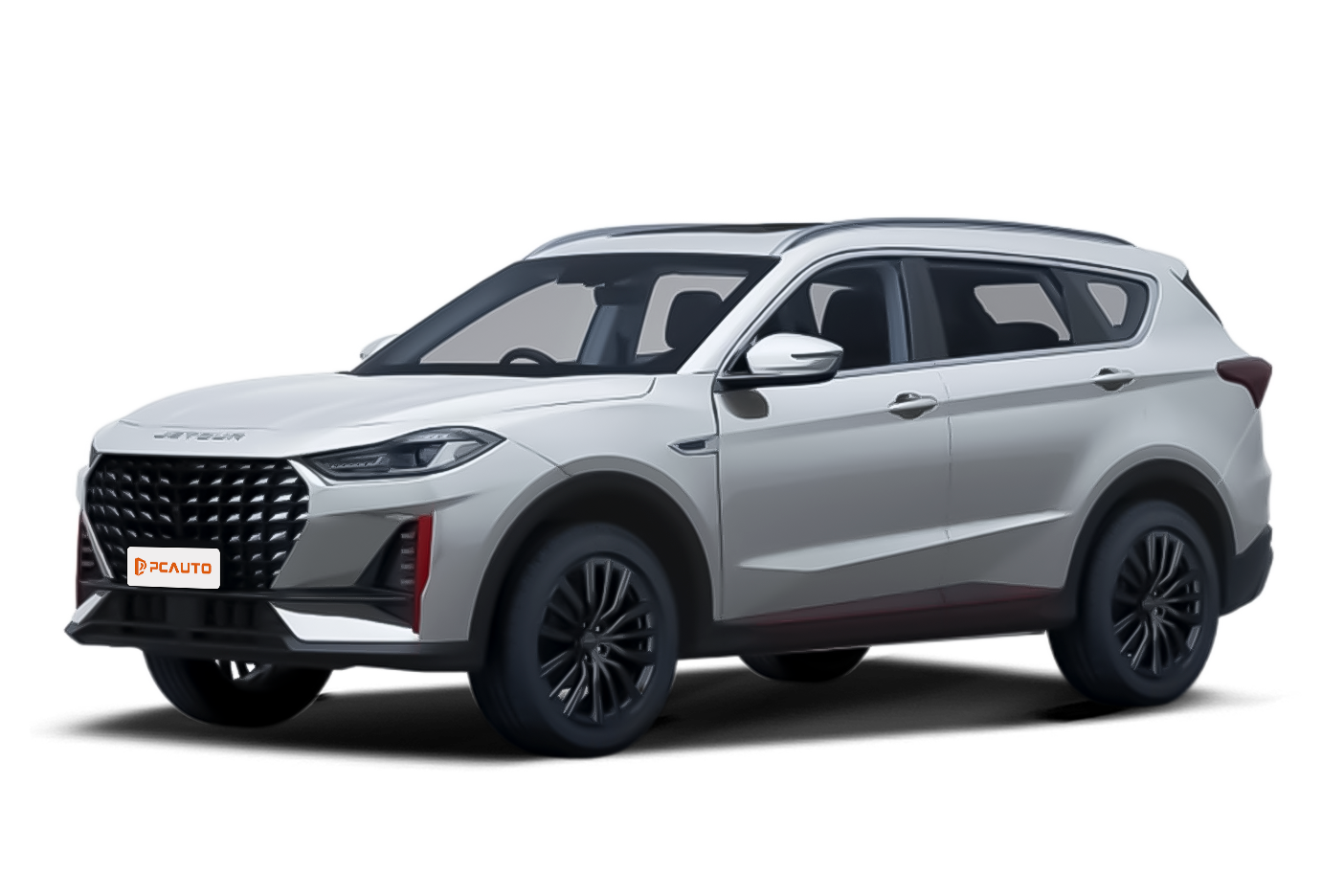
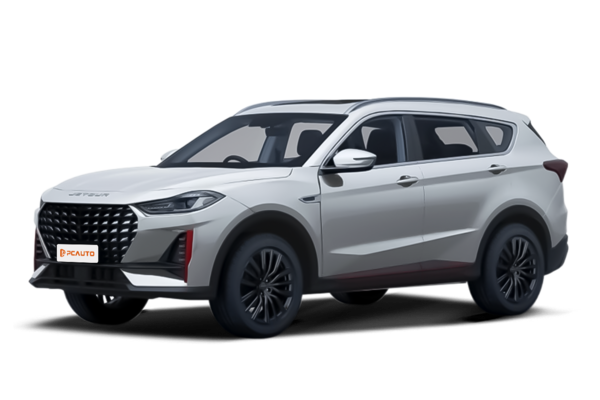
2025 Jetour VT 9 Comfort is a highly cost-effective 7-seater family SUV, featuring practical space, rich configurations, and balanced power, precisely meeting the needs of family short-distance travel.

11
Rank in SUV
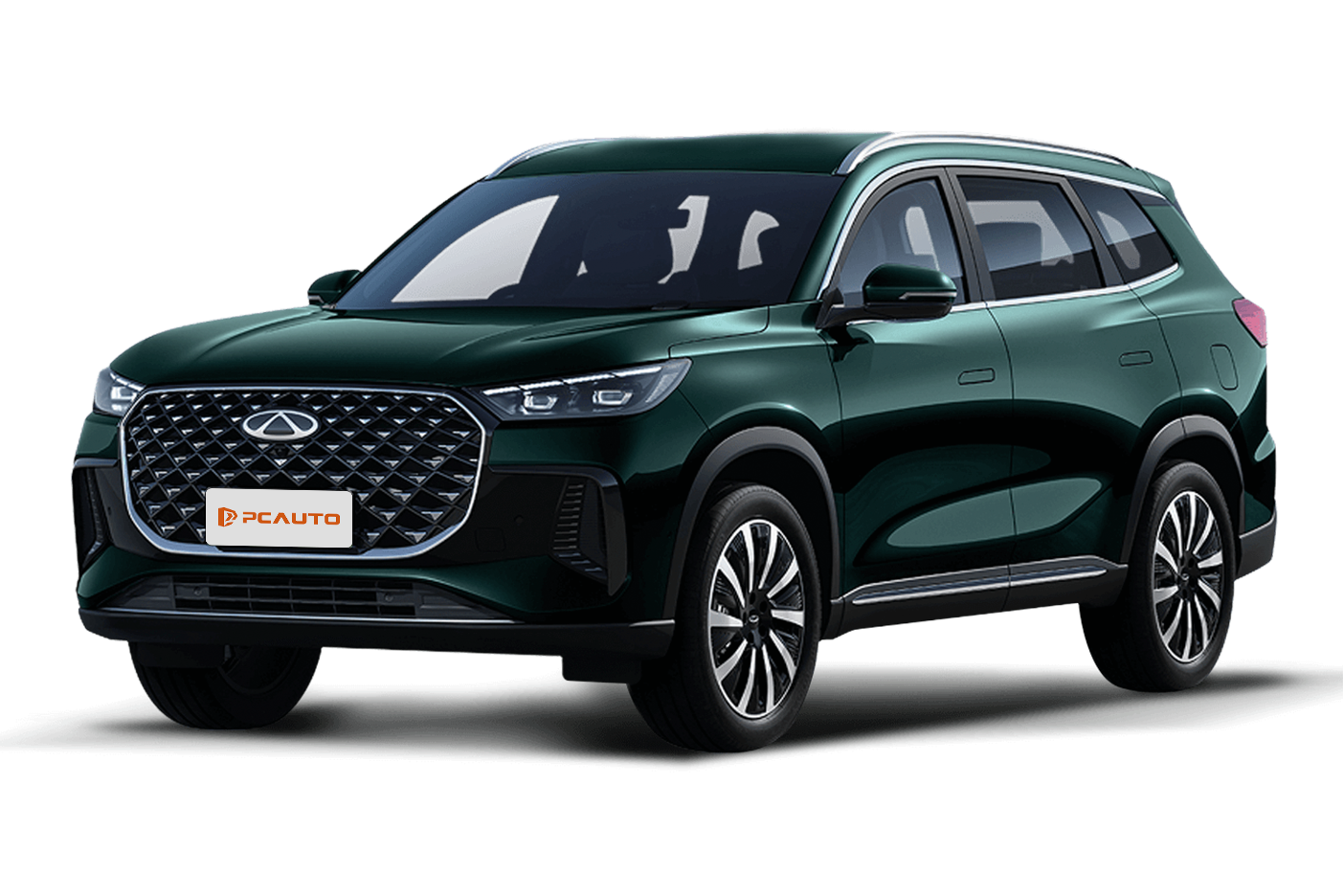
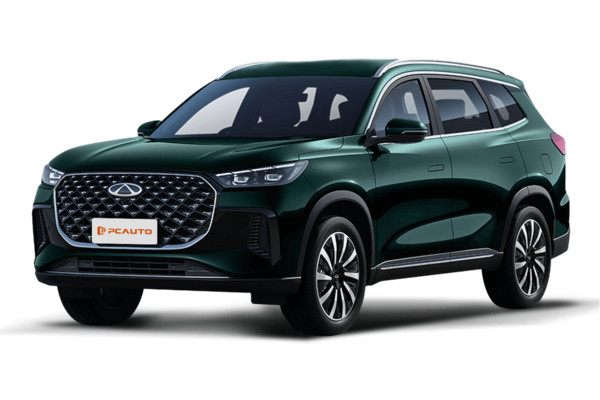
2026 Chery Tiggo 8 is a D-Segment SUV aimed at family users, offering superior configurations, practical space, and smooth power at a high cost-performance ratio, meeting both commuting and light off-road needs.
16
Rank in SUV

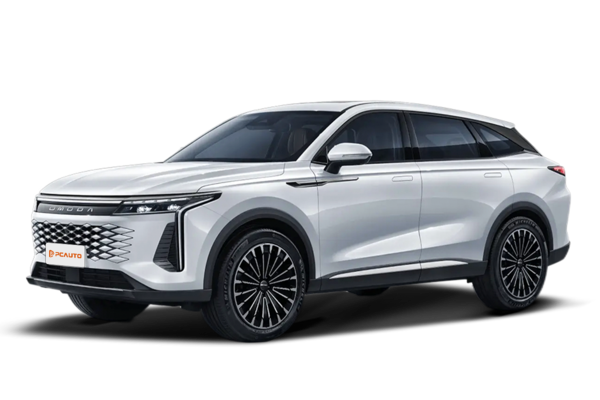
2024 Chery OMODA C9 2WD with 2.0T+8AT powertrain, L2 level assistance, and dual 12.3-inch screens, breaking the stalemate in the D-Segment market and becoming a high-value disruptor.
29
Rank in SUV
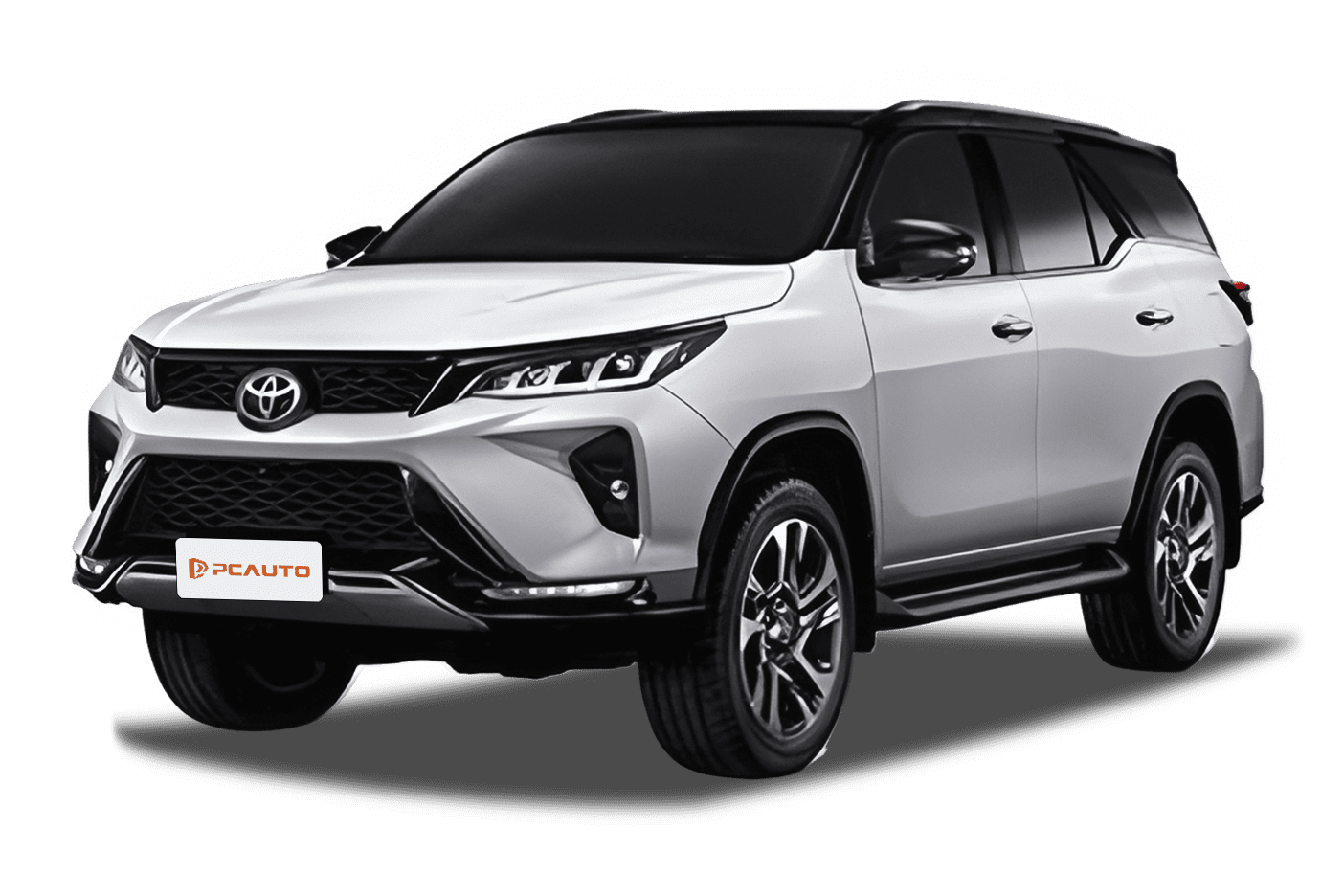
2021 Toyota Fortuner 2.7 SRZ AT 4x4 is a 7-seat SUV that balances family comfort and mild off-road capabilities, with smooth gasoline power and a practical 4x4 system, offering low maintenance requirements suitable for various family scenarios.