

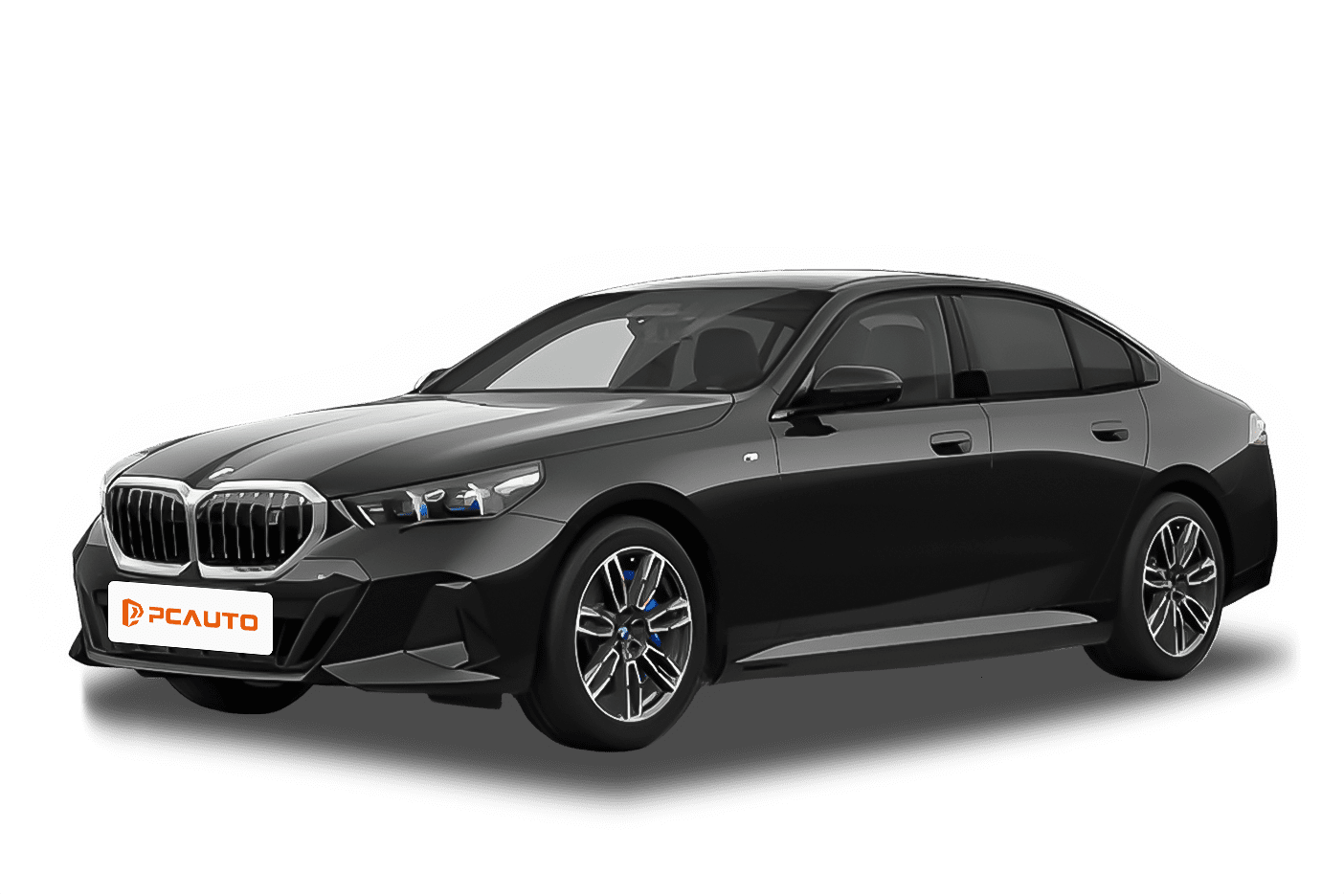
2023 BMW i5 eDrive40 Review

 Share
Share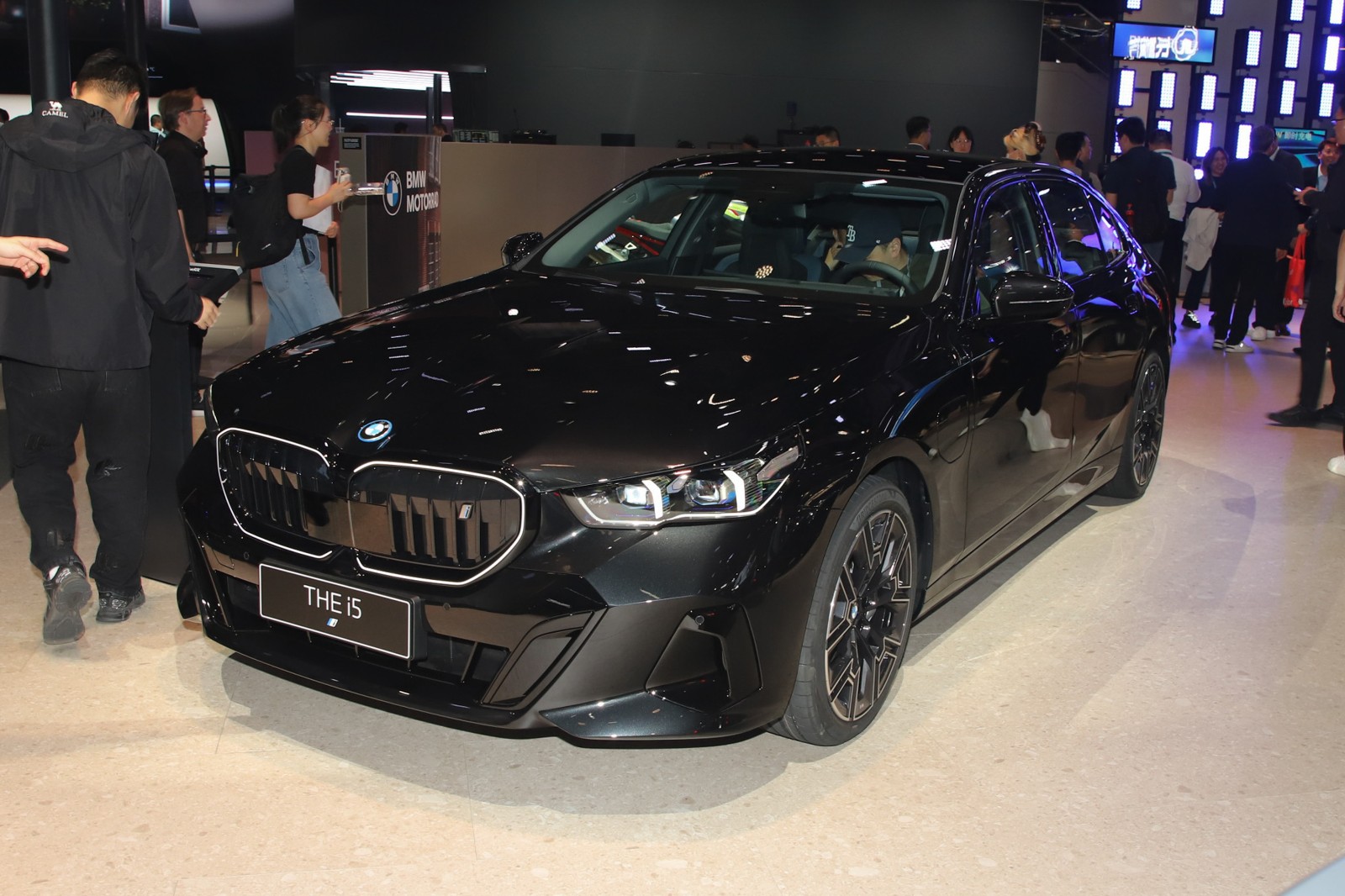
 Segment
 Body Type
 Motor Torque(Nm)
 EV Range(km)
 Battery Capacity(kWh)
 Driven Wheels
The competition in the D-segment luxury sedan market has gradually shifted towards electrification in recent years. Consumers are no longer only focused on brand premiums; they care more about whether electric vehicles can retain a sense of traditional luxury while providing smooth power delivery and practical range. As the all-electric version of the BMW 5 Series family, the 2023 i5 eDrive40 directly targets quality- and eco-conscious middle-class consumers—it continues the business attributes of the 5 Series while delivering an upgraded driving experience with its electric powertrain. During this test drive, I mainly wanted to assess whether its dynamic performance lives up to the identity of an "electric 5 Series" and whether its range and practicality meet everyday needs.
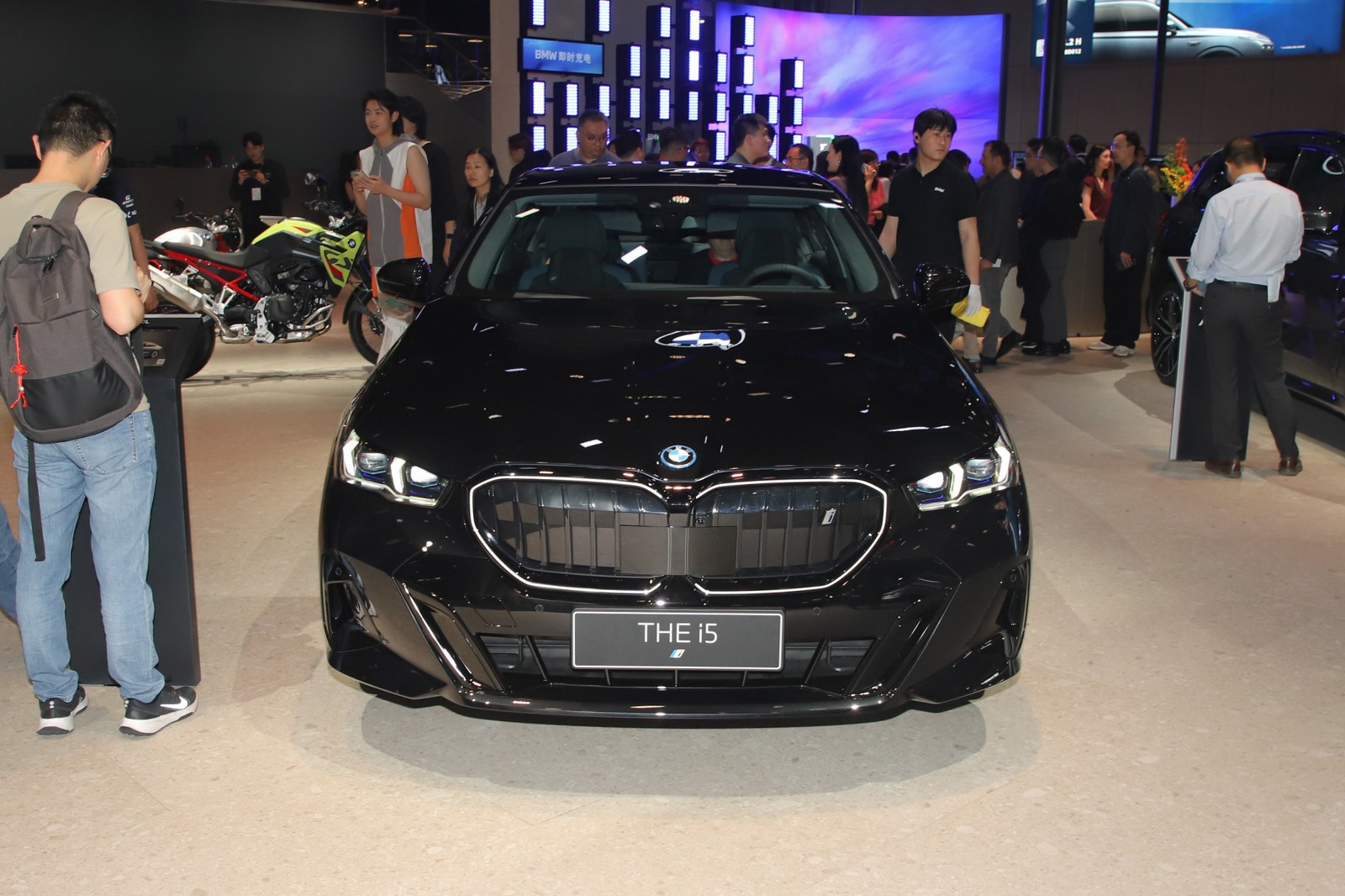
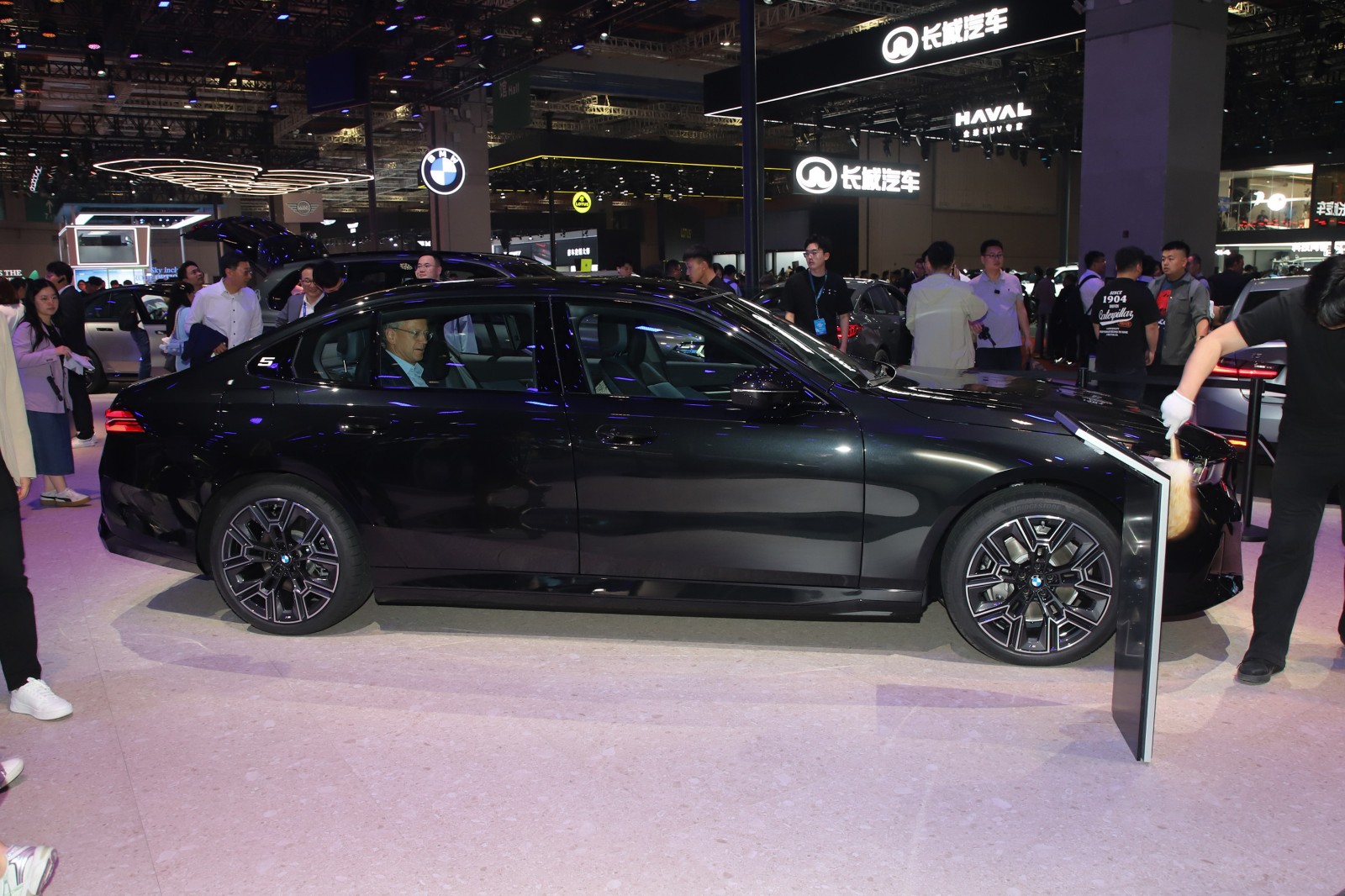
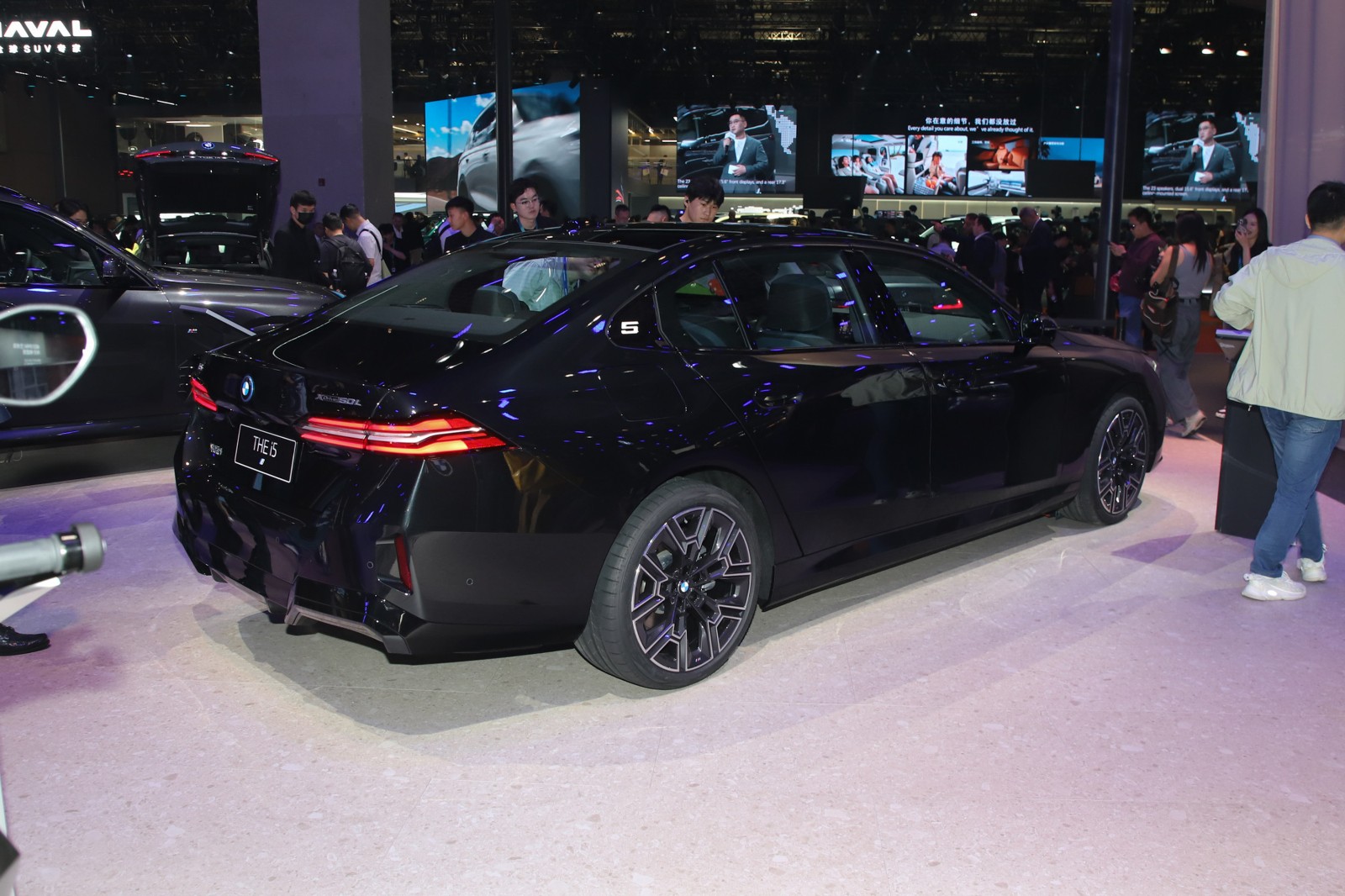
The exterior of the i5 eDrive40 doesn’t take an extreme electrification approach but makes detailed adjustments based on the classic 5 Series silhouette. The front uses a closed double kidney grille highlighted with blue accents, a signature design of BMW electric vehicles that offers high recognition; the headlights are sleek LED units, and when lit, the sharp lines enhance its visuals. Overall, the exterior maintains the steadiness of a luxury car while incorporating the technological vibe of an electric vehicle. The side profile features smooth lines, and the door handles are hidden, reducing wind resistance while enhancing refinement; the rims are 19-inch multi-spoke designs paired with low rolling-resistance tires, aligning with the electric vehicle positioning. The rear design hasn’t changed much, featuring 3D LED taillights. The small spoiler on the trunk lid and the diffuser shape at the bottom make the rear look sportier.
Stepping inside, the familiar BMW interior layout remains, but details lean more towards a futuristic feel. The central control screen has been upgraded to 14.9 inches and connects seamlessly with the 12.3-inch fully digital instrument cluster to form a dual-screen design. The infotainment system is the latest iDrive 8.5, which offers smooth operation, supports voice control and wireless CarPlay, and has a very clear operational logic. The steering wheel is a three-spoke design with a heating function and feels solid to grip; the seats are made of genuine leather, with electric adjustment and memory functions in the front, providing good support for long periods of sitting without discomfort. The center console adopts a floating design, creating extra storage space underneath, with a wireless charging pad located there—just place your phone on it to charge, which is very convenient. The rear row is a distinct advantage of D-segment cars, with a wheelbase of 2995mm. A passenger of 180cm height sitting in the rear has more than two fist-widths of legroom. The rear seats are equipped with independent air conditioning vents and Type-C ports, and the nearly flat middle floor ensures three passengers can sit comfortably without feeling cramped. The trunk capacity is 490L, slightly smaller than the fuel-powered 5 Series, but it can still fit two 28-inch suitcases without issue, making it sufficient for daily use or business trips.
The performance specs of the i5 eDrive40 are impressive: single motor, rear-wheel drive, maximum power of 340PS, and peak torque of 400Nm, with an official 0-100km/h acceleration time of 6 seconds. In actual driving, the response at launch is instantaneous—pressing the accelerator immediately delivers noticeable pushback, and the power delivery is very linear, without the gear-shifting jolts typical of gasoline cars. There are three driving modes: Eco Pro, Comfort, and Sport. In Eco Pro mode, the power output is somewhat restrained, making it suitable for daily commutes; Comfort mode is the most comfortable, with smooth power delivery and light steering; in Sport mode, the power response is sharper, and the steering becomes heavier, enhancing driving enjoyment. During this test drive, I drove on urban roads and highways. On the highway, overtaking was effortless—pressing the accelerator enabled quick acceleration, and it felt powerful even when accelerating again at 120km/h.
In terms of handling, the i5 eDrive40 inherits BMW's advantages. The steering is precise with minimal play, and the directional accuracy during cornering is very clear. The chassis features a front double-wishbone and rear multi-link suspension structure, tuned for comfort but still providing good support. When going over speed bumps, the suspension filters out bumps softly without excessive rebounding. On rough roads, the body movement is minimal, maintaining the stability of a luxury car. As a rear-wheel-drive vehicle, it has a high handling limit, with minimal body roll during cornering, inspiring confidence while driving. The braking performance is also good, with a linear pedal feel and ample braking force. During emergency braking, the vehicle remains very stable.
Range is a key metric for electric vehicles, and the i5 eDrive40 comes with an 81.2kWh battery capacity and an official range of 582km. On this test drive, I covered about 200km, 40% of which was on highways, with the air conditioning set at 23 degrees throughout, and the energy recovery set to medium. The displayed range dropped by 220km in total, achieving approximately 90% efficiency, which is considered excellent for electric vehicles in this segment. Regarding fast charging, the official claim is a full charge in 4 hours, but using a DC fast charging station, it takes about 40 minutes to go from 30% to 80%, making daily recharging quite convenient. For energy consumption, the city roads average around 16kWh/100km, highways about 18kWh/100km, which is close to the official figure of 15.9kWh/100km, meeting expectations.
In terms of ride comfort, the i5 eDrive40 performs very well. The noise insulation is excellent; at 120km/h on the highway, wind and tire noise are minimal, hardly affecting conversations inside the car. The seat padding is very soft, with adjustable lumbar support, allowing for long drives without fatigue. The energy recovery system has three levels; when set to the highest, releasing the accelerator gives a noticeable deceleration, almost eliminating the need to press the brake pedal, which is suitable for urban traffic jams. At the lowest setting, the gliding feel is similar to that of fuel-powered cars without a sense of drag.
To summarize, the i5 eDrive40 has obvious core advantages: it retains the luxury feel and handling of the 5 Series while offering a smoother driving experience with its all-electric powertrain. Its range efficiency is high, making daily use worry-free. Its space and practicality also align with the positioning of a luxury executive car. Compared to its peers like the Mercedes-Benz EQE, the i5 excels in handling and offers a more responsive infotainment system. Compared to the Tesla Model S, its luxury and comfort are a notch above.
This car is suitable for two types of people: one is business users who need a stable and luxurious car while also wanting to try electrification; the other is families who value space and comfort for commuting and long-distance travel. It’s not a performance-focused EV but rather a "well-rounded electric luxury car" that balances prestige and practicality.
Overall, the i5 eDrive40 is a successful product of electrification—it retains the essence of the 5 Series while using electric power to make it more suited to today’s market. If you’re looking for an electric luxury car that combines brand prestige with practicality and excellent drivability, it’s worth considering.
BMW i5 Car Compare
More BMW Reviews
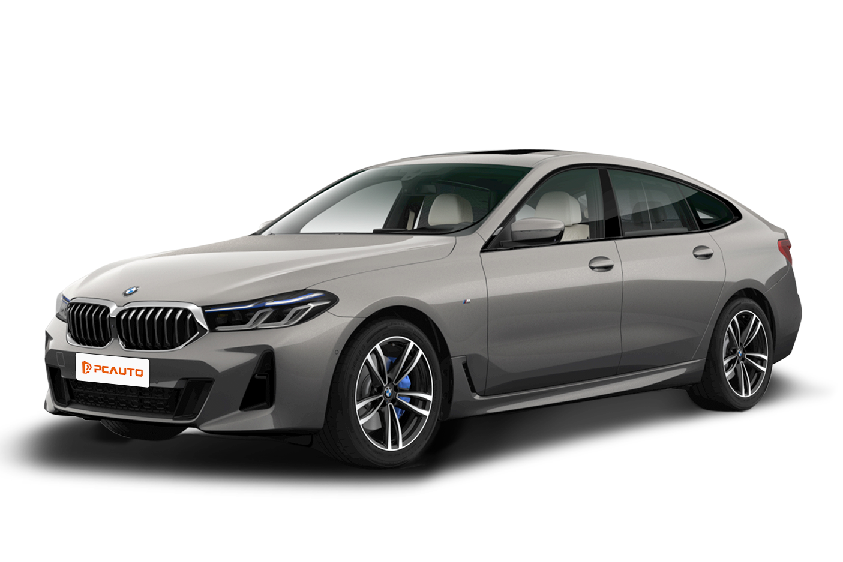
Cars With Similar Price And Features

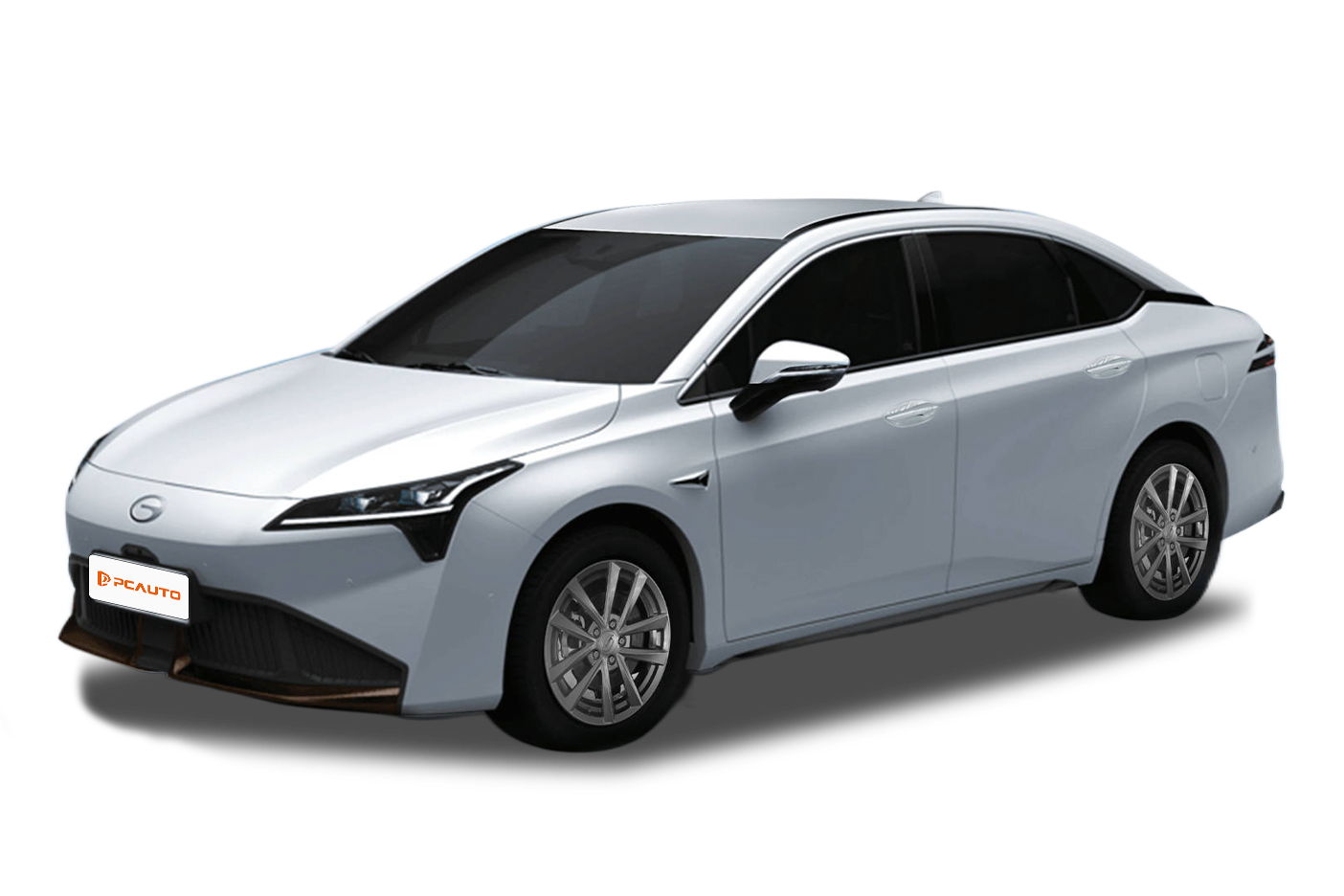
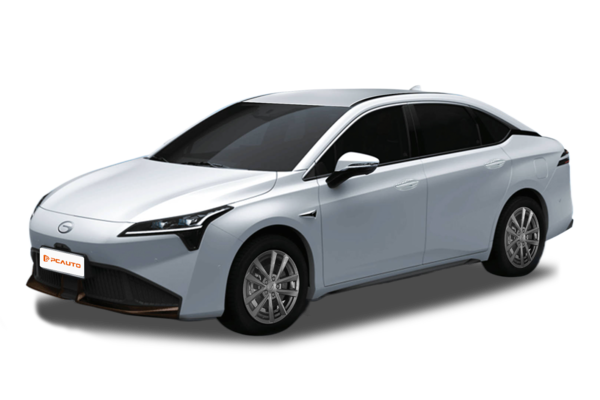
The 2024 GAC Aion ES EV is a cost-effective pure electric mid-size family car featuring reliable range, practical space, and balanced configuration, suitable for families focused on practicality.
20
Rank in Sedan

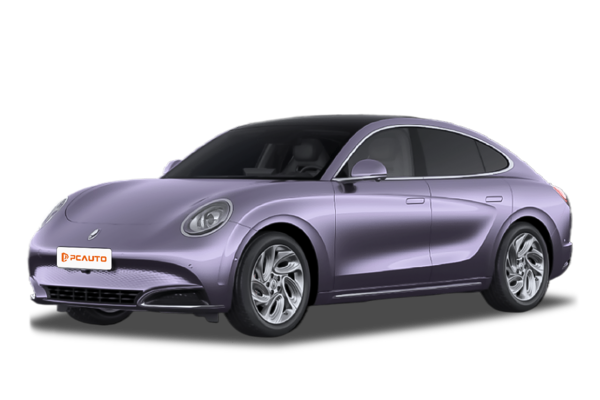
2024 ORA 07 Long Range Ultra with a core focus on 640km long range, paired with superior configuration and practical space, is a D-class electric coupe that balances household comfort and cost-effectiveness.
24
Rank in Sedan
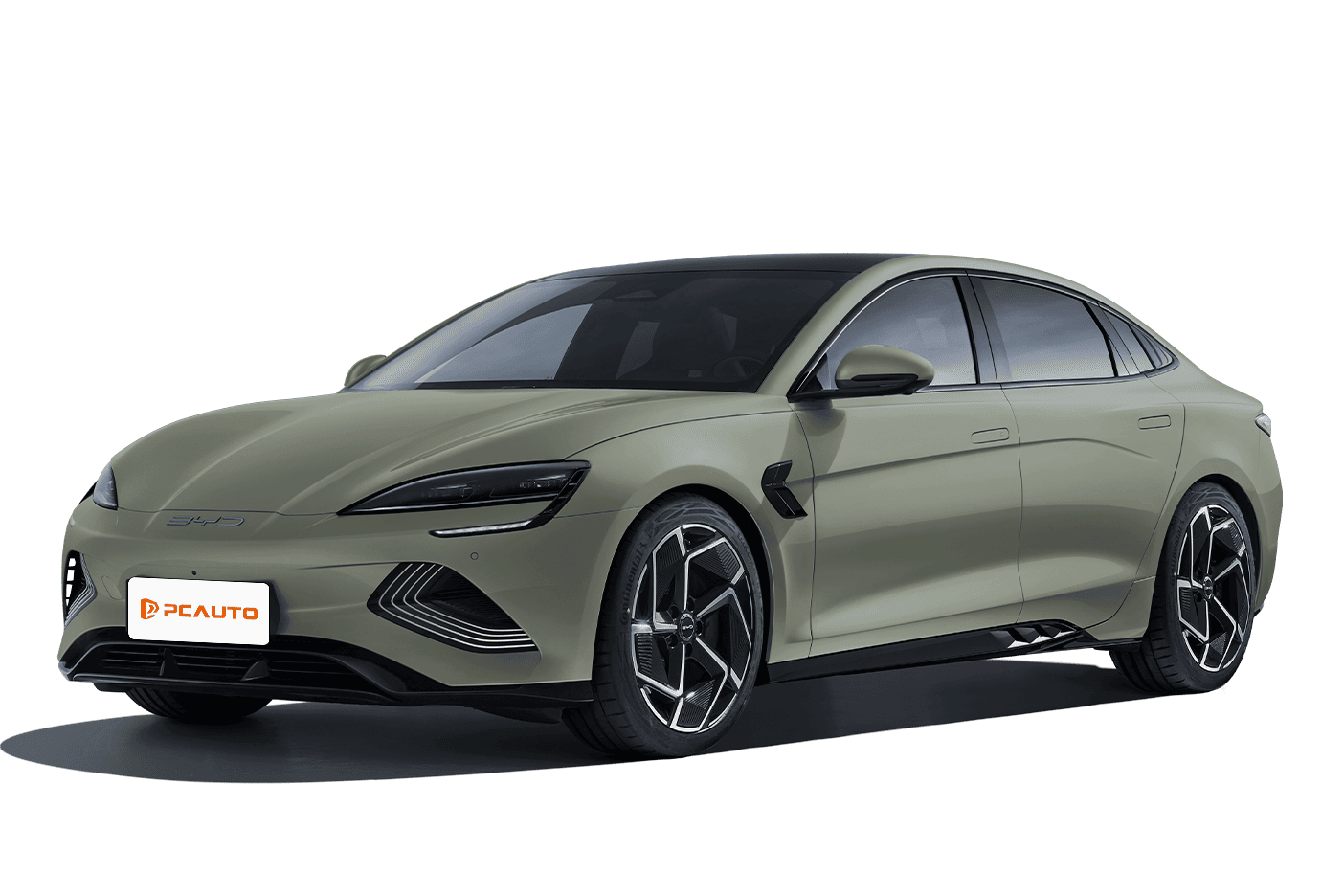
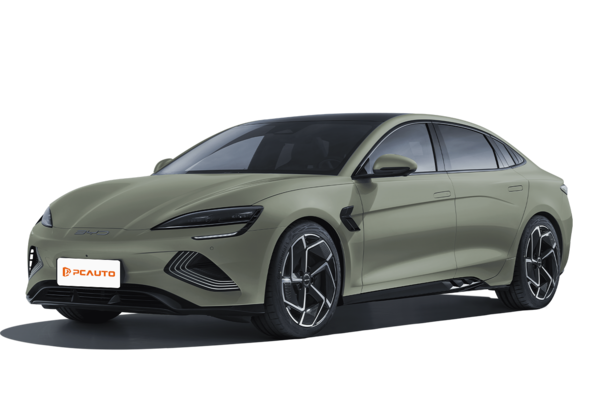
2025 BYD Seal Premium (Extended Range) is a high-value D-class electric coupe with a balanced 650km high-performance range, practical features, and comfortable space, suitable for family users and technology enthusiasts.
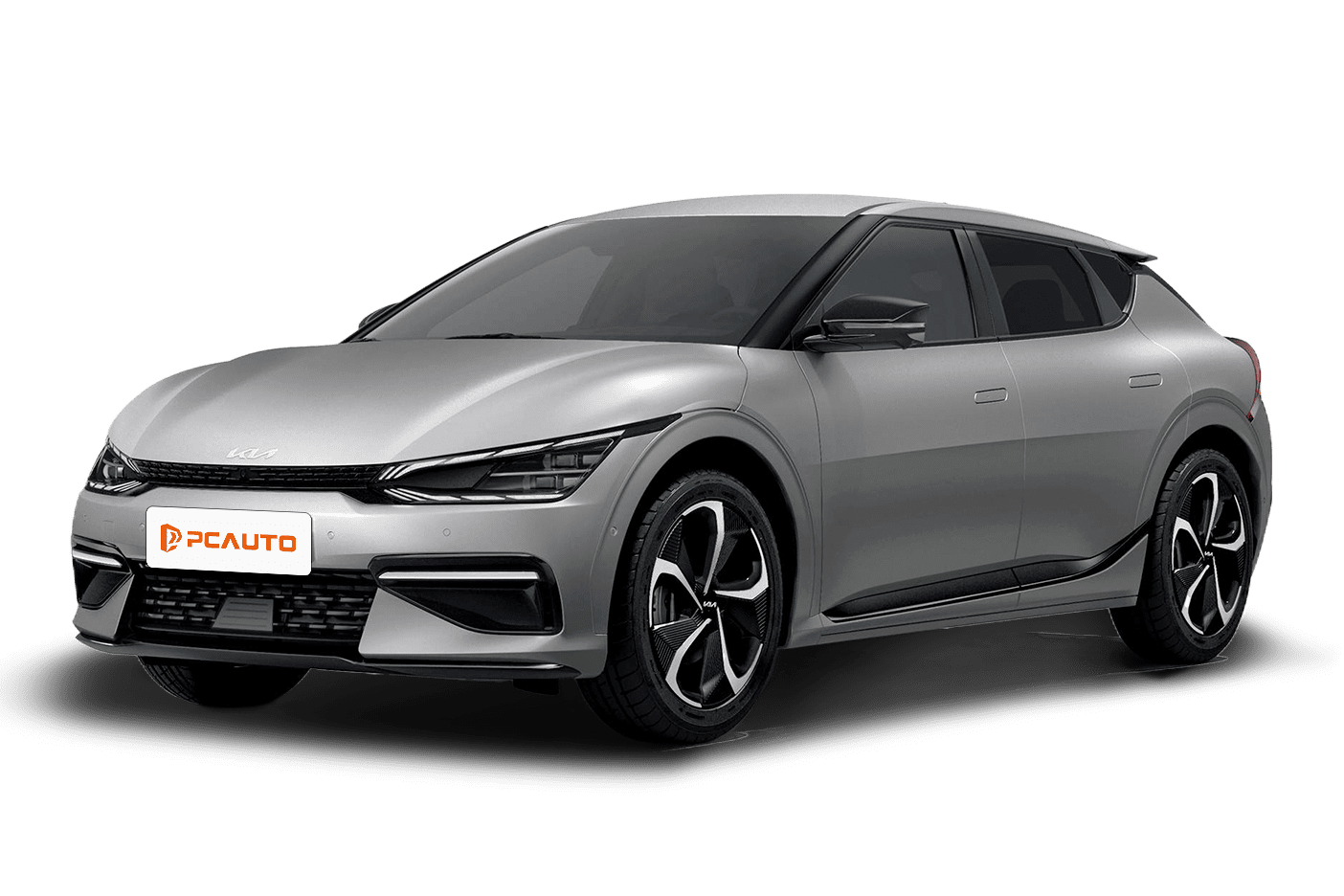
2022 Kia EV6 GT-Line AWD, as Kia's representative work on a pure electric platform, features a dual-motor with 325PS, a range of 506km, luxury configurations, and sporty design to create a well-balanced performance mid-size pure electric SUV.