

BYD Seal Review

 Share
Share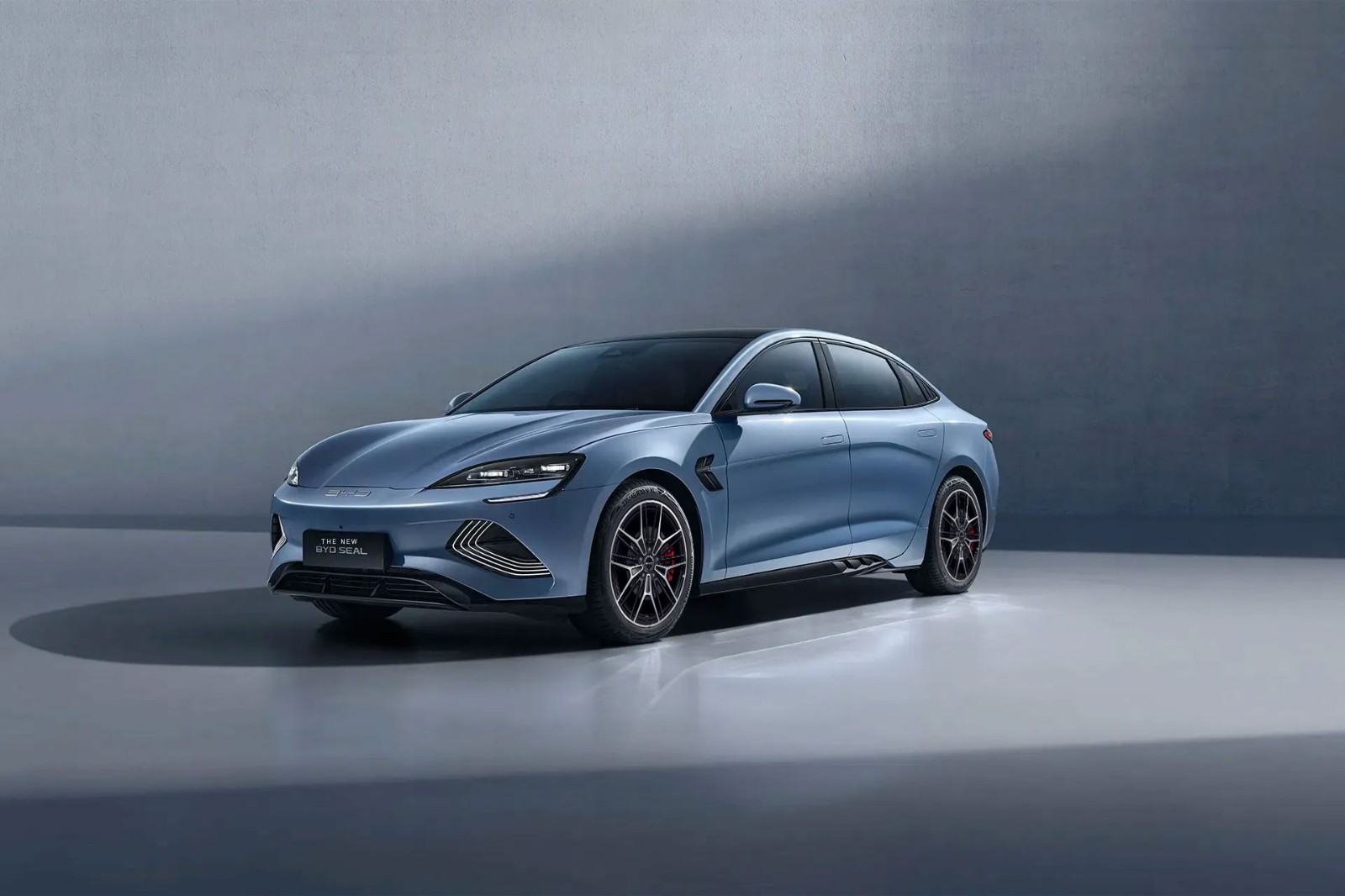
 Segment
 Body Type
 Motor Output(kW)
 Motor Torque(Nm)
 EV Range(km)
 Battery Capacity(kWh)
The D-class electric vehicle market is gradually becoming the focus of family users and tech enthusiasts, requiring both the range to meet daily commuting needs and practicality in terms of space and configuration. The 2025 BYD Seal Premium (Extended Range), as a facelift model, not only maintains the 650km official range advantage of the previous generation but also reduces the price to RM 171,800, which is RM 8,000 cheaper than the 2024 model. In this test drive, we focus on verifying: has the configuration been downgraded due to the price reduction? Is the range efficiency sufficient for daily use? And can the driving dynamics strike a balance between comfort and handling?
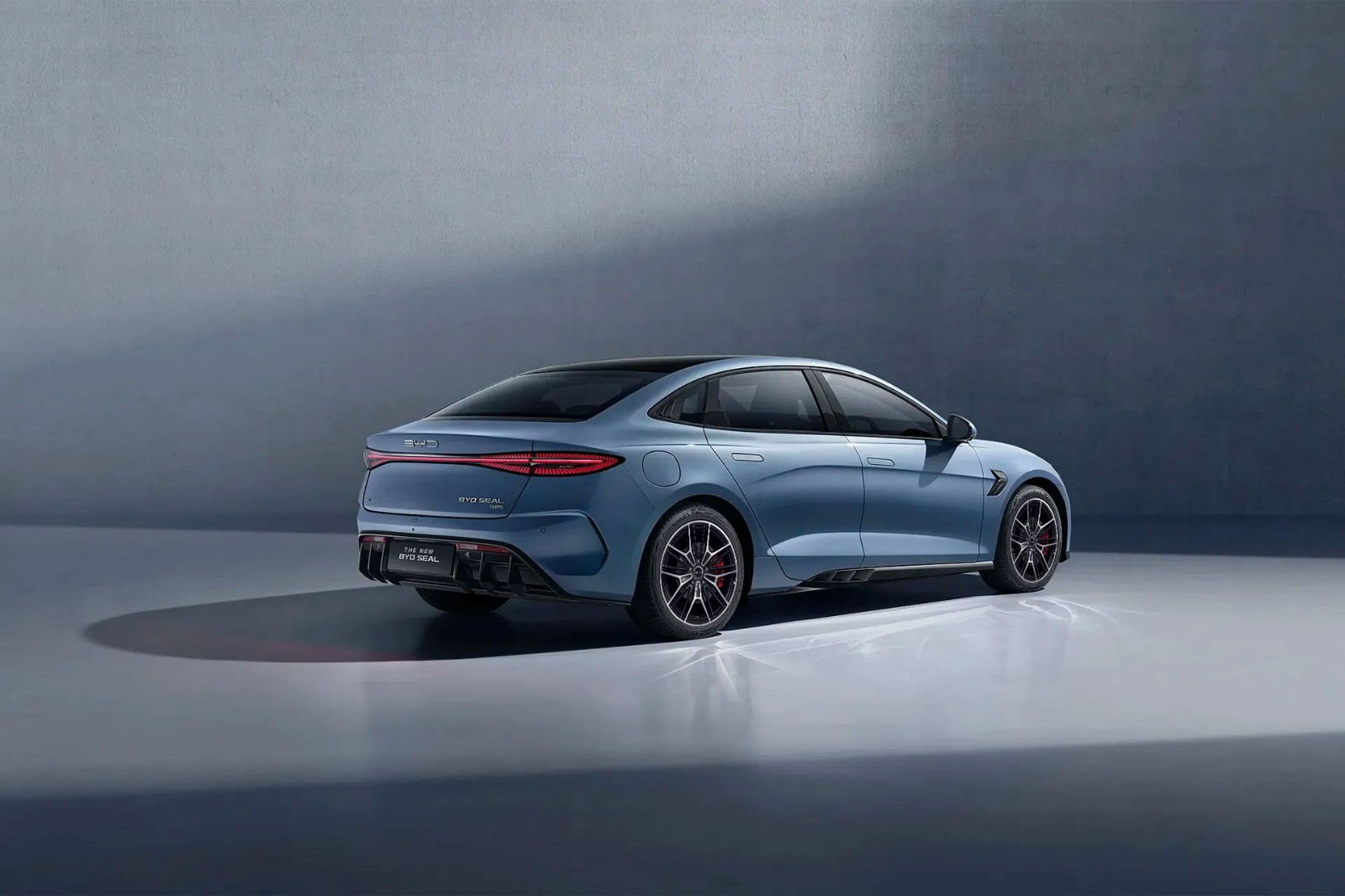
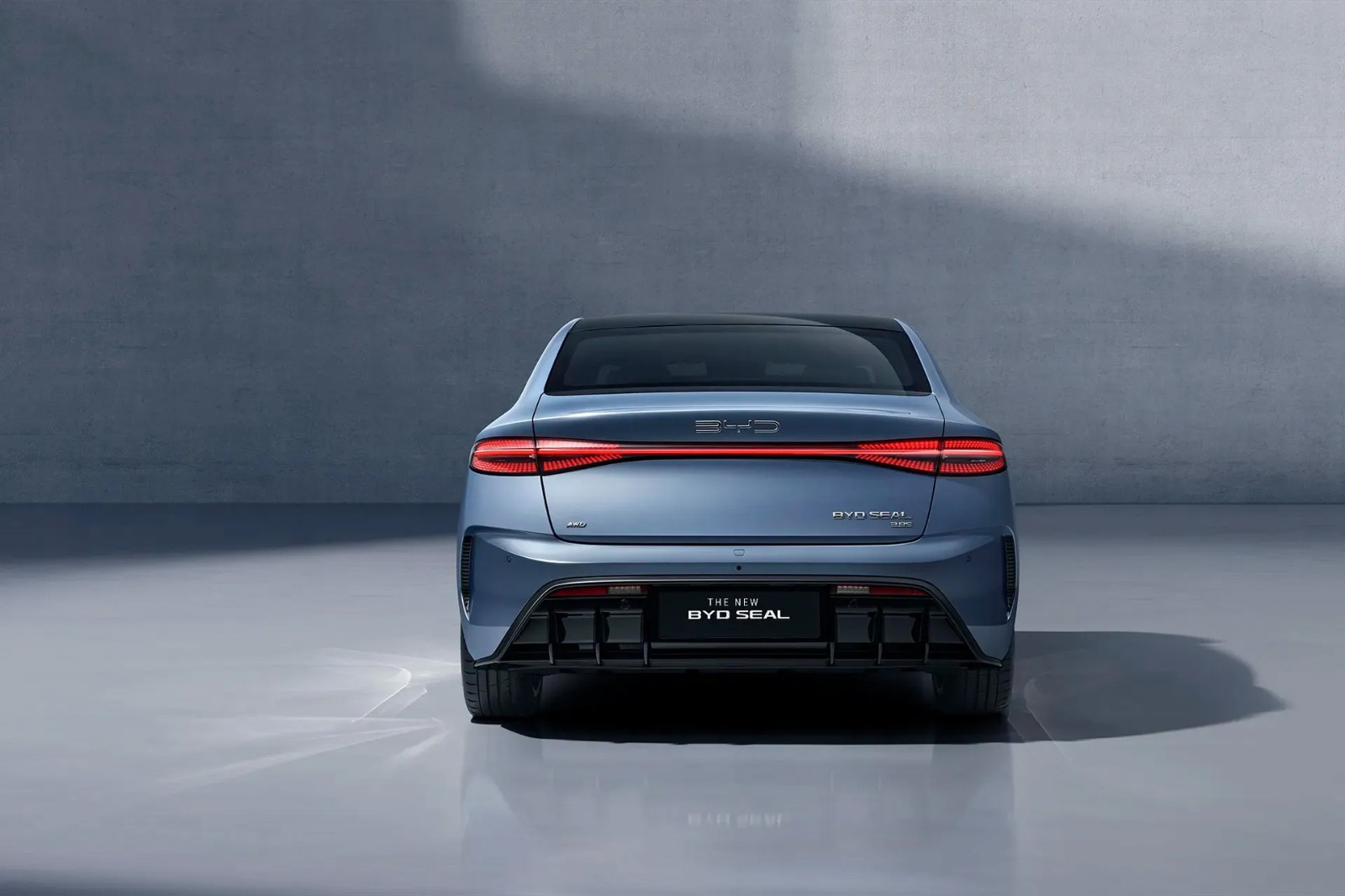
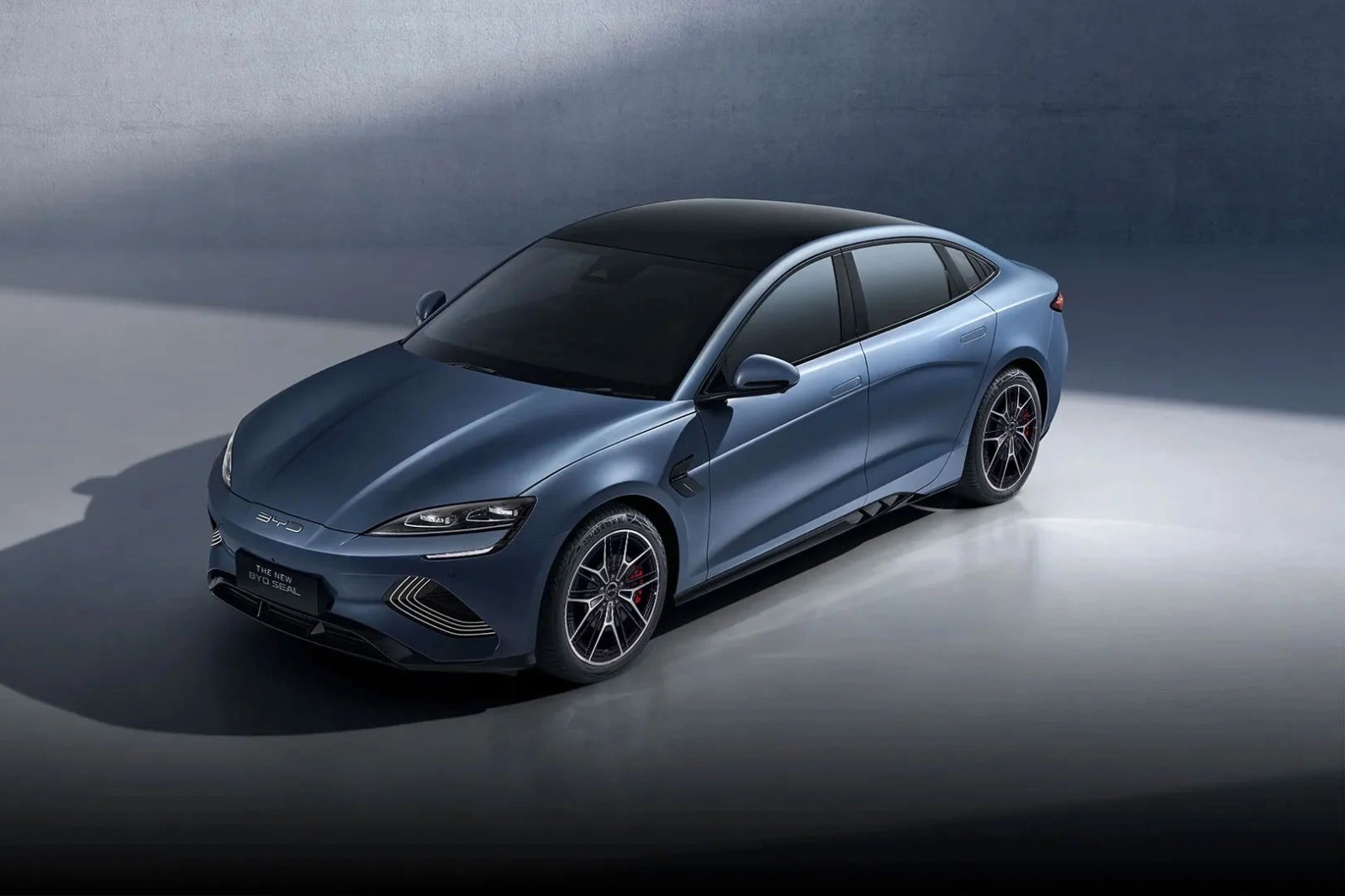
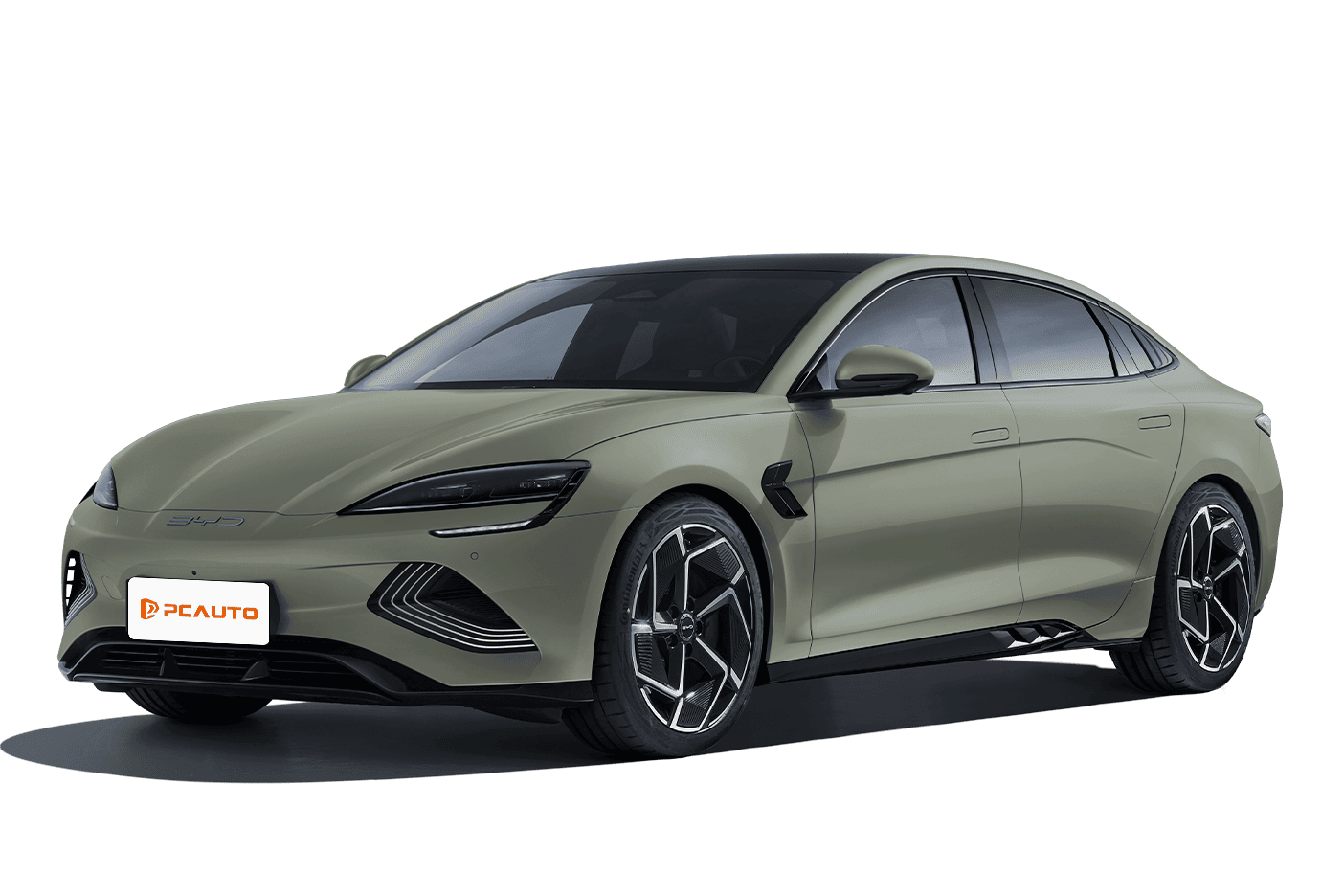
Approaching the vehicle, the exterior of the 2025 Seal Premium is basically consistent with the previous generation, maintaining a sleek coupe style overall. The front end adopts a closed design with sharp LED daytime running lights, offering high recognition; the side profile of the car extends the lines from the front to the rear, and the combination of 19-inch wheels with 235/45 R19 tires aligns with the sporty positioning without being overstated; the through-type LED taillights at the rear are conspicuous when lit at night, and the small ducktail design on the edge of the trunk adds a touch of sportiness. The lighting system comes standard with LED light sources, including front fog lights and automatic headlights, which are convenient for daily use.
Opening the door, the interior layout is driver-centric, with the center console inclined toward the driver's seat. The materials are mainly soft touch, providing a decent tactile feel; the 15.6-inch touch control center screen is the visual focal point, with good operational smoothness. However, the rotary feature of the previous generation Dynamic model has been removed, which is slightly regrettable. In terms of features, the HUD head-up display, fully digital instrument cluster, and 12-speaker Dynaudio sound system are all standard, balancing practicality with a sense of luxury. The front seats support electric adjustment with moderate support; they are not tiring during long driving sessions. Thanks to the 2920mm wheelbase, the legroom in the rear seats allows a passenger of 175cm height to have a two-fist space, and the headroom also has about a one-fist margin, which is adequate for family use. For storage, the central armrest box and door panel storage compartments offer considerable capacity, and the trunk has a volume of 400L, capable of holding two 28-inch suitcases. The rear seats support a 60:40 split-fold, providing decent expandability.
Starting the vehicle, the 2025 Seal Premium is equipped with a rear-mounted single motor, delivering a maximum power of 230kW (308PS) and a maximum torque of 360N·m, and its official 0-100km/h acceleration time is 5.9 seconds. During daily driving, the power responds quickly, with light and brisk starts, and pressing the accelerator deeply produces a clear sense of thrust, making overtaking actions clean. There are three driving modes: Eco, Standard, and Sport. In Eco mode, the power output is relatively smooth, suitable for daily commuting; while in Sport mode, the power response is enhanced, making it suitable for enjoying driving fun occasionally. The chassis adopts a front double-wishbone and rear five-link independent suspension setup, tuned for comfort. When passing speed bumps or bumpy roads, the suspension effectively absorbs vibrations, keeping the body stable; body roll is also well-controlled when cornering, without noticeable wobbling. The steering wheel offers moderate weight and precision, ranking in the upper-middle level among its class, making daily handling relatively effortless.
In terms of range, we traveled approximately half the distance on city roads and highways, with air conditioning and audio system on throughout the journey. The actual range achieved was approximately 585km, with a completion rate of about 90%, meeting expectations. Fast charging takes 0.6 hours (to charge from 30% to 80%), while slow charging takes 15.2 hours, catering to the energy replenishment needs of various scenarios. Noise control is done relatively well, with wind noise and tire noise not being noticeable at highway speeds, maintaining a relatively quiet interior environment. The energy recovery system offers three adjustable levels, and the drag sensation at the highest level is not abrupt, which does not affect driving comfort.
Overall, the biggest advantage of the 2025 BYD Seal Premium lies in the fact that, despite the price reduction, the configurations have not been downgraded. The official 650km range and high achievement rate address range anxiety, while its space and comfort can meet the needs of a family. Compared to the same class Tesla Model 3 Rear-Wheel Drive version (starting at RM 189,000), the Seal Premium has an advantage in price and configuration; compared to the XPeng P7i Rear-Wheel Drive version (starting at RM 179,900), it slightly outperforms in range. This car is suitable for family users who value cost-effectiveness, require long range, and ample space, as well as young consumers who pursue technological features and a comfortable driving experience.
As a D-segment electric sedan, the 2025 BYD Seal Premium strikes a good balance between range, configurations, and price, with no obvious shortcomings. If you are looking for an electric car that balances family use and daily commuting, it is a worthwhile option to consider.
BYD Seal Car Compare
BYD Seal Loan Calculator
More BYD Reviews
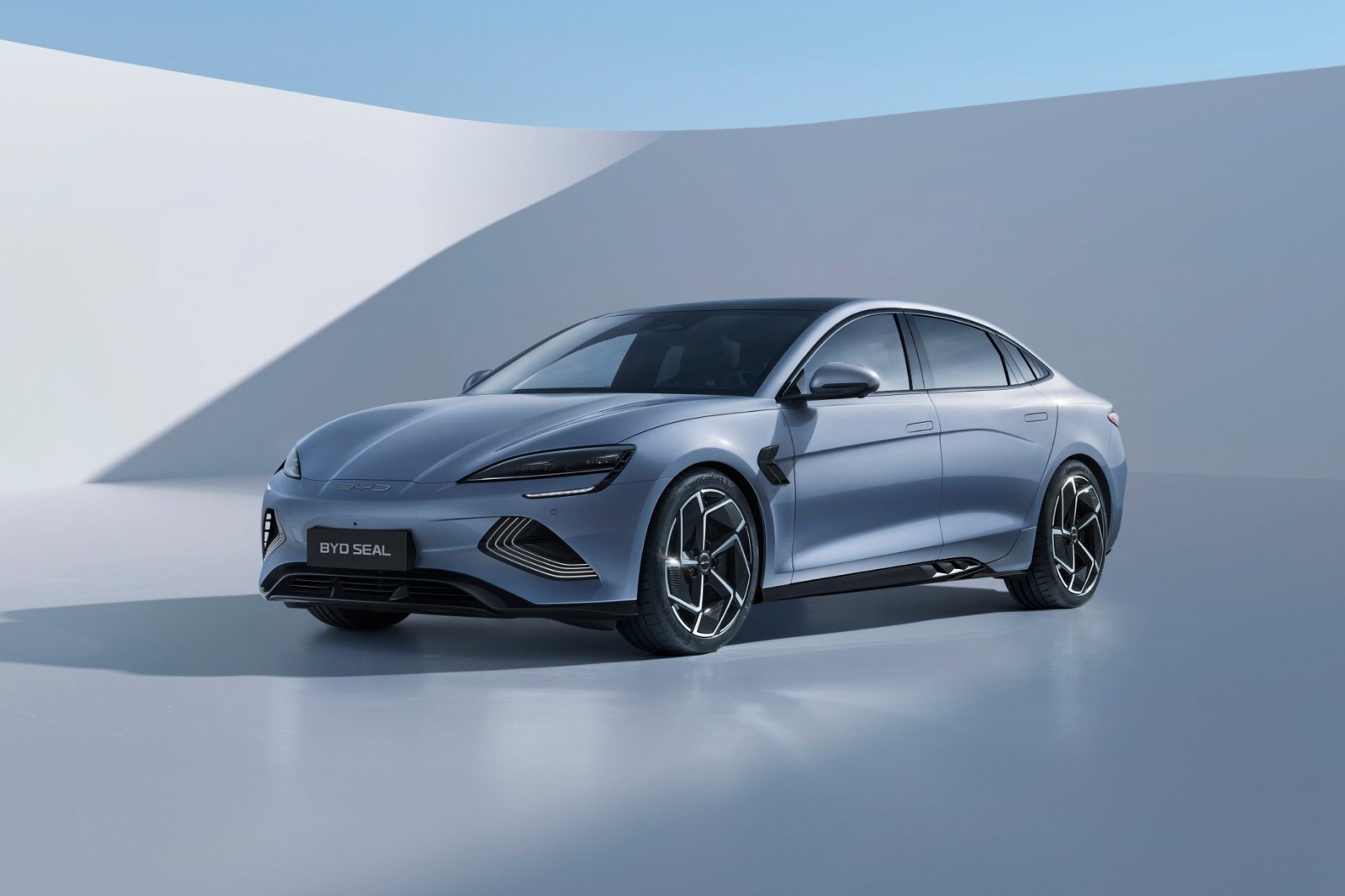
Cars With Similar Price And Features

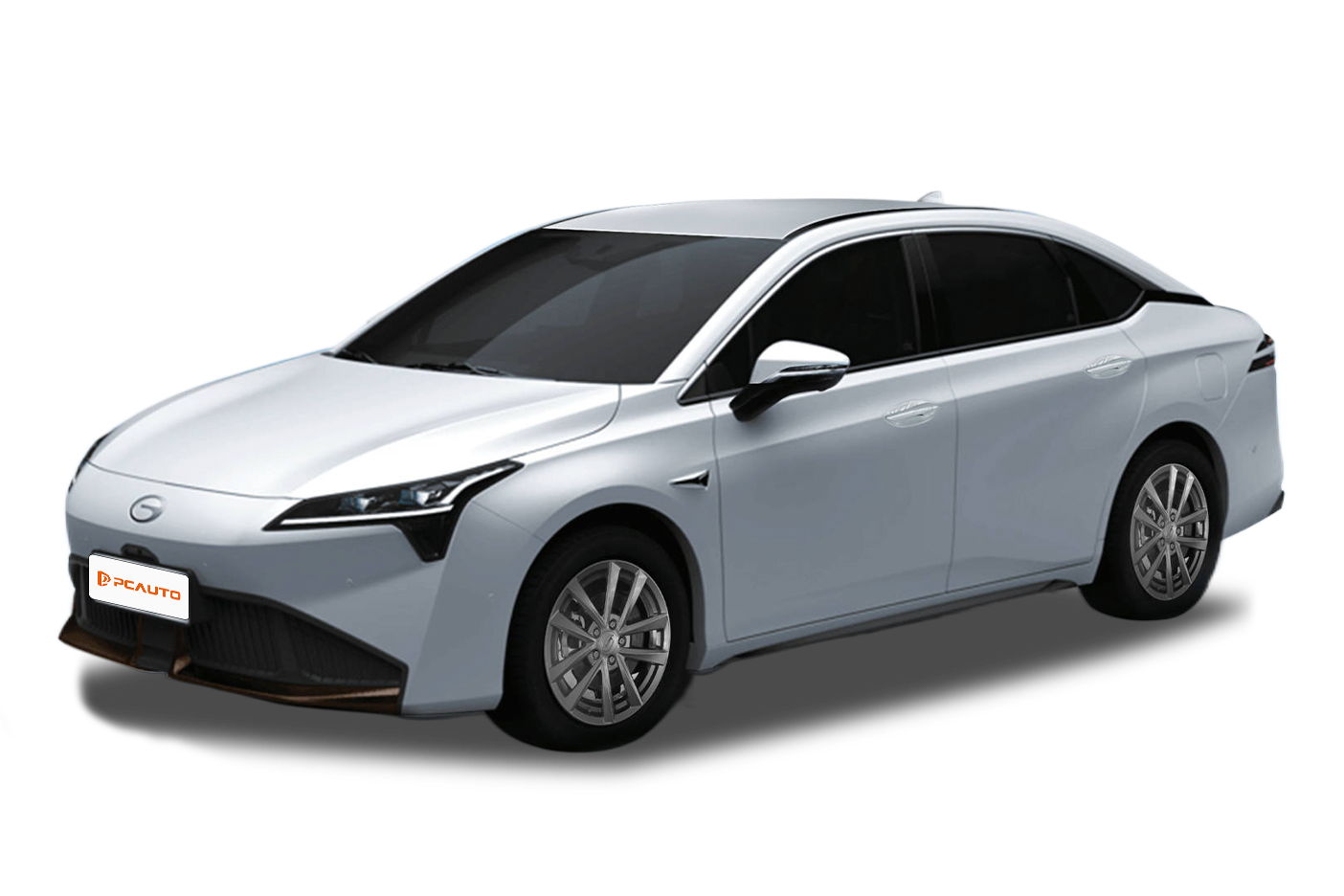
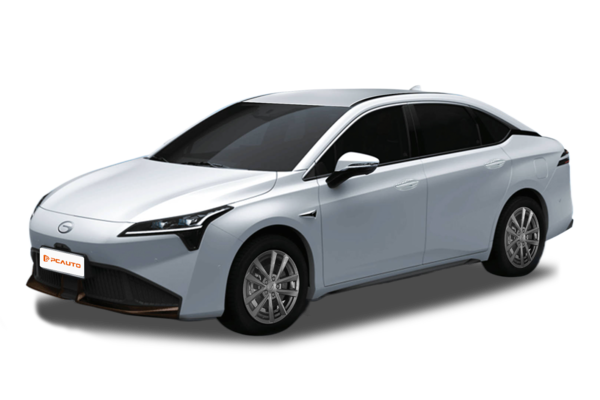
The 2024 GAC Aion ES EV is a cost-effective pure electric mid-size family car featuring reliable range, practical space, and balanced configuration, suitable for families focused on practicality.
20
Rank in Sedan

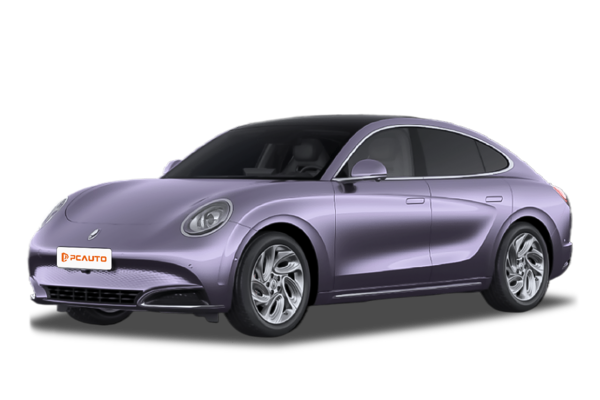
2024 ORA 07 Long Range Ultra with a core focus on 640km long range, paired with superior configuration and practical space, is a D-class electric coupe that balances household comfort and cost-effectiveness.
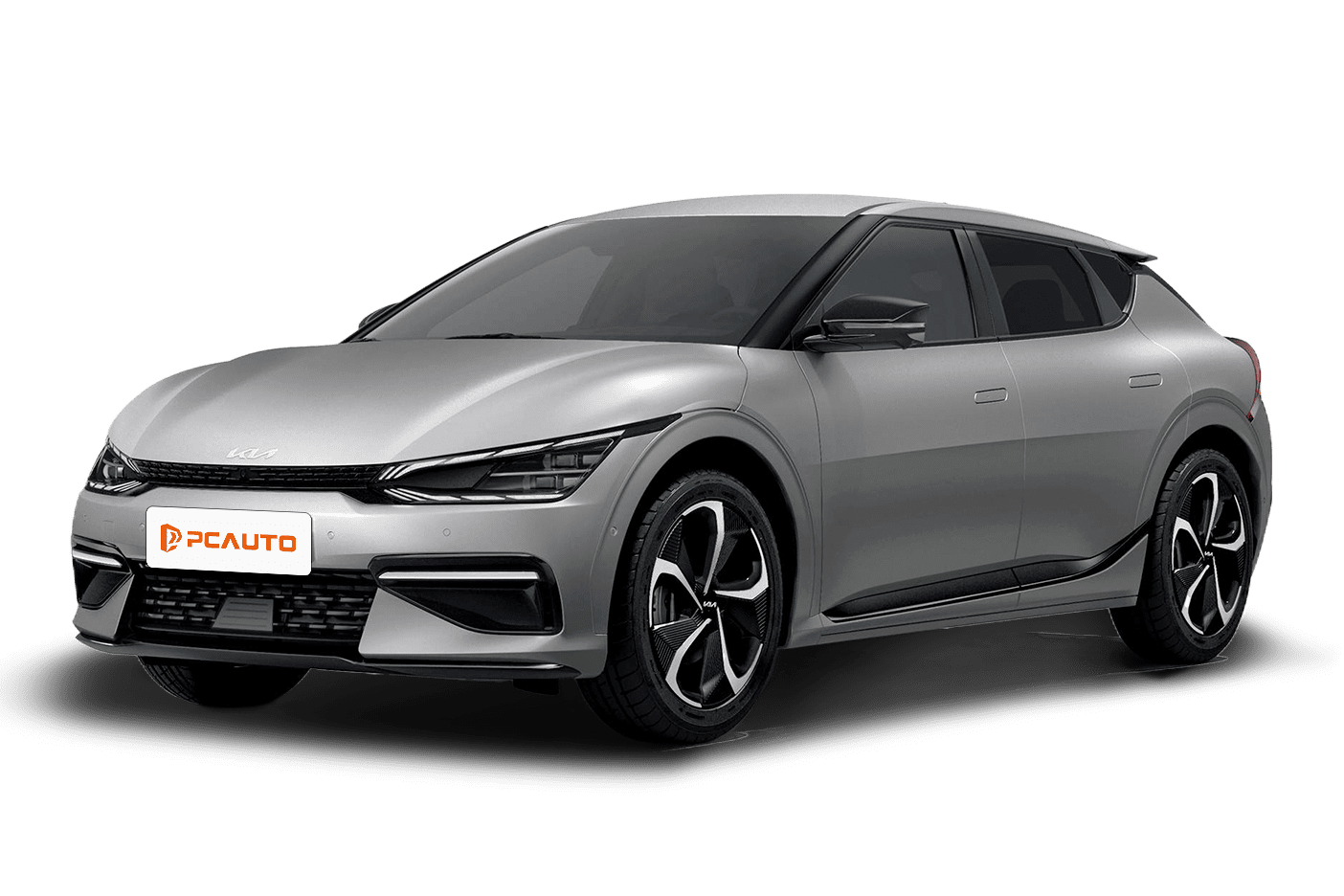
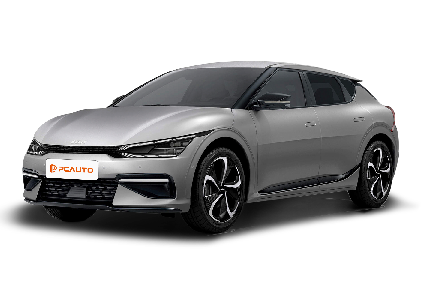
2022 Kia EV6 GT-Line AWD, as Kia's representative work on a pure electric platform, features a dual-motor with 325PS, a range of 506km, luxury configurations, and sporty design to create a well-balanced performance mid-size pure electric SUV.
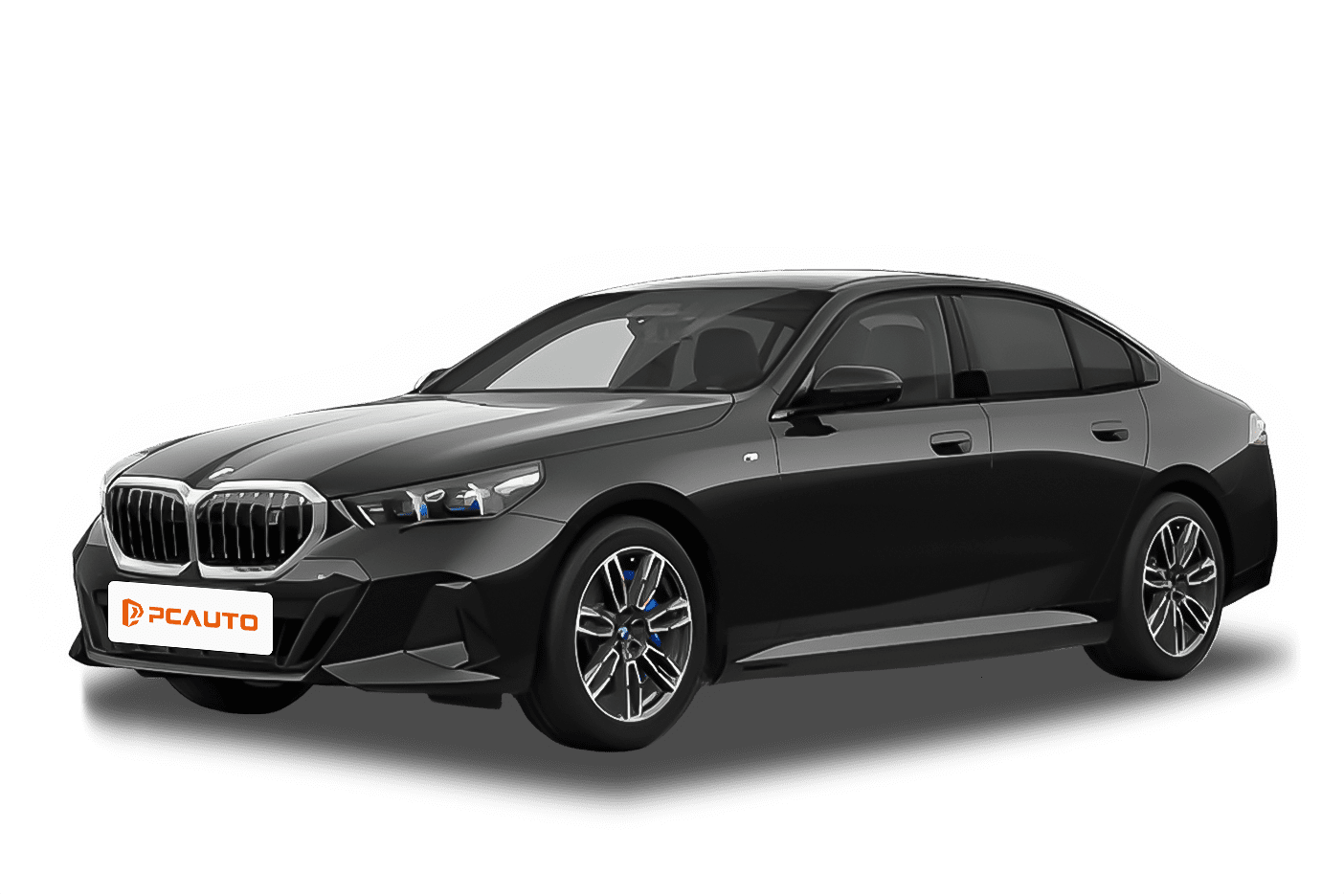
2024 BMW i5 eDrive40 M Sport is a pure electric sedan that combines sporty genes with executive-level luxury, featuring a sleek body, ample space, powerful performance, and precise handling to meet the needs of both family and business.